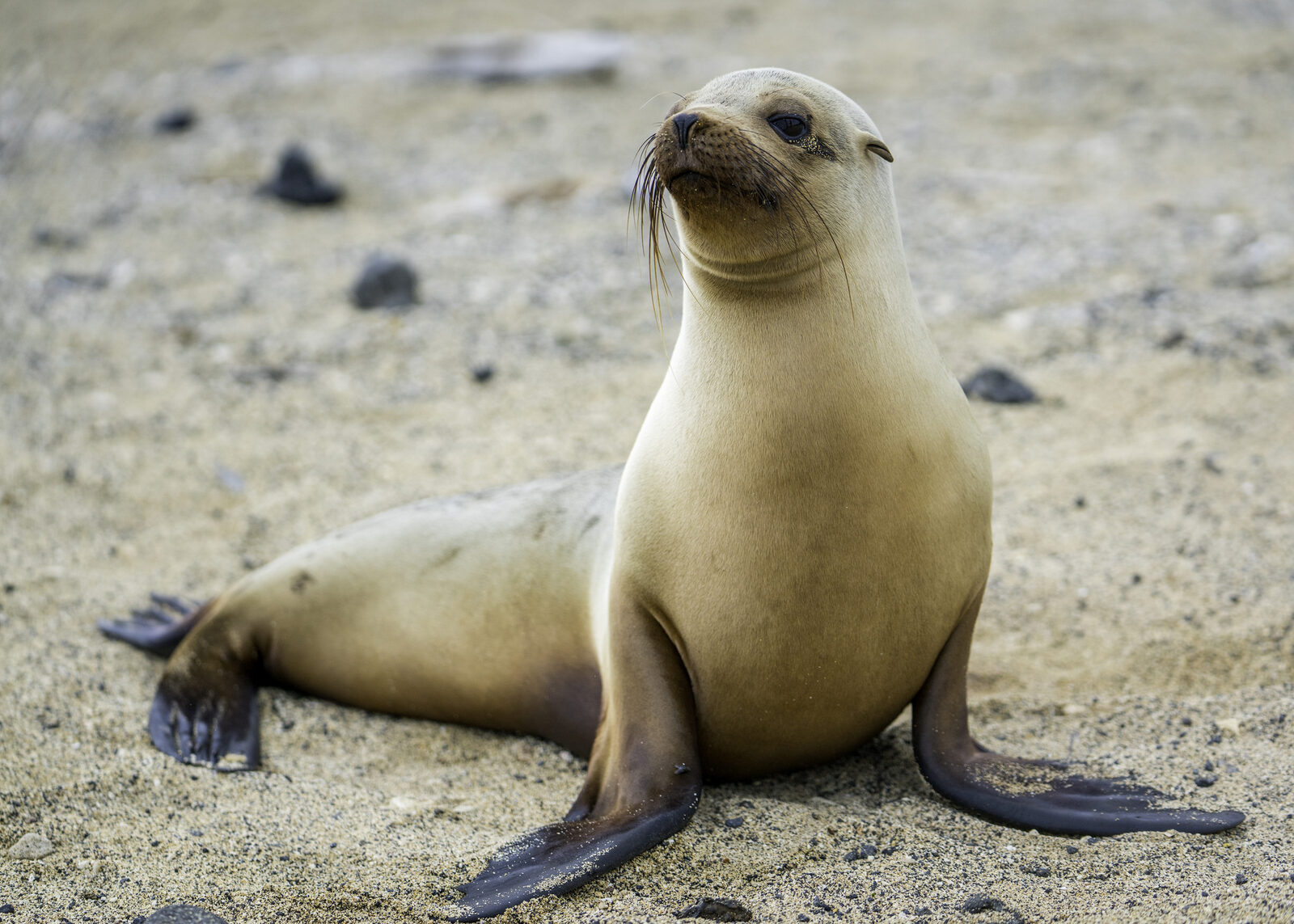
Galápagos sea lion
Zalophus wollebaeki
- Status
- Endangered IUCN Red List
- Eats
- chub mackerel, striped bonito, north Pacific hake and 63 more
- Eaten by
- great white shark
- Where
- 3 countries · galápagos Islands
People have shared 7,335 records of the galápagos sea lion with GBIF, from 3 countries, most of them from Ecuador, Costa Rica and Colombia. Records collected by GloBI show it eating 66 different kinds of animals and plants, and being eaten by 1.
In the southern hemisphere, people record it most in August and least in February. It belongs to the genus Zalophus in the family Otariidae.
Habitats
What the galápagos sea lion eats, and what eats it
Studies have recorded it eating 66 kinds of animals and plants, and 1 kinds of animals eating it. Tap any of them to follow the food chain.
- Fish 57
- Sharks and rays 2
- Octopus and squid 2
Eaten by
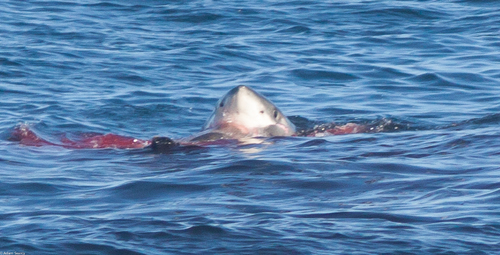 Galápagos sea lion
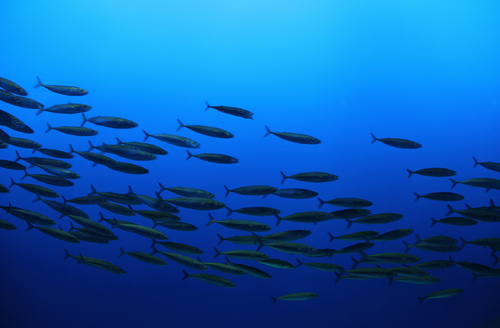
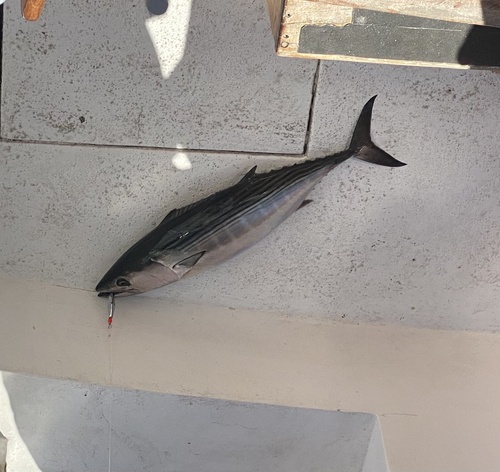
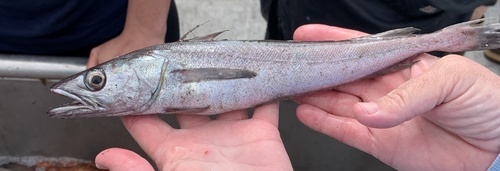
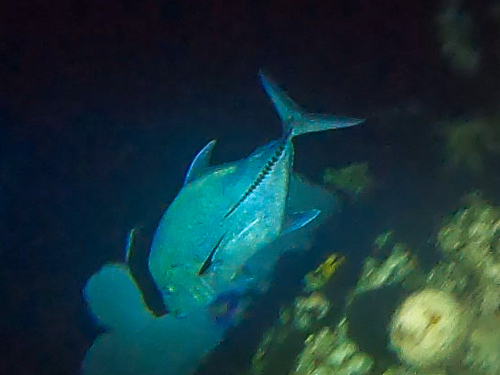
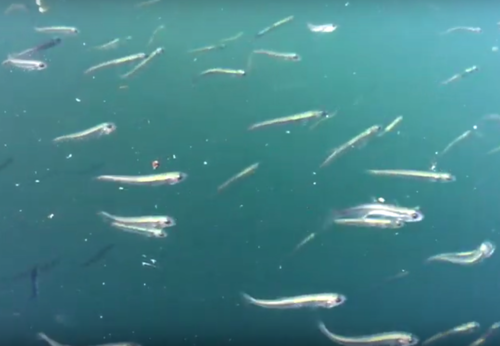
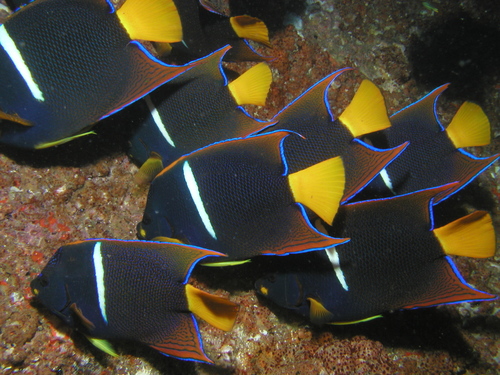
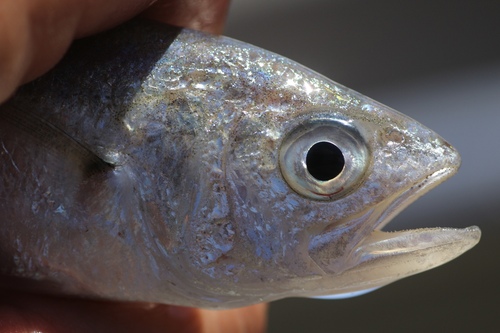
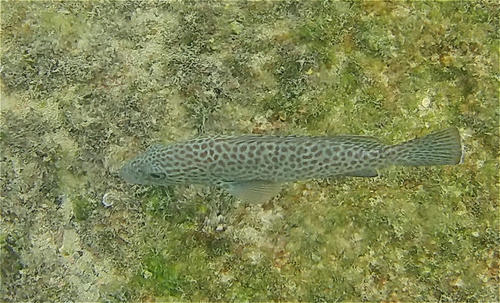
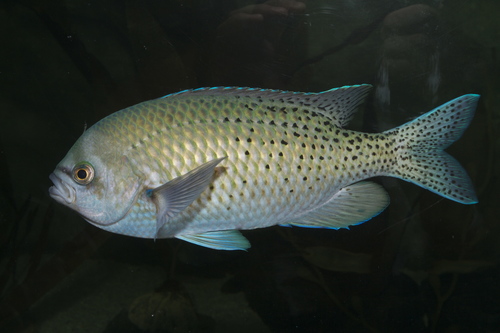
Records from studies worldwide, collected by GloBI. They include animals eaten as carrion, and they are not everything it eats in one place.
Where people see the galápagos sea lion
People have shared 7,335 records from 3 countries.
Records show where people have seen it and shared it, not its full range. Country names open their page in Atlas.
When it is seen
Records per month in the southern hemisphere. More people outdoors also means more records.
Watch and listen
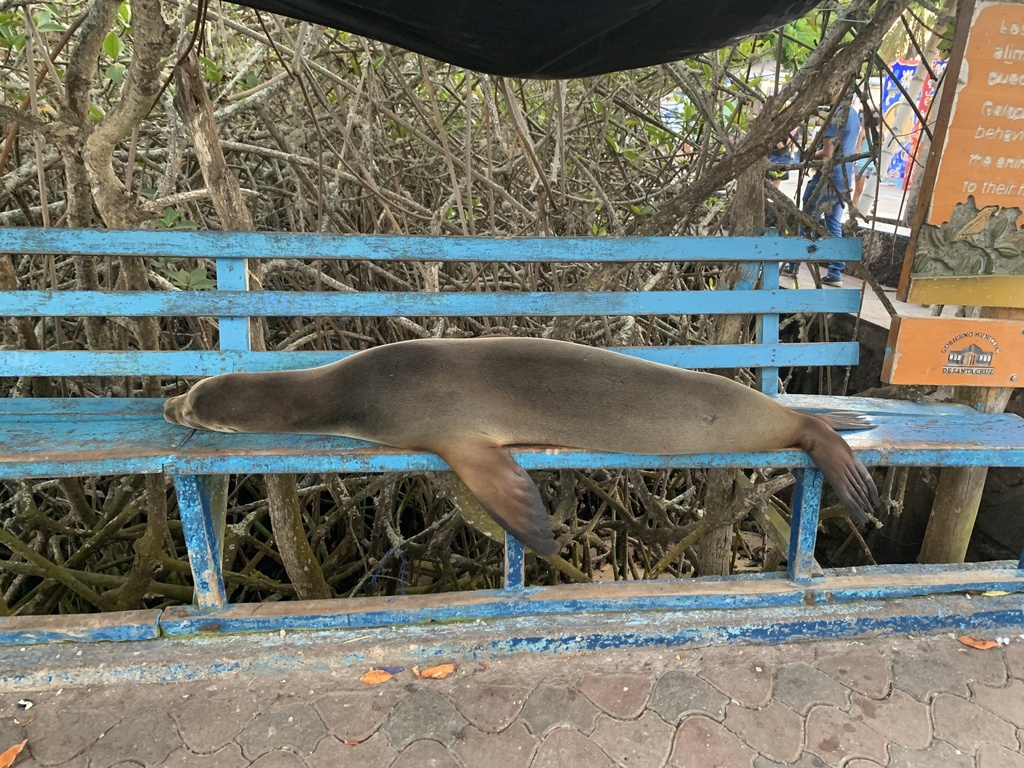
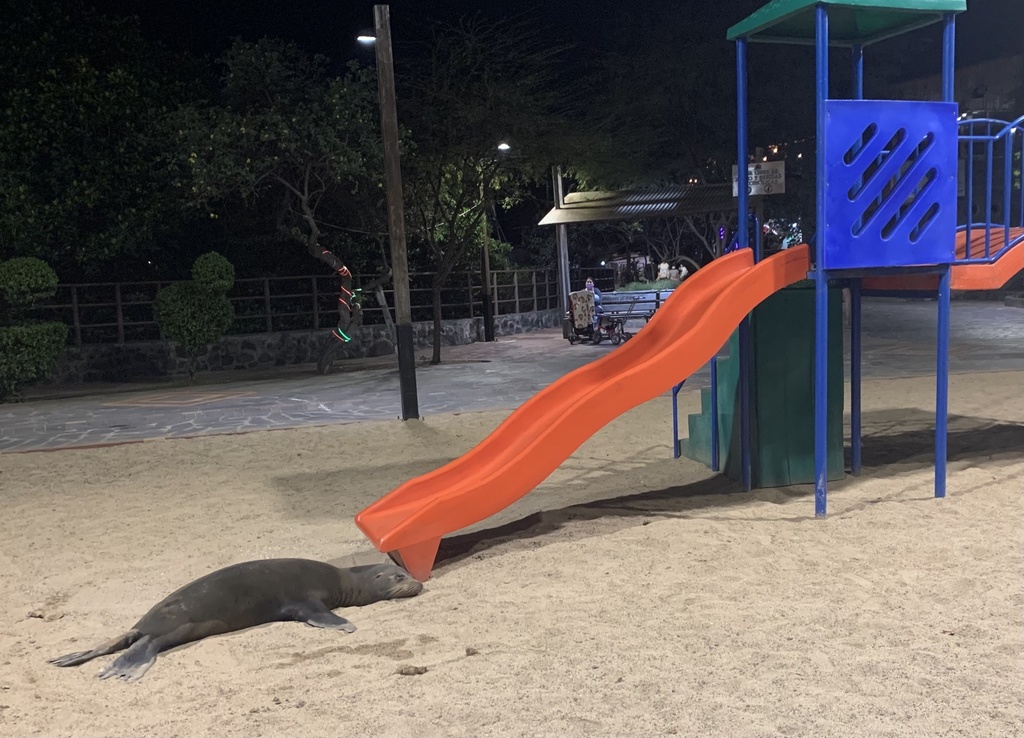
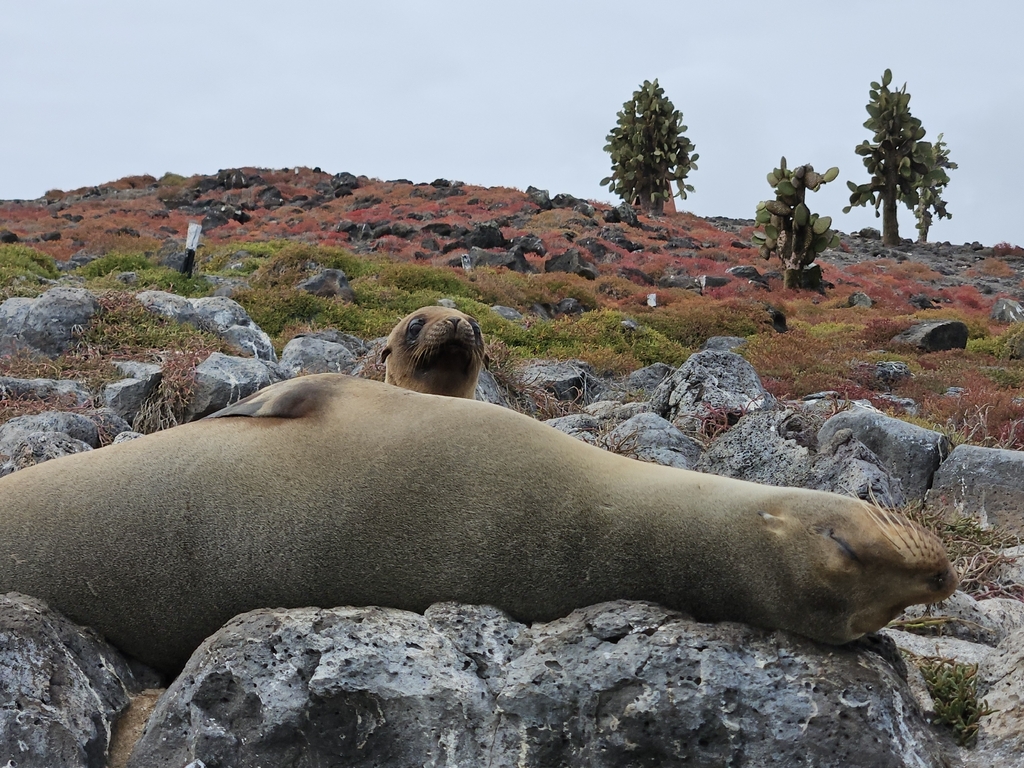
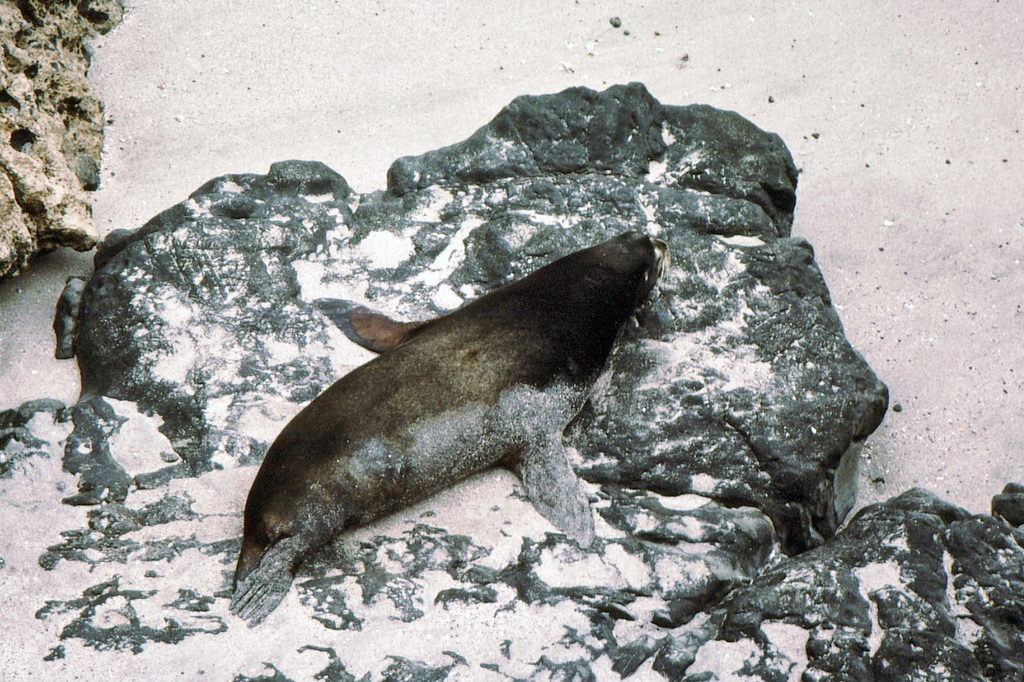
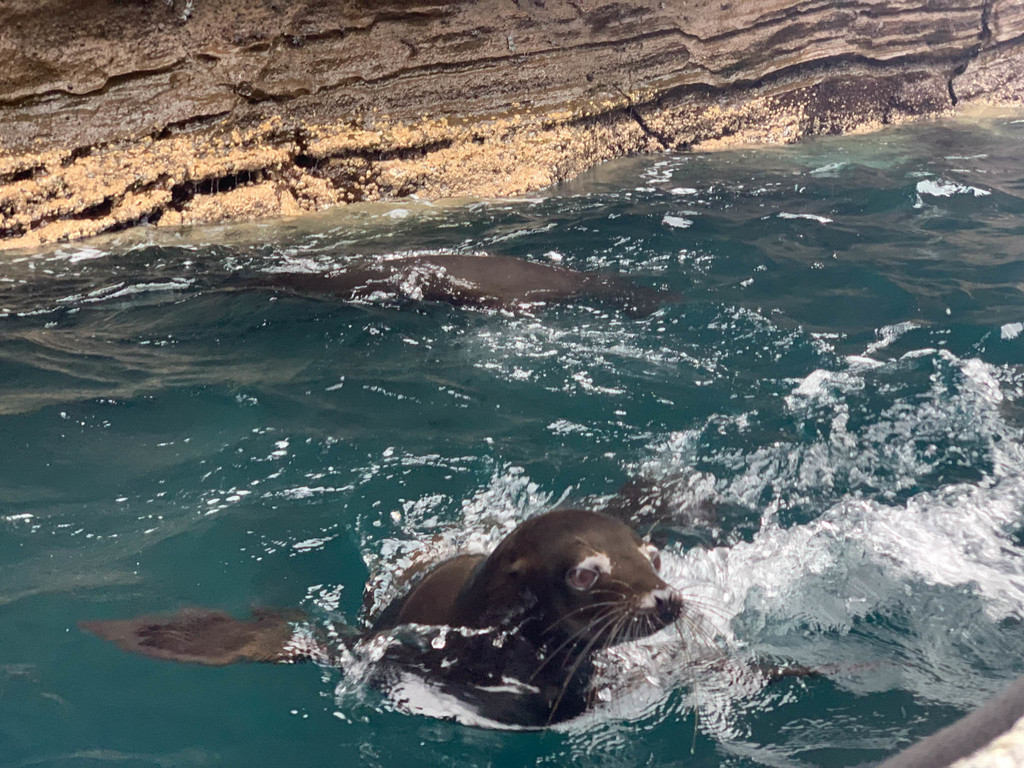
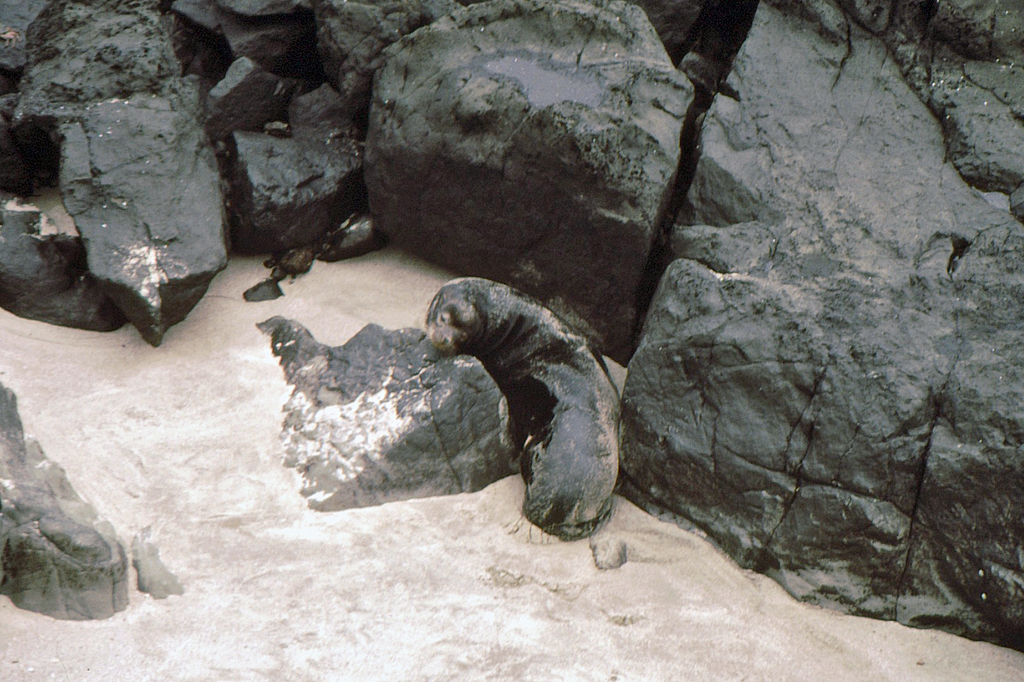
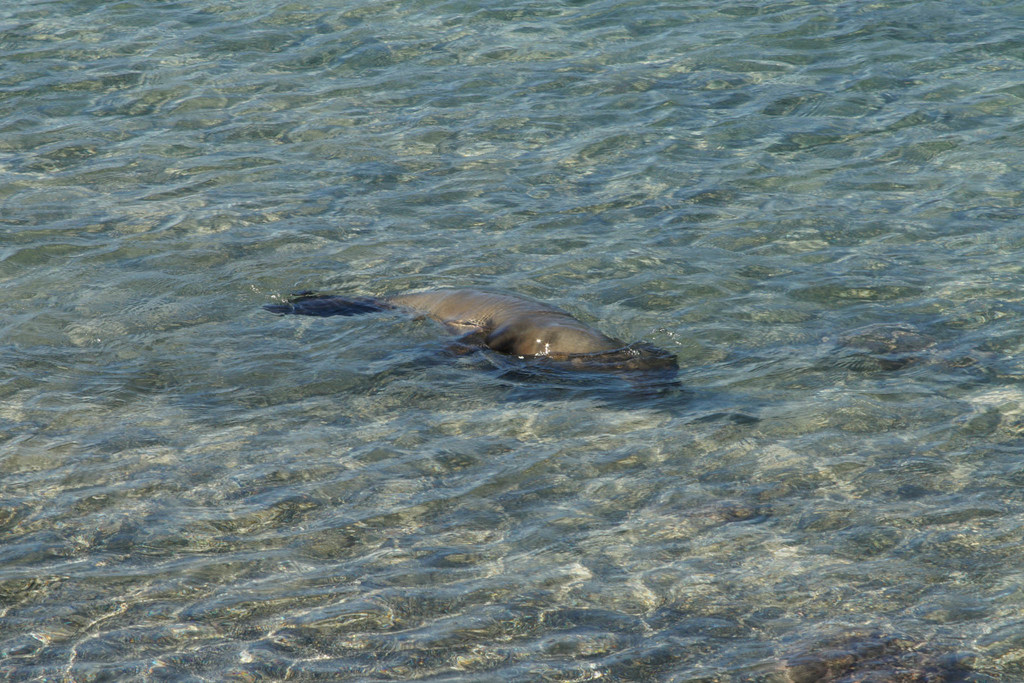
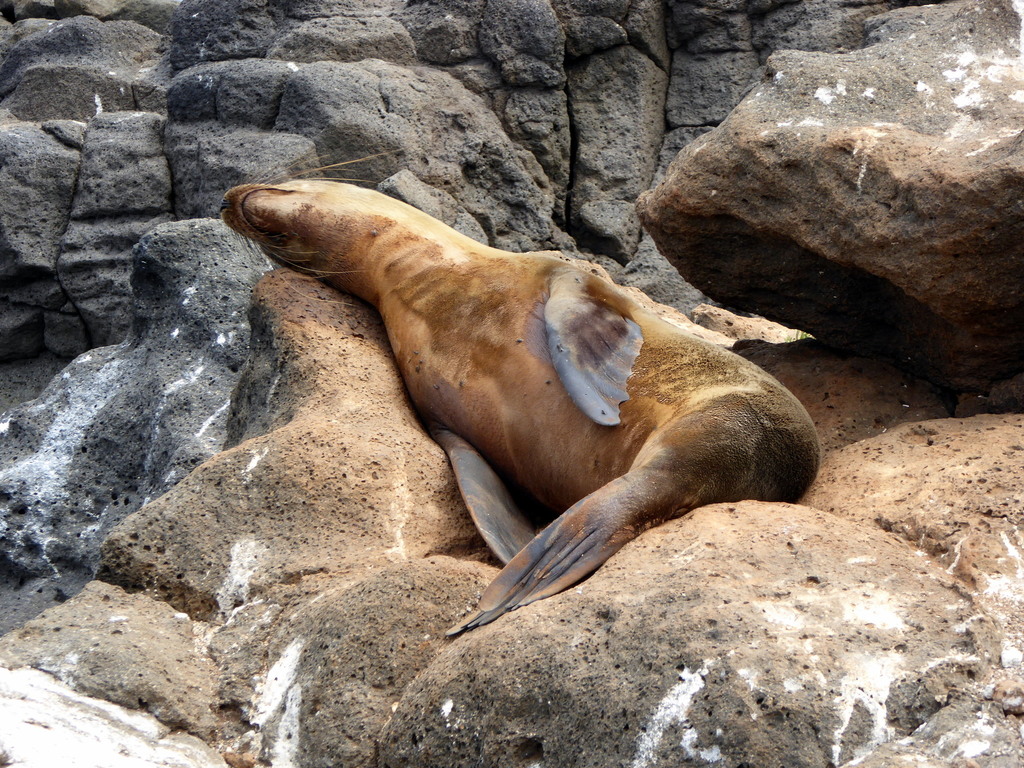
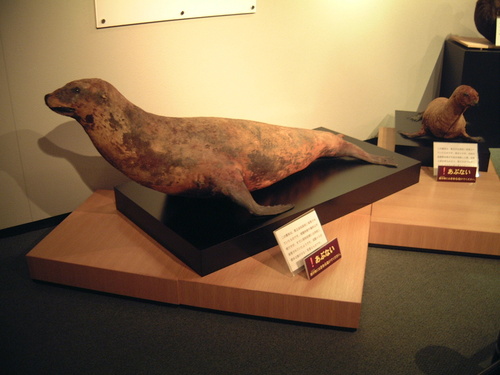
Its closest relatives
The other species of the genus Zalophus.
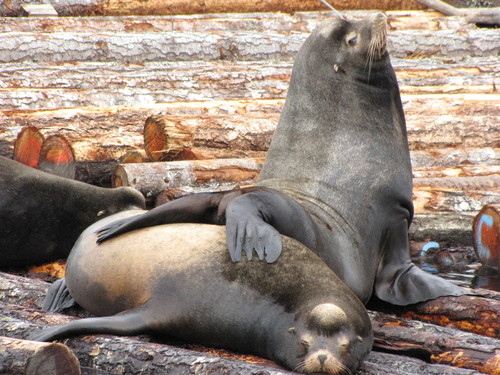
Seen a galápagos sea lion?
Share your photo on iNaturalist. Other naturalists help confirm it, and the record goes to GBIF, where scientists use it and where the maps on this page come from.
Put this species on your site
The card names every source and links back here.
<iframe src="https://4planetatlas.com/place/embed/species/galapagos-sea-lion" title="Galápagos sea lion (Zalophus wollebaeki), 4PLANET Species" width="100%" height="600" style="border:0;max-width:640px" loading="lazy"></iframe>
<p><a href="https://4species.com/galapagos-sea-lion">Galápagos sea lion on 4PLANET Species</a></p>Explore next
What puts the galápagos sea lion under pressure, what helps, and who works on it.
Questions people ask
What does the galápagos sea lion eat?
The galápagos sea lion has been recorded eating 66 different kinds of animals and plants, most of them fish, sharks and rays and octopus and squid. The ones recorded most often are chub mackerel, striped bonito, north pacific hake, black jack and californian anchovy; records include animals eaten as carrion. Source: GloBI.
What eats the galápagos sea lion?
Recorded predators include great white shark. Source: GloBI.
Where does the galápagos sea lion live?
People have recorded it in 3 countries; the most records come from Ecuador, Costa Rica and Colombia. Records show where people have seen it, not its full range.
When is the galápagos sea lion seen most?
In the southern hemisphere, the most records are made in August and the fewest in February. More people outdoors also means more records.
What are the galápagos sea lion's closest relatives?
It shares the genus Zalophus with california sea lion and japanese sea lion.
Sources and photo credits
- GBIF · Zalophus wollebaeki, 7,335 human observations
- GloBI · recorded interactions of Zalophus wollebaeki
- Wikidata · Galápagos sea lion (Q998769)
- Galápagos sea lion (Zalophus wollebaeki): Casey Klebba, CC BY-SA 4.0
- Galápagos sea lion (Zalophus wollebaeki): Line Juul Nielsen, CC BY 4.0
- Galápagos sea lion (Zalophus wollebaeki): John G. Phillips, CC BY 4.0
- Galápagos sea lion (Zalophus wollebaeki), 9MP3+6WH Parque Nacional Galápagos, El cascajo, Ecuador: kevin_orca, CC BY 4.0
- Galápagos sea lion (Zalophus wollebaeki), Isla de la Plata, Ecuador: Tom Heijnen, CC BY 4.0
- Galápagos sea lion (Zalophus wollebaeki), Isabela, Parque Nacional Galápagos, Galápagos, Ecuador: Carrie Seltzer, CC BY 4.0
- Galápagos sea lion (Zalophus wollebaeki), Montecristi, Ecuador: Tom Heijnen, CC BY 4.0
- Galápagos sea lion (Zalophus wollebaeki), Isabela, Parque Nacional Galápagos, Galápagos, Ecuador: Carrie Seltzer, CC BY 4.0
- Galápagos sea lion (Zalophus wollebaeki), Santa Cruz, Ecuador: Kai Squires, CC BY 4.0
- Chub mackerel: Dragan Maksimovic, CC BY-SA 4.0
- Striped bonito: rchandle, CC BY 4.0
- North Pacific hake: no rights reserved, uploaded by Jodhan Fine, CC0
- Black jack: Dan Schofield, CC BY 4.0
- Californian anchovy: Rudyard, CC BY 4.0
- Passer angelfish: desertnaturalist, CC BY 4.0
- Queenfish: Diego Blanco, CC0
- Sailfin grouper: ajott, CC BY 4.0
- Blacksmith chromis: Brian Gratwicke, CC BY 4.0
- Halfmoon: aerospaceeb, CC BY 4.0
- Great white shark: Adam J. Searcy, CC BY 4.0
- California sea lion: Liam Steele, CC BY 4.0
- Japanese sea lion: Pagemoral, CC BY-SA 4.0
Records show where people have seen and shared the galápagos sea lion, not its full range, and some countries and months are recorded far more than others. The food web lists interactions that studies have recorded somewhere in the world (GloBI), not everything it eats in one place.
Checked 2026-11-27.