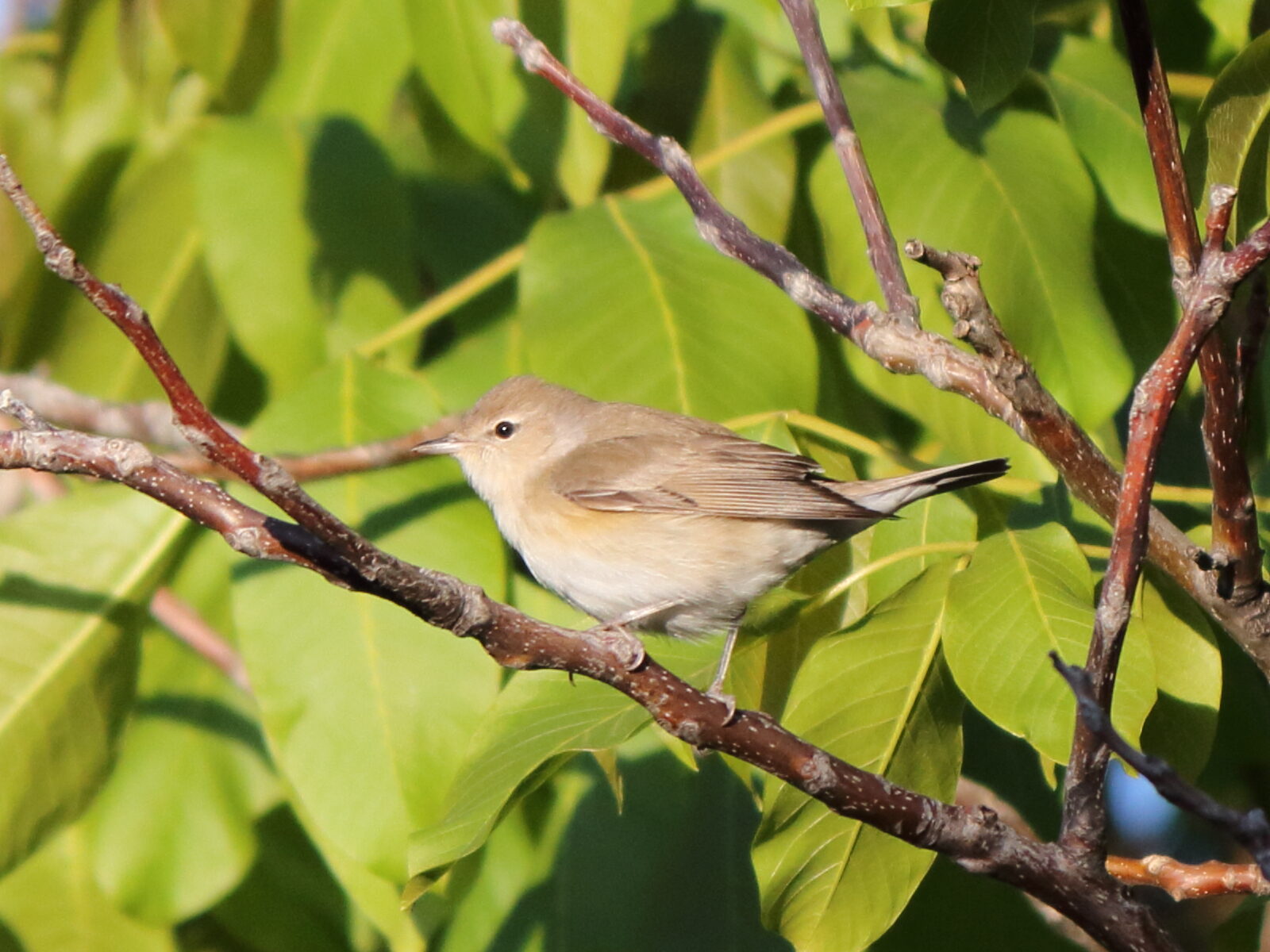
Garden warbler
Sylvia borin
A plain grey-brown warbler with a rich, flowing song; easier to hear than to see.
- Status
- Least Concern IUCN Red List
- Eats
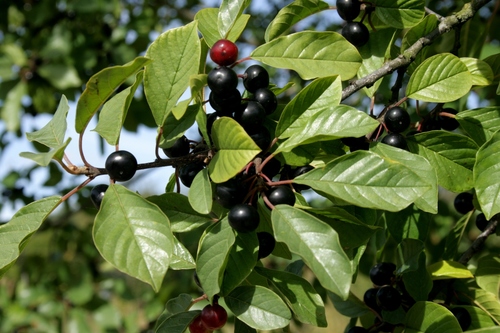
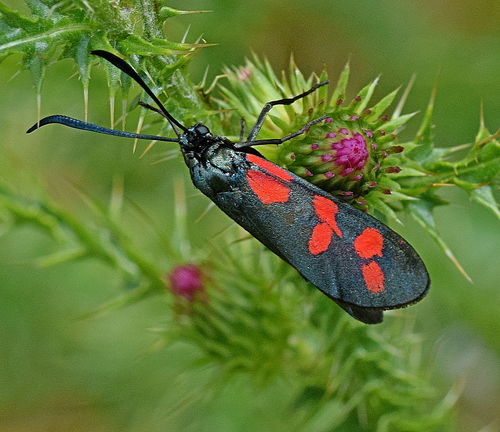
- glossy buckthorn, six-spot burnet, red currant and 2,079 more
- Eaten by
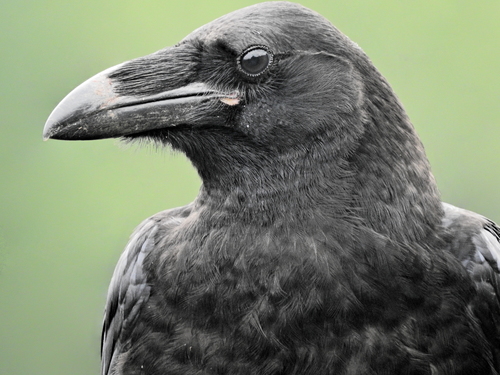
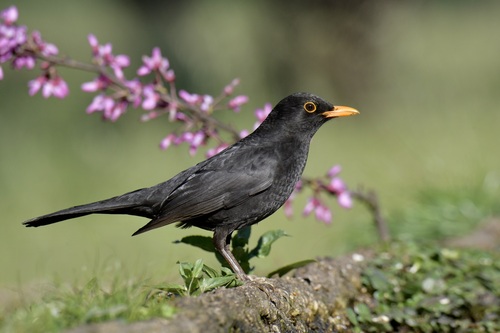
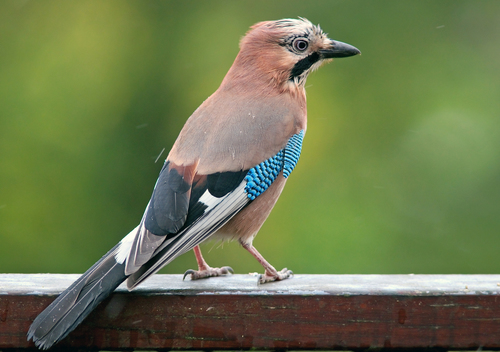
- northern raven, Eurasian magpie, common blackbird
- Where
- 115 countries
On 4Planet Atlas it is among the wildlife people record most around Amsterdam, Andorra la Vella and Ankara, and 20 more of the cities we cover.
People have shared 229,113 records of the garden warbler with GBIF, from 115 countries, most of them from United Kingdom, Spain and Germany. Records collected by GloBI show it eating 2,082 different kinds of animals and plants, and being eaten by 40.
What the garden warbler eats, and what eats it
Studies have recorded it eating 2,082 kinds of animals and plants, and 40 kinds of animals eating it. Tap any of them to follow the food chain.
- Insects 1,303
- Plants 303
- Snails and slugs 4
Eaten by

 Garden warbler

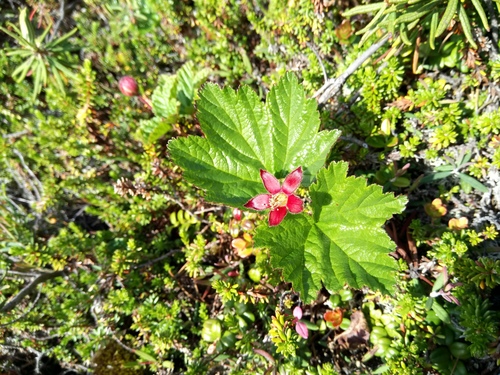
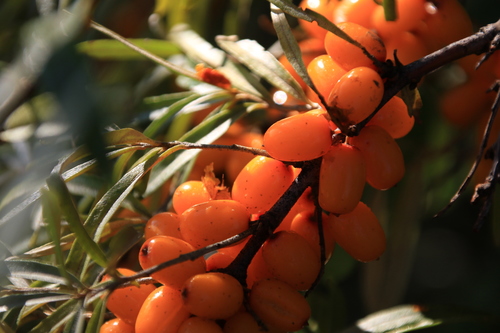
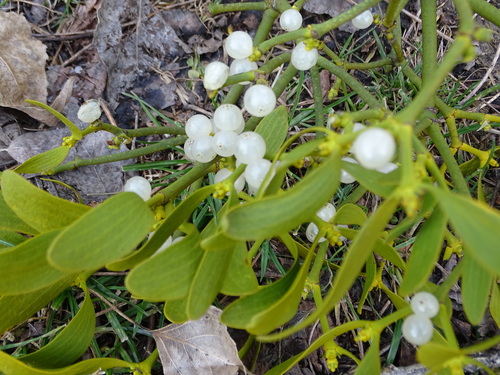
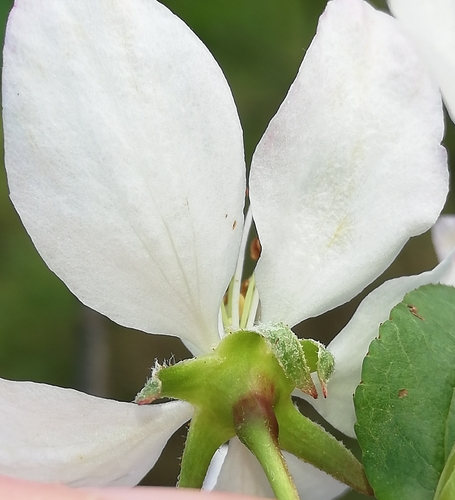
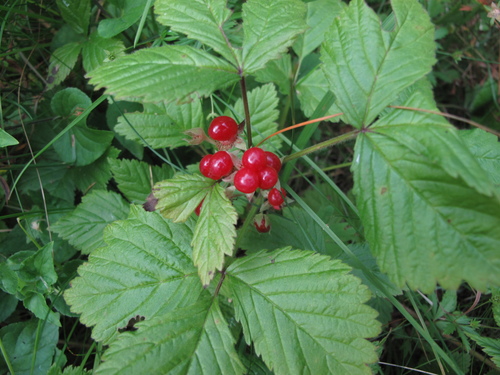

Records from studies worldwide, collected by GloBI. They include animals eaten as carrion, and they are not everything it eats in one place.
Where people see the garden warbler
People have shared 229,113 records from 115 countries.
Near a city: Amsterdam, Andorra la Vella, Ankara, Bergen, Berlin, Bern, Brussels, Copenhagen, Helsinki, Luxembourg City, Madrid, Minsk, Moscow, Oslo, Paris, Prague, Riga, Stockholm, Tallinn, Vaduz, Valletta, Vilnius, Warsaw.
Records show where people have seen it and shared it, not its full range. Country names open their page in Atlas.
When it is seen
Records per month in the northern hemisphere. More people outdoors also means more records.
Watch and listen
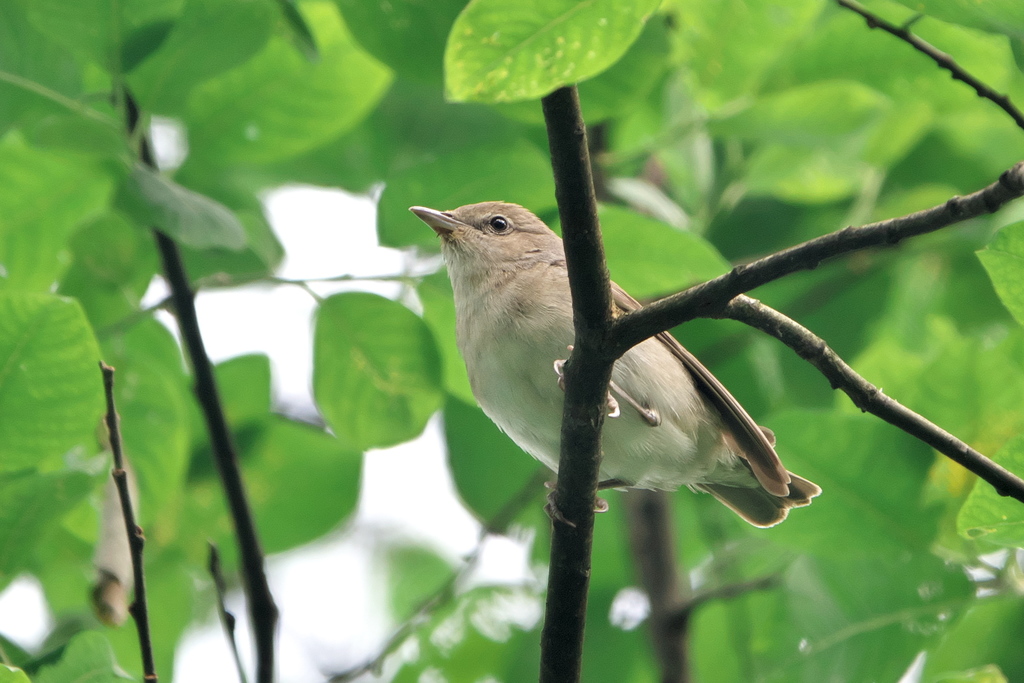
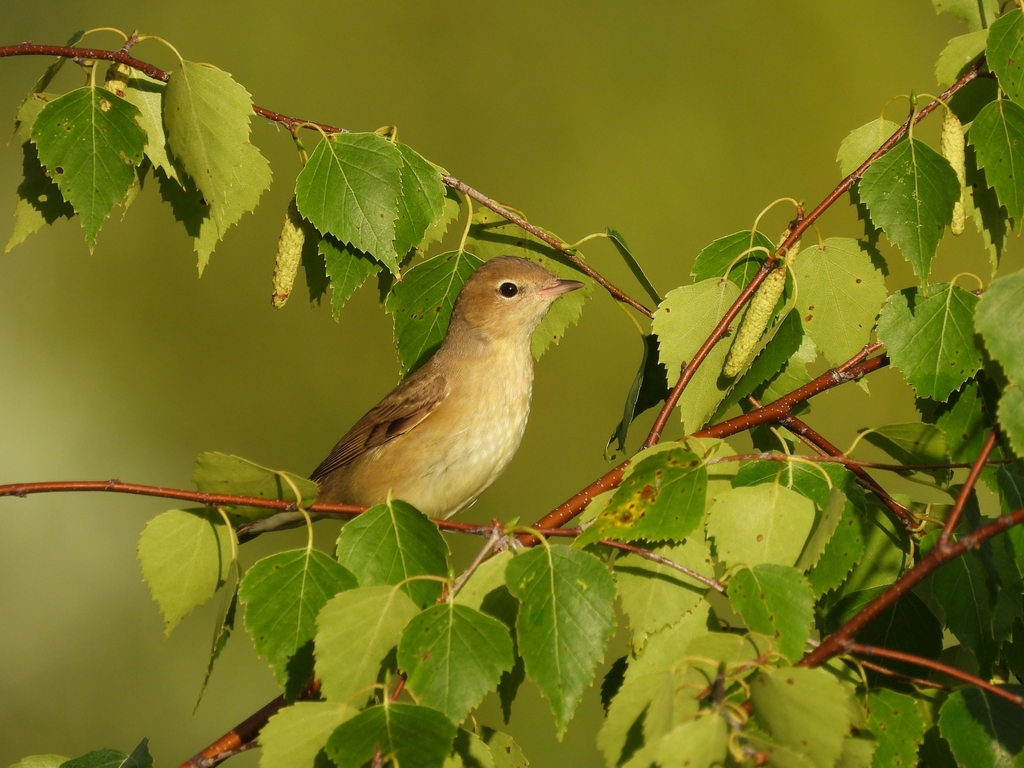
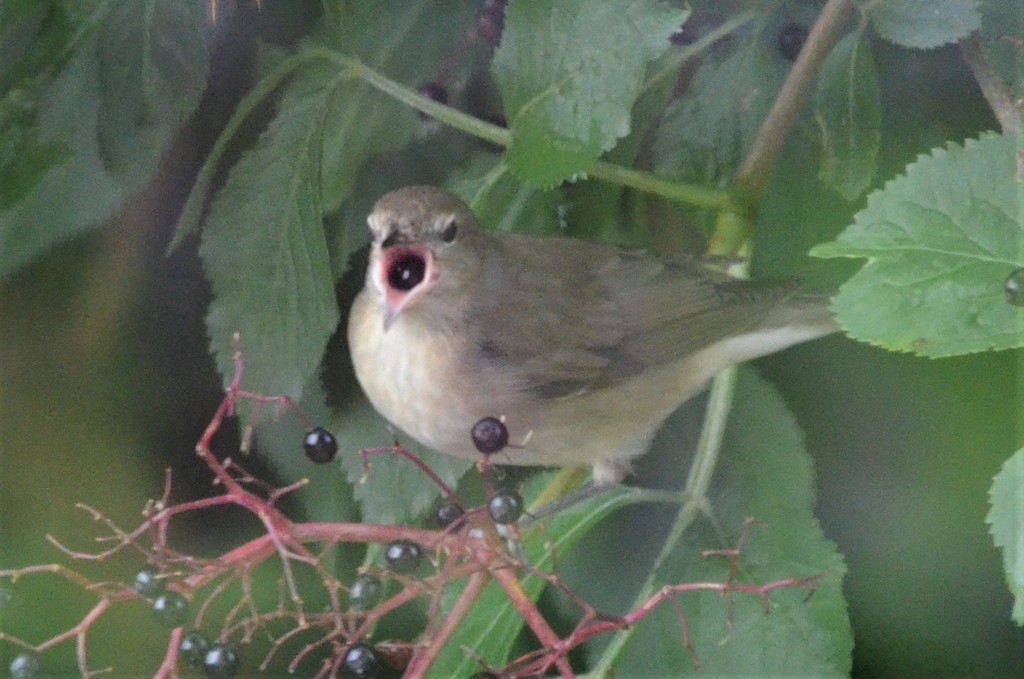
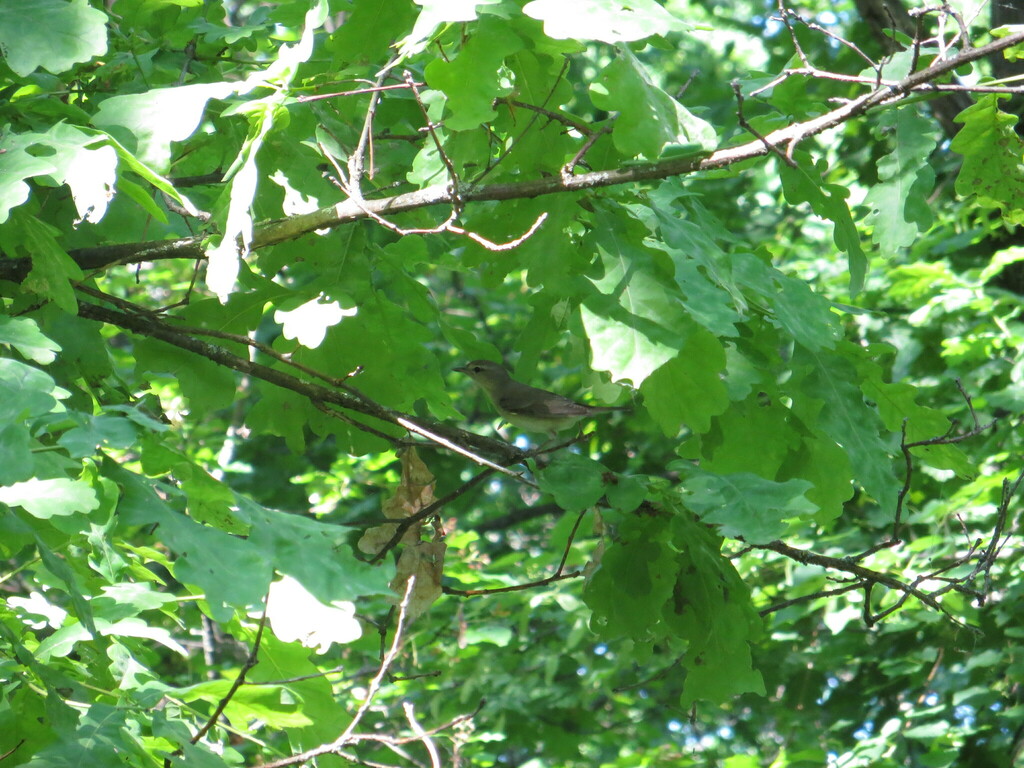
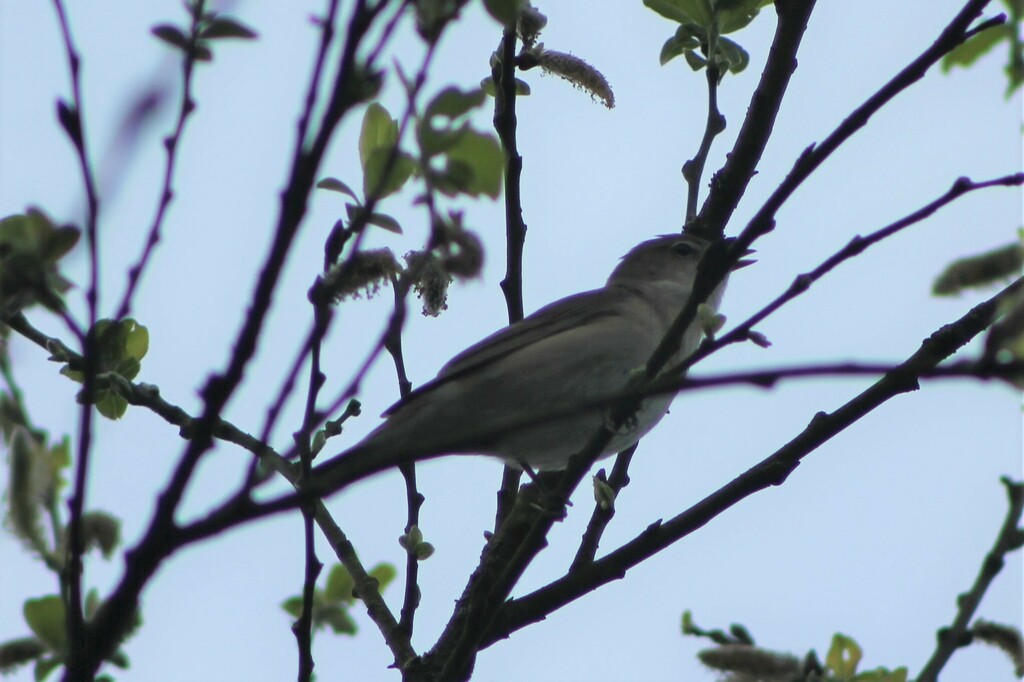
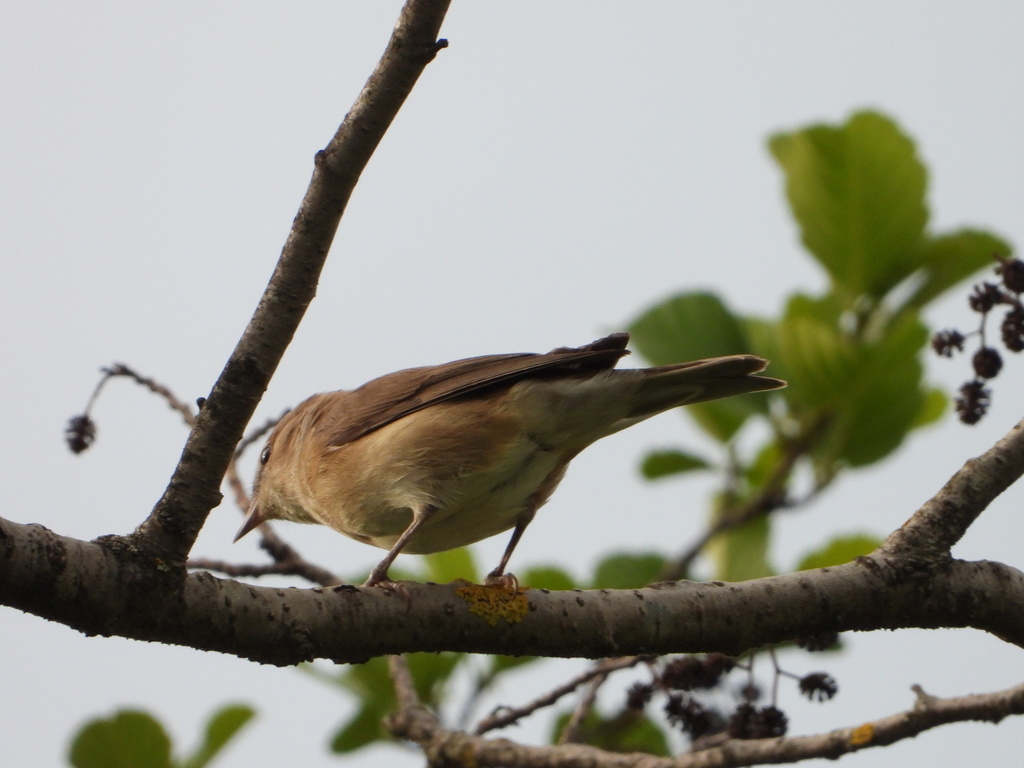
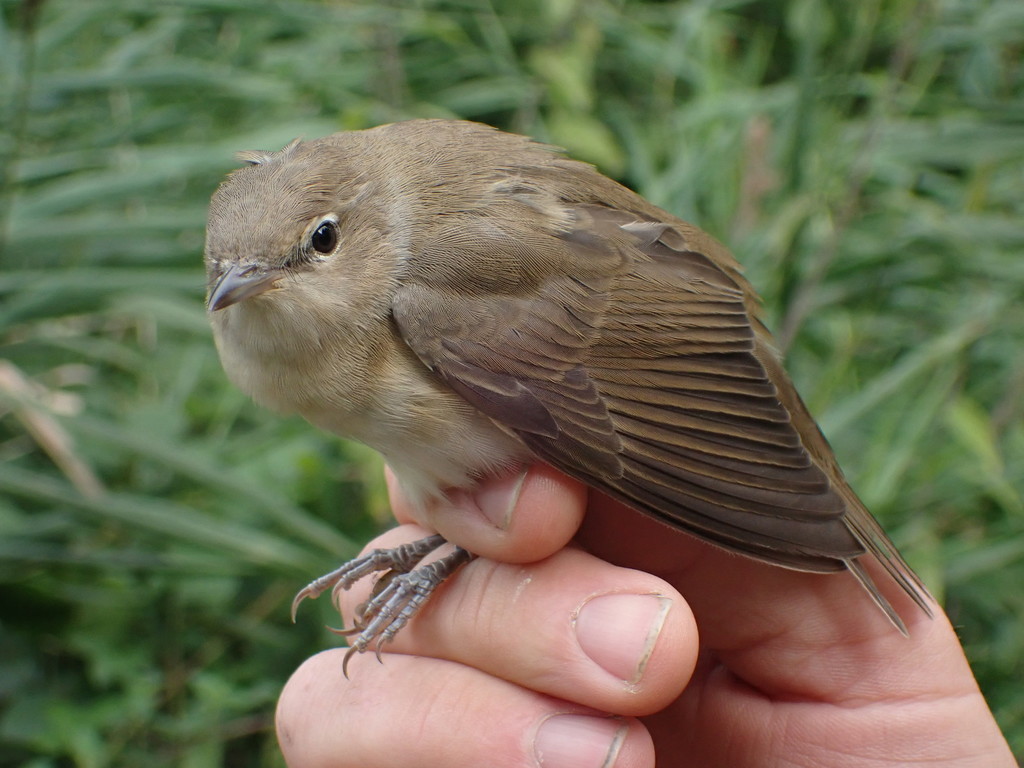
Seen a garden warbler?
Share your photo on iNaturalist. Other naturalists help confirm it, and the record goes to GBIF, where scientists use it and where the maps on this page come from.
Questions people ask
What does the garden warbler eat?
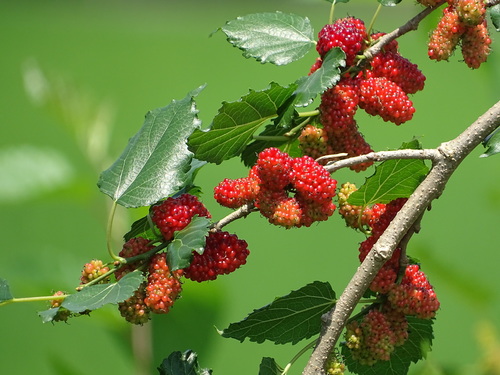
The garden warbler has been recorded eating 2,082 different kinds of animals and plants, most of them insects, plants and snails and slugs. The ones recorded most often are glossy buckthorn, six-spot burnet, red currant, white mulberry and black mulberry; records include animals eaten as carrion. Source: GloBI.
What eats the garden warbler?
Recorded predators include northern raven, eurasian magpie, common blackbird, common cuckoo and eurasian jay. Source: GloBI.
Where does the garden warbler live?
People have recorded it in 115 countries; the most records come from United Kingdom, Spain, Germany, Sweden and France. Records show where people have seen it, not its full range.
When is the garden warbler seen most?
In the northern hemisphere, the most records are made in May and the fewest in February. More people outdoors also means more records.
Sources and photo credits
- GBIF · Sylvia borin, 229,113 human observations
- GloBI · recorded interactions of Sylvia borin
- Wikidata · Garden warbler (Q202478)
- Garden warbler (Sylvia borin): Ani Sarkisyan, CC BY 4.0
- Garden warbler (Sylvia borin): Andrey Gulivanov, CC BY 4.0
- Garden warbler (Sylvia borin), Карабаш, Челябинская обл., Россия: Евгений Маринкин, CC BY 4.0
- Garden warbler (Sylvia borin), Murtal, Österreich: E. A., CC BY 4.0
- Garden warbler (Sylvia borin), Ртищевский р-н, Саратовская обл., Россия: Andrey Sdobnikov, CC BY 4.0
- Garden warbler (Sylvia borin), Brockholes LWT, Preston, Lancashire, UK: Charlie Farrell, CC0
- Garden warbler (Sylvia borin), 5310 St. Lorenz, Österreich: Thomas Ebner, CC BY 4.0
- Garden warbler (Sylvia borin), Brabant Wallon, Wallonie, Belgium: Victor Brans, CC BY-SA 4.0
- Glossy buckthorn: Sten Porse, CC BY-SA 4.0
- Six-spot burnet: Kostas Zontanos, CC BY 4.0
- Red currant: Grzegorz Grzejszczak, CC BY-SA 4.0
- White mulberry: no rights reserved, uploaded by 葉子, CC0
- Cloudberry: Aleksandr Novikov, CC BY 4.0
- Sea buckthorn: Нурхайдарова Татьяна, CC BY 4.0
- European mistletoe: Patrick Hacker, CC BY 4.0
- Crab apple: no rights reserved, uploaded by Thomas, CC0
- Stone bramble: Ole Husby, CC BY-SA 4.0
- European dewberry: Douglas Goldman, CC BY-SA 4.0
- Northern raven: xulescu_g, CC BY-SA 4.0
- Common blackbird: Luiz Lapa, CC BY 4.0
- Common cuckoo: no rights reserved, uploaded by Юрий Носков, CC0
- Eurasian jay: Luc Viatour, CC BY-SA 4.0
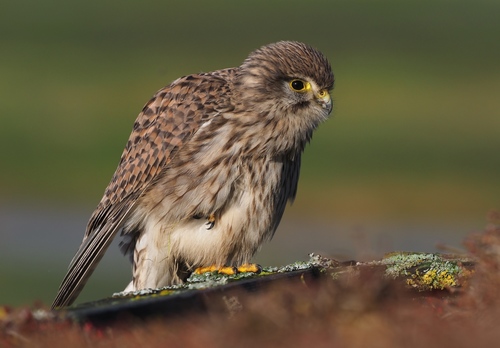
- Common kestrel: Frank Vassen, CC BY 4.0
- Eurasian sparrowhawk: Stanislav Murashkin, CC BY 4.0
Records show where people have seen and shared the garden warbler, not its full range, and some countries and months are recorded far more than others. The food web lists interactions that studies have recorded somewhere in the world (GloBI), not everything it eats in one place.
Checked 2026-11-21.