SPECIES
Giant otter
Pteronura brasiliensis Pending authority citation
An Amazonian river predator whose loud family life makes waterways sound almost conversational.
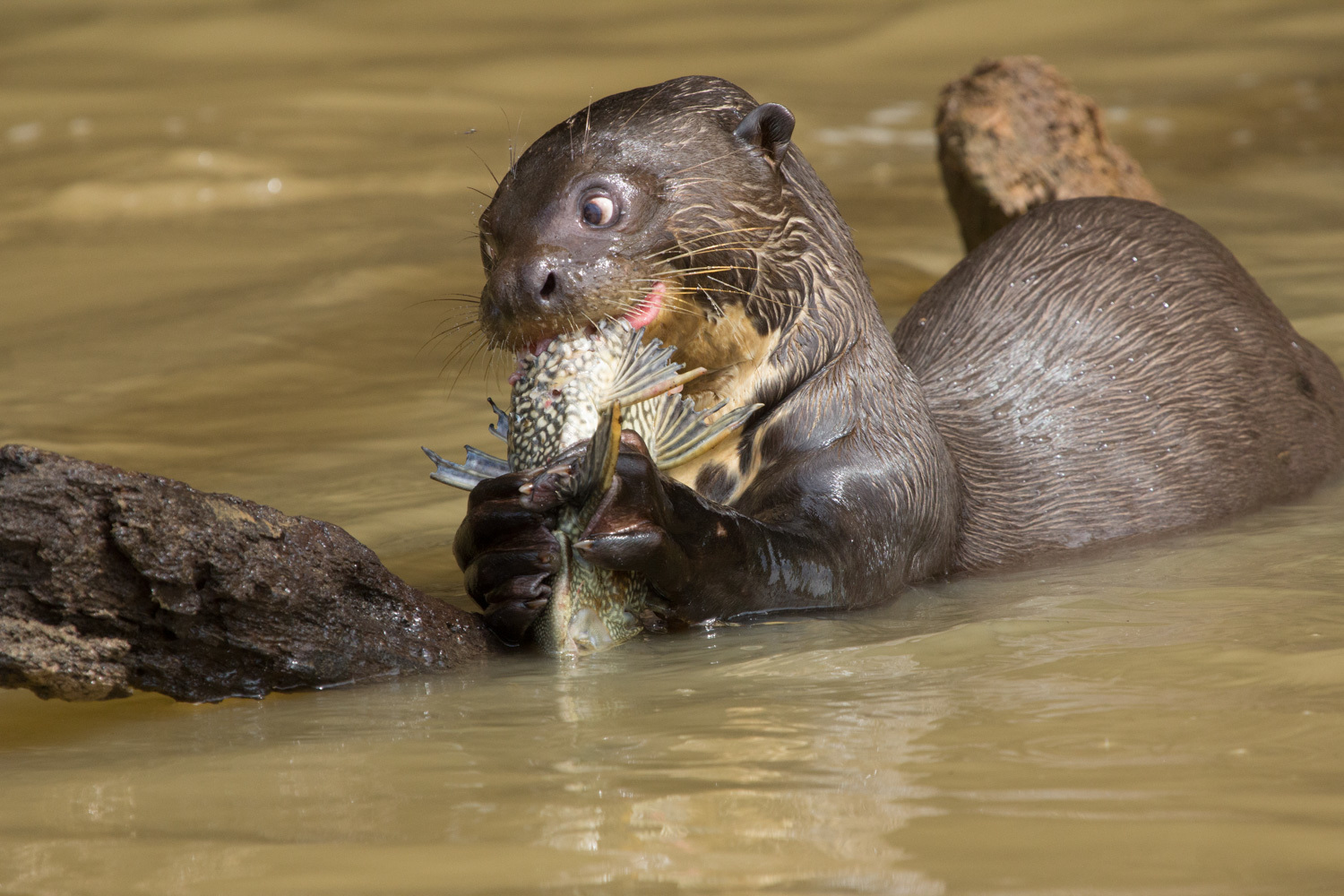
Giant otters live in close family groups and communicate with varied vocalisations.
They hunt fish in rivers and lakes and interact with other aquatic predators.
South American tropical river systems, wetlands and floodplains.
Where does a giant otter live?
South American tropical river systems, wetlands and…
Worth knowing
- Adaptation Giant otters live in close family groups and communicate with varied vocalisations.
- Ecological role They hunt fish in rivers and lakes and interact with other aquatic predators.
- Home South American tropical river systems, wetlands and floodplains.
How it survives
Giant otters live in close family groups and communicate with varied vocalisations.
An Amazonian river predator whose loud family life makes waterways sound almost conversational.
Why relationships matter
They hunt fish in rivers and lakes and interact with other aquatic predators.
Where it lives
South American tropical river systems, wetlands and floodplains.
Pressures and responses
Water pollution, disturbance, prey depletion and habitat damage.
Protect connected river habitats and reduce boat disturbance near dens.
Sources
- University of Michigan Museum of Zoology — Animal Diversity Web, Pteronura brasiliensis
- GBIF — Pteronura brasiliensis accepted taxon
- IUCN SSC Otter Specialist Group — Giant otter Pteronura brasiliensis
- WWF France — Loutre géante
- Wildlife Conservation Society Peru — Giant River Otter
Records of where it has been seen come live from GBIF; observed interactions from GloBI. Draft — not yet reviewed by a person.