SPECIES
Giant sequoia
Sequoiadendron giganteum Pending authority citation
Among Earth's most massive organisms, a giant sequoia can live through many human lifetimes.
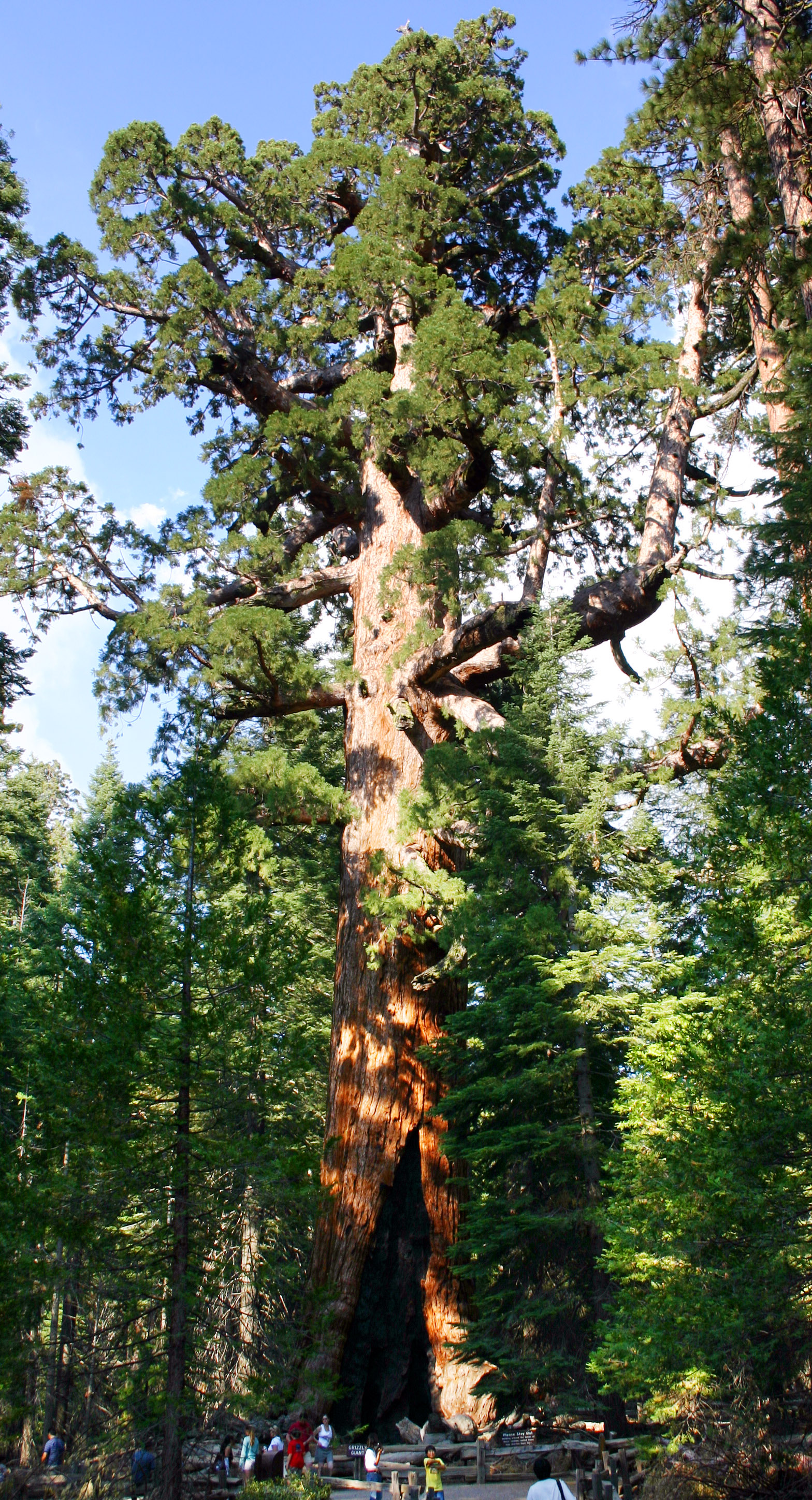
Thick bark and fire-related life cycles are central to the species' ecology.
Openings in forest canopy and suitable soil support seedling establishment.
Naturally occurs in scattered groves of California's Sierra Nevada.
Where does a giant sequoia grow?
Naturally occurs in scattered groves of California's…
Worth knowing
- Adaptation Thick bark and fire-related life cycles are central to the species' ecology.
- Ecological role Openings in forest canopy and suitable soil support seedling establishment.
- Home Naturally occurs in scattered groves of California's Sierra Nevada.
How it survives
Thick bark and fire-related life cycles are central to the species' ecology.
Among Earth's most massive organisms, a giant sequoia can live through many human lifetimes.
Why relationships matter
Openings in forest canopy and suitable soil support seedling establishment.
Where it lives
Naturally occurs in scattered groves of California's Sierra Nevada.
Pressures and responses
Uncharacteristically intense wildfire, drought stress and altered fire regimes.
Restore appropriate fire stewardship and protect surviving groves.
Sources
- Wikipedia species-account reference, not independently claim-verified — Sequoiadendron giganteum
- GBIF — Sequoiadendron giganteum accepted taxon
- USDA Forest Service — Drought weakens trees
- U.S. National Park Service — Restoration after fire exclusion
- U.S. National Park Service — Seeds need suitable soil
Records of where it has been seen come live from GBIF; observed interactions from GloBI. Draft — not yet reviewed by a person.