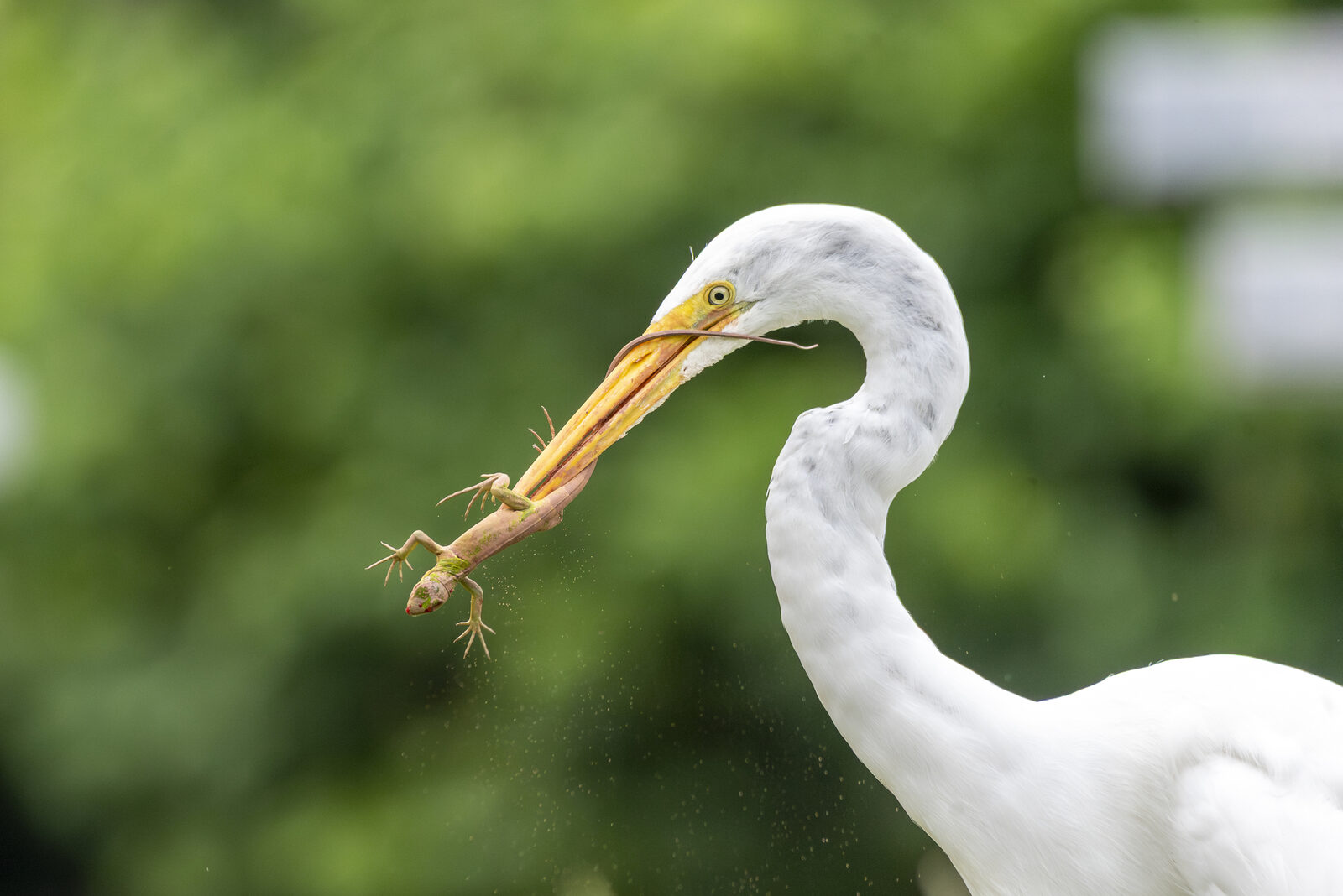
Great egret
Ardea alba
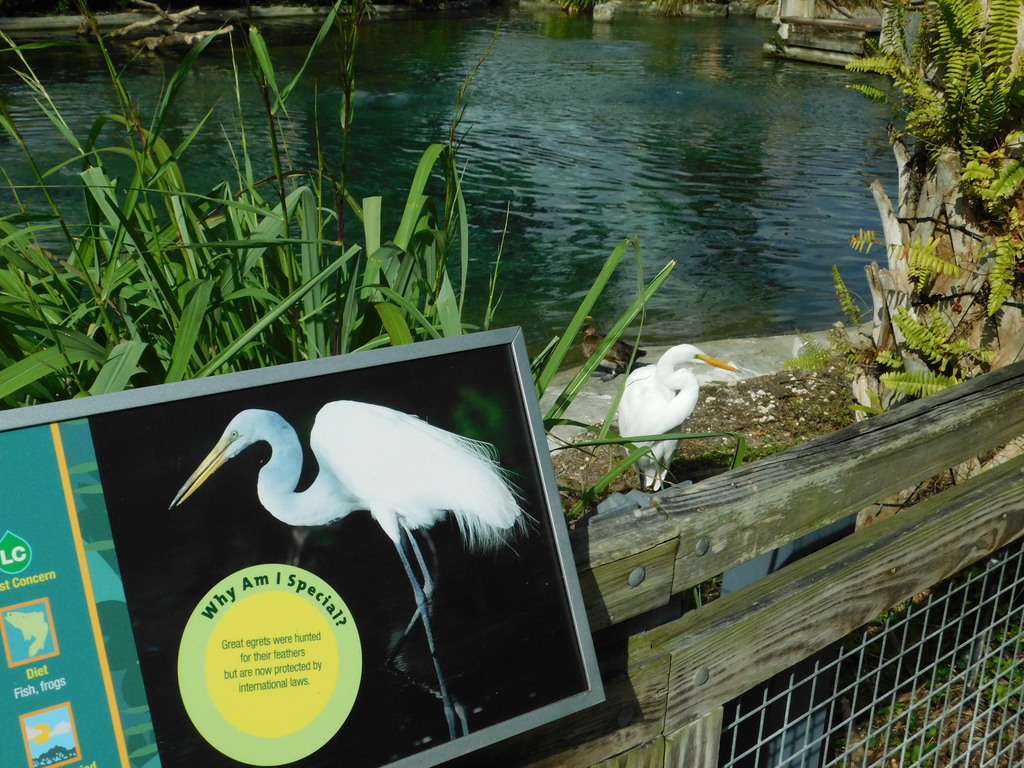
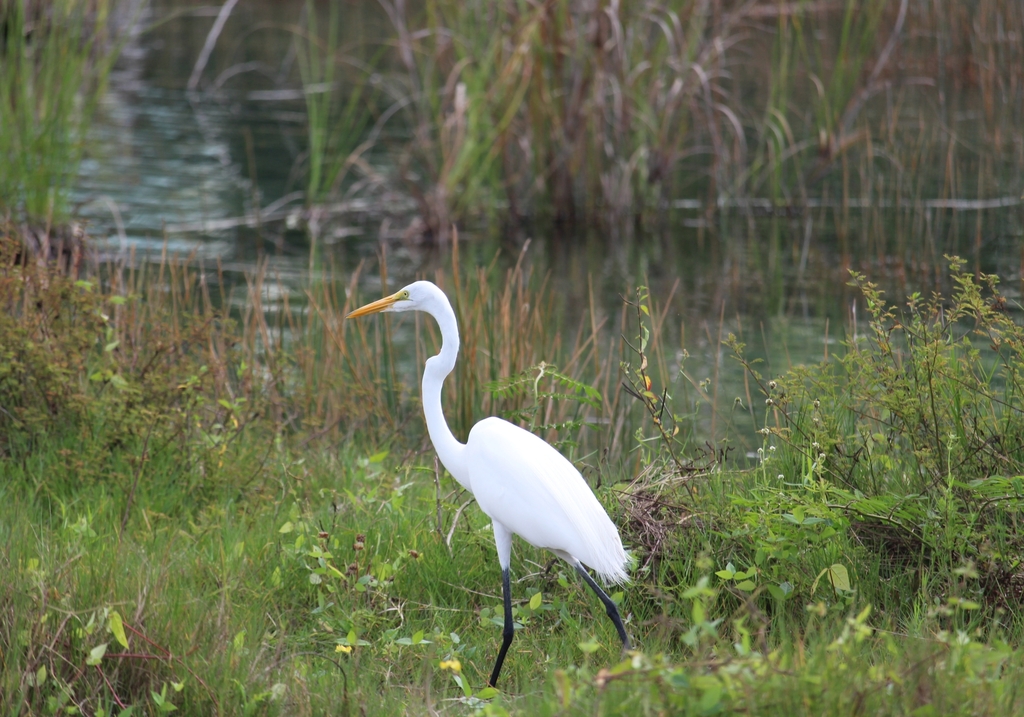
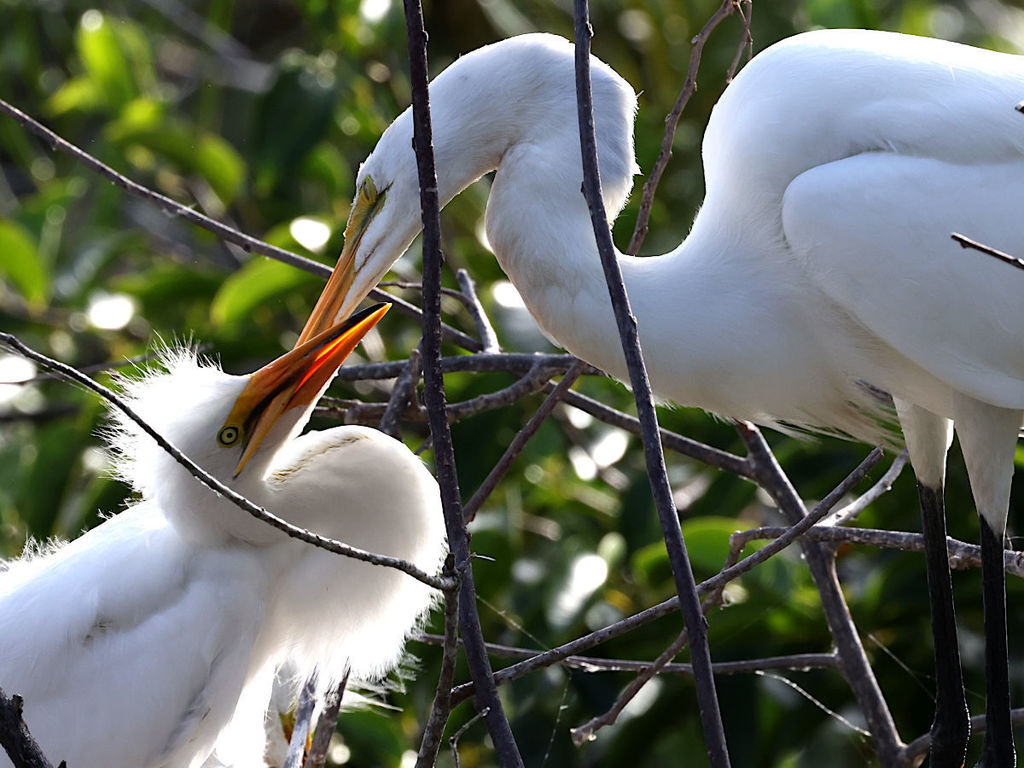
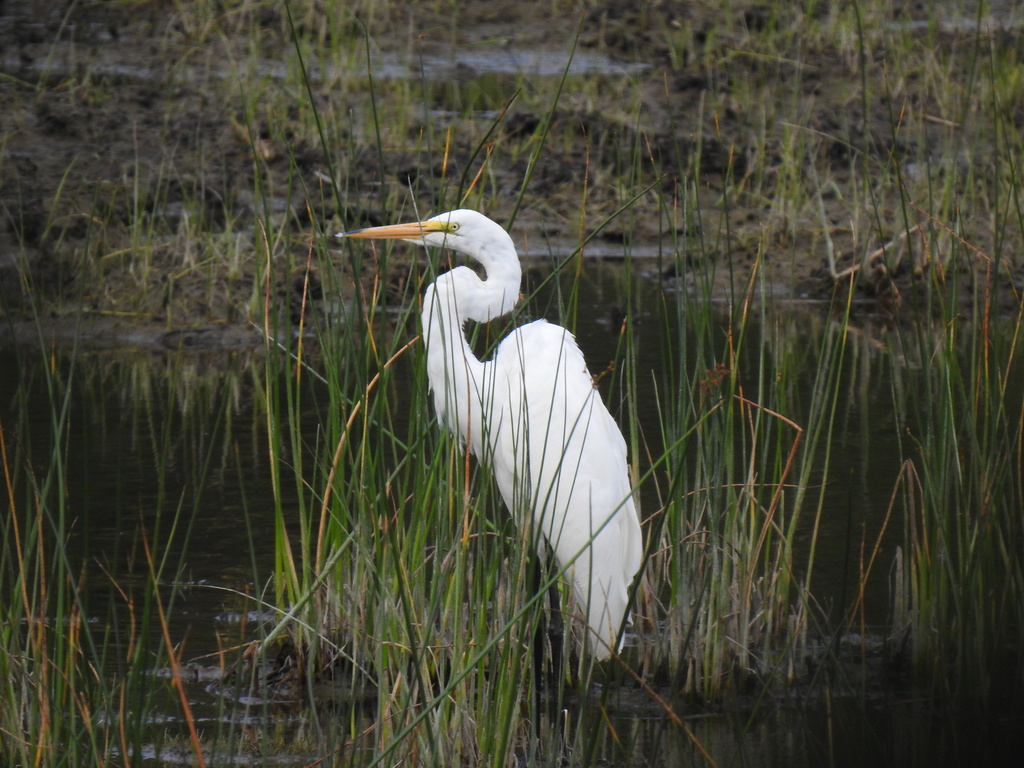
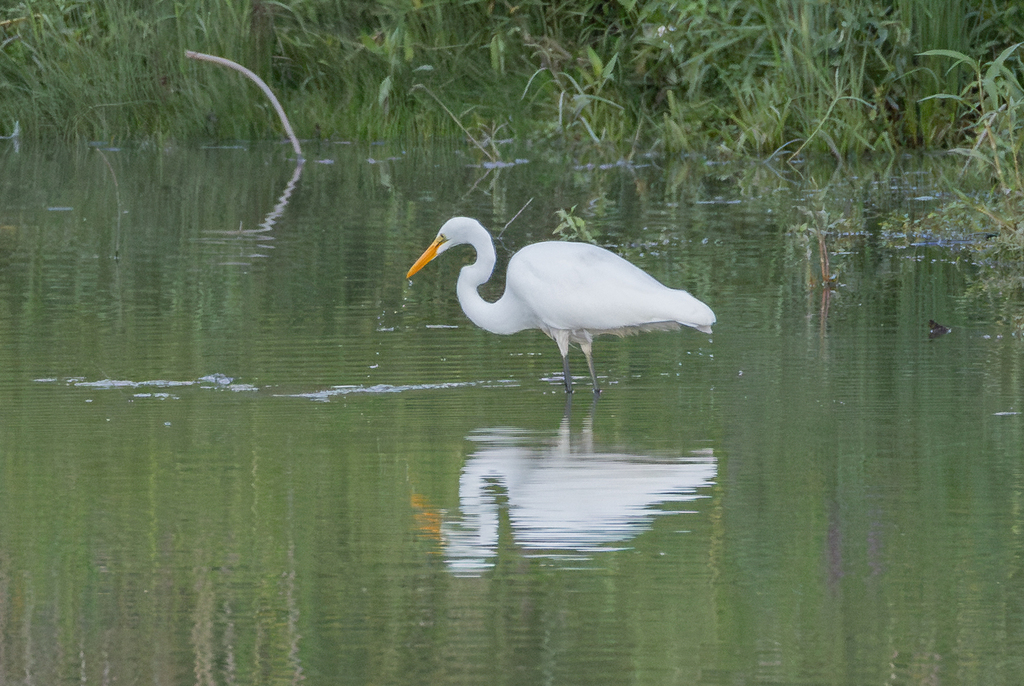
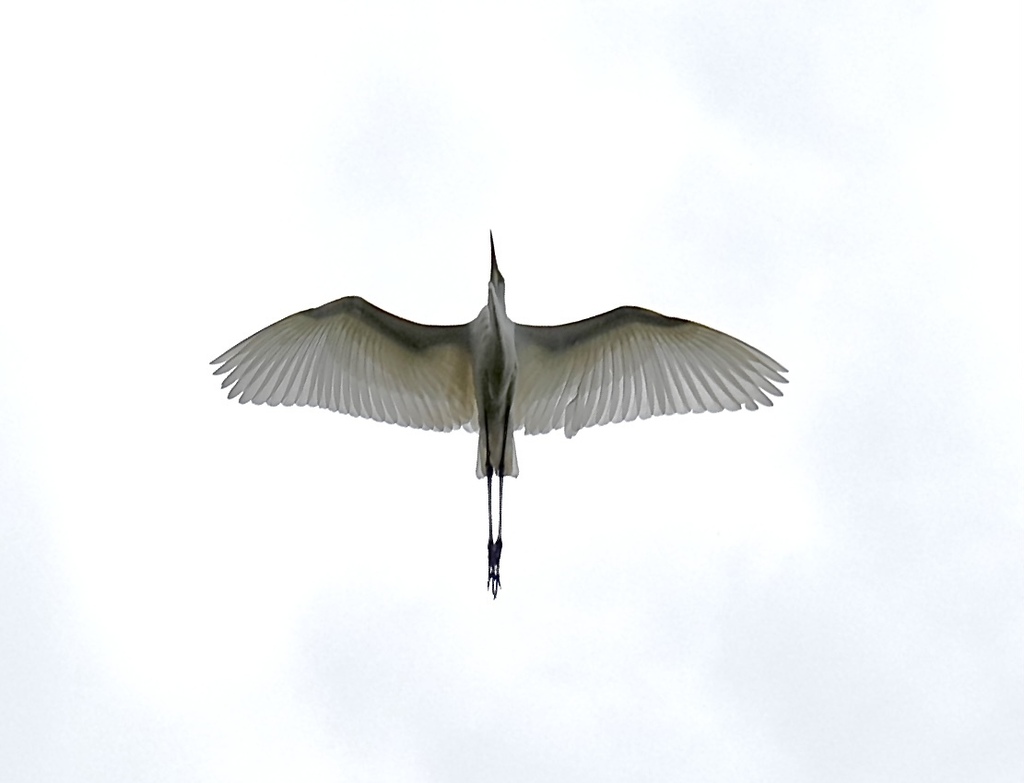
A tall, all-white heron with a yellow bill and long black legs that stalks fish slowly in shallow water.
- Status
- Least Concern IUCN Red List
- Eats
- mexican free-tailed bat, European perch, california vole and 588 more
- Eaten by
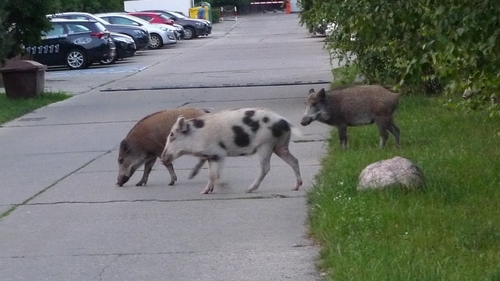
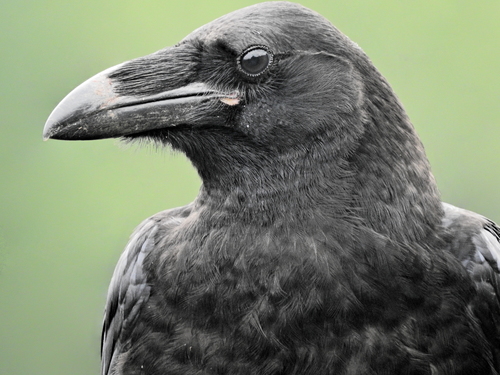
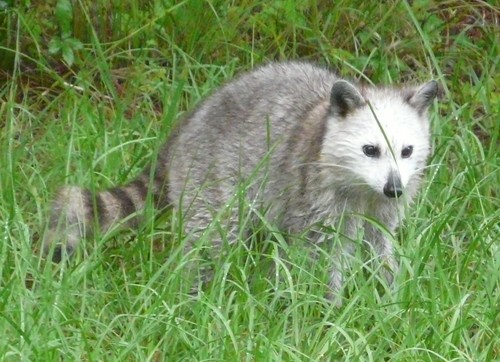
- wild boar, northern raven, raccoon
- Where
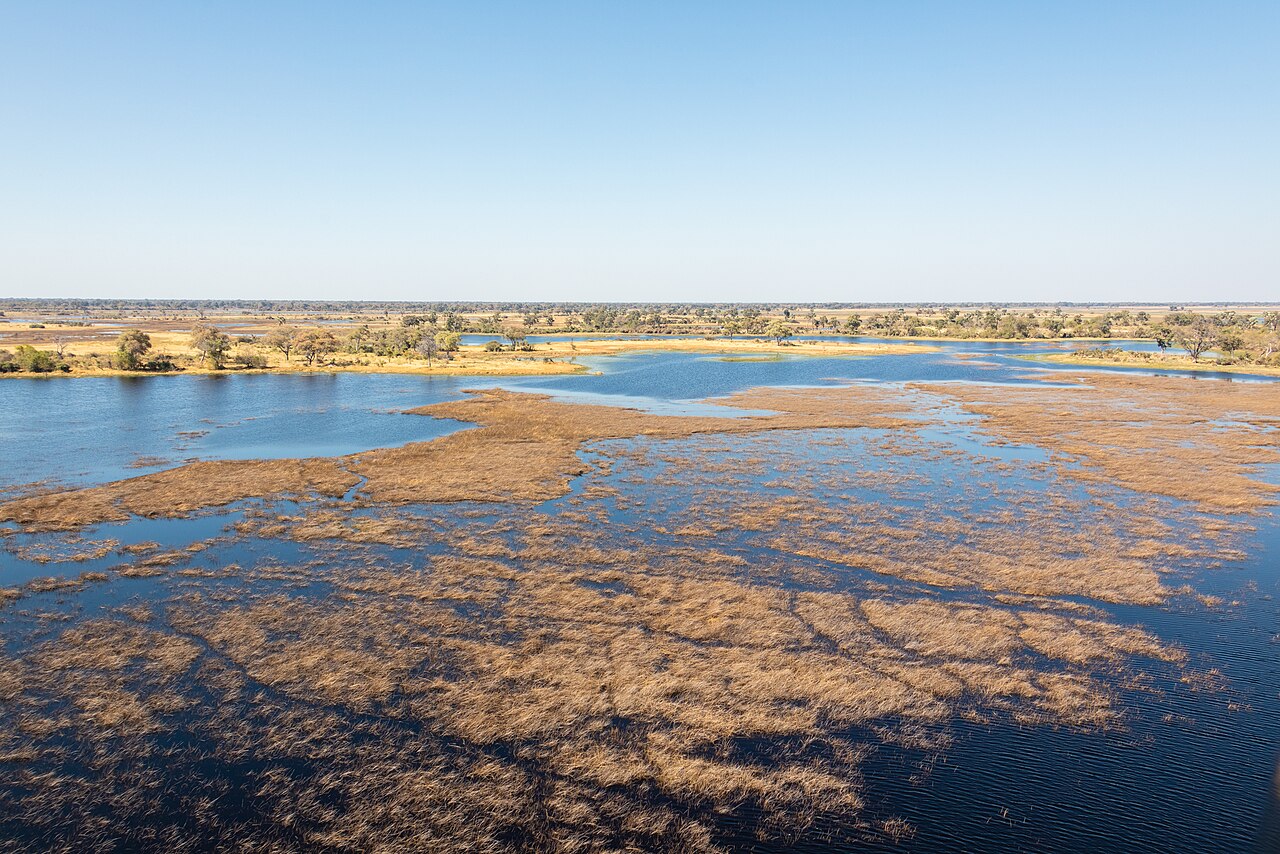
- 221 countries · wetlands, mangroves
On 4Planet Atlas it is among the wildlife people record most around Accra, Addis Ababa and Amsterdam, and 72 more of the cities we cover.
People have shared 9,704,752 records of the great egret with GBIF, from 221 countries, most of them from United States, Australia and Canada. Records collected by GloBI show it eating 591 different kinds of animals and plants, and being eaten by 16.
Habitats
What the great egret eats, and what eats it
Studies have recorded it eating 591 kinds of animals and plants, and 16 kinds of animals eating it. Tap any of them to follow the food chain.
- Mammals 139
- Fish 125
- Insects 115
- Amphibians 72
- Reptiles 46
- Birds 32
- Crustaceans 7
Eaten by

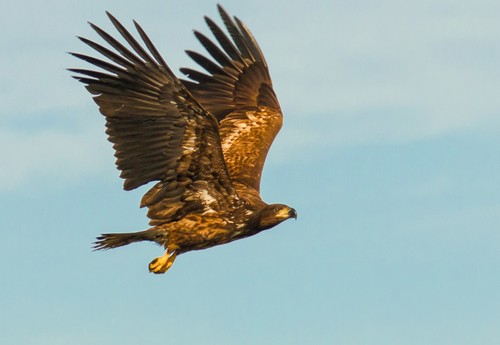
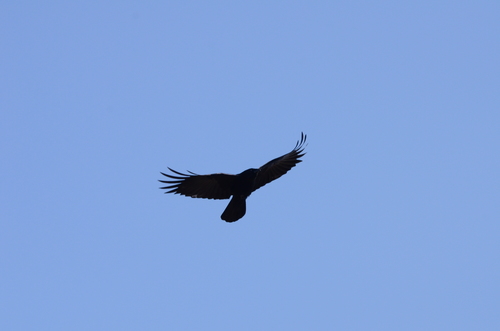
 Great egret

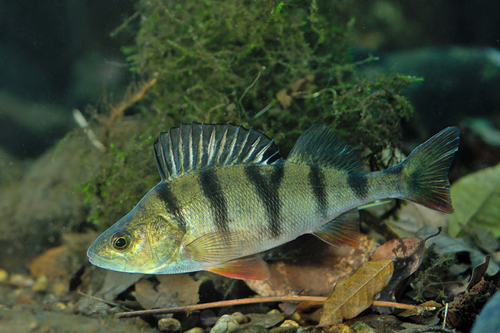

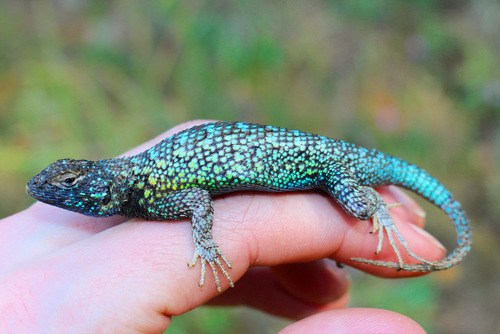



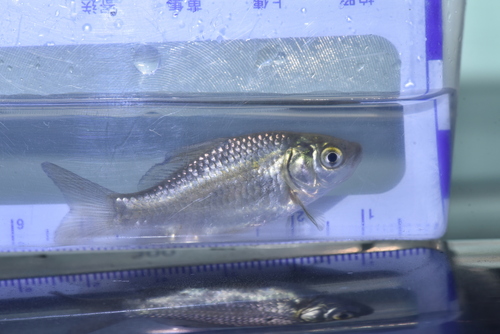
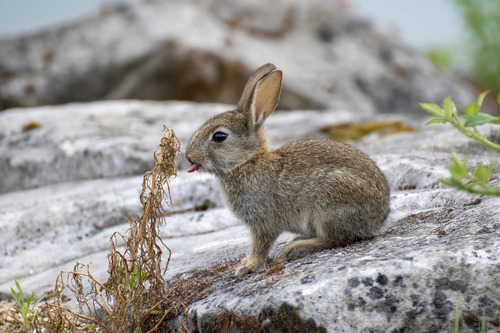


Records from studies worldwide, collected by GloBI. They include animals eaten as carrion, and they are not everything it eats in one place.
Where people see the great egret
People have shared 9,704,752 records from 221 countries.
Near a city: Accra, Addis Ababa, Amsterdam, Ankara, Astana, Athens, Baku, Beijing, Belgrade, Belmopan, Berlin, Bogotá, Brasília, Bratislava, Bridgetown, Brussels, Bucharest, Budapest, Buenos Aires, Cairo, Canberra, Chișinău, Copenhagen, Delhi, Dili, Havana, Helsinki, Jakarta, Kyiv, Lagos, Lima, Lisbon, Ljubljana, Luxembourg City, Madrid, Manama, Melbourne, Mexico City, Minsk, Montevideo, Mumbai, N'Djamena, Nairobi, New York, Nicosia, Ottawa, Paris, Phnom Penh, Podgorica, Prague, Pyongyang, Riga, Rio de Janeiro, Rome, Santiago, São Paulo, Sarajevo, Seoul, Shanghai, Skopje, Sofia, Stockholm, Sydney, Tallinn, Tashkent, Tbilisi, Tirana, Tokyo, Toronto, Vienna, Vilnius, Warsaw, Washington, D.C., Yerevan, Zagreb.
Records show where people have seen it and shared it, not its full range. Country names open their page in Atlas.
When it is seen
Records per month in the northern hemisphere. More people outdoors also means more records.
Watch and listen
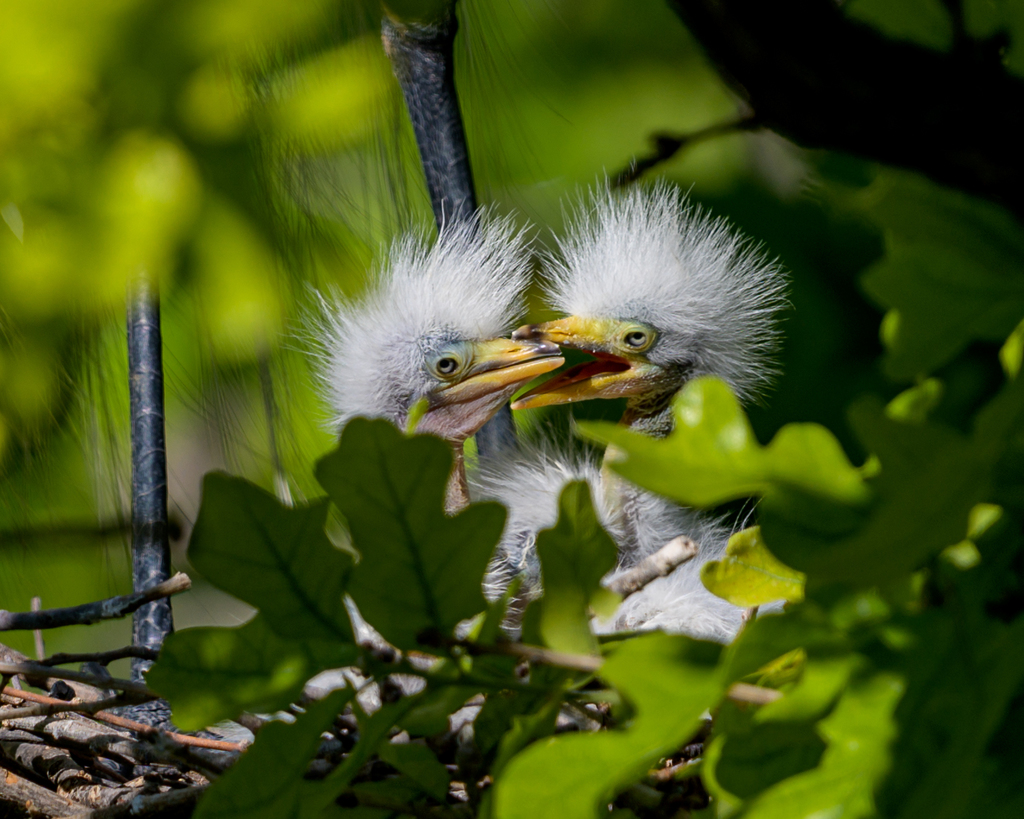
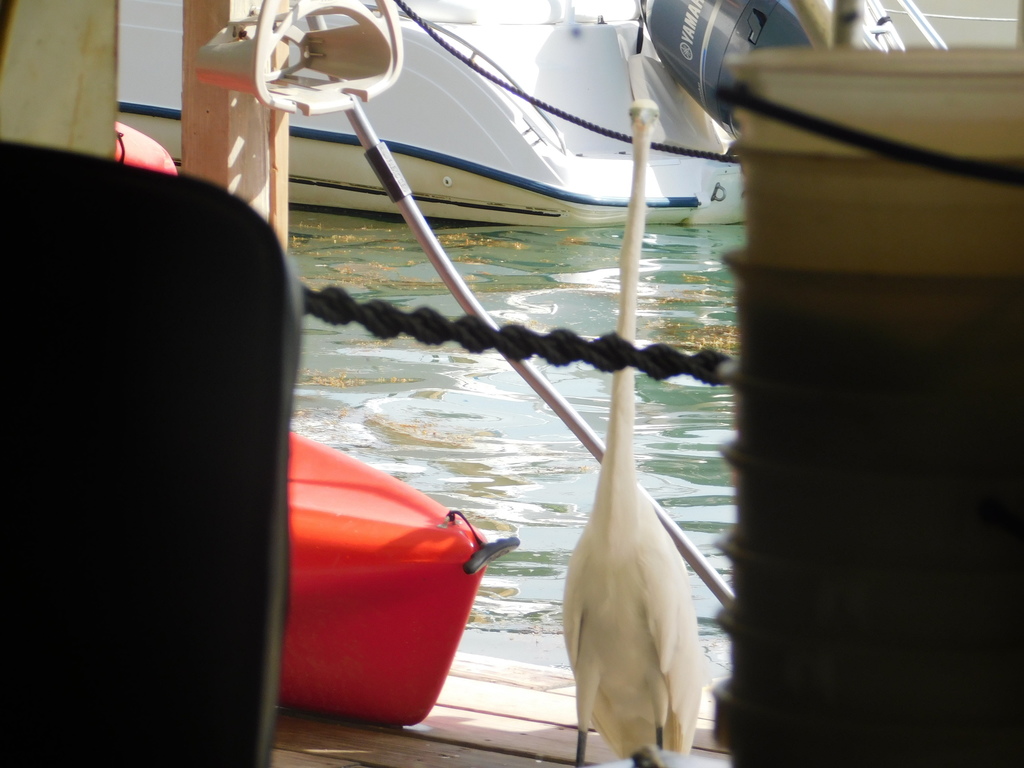
Its closest relatives
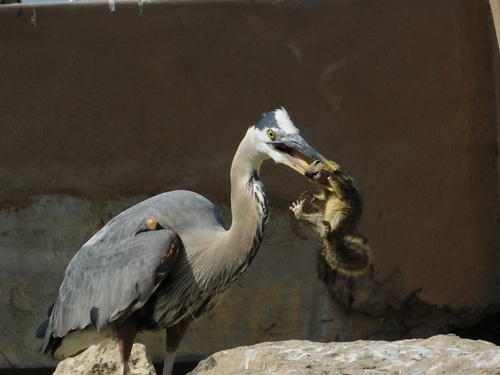
The other species of the genus Ardea.






Seen a great egret?
Share your photo on iNaturalist. Other naturalists help confirm it, and the record goes to GBIF, where scientists use it and where the maps on this page come from.
Explore next
What puts the great egret under pressure, what helps, and who works on it.
Questions people ask
What does the great egret eat?
The great egret has been recorded eating 591 different kinds of animals and plants, most of them mammals, fish, insects and amphibians. The ones recorded most often are mexican free-tailed bat, european perch, california vole, western fence lizard and yellow bullhead; records include animals eaten as carrion. Source: GloBI.
What eats the great egret?
Recorded predators include wild boar, northern raven, raccoon, eurasian eagle-owl and rook. Source: GloBI.
Where does the great egret live?
People have recorded it in 221 countries; the most records come from United States, Australia, Canada, India and Taiwan. Records show where people have seen it, not its full range.
When is the great egret seen most?
In the northern hemisphere, the most records are made in May and the fewest in June. More people outdoors also means more records.
What are the great egret's closest relatives?
It shares the genus Ardea with grey heron, purple heron, goliath heron, great blue heron and black-headed heron.
Sources and photo credits
- GBIF · Ardea alba, 9,704,752 human observations
- GloBI · recorded interactions of Ardea alba
- Wikidata · Great egret (Q130730)
- Great egret (Ardea alba): Marcelo Maux, CC BY-SA 4.0
- Great egret (Ardea alba), 2000 Inwood Rd, Dallas, TX 75235, USA: Shiva Shenoy, CC BY 4.0
- Great egret (Ardea alba), Islamorada, FL, USA: David Garza, CC BY 4.0
- Great egret (Ardea alba), Miami-Dade County, FL, USA: David Garza, CC BY 4.0
- Great egret (Ardea alba), El Remate, Guatemala: Ricard Busquets Reverte, CC BY 4.0
- Great egret (Ardea alba), Wakodahatchee Wetlands, Delray Beach, FL 33484, USA: Peter Chen 2.0, CC BY 4.0
- Great egret (Ardea alba), Route 365, Tracadie, NB, CA: Alexis Godin, CC BY 4.0
- Great egret (Ardea alba), Talbot, London, ON, Canada: Andrew Murray, CC BY 4.0
- Great egret (Ardea alba), Police paddocks reserve VIC, Australia: John Cull, CC0
- Mexican free-tailed bat: Bureau of Land Management, CC BY 4.0
- European perch: Gilles San Martin, CC BY-SA 4.0
- California vole: Don Loarie, CC BY 4.0
- Western fence lizard: Connor Long, CC BY-SA 4.0
- Yellow bullhead: Fishes of Texas team, CC BY-SA 4.0
- Longjaw mudsucker: Zack Abbey, CC BY 4.0
- House mouse: Tony Wills, CC BY-SA 4.0
- Goldfish: Yung-Lun Lin, CC BY 4.0
- European rabbit: Alexis Lours, CC BY 4.0
- Muskrat: Owen Strickland, CC BY 4.0
- European mole: Audrey, CC BY 4.0
- Bearded reeding: Tomas Broucek, CC BY 4.0
- Wild boar: aga_l_, CC BY 4.0
- Northern raven: xulescu_g, CC BY-SA 4.0
- Raccoon: kent ozment, CC0
- Rook: hedera.baltica, CC BY-SA 4.0
- White-tailed eagle: Алина Урусова, CC BY 4.0
- Carrion crow: Charlotte Kirchner, CC BY 4.0
- European herring gull: Stu's Images, CC BY-SA 4.0
- Grey heron: Frank Sengpiel, CC BY 4.0
- Purple heron: Imran Shah, CC BY-SA 4.0
- Goliath heron: Lip Kee, CC BY-SA 4.0
- Great blue heron: mostbittern, CC BY 4.0
- Black-headed heron: i_c_riddell, CC BY 4.0
- Great-billed heron: Christoph Moning, CC BY 4.0
- White-bellied heron: Rohit Naniwadekar, CC BY 4.0
- Cocoi heron: Dario Sanches, CC BY-SA 4.0
Records show where people have seen and shared the great egret, not its full range, and some countries and months are recorded far more than others. The food web lists interactions that studies have recorded somewhere in the world (GloBI), not everything it eats in one place.
Checked 2026-11-21.