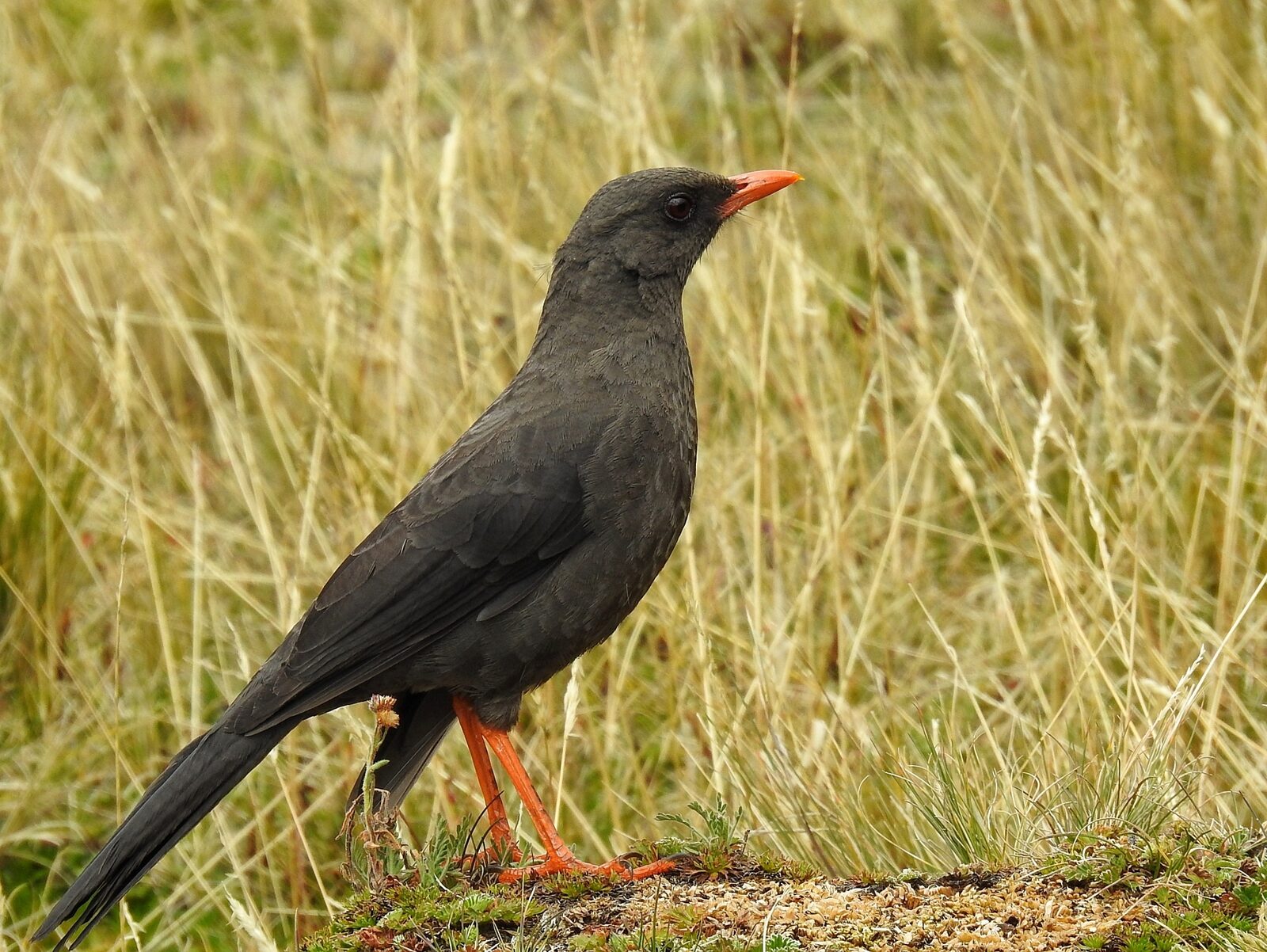
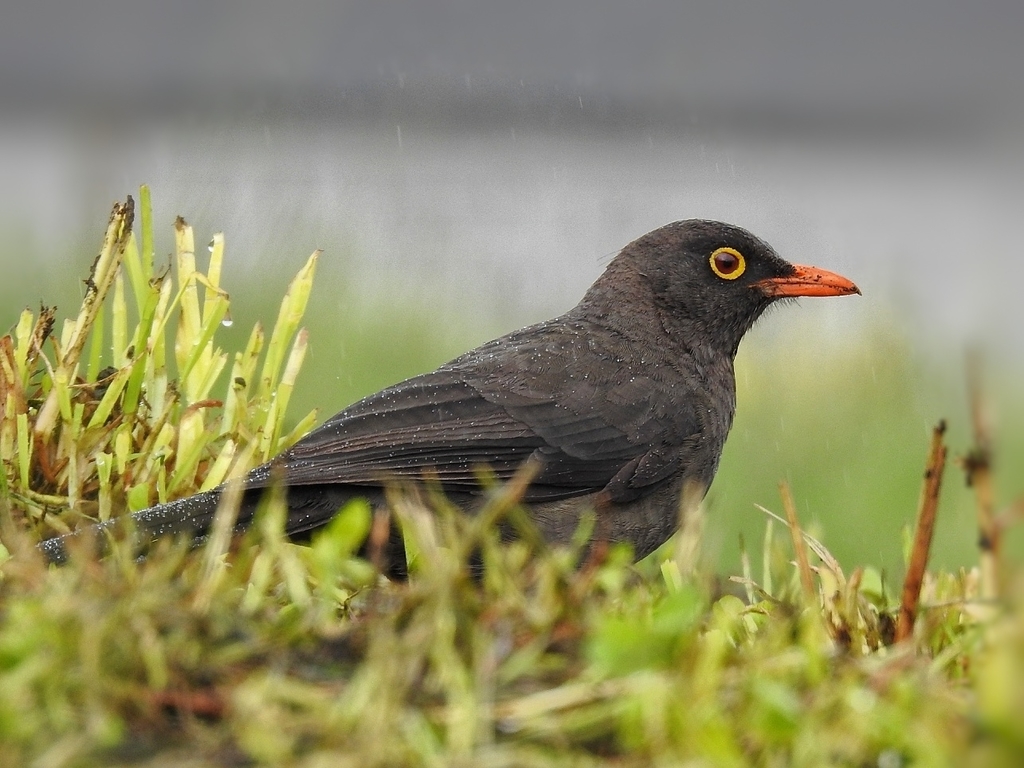
Great thrush
Turdus fuscater
- Status
- Least Concern IUCN Red List
- Eats
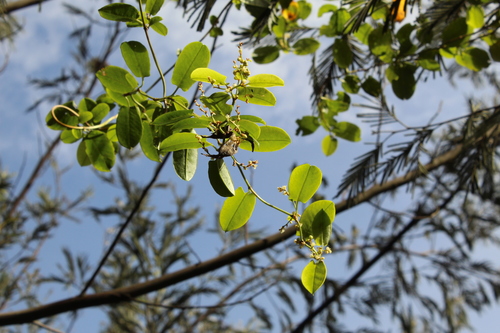
- myrsine coriacea, muehlenbeckia tamnifolia, fuchsia lehmannii and 118 more
- Where
- 5 countries
On 4Planet Atlas it is among the wildlife people record most around Bogotá, La Paz and Quito.
People have shared 225,553 records of the great thrush with GBIF, from 5 countries, most of them from Colombia, Ecuador and Peru. Records collected by GloBI show it eating 121 different kinds of animals and plants.
What the great thrush eats, and what eats it
Studies have recorded it eating 121 kinds of animals and plants. Tap any of them to follow the food chain.
- Plants 115
- Insects 1
- Amphibians 1
Great thrush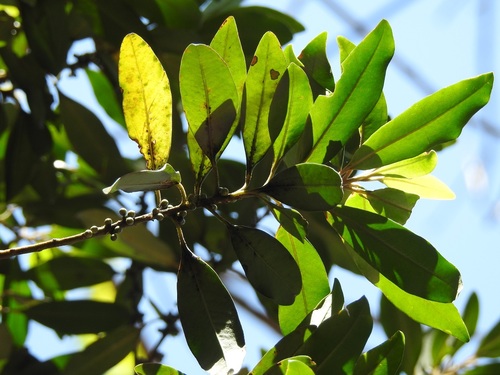
Records from studies worldwide, collected by GloBI. They include animals eaten as carrion, and they are not everything it eats in one place.
Where people see the great thrush
People have shared 225,553 records from 5 countries.
Near a city: Bogotá, La Paz, Quito.
Records show where people have seen it and shared it, not its full range. Country names open their page in Atlas.
When it is seen
Records per month in the northern hemisphere. More people outdoors also means more records.
Watch and listen
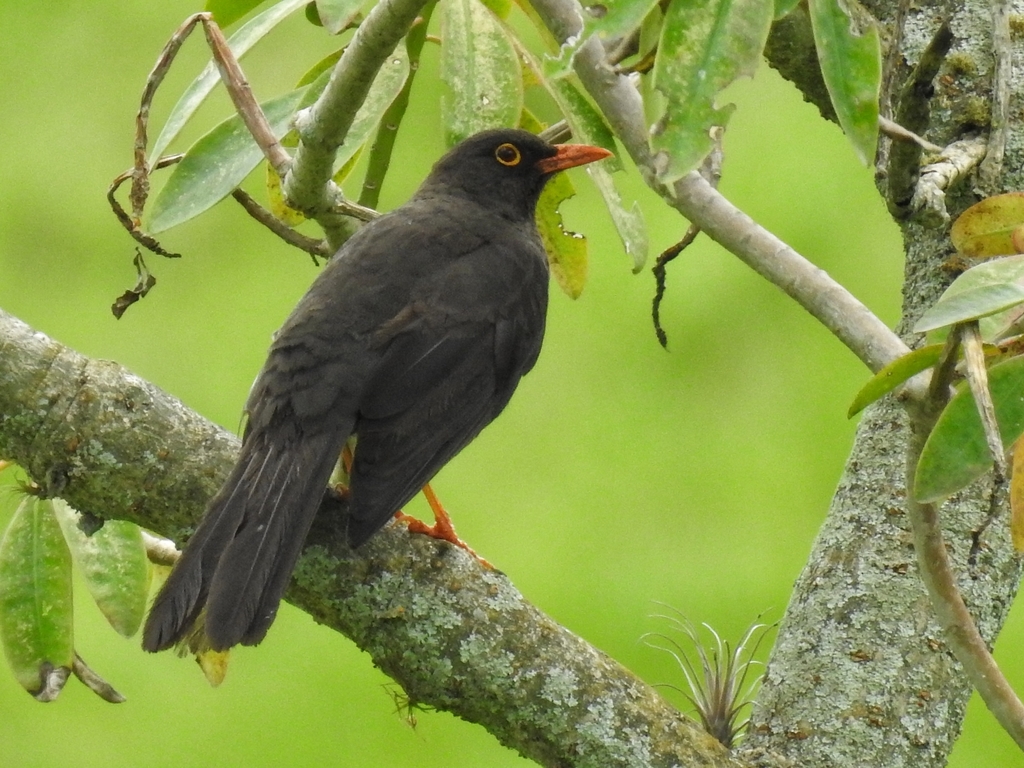
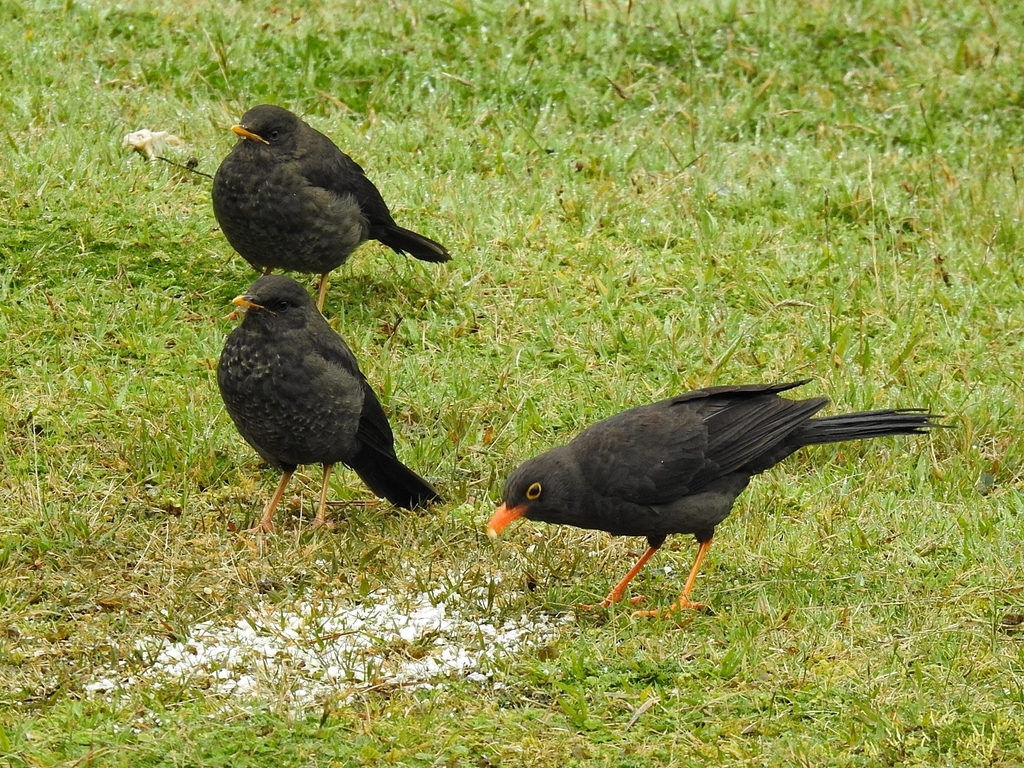
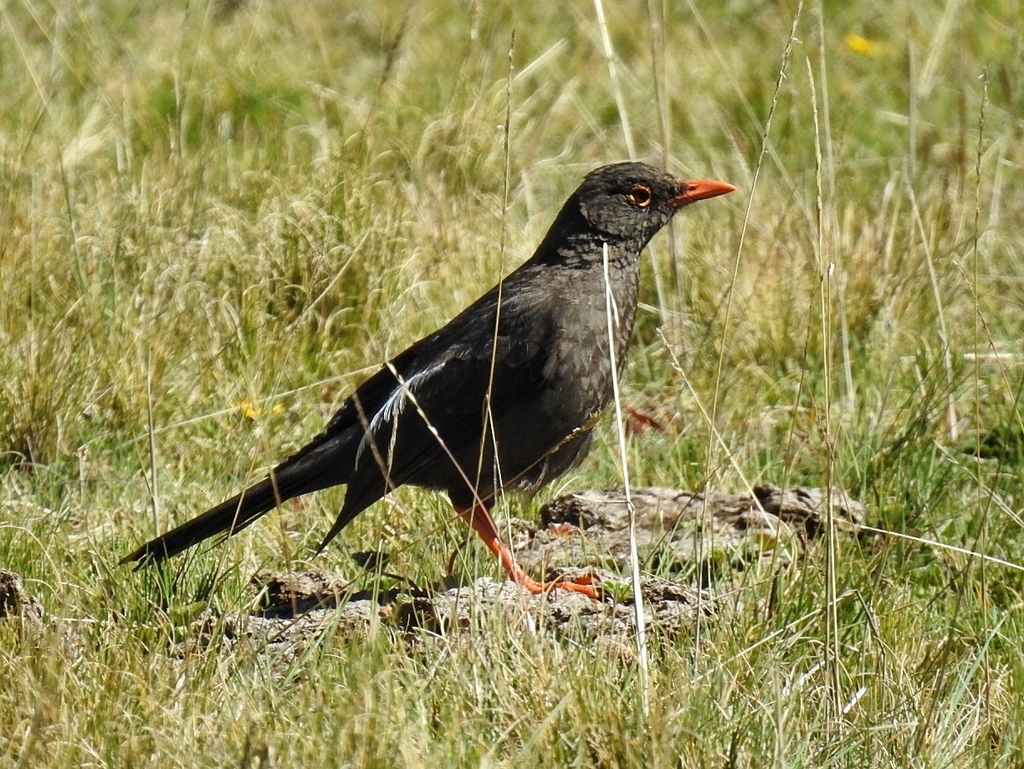
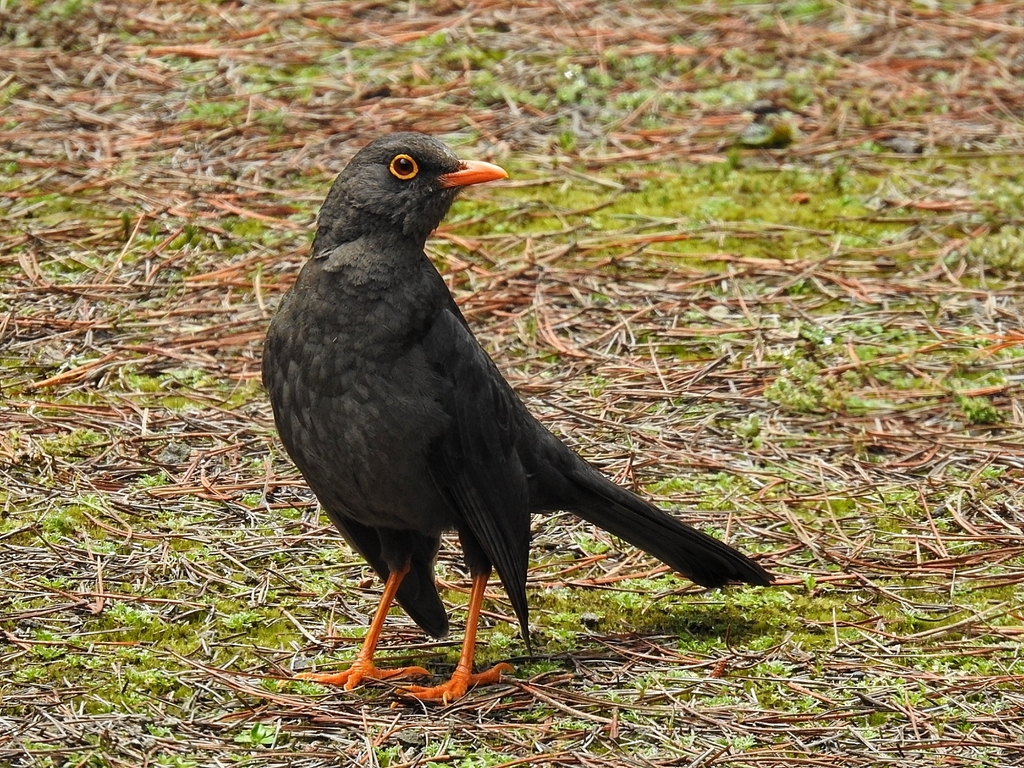
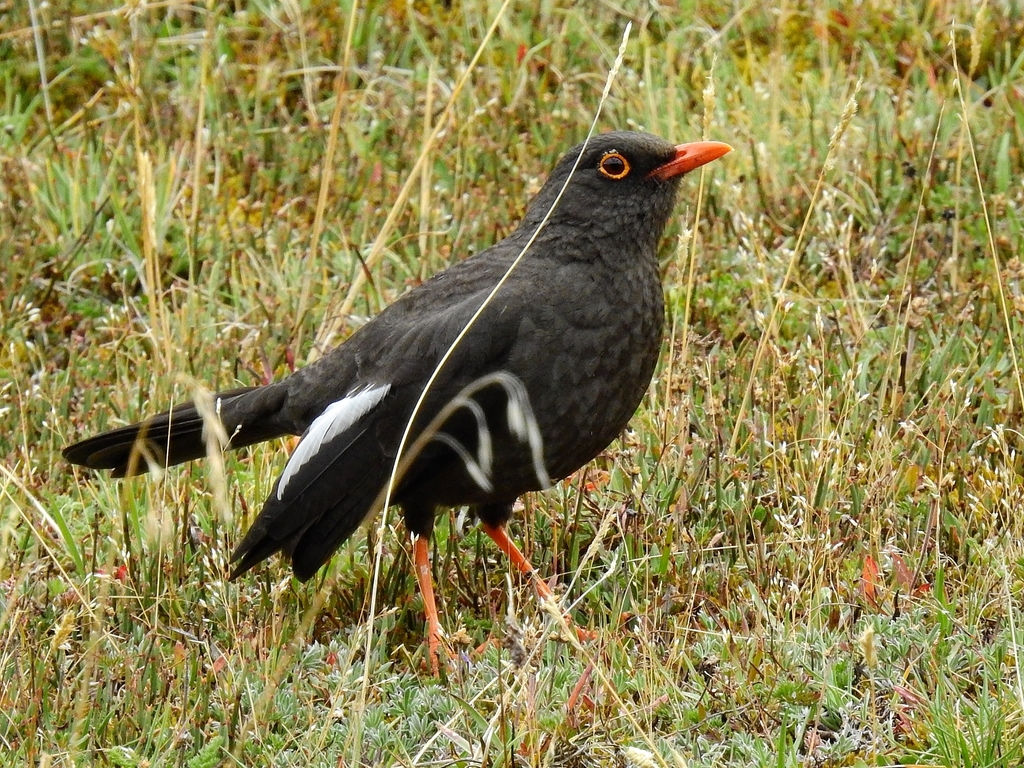
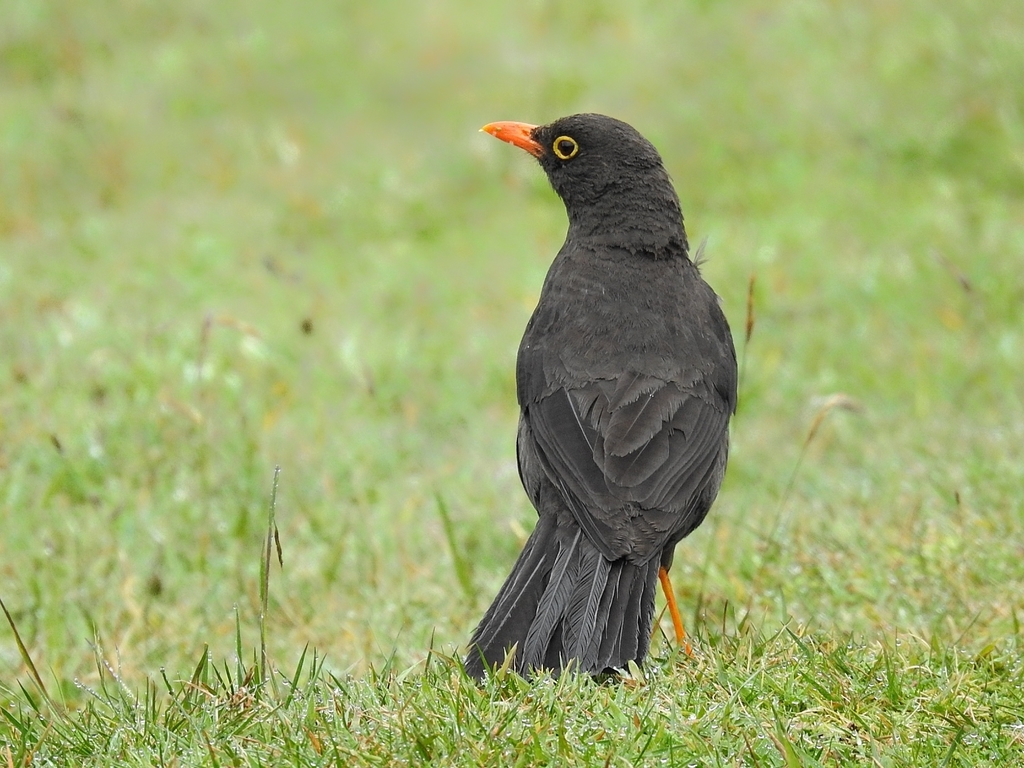
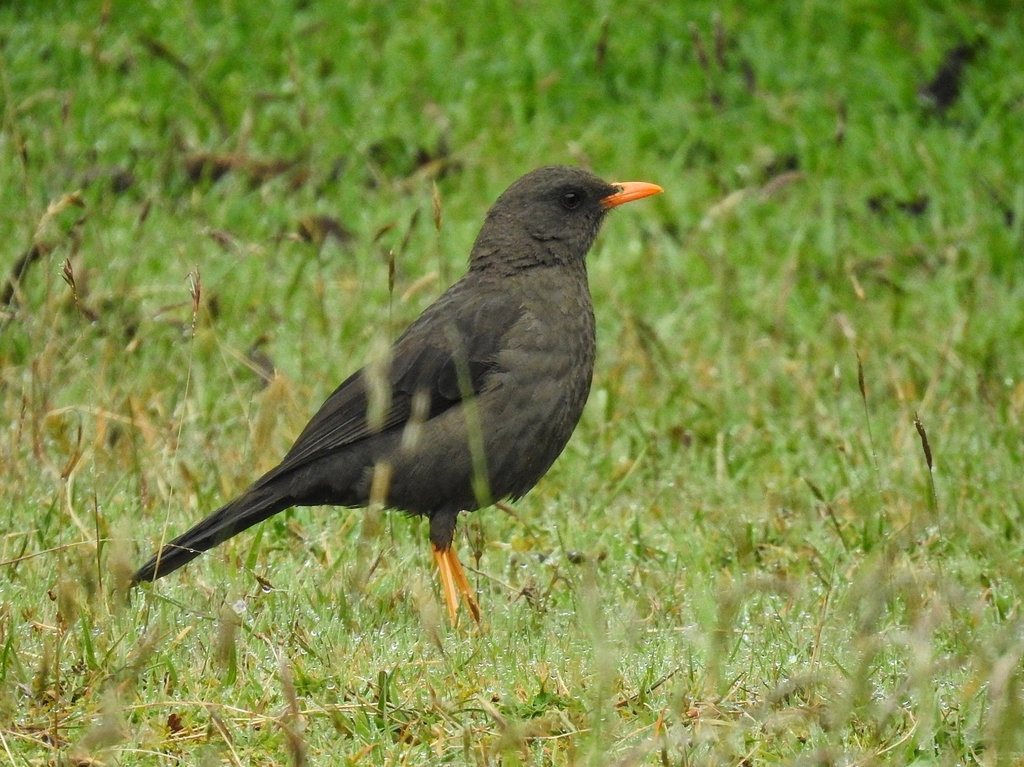
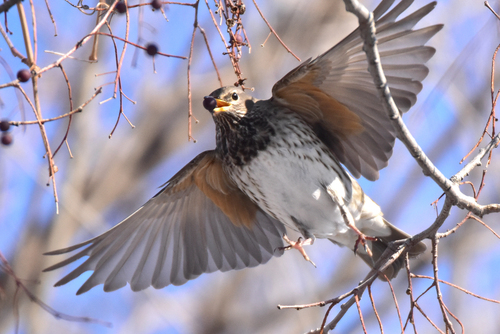
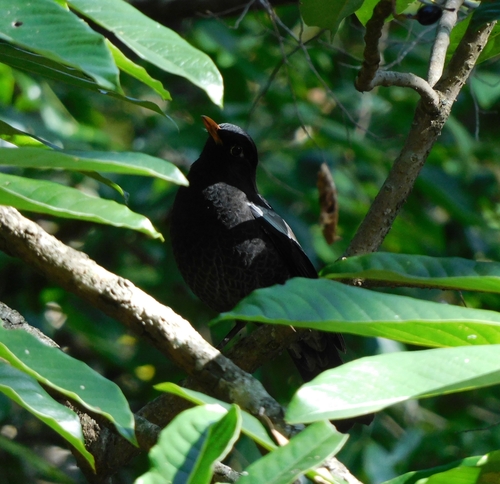
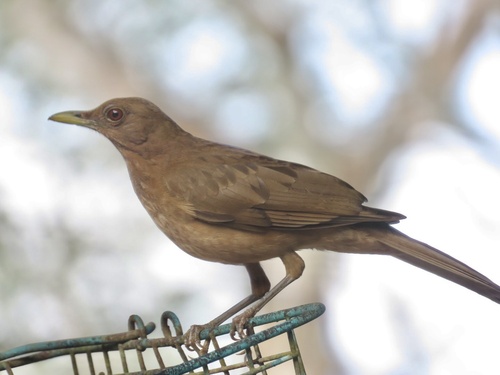
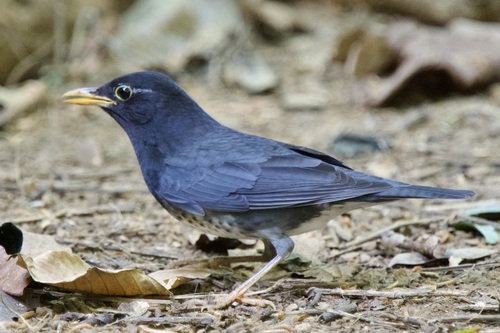
Its closest relatives
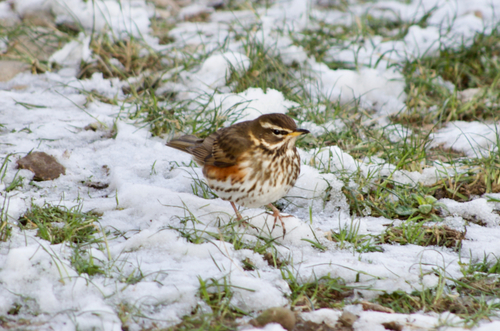
The other species of the genus Turdus.



Seen a great thrush?
Share your photo on iNaturalist. Other naturalists help confirm it, and the record goes to GBIF, where scientists use it and where the maps on this page come from.
Put this species on your site
The card names every source and links back here.
<iframe src="https://4planetatlas.com/place/embed/species/great-thrush" title="Great thrush (Turdus fuscater), 4PLANET Species" width="100%" height="600" style="border:0;max-width:640px" loading="lazy"></iframe>
<p><a href="https://4species.com/great-thrush">Great thrush on 4PLANET Species</a></p>Questions people ask
What does the great thrush eat?
The great thrush has been recorded eating 121 different kinds of animals and plants, most of them plants, insects and amphibians. The ones recorded most often are myrsine coriacea, muehlenbeckia tamnifolia, fuchsia lehmannii, miconia denticulata and miconia media; records include animals eaten as carrion. Source: GloBI.
Where does the great thrush live?
People have recorded it in 5 countries; the most records come from Colombia, Ecuador, Peru, Venezuela and Bolivia. Records show where people have seen it, not its full range.
When is the great thrush seen most?
In the northern hemisphere, the most records are made in May and the fewest in June. More people outdoors also means more records.
What are the great thrush's closest relatives?
It shares the genus Turdus with redwing, black-throated thrush, dusky thrush, grey-winged blackbird and clay-colored thrush.
Sources and photo credits
- GBIF · Turdus fuscater, 225,553 human observations
- GloBI · recorded interactions of Turdus fuscater
- Wikidata · Great thrush (Q1067396)
- Great thrush (Turdus fuscater): Esteban Poveda, CC BY 4.0
- Great thrush (Turdus fuscater): Esteban Poveda, CC BY 4.0
- Great thrush (Turdus fuscater): Esteban Poveda, CC BY 4.0
- Great thrush (Turdus fuscater), Mulalo, Ecuador: Esteban Poveda, CC BY 4.0
- Great thrush (Turdus fuscater), Parqueadero Limpiopungo, Ecuador: Esteban Poveda, CC BY 4.0
- Great thrush (Turdus fuscater), Mulalo, Ecuador: Esteban Poveda, CC BY 4.0
- Great thrush (Turdus fuscater), Laguna De Limpiopungo: Esteban Poveda, CC BY 4.0
- Great thrush (Turdus fuscater), Area Nacional de Recreación El Boliche: Esteban Poveda, CC BY 4.0
- Great thrush (Turdus fuscater), Mulalo, Ecuador: Esteban Poveda, CC BY 4.0
- Myrsine coriacea: Neptalí Ramírez Marcial, CC BY 4.0
- Muehlenbeckia tamnifolia: Andrés Ramírez-Barrera, CC BY 4.0
- Redwing: Codrin Bucur, CC BY 4.0
- Black-throated thrush: Kudaibergen Amirekul, CC BY-SA 4.0
- Dusky thrush: Lip Kee, CC BY-SA 4.0
- Grey-winged blackbird: Jagdish Singh Negi, CC BY 4.0
- Clay-colored thrush: no rights reserved, uploaded by Irene, CC0
- Japanese thrush: Jiro Iguchi, CC BY 4.0
- Brown-headed thrush: Kim, Hyun-tae, CC BY 4.0
- Black-breasted thrush: JJ Harrison, CC BY-SA 4.0
Records show where people have seen and shared the great thrush, not its full range, and some countries and months are recorded far more than others. The food web lists interactions that studies have recorded somewhere in the world (GloBI), not everything it eats in one place.
Checked 2026-11-22.