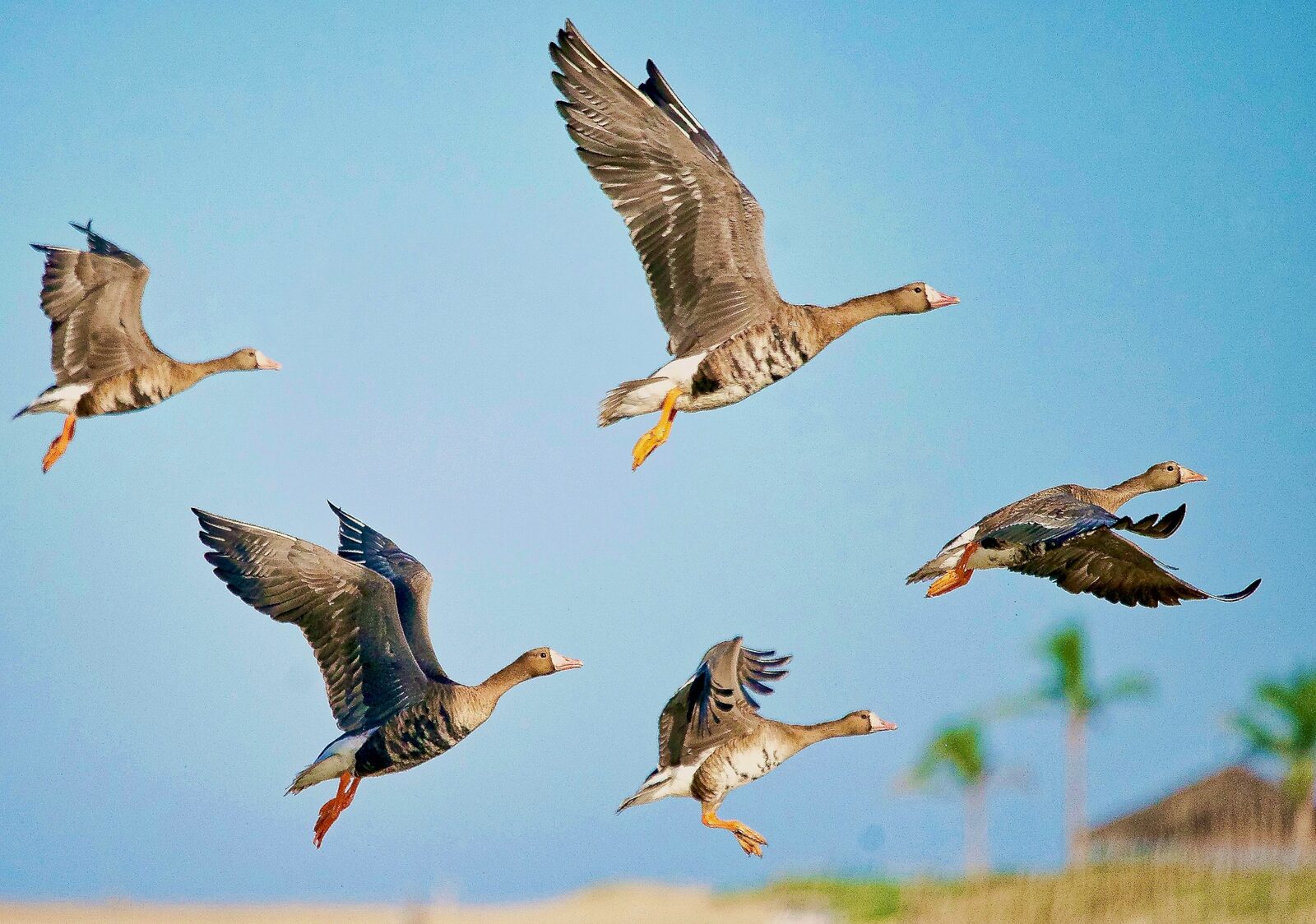
Greater white-fronted goose
Anser albifrons
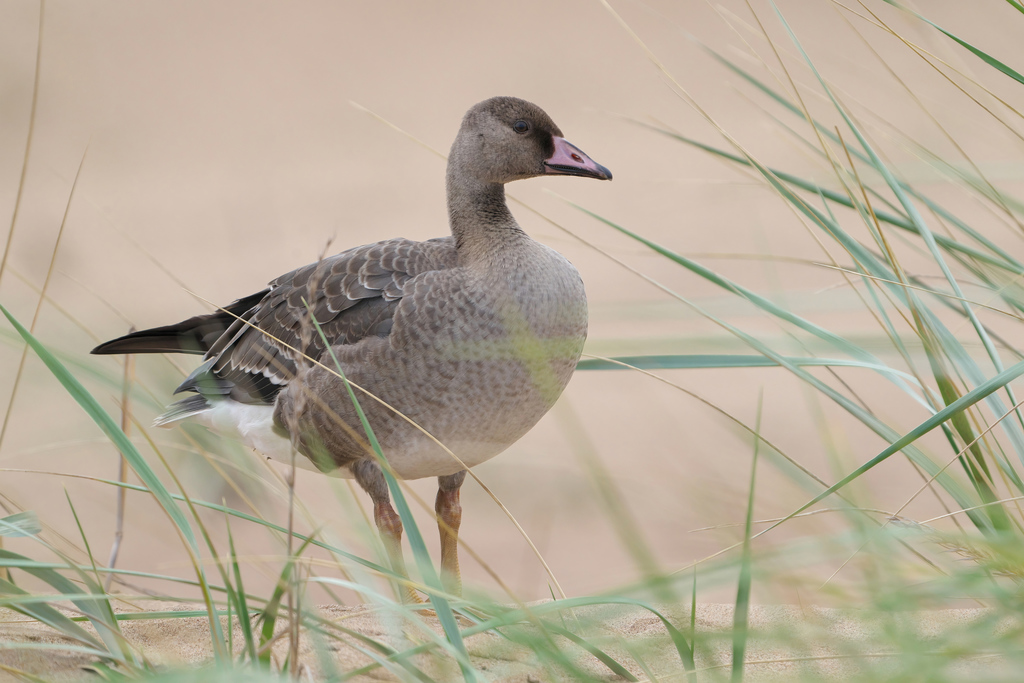
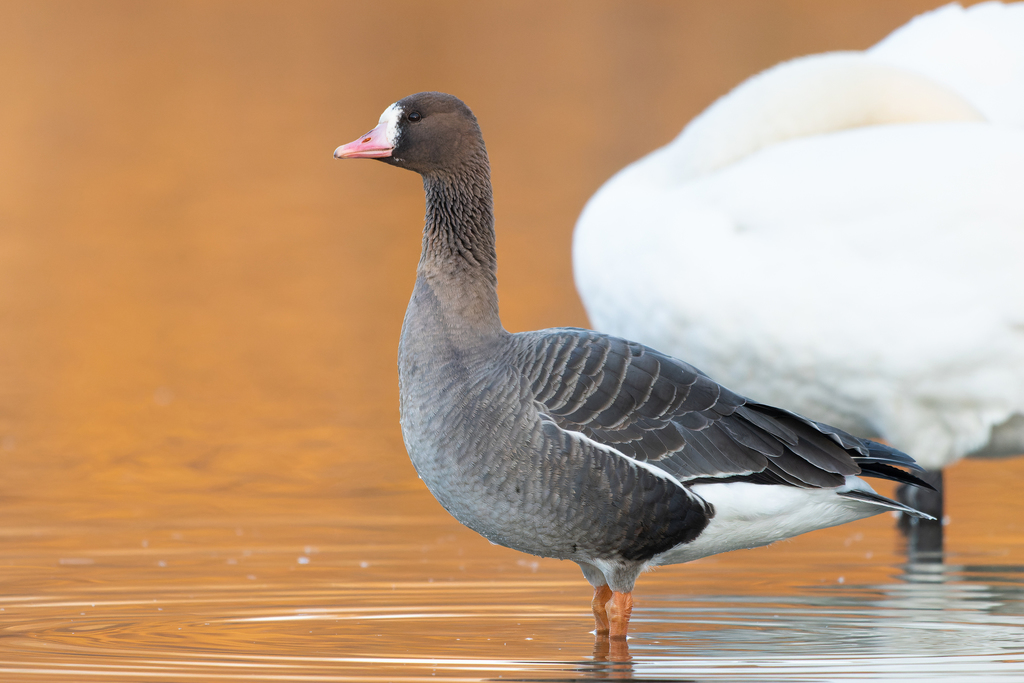
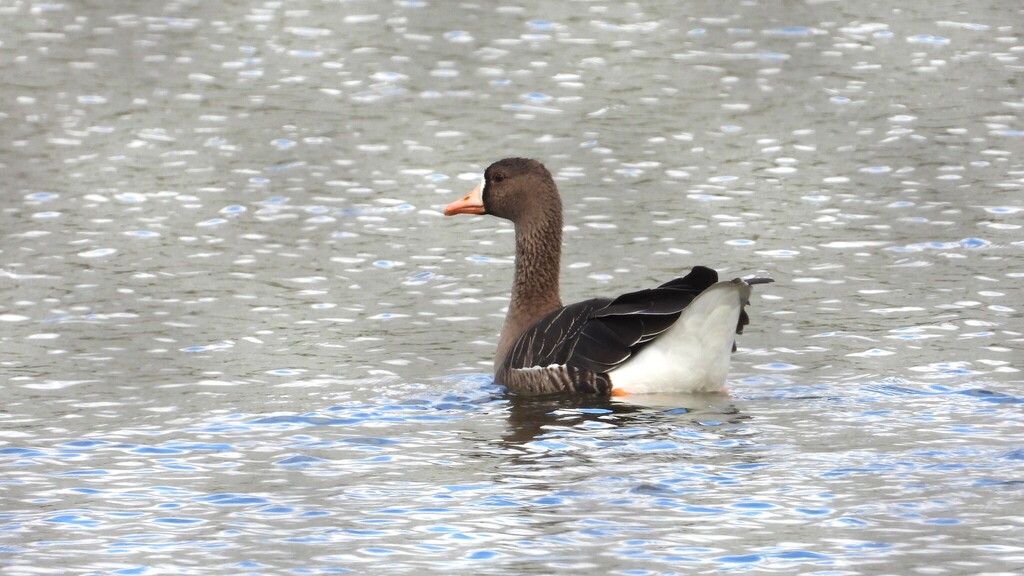
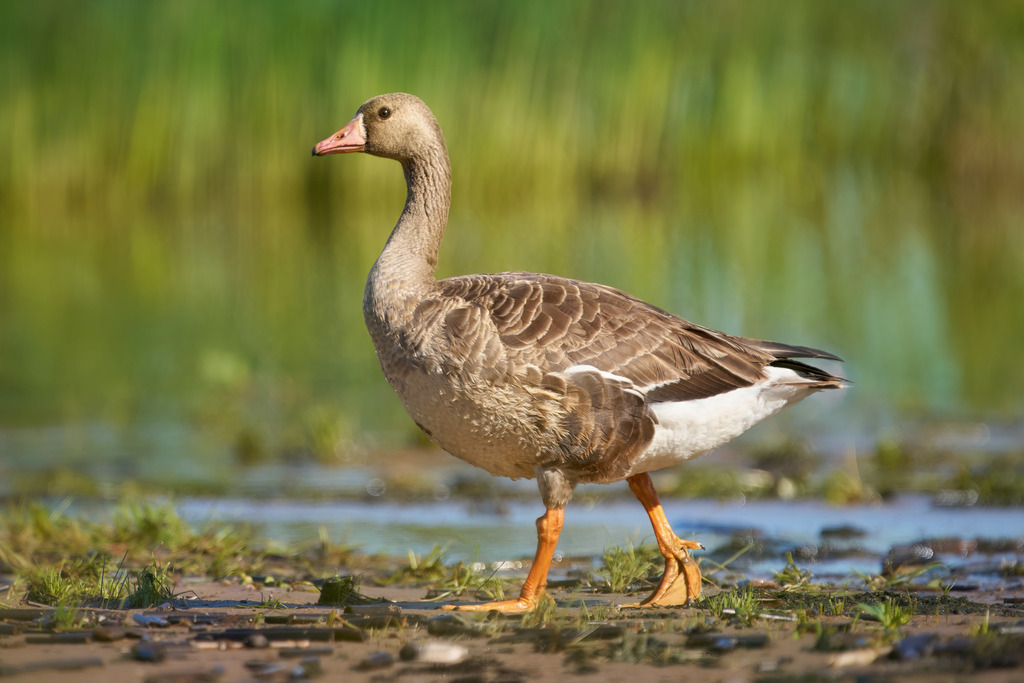
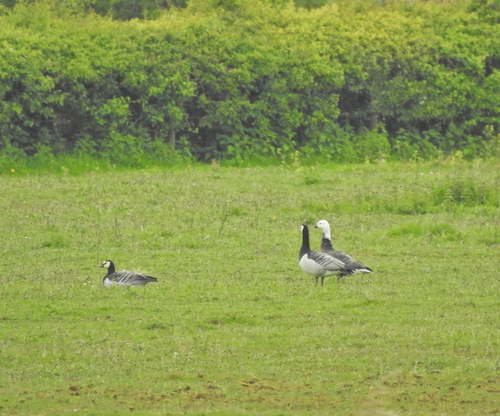
A grey goose with a white forehead and black bars across its belly.
- Status
- Least Concern IUCN Red List
- Eats
- common dandelion, quackgrass, nutgrass and 267 more
- Where
- 85 countries
On 4Planet Atlas it is among the wildlife people record most around Amsterdam, Bergen and Berlin, and 16 more of the cities we cover.
People have shared 739,044 records of the greater white-fronted goose with GBIF, from 85 countries, most of them from United States, Canada and Germany. Records collected by GloBI show it eating 270 different kinds of animals and plants, and being eaten by 22.
What the greater white-fronted goose eats, and what eats it
Studies have recorded it eating 270 kinds of animals and plants, and 22 kinds of animals eating it. Tap any of them to follow the food chain.
- Plants 256
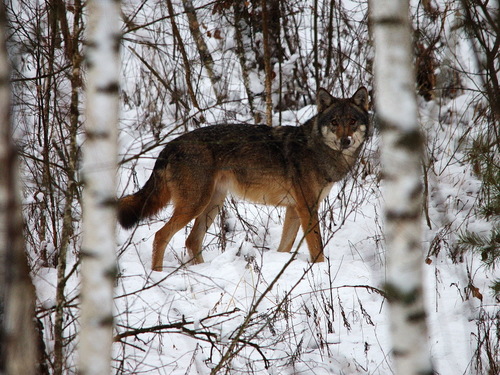
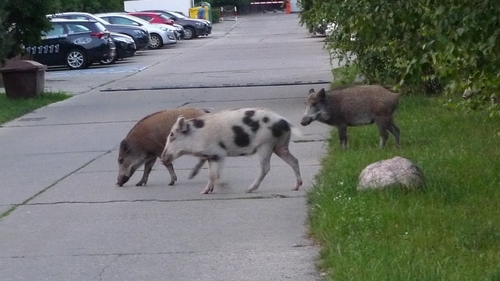
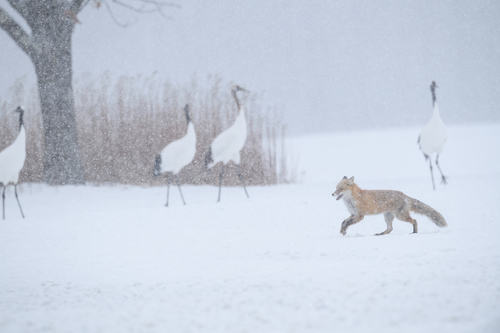

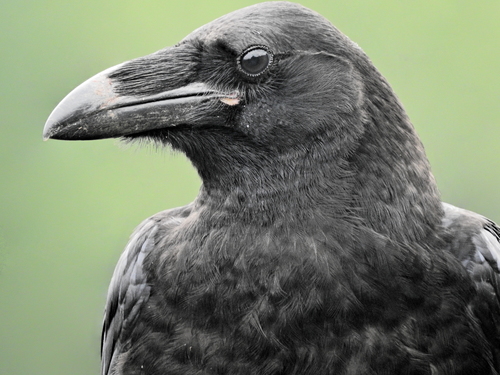
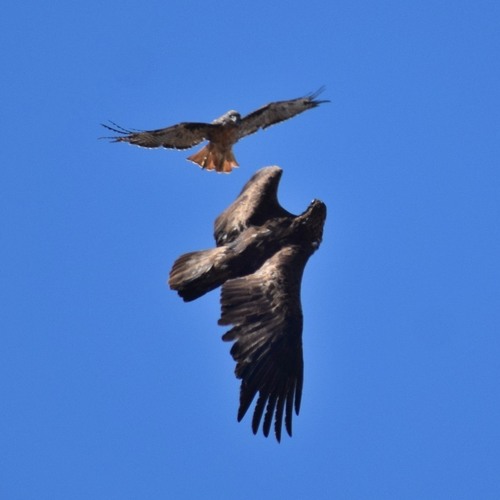
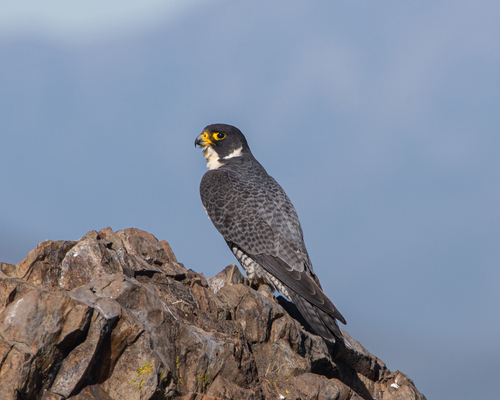
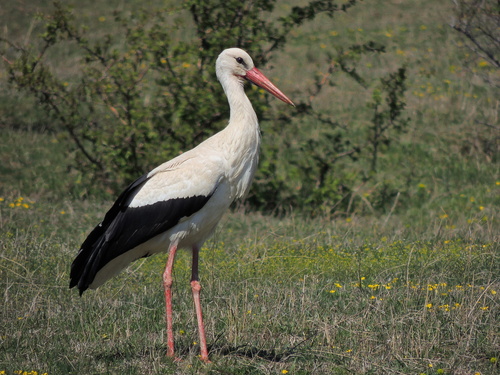 Greater white-fronted goose
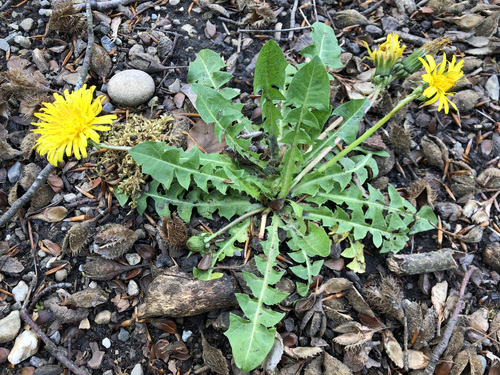


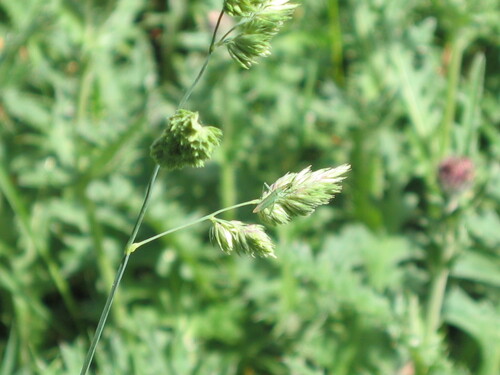

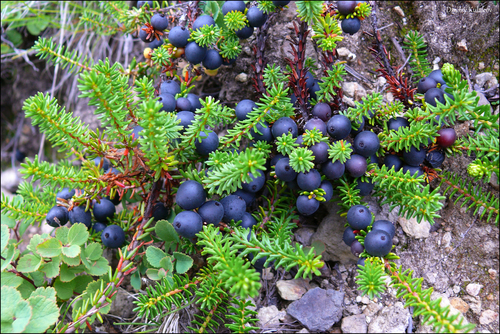


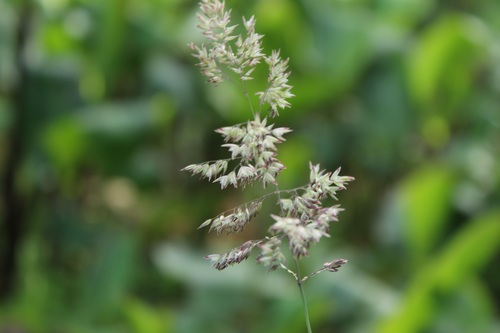
Records from studies worldwide, collected by GloBI. They include animals eaten as carrion, and they are not everything it eats in one place.
Where people see the greater white-fronted goose
People have shared 739,044 records from 85 countries.
Near a city: Amsterdam, Bergen, Berlin, Bratislava, Bucharest, Budapest, Chișinău, Copenhagen, Helsinki, Minsk, Moscow, Reykjavík, Riga, Seoul, Stockholm, Tallinn, Vienna, Vilnius, Warsaw.
Records show where people have seen it and shared it, not its full range. Country names open their page in Atlas.
When it is seen
Records per month in the northern hemisphere. More people outdoors also means more records.
Watch and listen
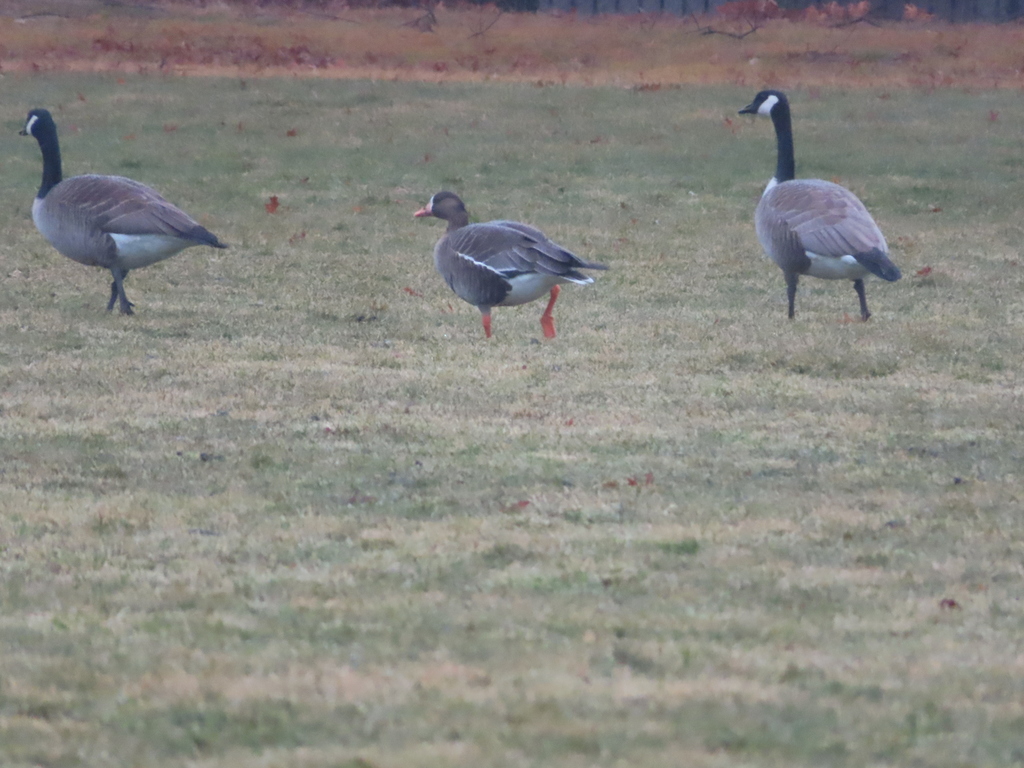
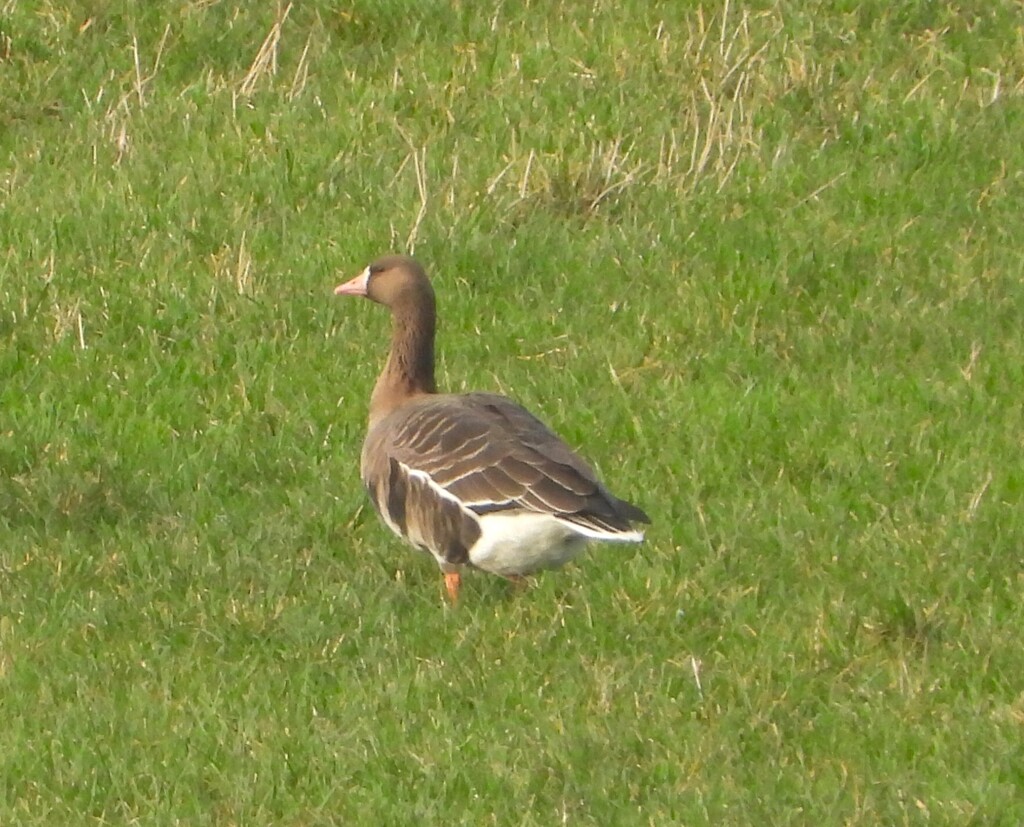
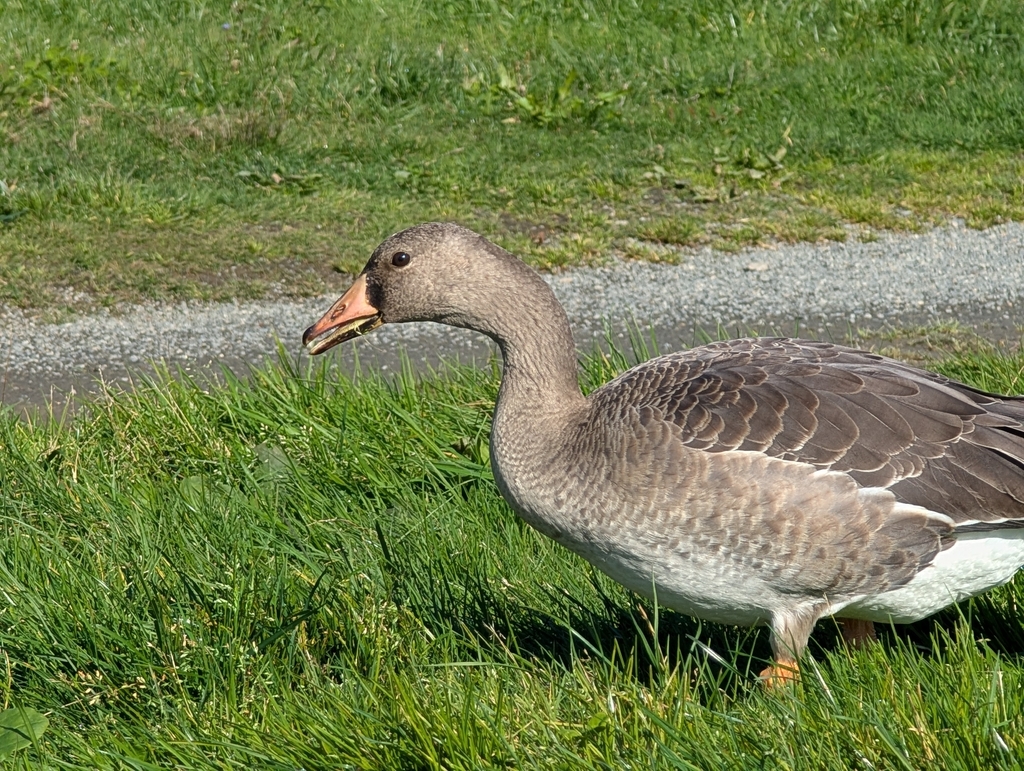
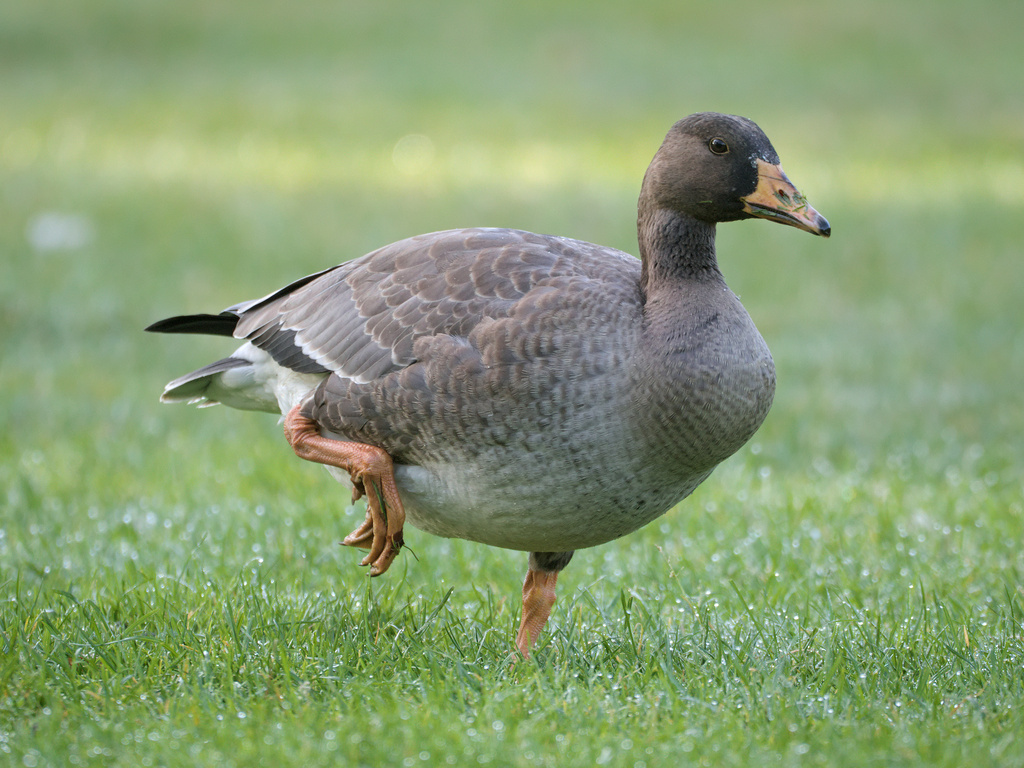
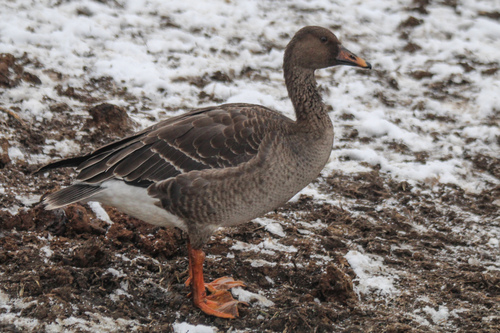
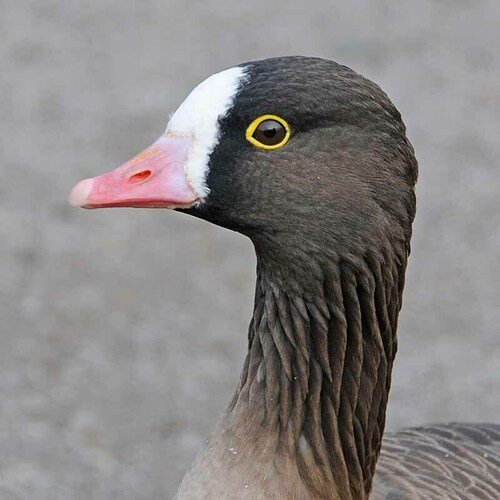
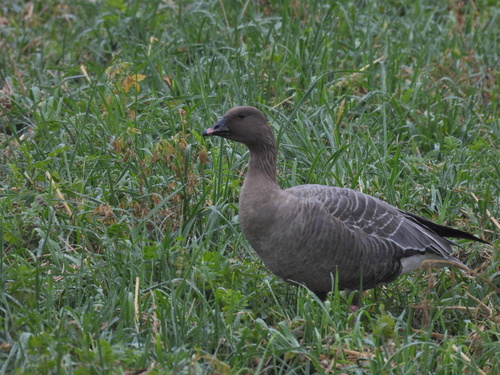
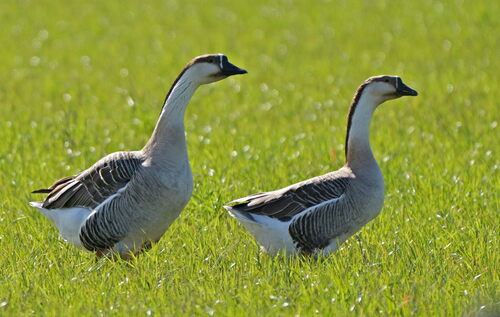
Its closest relatives
The other species of the genus Anser.



Seen a greater white-fronted goose?
Share your photo on iNaturalist. Other naturalists help confirm it, and the record goes to GBIF, where scientists use it and where the maps on this page come from.
Questions people ask
What does the greater white-fronted goose eat?
The greater white-fronted goose has been recorded eating 270 different kinds of animals and plants, most of them plants. The ones recorded most often are common dandelion, quackgrass, nutgrass, white clover and creeping buttercup; records include animals eaten as carrion. Source: GloBI.
What eats the greater white-fronted goose?
Recorded predators include grey wolf, wild boar, red fox, brown bear and northern raven. Source: GloBI.
Where does the greater white-fronted goose live?
People have recorded it in 85 countries; the most records come from United States, Canada, Germany, United Kingdom and Netherlands. Records show where people have seen it, not its full range.
When is the greater white-fronted goose seen most?
In the northern hemisphere, the most records are made in January and the fewest in August. More people outdoors also means more records.
What are the greater white-fronted goose's closest relatives?
It shares the genus Anser with greylag goose, taiga bean goose, bar-headed goose, snow goose and lesser white-fronted goose.
Sources and photo credits
- GBIF · Anser albifrons, 739,044 human observations
- GloBI · recorded interactions of Anser albifrons
- Wikidata · Greater white-fronted goose (Q172093)
- Greater white-fronted goose (Anser albifrons): Bill Levine, CC BY 4.0
- Greater white-fronted goose (Anser albifrons), East Falls, Philadelphia, PA, USA: Mila C., CC BY 4.0
- Greater white-fronted goose (Anser albifrons), Moness: Stephen M., CC BY-SA 4.0
- Greater white-fronted goose (Anser albifrons), Roosevelt Way NE & NE 85th St, Seattle, WA 98115, USA: Scott Wegner, CC0
- Greater white-fronted goose (Anser albifrons), Central Vancouver, Vancouver, BC, Canada: Kevin Krebs, CC BY 4.0
- Greater white-fronted goose (Anser albifrons), Ломоносовский р-н, Ленинградская обл., Россия: Andrey Gulivanov, CC BY 4.0
- Greater white-fronted goose (Anser albifrons), Chodov, Praha 11, Česko: Tomas Broucek, CC BY 4.0
- Greater white-fronted goose (Anser albifrons), Fergus, ON, Canada: Dan MacNeal, CC BY 4.0
- Greater white-fronted goose (Anser albifrons), Kurortny District, St Petersburg, Russia: Andrey Gulivanov, CC BY 4.0
- Common dandelion: Jason Grant, CC BY 4.0
- Quackgrass: Urgamal Magsar, CC BY 4.0
- Nutgrass: no rights reserved, uploaded by 葉子, CC0
- White clover: Conall, CC BY 4.0
- Creeping buttercup: Frank Vincentz, CC BY-SA 4.0
- Cocksfoot: zebedeugalinha, CC BY 4.0
- Perennial rye-grass: Георгий Виноградов (Georgy Vinogradov), CC BY 4.0
- Black crowberry: Dmitry Kulakov, CC BY 4.0
- Timothy: Matt Lavin, CC BY-SA 4.0
- Mare's-tail: Игорь Загребин, CC0
- Red fescue: Forest and Kim Starr, CC BY 4.0
- Yorkshire-fog: Andrés Ramírez-Barrera, CC BY 4.0
- Grey wolf: Andrew Simon, CC BY 4.0
- Wild boar: aga_l_, CC BY 4.0
- Red fox: Morten Ross, CC BY 4.0
- Brown bear: Nathan Ruser, CC BY 4.0
- Northern raven: xulescu_g, CC BY-SA 4.0
- Golden eagle: Anne Parsons, CC0
- Peregrine falcon: Nicolás Villaseca Merino, CC BY-SA 4.0
- White stork: xulescu_g, CC BY-SA 4.0
- Greylag goose: Imran Shah, CC BY-SA 4.0
- Taiga bean goose: Andrew Bazdyrev, CC BY 4.0
- Bar-headed goose: Imran Shah, CC BY-SA 4.0
- Snow goose: Andy Wilson, CC0
- Lesser white-fronted goose: Ross Elliott, CC BY 4.0
- Pink-footed goose: Jonas Kraft, CC BY 4.0
- Swan goose: William Harland, CC BY 4.0
- Emperor goose: Nicolás Tamargo, CC0
Records show where people have seen and shared the greater white-fronted goose, not its full range, and some countries and months are recorded far more than others. The food web lists interactions that studies have recorded somewhere in the world (GloBI), not everything it eats in one place.
Checked 2026-11-22.