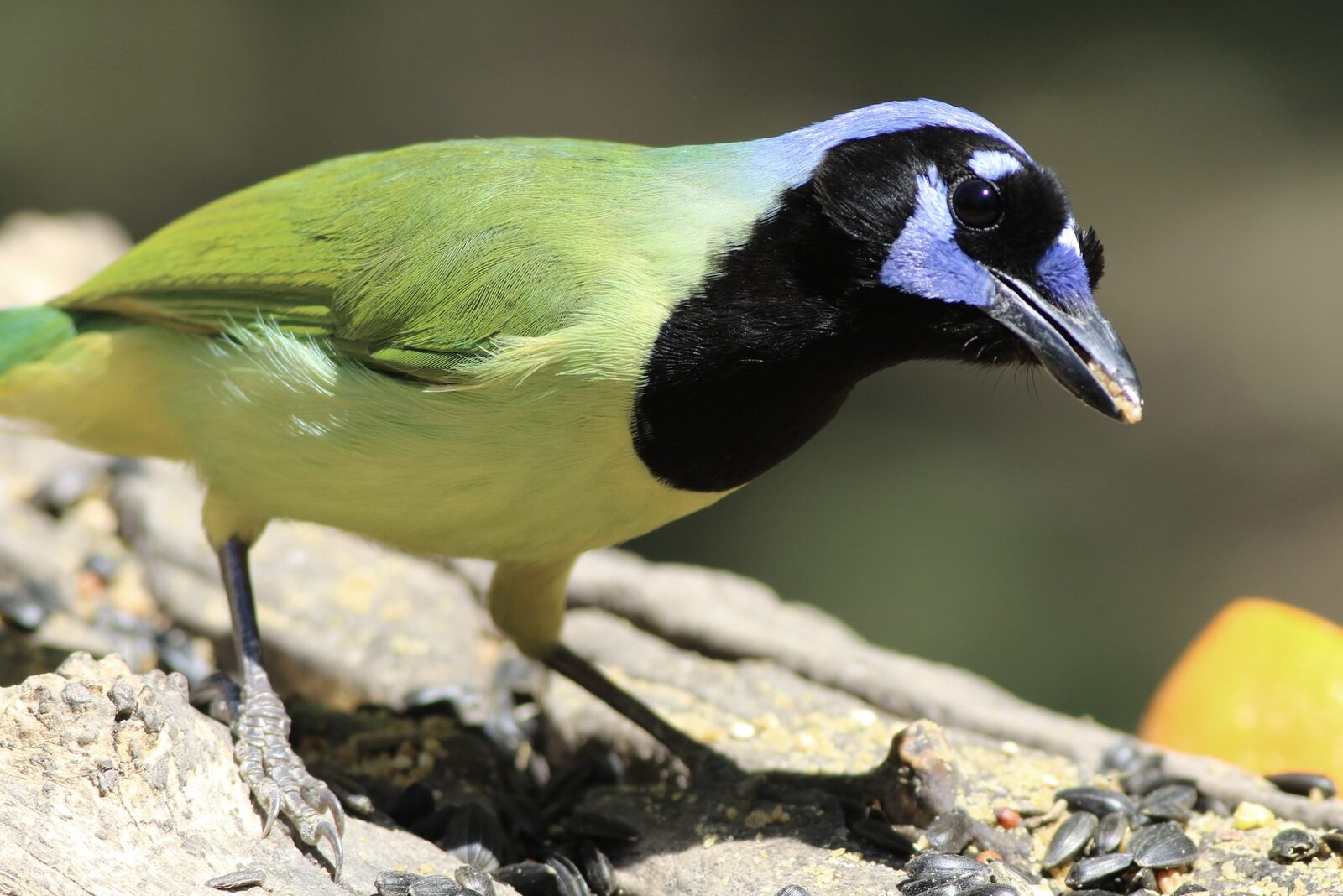
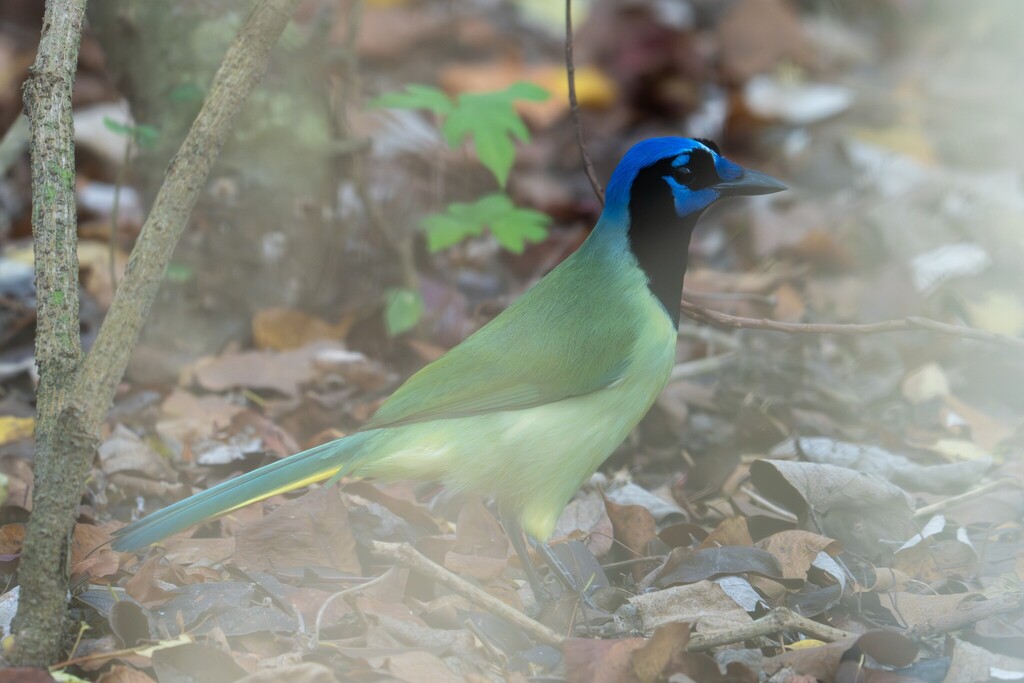
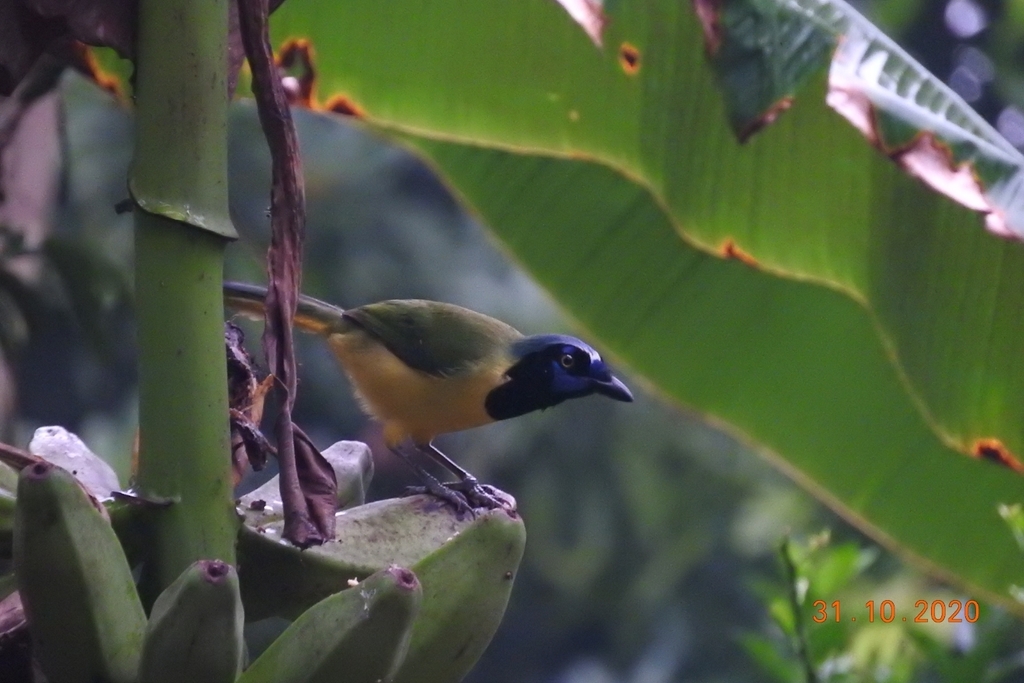
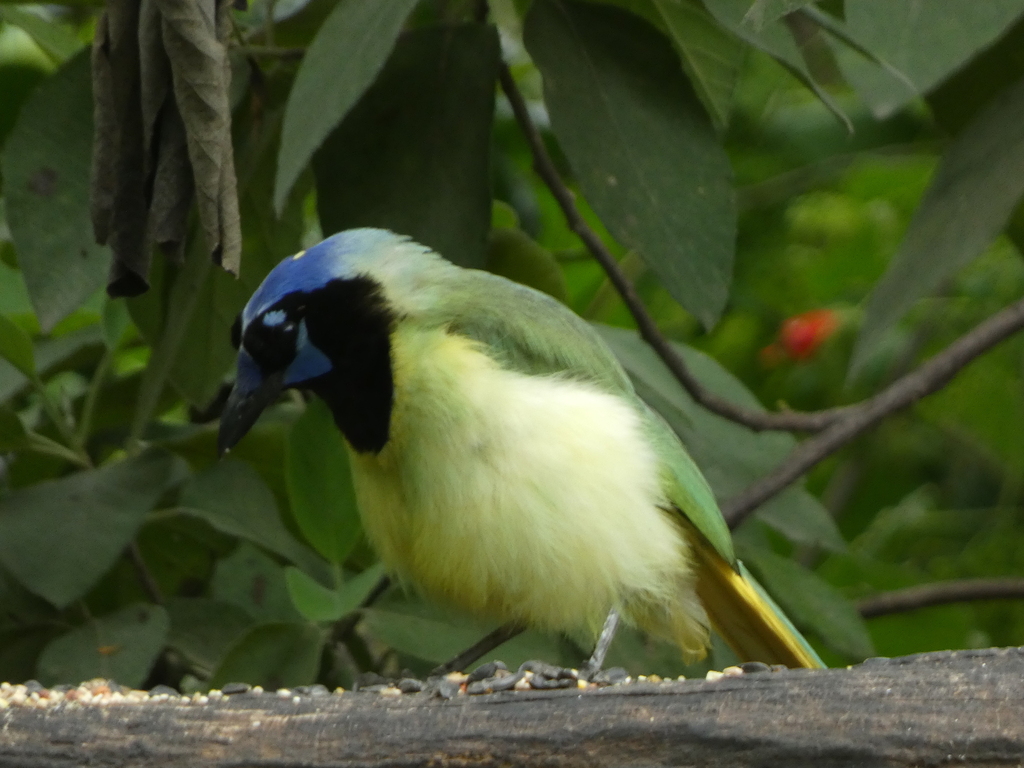
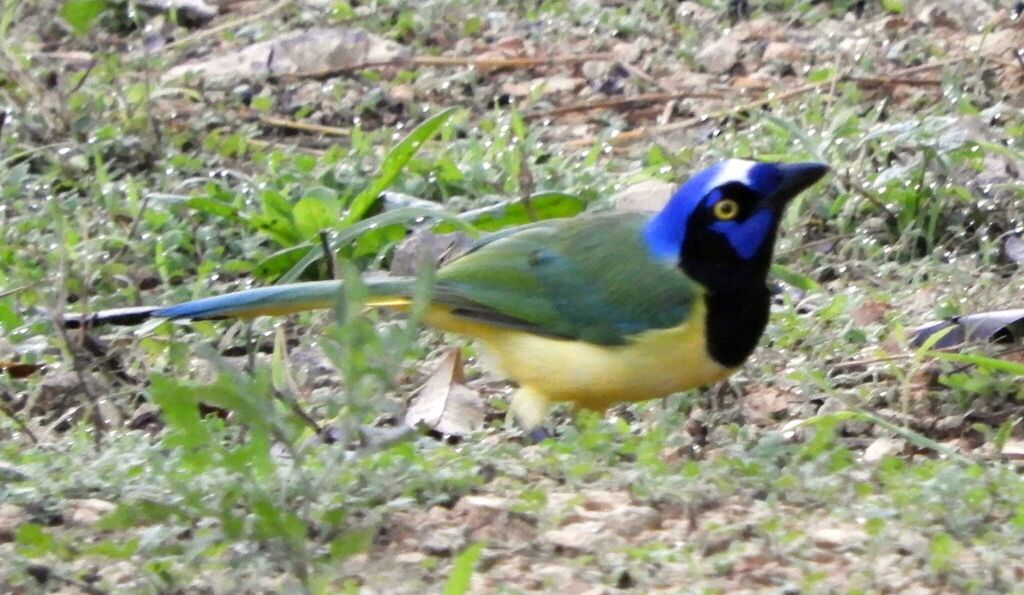
Green jay
Cyanocorax yncas
- Status
- Least Concern IUCN Red List
- Eats
- miconia aprica, naseberry, purple plague and 85 more
- Where
- 11 countries
On 4Planet Atlas it is among the wildlife people record most around Belmopan, Caracas and Medellín.
People have shared 361,904 records of the green jay with GBIF, from 11 countries, most of them from United States, Mexico and Colombia. Records collected by GloBI show it eating 88 different kinds of animals and plants.
What the green jay eats, and what eats it
Studies have recorded it eating 88 kinds of animals and plants. Tap any of them to follow the food chain.
- Plants 81
- Insects 2
Green jay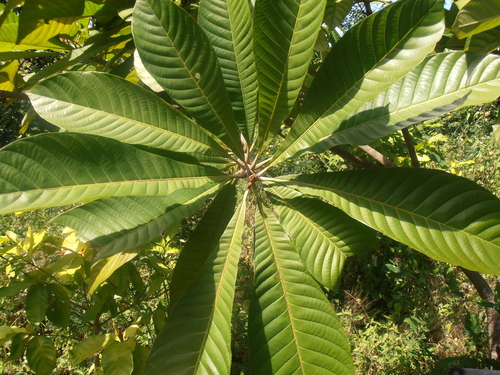
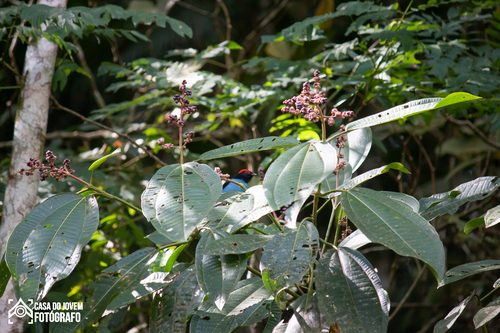
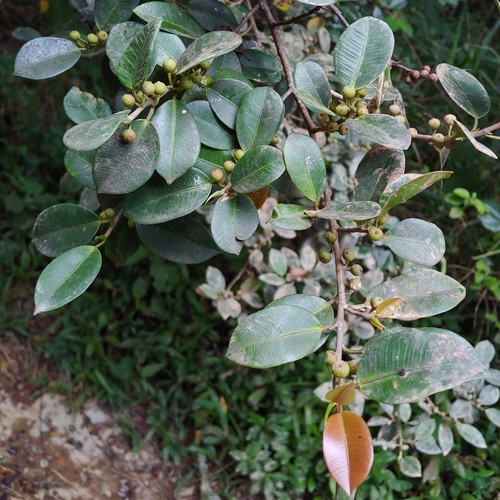
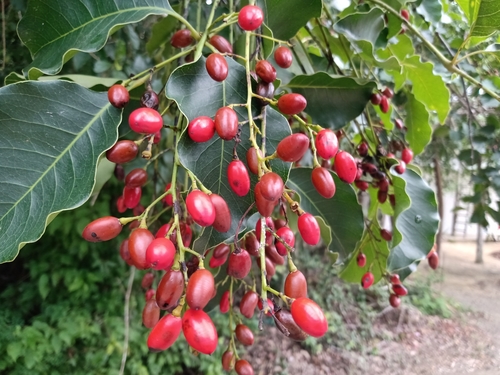
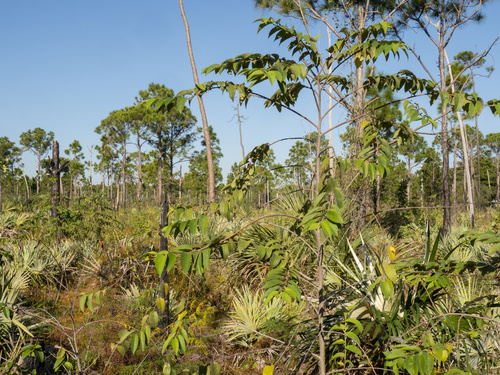
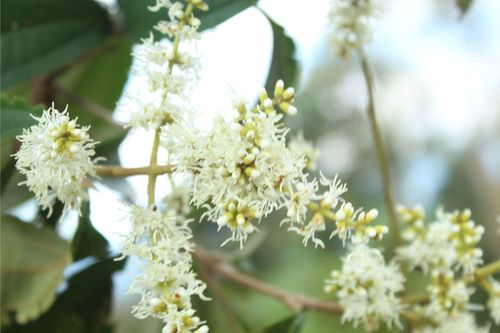
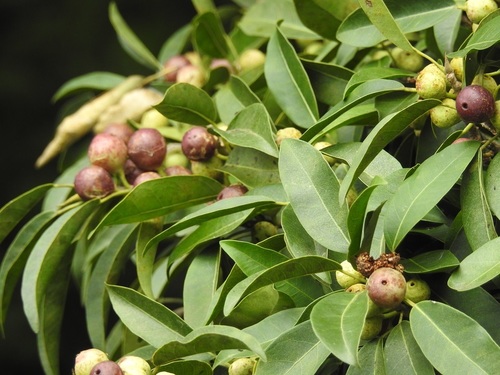
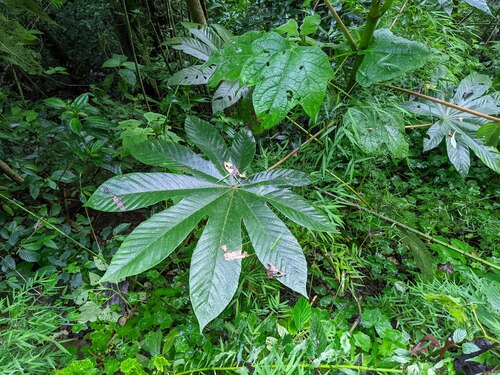
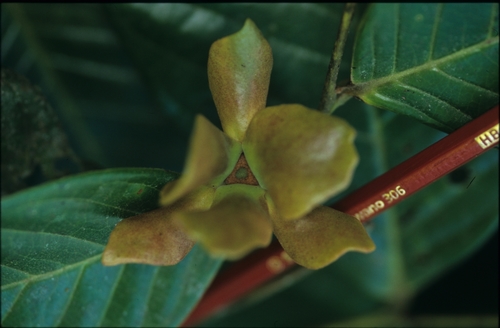
Records from studies worldwide, collected by GloBI. They include animals eaten as carrion, and they are not everything it eats in one place.
Where people see the green jay
People have shared 361,904 records from 11 countries.
Near a city: Belmopan, Caracas, Medellín.
Records show where people have seen it and shared it, not its full range. Country names open their page in Atlas.
When it is seen
Records per month in the northern hemisphere. More people outdoors also means more records.
Watch and listen
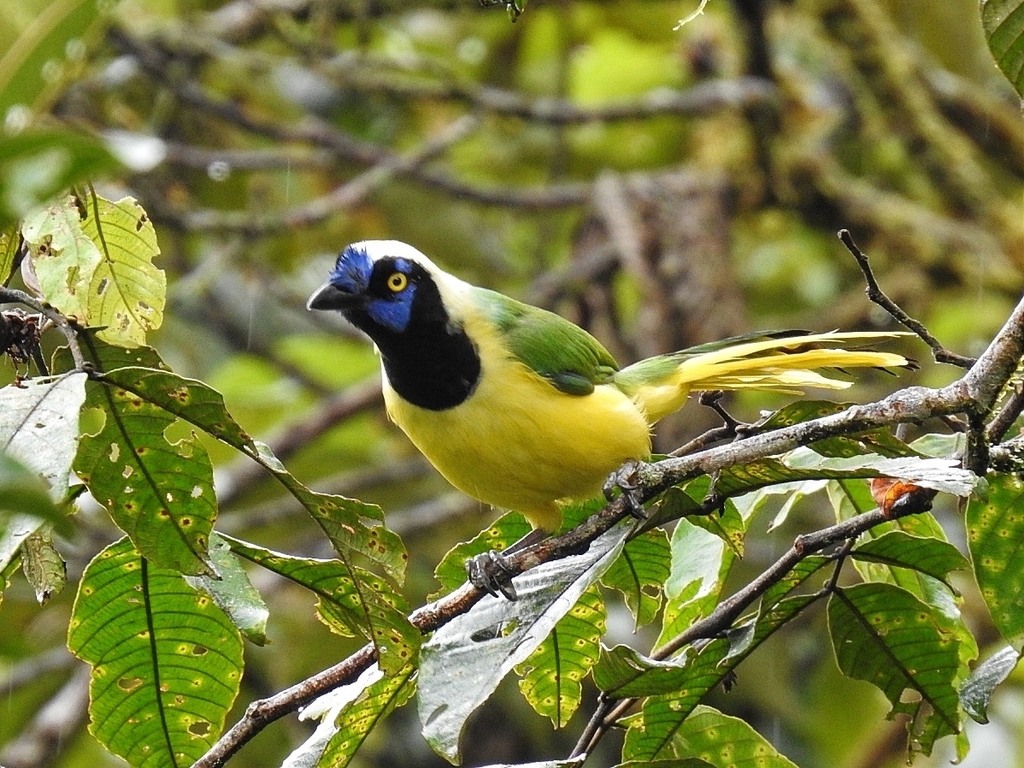
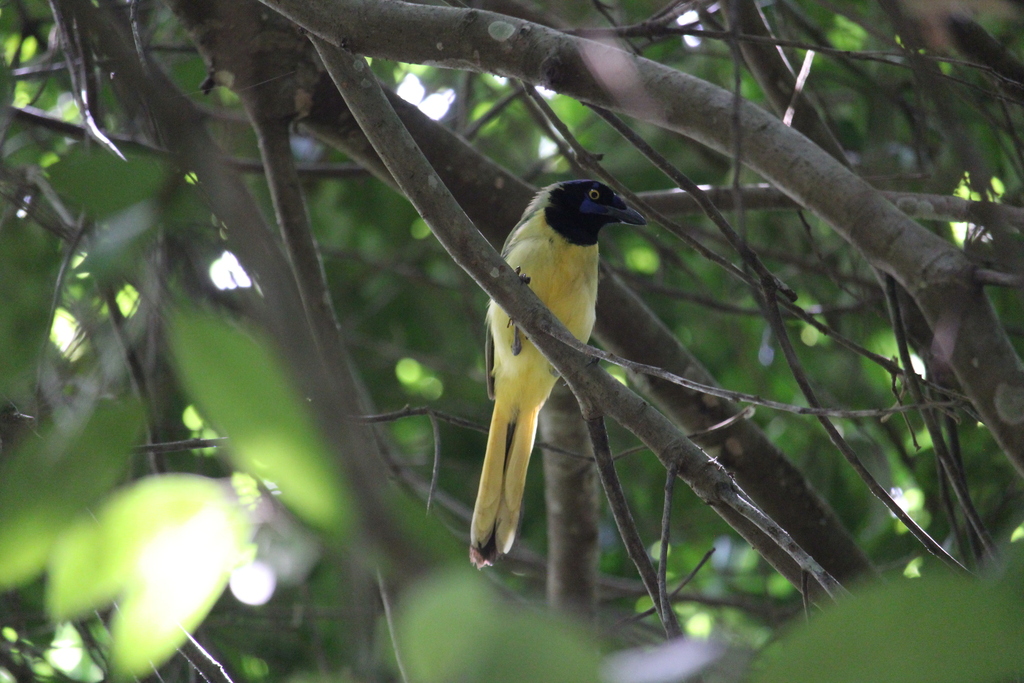
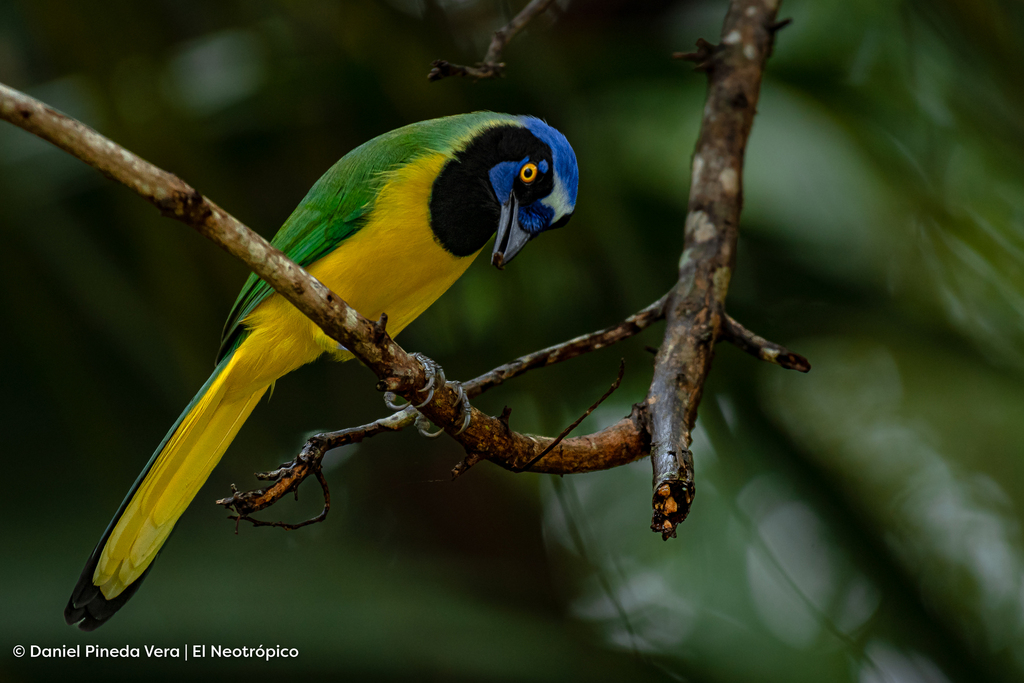
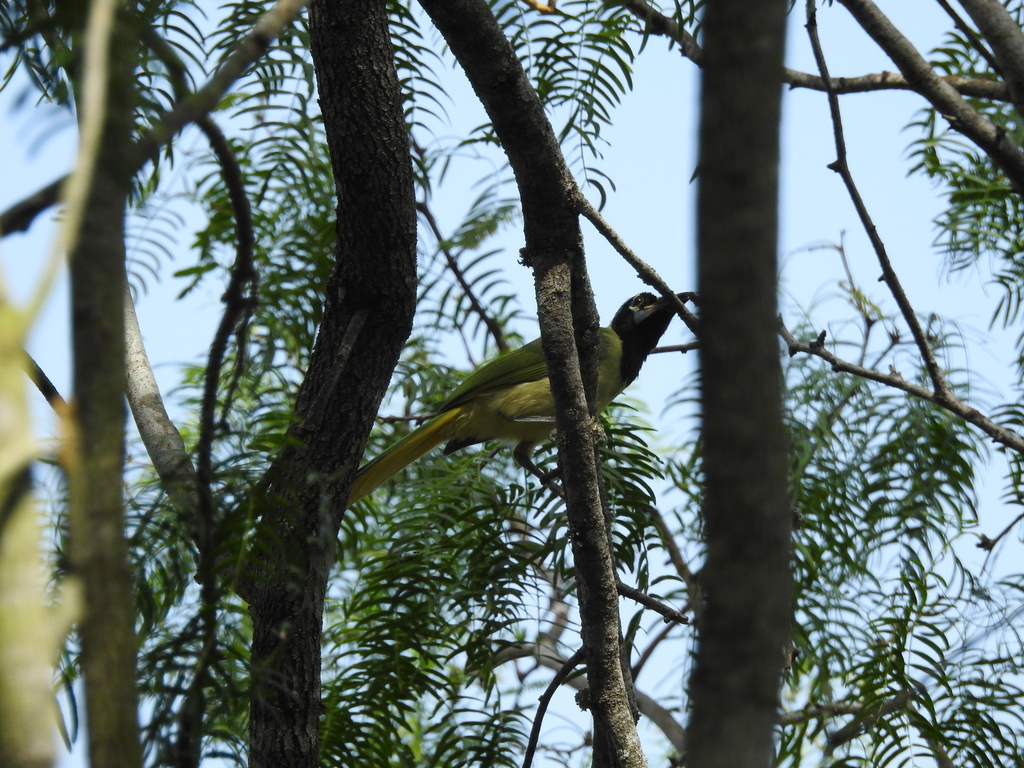
Its closest relatives
The other species of the genus Cyanocorax.
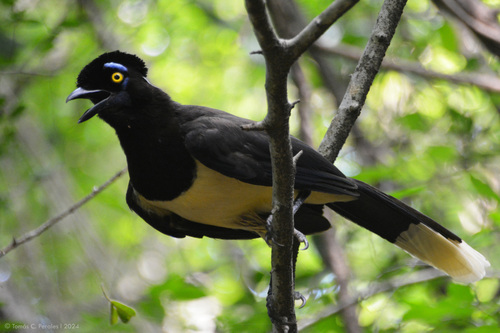


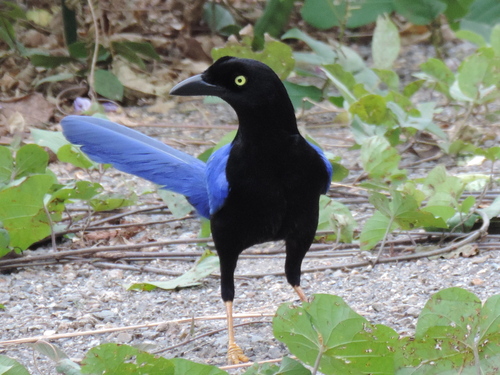

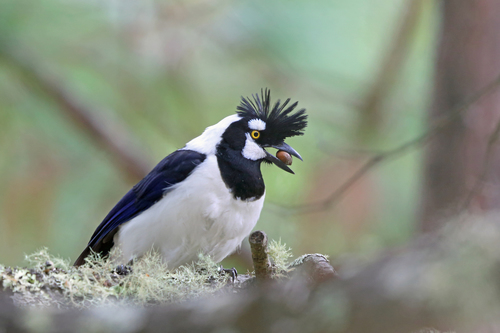
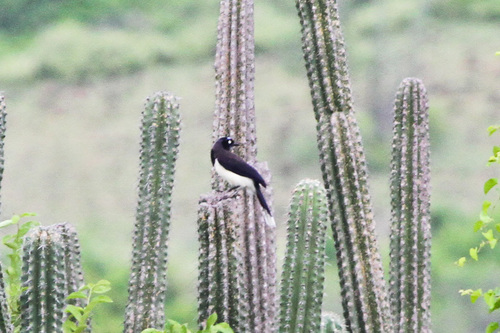
Seen a green jay?
Share your photo on iNaturalist. Other naturalists help confirm it, and the record goes to GBIF, where scientists use it and where the maps on this page come from.
Put this species on your site
The card names every source and links back here.
<iframe src="https://4planetatlas.com/place/embed/species/green-jay" title="Green jay (Cyanocorax yncas), 4PLANET Species" width="100%" height="600" style="border:0;max-width:640px" loading="lazy"></iframe>
<p><a href="https://4species.com/green-jay">Green jay on 4PLANET Species</a></p>Questions people ask
What does the green jay eat?
The green jay has been recorded eating 88 different kinds of animals and plants, most of them plants and insects. The ones recorded most often are miconia aprica, naseberry, purple plague, jamaican cherry fig and black poisonwood; records include animals eaten as carrion. Source: GloBI.
Where does the green jay live?
People have recorded it in 11 countries; the most records come from United States, Mexico, Colombia, Ecuador and Belize. Records show where people have seen it, not its full range.
When is the green jay seen most?
In the northern hemisphere, the most records are made in January and the fewest in June. More people outdoors also means more records.
What are the green jay's closest relatives?
It shares the genus Cyanocorax with plush-crested jay, azure jay, yucatan jay, curl-crested jaya and purplish-backed jay.
Sources and photo credits
- GBIF · Cyanocorax yncas, 361,904 human observations
- GloBI · recorded interactions of Cyanocorax yncas
- Wikidata · Green jay (Q918078)
- Green jay (Cyanocorax yncas): Cricket Raspet, CC BY 4.0
- Green jay (Cyanocorax yncas): Esteban Poveda, CC BY 4.0
- Green jay (Cyanocorax yncas), Flores, Guatemala: Ricard Busquets Reverte, CC BY 4.0
- Green jay (Cyanocorax yncas), Calallen, Corpus Christi, TX, USA: Brandon Johnson, CC BY 4.0
- Green jay (Cyanocorax yncas), Campeche, MX: Sebastián de Jesús Herrera Buenfil, CC BY 4.0
- Green jay (Cyanocorax yncas), Mission, TX, USA: datadan, CC BY 4.0
- Green jay (Cyanocorax yncas), 77130 Chunyaxché, Q.R., Mexico: K Schneider, CC BY 4.0
- Green jay (Cyanocorax yncas), Vidanta Riviera Maya, Quintana Roo, MX: Daniel Pineda Vera, CC BY 4.0
- Green jay (Cyanocorax yncas), Hidalgo County, TX, USA: Rachel Stringham, CC BY 4.0
- Naseberry: Desiree L. Narango, CC BY 4.0
- Purple plague: Diogo Luiz, CC BY 4.0
- Jamaican cherry fig: Kurt Miller, CC BY-SA 4.0
- Black poisonwood: Miguel Grageda, CC BY 4.0
- Jamaican nettletree: Turner Brockman, CC BY-SA 4.0
- Granadillo bobo: Andrés Ramírez-Barrera, CC BY 4.0
- Ficus pertusa: Neptalí Ramírez Marcial, CC BY 4.0
- Cecropia angustifolia: Zac Peterson, CC BY 4.0
- Guatteria punctata: Michael D. Pirie, CC BY 4.0
- Plush-crested jay: Tomás Carranza Perales, CC BY 4.0
- Azure jay: Piter Kehoma Boll, CC BY-SA 4.0
- Yucatan jay: Tony Hisgett, CC BY 4.0
- Curl-crested jaya: Dario Sanches, CC BY-SA 4.0
- Purplish-backed jay: Francisco Farriols Sarabia, CC BY 4.0
- Purplish jay: Dominic Sherony, CC BY-SA 4.0
- Tufted jay: Nigel Voaden, CC BY 4.0
- Black-chested jay: Ron Knight, CC BY 4.0
Records show where people have seen and shared the green jay, not its full range, and some countries and months are recorded far more than others. The food web lists interactions that studies have recorded somewhere in the world (GloBI), not everything it eats in one place.
Checked 2026-11-27.