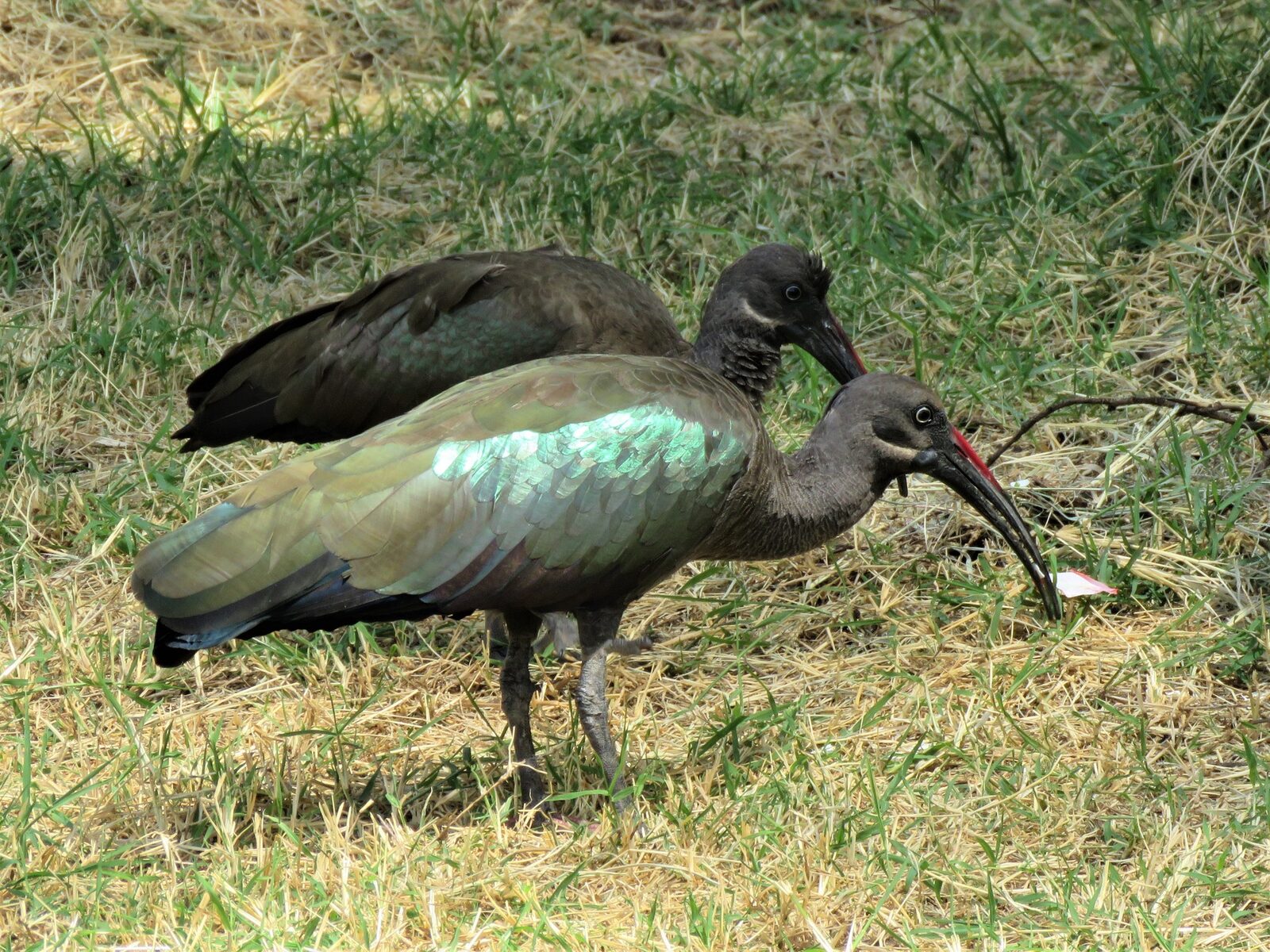
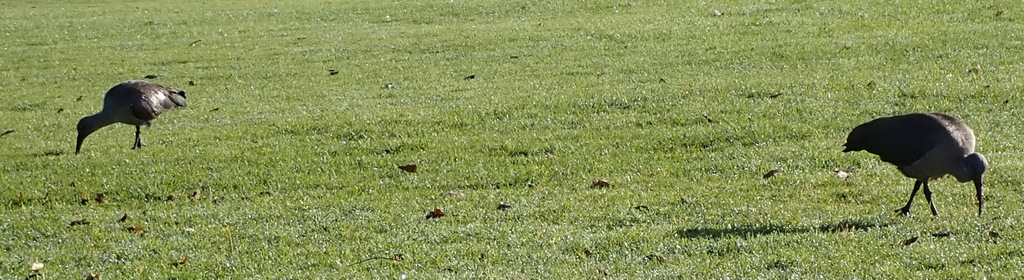
Hadada ibis
Bostrychia hagedash
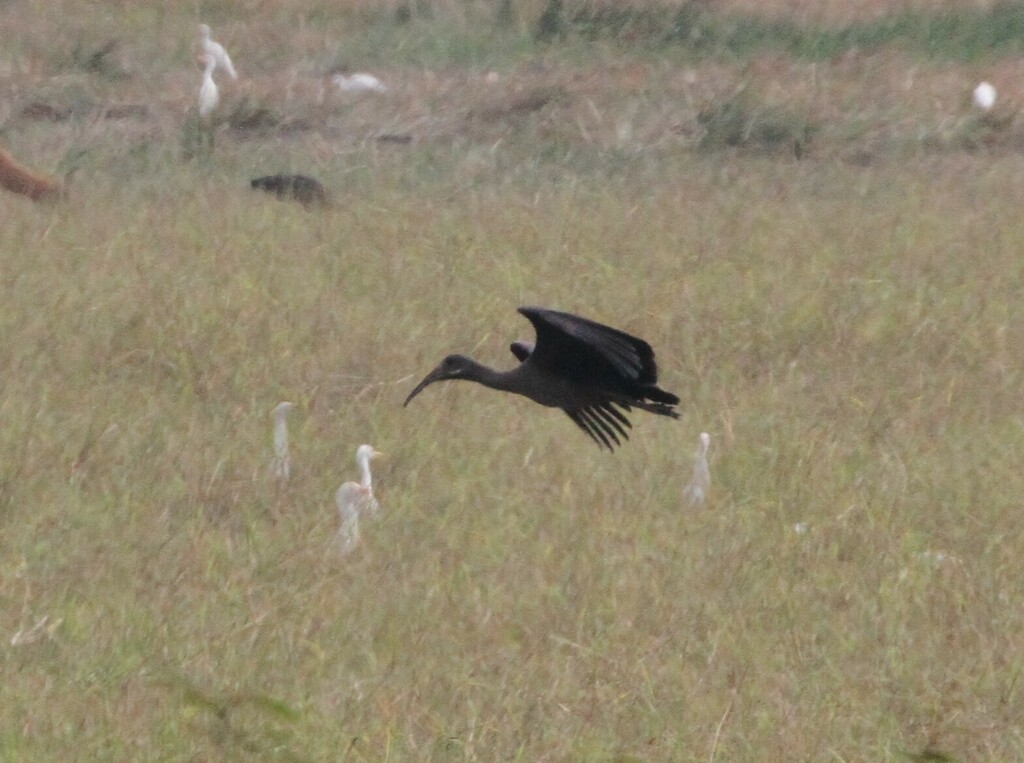
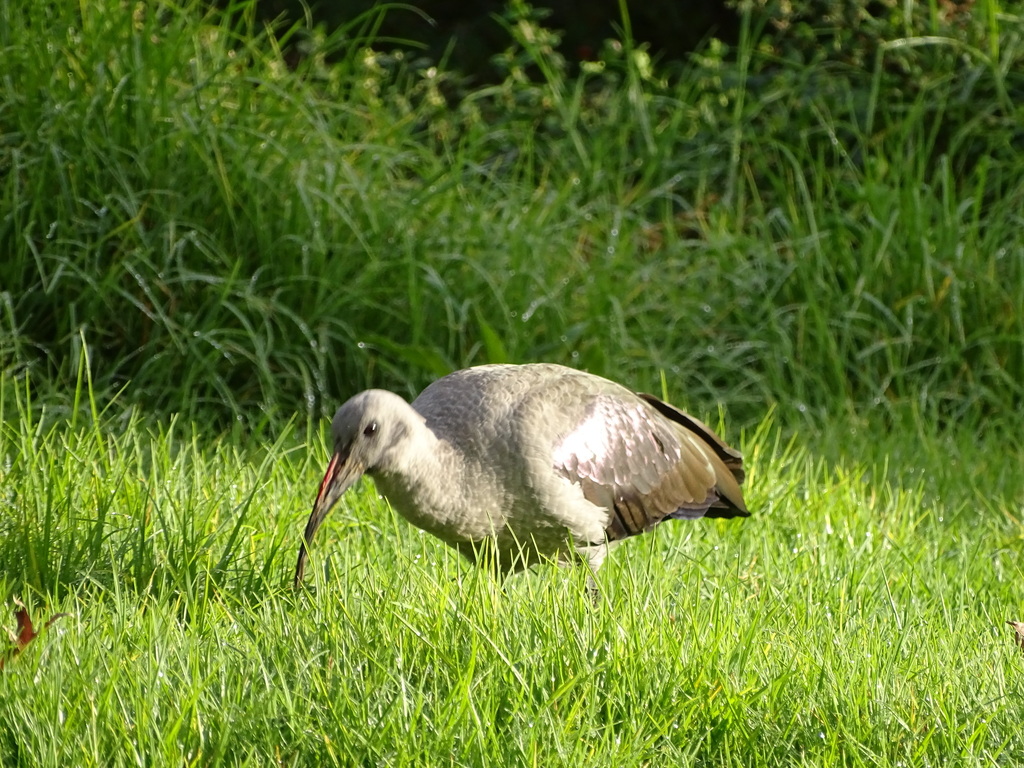
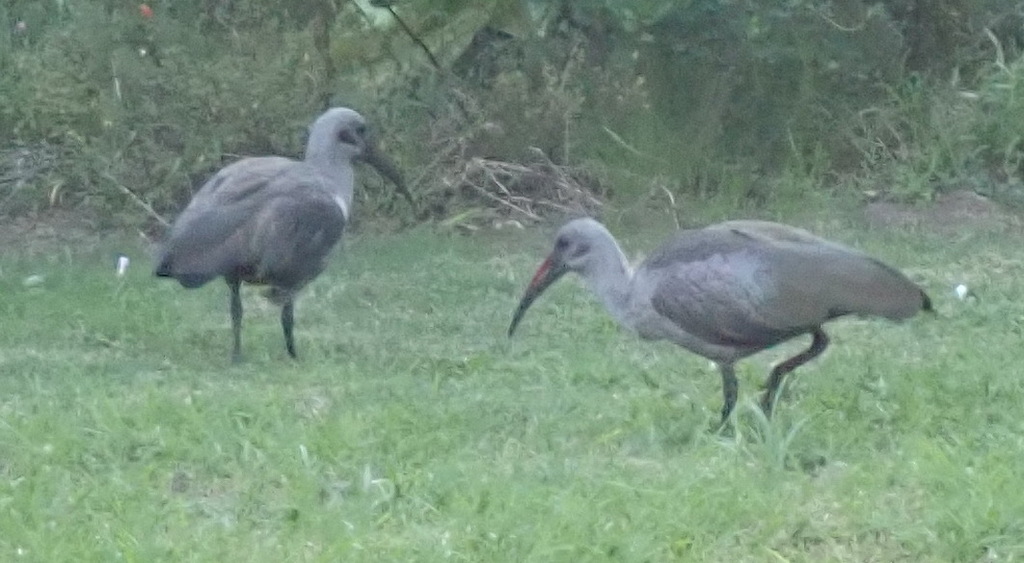
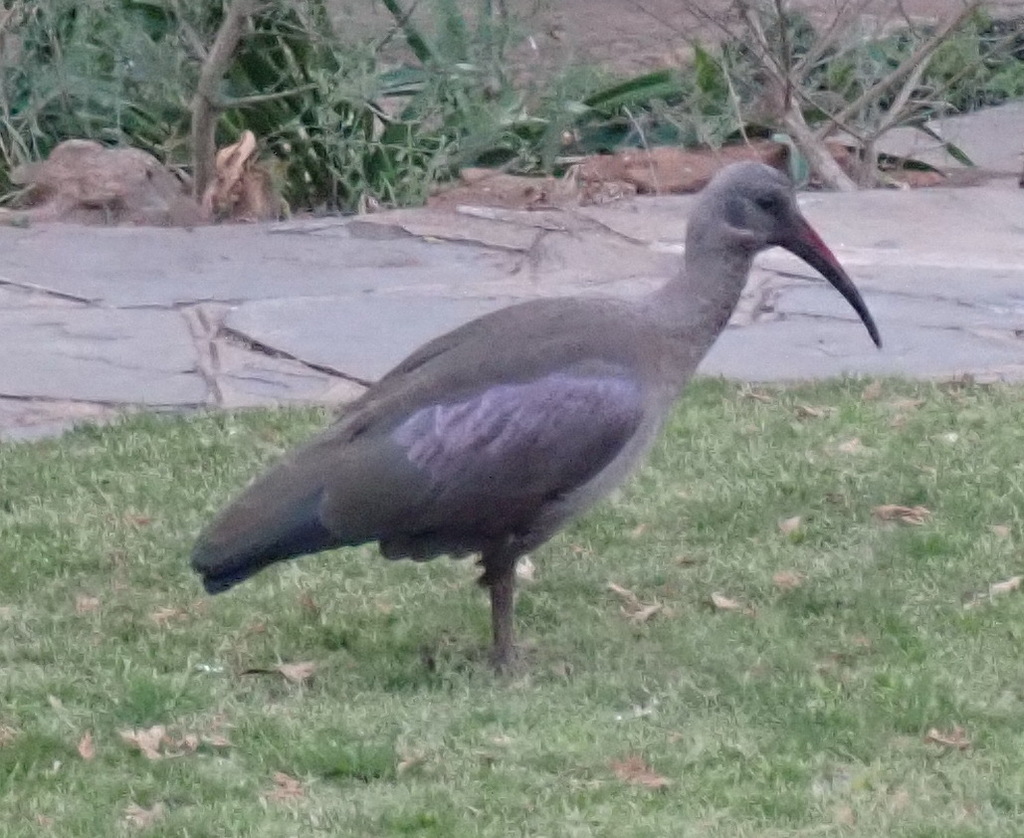
A brown ibis named for its loud 'ha-ha-hadeda' call.
- Status
- Least Concern IUCN Red List
- Eats
- Cape rain frog, Bibron's blind snake, Cape legless skink and 30 more
- Where
- 44 countries
On 4Planet Atlas it is among the wildlife people record most around Addis Ababa, Cape Town and Nairobi, and 1 more of the cities we cover.
People have shared 233,605 records of the hadada ibis with GBIF, from 44 countries, most of them from South Africa, Kenya and Uganda. Records collected by GloBI show it eating 33 different kinds of animals and plants, and being eaten by 1.
What the hadada ibis eats, and what eats it
Studies have recorded it eating 33 kinds of animals and plants, and 1 kinds of animals eating it. Tap any of them to follow the food chain.
- Plants 27
- Reptiles 3
- Amphibians 2
Hadada ibis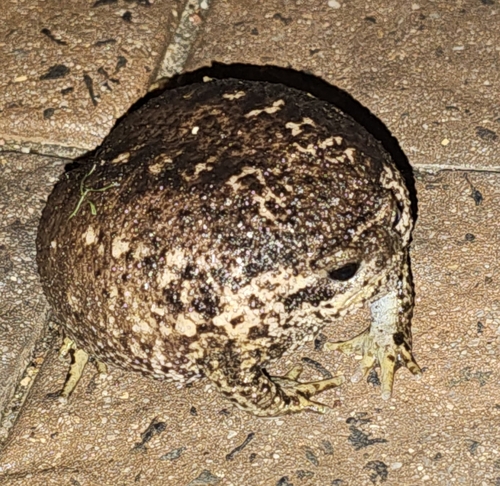
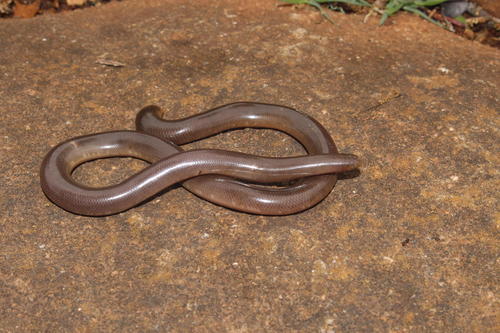
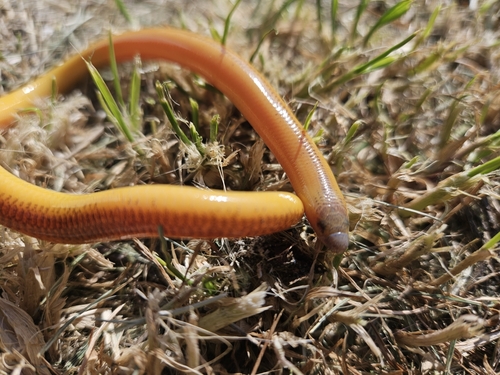
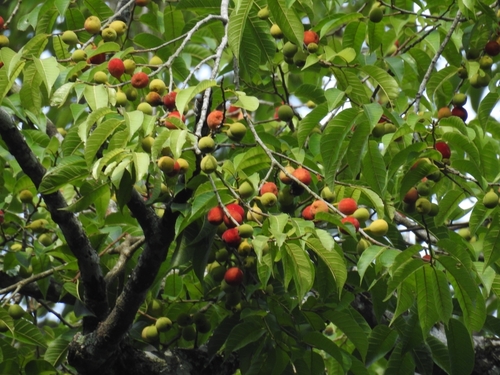

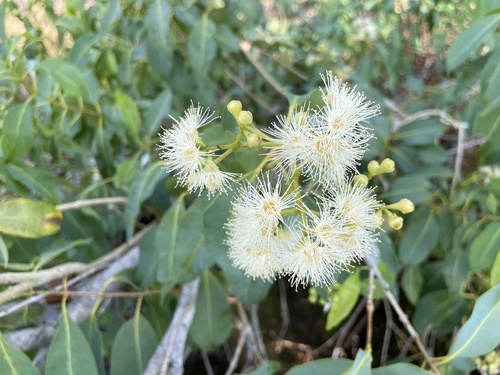

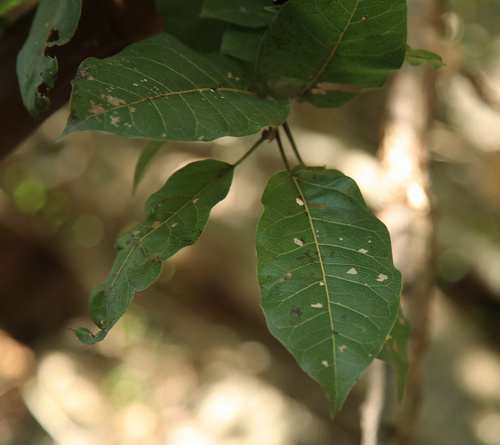
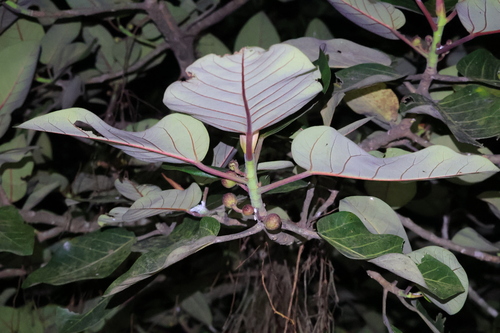
Records from studies worldwide, collected by GloBI. They include animals eaten as carrion, and they are not everything it eats in one place.
Where people see the hadada ibis
People have shared 233,605 records from 44 countries.
Near a city: Addis Ababa, Cape Town, Nairobi, Pretoria.
Records show where people have seen it and shared it, not its full range. Country names open their page in Atlas.
When it is seen
Records per month in the southern hemisphere. More people outdoors also means more records.
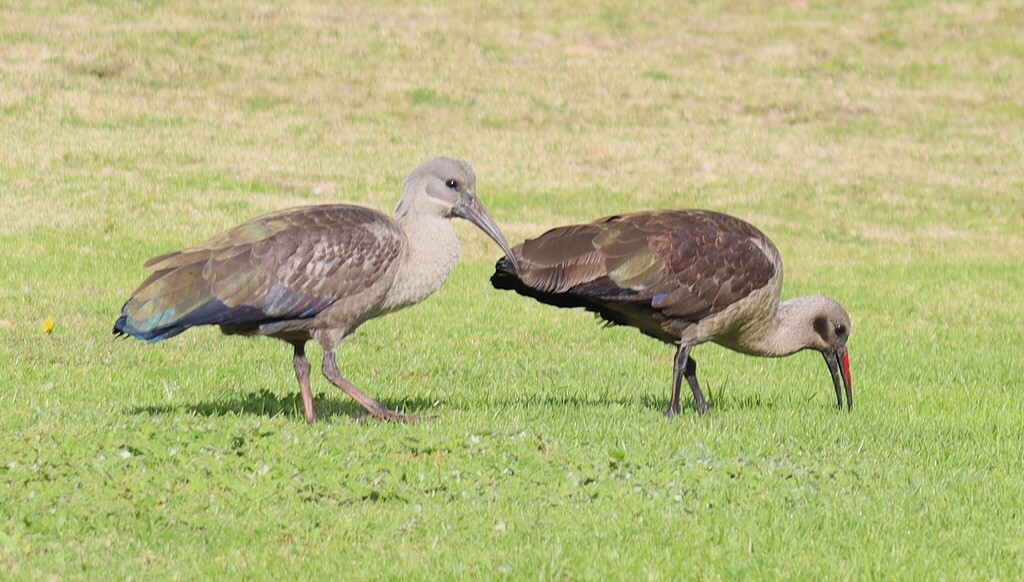
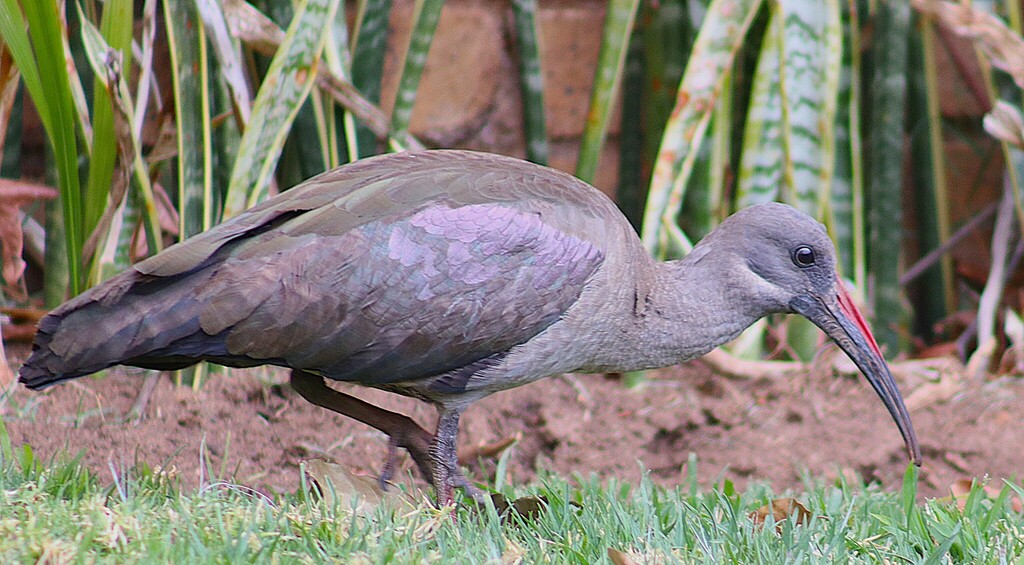
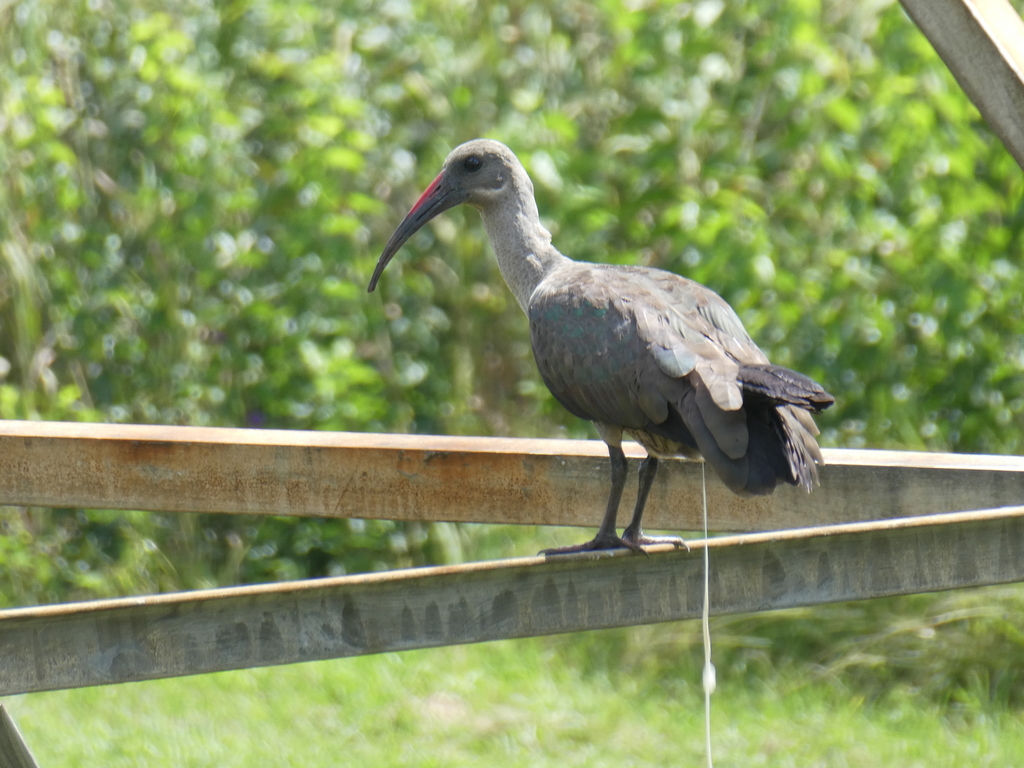
Watch and listen
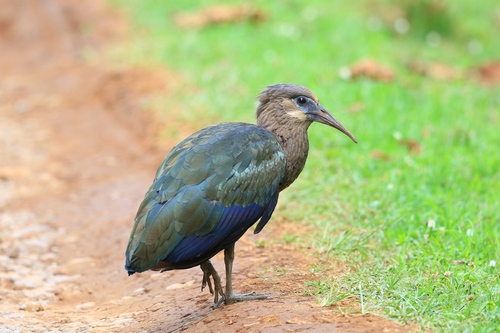
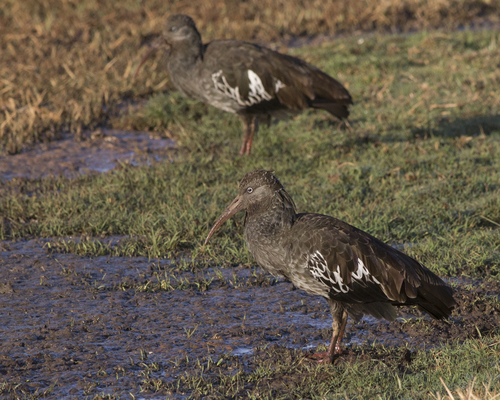
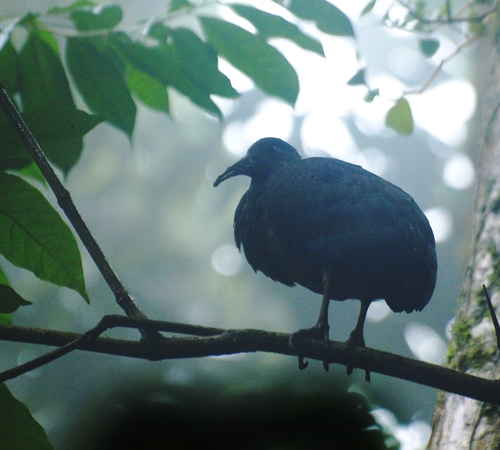
Its closest relatives
The other species of the genus Bostrychia.
Seen a hadada ibis?
Share your photo on iNaturalist. Other naturalists help confirm it, and the record goes to GBIF, where scientists use it and where the maps on this page come from.
Put this species on your site
The card names every source and links back here.
<iframe src="https://4planetatlas.com/place/embed/species/hadada-ibis" title="Hadada ibis (Bostrychia hagedash), 4PLANET Species" width="100%" height="600" style="border:0;max-width:640px" loading="lazy"></iframe>
<p><a href="https://4species.com/hadada-ibis">Hadada ibis on 4PLANET Species</a></p>Questions people ask
What does the hadada ibis eat?
The hadada ibis has been recorded eating 33 different kinds of animals and plants, most of them plants, reptiles and amphibians. The ones recorded most often are cape rain frog, bibron's blind snake, cape legless skink, sacred garlic pear and sackingtree; records include animals eaten as carrion. Source: GloBI.
What eats the hadada ibis?
Recorded predators include . Source: GloBI.
Where does the hadada ibis live?
People have recorded it in 44 countries; the most records come from South Africa, Kenya, Uganda, Tanzania and Zambia. Records show where people have seen it, not its full range.
When is the hadada ibis seen most?
In the southern hemisphere, the most records are made in October and the fewest in March. More people outdoors also means more records.
What are the hadada ibis's closest relatives?
It shares the genus Bostrychia with olive ibis, spot-breasted ibis, wattled ibis and são tomé ibis.
Sources and photo credits
- GBIF · Bostrychia hagedash, 233,605 human observations
- GloBI · recorded interactions of Bostrychia hagedash
- Wikidata · Hadada ibis (Q301777)
- Hadada ibis (Bostrychia hagedash): Annika Lindqvist, CC BY 4.0
- Hadada ibis (Bostrychia hagedash), Westering, Gqeberha, 6025, South Africa: Dave Brown, CC0
- Hadada ibis (Bostrychia hagedash), Monument Park, Pretoria, 0105, South Africa: Dave Brown, CC0
- Hadada ibis (Bostrychia hagedash), Victory Park, Randburg, 2195, South Africa: datadan, CC BY 4.0
- Hadada ibis (Bostrychia hagedash), Tambacounda, Senegal: Lucy Keith-Diagne, CC BY 4.0
- Hadada ibis (Bostrychia hagedash), Belvedere Rd, George: Shaun Swanepoel, CC BY 4.0
- Hadada ibis (Bostrychia hagedash), Duinzicht, Brenton-on-Sea, 6570, South Africa: Nicola van Berkel, CC BY-SA 4.0
- Hadada ibis (Bostrychia hagedash), Johannesburg Country Club, Auckland Park, Johannesburg, 2092, South Africa: Nicola van Berkel, CC BY-SA 4.0
- Hadada ibis (Bostrychia hagedash), Green Point, Cape Town, 8051, South Africa: Nicola van Berkel, CC BY-SA 4.0
- Cape rain frog: Johan Janse van Rensburg, CC BY 4.0
- Bibron's blind snake: Brian du Preez, CC BY-SA 4.0
- Cape legless skink: Jody Barends, CC0
- Sacred garlic pear: P Jeganathan, CC BY 4.0
- Sackingtree: Srinivasan Kasinathan, CC BY 4.0
- Ebony diospyros: Tony Rebelo, CC BY-SA 4.0
- Water-pear: Robert Taylor, CC BY 4.0
- Hissing tree: Brian Gratwicke, CC BY 4.0
- Red-leaved rock fig: Wynand Uys, CC BY 4.0
- Ficus trichopoda: Mahomed Desai, CC BY 4.0
- Olive ibis: Merrittimages, CC BY-SA 4.0
- Wattled ibis: Lip Kee, CC BY-SA 4.0
- São tomé ibis: Muchaxo, CC BY-SA 4.0
Records show where people have seen and shared the hadada ibis, not its full range, and some countries and months are recorded far more than others. The food web lists interactions that studies have recorded somewhere in the world (GloBI), not everything it eats in one place.
Checked 2026-11-22.