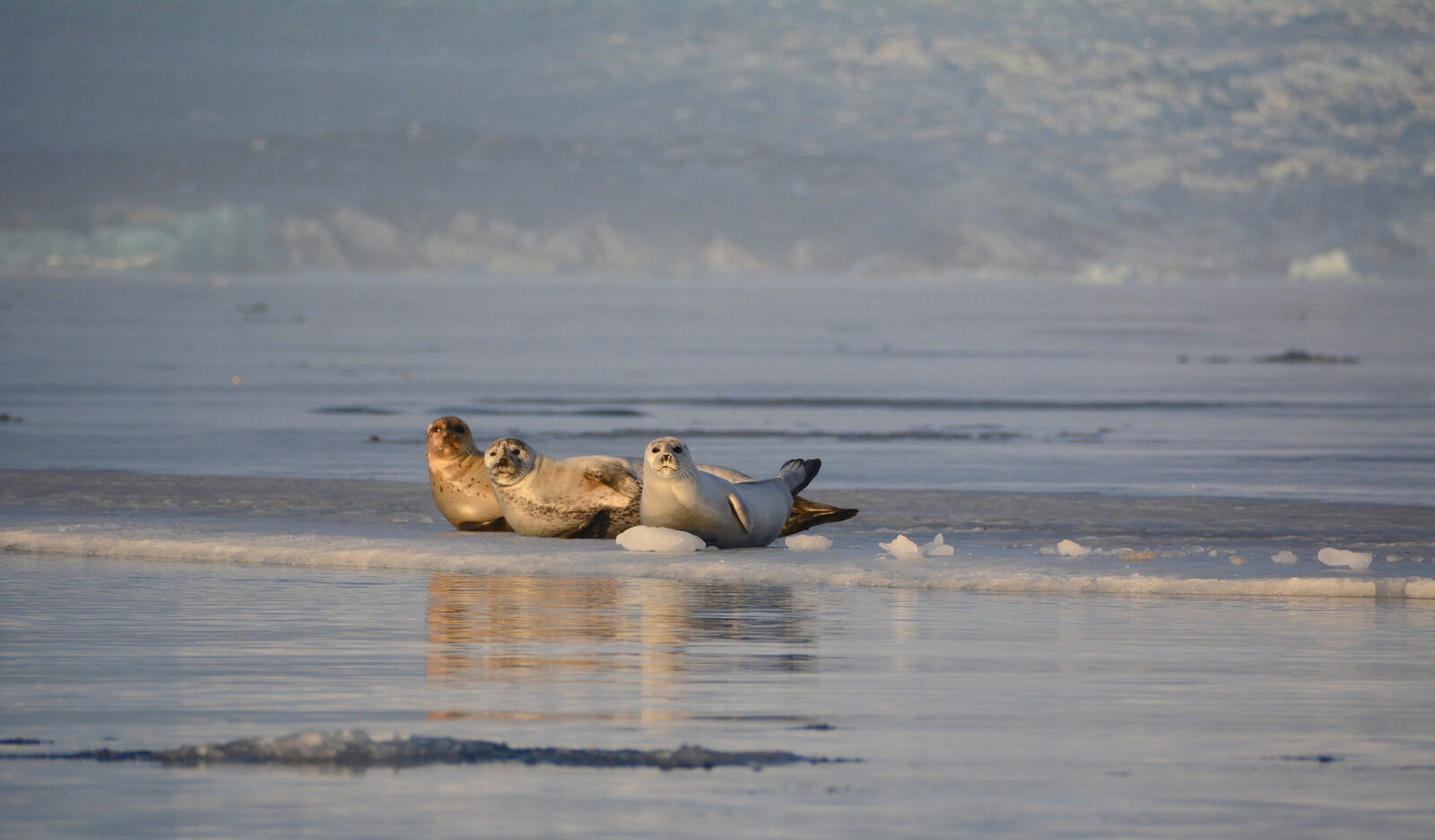
Harbor seal
Phoca vitulina
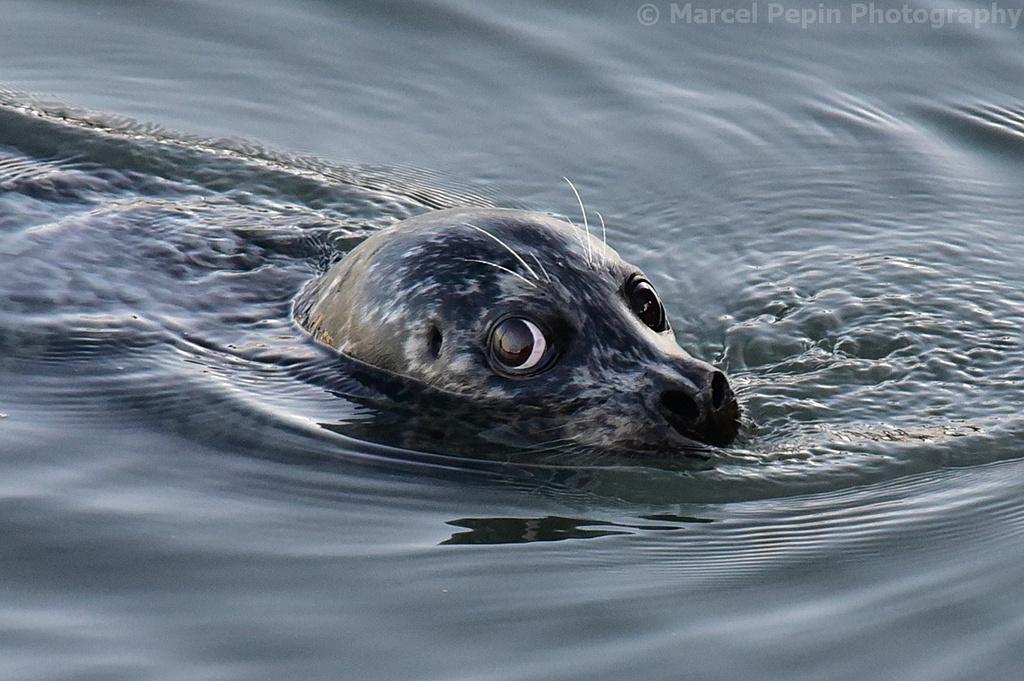
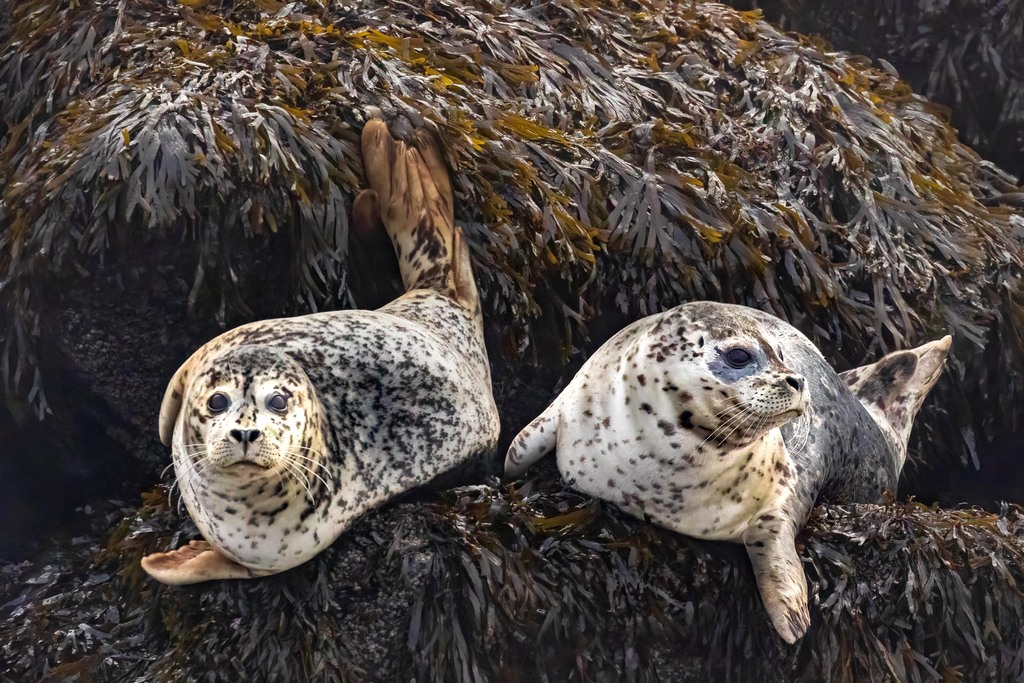
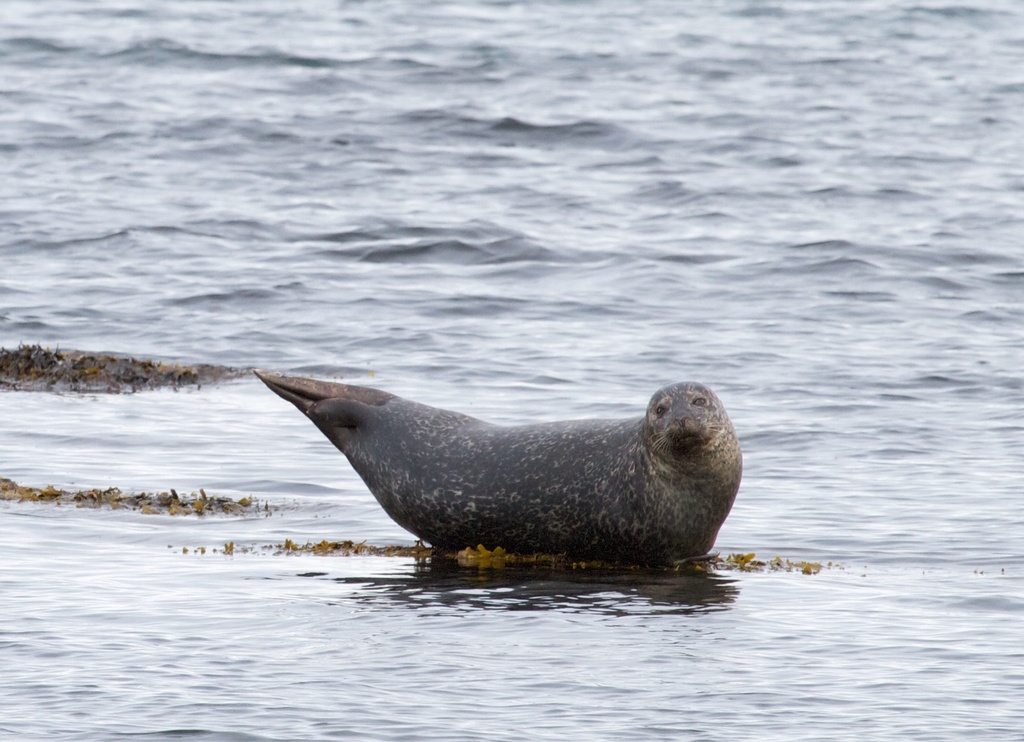
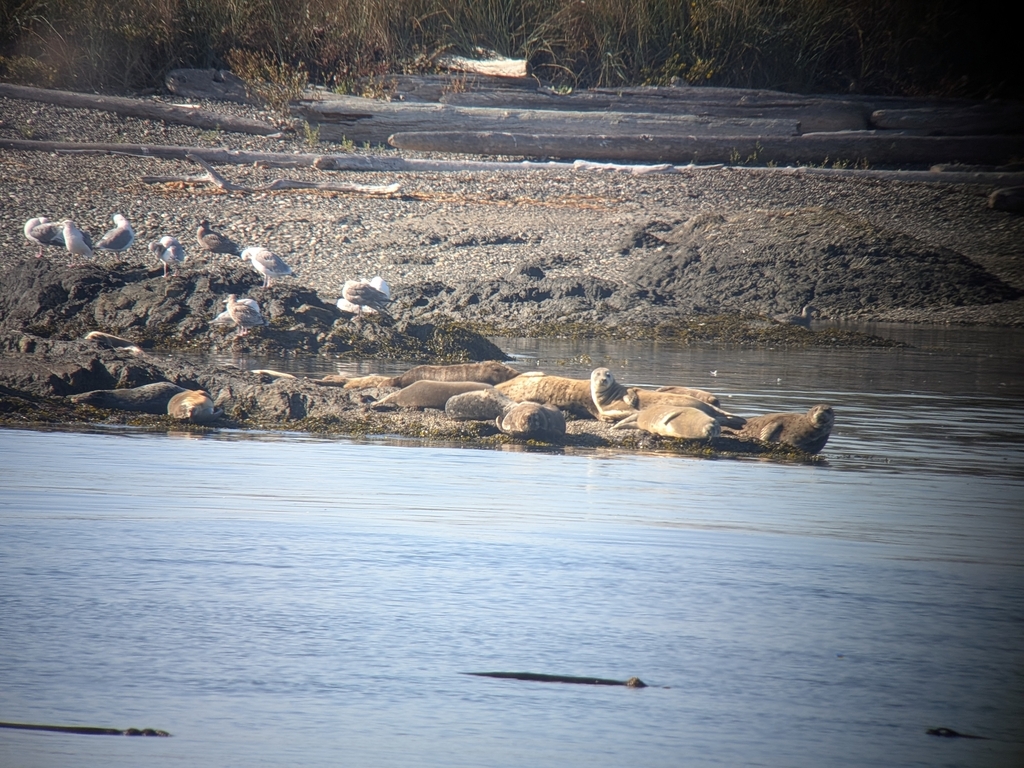
A seal with a dog-like face that rests on sandbanks and rocky shores.
- Status
- Least Concern IUCN Red List
- Eats
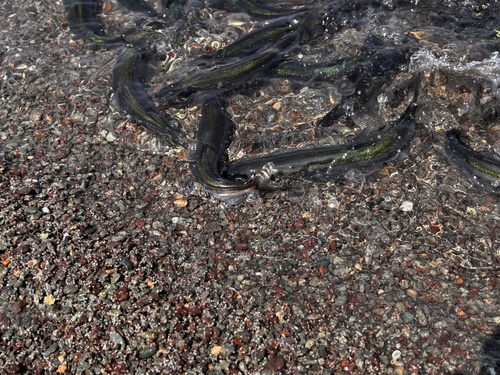
- pink salmon, rainbow trout, capelin and 134 more
- Eaten by
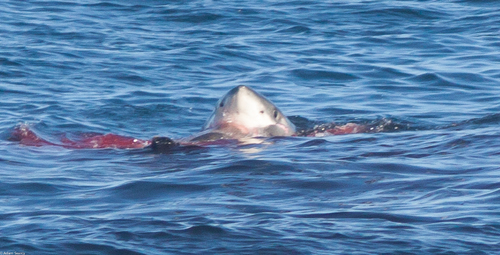
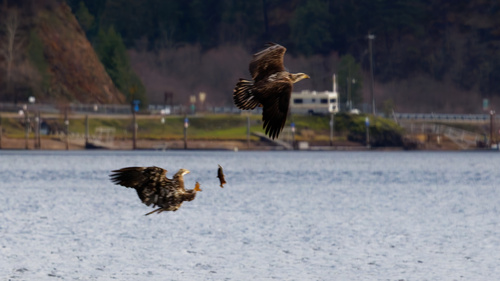
- great white shark, bald eagle
- Where
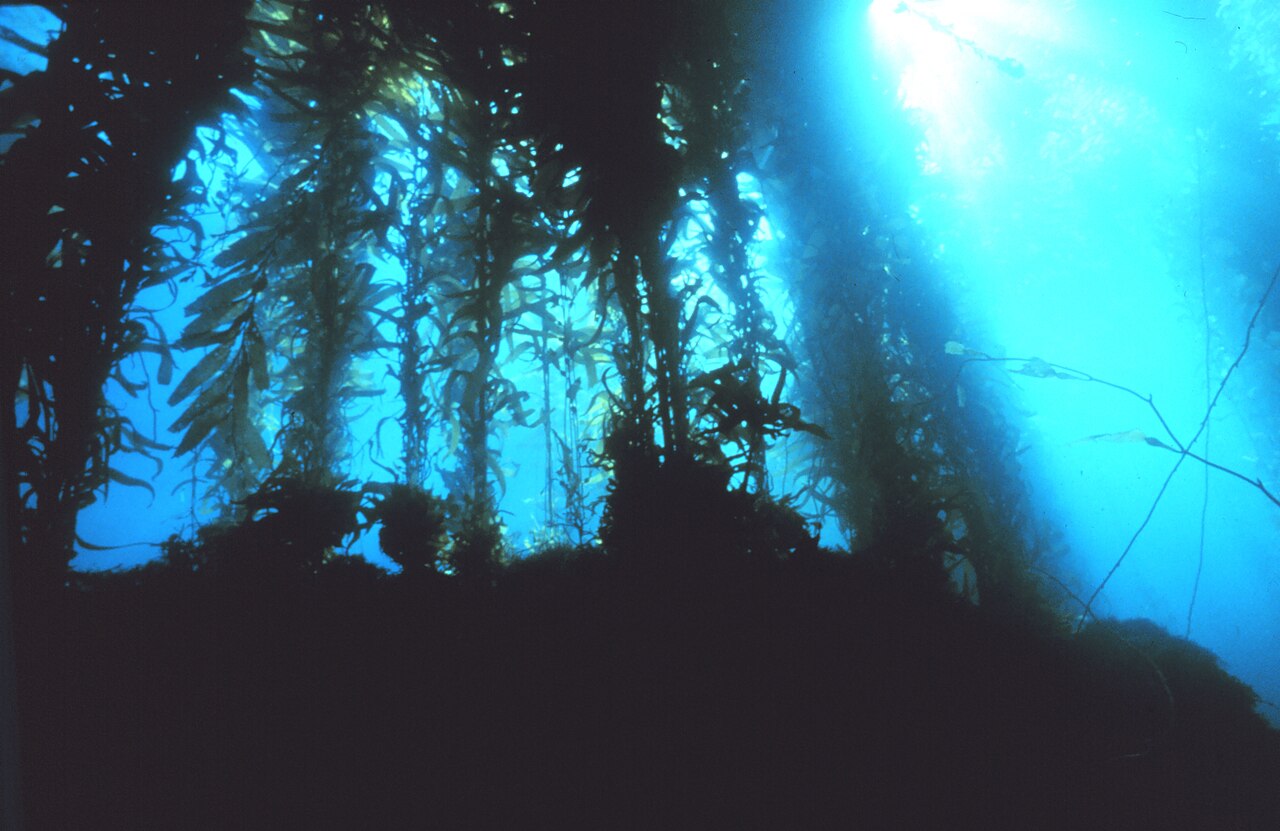
- 20 countries · tundra, kelp forests
On 4Planet Atlas it is among the wildlife people record most around Reykjavík.
People have shared 45,802 records of the harbor seal with GBIF, from 20 countries, most of them from United States, Canada and United Kingdom. Records collected by GloBI show it eating 137 different kinds of animals and plants, and being eaten by 3.
Habitats
What the harbor seal eats, and what eats it
Studies have recorded it eating 137 kinds of animals and plants, and 3 kinds of animals eating it. Tap any of them to follow the food chain.
- Fish 106
- Octopus and squid 7
- Crustaceans 7
- Sharks and rays 1
- Snails and slugs 1
- Shellfish 1
Eaten by
 Harbor seal


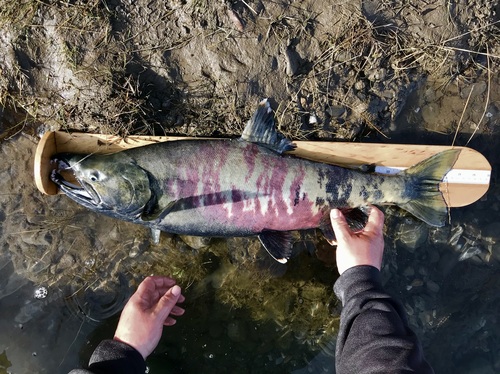


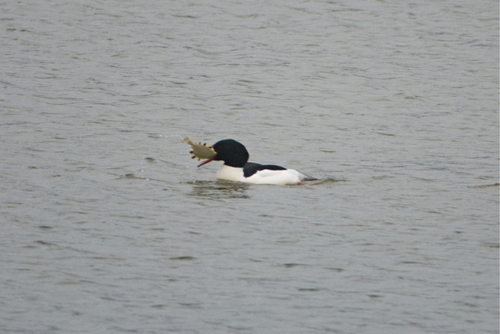
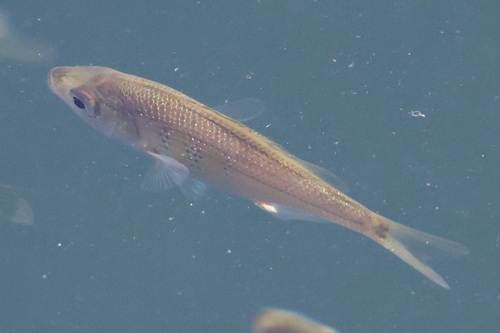

Records from studies worldwide, collected by GloBI. They include animals eaten as carrion, and they are not everything it eats in one place.
Where people see the harbor seal
People have shared 45,802 records from 20 countries.
Near a city: Reykjavík.
Records show where people have seen it and shared it, not its full range. Country names open their page in Atlas.
When it is seen
Records per month in the northern hemisphere. More people outdoors also means more records.
Watch and listen

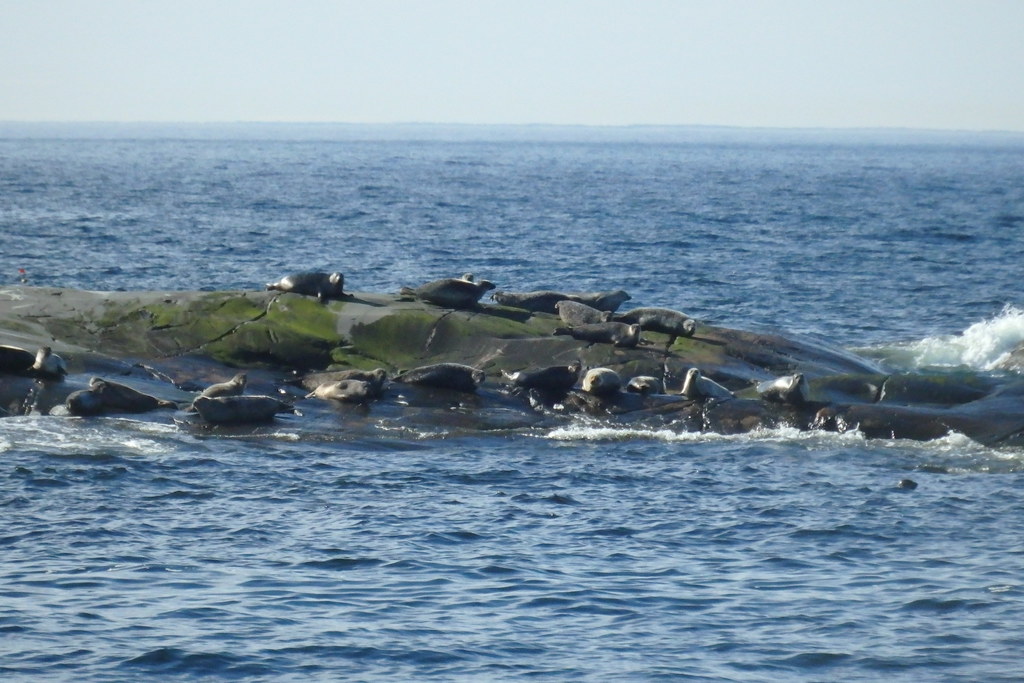
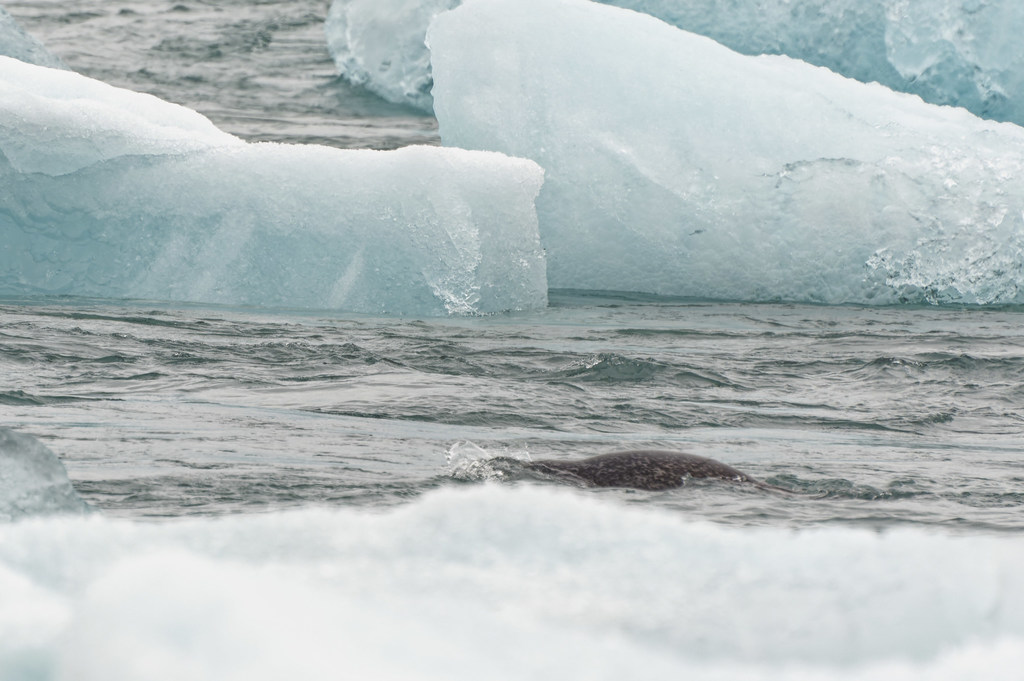
Its closest relatives
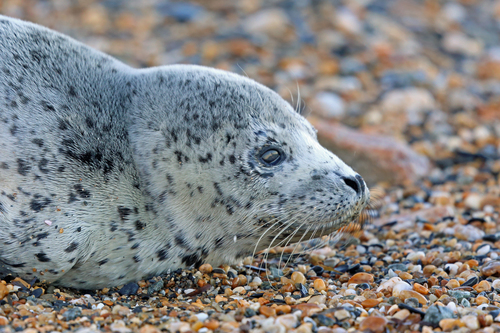
The other species of the genus Phoca.
Seen a harbor seal?
Share your photo on iNaturalist. Other naturalists help confirm it, and the record goes to GBIF, where scientists use it and where the maps on this page come from.
Explore next
What puts the harbor seal under pressure, what helps, and who works on it.
Questions people ask
What does the harbor seal eat?
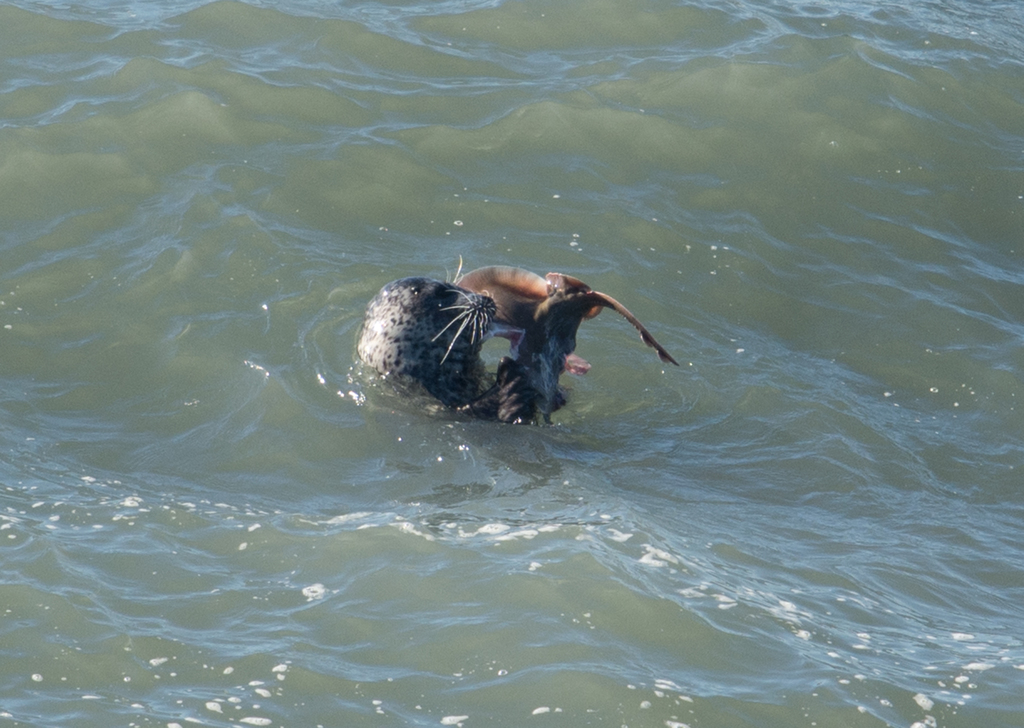
The harbor seal has been recorded eating 137 different kinds of animals and plants, most of them fish, octopus and squid, crustaceans and sharks and rays. The ones recorded most often are pink salmon, rainbow trout, capelin, chum salmon and chinook salmon; records include animals eaten as carrion. Source: GloBI.
What eats the harbor seal?
Recorded predators include great white shark and bald eagle. Source: GloBI.
Where does the harbor seal live?
People have recorded it in 20 countries; the most records come from United States, Canada, United Kingdom, Netherlands and Iceland. Records show where people have seen it, not its full range.
When is the harbor seal seen most?
In the northern hemisphere, the most records are made in August and the fewest in December. More people outdoors also means more records.
What are the harbor seal's closest relatives?
It shares the genus Phoca with spotted seal.
Sources and photo credits
- GBIF · Phoca vitulina, 45,802 human observations
- GloBI · recorded interactions of Phoca vitulina
- Wikidata · Harbor seal (Q26913)
- Harbor seal (Phoca vitulina): Siddarth Machado, CC BY 4.0
- Harbor seal (Phoca vitulina), Water Newton, Peterborough, UK: coasterbloom, CC BY 4.0
- Harbor seal (Phoca vitulina), West Side, Vancouver, BC, Canada: Marcel_Pepin, CC BY 4.0
- Harbor seal (Phoca vitulina), Humboldt County, CA, USA: Mike Duran, CC BY 4.0
- Harbor seal (Phoca vitulina), Seward, AK 99664, USA: Dan Harville, CC BY-SA 4.0
- Harbor seal (Phoca vitulina), Vigur, Iceland: Brian Gratwicke, CC BY 4.0
- Harbor seal (Phoca vitulina), Radcliffe Lane, Victoria, British Columbia, CA: Kalvin Chan, CC BY 4.0
- Harbor seal (Phoca vitulina), Kosterhavets Nationalpark, Strömstad, Västra Götaland, Sweden: Duarte Frade, CC BY 4.0
- Harbor seal (Phoca vitulina), Austurland, Islande: Donald Davesne, CC BY 4.0
- Pink salmon: Mike Duran, CC BY 4.0
- Rainbow trout: Bruce Deagle, CC BY 4.0
- Capelin: Scott Edmunds, CC0
- Chum salmon: Kevin Brix, CC BY-SA 4.0
- Chinook salmon: no rights reserved, uploaded by Braden J. Judson, CC0
- Coho salmon: Quinn, CC BY 4.0
- North Pacific giant octopus: Erin McKittrick, CC BY 4.0
- Wolf eel: J.R.Frey, CC BY 4.0
- Lingcod: Dan Hershman, CC BY 4.0
- Starry flounder: Tuoichen, CC BY 4.0
- Shiner perch: eebee, CC BY 4.0
- Atlantic mackerel: Petar Milošević, CC BY-SA 4.0
- Great white shark: Adam J. Searcy, CC BY 4.0
- Bald eagle: Daughter Dad, CC BY 4.0
- Spotted seal: Nigel Voaden, CC BY 4.0
Records show where people have seen and shared the harbor seal, not its full range, and some countries and months are recorded far more than others. The food web lists interactions that studies have recorded somewhere in the world (GloBI), not everything it eats in one place.
Checked 2026-11-22.