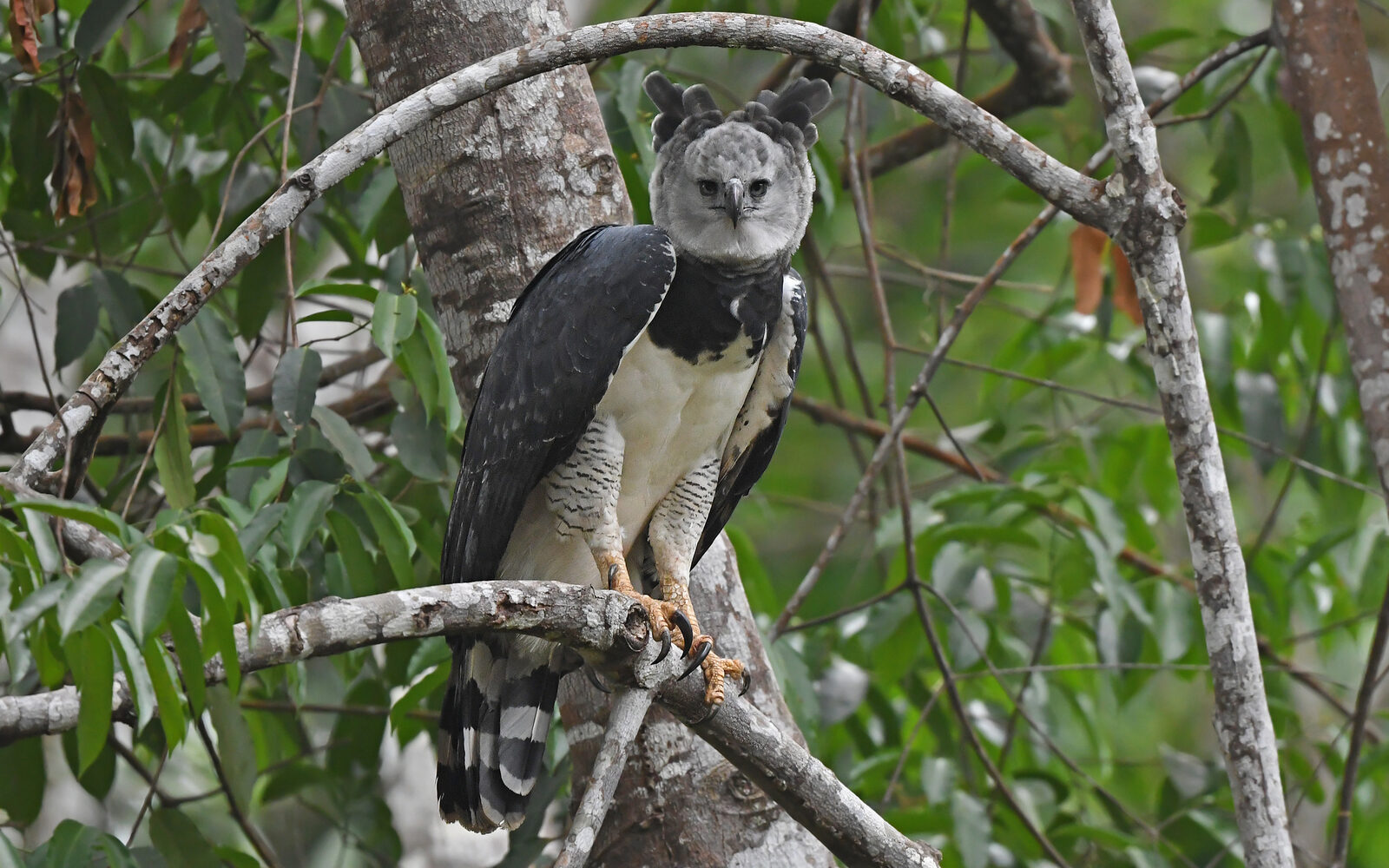
Harpy eagle
Harpia harpyja
One of the most powerful eagles on Earth, it hunts sloths and monkeys in the rainforest canopy.
- Status
- Vulnerable IUCN Red List
- Eats
- south American coati, European rabbit, blue-and-yellow macaw and 13 more
- Where
- 18 countries
The harpy eagle is one of the most powerful birds of prey in the world. It hunts in the rainforest canopy, snatching sloths and monkeys from the branches, and a pair raises a single chick only every two to three years, which makes it slow to recover where forest is cleared.
People have shared 5,569 records of the harpy eagle with GBIF, from 18 countries, most of them from Brazil, Panama and Ecuador. Records collected by GloBI show it eating 16 different kinds of animals and plants.
What the harpy eagle eats, and what eats it
Studies have recorded it eating 16 kinds of animals and plants. Tap any of them to follow the food chain.
- Mammals 13
- Birds 2
- Reptiles 1
Harpy eagle
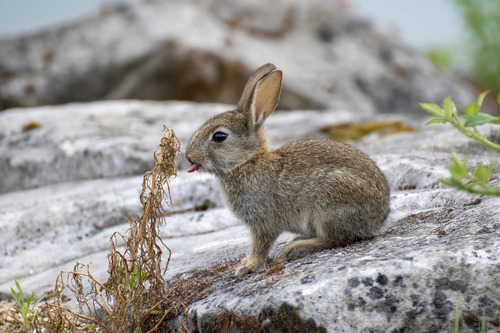
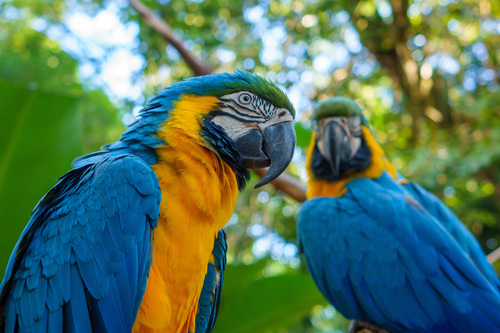
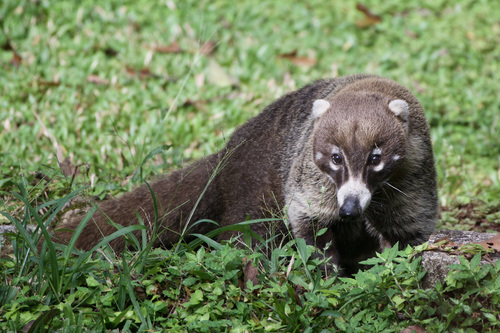
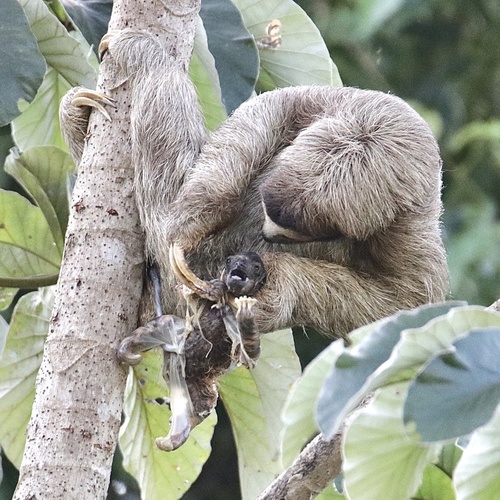
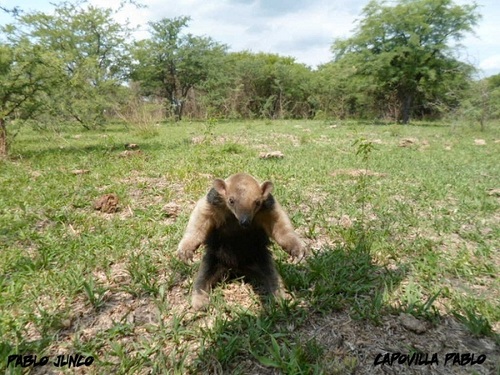
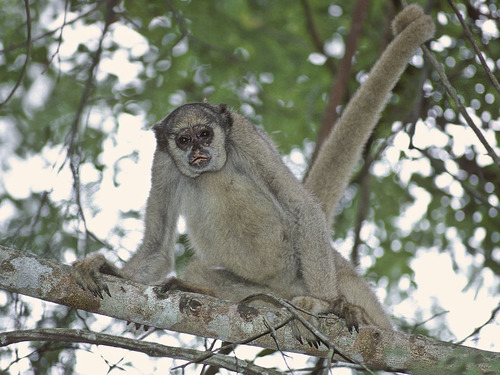
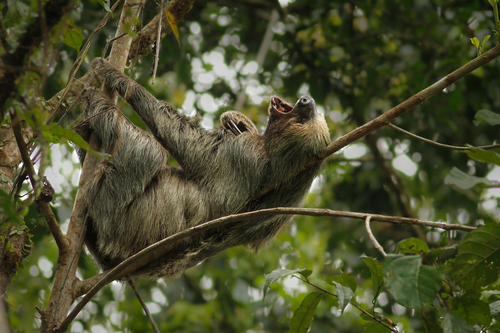
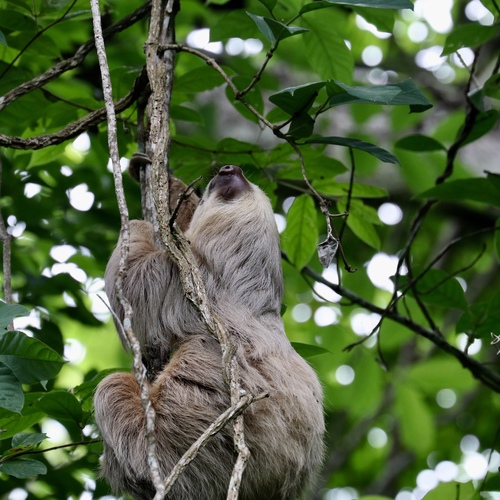
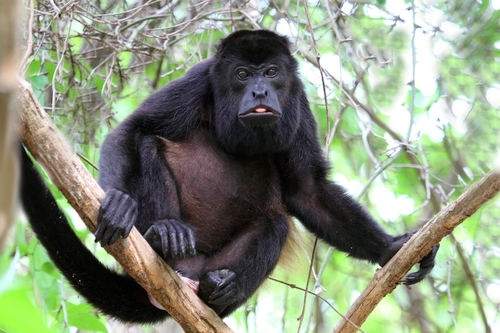
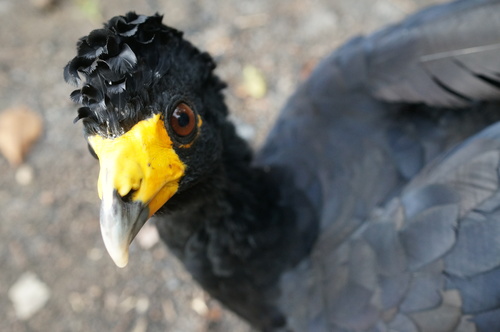
Records from studies worldwide, collected by GloBI. They include animals eaten as carrion, and they are not everything it eats in one place.
Where people see the harpy eagle
People have shared 5,569 records from 18 countries.
Records show where people have seen it and shared it, not its full range. Country names open their page in Atlas.
When it is seen
Records per month in the southern hemisphere. More people outdoors also means more records.
Watch and listen


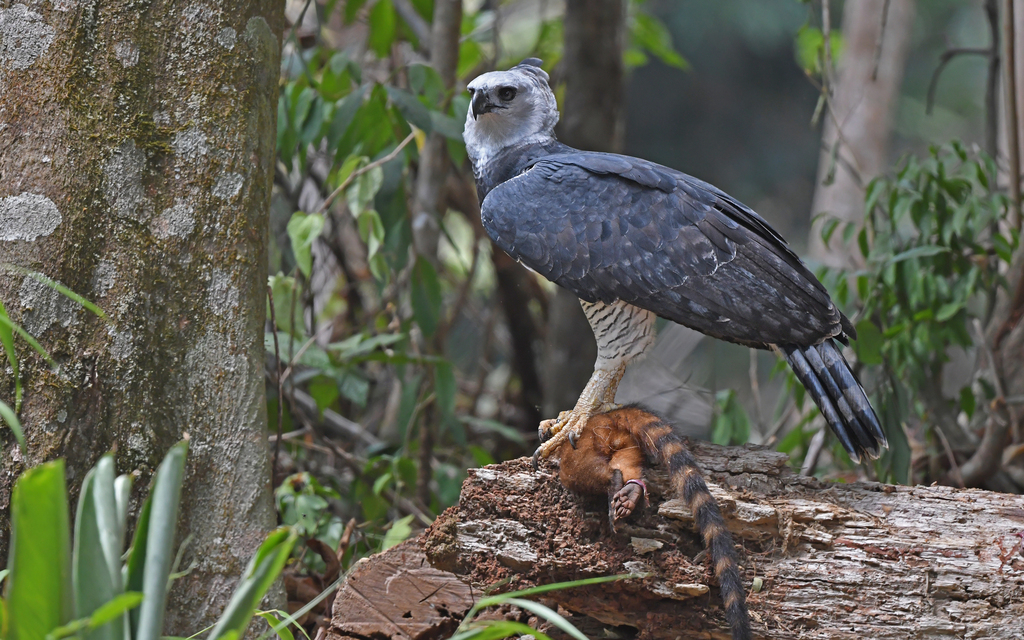
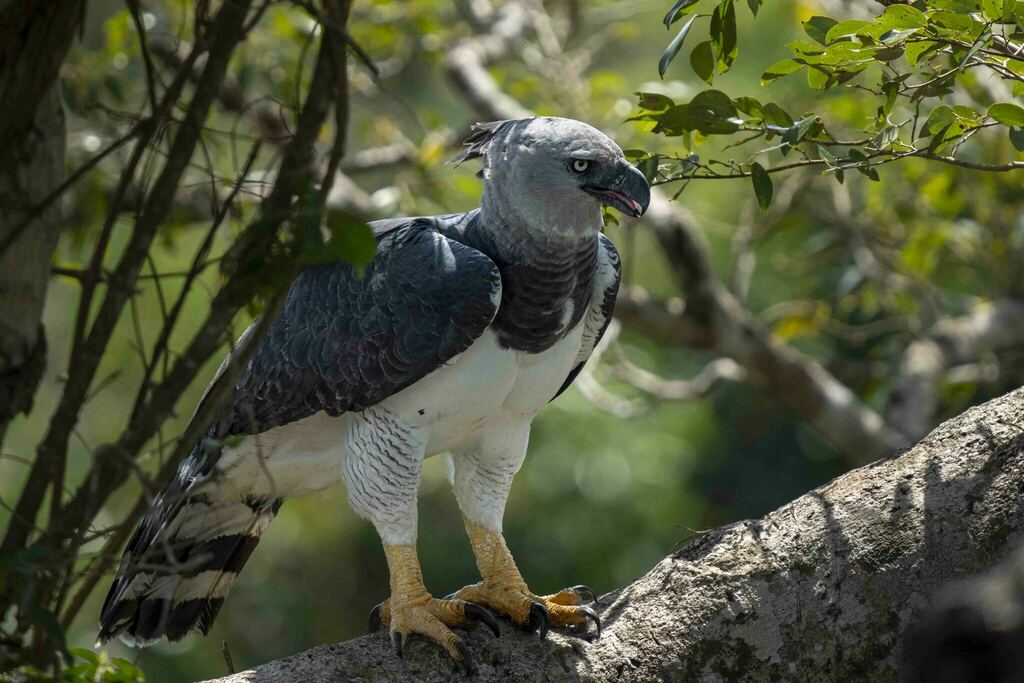


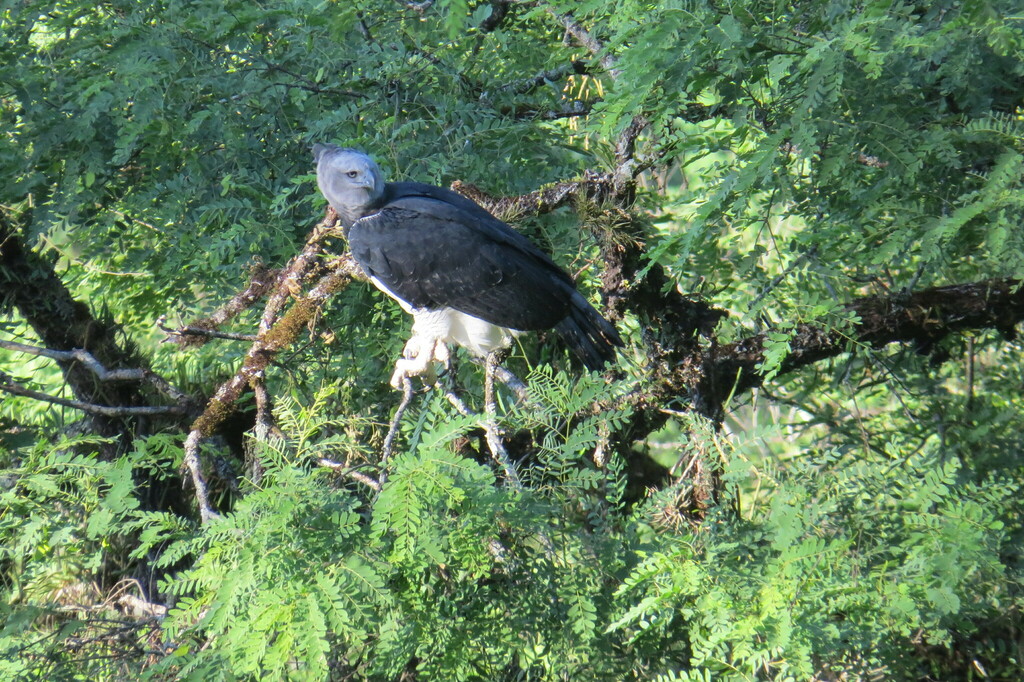
Seen a harpy eagle?
Share your photo on iNaturalist. Other naturalists help confirm it, and the record goes to GBIF, where scientists use it and where the maps on this page come from.
Questions people ask
What does the harpy eagle eat?
The harpy eagle has been recorded eating 16 different kinds of animals and plants, most of them mammals, birds and reptiles. The ones recorded most often are south american coati, european rabbit, blue-and-yellow macaw, white-nosed coati and brown-throated three-toed sloth; records include animals eaten as carrion. Source: GloBI.
Where does the harpy eagle live?
People have recorded it in 18 countries; the most records come from Brazil, Panama, Ecuador, Peru and Colombia. Records show where people have seen it, not its full range.
When is the harpy eagle seen most?
In the southern hemisphere, the most records are made in July and the fewest in February. More people outdoors also means more records.
Sources and photo credits
- Wikipedia · Harpy eagle
- GBIF · Harpia harpyja, 5,569 human observations
- GloBI · recorded interactions of Harpia harpyja
- Wikidata · Harpy eagle (Q53745)
- Harpy eagle (Harpia harpyja): Christoph Moning, CC BY 4.0
- Harpy eagle (Harpia harpyja): Christoph Moning, CC BY 4.0
- Harpy eagle (Harpia harpyja): Sidnei Dantas, CC BY-SA 4.0
- Harpy eagle (Harpia harpyja): Christoph Moning, CC BY 4.0
- Harpy eagle (Harpia harpyja): Luciano Massa, CC BY 4.0
- Harpy eagle (Harpia harpyja): Jiang Chunsheng, CC BY 4.0
- Harpy eagle (Harpia harpyja), Mato Grosso, BR: Sidnei Dantas, CC BY-SA 4.0
- Harpy eagle (Harpia harpyja), Jujuy, AR: Agustín Zarco, CC BY 4.0
- South American coati: no rights reserved, uploaded by Diego Carús, CC0
- European rabbit: Alexis Lours, CC BY 4.0
- Blue-and-yellow macaw: Frank Dietze, CC BY 4.0
- White-nosed coati: no rights reserved, uploaded by Dario Taraborelli, CC0
- Brown-throated three-toed sloth: Aitor, CC BY 4.0
- Southern tamandua: Pablo H Capovilla, CC BY 4.0
- Southern muriqui: Bill Bouton, CC BY-SA 4.0
- Linnaeus's two-toed sloth: Julien Renoult, CC BY 4.0
- Hoffmann's two-toed sloth: Aitor, CC BY 4.0
- Mantled howler: Cephas, CC BY-SA 4.0
- Black curassow: Glynn Morris, CC BY 4.0
Records show where people have seen and shared the harpy eagle, not its full range, and some countries and months are recorded far more than others. The food web lists interactions that studies have recorded somewhere in the world (GloBI), not everything it eats in one place.
Checked 2026-11-21.