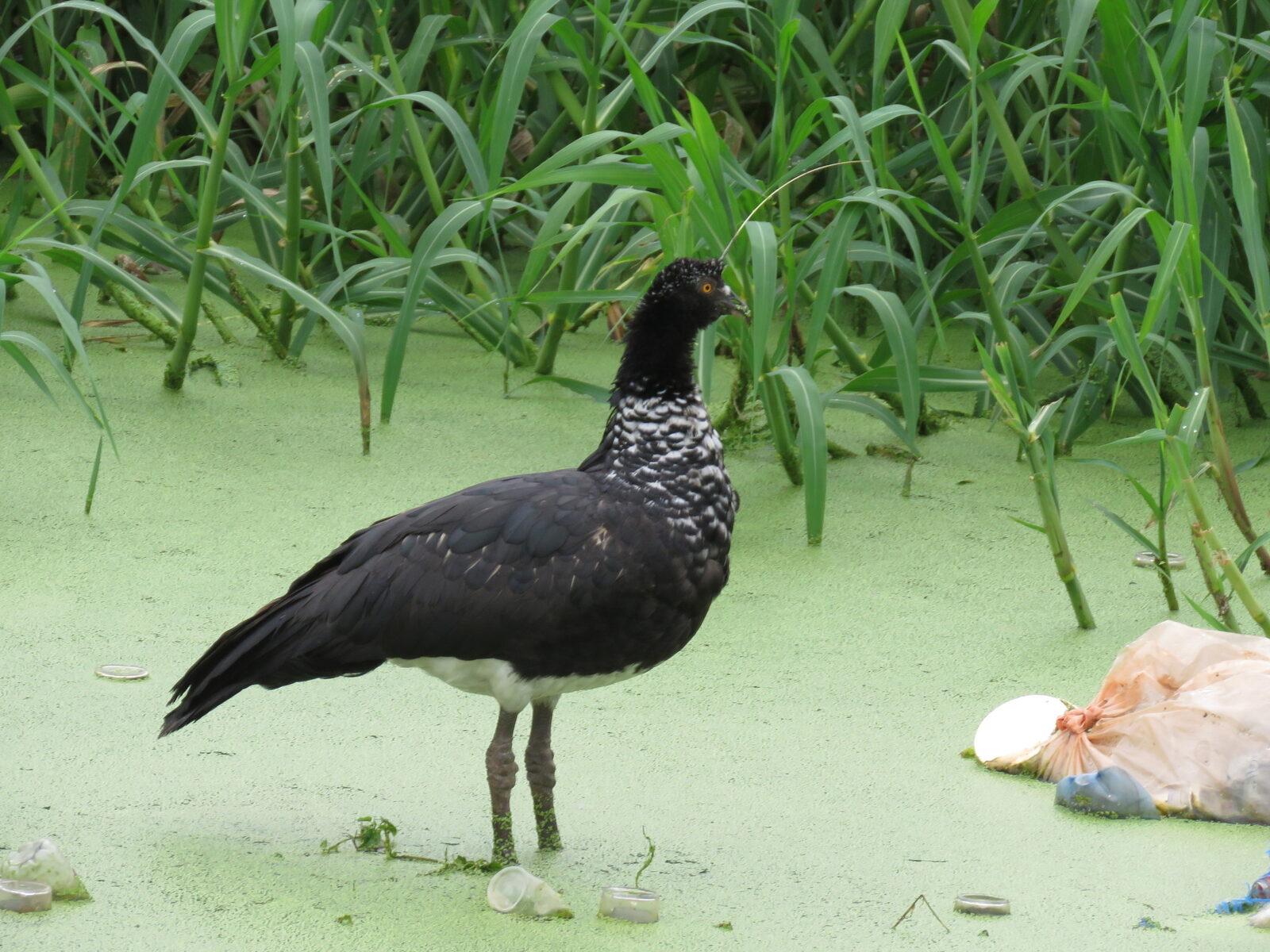
Horned screamer
Anhima cornuta
A large wetland bird with a thin horn on its forehead and sharp spurs on its wings.
- Status
- Least Concern IUCN Red List
- Eats
- wormwood, common water hyacinth, water lettuce and 7 more
- Where
- 10 countries
People have shared 31,440 records of the horned screamer with GBIF, from 10 countries, most of them from Peru, Colombia and Brazil. Records collected by GloBI show it eating 10 different kinds of animals and plants.
In the southern hemisphere, people record it most in October and least in April. It belongs to the genus Anhima in the family Anhimidae.
What the horned screamer eats, and what eats it
Studies have recorded it eating 10 kinds of animals and plants. Tap any of them to follow the food chain.
- Plants 10
Horned screamer

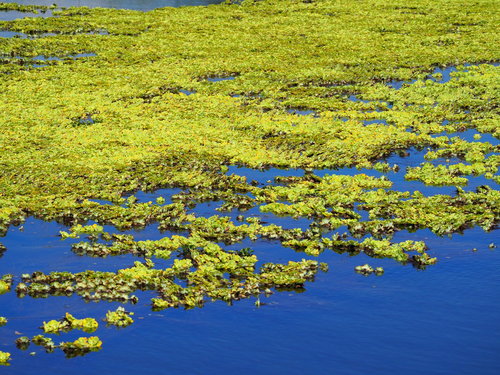
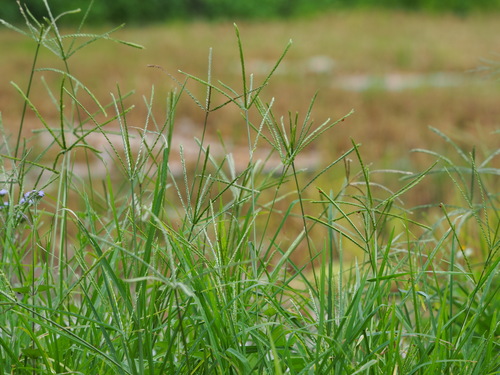
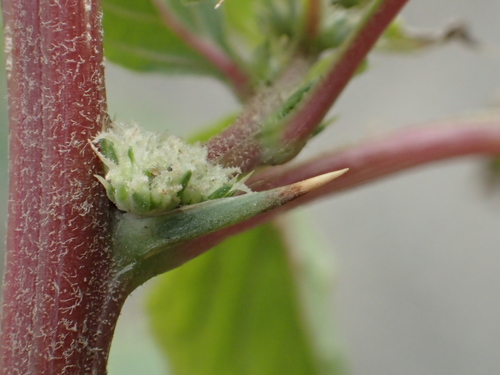

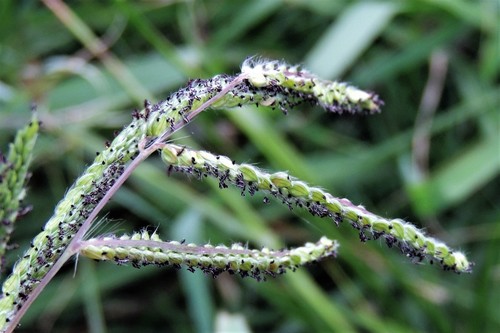
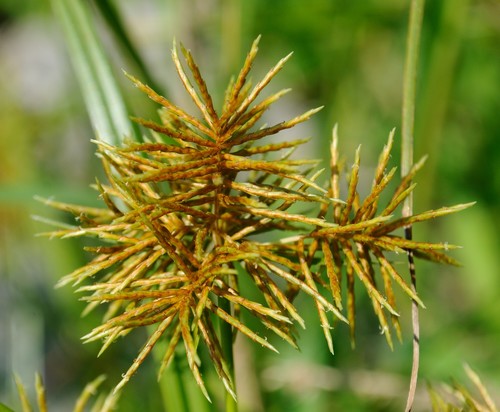
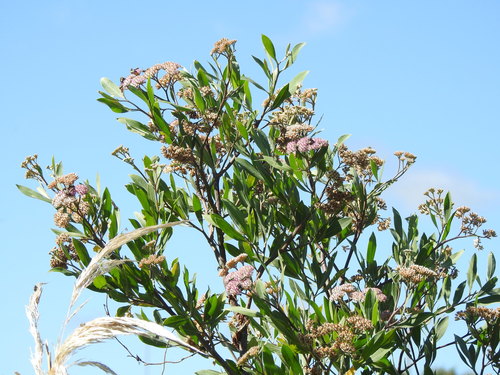
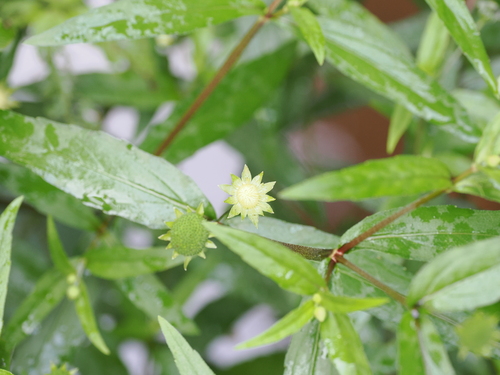
Records from studies worldwide, collected by GloBI. They include animals eaten as carrion, and they are not everything it eats in one place.
Where people see the horned screamer
People have shared 31,440 records from 10 countries.
Records show where people have seen it and shared it, not its full range. Country names open their page in Atlas.
When it is seen
Records per month in the southern hemisphere. More people outdoors also means more records.
Watch and listen
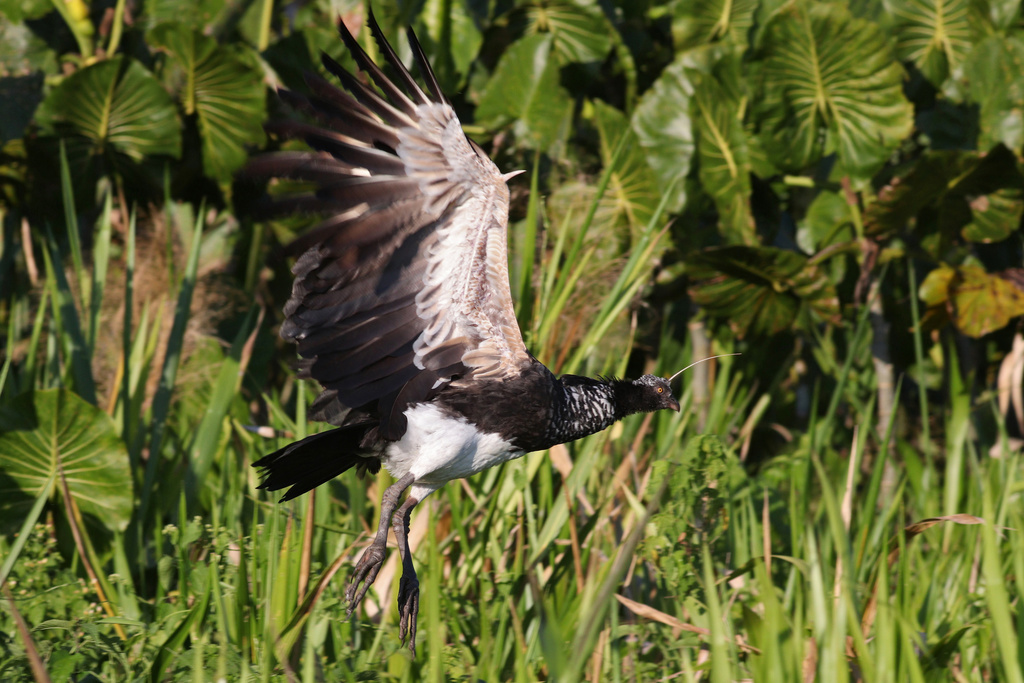
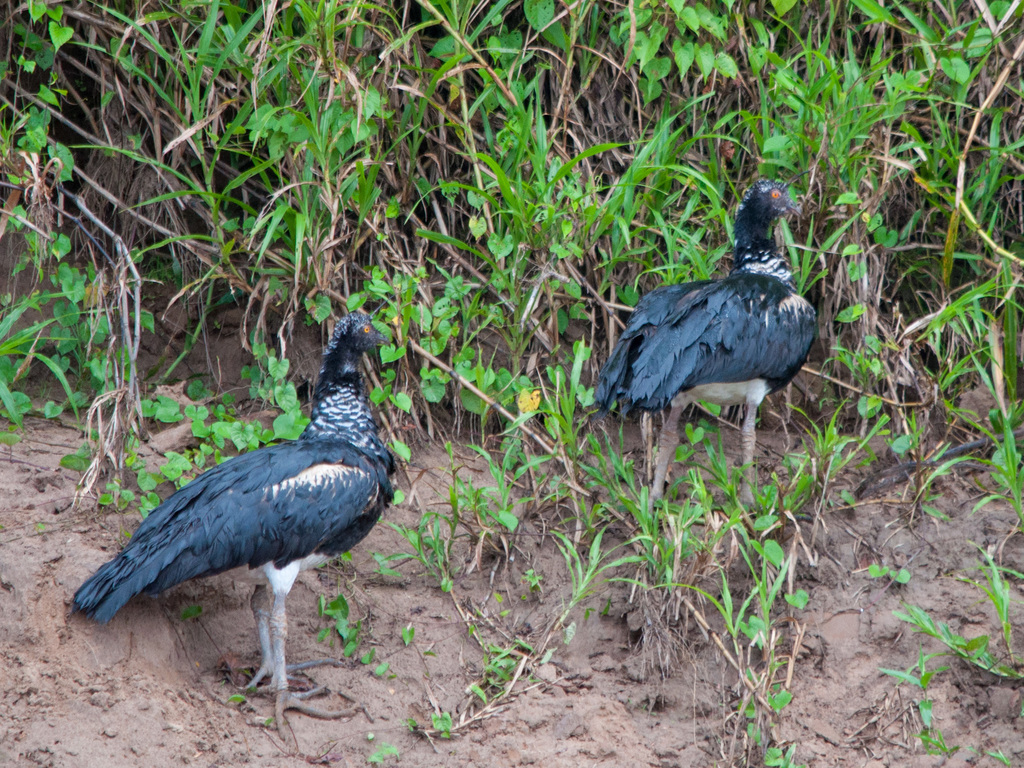
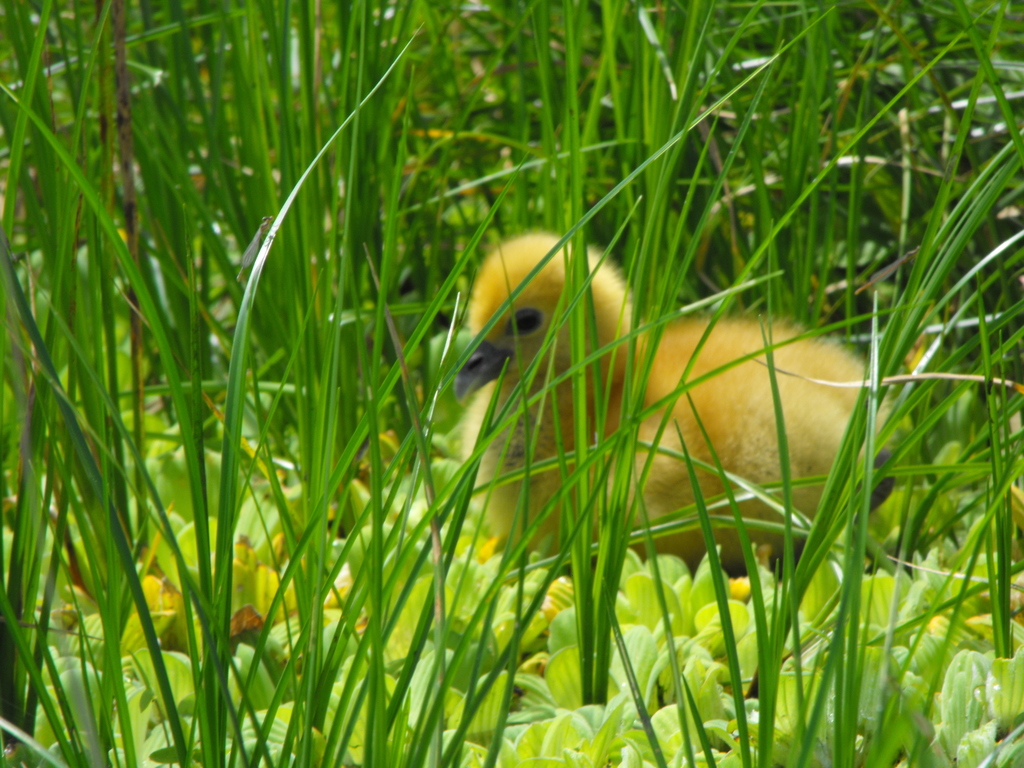
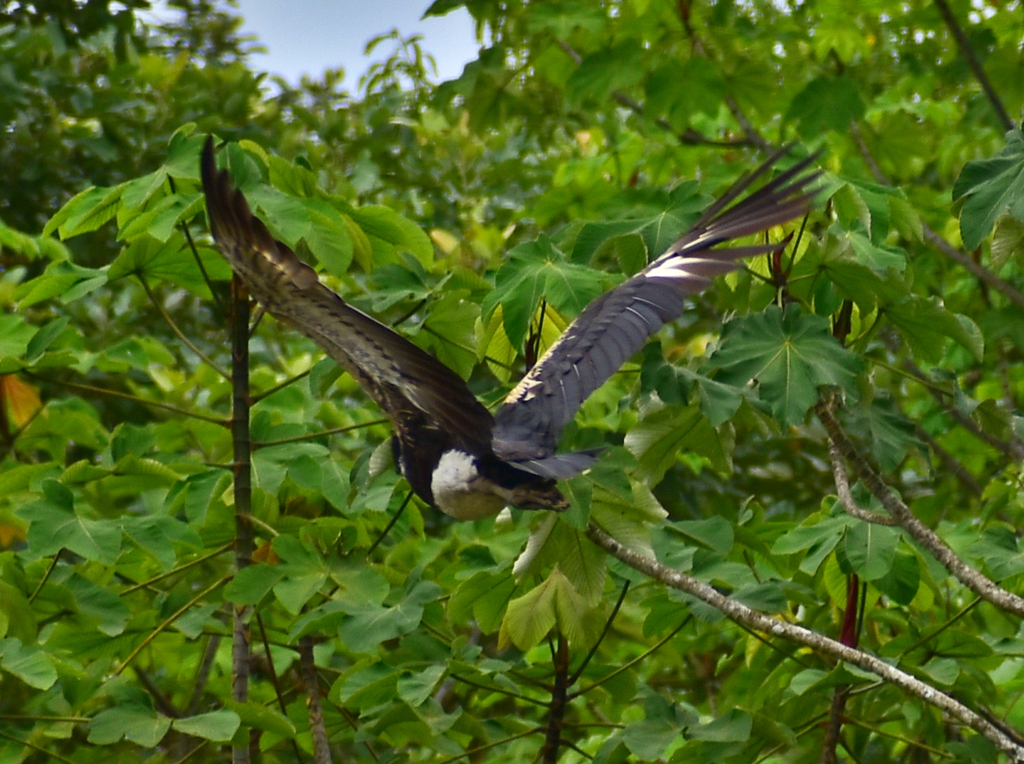
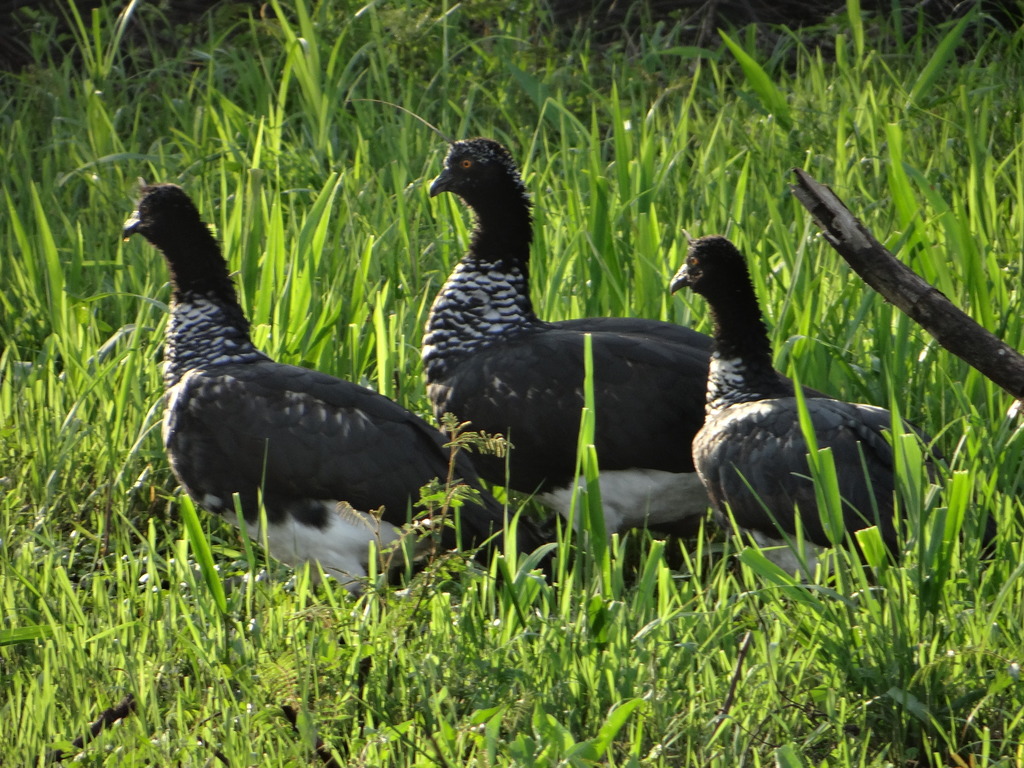
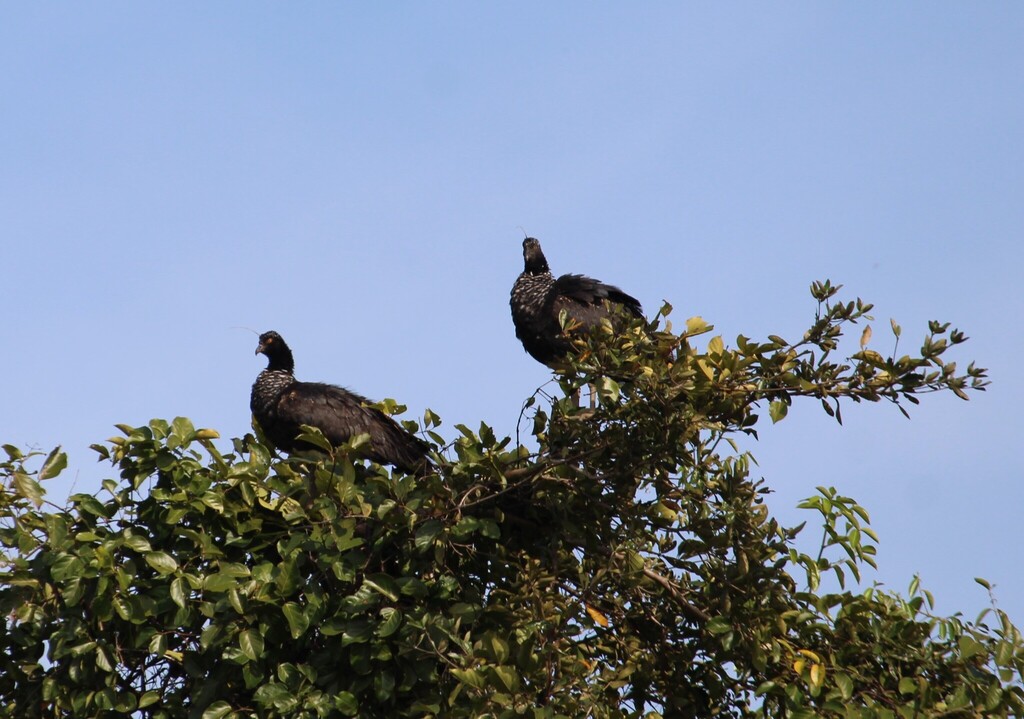
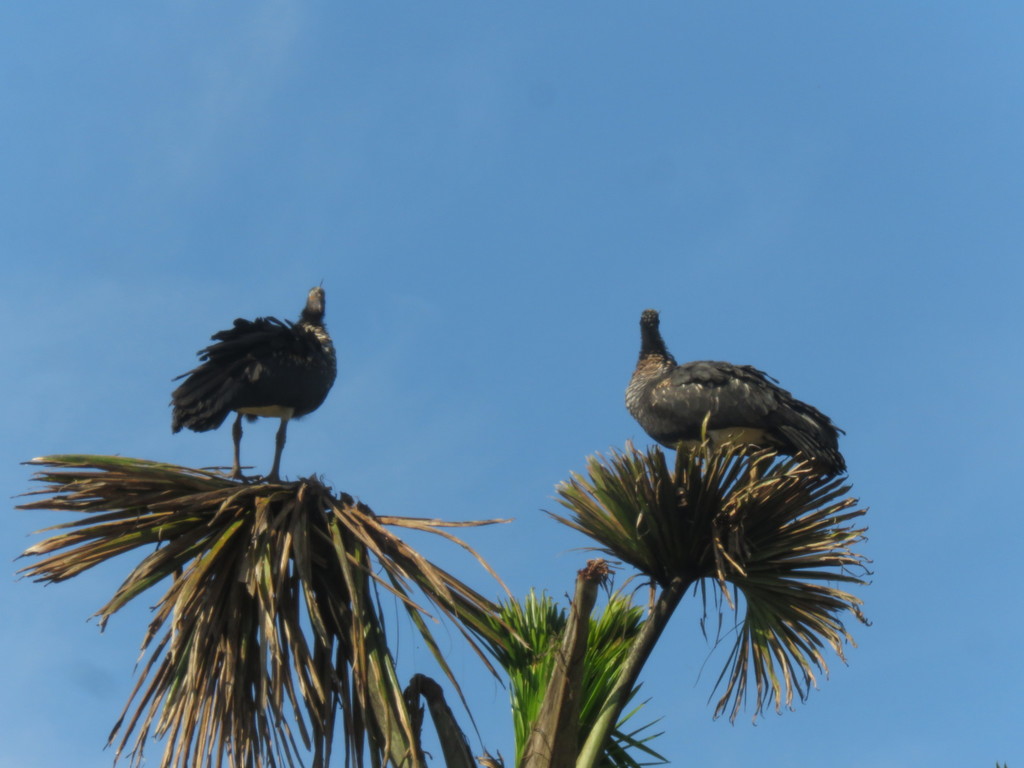
Seen a horned screamer?
Share your photo on iNaturalist. Other naturalists help confirm it, and the record goes to GBIF, where scientists use it and where the maps on this page come from.
Put this species on your site
The card names every source and links back here.
<iframe src="https://4planetatlas.com/place/embed/species/horned-screamer" title="Horned screamer (Anhima cornuta), 4PLANET Species" width="100%" height="600" style="border:0;max-width:640px" loading="lazy"></iframe>
<p><a href="https://4species.com/horned-screamer">Horned screamer on 4PLANET Species</a></p>Questions people ask
What does the horned screamer eat?
The horned screamer has been recorded eating 10 different kinds of animals and plants, most of them plants. The ones recorded most often are wormwood, common water hyacinth, water lettuce, wire grass and spiny amaranth; records include animals eaten as carrion. Source: GloBI.
Where does the horned screamer live?
People have recorded it in 10 countries; the most records come from Peru, Colombia, Brazil, Ecuador and Venezuela. Records show where people have seen it, not its full range.
When is the horned screamer seen most?
In the southern hemisphere, the most records are made in October and the fewest in April. More people outdoors also means more records.
Sources and photo credits
- GBIF · Anhima cornuta, 31,440 human observations
- GloBI · recorded interactions of Anhima cornuta
- Wikidata · Horned screamer (Q732753)
- Horned screamer (Anhima cornuta): Vincent A. Vos, CC BY 4.0
- Horned screamer (Anhima cornuta): Jan Ebr & Ivana Ebrová, CC BY 4.0
- Horned screamer (Anhima cornuta), Tambopata, Peru: William Stephens, CC BY 4.0
- Horned screamer (Anhima cornuta), Maynas, PE-LO, PE: Philip Kahn, CC BY-SA 4.0
- Horned screamer (Anhima cornuta), Loreto Province, Peru: Wairambar Rainforest, CC BY 4.0
- Horned screamer (Anhima cornuta), Riberalta, Bolivia: Vincent A. Vos, CC BY 4.0
- Horned screamer (Anhima cornuta), Nova crixas: Curupira and Boitatá, CC BY 4.0
- Horned screamer (Anhima cornuta), Batraja, Puerto Rico, Bolivia: Vincent A. Vos, CC BY 4.0
- Wormwood: Matt Lavin, CC BY-SA 4.0
- Common water hyacinth: Michael D Fox, CC BY 4.0
- Water lettuce: no rights reserved, uploaded by 葉子, CC0
- Wire grass: no rights reserved, uploaded by 葉子, CC0
- Spiny amaranth: no rights reserved, uploaded by 葉子, CC0
- American black nightshade: Cricket Raspet, CC BY 4.0
- Dallis-grass: no rights reserved, uploaded by Hugo Hulsberg, CC0
- Fragrant flatsedge: Zihao Wang, CC BY 4.0
- Tessaria integrifolia: Eduardo Luis Beltrocco, CC BY 4.0
- Eclipta alba: Lucas Christofides, CC BY 4.0
Records show where people have seen and shared the horned screamer, not its full range, and some countries and months are recorded far more than others. The food web lists interactions that studies have recorded somewhere in the world (GloBI), not everything it eats in one place.
Checked 2026-11-22.