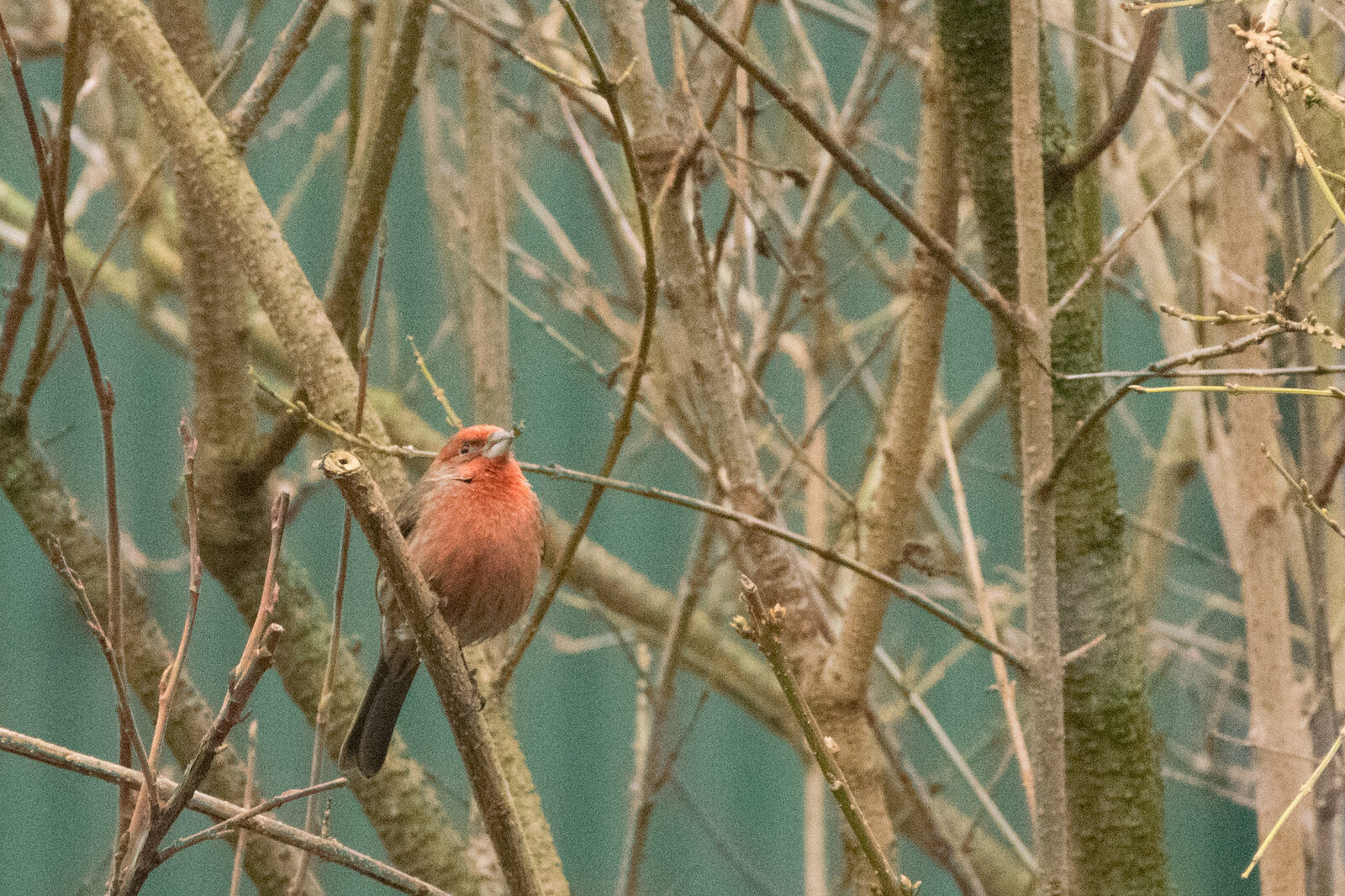
House finch
Haemorhous mexicanus
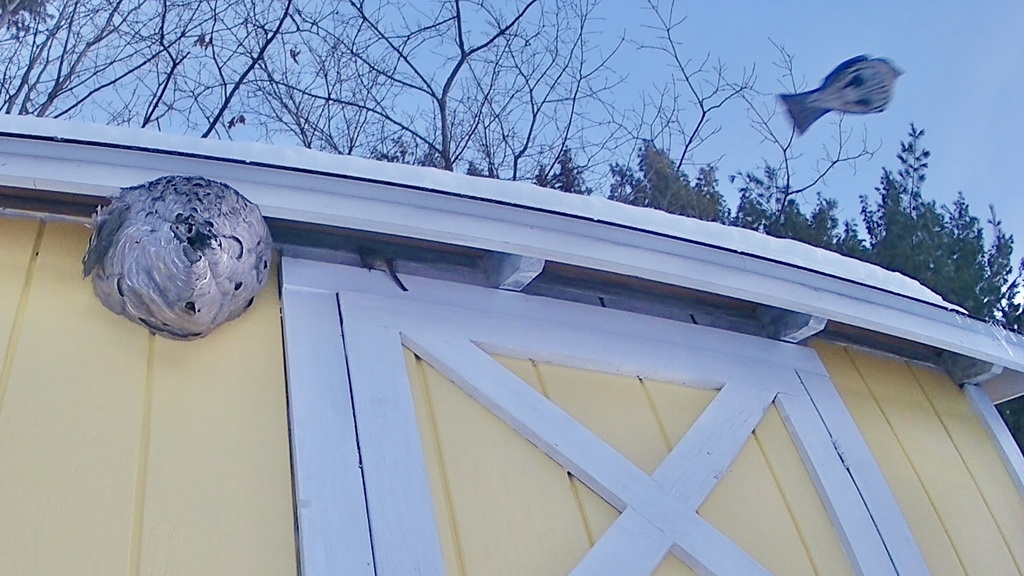
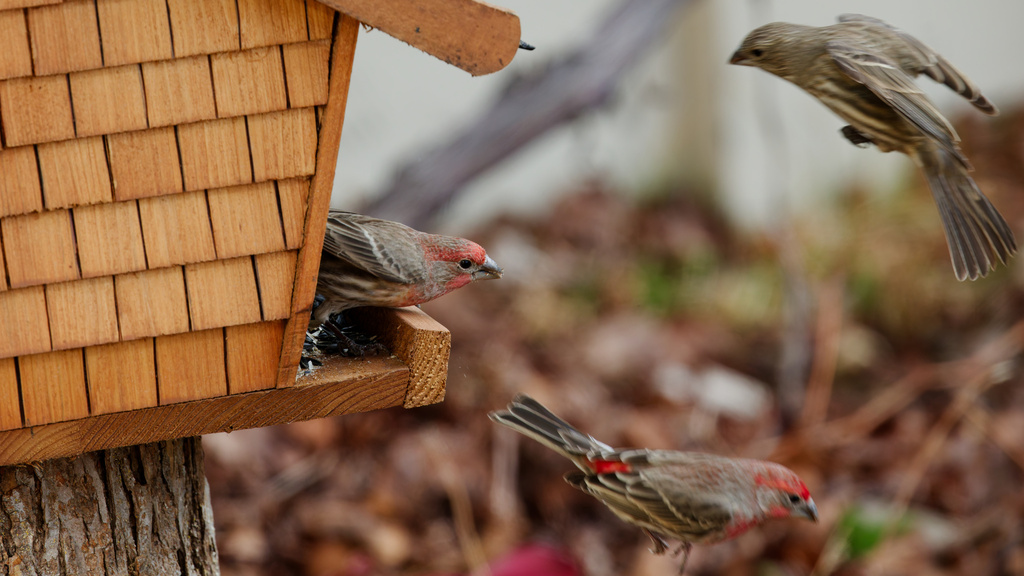
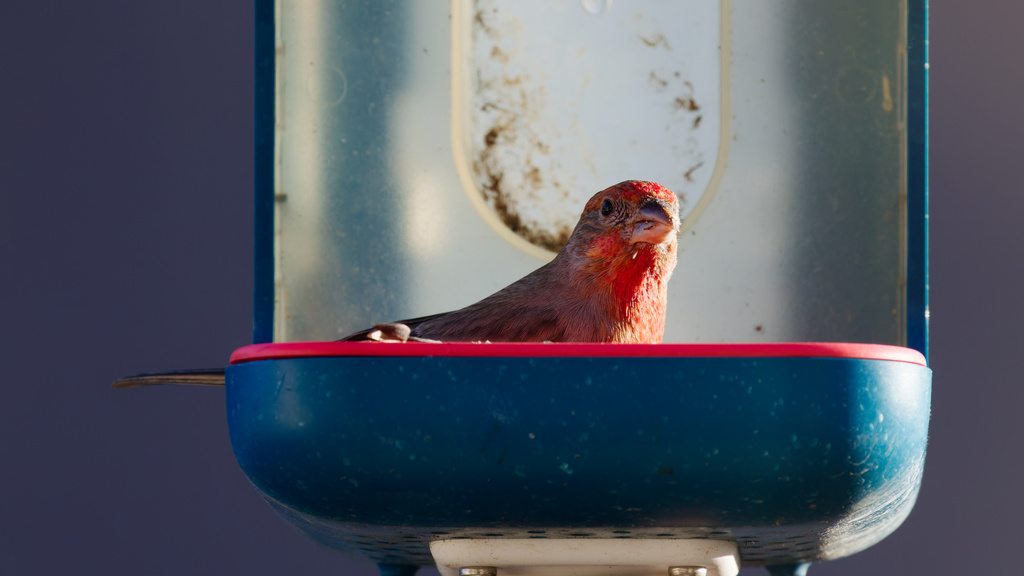
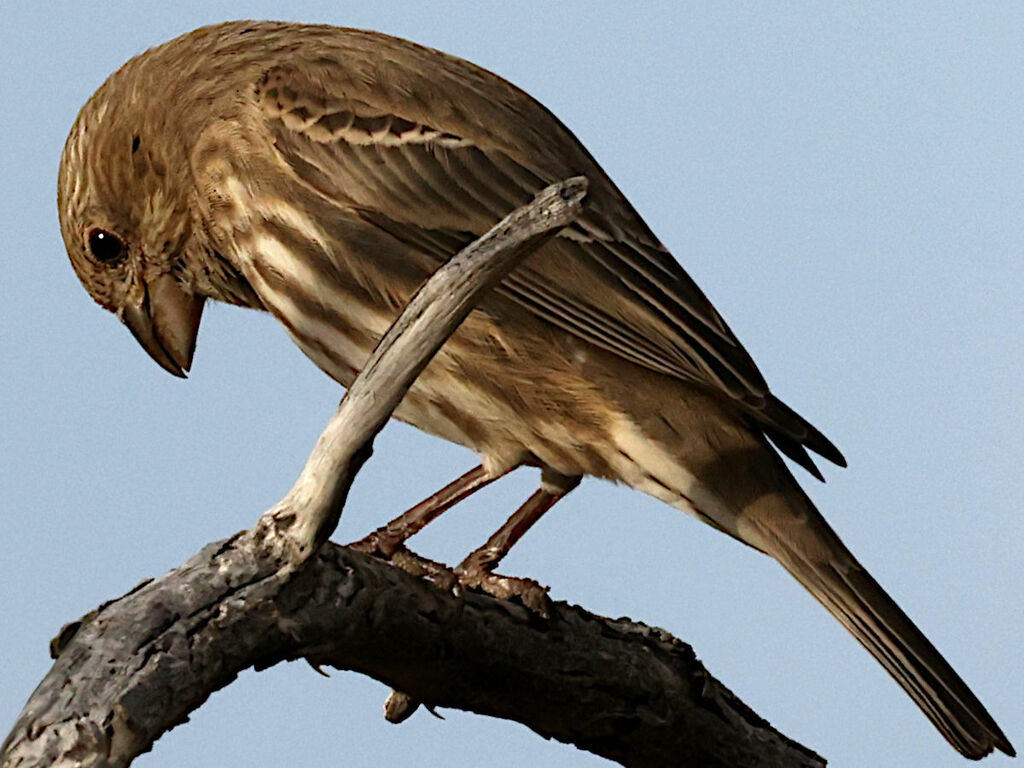
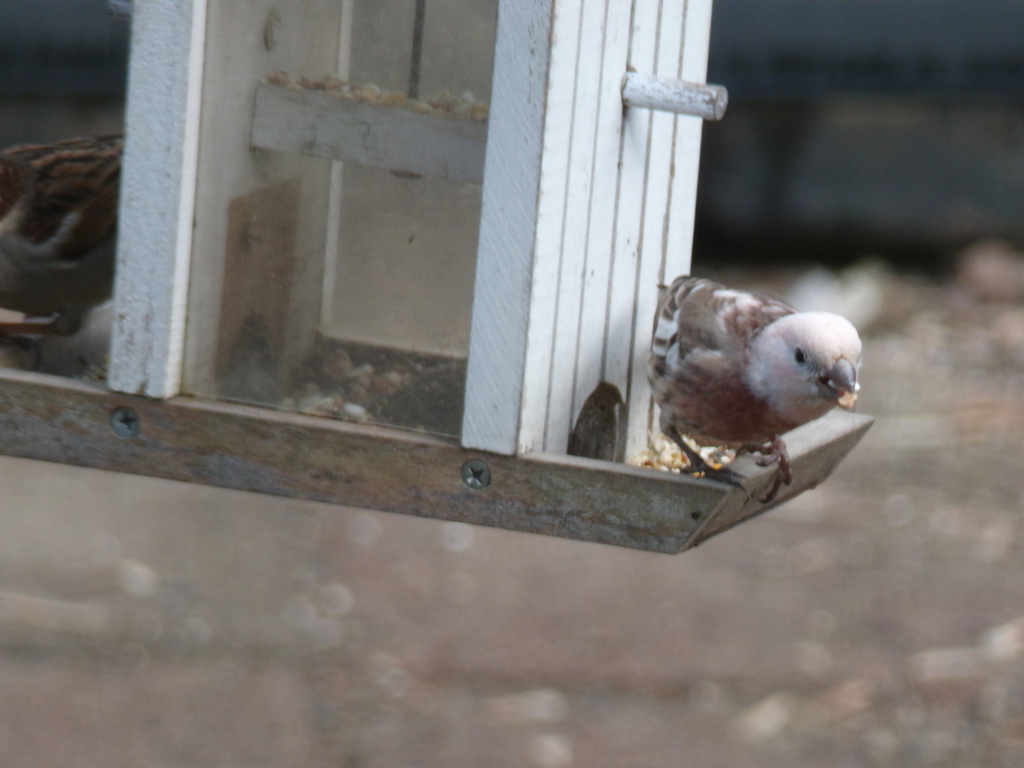
The male has a red head and breast; a common visitor to garden feeders.
- Status
- Least Concern IUCN Red List
- Eats
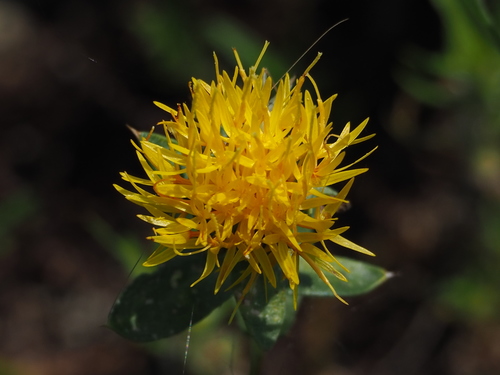
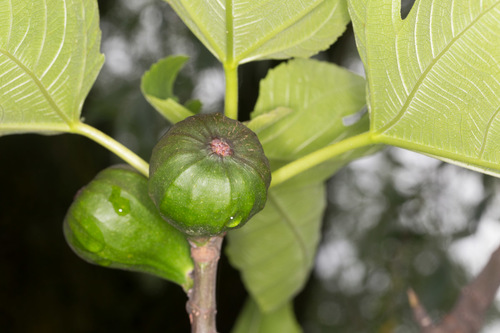
- safflower, milk thistle, edible fig and 86 more
- Eaten by
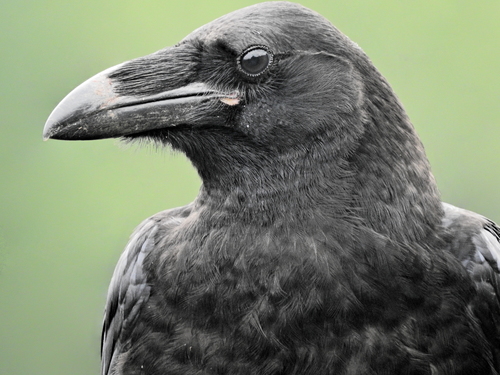
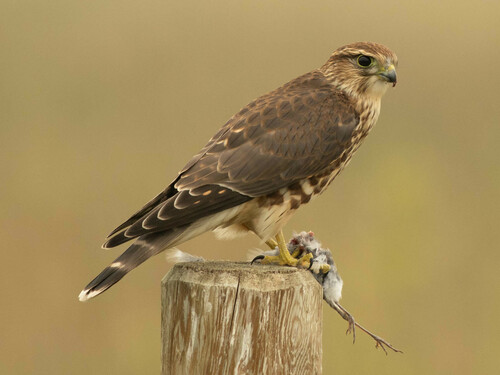
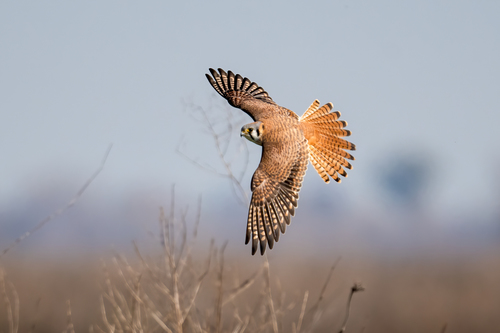
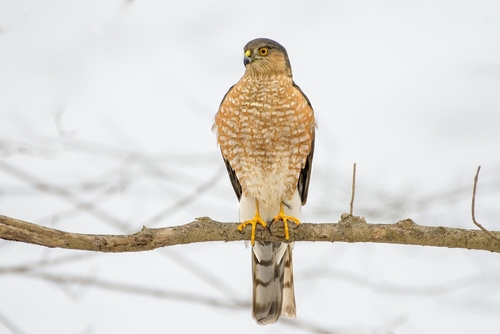
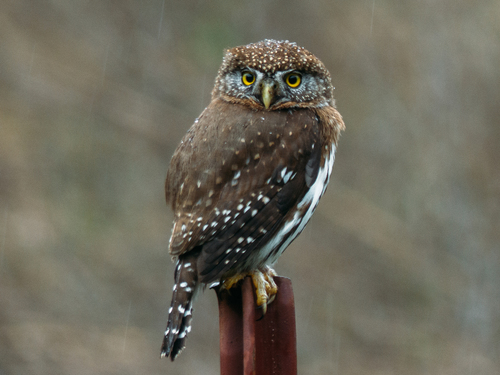
- northern raven, merlin, American kestrel
- Where
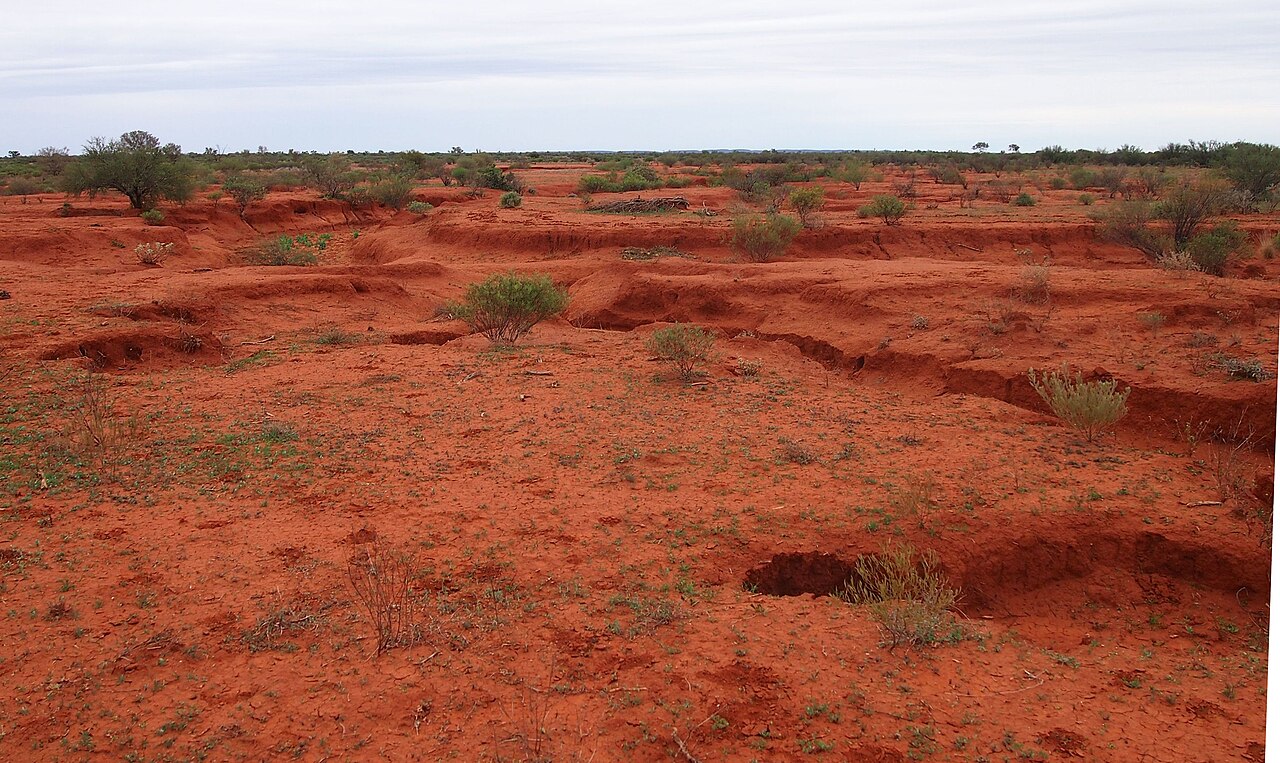
- 12 countries · deserts
On 4Planet Atlas it is among the wildlife people record most around Athens, Mexico City and New York, and 4 more of the cities we cover.
People have shared 19,062,789 records of the house finch with GBIF, from 12 countries, most of them from United States, Canada and Mexico. Records collected by GloBI show it eating 89 different kinds of animals and plants, and being eaten by 7.
Habitats
What the house finch eats, and what eats it
Studies have recorded it eating 89 kinds of animals and plants, and 7 kinds of animals eating it. Tap any of them to follow the food chain.
- Plants 86
- Insects 1
 House finch

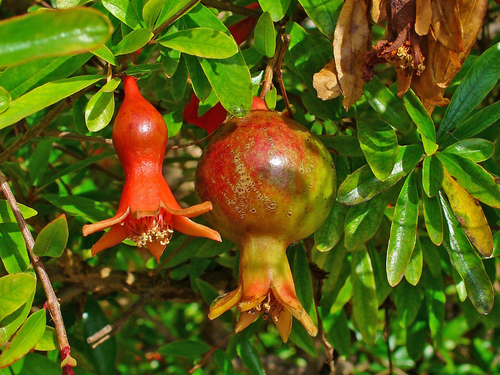
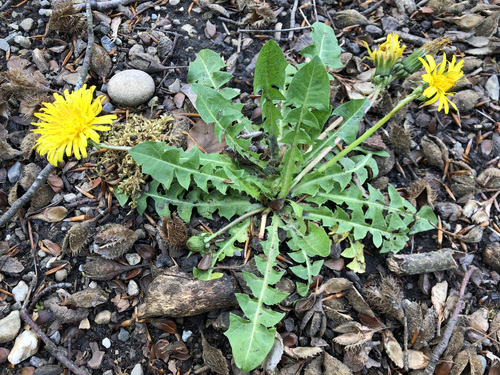


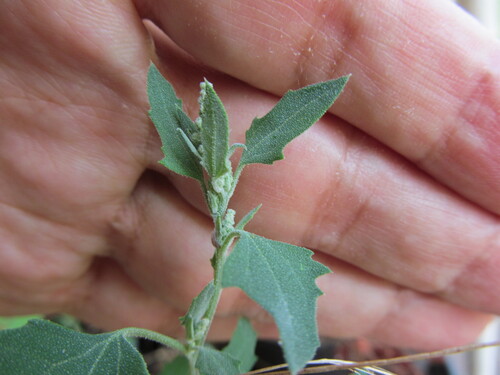
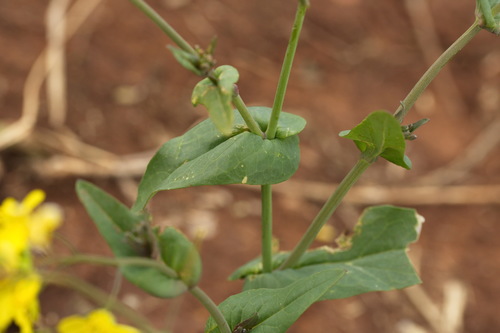
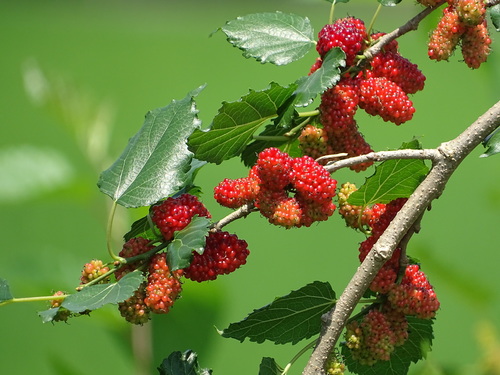
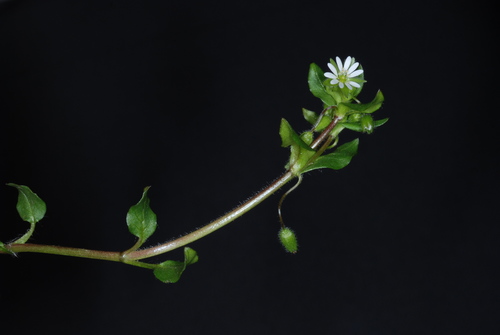
Records from studies worldwide, collected by GloBI. They include animals eaten as carrion, and they are not everything it eats in one place.
Where people see the house finch
People have shared 19,062,789 records from 12 countries.
Near a city: Athens, Mexico City, New York, Ottawa, Toronto, Vancouver, Washington, D.C..
Records show where people have seen it and shared it, not its full range. Country names open their page in Atlas.
When it is seen
Records per month in the northern hemisphere. More people outdoors also means more records.
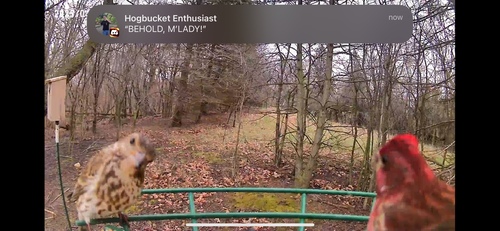
Watch and listen

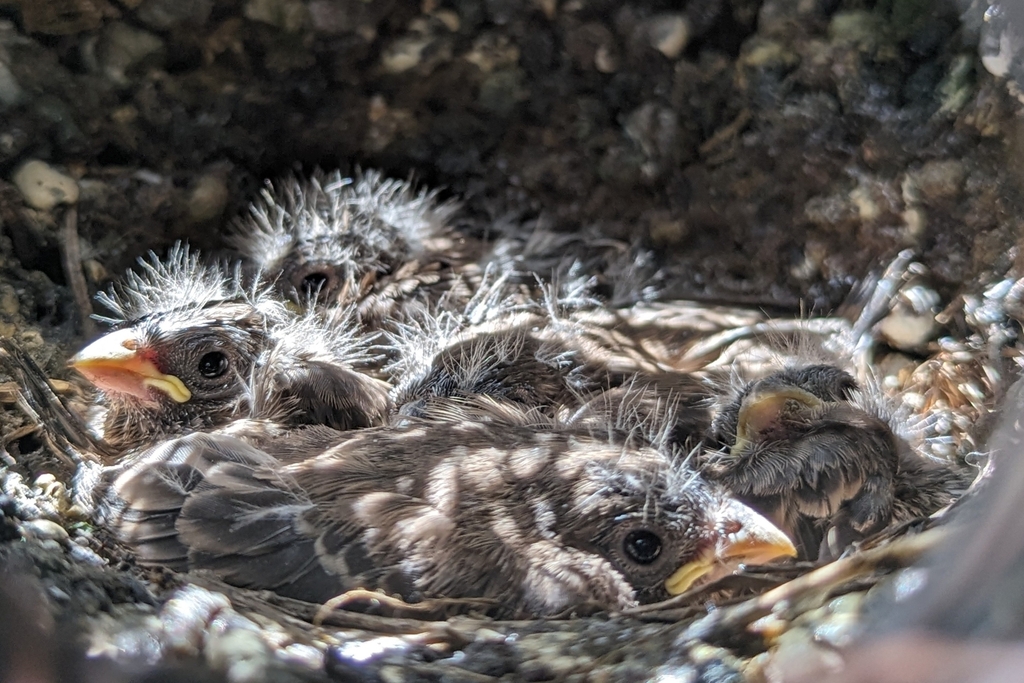
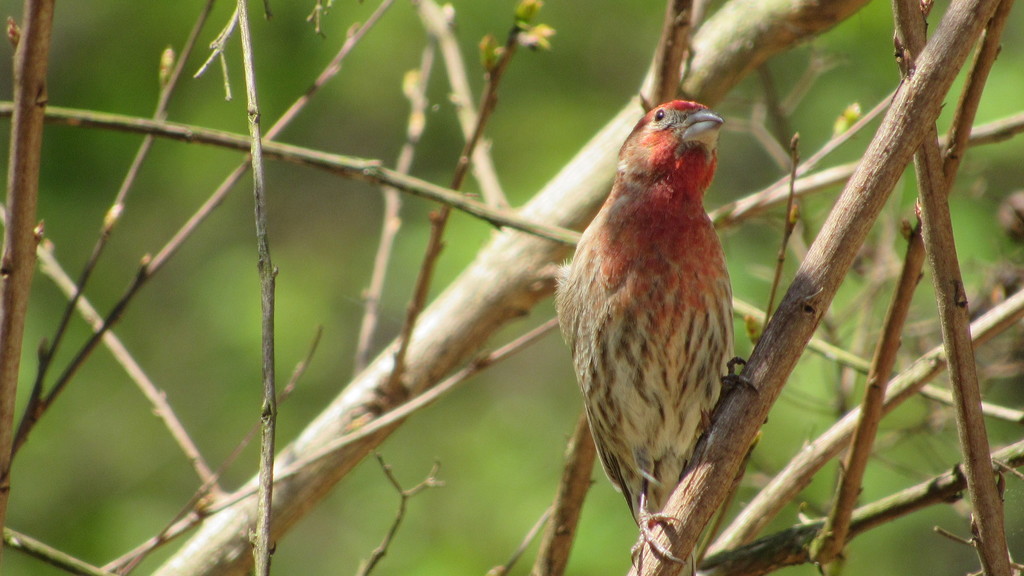
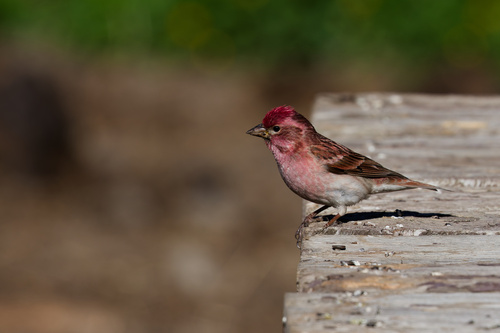
Its closest relatives
The other species of the genus Haemorhous.
Seen a house finch?
Share your photo on iNaturalist. Other naturalists help confirm it, and the record goes to GBIF, where scientists use it and where the maps on this page come from.
Explore next
What puts the house finch under pressure, what helps, and who works on it.

Questions people ask
What does the house finch eat?
The house finch has been recorded eating 89 different kinds of animals and plants, most of them plants and insects. The ones recorded most often are safflower, milk thistle, edible fig, pomegranate and cultivated radish; records include animals eaten as carrion. Source: GloBI.
What eats the house finch?
Recorded predators include northern raven, merlin, american kestrel, sharp-shinned hawk and mountain pygmy owl. Source: GloBI.
Where does the house finch live?
People have recorded it in 12 countries; the most records come from United States, Canada, Mexico, Greece and Spain. Records show where people have seen it, not its full range.
When is the house finch seen most?
In the northern hemisphere, the most records are made in May and the fewest in August. More people outdoors also means more records.
What are the house finch's closest relatives?
It shares the genus Haemorhous with cassin's finch and purple finch.
Sources and photo credits
- GBIF · Haemorhous mexicanus, 19,062,789 human observations
- GloBI · recorded interactions of Haemorhous mexicanus
- Wikidata · House finch (Q25170208)
- House finch (Haemorhous mexicanus): dennisvo, CC BY 4.0
- House finch (Haemorhous mexicanus): MostlyDross, CC BY 4.0
- House finch (Haemorhous mexicanus), Ancient Oaks, PA 18062, USA: Kailey Alderfer, CC BY 4.0
- House finch (Haemorhous mexicanus), Hardin Valley, Knoxville, TN, USA: Jacob Weston, CC BY 4.0
- House finch (Haemorhous mexicanus), Cheshire, New Hampshire, United States: Michael Nerrie, CC BY 4.0
- House finch (Haemorhous mexicanus), 1 Oquirrh Park Area, South Jordan, UT, USA: Daughter Dad, CC BY 4.0
- House finch (Haemorhous mexicanus), 1 Oquirrh Park Area, South Jordan, UT, USA: Daughter Dad, CC BY 4.0
- House finch (Haemorhous mexicanus), E Williams Field Rd, Mesa, AZ 85212, USA: Peter Chen 2.0, CC BY 4.0
- House finch (Haemorhous mexicanus), Commerce Charter Twp, MI, USA: Quinn, CC BY 4.0
- Safflower: no rights reserved, uploaded by 葉子, CC0
- Milk thistle: Millie Basden, CC BY 4.0
- Edible fig: Drepanostoma, CC BY 4.0
- Pomegranate: H. Zell, CC BY-SA 4.0
- Common dandelion: Jason Grant, CC BY 4.0
- Loquat: Marco Mussita, CC BY 4.0
- Purple granadilla: 葉子, CC0
- Fat-hen: zebedeugalinha, CC BY 4.0
- Field mustard: Вячеслав Юсупов, CC BY 4.0
- White mulberry: no rights reserved, uploaded by 葉子, CC0
- Common chickweed: Douglas Goldman, CC BY-SA 4.0
- Northern raven: xulescu_g, CC BY-SA 4.0
- Merlin: no rights reserved, uploaded by Kathlin Simpkins, CC0
- American kestrel: Jonathan Eisen, CC BY 4.0
- Sharp-shinned hawk: Troy B, CC BY 4.0
- Mountain pygmy owl: no rights reserved, uploaded by Kyle Nessen, CC0
- Cassin's finch: Daughter Dad, CC BY 4.0
- Purple finch: Dani Alba, CC BY 4.0
Records show where people have seen and shared the house finch, not its full range, and some countries and months are recorded far more than others. The food web lists interactions that studies have recorded somewhere in the world (GloBI), not everything it eats in one place.
Checked 2026-11-22.