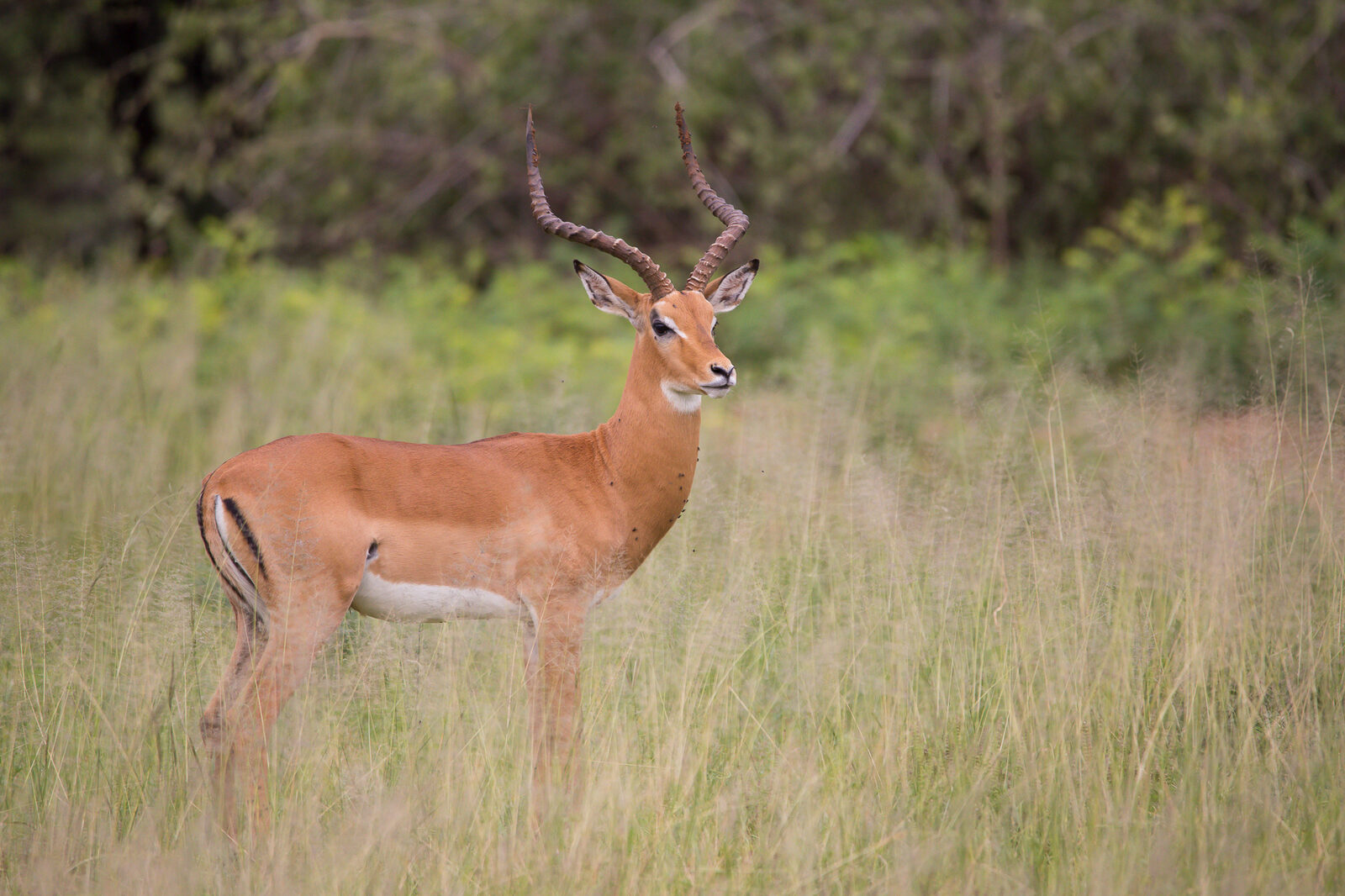
Impala
Aepyceros melampus
A graceful antelope that can leap high and far.
- Status
- Least Concern IUCN Red List
- Eats
- bitter apple, umbrella thorn, tamarind and 37 more
- Where
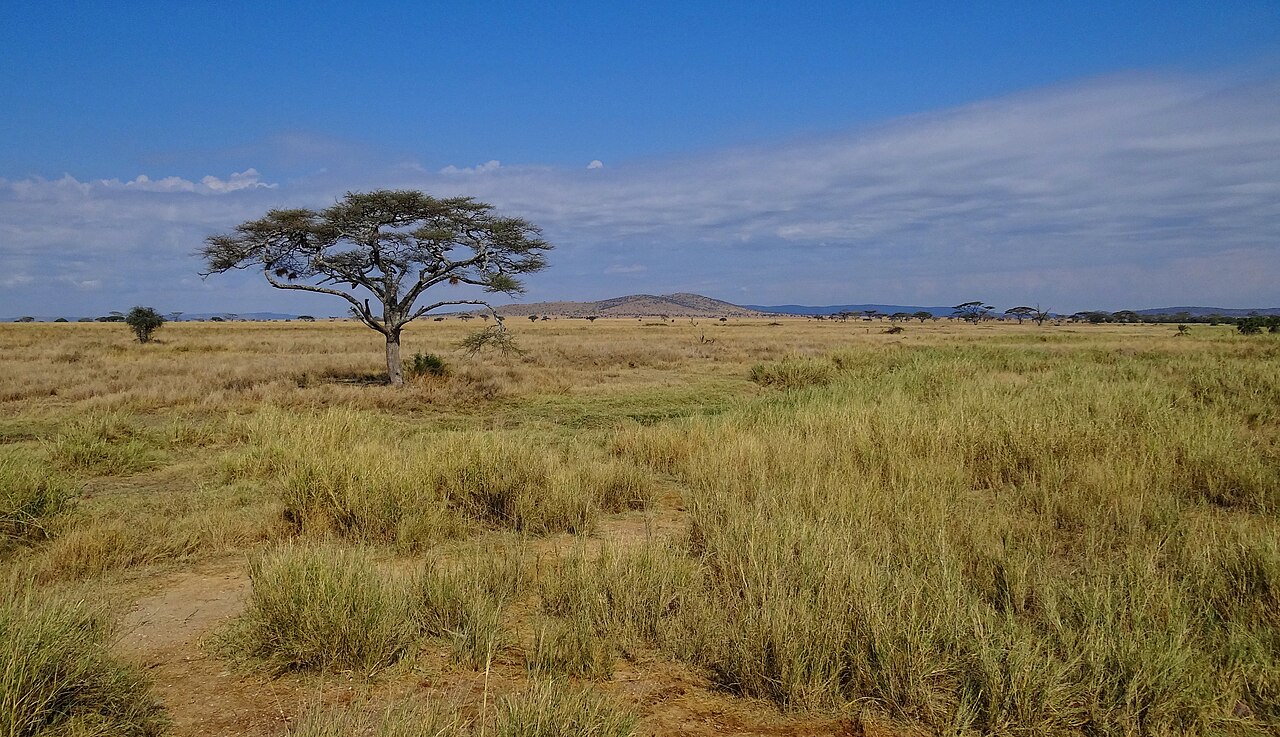
- 15 countries · savannas
People have shared 14,565 records of the impala with GBIF, from 15 countries, most of them from South Africa, Kenya and Tanzania. Records collected by GloBI show it eating 40 different kinds of animals and plants, and being eaten by 11.
In the southern hemisphere, people record it most in August and least in March. It belongs to the genus Aepyceros in the family Bovidae.
Habitats
What the impala eats, and what eats it
Studies have recorded it eating 40 kinds of animals and plants, and 11 kinds of animals eating it. Tap any of them to follow the food chain.
- Plants 40
Eaten by




 Impala




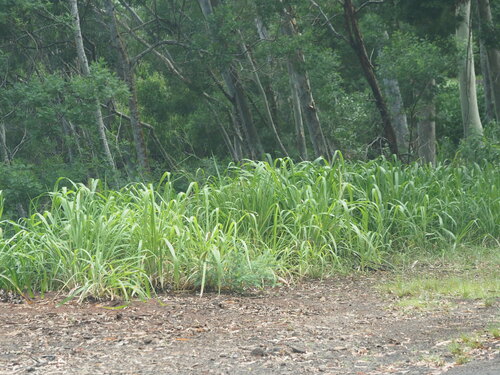
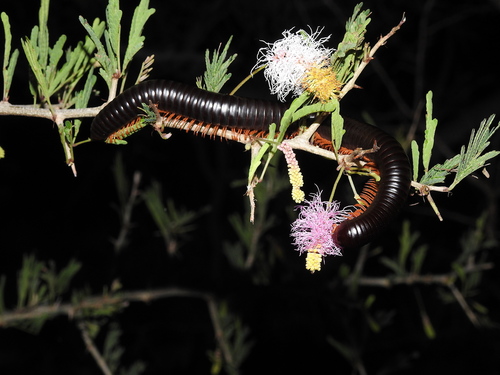

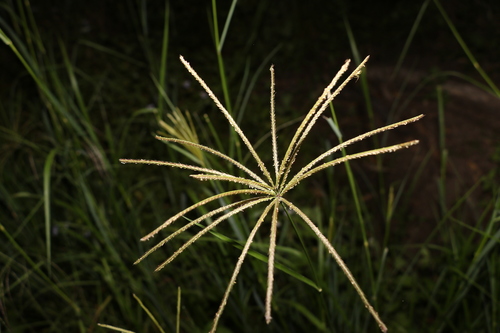
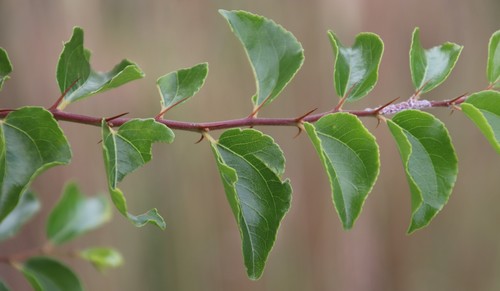
Records from studies worldwide, collected by GloBI. They include animals eaten as carrion, and they are not everything it eats in one place.
Where people see the impala
People have shared 14,565 records from 15 countries.
Records show where people have seen it and shared it, not its full range. Country names open their page in Atlas.
When it is seen
Records per month in the southern hemisphere. More people outdoors also means more records.
Watch and listen
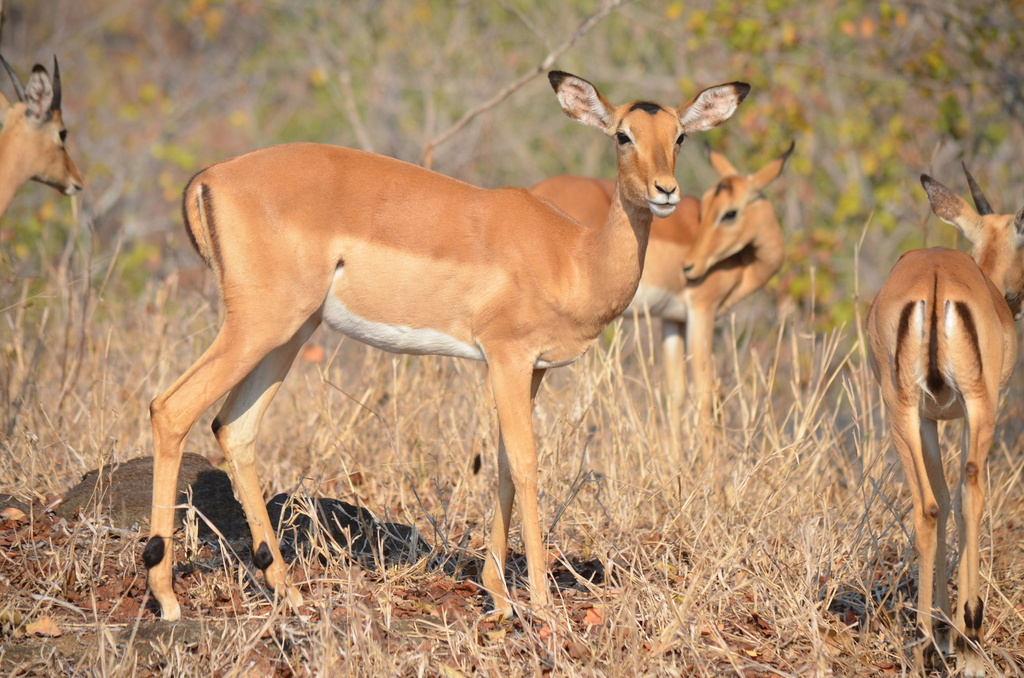
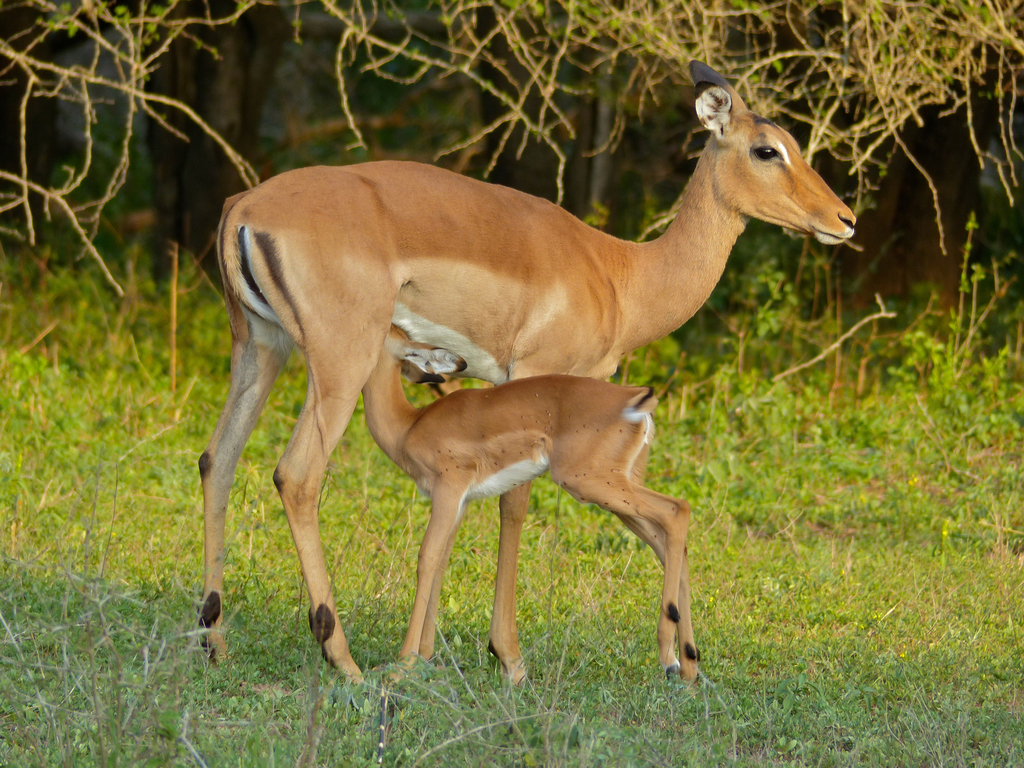
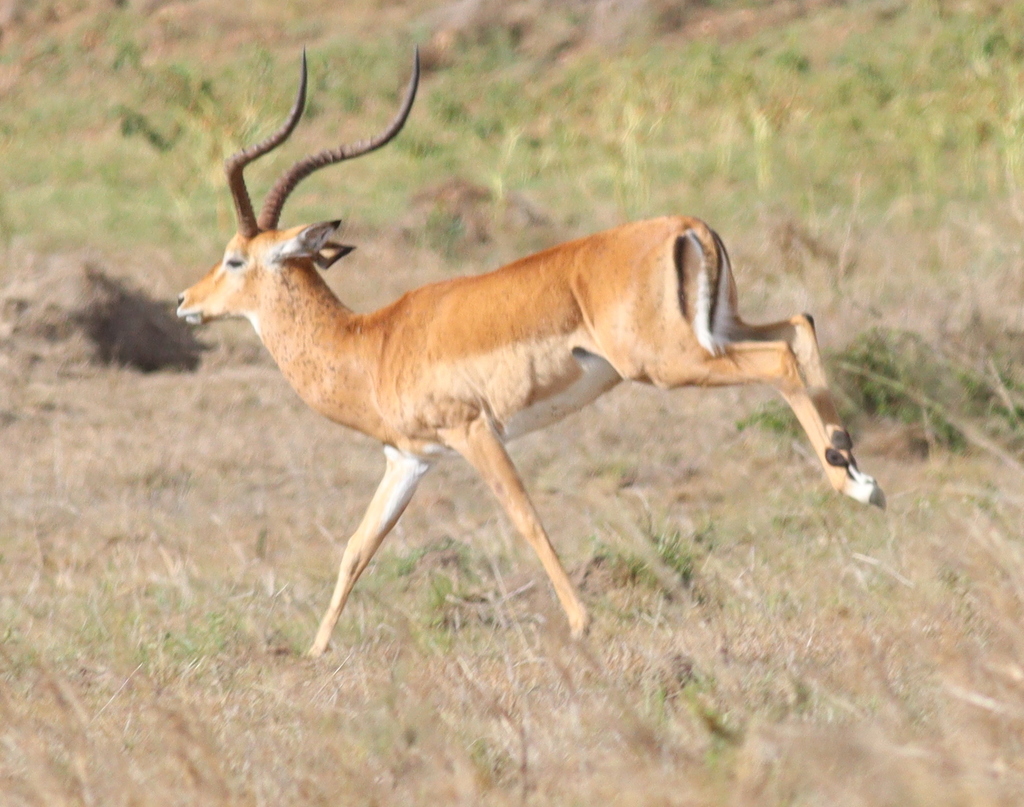

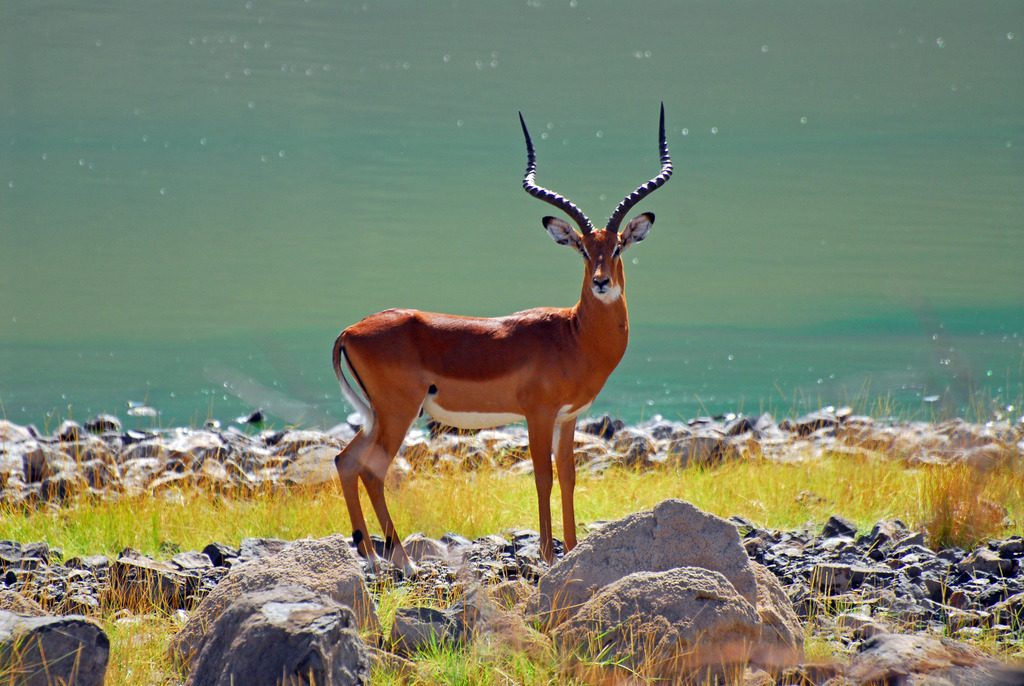
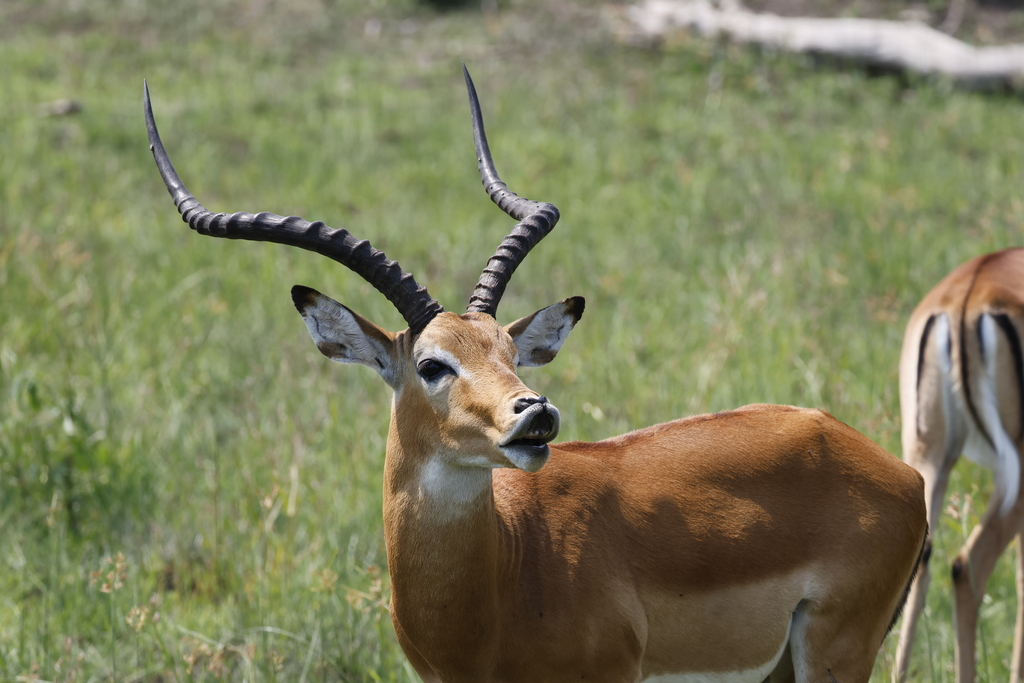
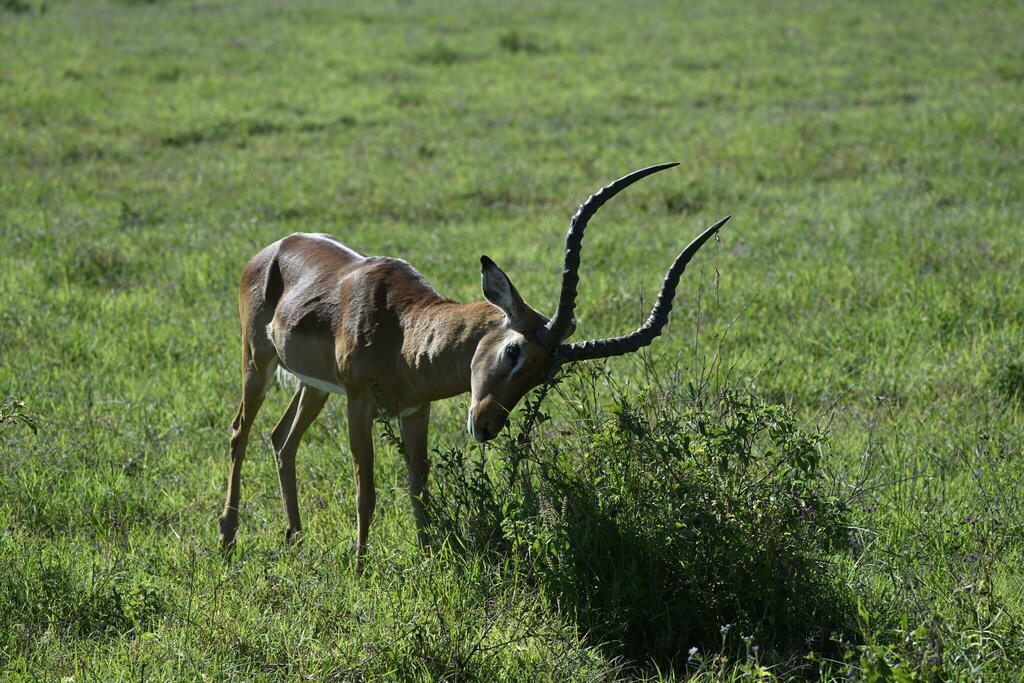

Seen a impala?
Share your photo on iNaturalist. Other naturalists help confirm it, and the record goes to GBIF, where scientists use it and where the maps on this page come from.
Explore next
What puts the impala under pressure, what helps, and who works on it.
Questions people ask
What does the impala eat?
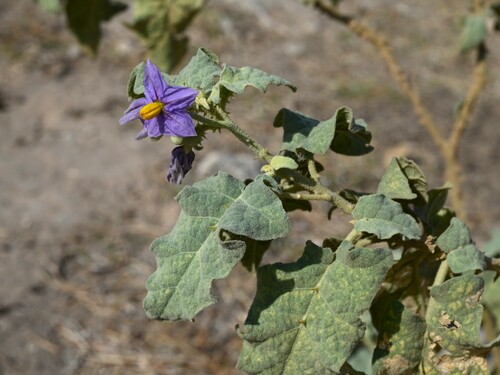
The impala has been recorded eating 40 different kinds of animals and plants, most of them plants. The ones recorded most often are bitter apple, umbrella thorn, tamarind, bermuda grass and water lettuce; records include animals eaten as carrion. Source: GloBI.
What eats the impala?
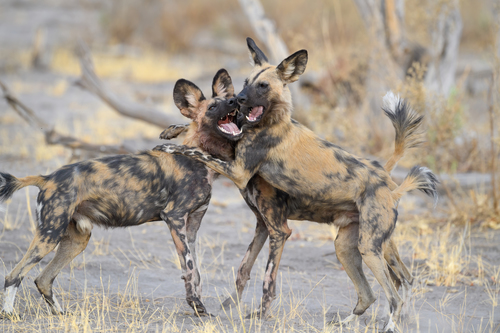
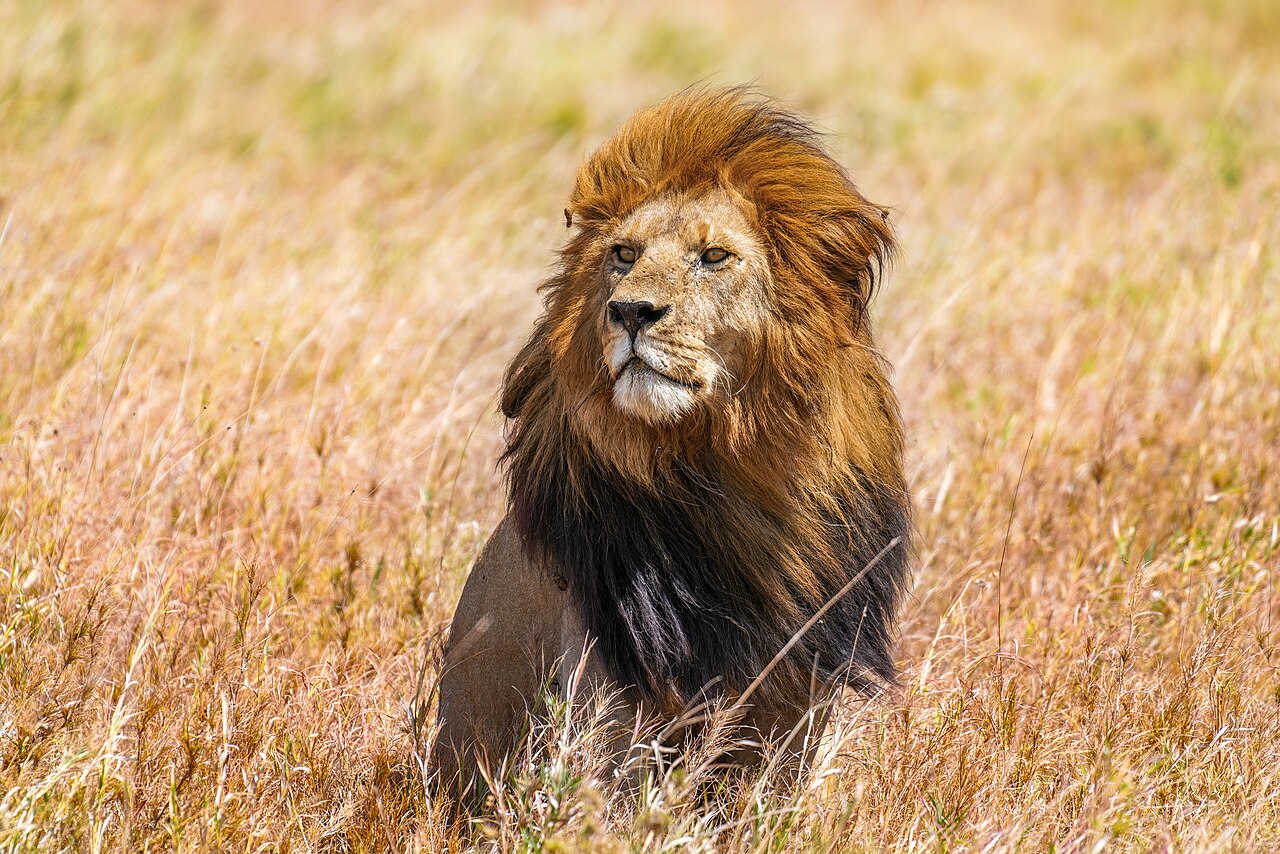
Recorded predators include lion, leopard, cheetah, african wild dog and nile crocodile. Source: GloBI.
Where does the impala live?
People have recorded it in 15 countries; the most records come from South Africa, Kenya, Tanzania, Namibia and Botswana. Records show where people have seen it, not its full range.
When is the impala seen most?
In the southern hemisphere, the most records are made in August and the fewest in March. More people outdoors also means more records.
Sources and photo credits
- GBIF · Aepyceros melampus, 14,565 human observations
- GloBI · recorded interactions of Aepyceros melampus
- Wikidata · Impala (Q132576)
- Impala (Aepyceros melampus): Diogo Luiz, CC BY 4.0
- Impala (Aepyceros melampus): Josiah Londerée, CC BY 4.0
- Impala (Aepyceros melampus): Bernard DUPONT, CC BY-SA 4.0
- Impala (Aepyceros melampus): Jan Ebr & Ivana Ebrová, CC BY 4.0
- Impala (Aepyceros melampus): Charles J Sharp, CC BY-SA 4.0
- Impala (Aepyceros melampus), Lake Bogoria, Kenya: Tom Kennedy, CC BY 4.0
- Impala (Aepyceros melampus), District de Kayonza, Rwanda: Romain Boisseau, CC BY-SA 4.0
- Impala (Aepyceros melampus), Nakuru Muni., Kenya: Biray Pinar, CC BY 4.0
- Impala (Aepyceros melampus), Wildreservaat Masai Mara, Narok, Bonde la Ufa, KE: Jean-Paul Boerekamps, CC0
- Bitter apple: Krzysztof Ziarnek, CC BY 4.0
- Umbrella thorn: Rabah Al-Shammary, CC BY 4.0
- Tamarind: no rights reserved, uploaded by 葉子, CC0
- Bermuda grass: Douglas Goldman, CC BY-SA 4.0
- Water lettuce: no rights reserved, uploaded by 葉子, CC0
- Gum arabic tree: Wynand Uys, CC BY 4.0
- Gum arabic: Denis Bastianelli, CC BY 4.0
- Panicum maximum: Kevin Faccenda, CC BY 4.0
- Aroma: Hopeland, CC BY 4.0
- Ebony diospyros: Tony Rebelo, CC BY-SA 4.0
- Rhodes grass: Greg Tasney, CC BY-SA 4.0
- Buffalo thorn: Tony Rebelo, CC BY-SA 4.0
- Lion: datadan, CC BY 4.0
- Leopard: Raja bandi, CC BY 4.0
- Cheetah: Bernard DUPONT, CC BY-SA 4.0
- African wild dog: Morten Ross, CC BY 4.0
- Nile crocodile: Stephen Temple, CC BY-SA 4.0
- Olive baboon: 116916927065934112165, CC BY 4.0
- Yellow baboon: Biray Pinar, CC BY 4.0
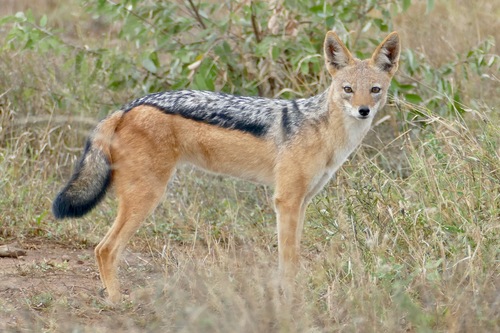
- Black-backed jackal: Bernard DUPONT, CC BY-SA 4.0
Records show where people have seen and shared the impala, not its full range, and some countries and months are recorded far more than others. The food web lists interactions that studies have recorded somewhere in the world (GloBI), not everything it eats in one place.
Checked 2026-11-22.