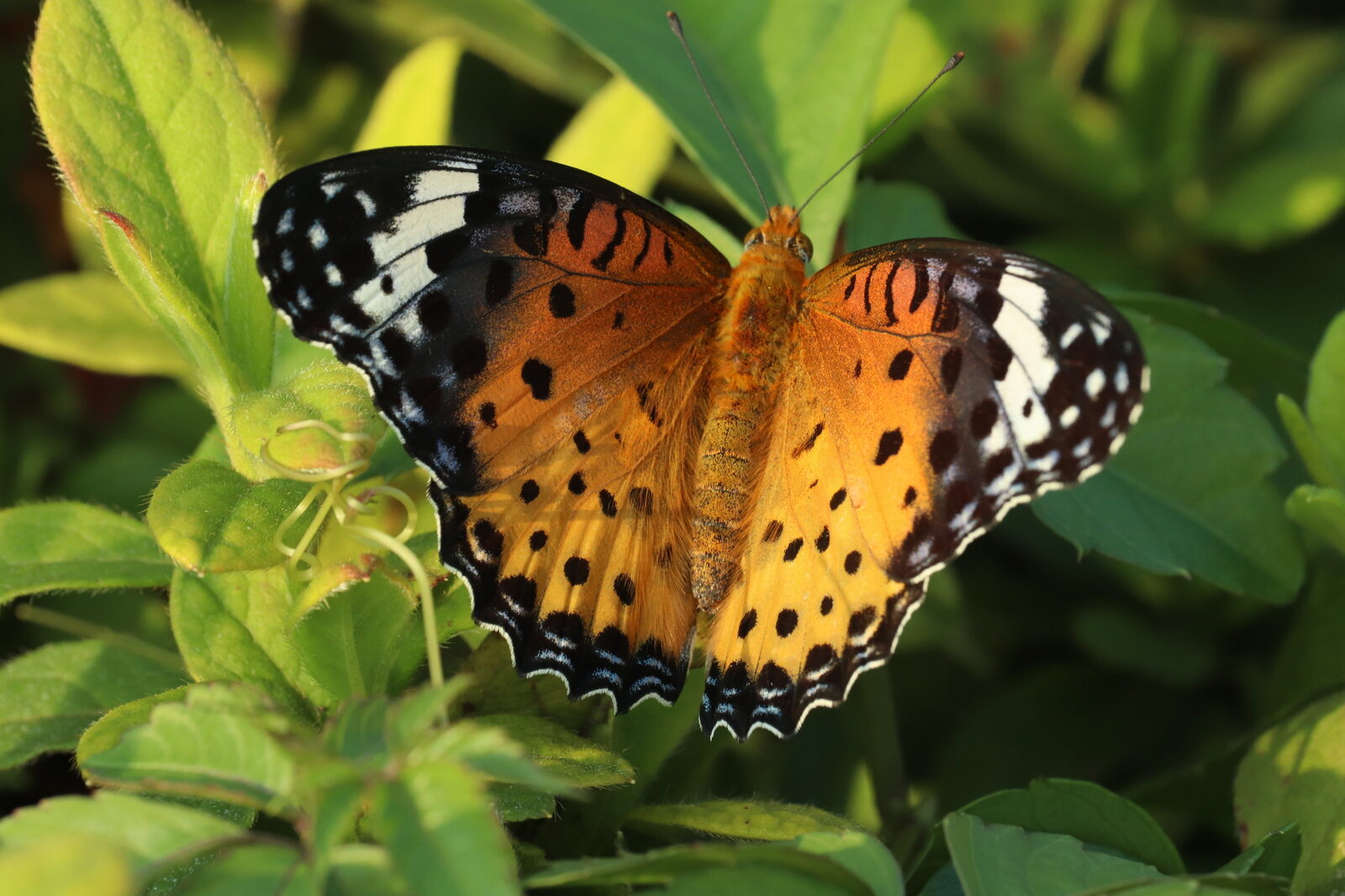
Indian fritillary
Argynnis hyperbius
- Status
- IUCN Red List
- Eats
- viola diffusa, sulphur cosmos, manchuria violet and 3 more
- Where
- 19 countries
On 4Planet Atlas it is among the wildlife people record most around Shanghai and Tokyo.
People have shared 8,130 records of the Indian fritillary with GBIF, from 19 countries, most of them from Japan, China and Hong Kong SAR China. Records collected by GloBI show it eating 6 different kinds of animals and plants.
What the Indian fritillary eats, and what eats it
Studies have recorded it eating 6 kinds of animals and plants. Tap any of them to follow the food chain.
- Plants 6
Indian fritillary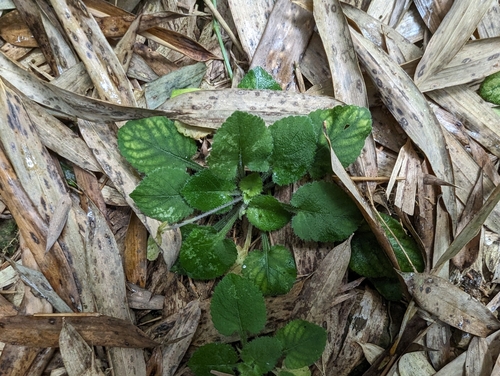
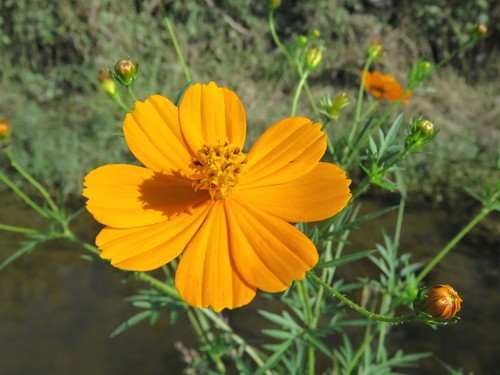
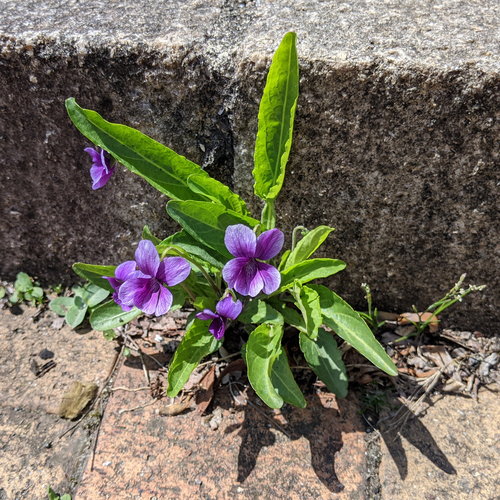
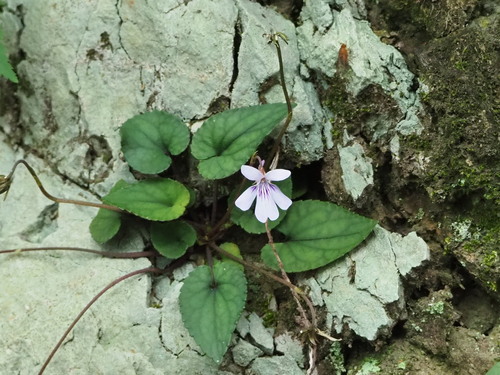
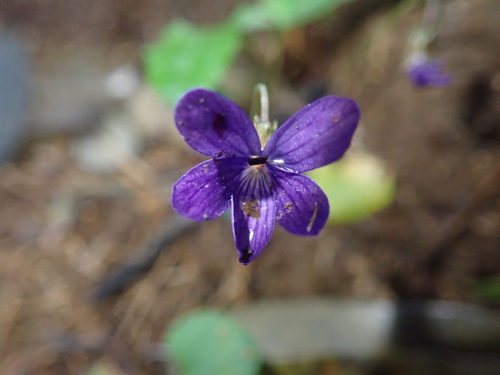
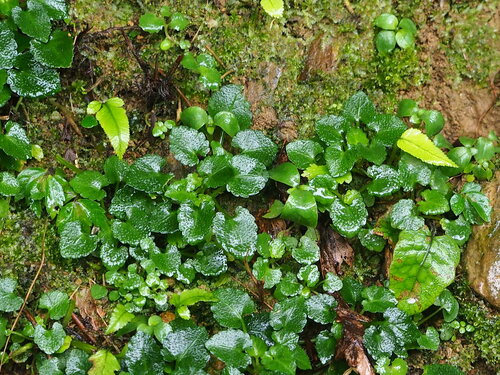
Records from studies worldwide, collected by GloBI. They include animals eaten as carrion, and they are not everything it eats in one place.
Where people see the Indian fritillary
People have shared 8,130 records from 19 countries.
Records show where people have seen it and shared it, not its full range. Country names open their page in Atlas.
When it is seen
Records per month in the northern hemisphere. More people outdoors also means more records.
Watch and listen
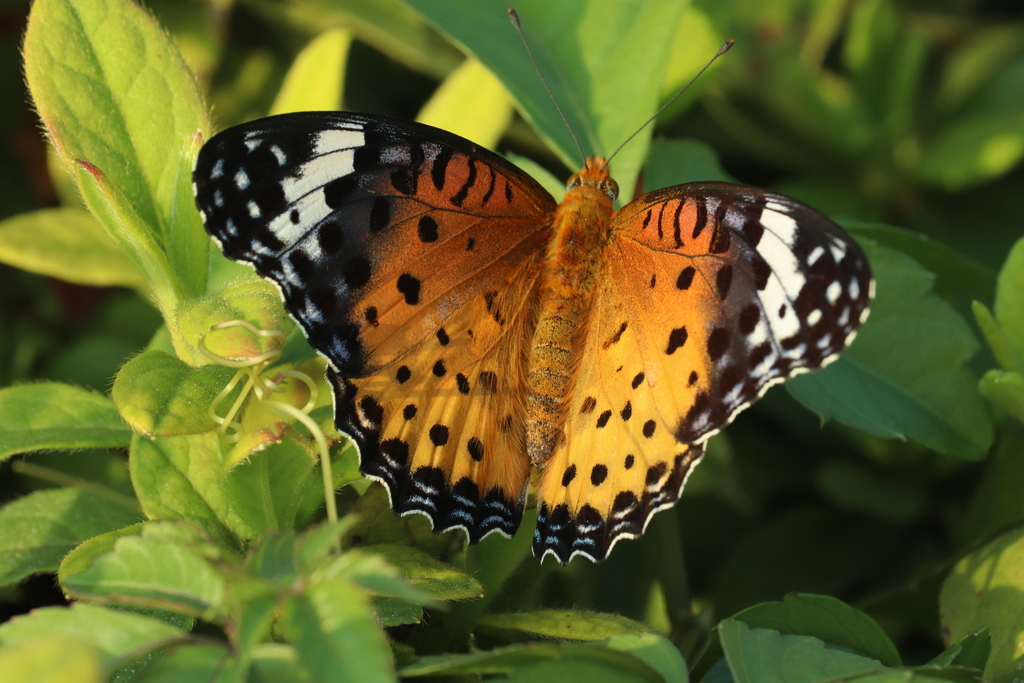
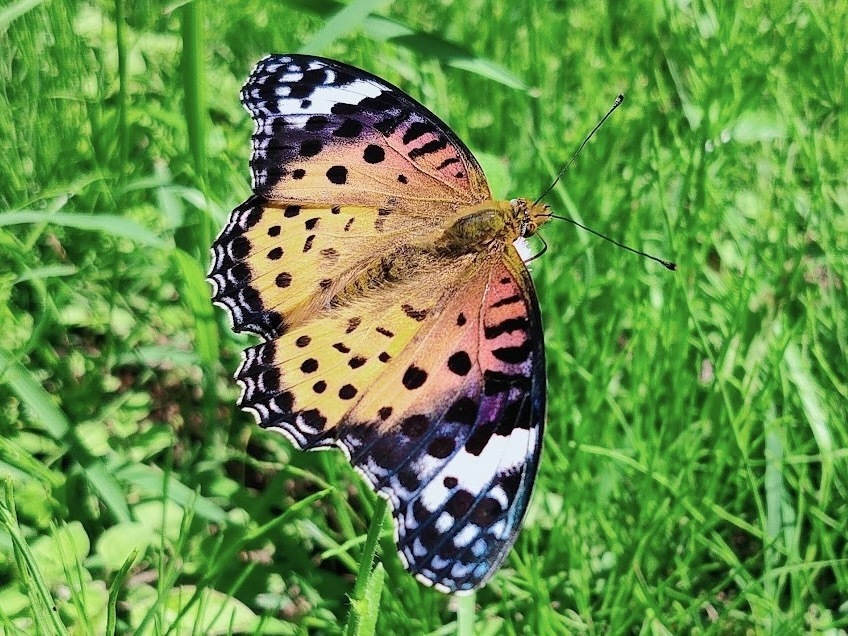
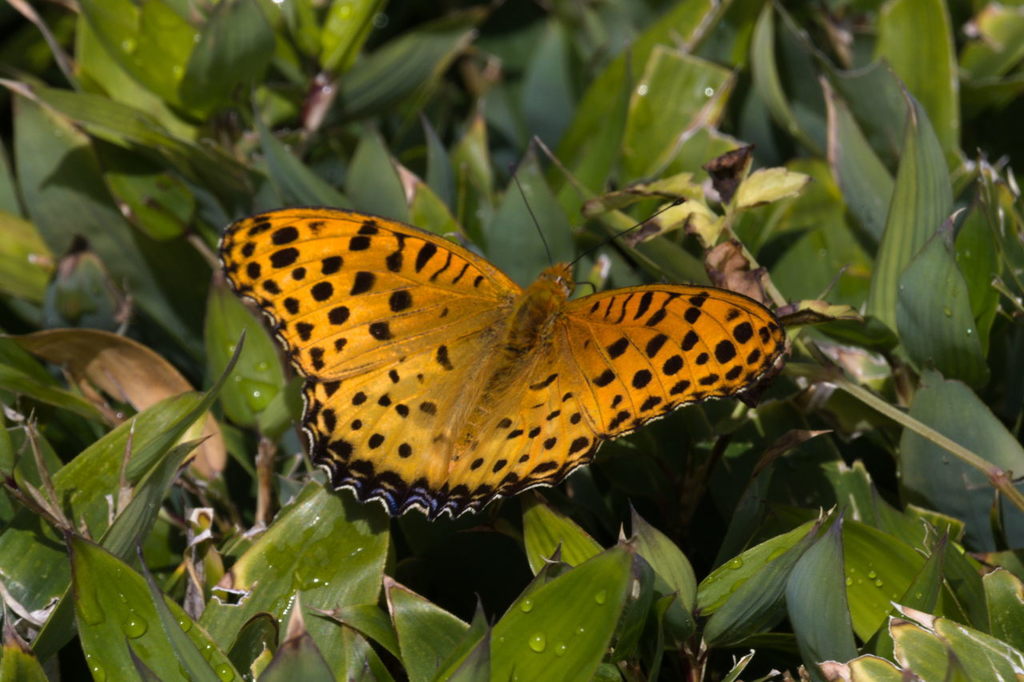
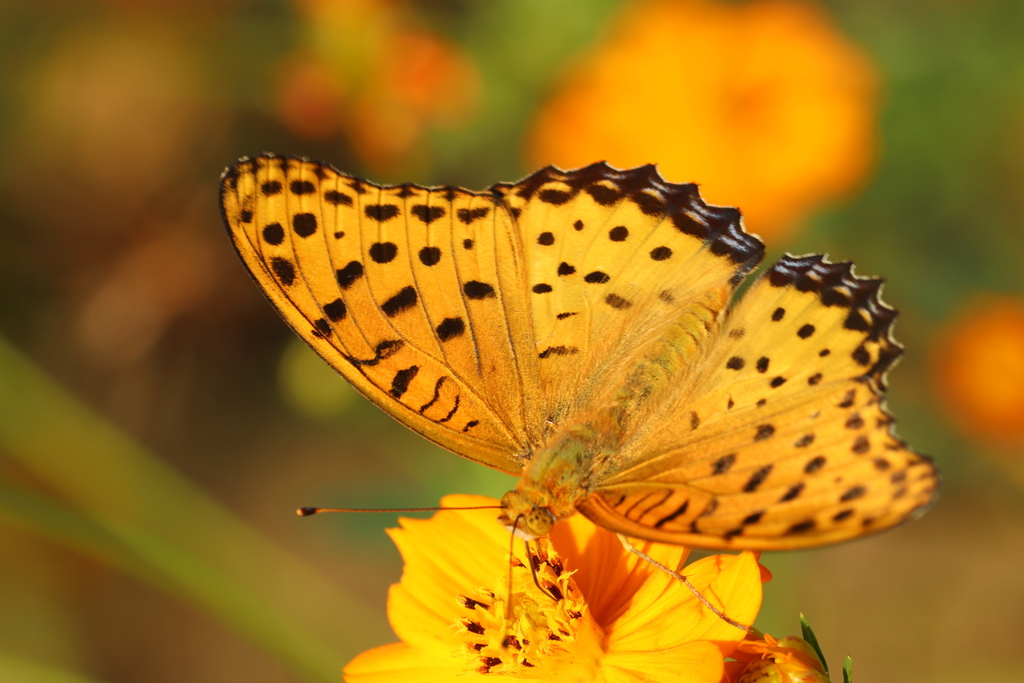
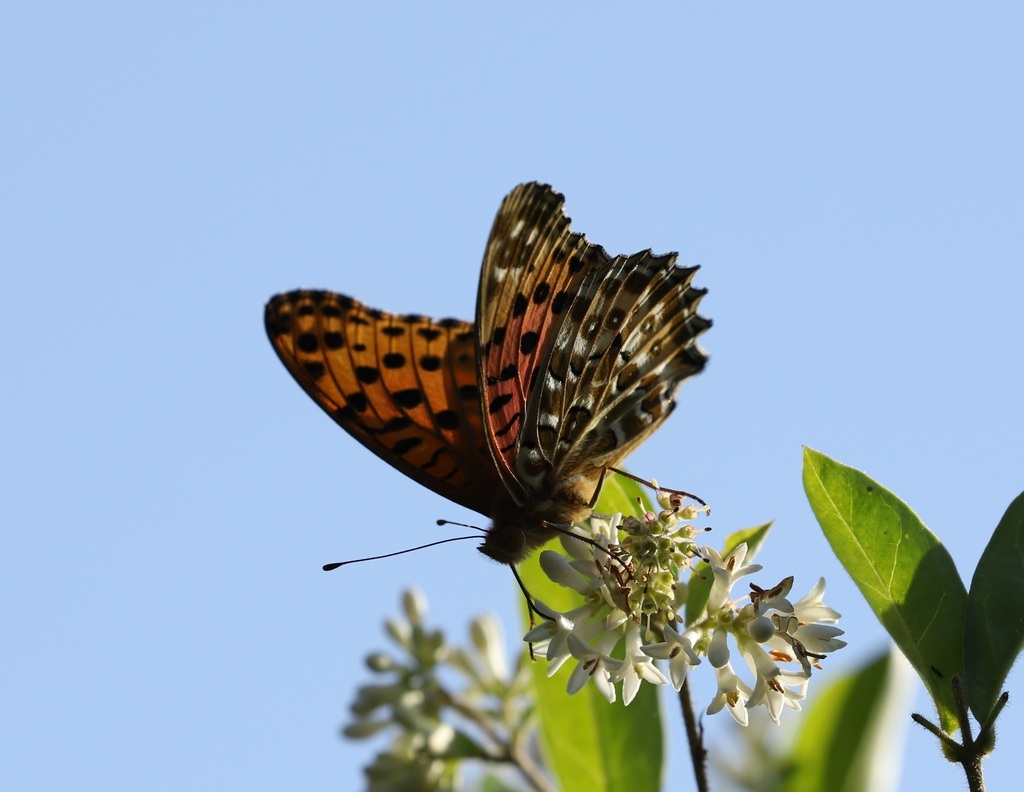
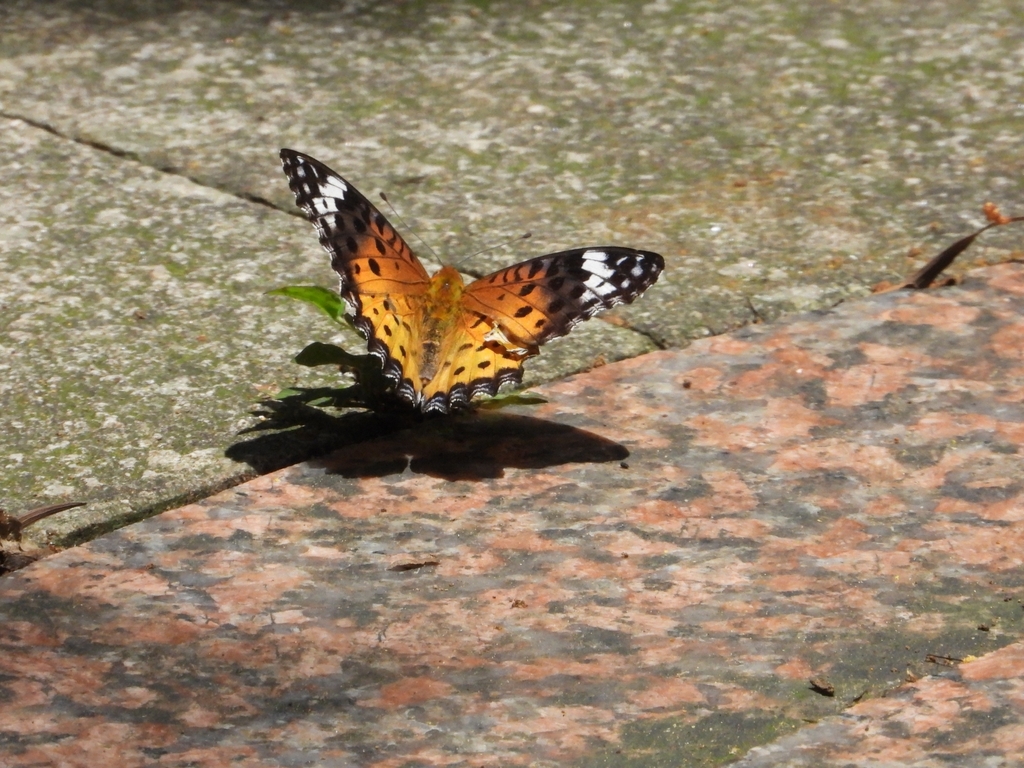
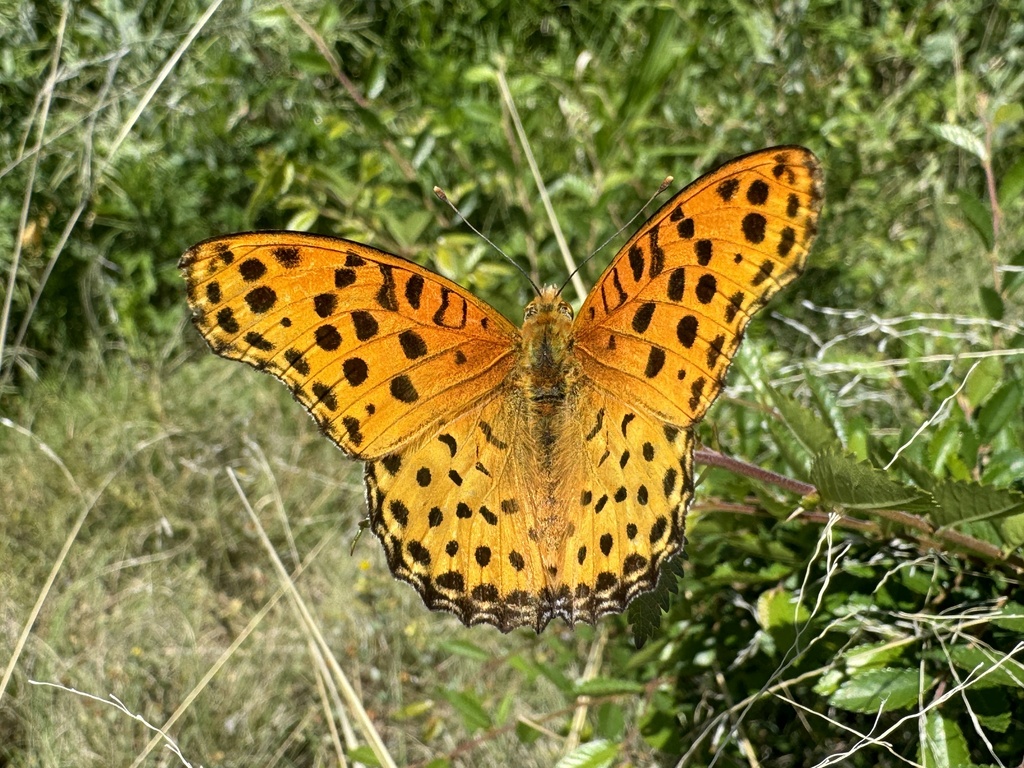
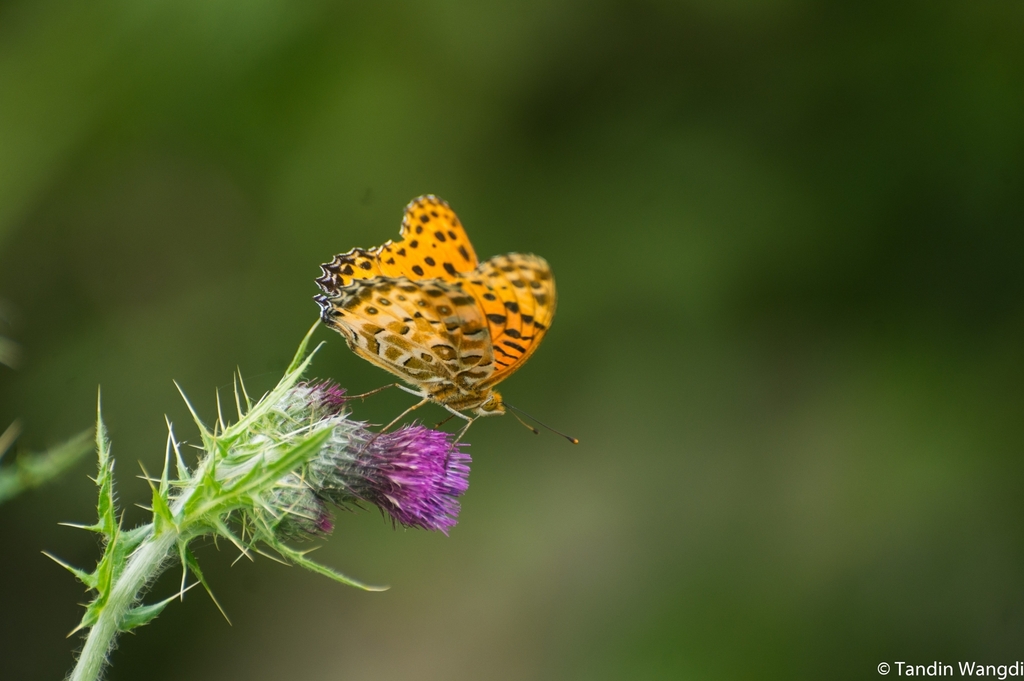
Seen an Indian fritillary?
Share your photo on iNaturalist. Other naturalists help confirm it, and the record goes to GBIF, where scientists use it and where the maps on this page come from.
Put this species on your site
The card names every source and links back here.
<iframe src="https://4planetatlas.com/place/embed/species/indian-fritillary" title="Indian fritillary (Argynnis hyperbius), 4PLANET Species" width="100%" height="600" style="border:0;max-width:640px" loading="lazy"></iframe>
<p><a href="https://4species.com/indian-fritillary">Indian fritillary on 4PLANET Species</a></p>Questions people ask
What does the Indian fritillary eat?
The Indian fritillary has been recorded eating 6 different kinds of animals and plants, most of them plants. The ones recorded most often are viola diffusa, sulphur cosmos, manchuria violet, viola formosana and long sepal violet; records include animals eaten as carrion. Source: GloBI.
Where does the Indian fritillary live?
People have recorded it in 19 countries; the most records come from Japan, China, Hong Kong SAR China, Taiwan and South Korea. Records show where people have seen it, not its full range.
When is the Indian fritillary seen most?
In the northern hemisphere, the most records are made in October and the fewest in January. More people outdoors also means more records.
Sources and photo credits
- GBIF · Argynnis hyperbius, 8,130 human observations
- GloBI · recorded interactions of Argynnis hyperbius
- Wikidata · Indian fritillary (Q67573584)
- Indian fritillary (Argynnis hyperbius): Se Lena, CC BY 4.0
- Indian fritillary (Argynnis hyperbius), Окамото, Камакура, Канагава 247-0072, Япония: Se Lena, CC BY 4.0
- Indian fritillary (Argynnis hyperbius), 日本、神奈川県横浜市金沢区: Kōsuke Onoda, CC0
- Indian fritillary (Argynnis hyperbius), 1 Chome-1 Hanakawado, Taito City, Tokyo 111-0033, Japan: Leonard Wägele, CC0
- Indian fritillary (Argynnis hyperbius), Окамото, Камакура, Канагава 247-0072, Япония: Se Lena, CC BY 4.0
- Indian fritillary (Argynnis hyperbius), Район Тоцука, Иокогама, Канагава, Япония: Se Lena, CC BY 4.0
- Indian fritillary (Argynnis hyperbius), 112台灣台北市北投區泉源里: 許慶棠Ray, CC BY 4.0
- Indian fritillary (Argynnis hyperbius), Kamiosakacho, Kyoto, Kyoto, JP: Ludovic Trochadero, CC BY 4.0
- Indian fritillary (Argynnis hyperbius), JG33+G4F, Trashiyangtse, Bhutan: Tandin Wangdi, CC BY 4.0
- Viola diffusa: 潘立傑 LICHIEH_PAN, CC BY 4.0
- Sulphur cosmos: Annika Lindqvist, CC BY 4.0
- Manchuria violet: Timur Kalininsky, CC BY 4.0
- Viola formosana: 葉子, CC0
- Long sepal violet: WATANABE Hitoshi 渡辺仁, CC BY 4.0
- Viola nagasawai: 葉子, CC0
Records show where people have seen and shared the Indian fritillary, not its full range, and some countries and months are recorded far more than others. The food web lists interactions that studies have recorded somewhere in the world (GloBI), not everything it eats in one place.
Checked 2026-11-22.