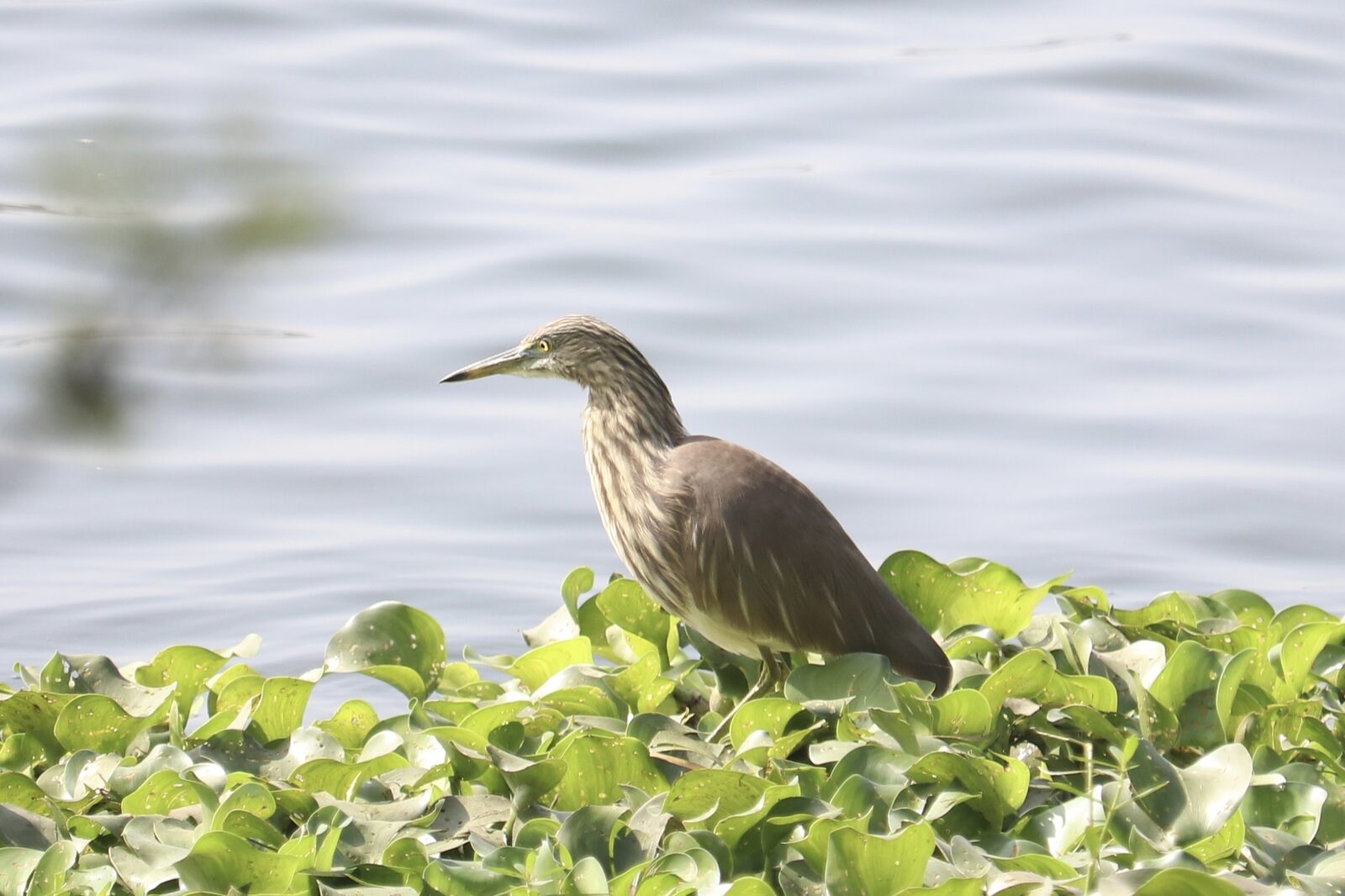
Indian Pond-Heron
Ardeola grayii
- Status
- Least Concern IUCN Red List
- Eaten by
- changeable hawk eagle
- Where
- 24 countries · kaziranga
On 4Planet Atlas it is among the wildlife people record most around Colombo, Delhi and Dhaka, and 8 more of the cities we cover.
People have shared 838,749 records of the Indian Pond-Heron with GBIF, from 24 countries, most of them from India, Sri Lanka and Nepal.
Habitats
What the Indian Pond-Heron eats, and what eats it
Studies have recorded it eating 0 kinds of animals and plants, and 2 kinds of animals eating it. Tap any of them to follow the food chain.
Eaten by
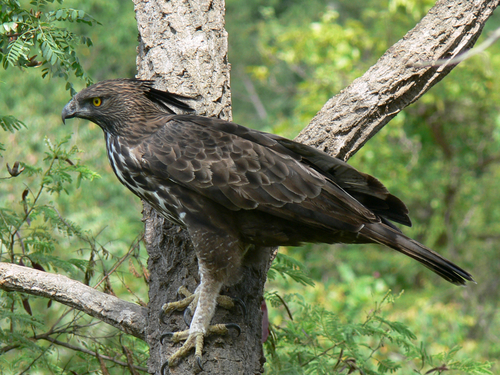 Indian Pond-Heron
Records from studies worldwide, collected by GloBI. They include animals eaten as carrion, and they are not everything it eats in one place.
Where people see the Indian Pond-Heron
People have shared 838,749 records from 24 countries.
Near a city: Colombo, Delhi, Dhaka, Islamabad, Kathmandu, Malé, Mumbai, Muscat, Naypyidaw, New Delhi, Sri Jayawardenepura Kotte.
Records show where people have seen it and shared it, not its full range. Country names open their page in Atlas.
When it is seen
Records per month in the northern hemisphere. More people outdoors also means more records.
Watch and listen
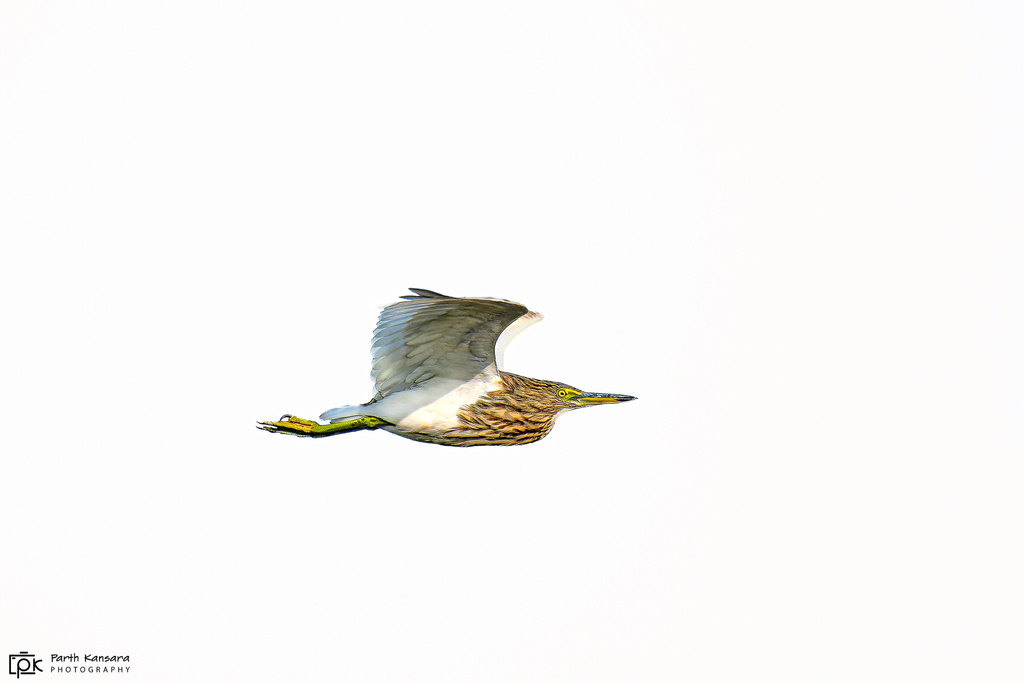
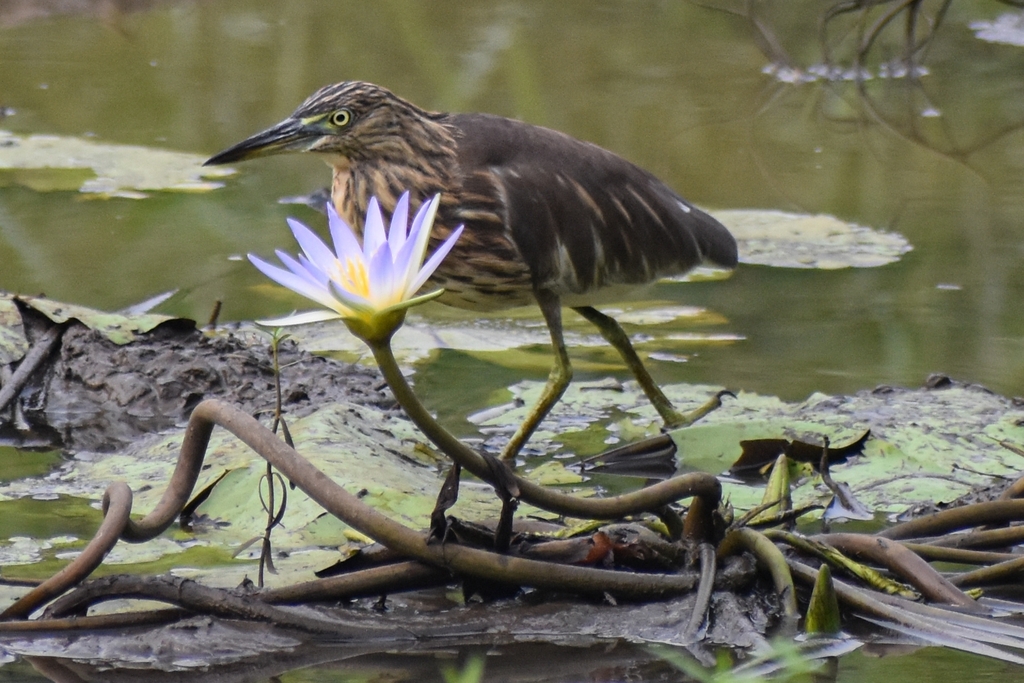
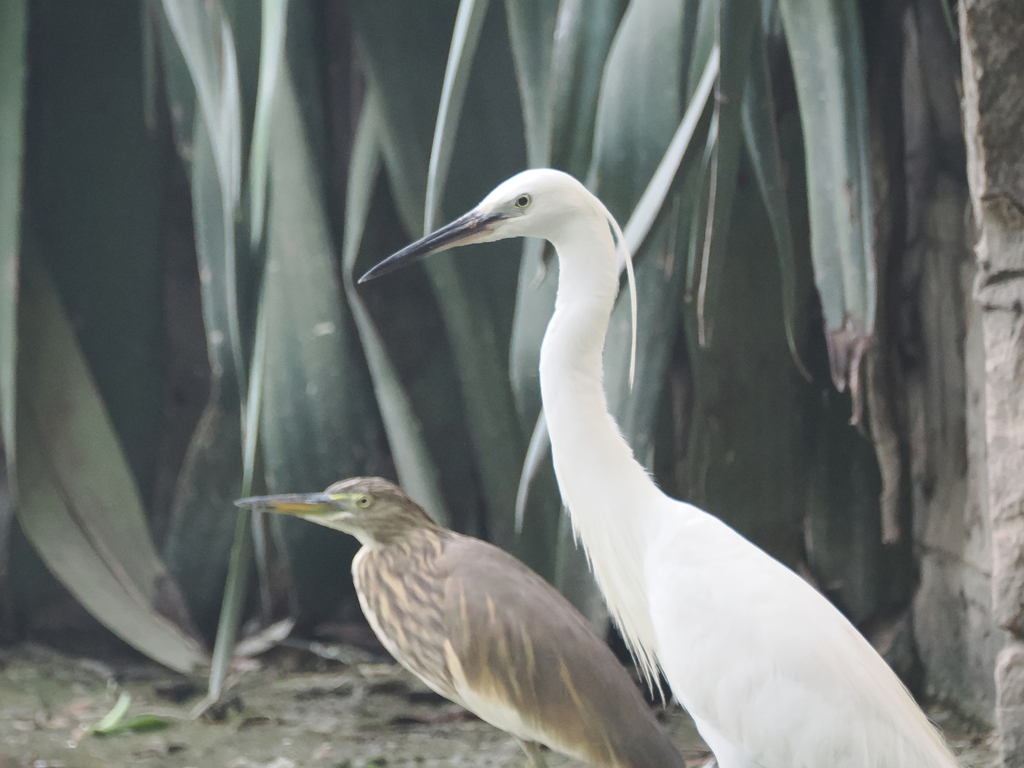
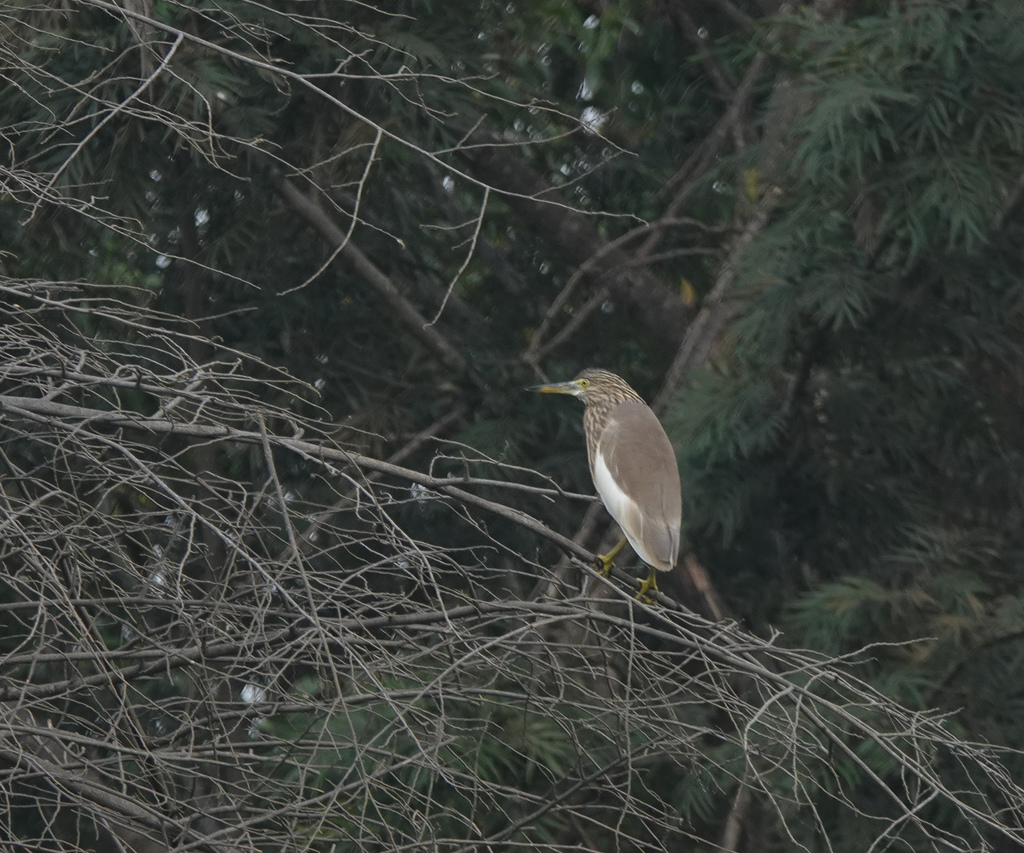
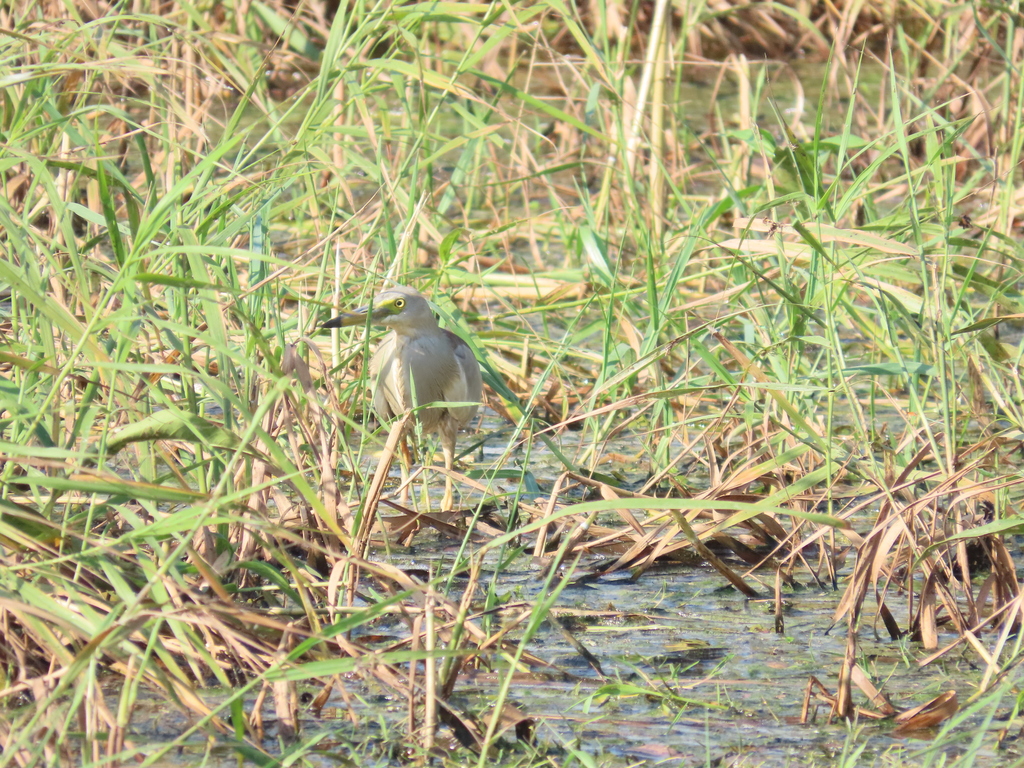
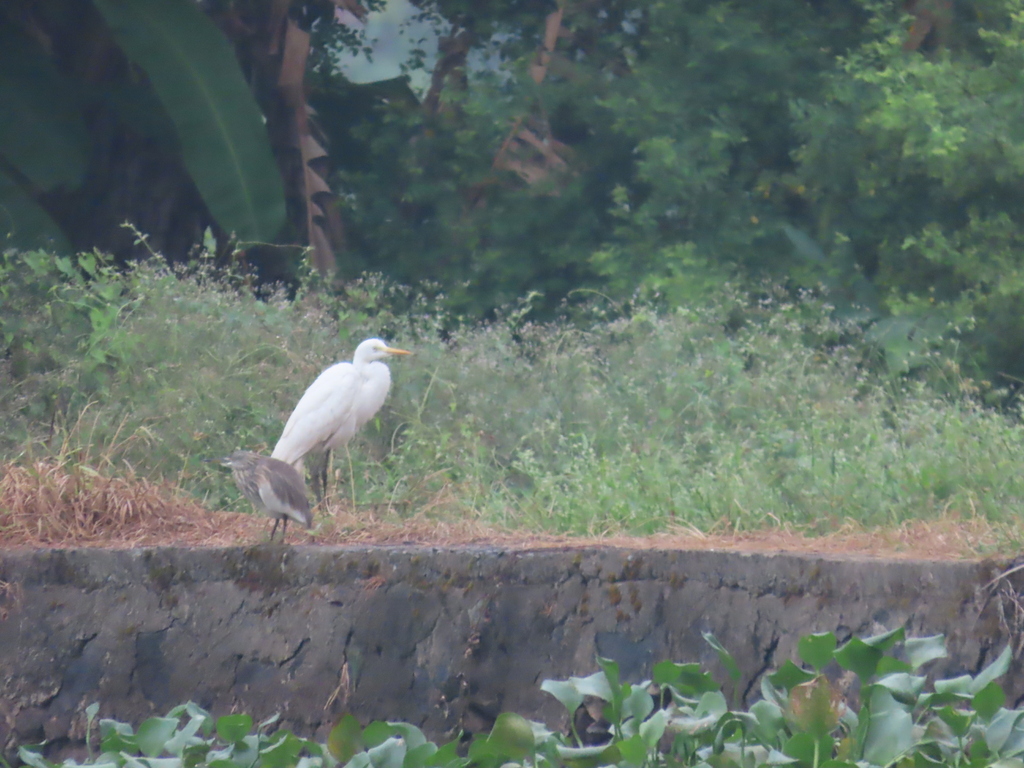
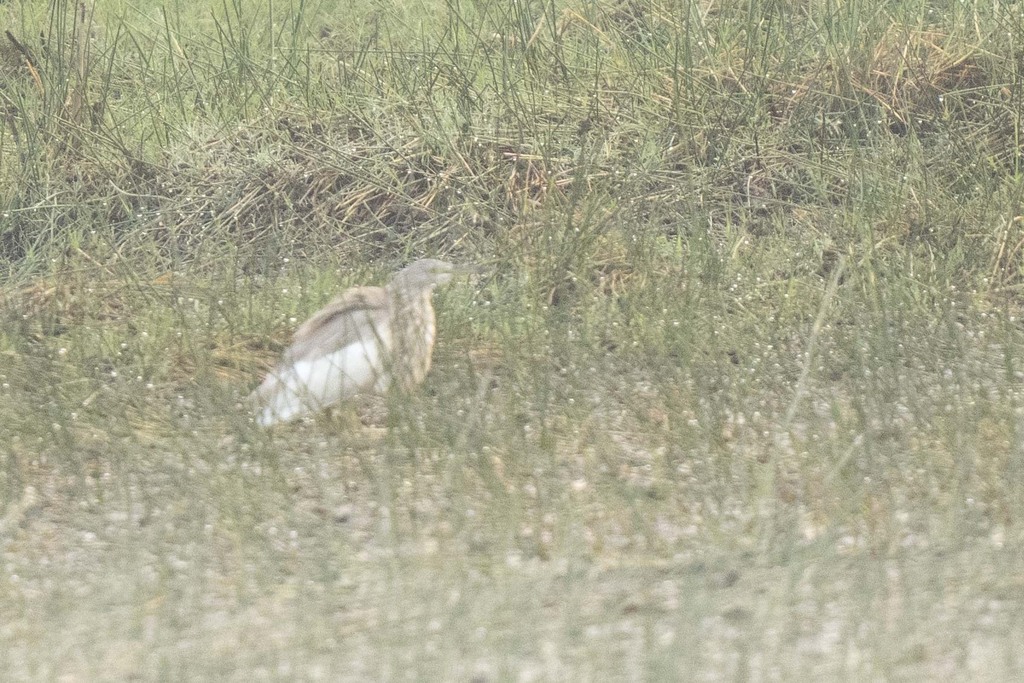
Its closest relatives
The other species of the genus Ardeola.
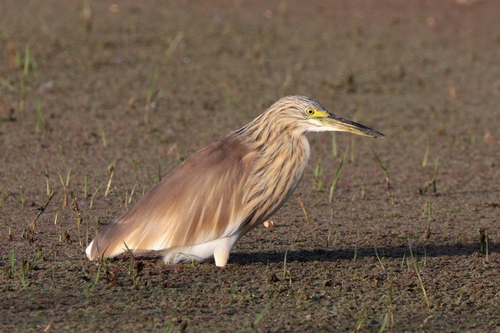

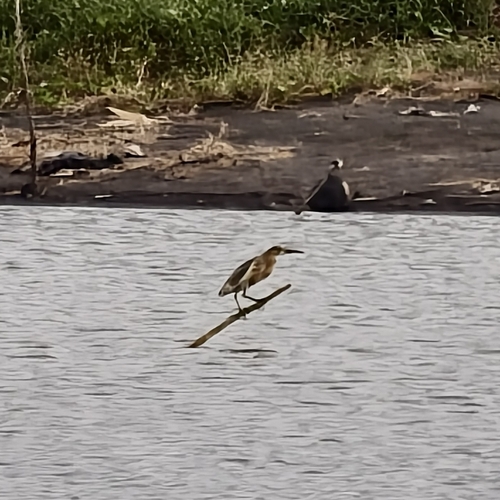
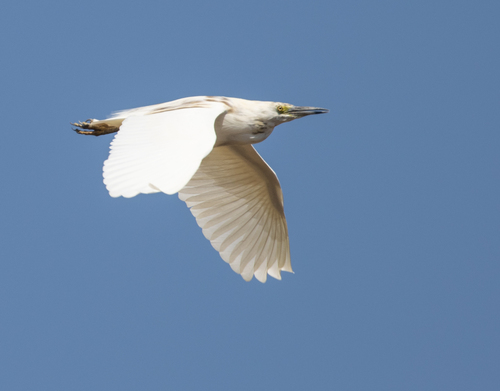
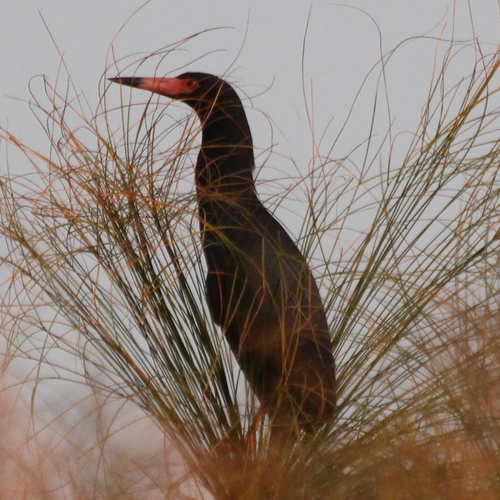
Seen an Indian Pond-Heron?
Share your photo on iNaturalist. Other naturalists help confirm it, and the record goes to GBIF, where scientists use it and where the maps on this page come from.
Put this species on your site
The card names every source and links back here.
<iframe src="https://4planetatlas.com/place/embed/species/indian-pond-heron" title="Indian Pond-Heron (Ardeola grayii), 4PLANET Species" width="100%" height="600" style="border:0;max-width:640px" loading="lazy"></iframe>
<p><a href="https://4species.com/indian-pond-heron">Indian Pond-Heron on 4PLANET Species</a></p>Questions people ask
What eats the Indian Pond-Heron?
Recorded predators include changeable hawk eagle. Source: GloBI.
Where does the Indian Pond-Heron live?
People have recorded it in 24 countries; the most records come from India, Sri Lanka, Nepal, Bangladesh and Pakistan. Records show where people have seen it, not its full range.
When is the Indian Pond-Heron seen most?
In the northern hemisphere, the most records are made in February and the fewest in July. More people outdoors also means more records.
What are the Indian Pond-Heron's closest relatives?
It shares the genus Ardeola with squacco heron, chinese pond heron, javan pond heron, malagasy pond heron and rufous-bellied heron.
Sources and photo credits
- GBIF · Ardeola grayii, 838,749 human observations
- GloBI · recorded interactions of Ardeola grayii
- Wikidata · Indian Pond-Heron (Q498428)
- Indian Pond-Heron (Ardeola grayii): sam-rajnikant, CC BY 4.0
- Indian Pond-Heron (Ardeola grayii), Kachchh, IN-GJ, IN: Parth Kansara, CC BY 4.0
- Indian Pond-Heron (Ardeola grayii), 64J6+2J4, Kachore Gaon, Dombivli, Kalyan, Maharashtra 421301, India: Tejas M, CC BY 4.0
- Indian Pond-Heron (Ardeola grayii), Lodhi Garden, Lodhi Rd, Lodhi Gardens, Lodhi Estate, New Delhi, Delhi 110003, India: Nicolás Tamargo, CC0
- Indian Pond-Heron (Ardeola grayii), Kerala, India: Navaneeth Sini George, CC BY 4.0
- Indian Pond-Heron (Ardeola grayii), Jakkur Lake, Agrahara, Bengaluru, Karnataka 560064: Rejoice Gassah, CC BY 4.0
- Indian Pond-Heron (Ardeola grayii), Kumarakom, Kerala, India: Navaneeth Sini George, CC BY 4.0
- Indian Pond-Heron (Ardeola grayii), Pallathuruthy, Pazhaveedu, Kainakary, Kerala, India: Navaneeth Sini George, CC BY 4.0
- Indian Pond-Heron (Ardeola grayii), Parque nacional de Tadoba, Maharashtra, India: Luciano Massa, CC BY 4.0
- Changeable hawk eagle: Prashanth N S, CC BY 4.0
- Squacco heron: Charles J Sharp, CC BY-SA 4.0
- Chinese pond heron: Kim, Hyun-tae, CC BY 4.0
- Javan pond heron: Alexander Regio, CC BY 4.0
- Malagasy pond heron: avocat, CC BY 4.0
- Rufous-bellied heron: Stefan Haag, CC BY 4.0
Records show where people have seen and shared the Indian Pond-Heron, not its full range, and some countries and months are recorded far more than others. The food web lists interactions that studies have recorded somewhere in the world (GloBI), not everything it eats in one place.
Checked 2026-11-24.