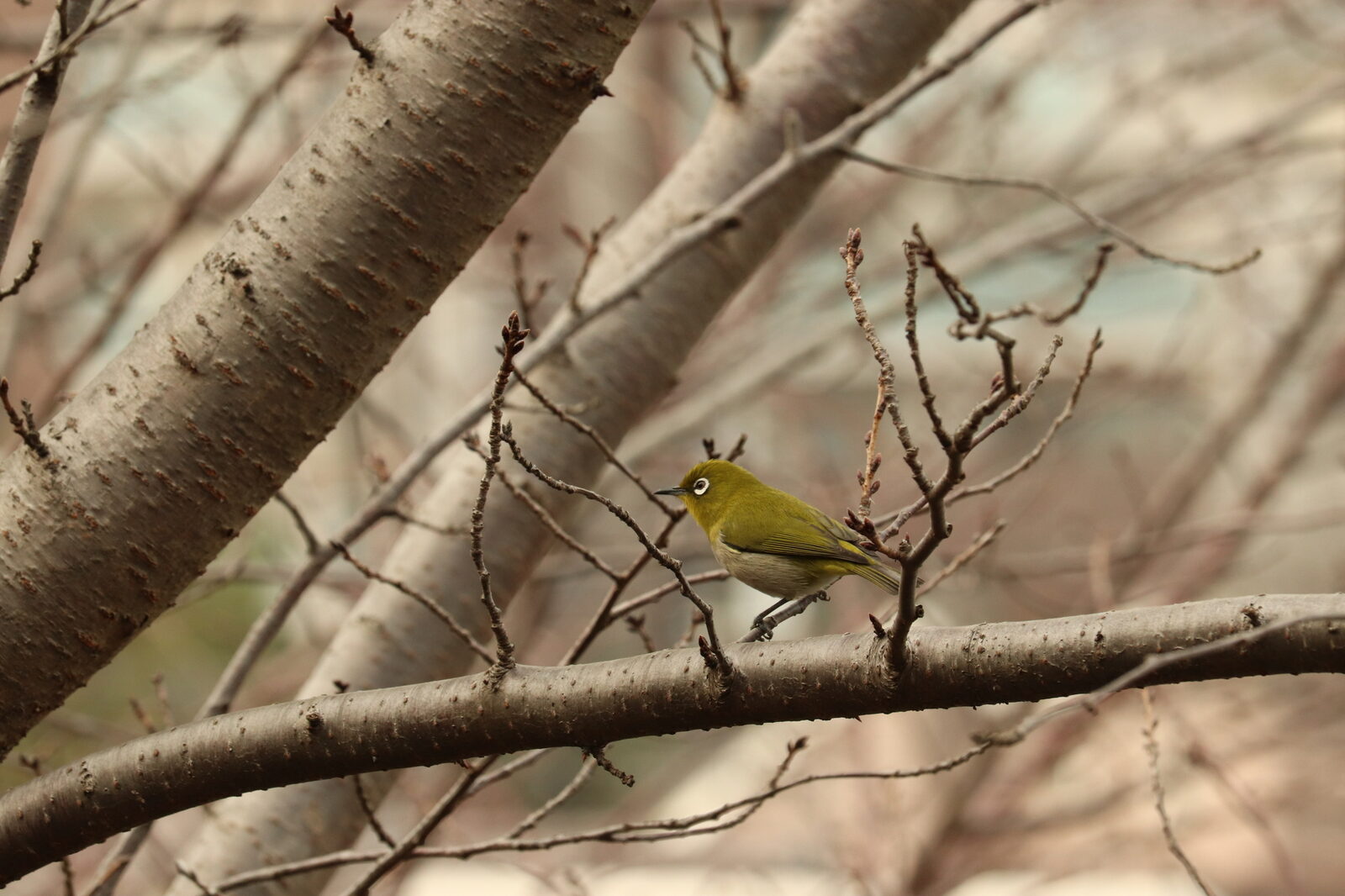
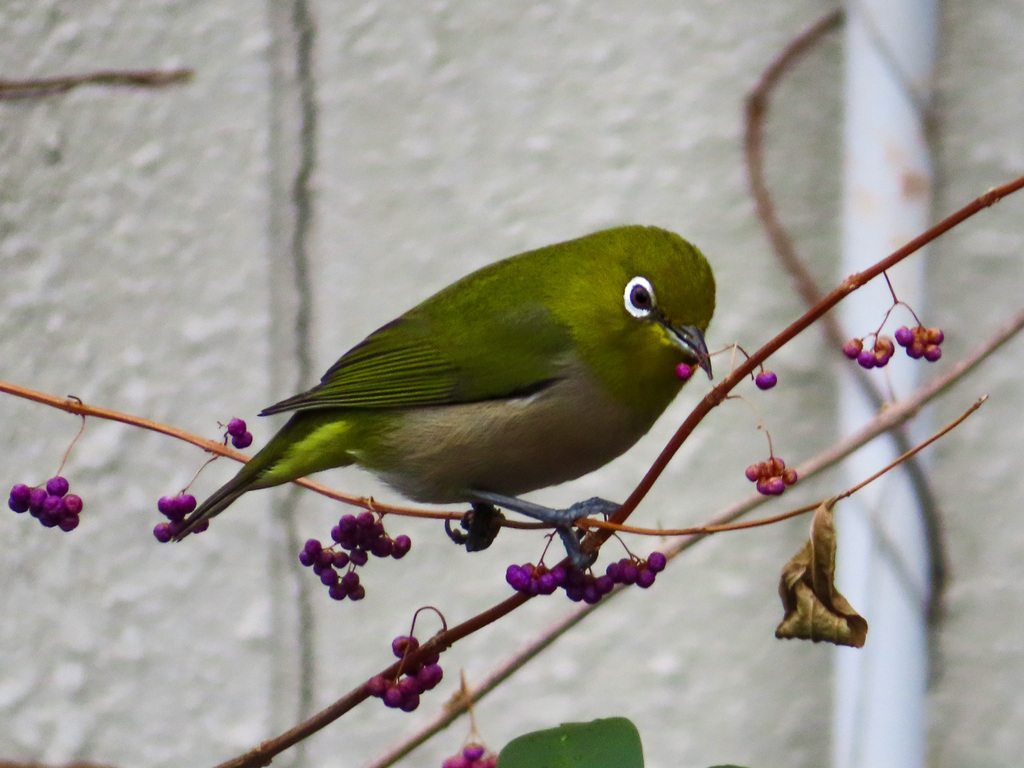
Japanese white-eye
Zosterops japonicus
- Status
- IUCN Red List
- Eats
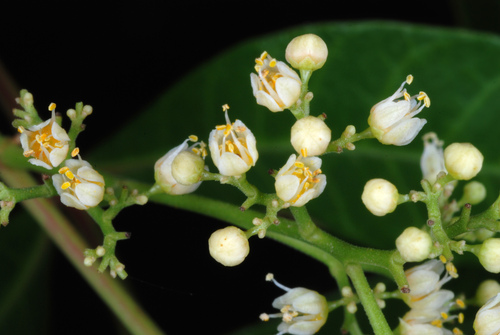
- balsam pear, purple granadilla, java plum and 89 more
- Eaten by
- great evening bat
- Where
- 9 countries
On 4Planet Atlas it is among the wildlife people record most around Dili, Seoul and Tokyo.
People have shared 227,681 records of the Japanese white-eye with GBIF, from 9 countries, most of them from United States, Japan and South Korea. Records collected by GloBI show it eating 92 different kinds of animals and plants, and being eaten by 1.
What the Japanese white-eye eats, and what eats it
Studies have recorded it eating 92 kinds of animals and plants, and 1 kinds of animals eating it. Tap any of them to follow the food chain.
- Plants 89
- Insects 1
Eaten by
Japanese white-eye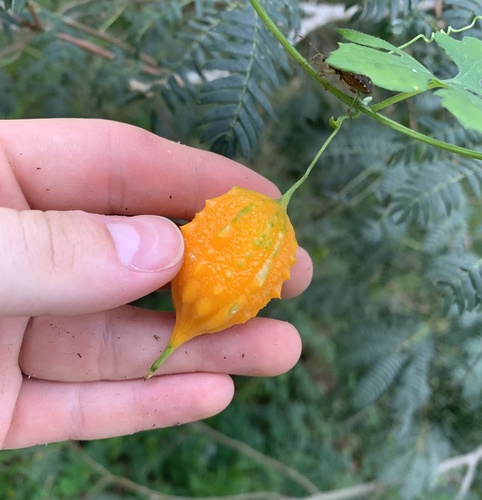
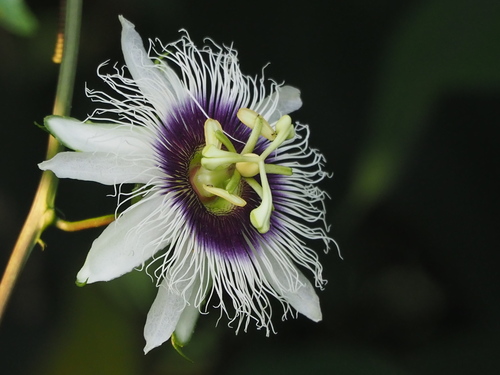
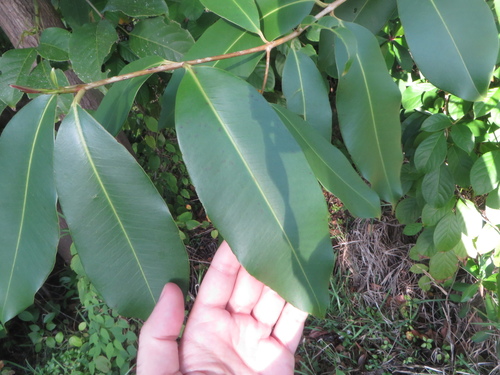
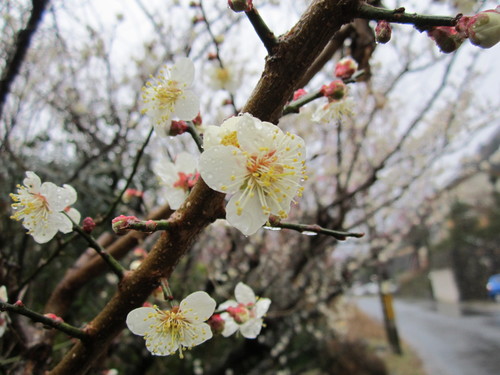
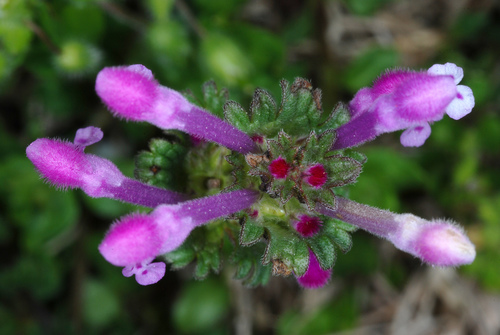
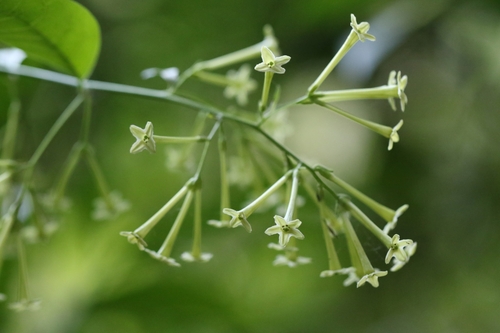
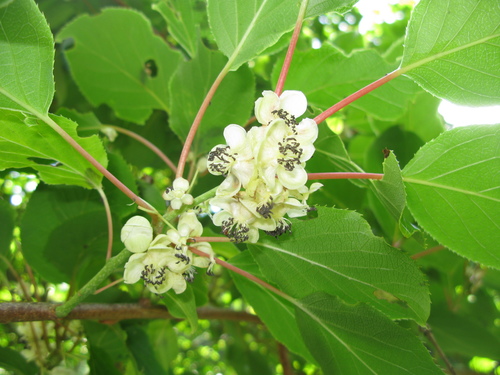
Records from studies worldwide, collected by GloBI. They include animals eaten as carrion, and they are not everything it eats in one place.
Where people see the Japanese white-eye
People have shared 227,681 records from 9 countries.
Near a city: Dili, Seoul, Tokyo.
Records show where people have seen it and shared it, not its full range. Country names open their page in Atlas.
When it is seen
Records per month in the northern hemisphere. More people outdoors also means more records.
Watch and listen
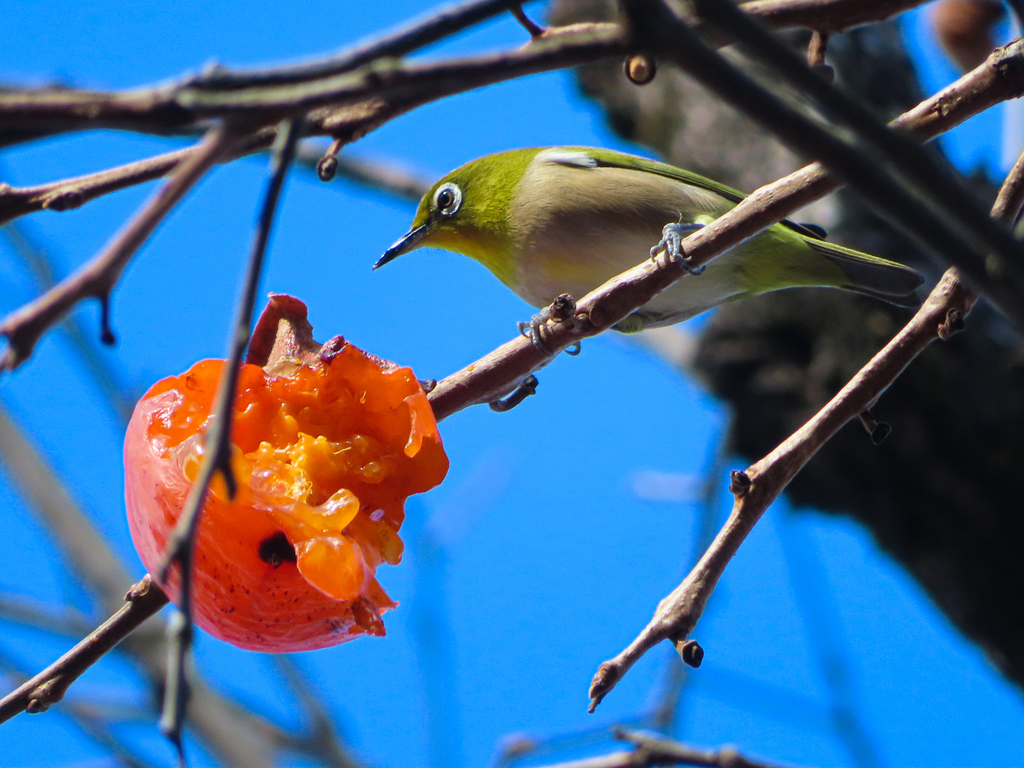
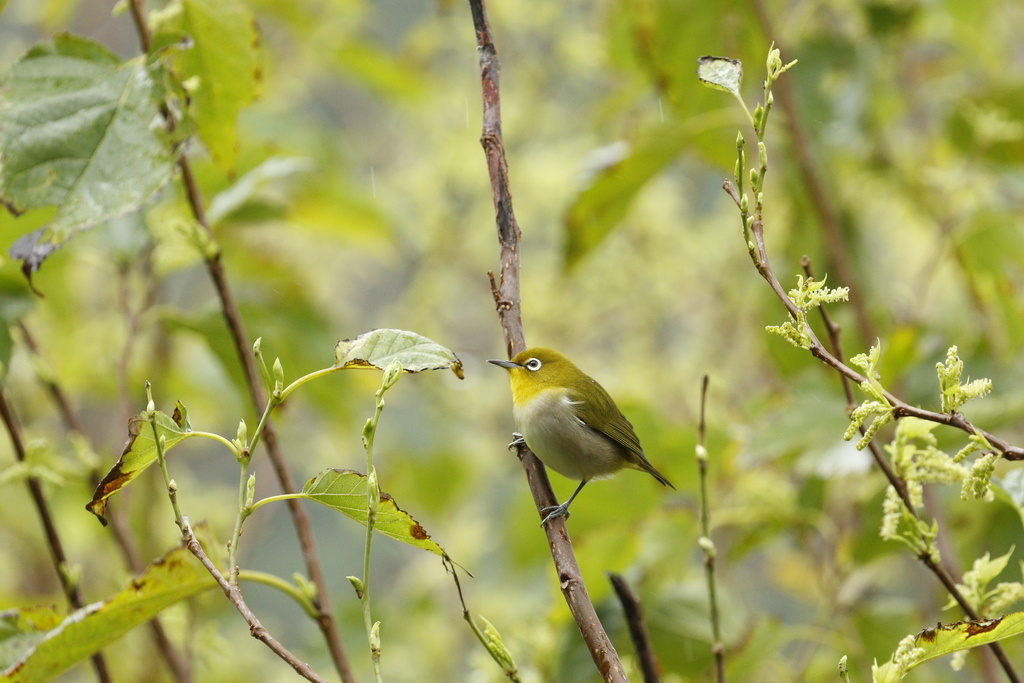
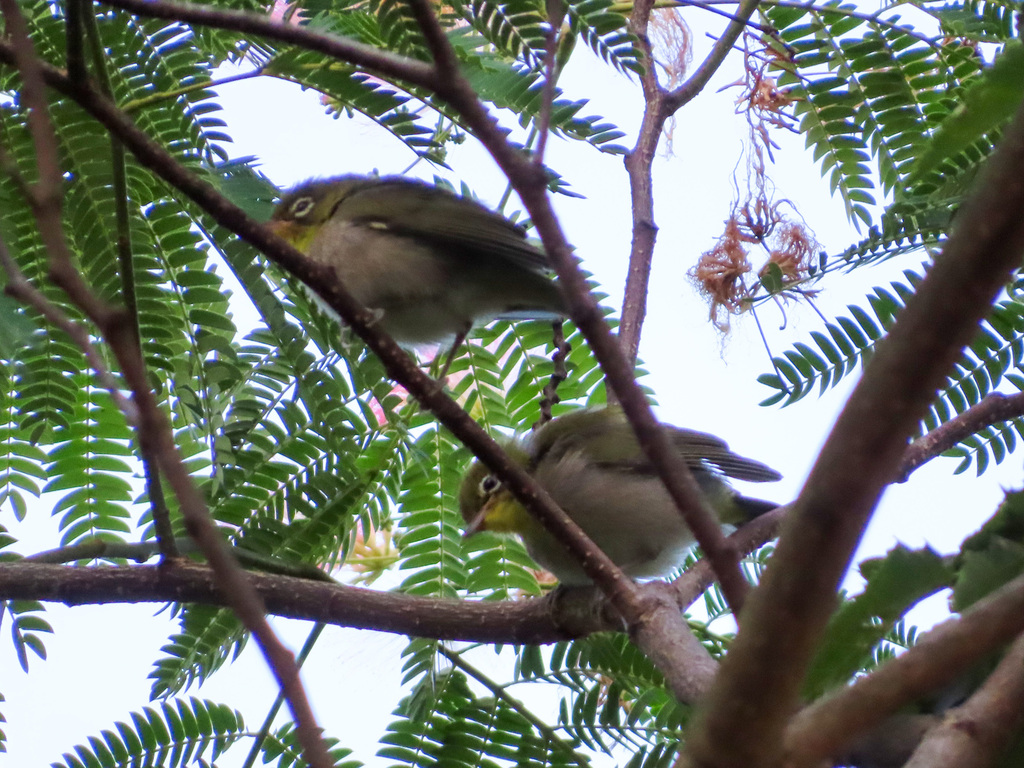
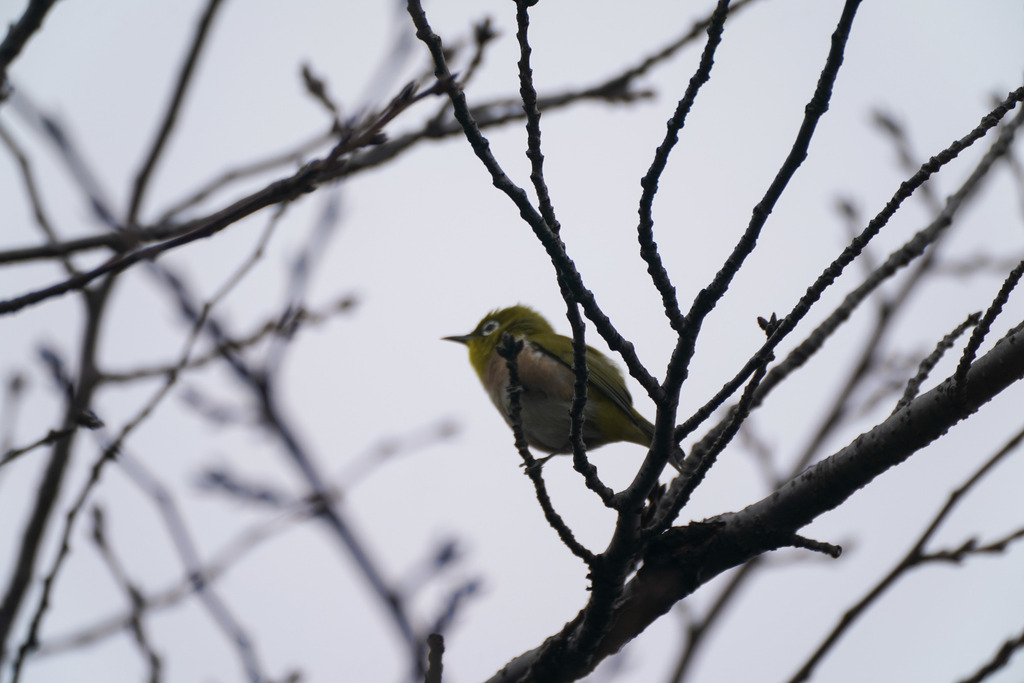
Its closest relatives
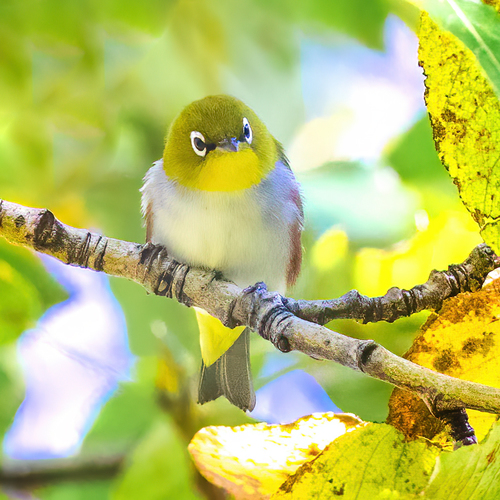
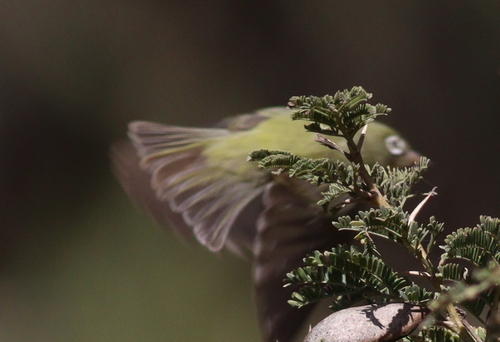
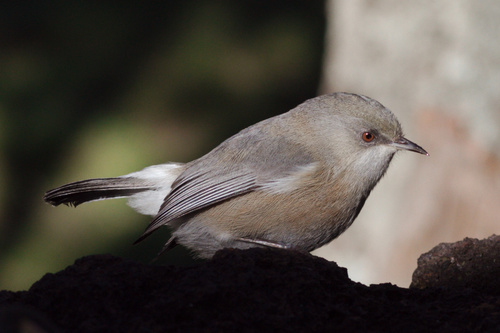
The other species of the genus Zosterops.


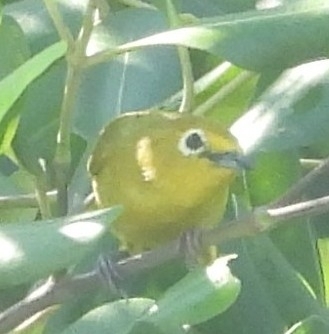
Seen a Japanese white-eye?
Share your photo on iNaturalist. Other naturalists help confirm it, and the record goes to GBIF, where scientists use it and where the maps on this page come from.
Put this species on your site
The card names every source and links back here.
<iframe src="https://4planetatlas.com/place/embed/species/japanese-white-eye" title="Japanese white-eye (Zosterops japonicus), 4PLANET Species" width="100%" height="600" style="border:0;max-width:640px" loading="lazy"></iframe>
<p><a href="https://4species.com/japanese-white-eye">Japanese white-eye on 4PLANET Species</a></p>Questions people ask
What does the Japanese white-eye eat?
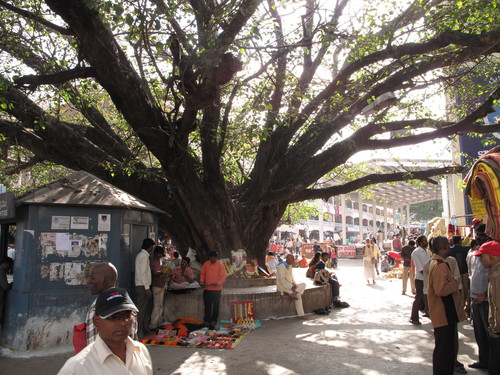
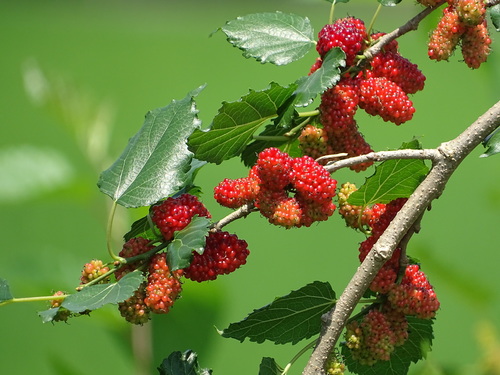
The Japanese white-eye has been recorded eating 92 different kinds of animals and plants, most of them plants and insects. The ones recorded most often are balsam pear, purple granadilla, java plum, peepul tree and white mulberry; records include animals eaten as carrion. Source: GloBI.
What eats the Japanese white-eye?
Recorded predators include great evening bat. Source: GloBI.
Where does the Japanese white-eye live?
People have recorded it in 9 countries; the most records come from United States, Japan, South Korea, Philippines and Taiwan. Records show where people have seen it, not its full range.
When is the Japanese white-eye seen most?
In the northern hemisphere, the most records are made in January and the fewest in August. More people outdoors also means more records.
What are the Japanese white-eye's closest relatives?
It shares the genus Zosterops with mauritius olive white-eye, chestnut-flanked white-eye, white-chested white-eye, abyssinian white-eye and réunion grey white-eye.
Sources and photo credits
- GBIF · Zosterops japonicus, 227,681 human observations
- GloBI · recorded interactions of Zosterops japonicus
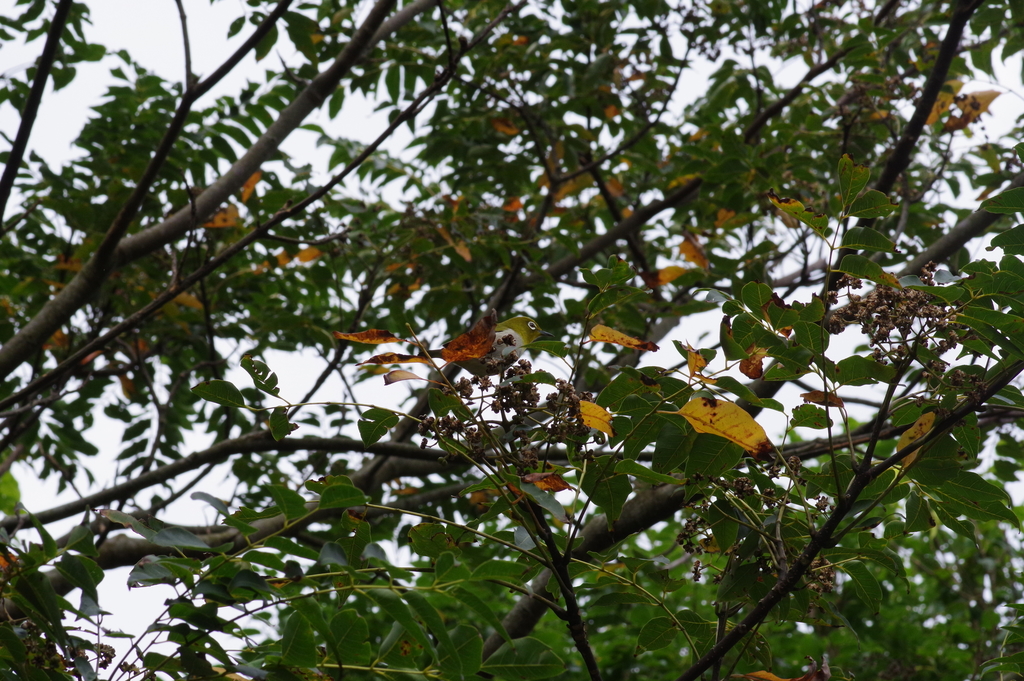
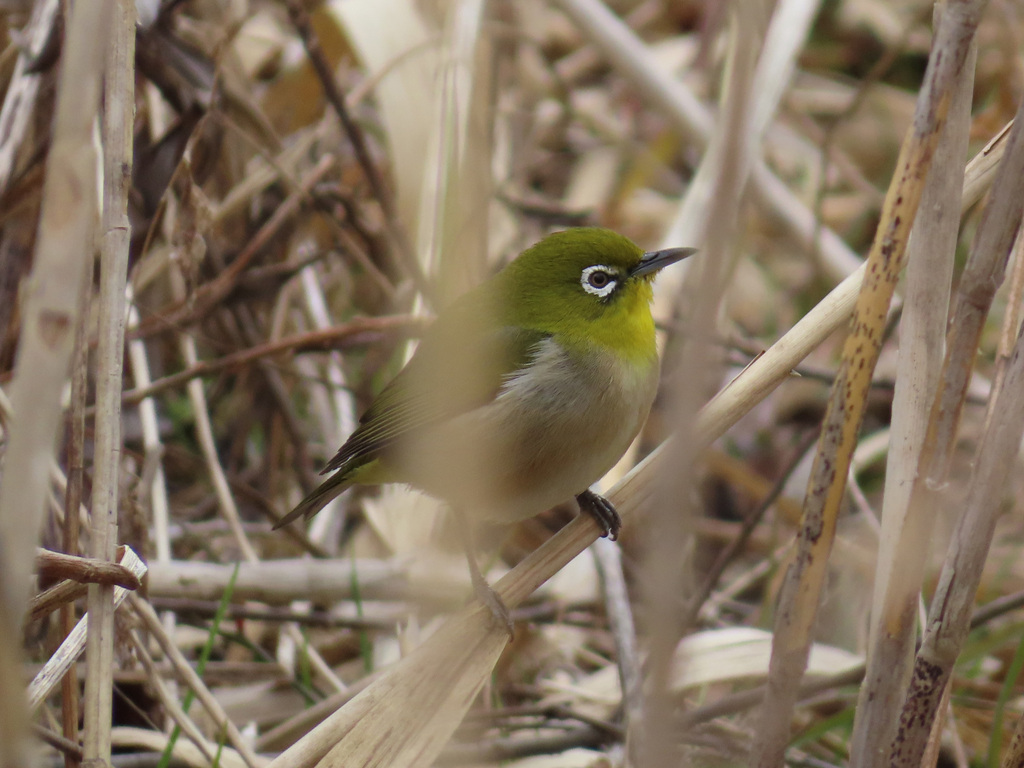
- Japanese white-eye (Zosterops japonicus): Se Lena, CC BY 4.0
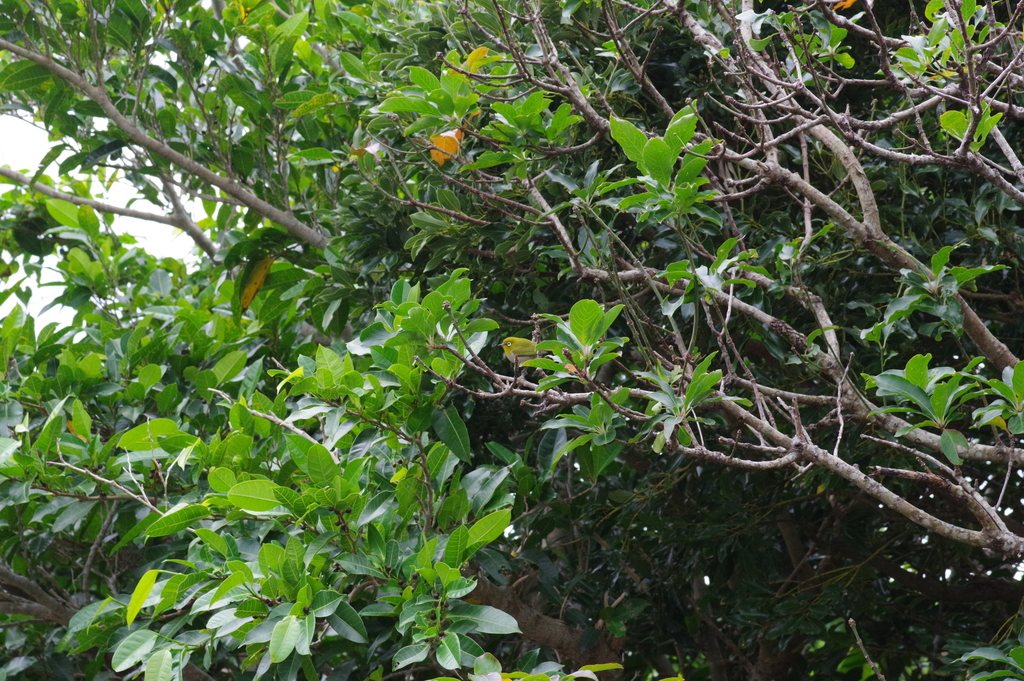
- Japanese white-eye (Zosterops japonicus), 日本、〒905-1422 沖縄県国頭郡国頭村字宜名真: Takaaki Hattori, CC BY 4.0
- Japanese white-eye (Zosterops japonicus), 日本、〒905-1422 沖縄県国頭郡国頭村字宜名真: Takaaki Hattori, CC BY 4.0
- Japanese white-eye (Zosterops japonicus), Район Аоба, Сендай, Мияги, Япония: Timur Kalininsky, CC BY 4.0
- Japanese white-eye (Zosterops japonicus), Район Аоба, Сендай, Мияги, Япония: Timur Kalininsky, CC BY 4.0
- Japanese white-eye (Zosterops japonicus), 261台灣宜蘭縣頭城鎮: Mickey Wu, CC BY 4.0
- Japanese white-eye (Zosterops japonicus), Район Аоба, Сендай, Мияги, Япония: Timur Kalininsky, CC BY 4.0
- Japanese white-eye (Zosterops japonicus), 日本、東京都多摩市一ノ宮: WATANABE Hitoshi 渡辺仁, CC BY 4.0
- Japanese white-eye (Zosterops japonicus), Район Аоба, Сендай, Мияги, Япония: Timur Kalininsky, CC BY 4.0
- Balsam pear: natalie, CC0
- Purple granadilla: 葉子, CC0
- Java plum: Ben Machado, CC BY 4.0
- Peepul tree: Yoav Daniel Bar-Ness, CC BY 4.0
- White mulberry: no rights reserved, uploaded by 葉子, CC0
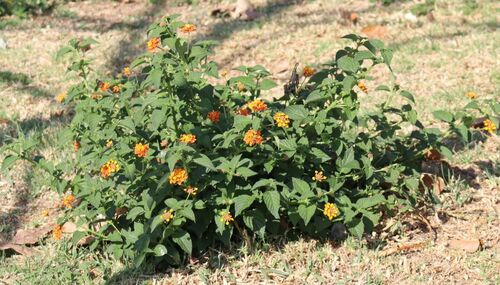
- Common lantana: no rights reserved, uploaded by Dave Brown, CC0
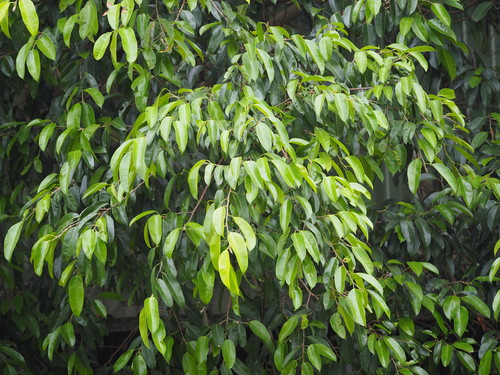
- Weeping fig: no rights reserved, uploaded by 葉子, CC0
- Japanese apricot: Richard Littauer, CC BY 4.0
- Henbit dead-nettle: Douglas Goldman, CC BY-SA 4.0
- Night jessamine: Agnes Trekker, CC0
- Hardy kiwi: Qwert1234, CC BY-SA 4.0
- Brazilian peppertree: Douglas Goldman, CC BY-SA 4.0
- Mauritius olive white-eye: Eliane Küpfer, CC BY-SA 4.0
- Chestnut-flanked white-eye: egorbirder, CC BY 4.0
- Abyssinian white-eye: Jan Ebr & Ivana Ebrová, CC BY 4.0
- Réunion grey white-eye: Benoit NABHOLZ, CC BY-SA 4.0
- Bridled white-eye: Peter, CC BY-SA 4.0
- Javan white-eye: Octavianti Shanna, CC BY 4.0
- Black-capped white-eye: lunarjade, CC BY 4.0
Records show where people have seen and shared the Japanese white-eye, not its full range, and some countries and months are recorded far more than others. The food web lists interactions that studies have recorded somewhere in the world (GloBI), not everything it eats in one place.
Checked 2026-11-24.