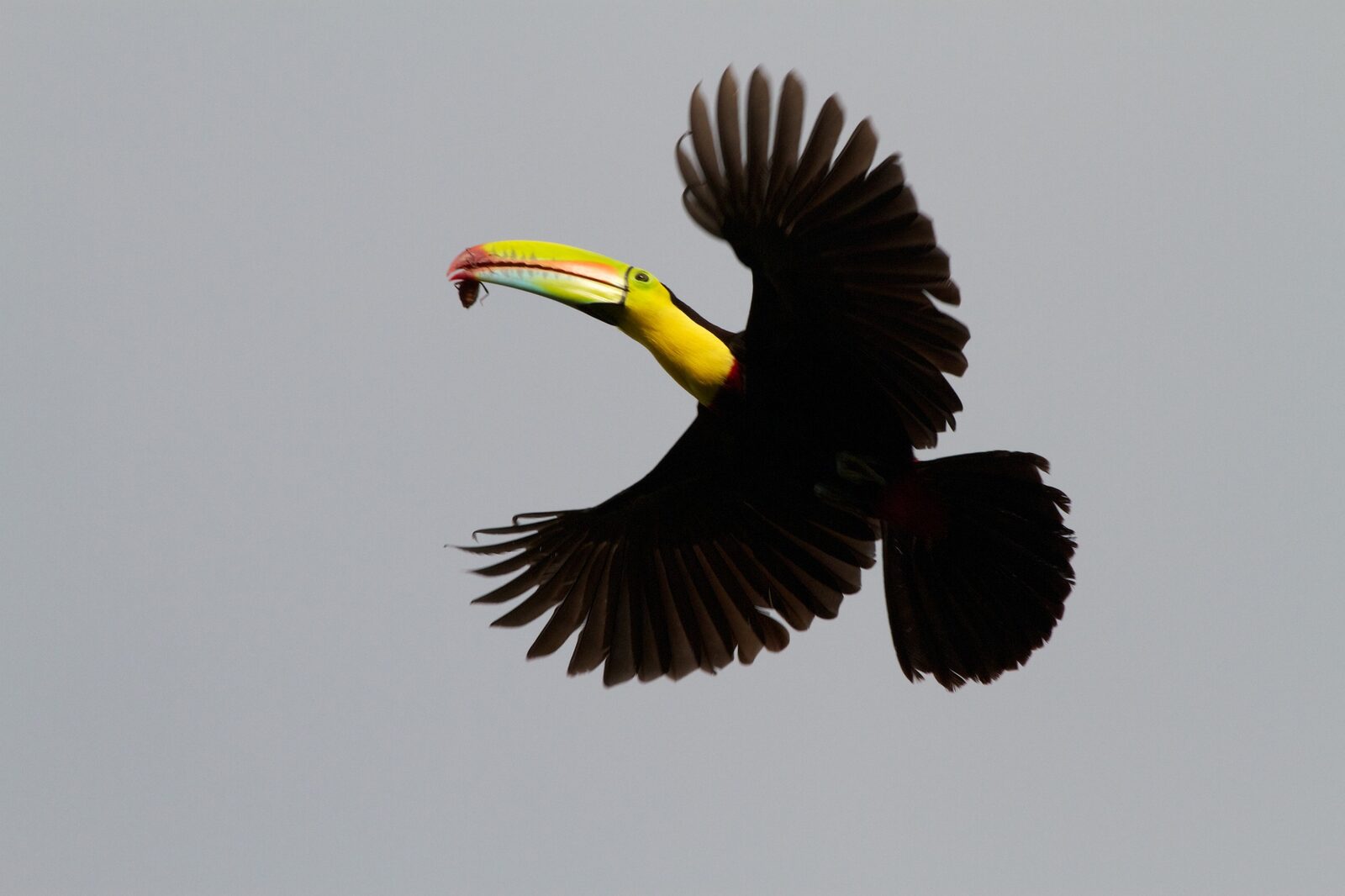
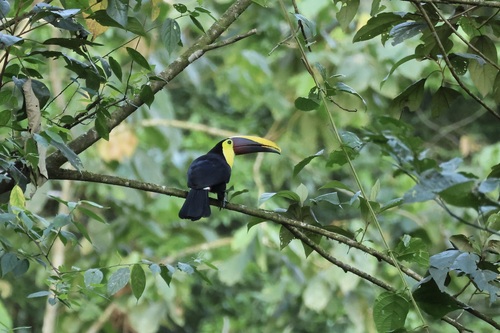
Keel-billed toucan
Ramphastos sulfuratus
- Status
- Near Threatened IUCN Red List
- Eats
- scarletbush, florida strangler fig, wax mallow and 119 more
- Where
- 10 countries
On 4Planet Atlas it is among the wildlife people record most around Belmopan, Panama City and San José.
People have shared 287,842 records of the keel-billed toucan with GBIF, from 10 countries, most of them from Costa Rica, Panama and Belize. Records collected by GloBI show it eating 122 different kinds of animals and plants.
What the keel-billed toucan eats, and what eats it
Studies have recorded it eating 122 kinds of animals and plants. Tap any of them to follow the food chain.
- Plants 117
- Birds 1
Keel-billed toucan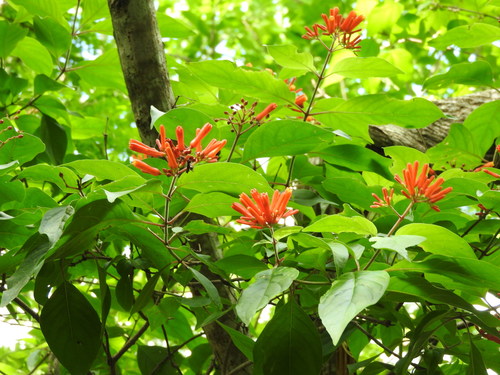
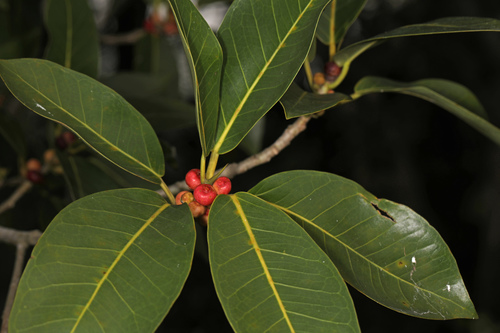
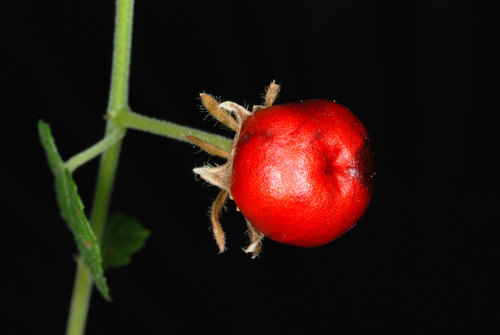

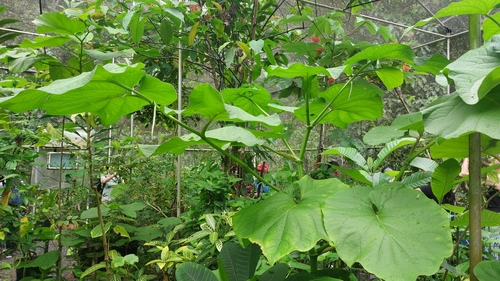
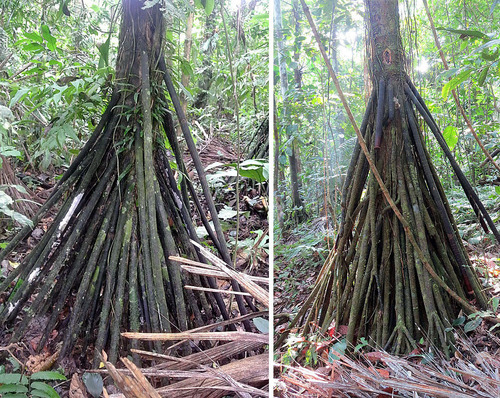
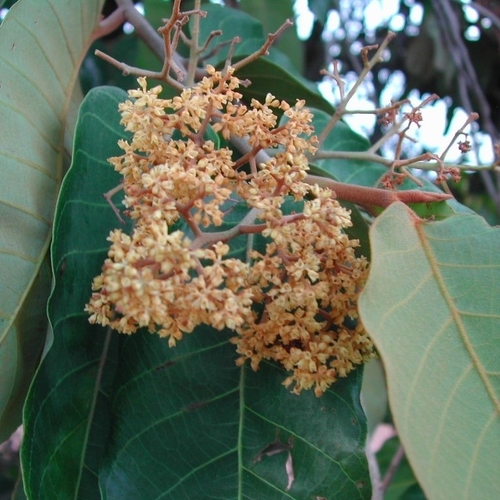
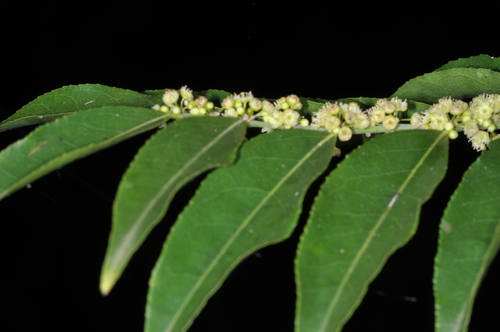
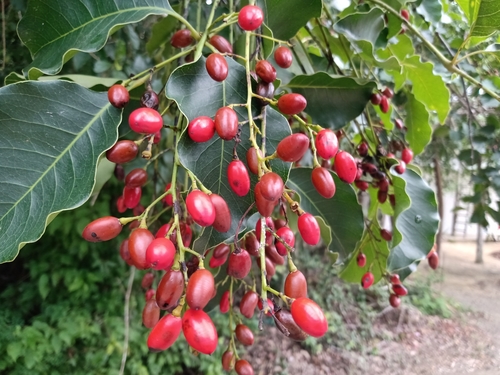
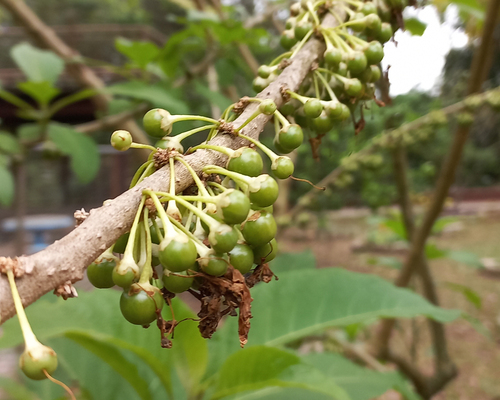
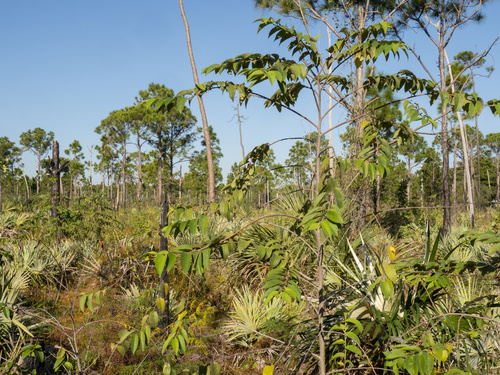
Records from studies worldwide, collected by GloBI. They include animals eaten as carrion, and they are not everything it eats in one place.
Where people see the keel-billed toucan
People have shared 287,842 records from 10 countries.
Near a city: Belmopan, Panama City, San José.
Records show where people have seen it and shared it, not its full range. Country names open their page in Atlas.
When it is seen
Records per month in the northern hemisphere. More people outdoors also means more records.
Watch and listen
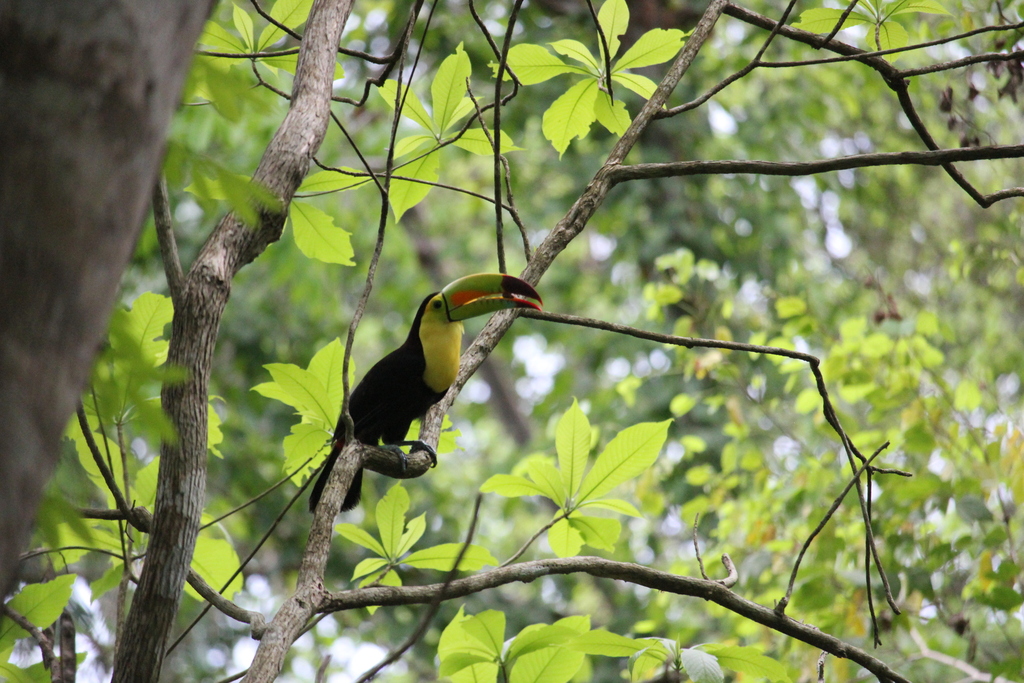
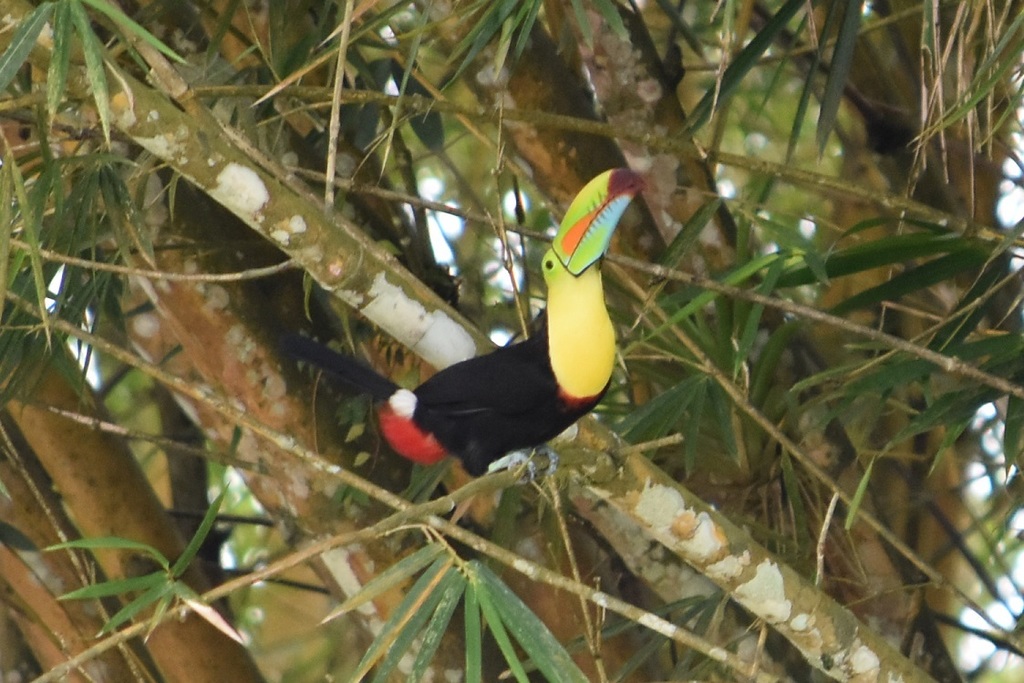
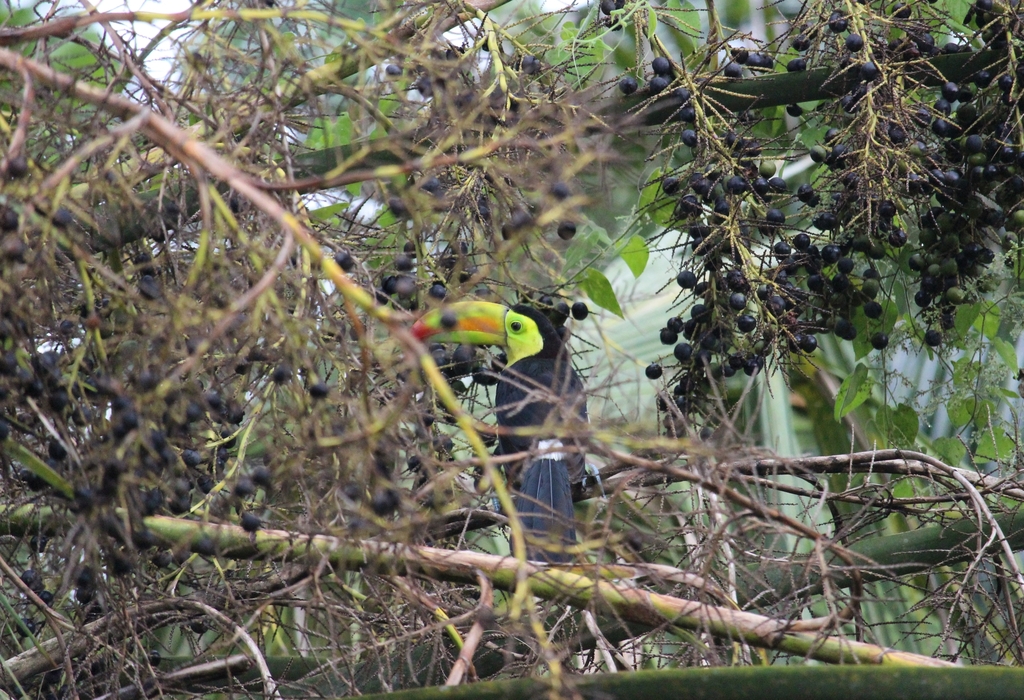
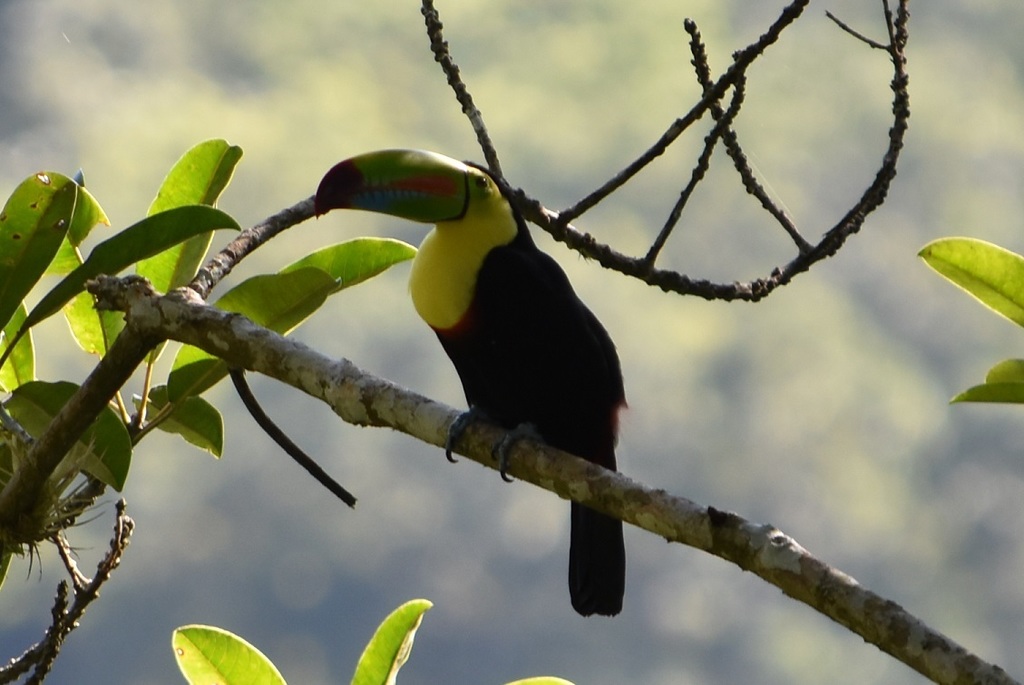
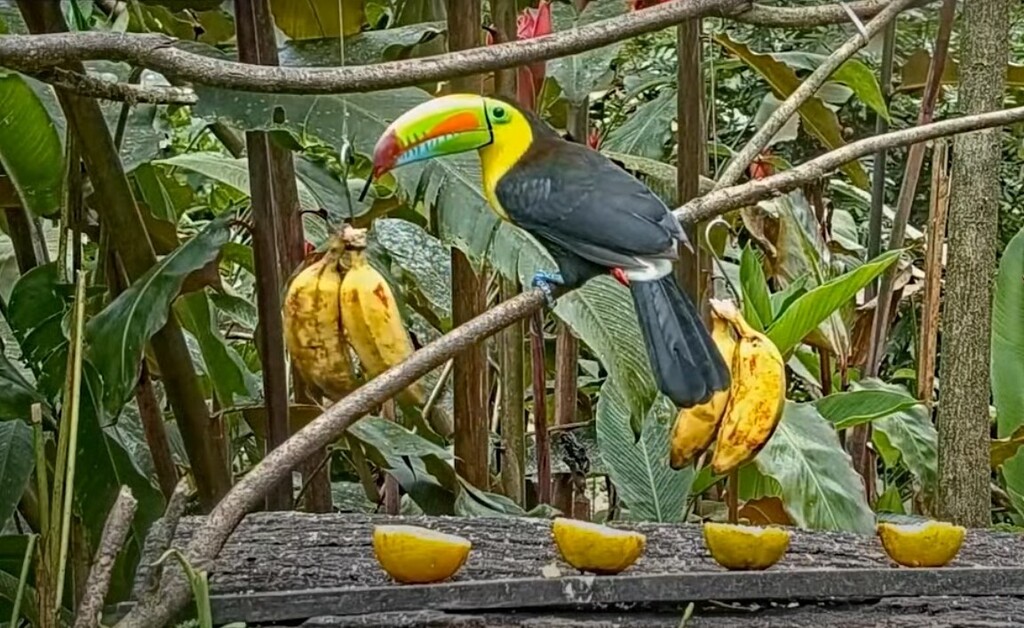
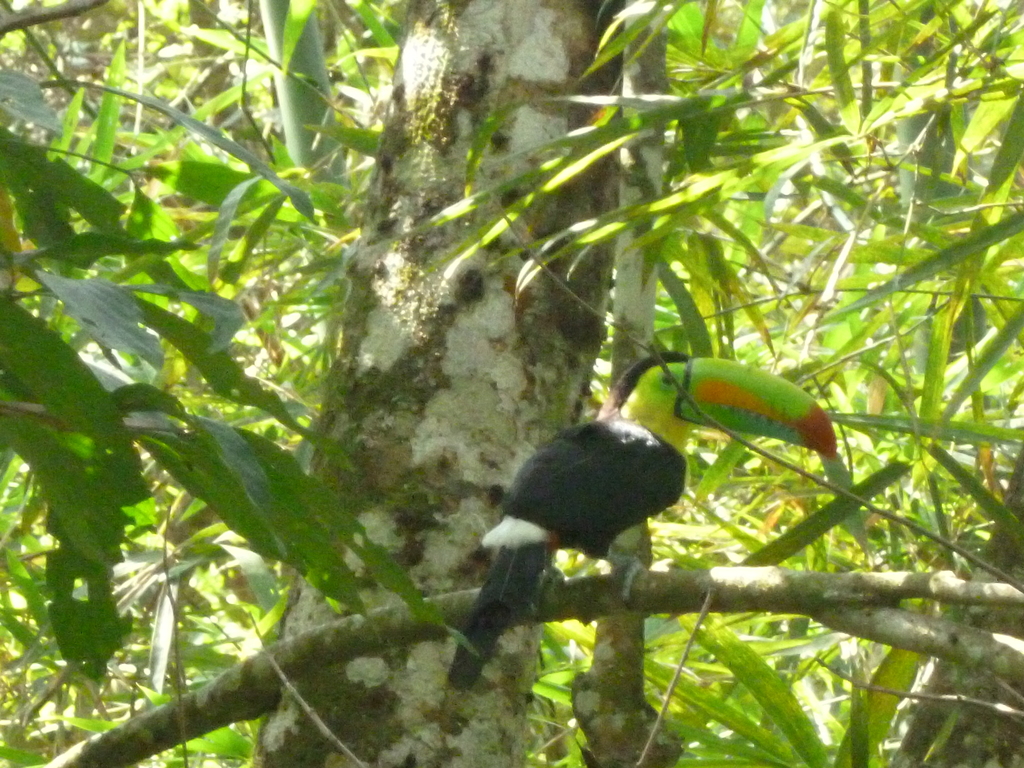
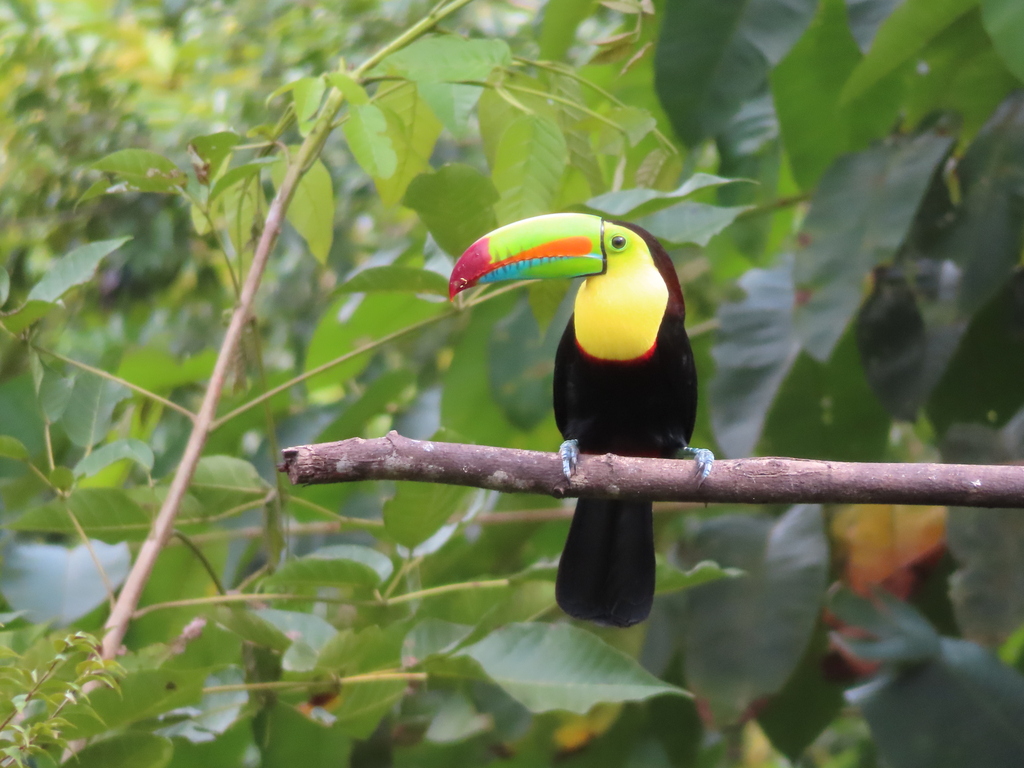
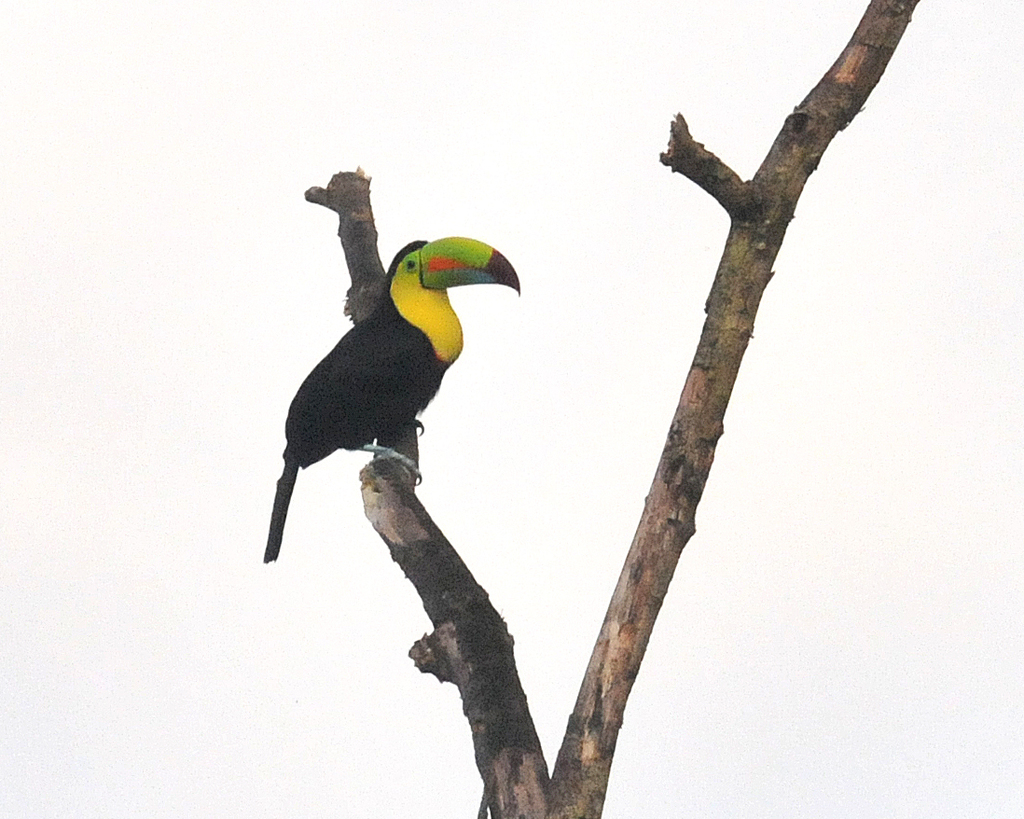
Its closest relatives
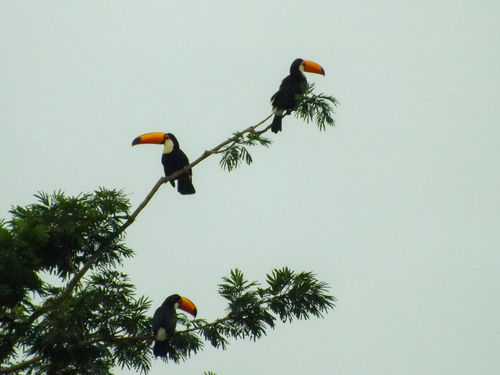
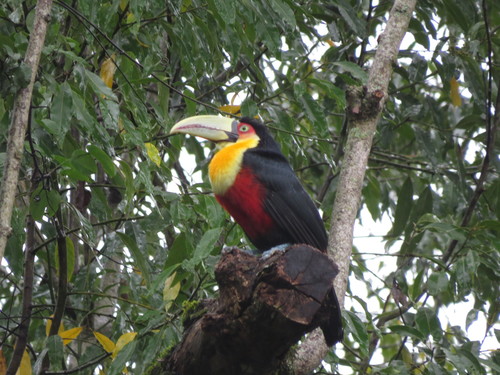
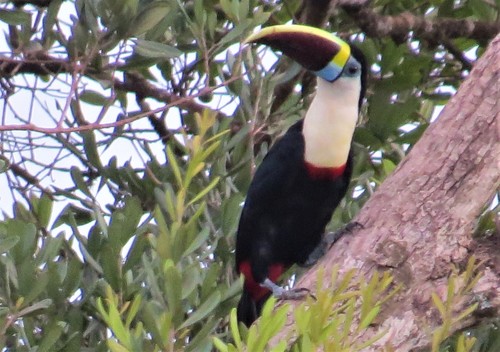
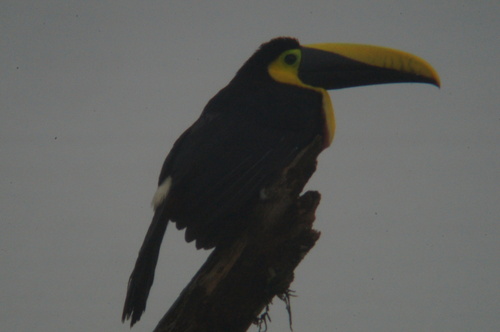
The other species of the genus Ramphastos.

Seen a keel-billed toucan?
Share your photo on iNaturalist. Other naturalists help confirm it, and the record goes to GBIF, where scientists use it and where the maps on this page come from.
Put this species on your site
The card names every source and links back here.
<iframe src="https://4planetatlas.com/place/embed/species/keel-billed-toucan" title="Keel-billed toucan (Ramphastos sulfuratus), 4PLANET Species" width="100%" height="600" style="border:0;max-width:640px" loading="lazy"></iframe>
<p><a href="https://4species.com/keel-billed-toucan">Keel-billed toucan on 4PLANET Species</a></p>Questions people ask
What does the keel-billed toucan eat?
The keel-billed toucan has been recorded eating 122 different kinds of animals and plants, most of them plants and birds. The ones recorded most often are scarletbush, florida strangler fig, wax mallow, roseleaf raspberry and vera cruz pepper; records include animals eaten as carrion. Source: GloBI.
Where does the keel-billed toucan live?
People have recorded it in 10 countries; the most records come from Costa Rica, Panama, Belize, Mexico and Guatemala. Records show where people have seen it, not its full range.
When is the keel-billed toucan seen most?
In the northern hemisphere, the most records are made in March and the fewest in June. More people outdoors also means more records.
What are the keel-billed toucan's closest relatives?
It shares the genus Ramphastos with toco toucan, green-billed toucan, channel-billed toucan, white-throated toucan and choco toucan.
Sources and photo credits
- GBIF · Ramphastos sulfuratus, 287,842 human observations
- GloBI · recorded interactions of Ramphastos sulfuratus
- Wikidata · Keel-billed toucan (Q47501)
- Keel-billed toucan (Ramphastos sulfuratus): Brian Gratwicke, CC BY 4.0
- Keel-billed toucan (Ramphastos sulfuratus), Flores, Guatemala: Ricard Busquets Reverte, CC BY 4.0
- Keel-billed toucan (Ramphastos sulfuratus), Provincia de Cartago, Turrialba, Costa Rica: Norman Salazar Arguedas, CC BY-SA 4.0
- Keel-billed toucan (Ramphastos sulfuratus), El Remate, Guatemala: Ricard Busquets Reverte, CC BY 4.0
- Keel-billed toucan (Ramphastos sulfuratus), Provincia de Cartago, Turrialba, Costa Rica: Norman Salazar Arguedas, CC BY-SA 4.0
- Keel-billed toucan (Ramphastos sulfuratus), Canopy Lodge, El Valle de Antón, Provincia de Coclé, Panama: Jim Dreier, CC BY 4.0
- Keel-billed toucan (Ramphastos sulfuratus), El Bagre, Antioquia, Colombia: Pablo, CC BY 4.0
- Keel-billed toucan (Ramphastos sulfuratus), Darién Province, Panama: Jo Roberts, CC BY 4.0
- Keel-billed toucan (Ramphastos sulfuratus), Tuis, Provincia de Cartago, Turrialba, Costa Rica: Roger Rittmaster, CC BY 4.0
- Scarletbush: Francisco Farriols Sarabia, CC BY 4.0
- Florida strangler fig: Judy Gallagher, CC BY-SA 4.0
- Wax mallow: Douglas Goldman, CC BY-SA 4.0
- Roseleaf raspberry: Alan Rockefeller, CC BY 4.0
- Vera cruz pepper: chelina batista, CC BY 4.0
- Baboonwood: Guillaume Delaitre, CC BY 4.0
- Copa palm: Dick Culbert, CC BY 4.0
- Red ucuuba: Thomaz Ricardo Favreto Sinani, CC BY 4.0
- Crackopen: aacocucci, CC BY 4.0
- Black poisonwood: Miguel Grageda, CC BY 4.0
- Hollowheart: Paula Romano, CC0
- Jamaican nettletree: Turner Brockman, CC BY-SA 4.0
- Toco toucan: Luana Guedes Ferreira, CC BY-SA 4.0
- Green-billed toucan: Leonardo Bergamini, CC BY 4.0
- Channel-billed toucan: Katja Schulz, CC BY 4.0
- White-throated toucan: Gerry van Tonder, CC BY 4.0
- Choco toucan: Patrice Dupont, CC BY 4.0
- Yellow-throated toucan: er-birds, CC BY 4.0
Records show where people have seen and shared the keel-billed toucan, not its full range, and some countries and months are recorded far more than others. The food web lists interactions that studies have recorded somewhere in the world (GloBI), not everything it eats in one place.
Checked 2026-11-24.