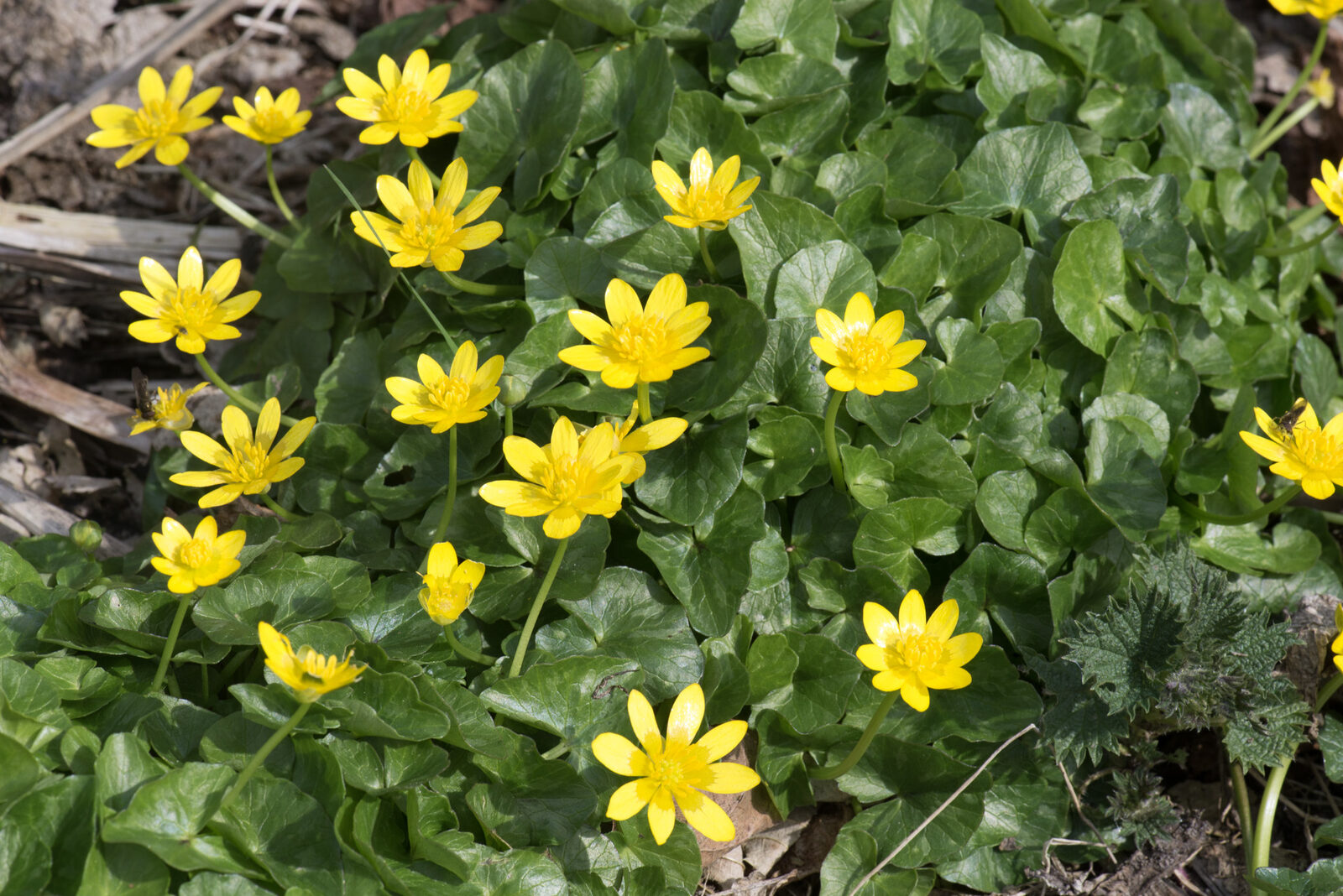
Lesser celandine
Ficaria verna
Shiny yellow star-shaped flowers that open in early spring and close in dull weather.
- Status
- IUCN Red List
- Where
- 65 countries
Lesser celandine is one of the first wildflowers of spring, with glossy yellow star-shaped flowers that open in sunshine and close in dull weather. It carpets woods, hedge banks and stream sides before the trees come into leaf, giving early bumblebees nectar and pollen.
People have shared 135,361 records of the lesser celandine with GBIF, from 65 countries, most of them from United States, United Kingdom and Russia.
Where people see the lesser celandine
People have shared 135,361 records from 65 countries.
Records show where people have seen it and shared it, not its full range. Country names open their page in Atlas.
When it is seen
Records per month in the northern hemisphere. More people outdoors also means more records.
Watch and listen
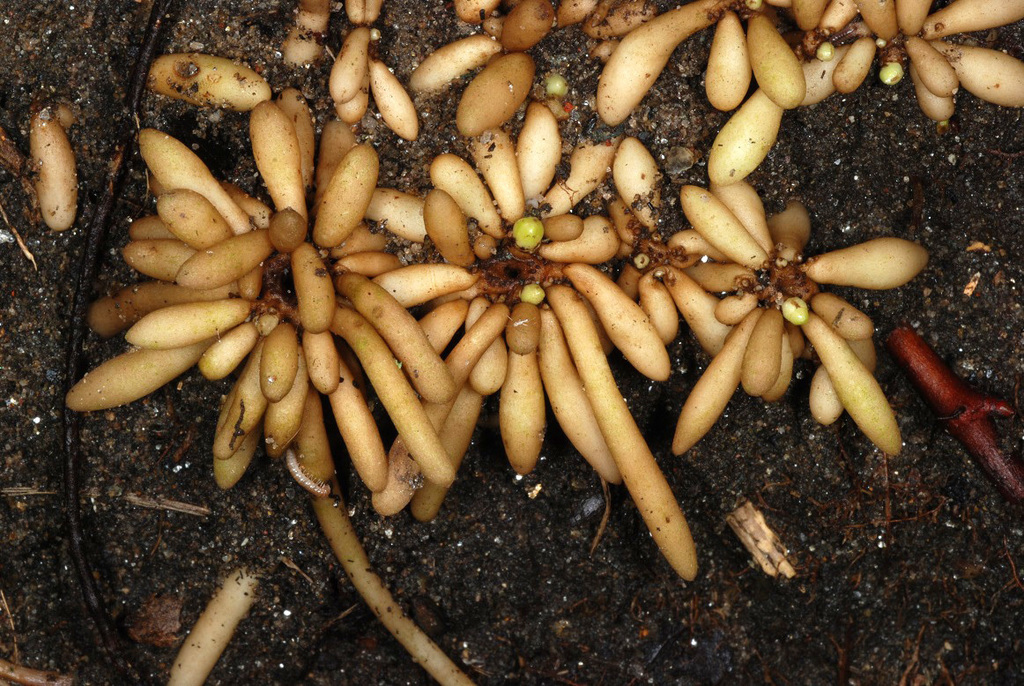
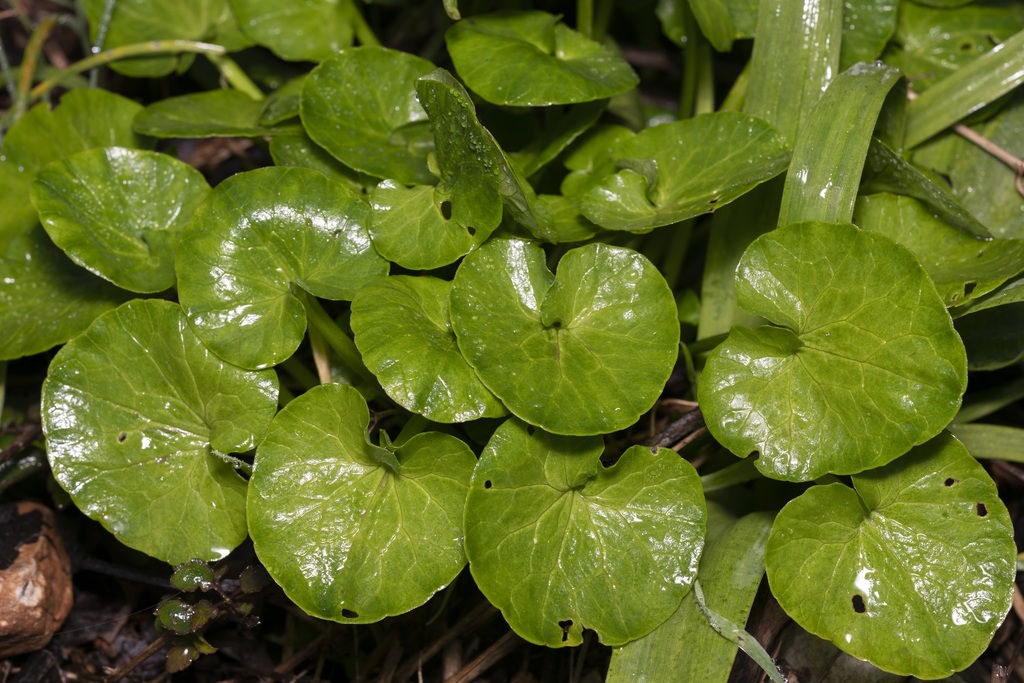
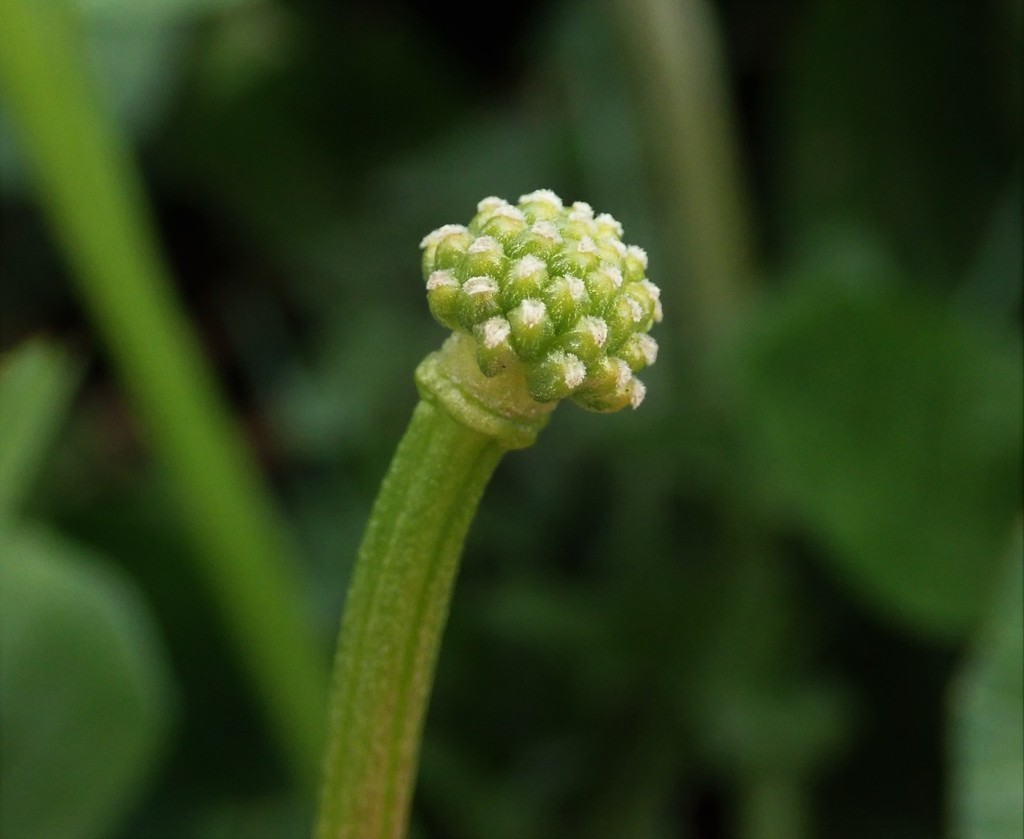
Seen a lesser celandine?
Share your photo on iNaturalist. Other naturalists help confirm it, and the record goes to GBIF, where scientists use it and where the maps on this page come from.
Questions people ask
Where does the lesser celandine live?
People have recorded it in 65 countries; the most records come from United States, United Kingdom, Russia, Germany and Czech Republic. Records show where people have seen it, not its full range.
When is the lesser celandine seen most?
In the northern hemisphere, the most records are made in April and the fewest in July. More people outdoors also means more records.
Sources and photo credits
- Wikipedia · Ficaria verna
- GBIF · Ficaria verna, 135,361 human observations
- GloBI · recorded interactions of Ficaria verna
- Wikidata · Lesser celandine (Q157557)
- Lesser celandine (Ficaria verna): Bernard Picton, CC BY 4.0
- Lesser celandine (Ficaria verna): Douglas Goldman, CC BY-SA 4.0
- Lesser celandine (Ficaria verna): Eleftherios Katsillis, CC BY 4.0
- Lesser celandine (Ficaria verna): Daniel Cahen, CC BY 4.0
Records show where people have seen and shared the lesser celandine, not its full range, and some countries and months are recorded far more than others. The food web lists interactions that studies have recorded somewhere in the world (GloBI), not everything it eats in one place.
Checked 2026-11-21.