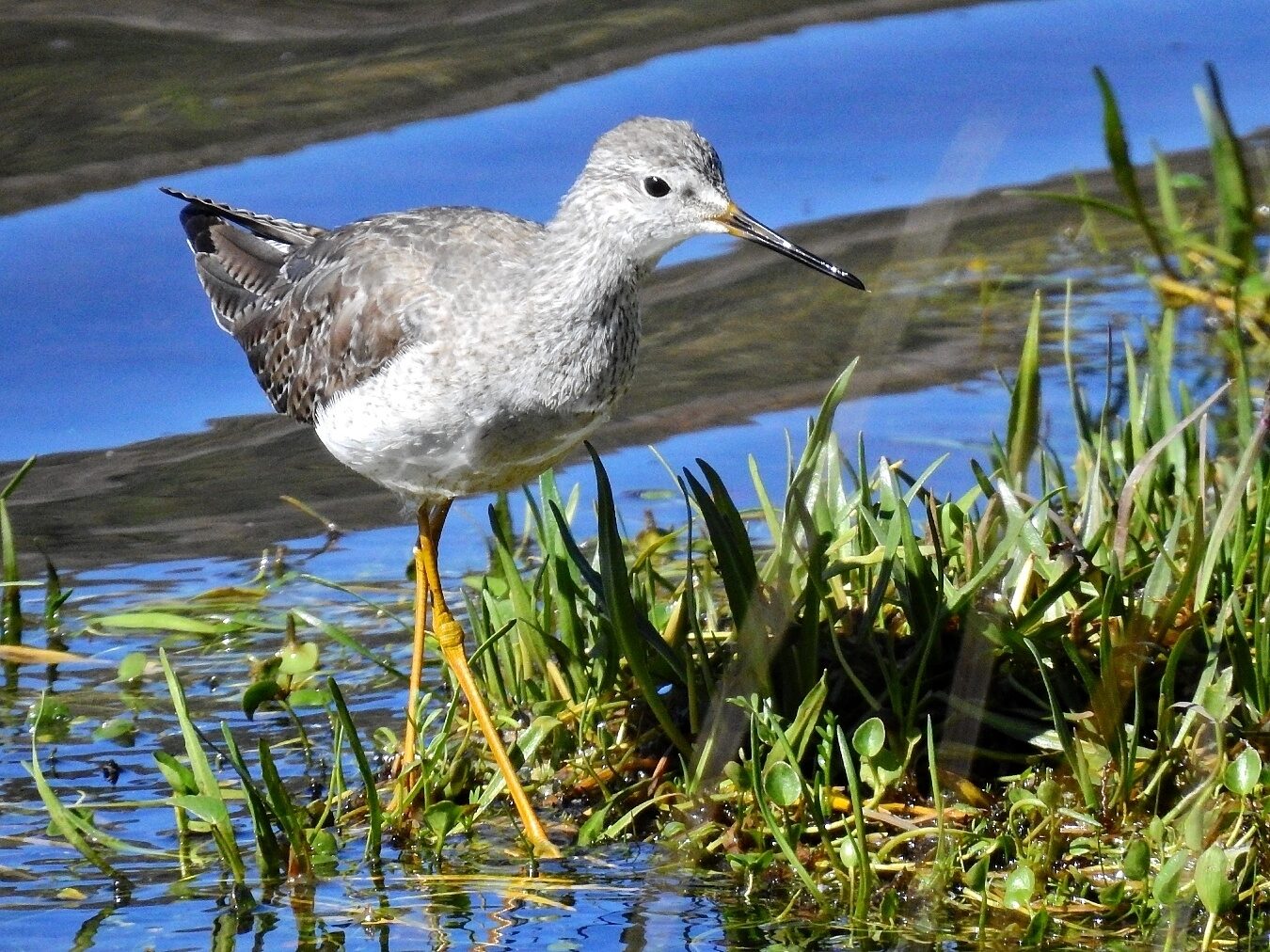
Lesser yellowlegs
Tringa flavipes
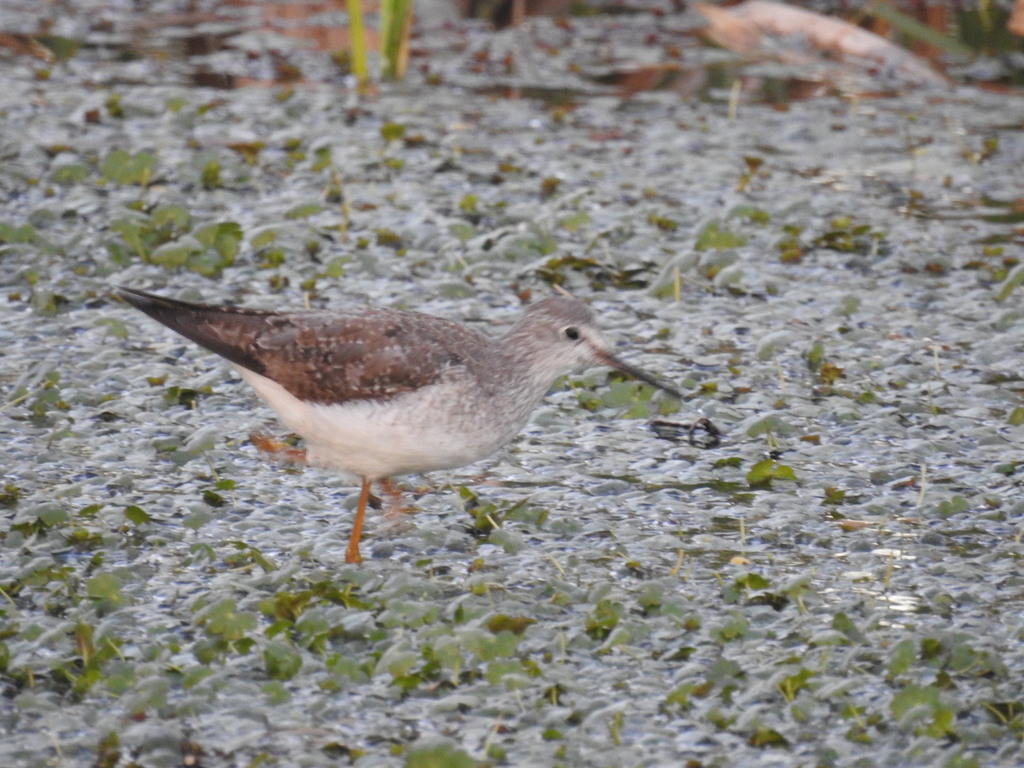
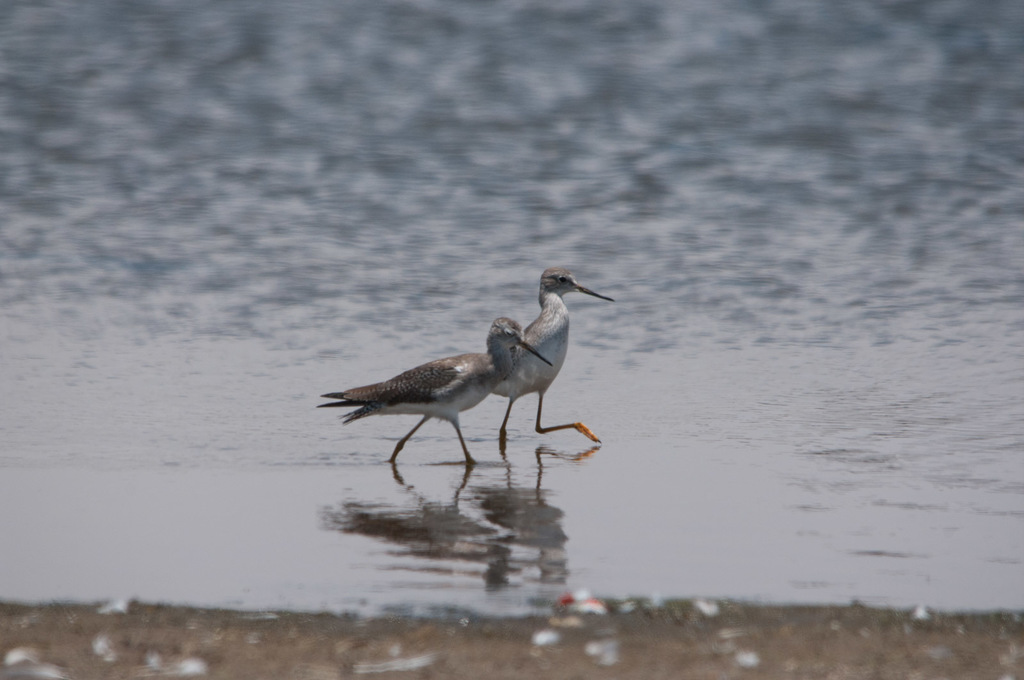
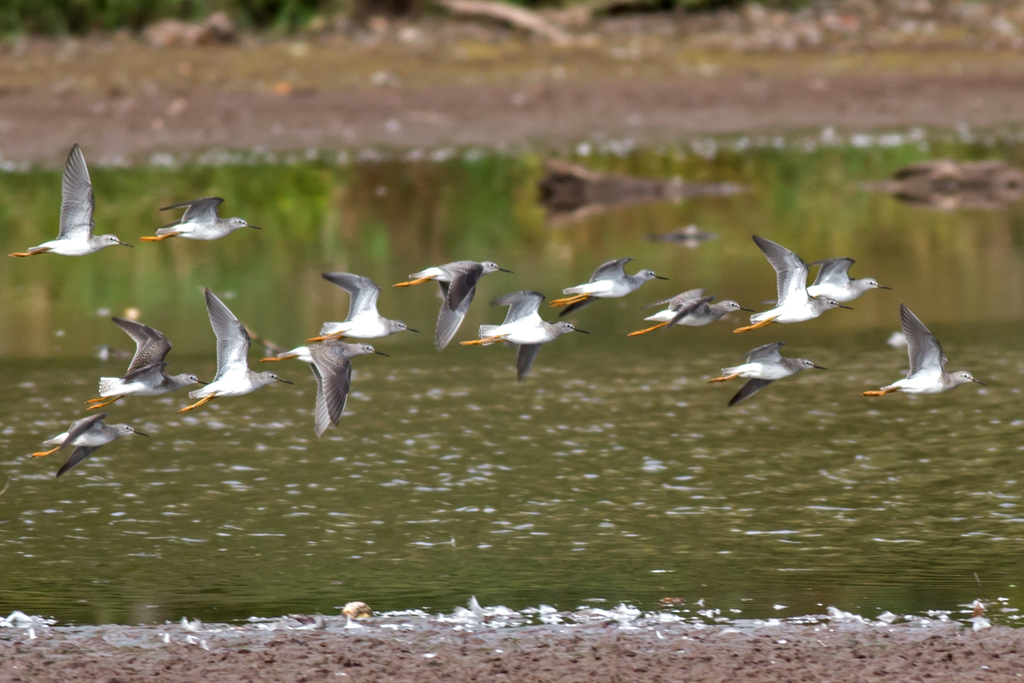
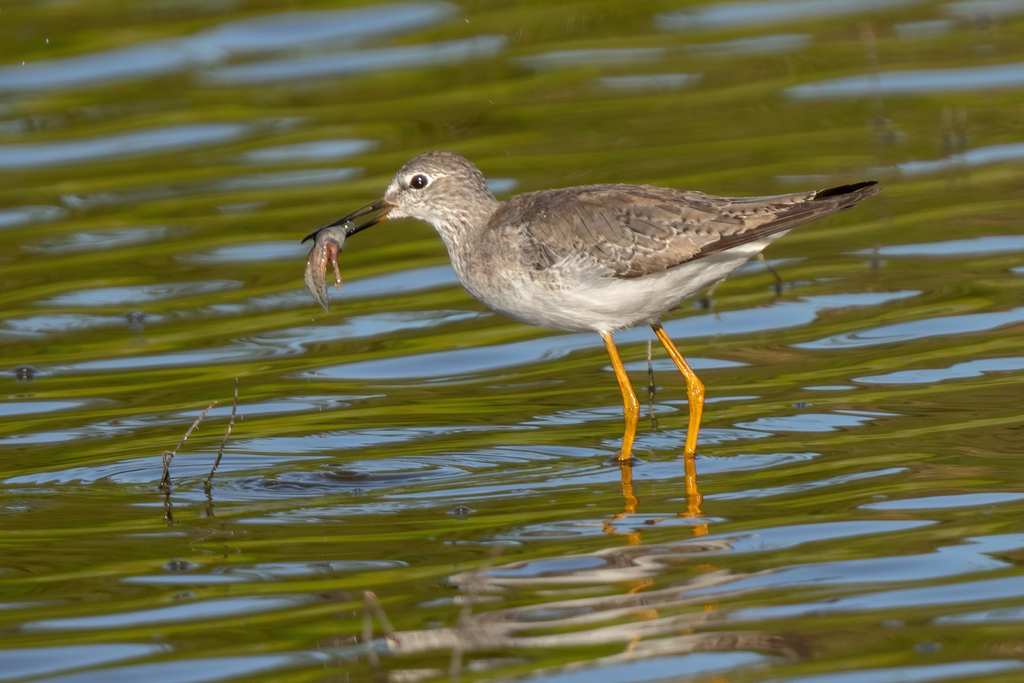
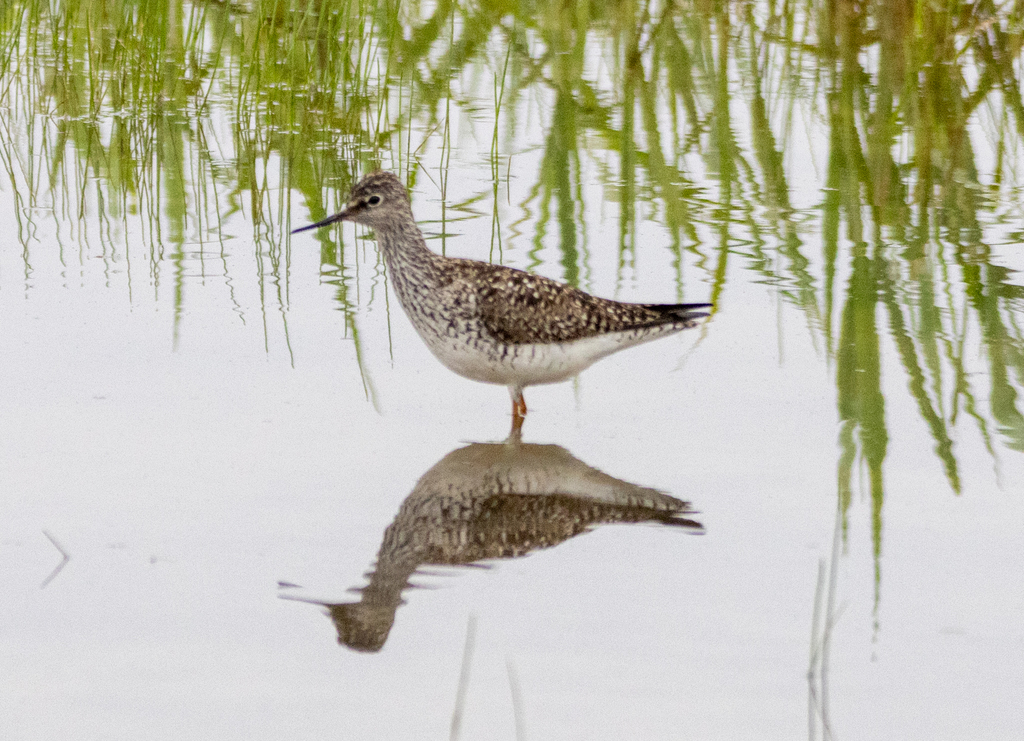
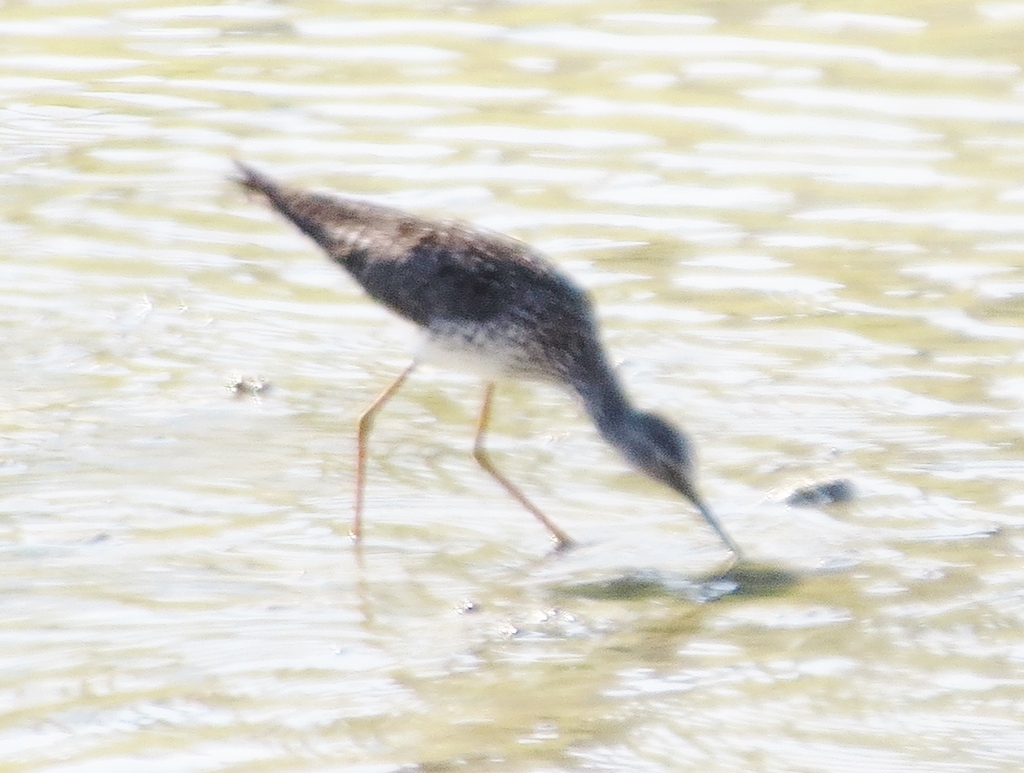
A slender wader with bright yellow legs that feeds in shallow water.
- Status
- Vulnerable IUCN Red List
- Eats
- Arctic lamprey, punctate corixa and 2 more
- Eaten by
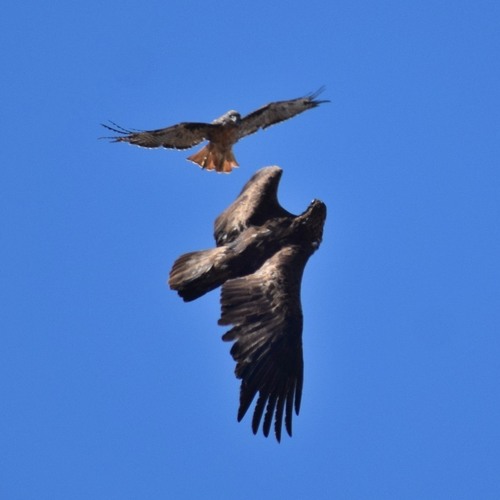
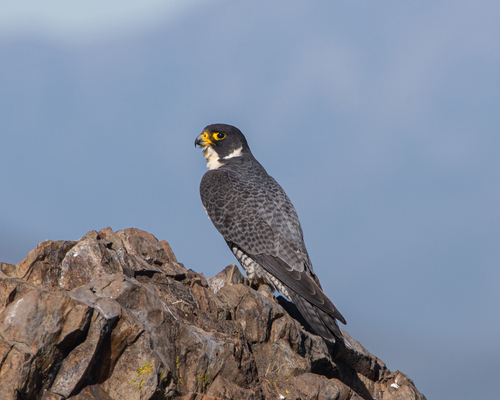
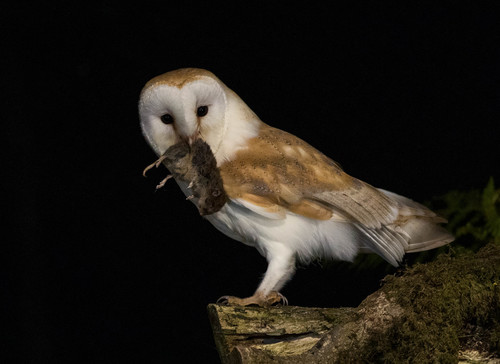
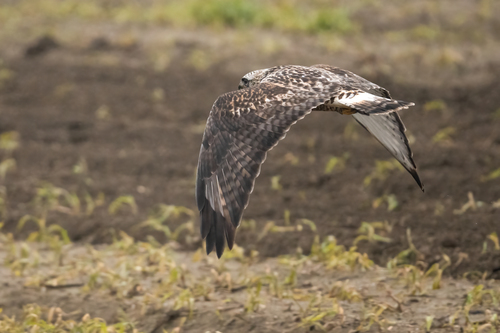
- golden eagle, peregrine falcon, western barn owl
- Where
- 92 countries
On 4Planet Atlas it is among the wildlife people record most around Bridgetown, Havana and Lima, and 9 more of the cities we cover.
People have shared 1,871,895 records of the lesser yellowlegs with GBIF, from 92 countries, most of them from United States, Canada and Argentina. Records collected by GloBI show it eating 4 different kinds of animals and plants, and being eaten by 4.
What the lesser yellowlegs eats, and what eats it
Studies have recorded it eating 4 kinds of animals and plants, and 4 kinds of animals eating it. Tap any of them to follow the food chain.
- Insects 2
- Worms 1
 Lesser yellowlegs
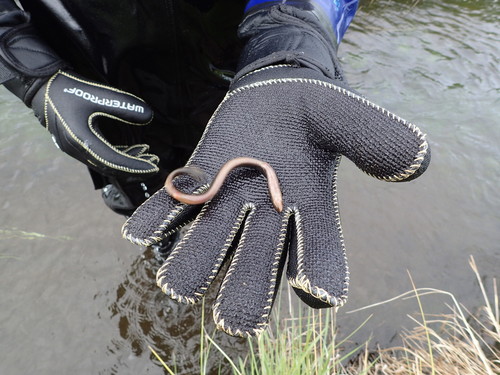
Records from studies worldwide, collected by GloBI. They include animals eaten as carrion, and they are not everything it eats in one place.
Where people see the lesser yellowlegs
People have shared 1,871,895 records from 92 countries.
Near a city: Bridgetown, Havana, Lima, Montevideo, New York, Ottawa, Paramaribo, Reykjavík, Rio de Janeiro, Santiago, Toronto, Vancouver.
Records show where people have seen it and shared it, not its full range. Country names open their page in Atlas.
When it is seen
Records per month in the northern hemisphere. More people outdoors also means more records.
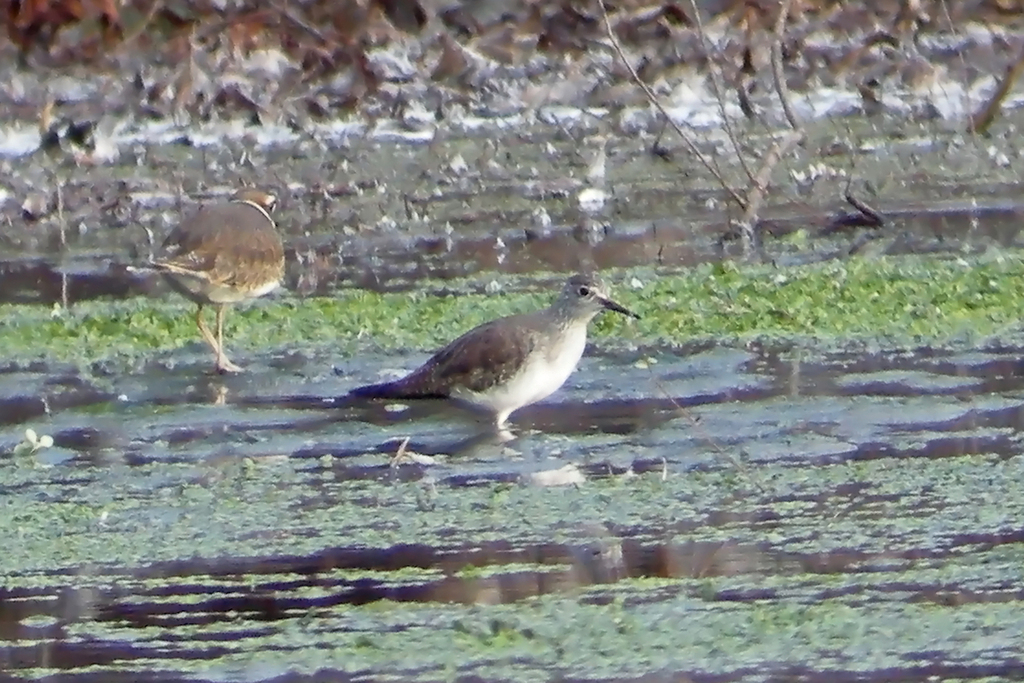
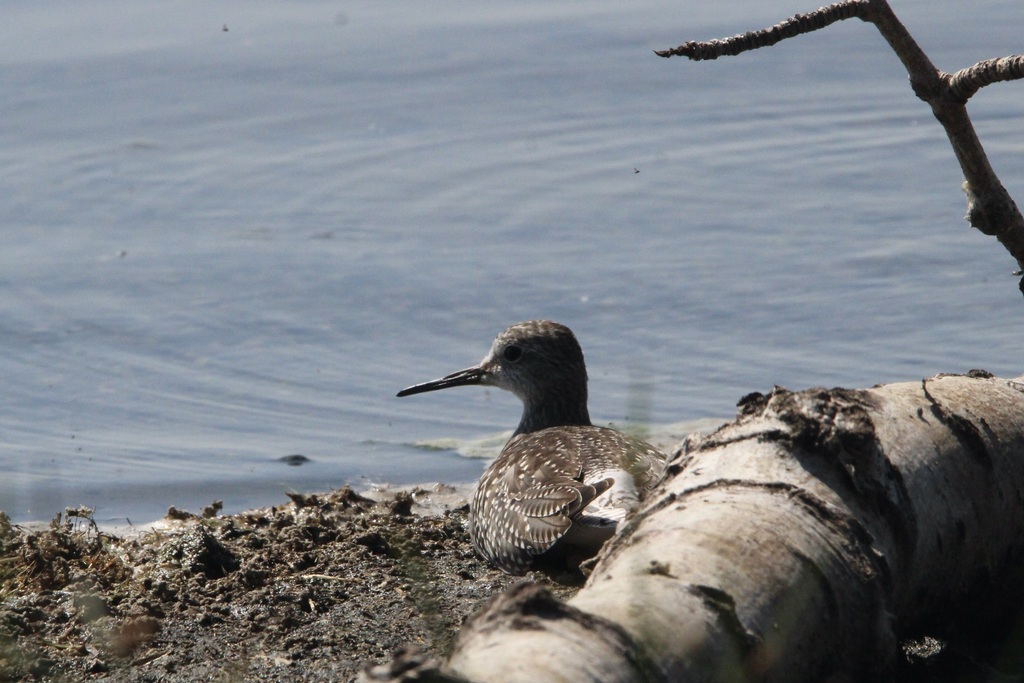
Watch and listen
Its closest relatives
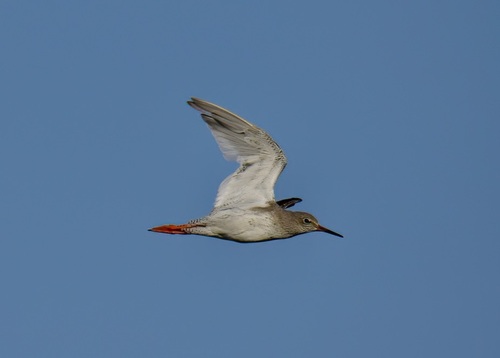
The other species of the genus Tringa.



Seen a lesser yellowlegs?
Share your photo on iNaturalist. Other naturalists help confirm it, and the record goes to GBIF, where scientists use it and where the maps on this page come from.
Questions people ask
What does the lesser yellowlegs eat?
The lesser yellowlegs has been recorded eating 4 different kinds of animals and plants, most of them insects and worms. The ones recorded most often are arctic lamprey and punctate corixa; records include animals eaten as carrion. Source: GloBI.
What eats the lesser yellowlegs?
Recorded predators include golden eagle, peregrine falcon, western barn owl and rough-legged buzzard. Source: GloBI.
Where does the lesser yellowlegs live?
People have recorded it in 92 countries; the most records come from United States, Canada, Argentina, Chile and Mexico. Records show where people have seen it, not its full range.
When is the lesser yellowlegs seen most?
In the northern hemisphere, the most records are made in August and the fewest in June. More people outdoors also means more records.
What are the lesser yellowlegs's closest relatives?
It shares the genus Tringa with common redshank, common greenshank, green sandpiper, wood sandpiper and spotted redshank.
Sources and photo credits
- GBIF · Tringa flavipes, 1,871,895 human observations
- GloBI · recorded interactions of Tringa flavipes
- Wikidata · Lesser yellowlegs (Q28000)
- Lesser yellowlegs (Tringa flavipes): Esteban Poveda, CC BY 4.0
- Lesser yellowlegs (Tringa flavipes), General Alvarado, Buenos Aires, Argentina: María Regina Silva, CC BY 4.0
- Lesser yellowlegs (Tringa flavipes), Chile: Jorge Herreros de Lartundo, CC BY 4.0
- Lesser yellowlegs (Tringa flavipes), Bucks County, US-PA, US: Bill Keim, CC BY 4.0
- Lesser yellowlegs (Tringa flavipes), Naico, La Pampa, Argentina: Luciano Massa, CC BY 4.0
- Lesser yellowlegs (Tringa flavipes), Churchville, PA, USA: Bill Keim, CC BY 4.0
- Lesser yellowlegs (Tringa flavipes), Kneehill County, AB, Canada: Quinn, CC BY-SA 4.0
- Lesser yellowlegs (Tringa flavipes), Talbot, London, ON N6P, Canada: Andrew Murray, CC BY 4.0
- Lesser yellowlegs (Tringa flavipes), Pineville, NC, USA: Ken Kneidel, CC0
- Arctic lamprey: Matt Bowser, CC BY 4.0
- Golden eagle: Anne Parsons, CC0
- Peregrine falcon: Nicolás Villaseca Merino, CC BY-SA 4.0
- Western barn owl: john.purvis, CC BY 4.0
- Rough-legged buzzard: Jonathan Eisen, CC BY 4.0
- Common redshank: Luiz Lapa, CC BY 4.0
- Common greenshank: JJ Harrison, CC BY-SA 4.0
- Green sandpiper: Jan Ebr & Ivana Ebrová, CC BY 4.0
- Wood sandpiper: Kim, Hyun-tae, CC BY 4.0
- Spotted redshank: Savi.odl, CC BY-SA 4.0
- Marsh sandpiper: egorbirder, CC BY 4.0
- Greater yellowlegs: no rights reserved, uploaded by Adam Jackson, CC0
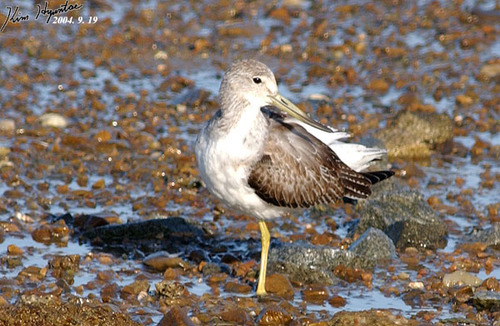
- Nordmann’s greenshank: Kim, Hyun-tae, CC BY 4.0
Records show where people have seen and shared the lesser yellowlegs, not its full range, and some countries and months are recorded far more than others. The food web lists interactions that studies have recorded somewhere in the world (GloBI), not everything it eats in one place.
Checked 2026-11-21.