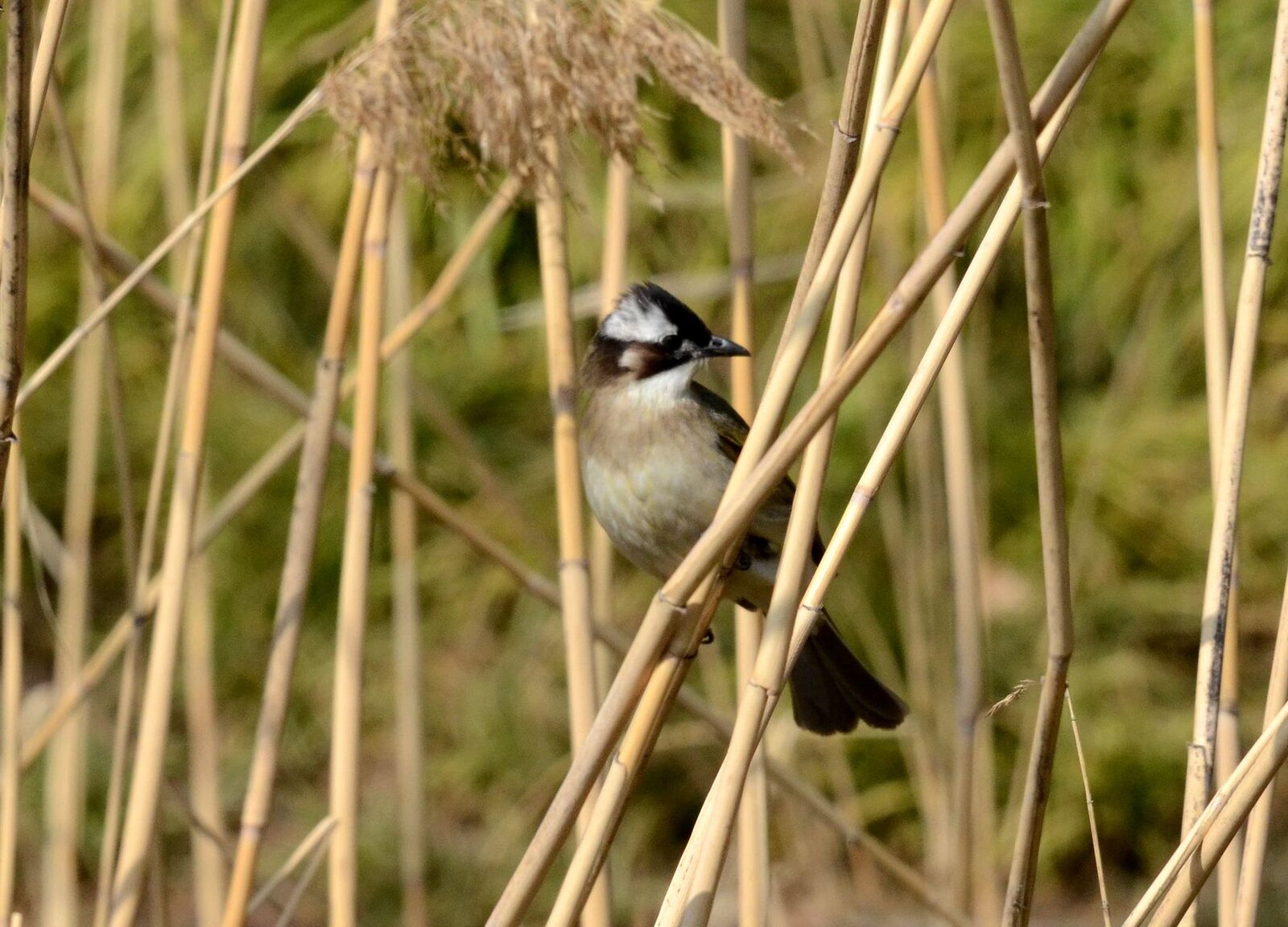
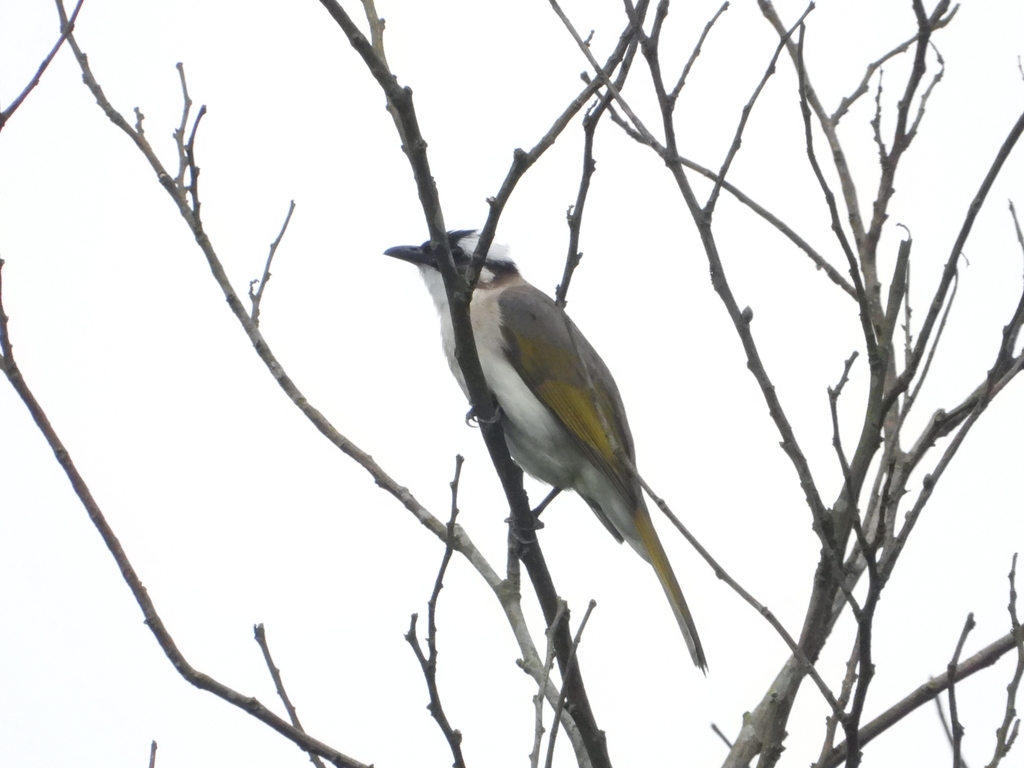
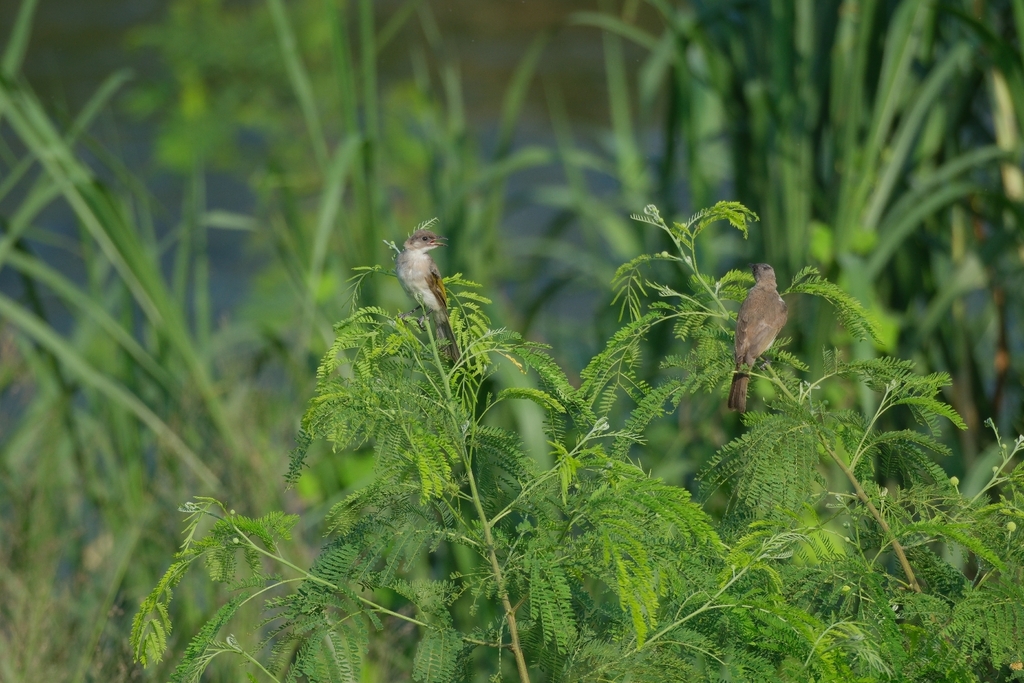
Light-vented bulbul
Pycnonotus sinensis
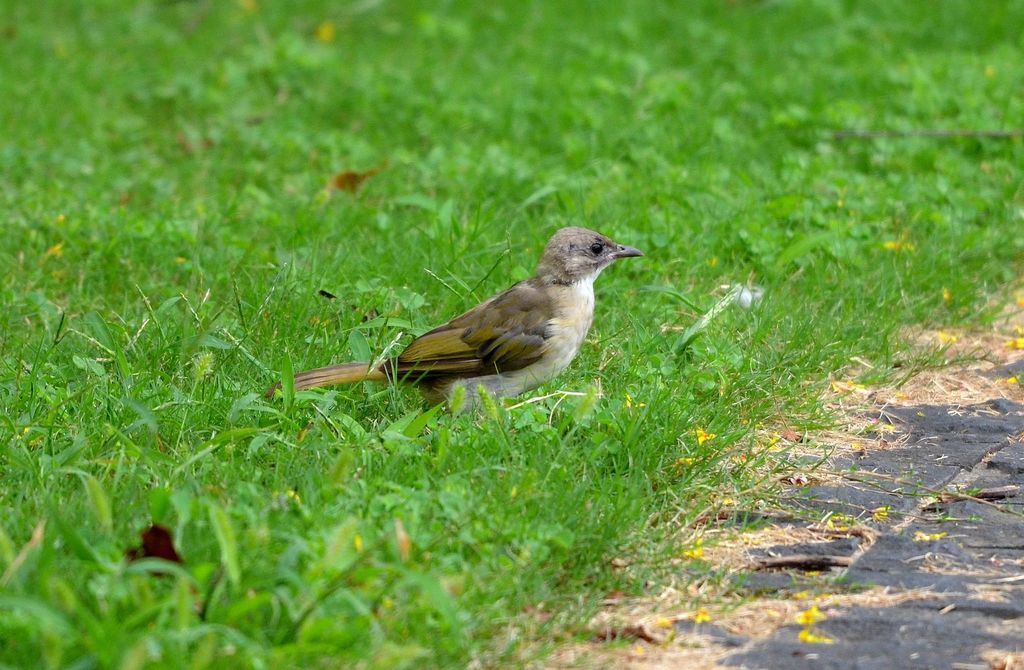
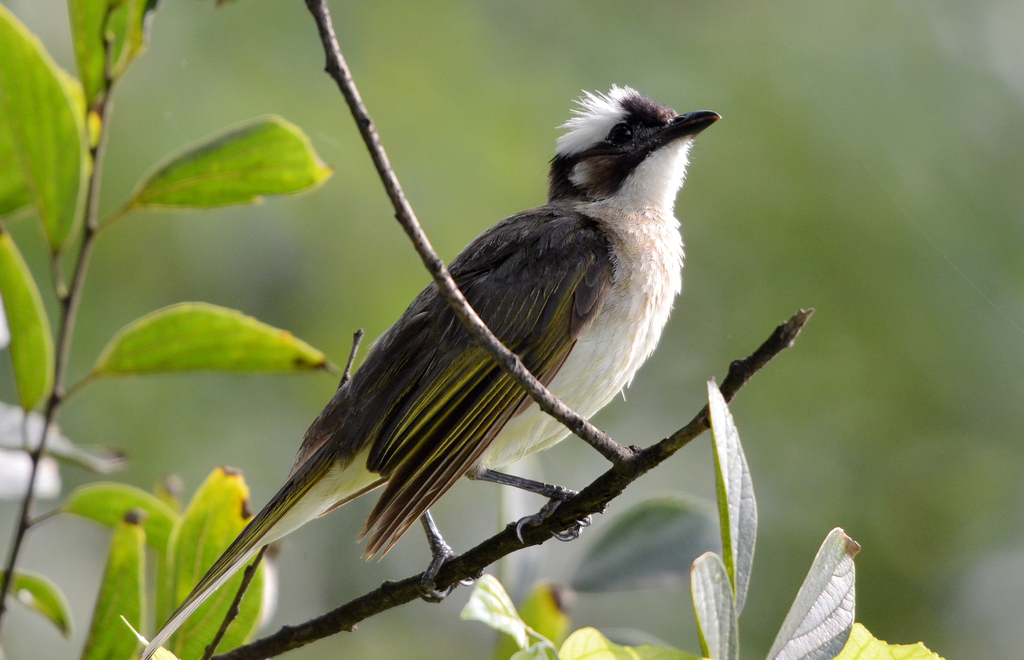
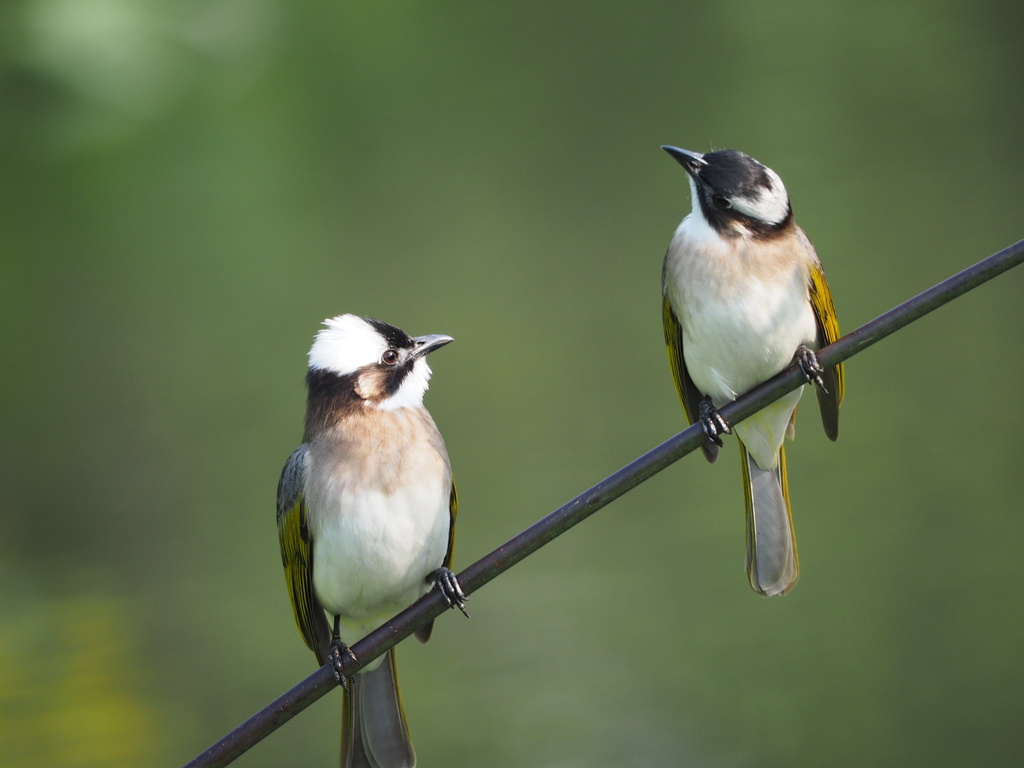
A bulbul with a white patch on the back of its black head.
- Status
- Least Concern IUCN Red List
- Eats
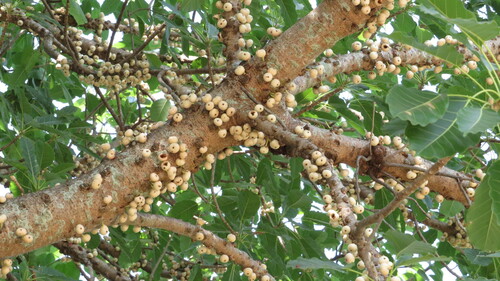
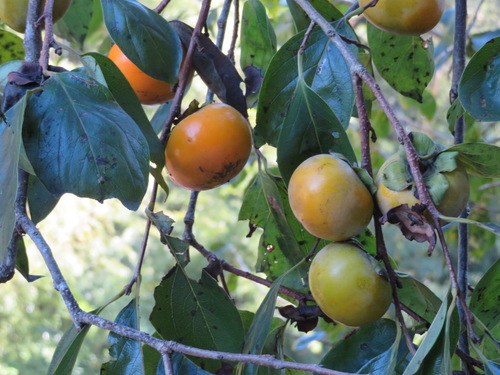
- white cedar, bishopwood, Japanese superb fig and 28 more
- Where
- 11 countries
On 4Planet Atlas it is among the wildlife people record most around Beijing, Seoul and Shanghai.
People have shared 725,721 records of the light-vented bulbul with GBIF, from 11 countries, most of them from Taiwan, China and Hong Kong SAR China. Records collected by GloBI show it eating 31 different kinds of animals and plants, and being eaten by 1.
What the light-vented bulbul eats, and what eats it
Studies have recorded it eating 31 kinds of animals and plants, and 1 kinds of animals eating it. Tap any of them to follow the food chain.
- Plants 28
- Insects 3
Light-vented bulbul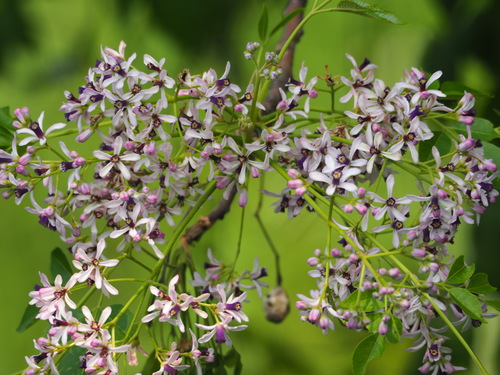

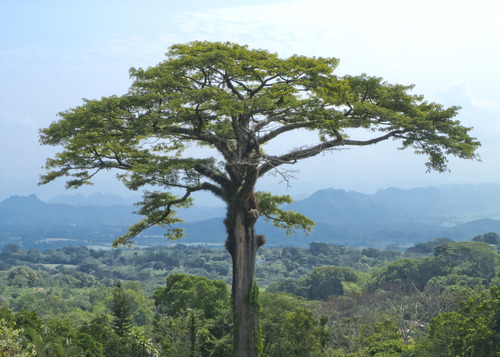
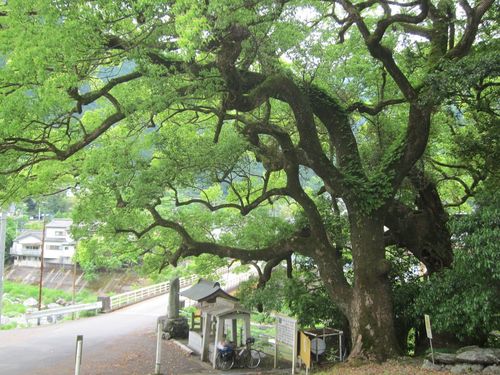
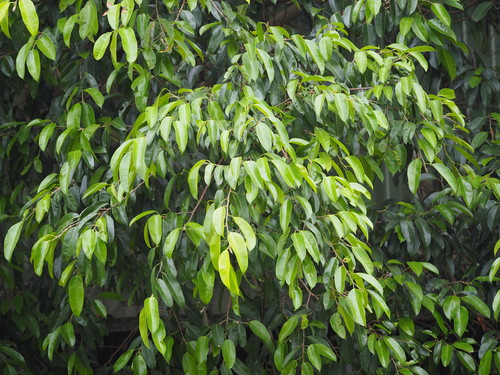
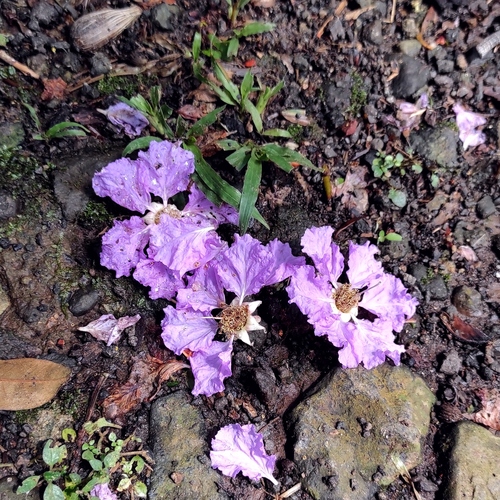
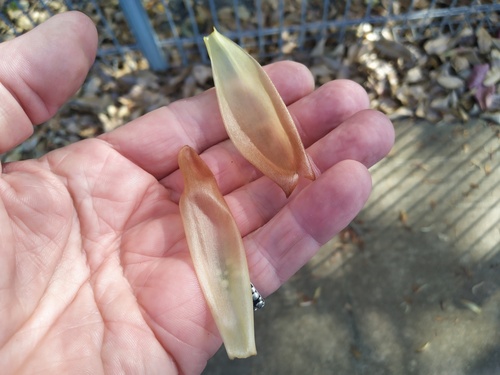
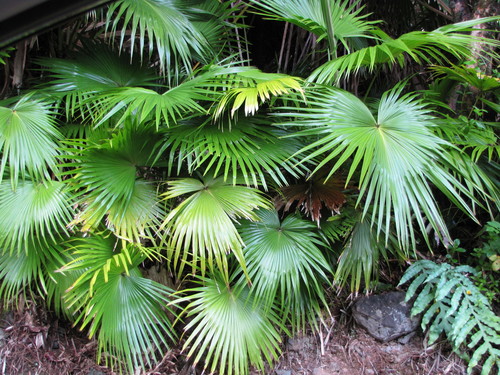
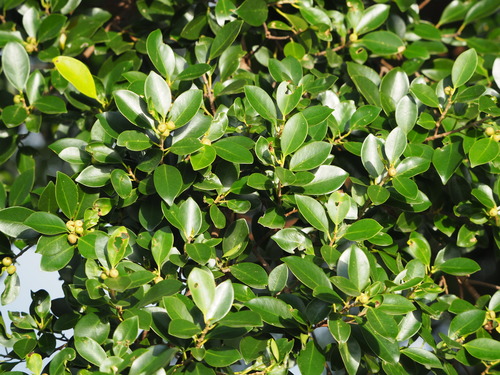
Records from studies worldwide, collected by GloBI. They include animals eaten as carrion, and they are not everything it eats in one place.
Where people see the light-vented bulbul
People have shared 725,721 records from 11 countries.
Near a city: Beijing, Seoul, Shanghai.
Records show where people have seen it and shared it, not its full range. Country names open their page in Atlas.
When it is seen
Records per month in the northern hemisphere. More people outdoors also means more records.
Watch and listen

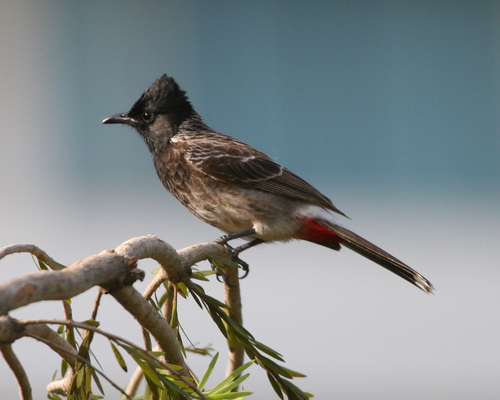
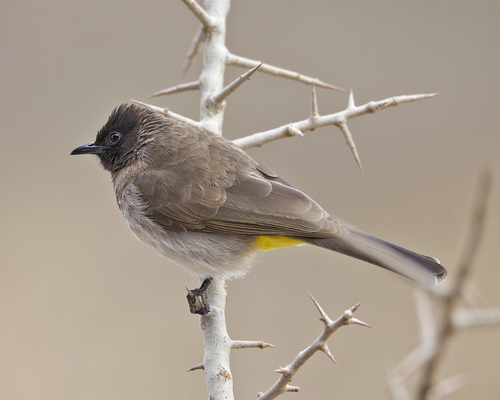
Its closest relatives
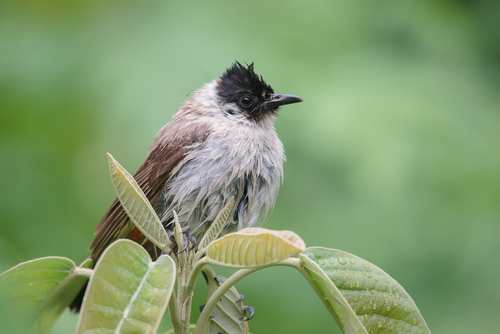
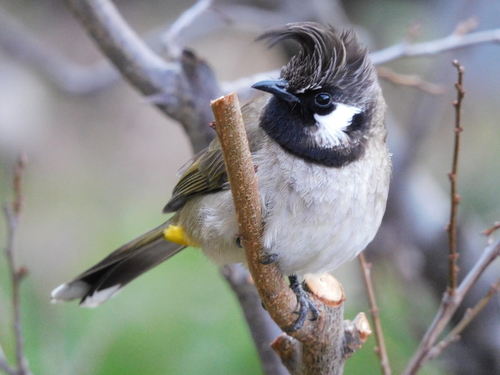
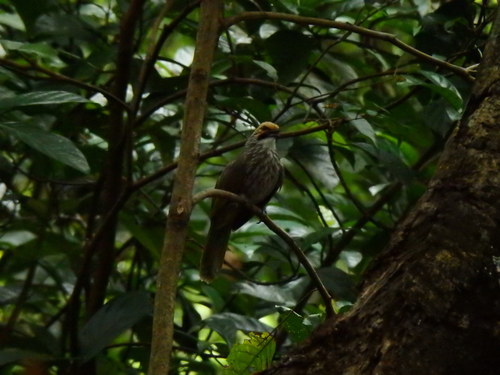
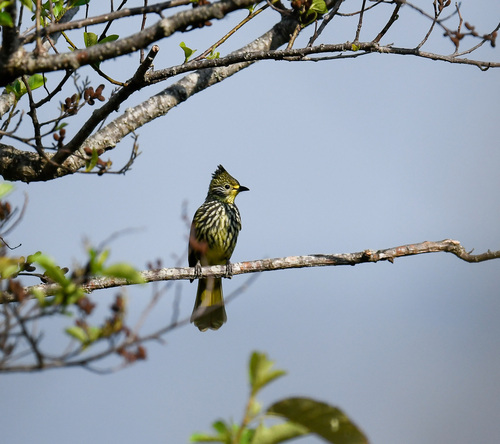
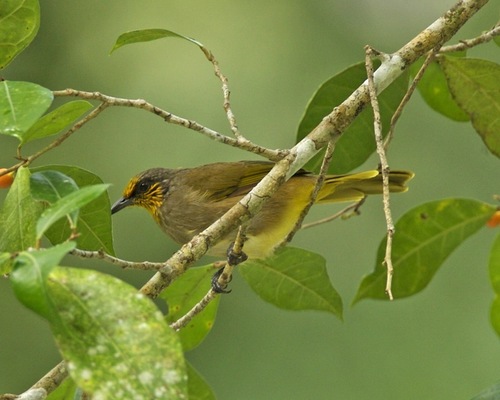
The other species of the genus Pycnonotus.

Seen a light-vented bulbul?
Share your photo on iNaturalist. Other naturalists help confirm it, and the record goes to GBIF, where scientists use it and where the maps on this page come from.
Questions people ask
What does the light-vented bulbul eat?
The light-vented bulbul has been recorded eating 31 different kinds of animals and plants, most of them plants and insects. The ones recorded most often are white cedar, bishopwood, japanese superb fig, japanese persimmon and silk cotton tree; records include animals eaten as carrion. Source: GloBI.
What eats the light-vented bulbul?
Recorded predators include . Source: GloBI.
Where does the light-vented bulbul live?
People have recorded it in 11 countries; the most records come from Taiwan, China, Hong Kong SAR China, South Korea and Japan. Records show where people have seen it, not its full range.
When is the light-vented bulbul seen most?
In the northern hemisphere, the most records are made in April and the fewest in August. More people outdoors also means more records.
What are the light-vented bulbul's closest relatives?
It shares the genus Pycnonotus with red-vented bulbul, red-whiskered bulbul, common bulbul, sooty-headed bulbul and himalayan bulbul.
Sources and photo credits
- GBIF · Pycnonotus sinensis, 725,721 human observations
- GloBI · recorded interactions of Pycnonotus sinensis
- Wikidata · Light-vented bulbul (Q1061015)
- Light-vented bulbul (Pycnonotus sinensis): Zinogre, CC BY-SA 4.0
- Light-vented bulbul (Pycnonotus sinensis): no rights reserved, uploaded by 葉子, CC0
- Light-vented bulbul (Pycnonotus sinensis): Zinogre, CC BY-SA 4.0
- Light-vented bulbul (Pycnonotus sinensis): Zinogre, CC BY-SA 4.0
- Light-vented bulbul (Pycnonotus sinensis), 646台灣雲林縣古坑鄉崁腳村: 葉子, CC0
- Light-vented bulbul (Pycnonotus sinensis), 260台灣宜蘭縣宜蘭市南門里: chiuluan, CC BY 4.0
- Light-vented bulbul (Pycnonotus sinensis), Hangzhou, CN-ZJ, CN: 許慶棠Ray, CC BY 4.0
- Light-vented bulbul (Pycnonotus sinensis), New Taipei, TW-NT-TP, TW: 許慶棠Ray, CC BY 4.0
- Light-vented bulbul (Pycnonotus sinensis), 406台灣臺中市北屯區舊社里: Yu-Huang Wang, CC BY 4.0
- White cedar: no rights reserved, uploaded by 葉子, CC0
- Bishopwood: no rights reserved, uploaded by 葉子, CC0
- Japanese superb fig: Светлана Царахова, CC0
- Japanese persimmon: Marco Mussita, CC BY 4.0
- Silk cotton tree: no rights reserved, uploaded by Manuel Ortiz, CC0
- Camphortree: Marco Mussita, CC BY 4.0
- Weeping fig: no rights reserved, uploaded by 葉子, CC0
- Pride of india: Abu Hamas, CC BY-SA 4.0
- Mountain fig: Steve Fitzgerald, CC BY-SA 4.0
- Chinese fan palm: Forest and Kim Starr, CC BY 4.0
- Chinese banyan: no rights reserved, uploaded by 葉子, CC0
- Red-vented bulbul: Lip Kee Yap, CC BY-SA 4.0
- Red-whiskered bulbul: Zinogre, CC BY-SA 4.0
- Common bulbul: Lip Kee, CC BY-SA 4.0
- Sooty-headed bulbul: Rushen, CC BY-SA 4.0
- Himalayan bulbul: Jagdish Singh Negi, CC BY 4.0
- Straw-headed bulbul: Samuel Lee, CC BY 4.0
- Striated bulbul: Rejoice Gassah, CC BY 4.0
- Stripe-throated bulbul: Lip Kee Yap, CC BY-SA 4.0
Records show where people have seen and shared the light-vented bulbul, not its full range, and some countries and months are recorded far more than others. The food web lists interactions that studies have recorded somewhere in the world (GloBI), not everything it eats in one place.
Checked 2026-11-22.