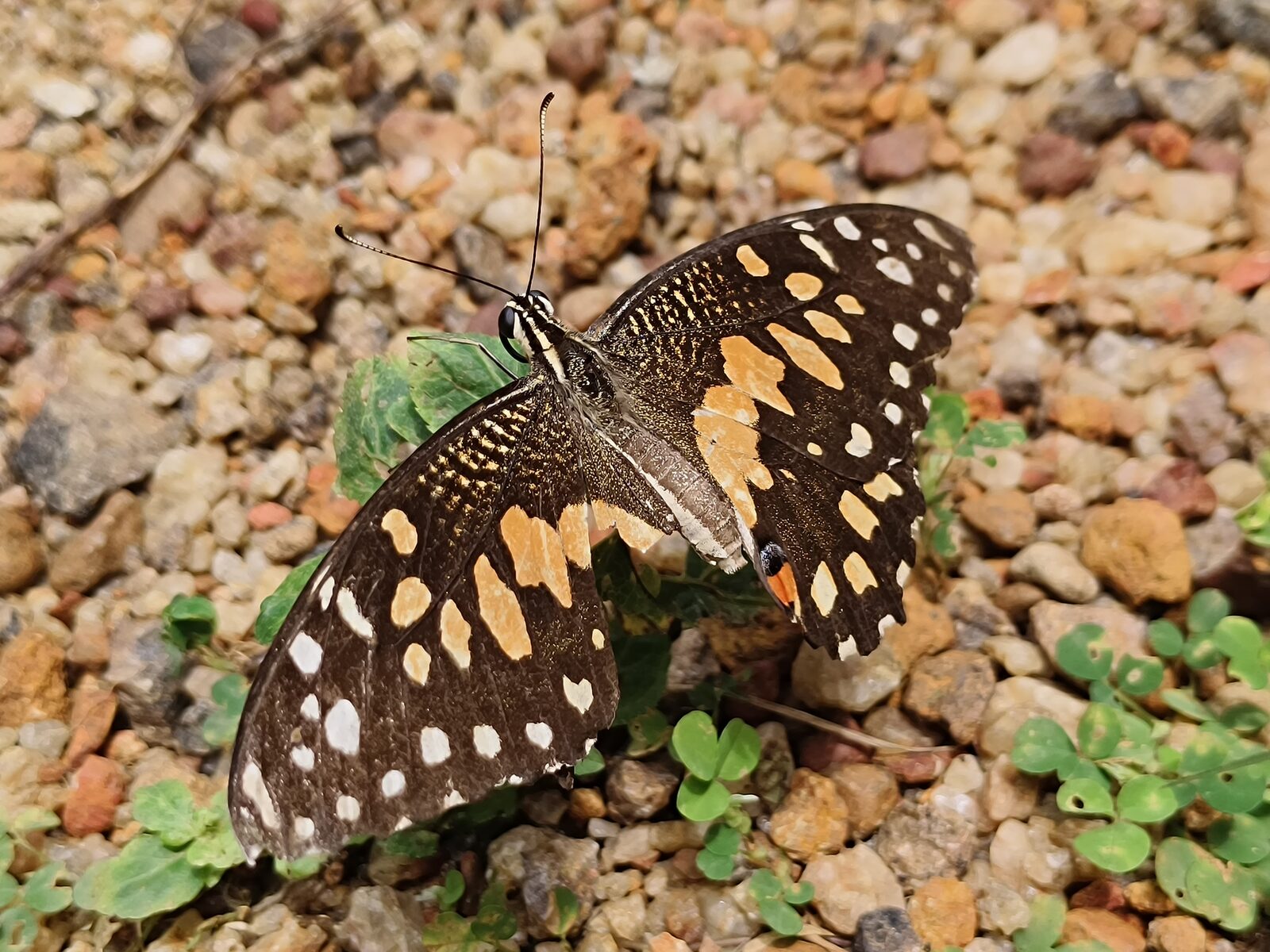
Lime swallowtail
Papilio demoleus
- Status
- IUCN Red List
- Eats
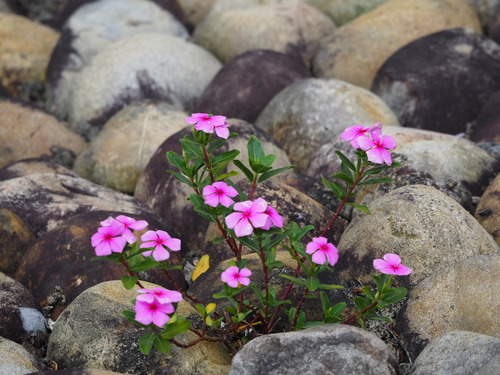
- madagascar periwinkle, bloodflower, Japanese prickly ash and 126 more
- Where
- 51 countries · komodo National Park
On 4Planet Atlas it is among the wildlife people record most around Aleppo, Baghdad and Dili, and 10 more of the cities we cover.
People have shared 20,196 records of the lime swallowtail with GBIF, from 51 countries, most of them from India, Australia and Singapore. Records collected by GloBI show it eating 129 different kinds of animals and plants, and being eaten by 3.
Habitats
What the lime swallowtail eats, and what eats it
Studies have recorded it eating 129 kinds of animals and plants, and 3 kinds of animals eating it. Tap any of them to follow the food chain.
- Plants 126
 Lime swallowtail
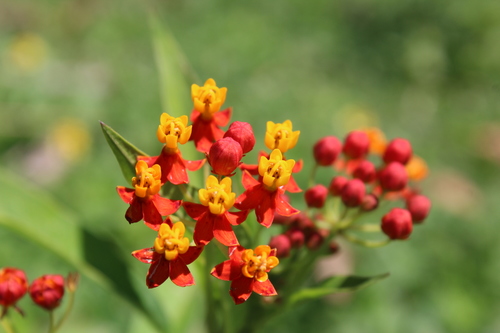
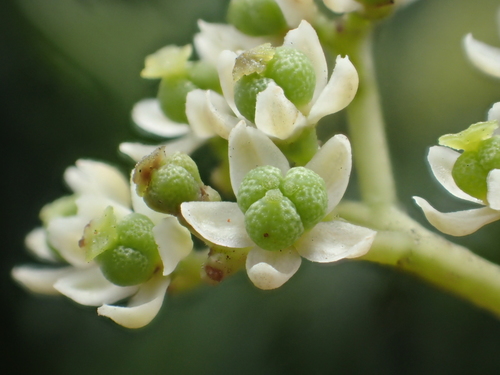
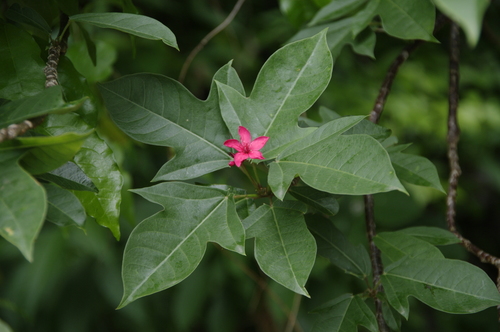
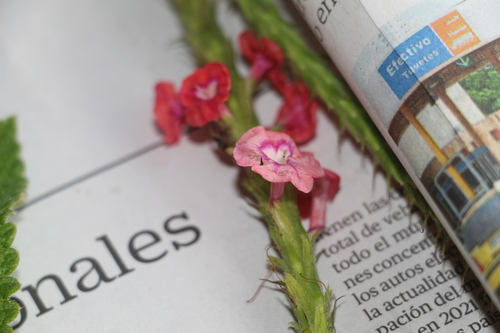
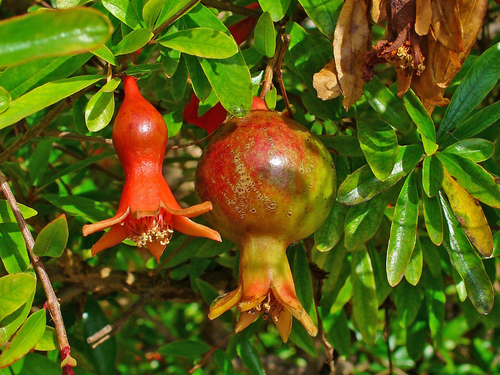
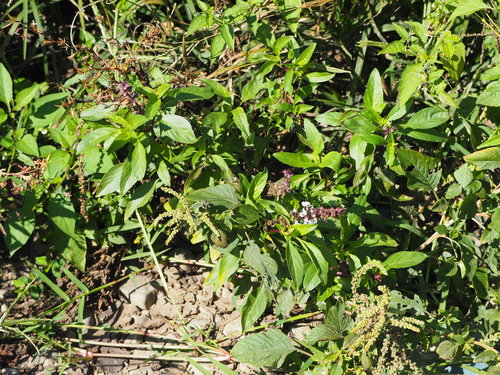
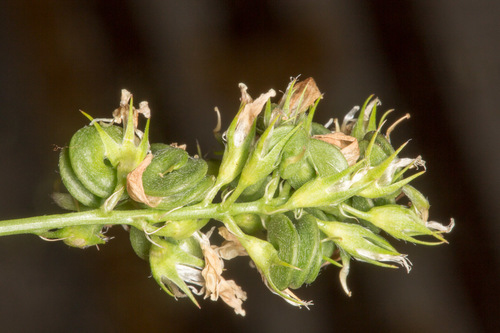


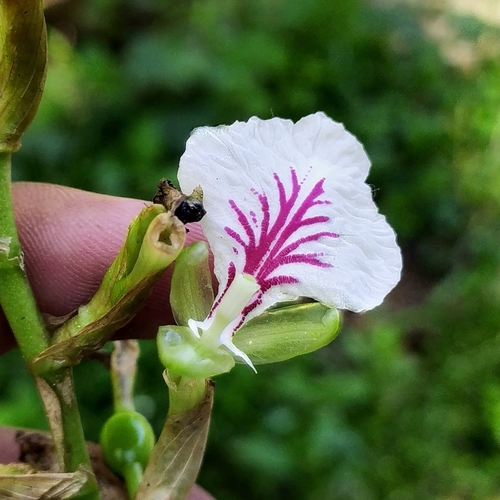
Records from studies worldwide, collected by GloBI. They include animals eaten as carrion, and they are not everything it eats in one place.
Where people see the lime swallowtail
People have shared 20,196 records from 51 countries.
Near a city: Aleppo, Baghdad, Dili, Hanoi, Ho Chi Minh City, Isfahan, Jakarta, Karachi, Lahore, Nha Trang, Santo Domingo, Victoria, Yangon.
Records show where people have seen it and shared it, not its full range. Country names open their page in Atlas.
When it is seen
Records per month in the northern hemisphere. More people outdoors also means more records.
Watch and listen
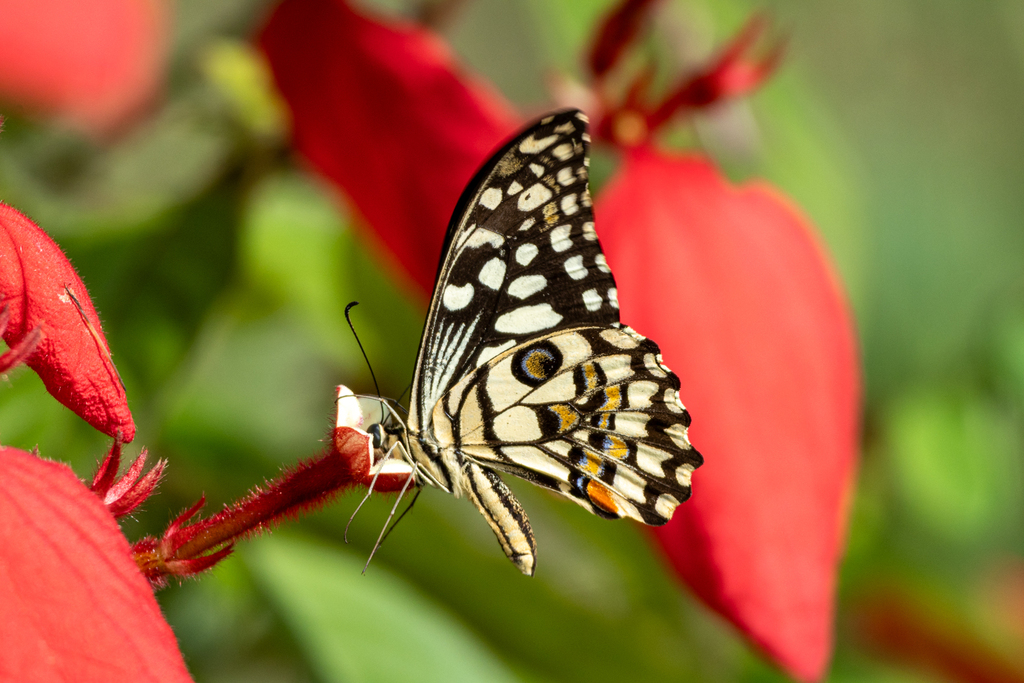
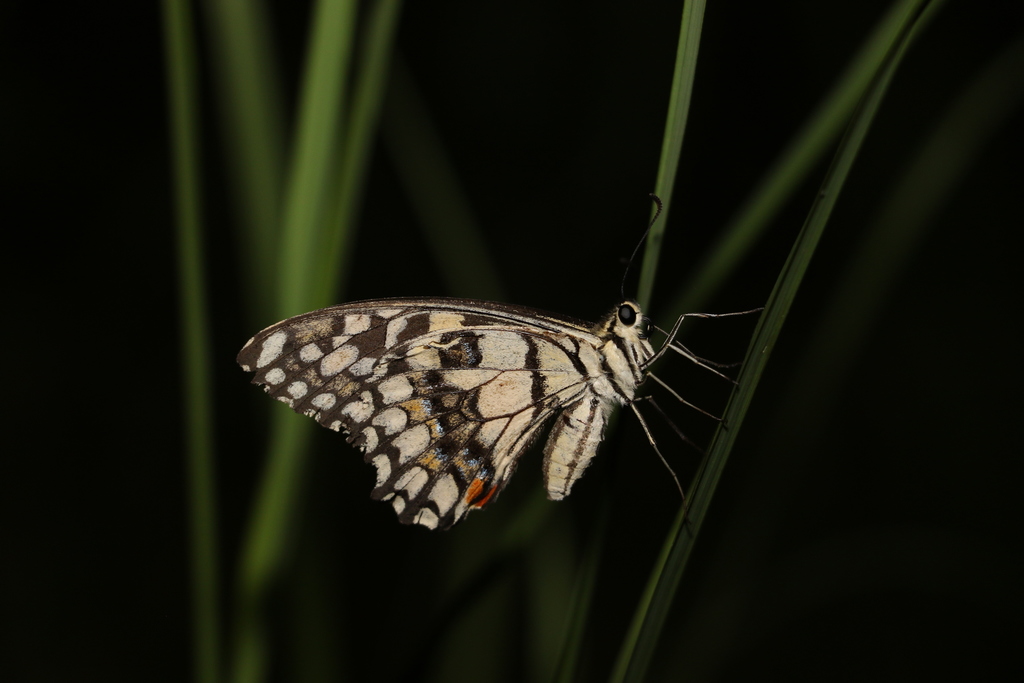
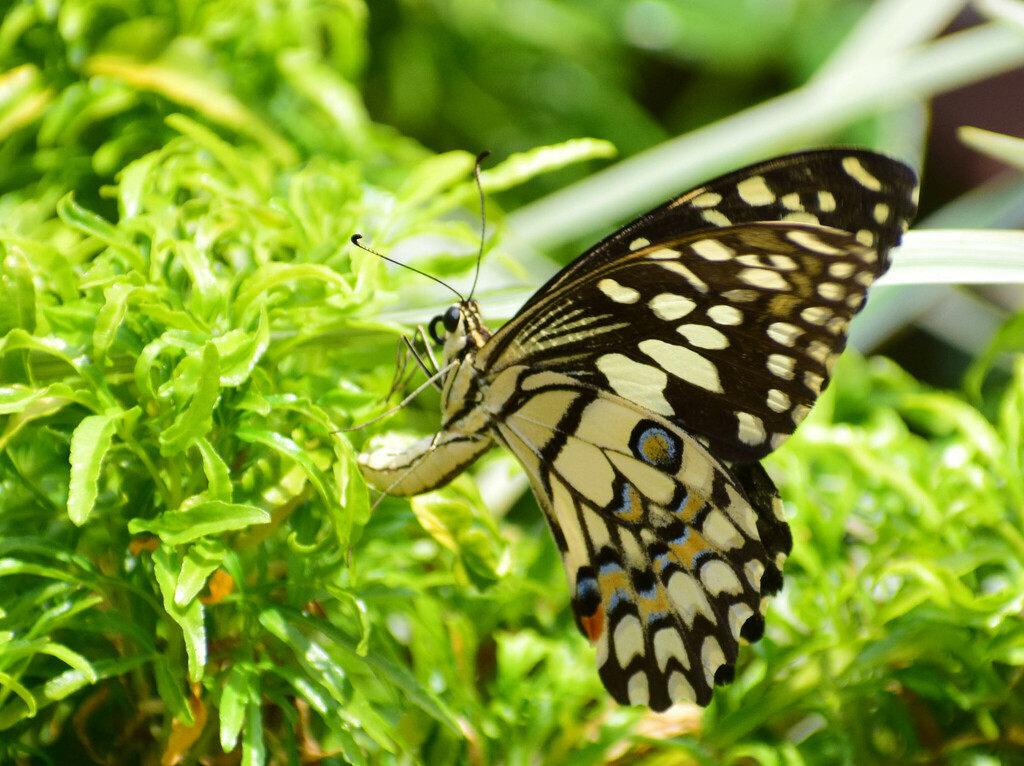
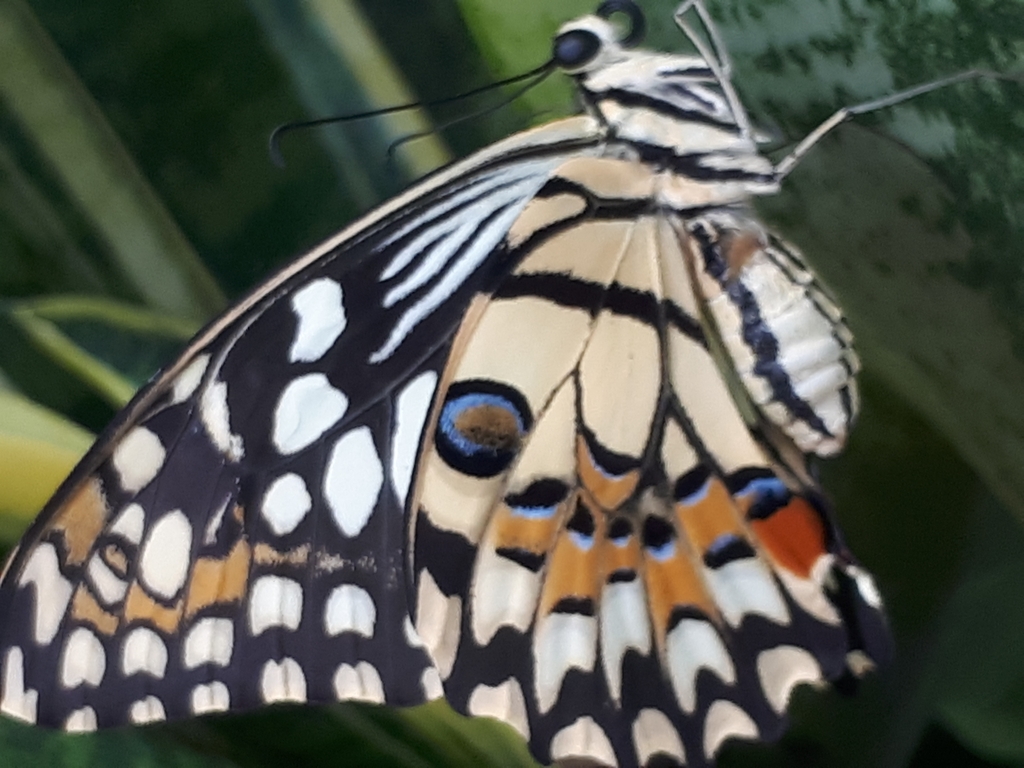
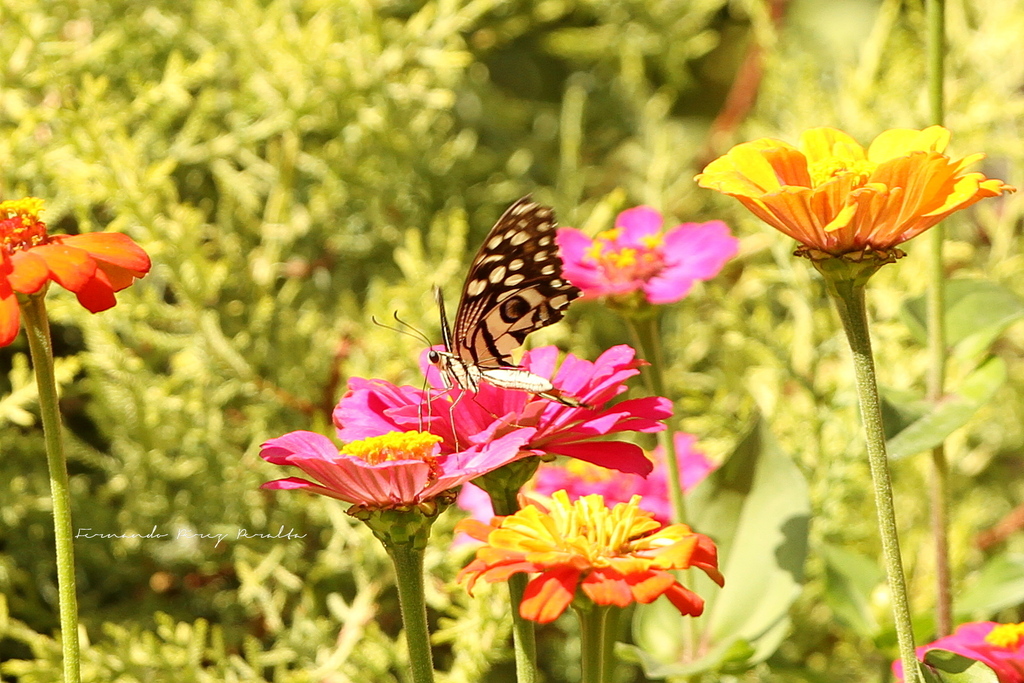
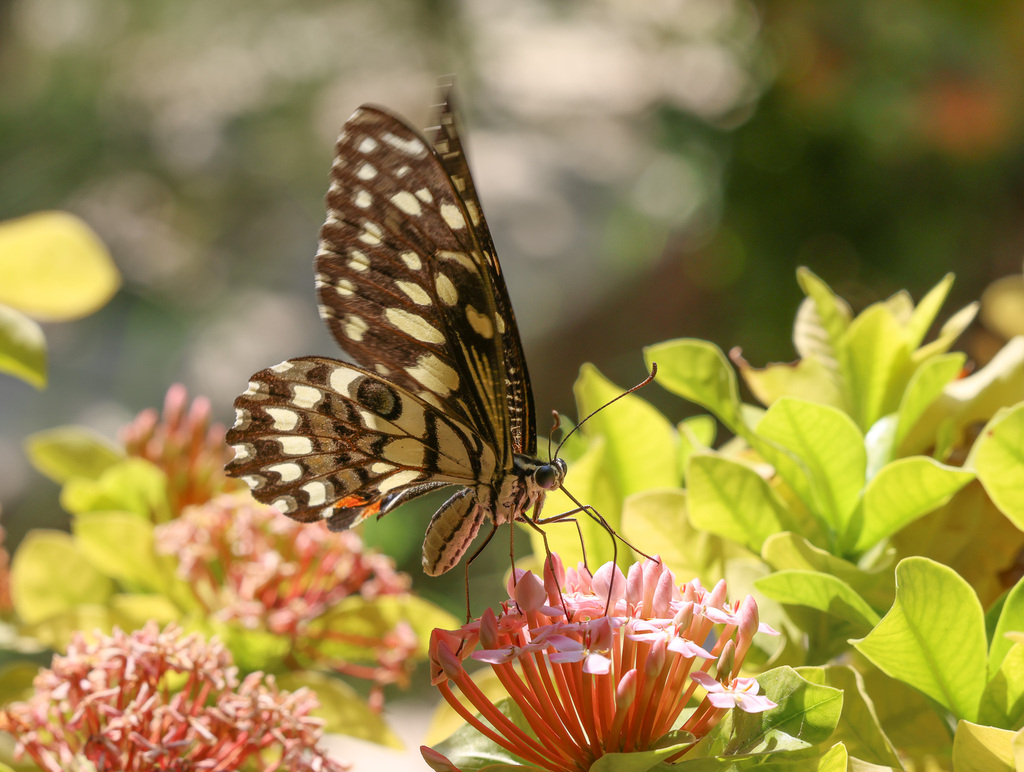
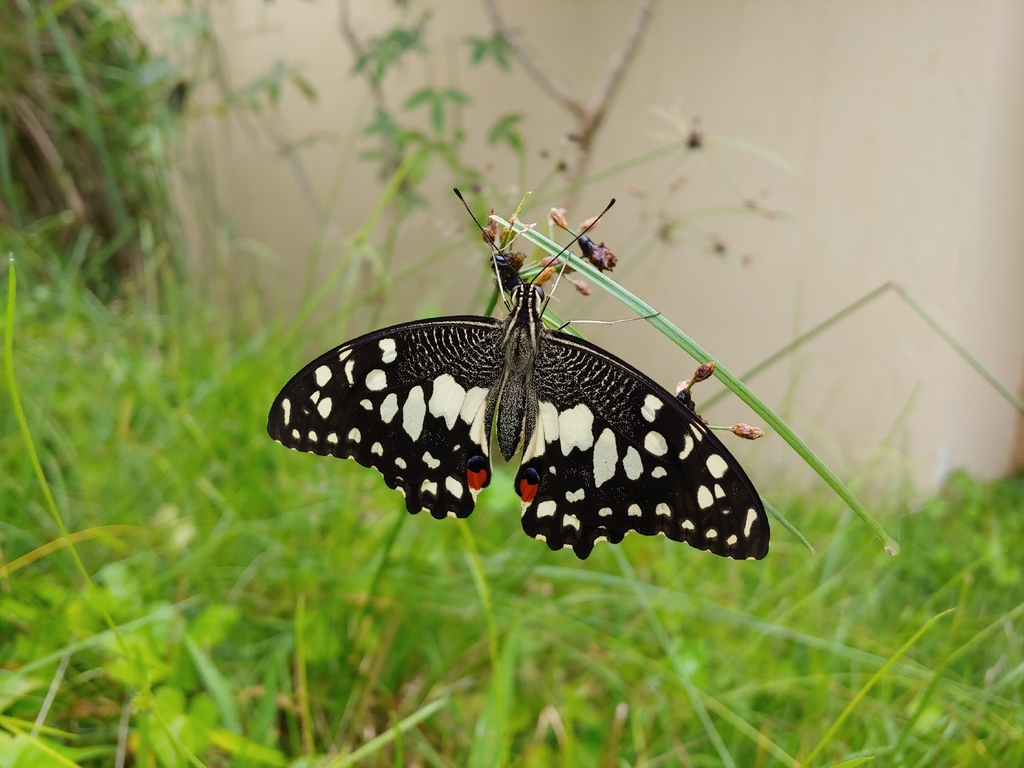
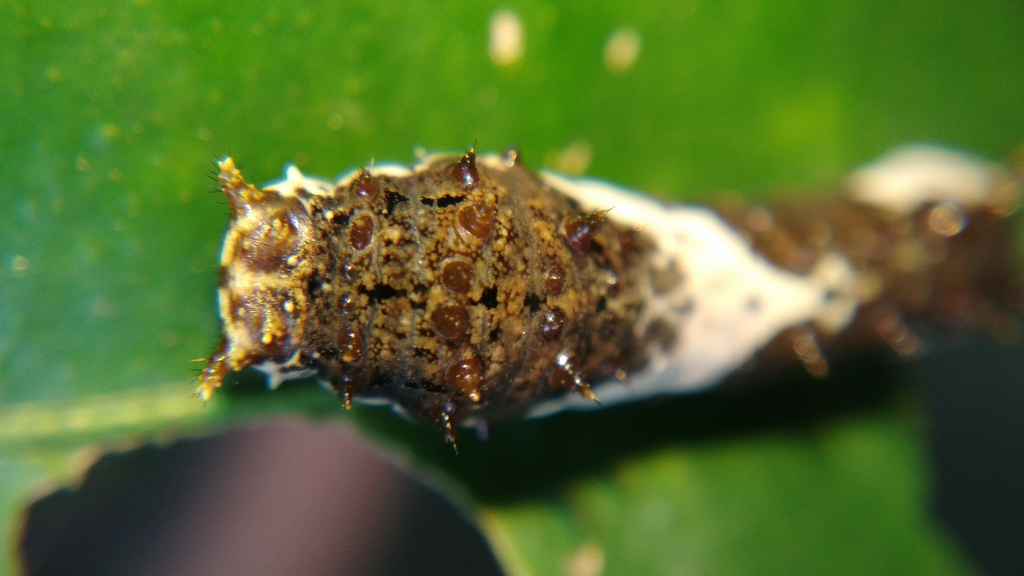
Its closest relatives
The other species of the genus Papilio.

Seen a lime swallowtail?
Share your photo on iNaturalist. Other naturalists help confirm it, and the record goes to GBIF, where scientists use it and where the maps on this page come from.
Put this species on your site
The card names every source and links back here.
<iframe src="https://4planetatlas.com/place/embed/species/lime-swallowtail" title="Lime swallowtail (Papilio demoleus), 4PLANET Species" width="100%" height="600" style="border:0;max-width:640px" loading="lazy"></iframe>
<p><a href="https://4species.com/lime-swallowtail">Lime swallowtail on 4PLANET Species</a></p>Questions people ask
What does the lime swallowtail eat?
The lime swallowtail has been recorded eating 129 different kinds of animals and plants, most of them plants. The ones recorded most often are madagascar periwinkle, bloodflower, japanese prickly ash, peregrina and changeable velvetberry; records include animals eaten as carrion. Source: GloBI.
What eats the lime swallowtail?
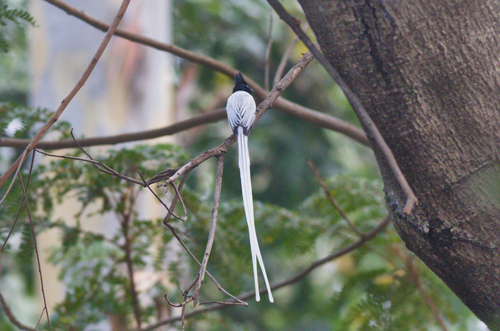
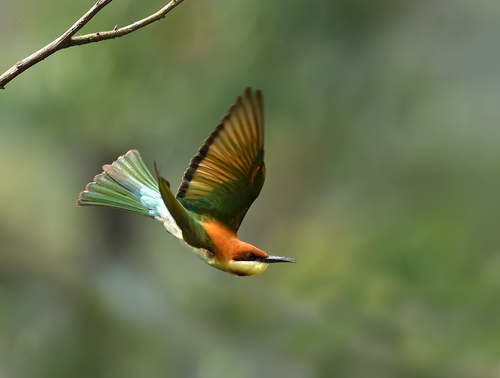
Recorded predators include indian paradise flycatcher and chestnut-headed bee-eater. Source: GloBI.
Where does the lime swallowtail live?
People have recorded it in 51 countries; the most records come from India, Australia, Singapore, Taiwan and Indonesia. Records show where people have seen it, not its full range.
When is the lime swallowtail seen most?
In the northern hemisphere, the most records are made in September and the fewest in January. More people outdoors also means more records.
What are the lime swallowtail's closest relatives?
It shares the genus Papilio with peacock swallowtail.
Sources and photo credits
- GBIF · Papilio demoleus, 20,196 human observations
- GloBI · recorded interactions of Papilio demoleus
- Wikidata · Lime swallowtail (Q285314)
- Lime swallowtail (Papilio demoleus): Adithyan A Saj, CC0
- Lime swallowtail (Papilio demoleus), Chengamanad, Kerala, India: Sunny Joseph, CC BY 4.0
- Lime swallowtail (Papilio demoleus), Brisbane QLD, Australia: Greg Tasney, CC BY-SA 4.0
- Lime swallowtail (Papilio demoleus), Anandapally, Kerala, India: Alen Alex Pathisseril, CC BY 4.0
- Lime swallowtail (Papilio demoleus), Quận 9: minhkhang, CC BY 4.0
- Lime swallowtail (Papilio demoleus), Fars Province, Shiraz, Lotf Ali Khan Zand St, JH53+63Q, Irán: Fernando Pérez Peralta, CC0
- Lime swallowtail (Papilio demoleus), Tiwi, Oman: Joey Bom, CC BY 4.0
- Lime swallowtail (Papilio demoleus), Miradero, Mayagüez, Puerto Rico: Kurt Miller, CC BY-SA 4.0
- Lime swallowtail (Papilio demoleus), อุดรคอมเฟค Tambon Nong Bua, Amphoe Mueang Udon Thani, Chang Wat Udon Thani 41000, Thailand: Navapol Komanasin, CC BY 4.0
- Madagascar periwinkle: no rights reserved, uploaded by 葉子, CC0
- Bloodflower: Ricard Busquets Reverte, CC BY 4.0
- Japanese prickly ash: no rights reserved, uploaded by 葉子, CC0
- Peregrina: Eric Knight, CC BY 4.0
- Changeable velvetberry: Andrés Ramírez-Barrera, CC BY 4.0
- Pomegranate: H. Zell, CC BY-SA 4.0
- Basil: no rights reserved, uploaded by 葉子, CC0
- Alfalfa: Drepanostoma, CC BY 4.0
- Moringa: no rights reserved, uploaded by 葉子, CC0
- Balm: Eleftherios Katsillis, CC BY 4.0
- Indian bael: no rights reserved, uploaded by Vijay Barve, CC0
- Cardamom: Amar Bharathy, CC BY 4.0
- Indian paradise flycatcher: Ajay, CC BY 4.0
- Chestnut-headed bee-eater: Sunny Joseph, CC BY 4.0
- Peacock swallowtail: Cheongweei Gan, CC BY 4.0
Records show where people have seen and shared the lime swallowtail, not its full range, and some countries and months are recorded far more than others. The food web lists interactions that studies have recorded somewhere in the world (GloBI), not everything it eats in one place.
Checked 2026-11-27.