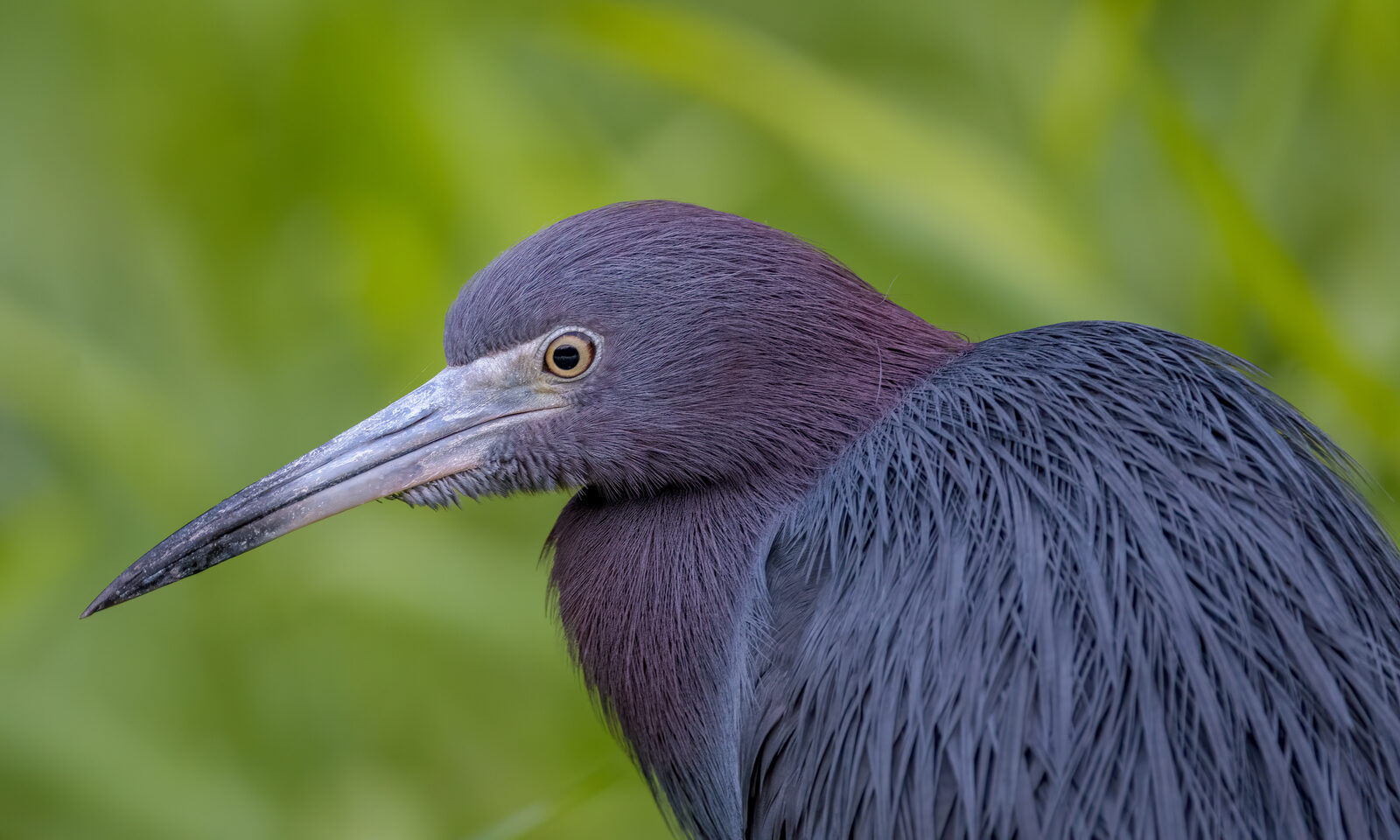
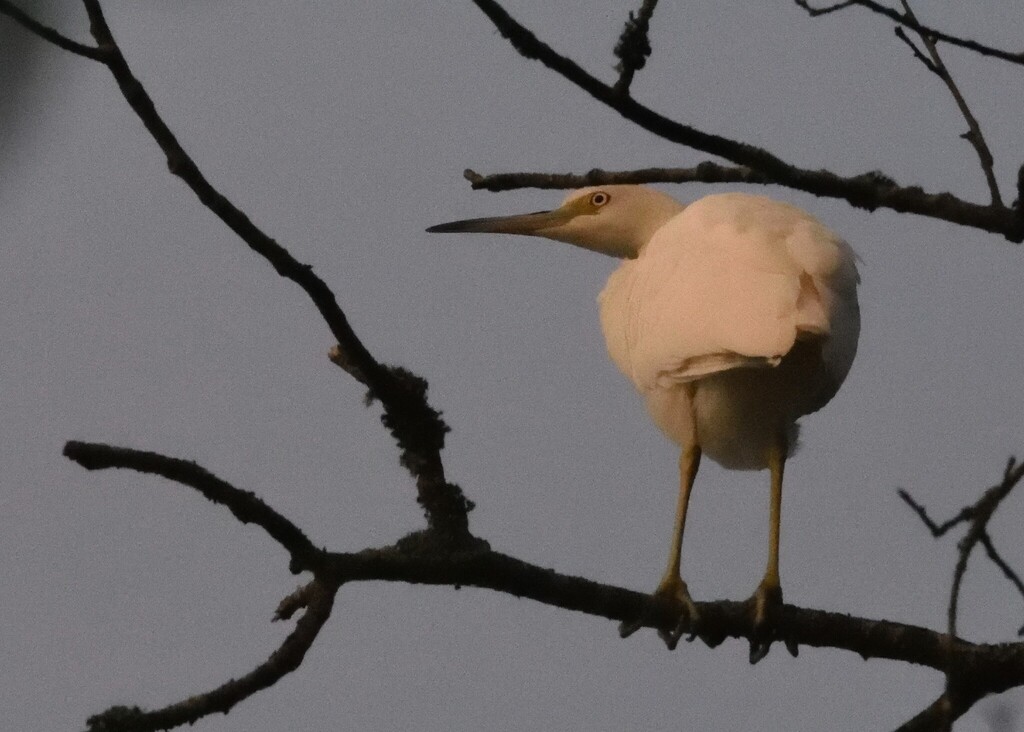
Little blue heron
Egretta caerulea
- Status
- Least Concern IUCN Red List
- Eats
- mosquitofish, green darner, cuban tree frog and 96 more
- Where
- 57 countries
On 4Planet Atlas it is among the wildlife people record most around Atlanta, Basseterre and Belmopan, and 21 more of the cities we cover.
People have shared 2,008,851 records of the little blue heron with GBIF, from 57 countries, most of them from United States, Costa Rica and Mexico. Records collected by GloBI show it eating 99 different kinds of animals and plants, and being eaten by 2.
What the little blue heron eats, and what eats it
Studies have recorded it eating 99 kinds of animals and plants, and 2 kinds of animals eating it. Tap any of them to follow the food chain.
- Fish 64
- Crustaceans 13
- Amphibians 8
- Reptiles 7
- Insects 4
 Little blue heron
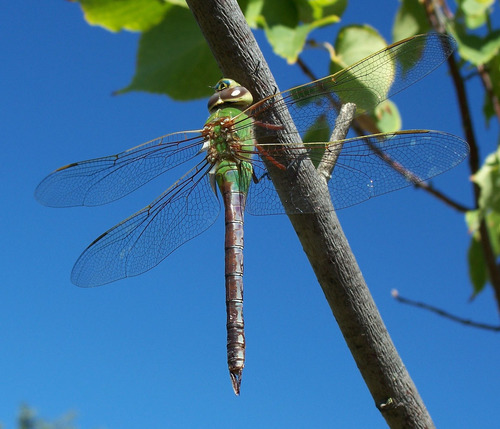
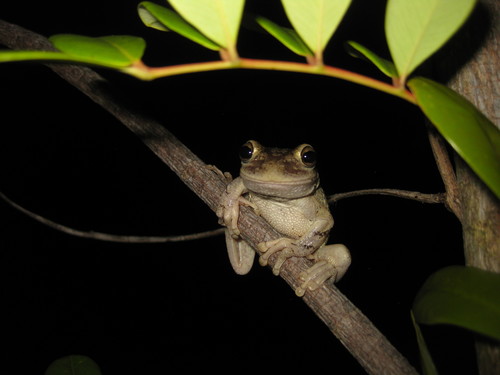
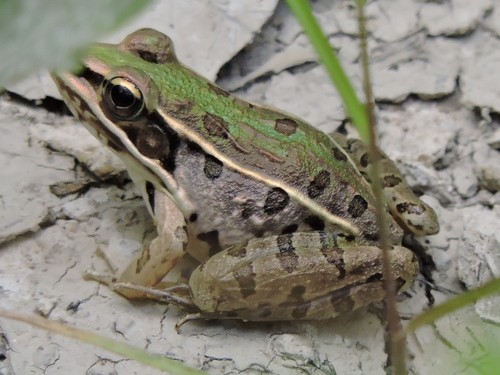

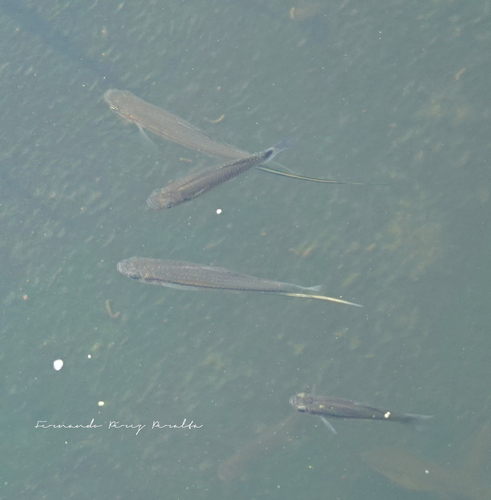
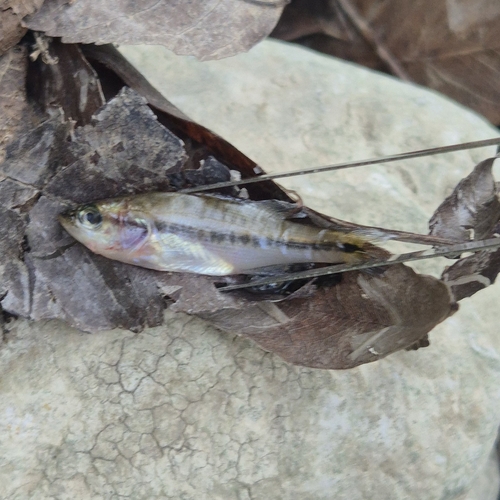
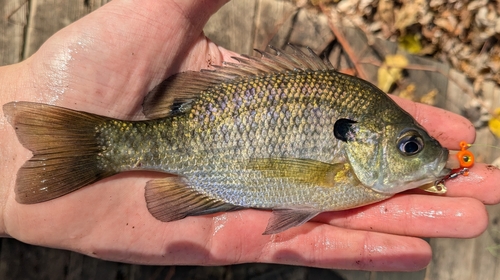
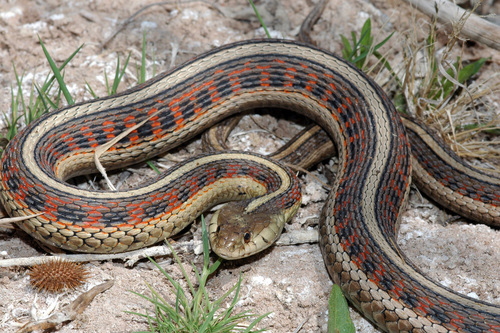
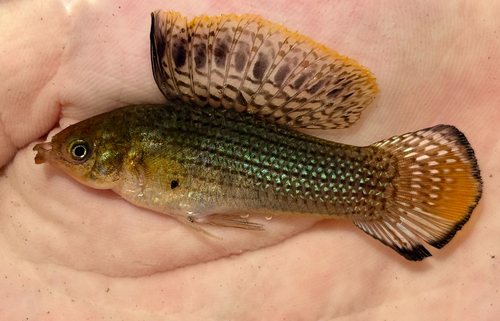
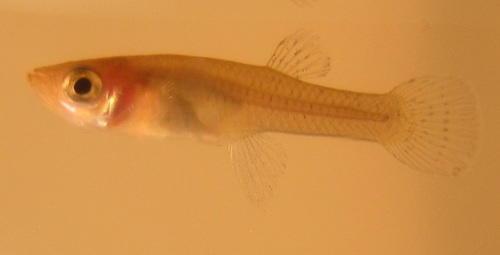
Records from studies worldwide, collected by GloBI. They include animals eaten as carrion, and they are not everything it eats in one place.
Where people see the little blue heron
People have shared 2,008,851 records from 57 countries.
Near a city: Atlanta, Basseterre, Belmopan, Bridgetown, Castries, Dallas, Georgetown, Havana, Houston, Kingston, Kingstown, Lima, Managua, Nassau, Panama City, Paramaribo, Port-au-Prince, Port of Spain, Rio de Janeiro, Roseau, San Salvador, Santo Domingo, St. George's, Tegucigalpa.
Records show where people have seen it and shared it, not its full range. Country names open their page in Atlas.
When it is seen
Records per month in the northern hemisphere. More people outdoors also means more records.
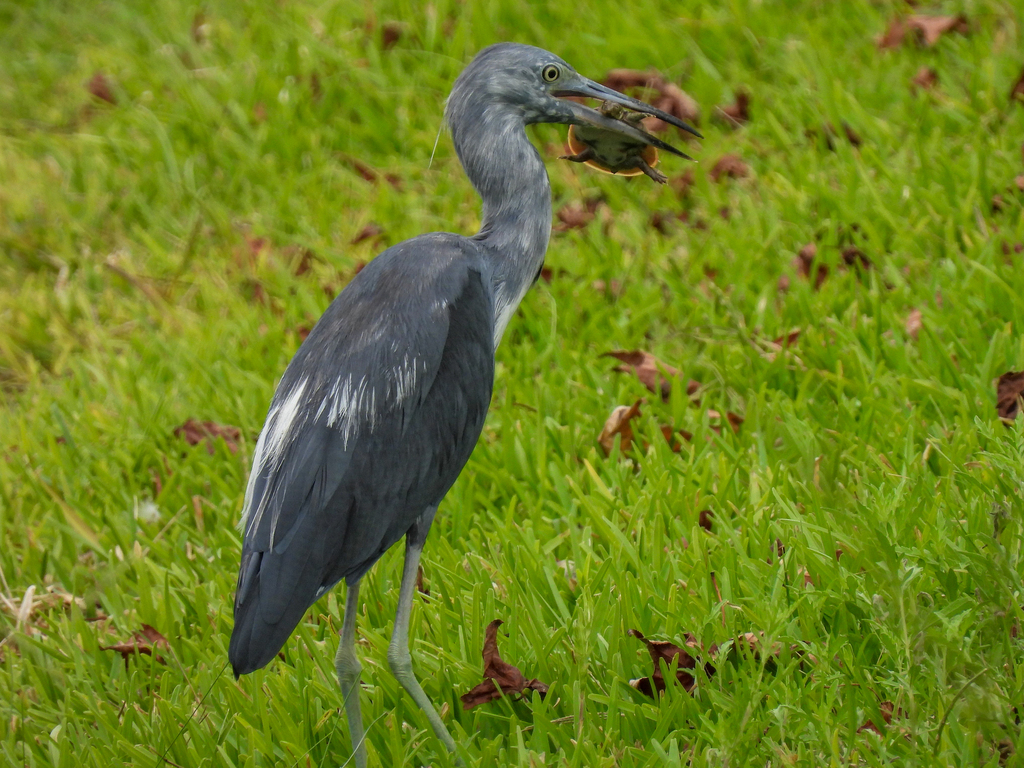
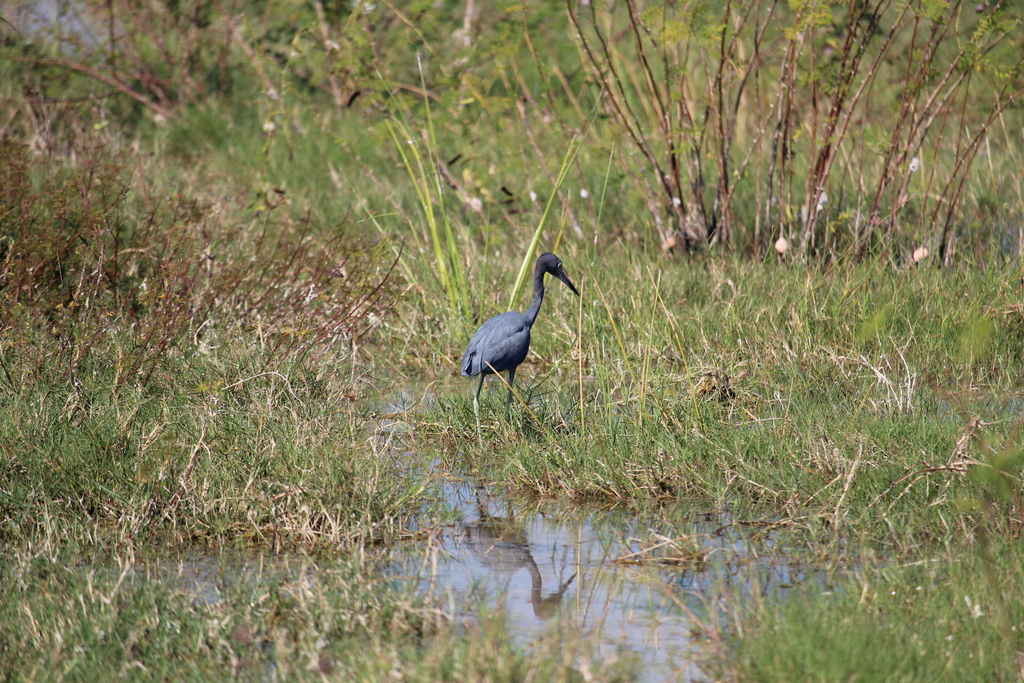
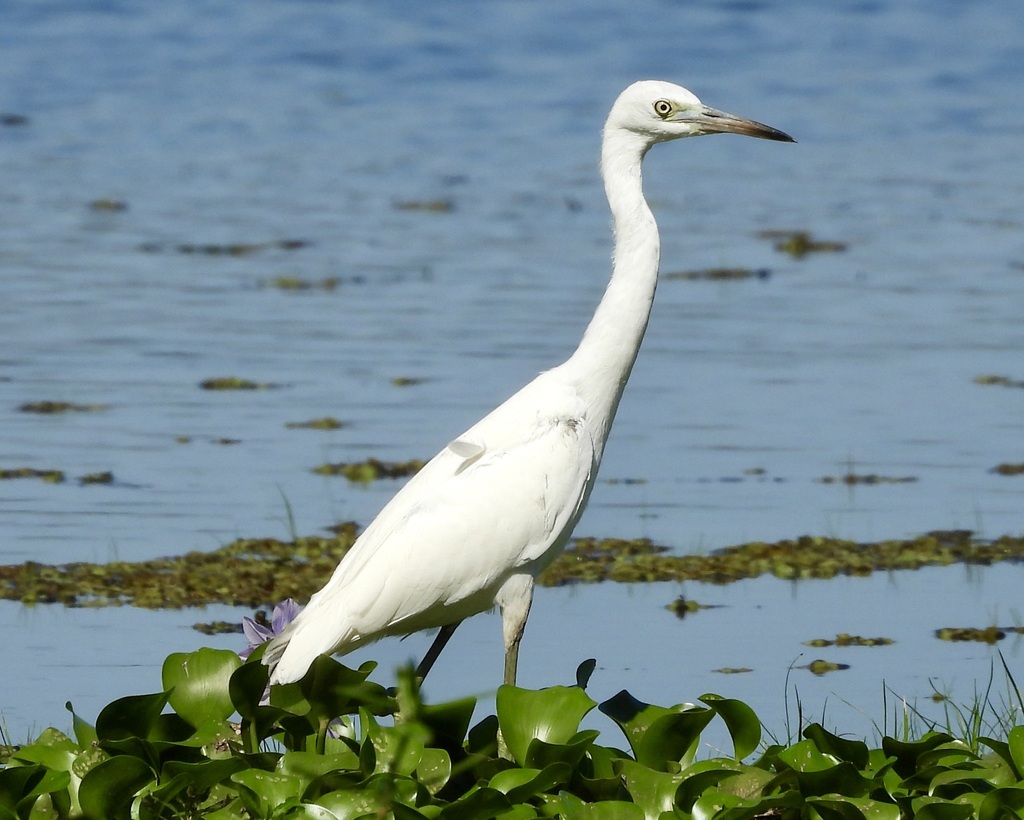
Watch and listen
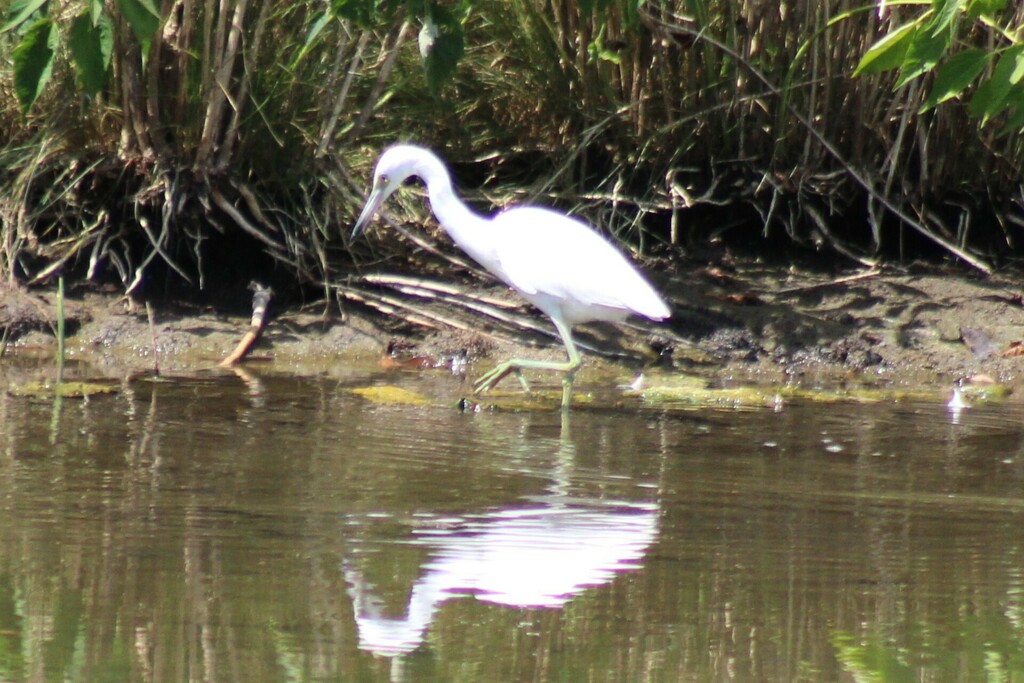
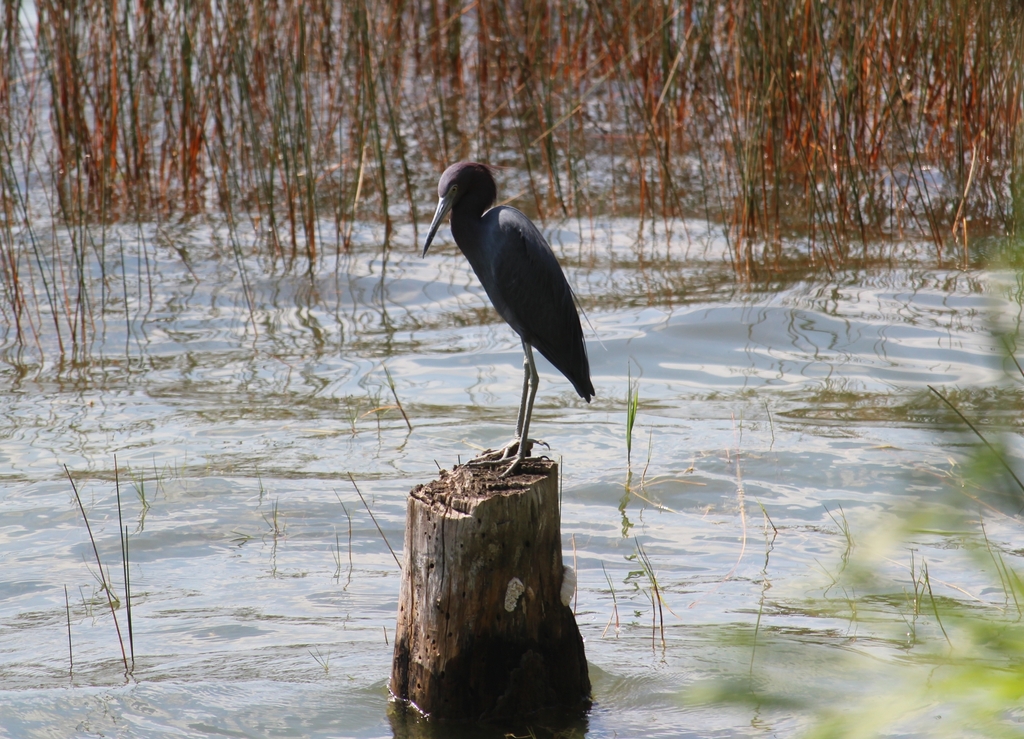
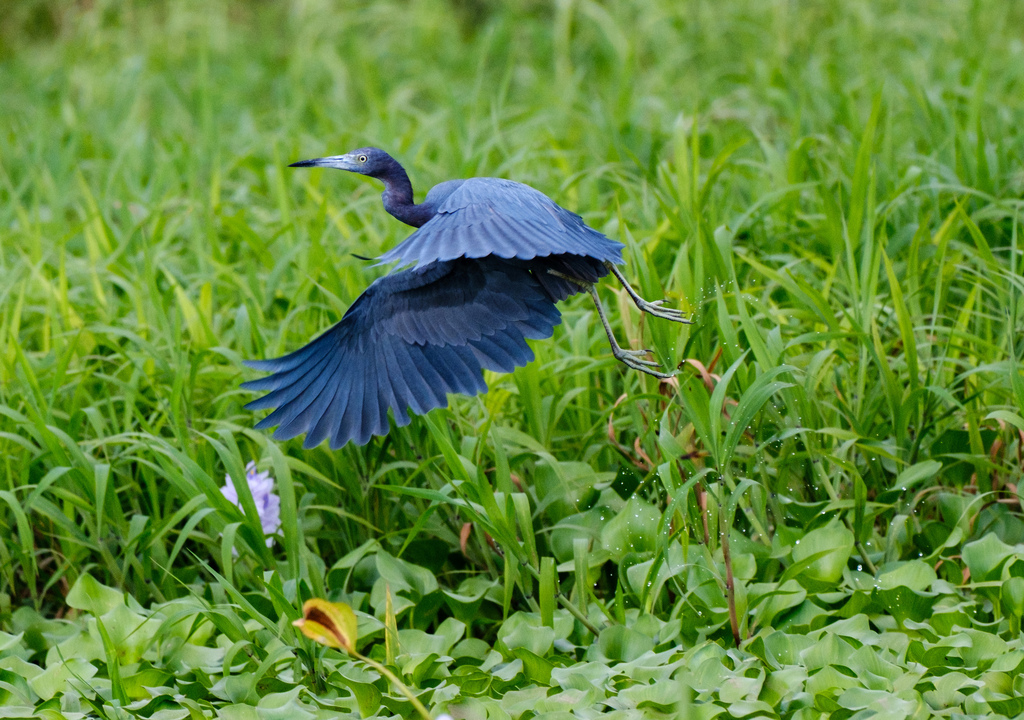
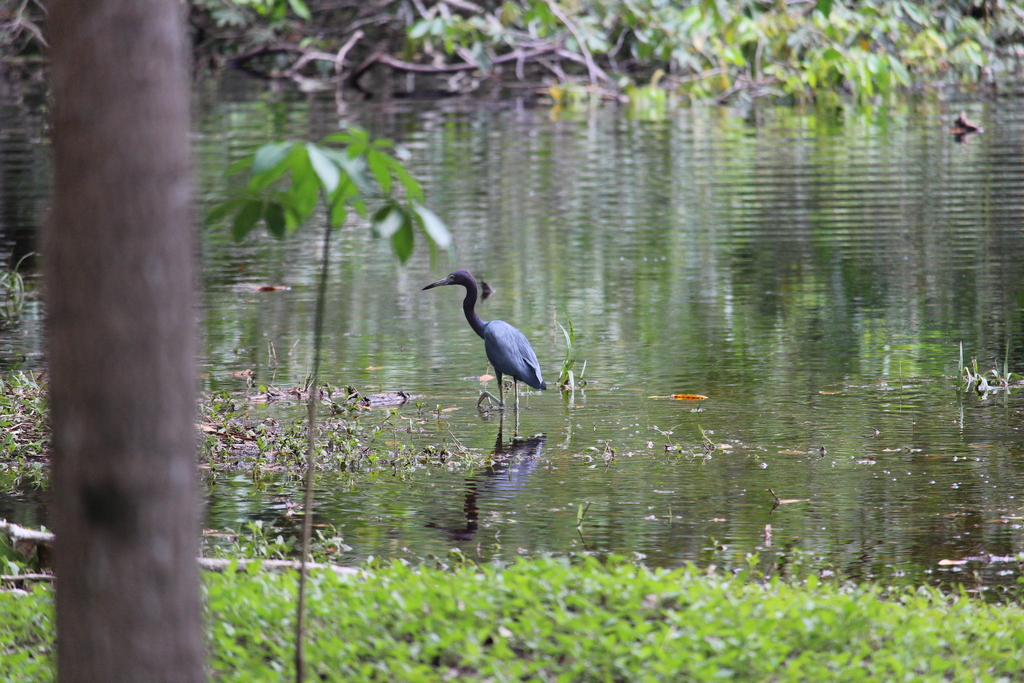
Its closest relatives
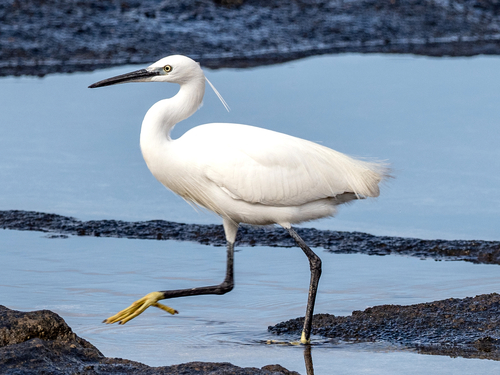
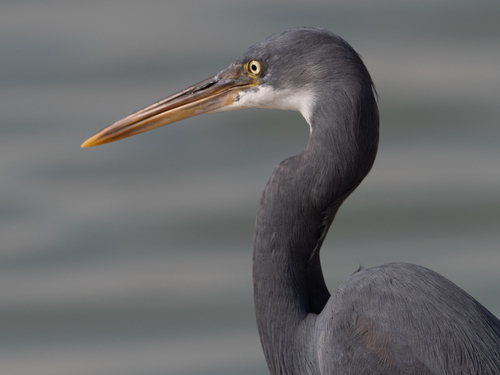
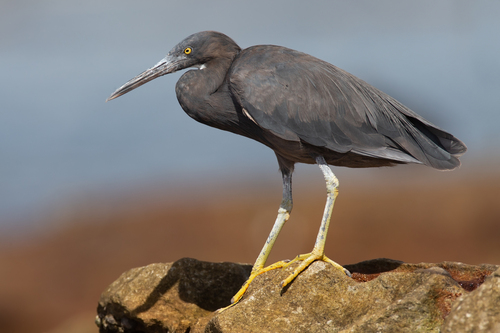
The other species of the genus Egretta.
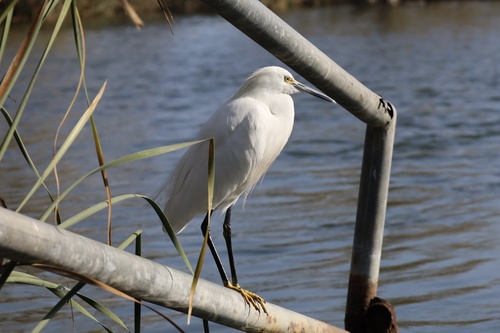
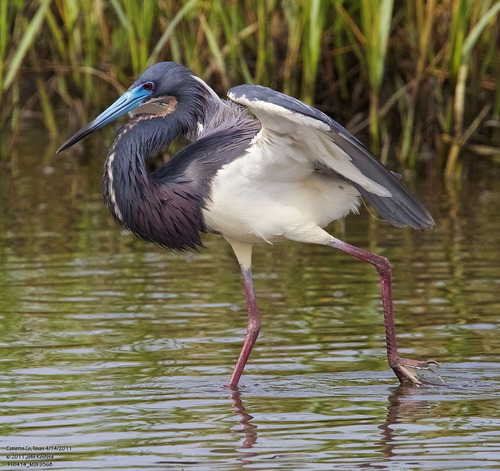
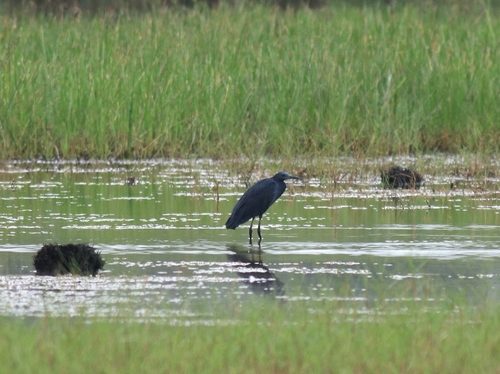
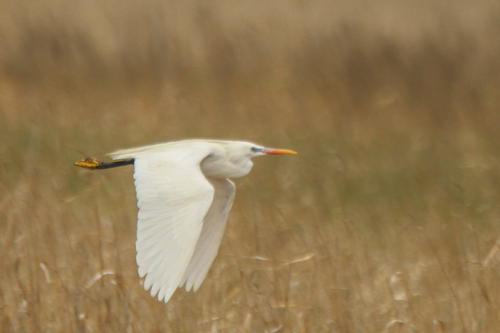
Seen a little blue heron?
Share your photo on iNaturalist. Other naturalists help confirm it, and the record goes to GBIF, where scientists use it and where the maps on this page come from.
Put this species on your site
The card names every source and links back here.
<iframe src="https://4planetatlas.com/place/embed/species/little-blue-heron" title="Little blue heron (Egretta caerulea), 4PLANET Species" width="100%" height="600" style="border:0;max-width:640px" loading="lazy"></iframe>
<p><a href="https://4species.com/little-blue-heron">Little blue heron on 4PLANET Species</a></p>Questions people ask
What does the little blue heron eat?
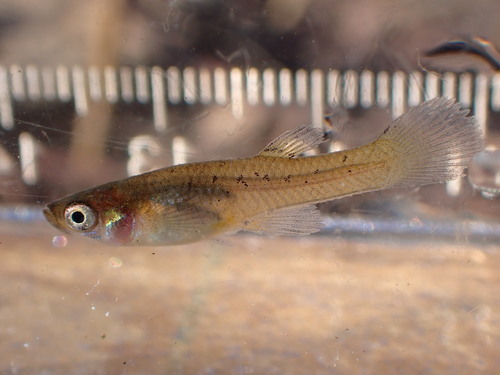
The little blue heron has been recorded eating 99 different kinds of animals and plants, most of them fish, crustaceans, amphibians and reptiles. The ones recorded most often are mosquitofish, green darner, cuban tree frog, southern leopard frog and kelp pipefish; records include animals eaten as carrion. Source: GloBI.
What eats the little blue heron?
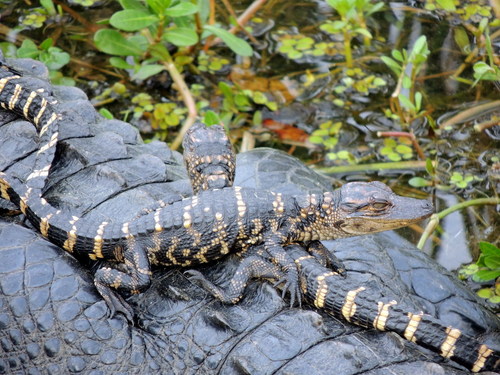
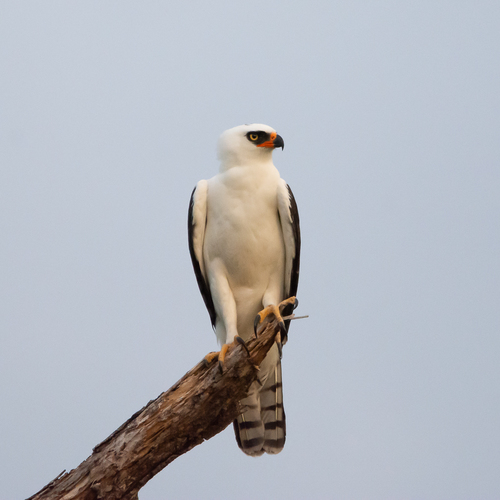
Recorded predators include american alligator and black-and-white hawk-eagle. Source: GloBI.
Where does the little blue heron live?
People have recorded it in 57 countries; the most records come from United States, Costa Rica, Mexico, Belize and Colombia. Records show where people have seen it, not its full range.
When is the little blue heron seen most?
In the northern hemisphere, the most records are made in January and the fewest in June. More people outdoors also means more records.
What are the little blue heron's closest relatives?
It shares the genus Egretta with little egret, western reef heron, pacific reef heron, snowy egret and tricolored heron.
Sources and photo credits
- GBIF · Egretta caerulea, 2,008,851 human observations
- GloBI · recorded interactions of Egretta caerulea
- Wikidata · Little blue heron (Q371028)
- Little blue heron (Egretta caerulea): Becky Matsubara, CC BY 4.0
- Little blue heron (Egretta caerulea), Resoft County Park, 20020 TX-35, Alvin, TX 77511, USA: Vicki Miller, CC0
- Little blue heron (Egretta caerulea), El Remate, Guatemala: Ricard Busquets Reverte, CC BY 4.0
- Little blue heron (Egretta caerulea), Jasper County, TX, USA: Laura Clark, CC BY 4.0
- Little blue heron (Egretta caerulea), Saltville, VA, USA: Robert Harris, CC BY 4.0
- Little blue heron (Egretta caerulea), Flores, Guatemala: Ricard Busquets Reverte, CC BY 4.0
- Little blue heron (Egretta caerulea), Coyuca de Benítez, Guerrero, Mexico: Jer Clarke, CC BY 4.0
- Little blue heron (Egretta caerulea), Melchor de Mencos, Guatemala: Ricard Busquets Reverte, CC BY 4.0
- Little blue heron (Egretta caerulea), Albemarle County, US-VA, US: Guy Babineau, CC BY 4.0
- Mosquitofish: Zakqary Roy, CC BY 4.0
- Green darner: Eugene Zelenko, CC BY-SA 4.0
- Cuban tree frog: Kevin Judge, CC BY 4.0
- Southern leopard frog: Sam Kieschnick, CC BY 4.0
- Kelp pipefish: Claire H., CC BY-SA 4.0
- Swordtail: Fernando Pérez Peralta, CC0
- Florida bass: Trevor Hollister, CC0
- Bluegill: Quinn, CC BY 4.0
- Common garter snake: Tom Kennedy, CC BY 4.0
- Sailfin molly: Nigel Hoadley, CC BY 4.0
- Eastern mosquitofish: no rights reserved, uploaded by Ken Kneidel, CC0
- American alligator: no rights reserved, uploaded by Vijay Barve, CC0
- Black-and-white hawk-eagle: no rights reserved, uploaded by NINA WENÓLI, CC0
- Little egret: Bengt Nyman, CC BY 4.0
- Western reef heron: William Stephens, CC BY 4.0
- Pacific reef heron: JJ Harrison, CC BY-SA 4.0
- Snowy egret: Roberto Daniel Avila, CC BY 4.0
- Tricolored heron: John Rosford, CC BY 4.0
- Black heron: Afsar Nayakkan, CC BY 4.0
- Chinese egret: Andrew Bazdyrev, CC BY 4.0
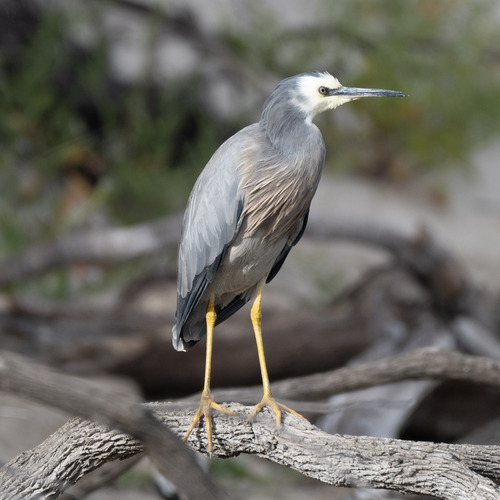
- White-faced heron: jirau, CC BY-SA 4.0
Records show where people have seen and shared the little blue heron, not its full range, and some countries and months are recorded far more than others. The food web lists interactions that studies have recorded somewhere in the world (GloBI), not everything it eats in one place.
Checked 2026-11-26.