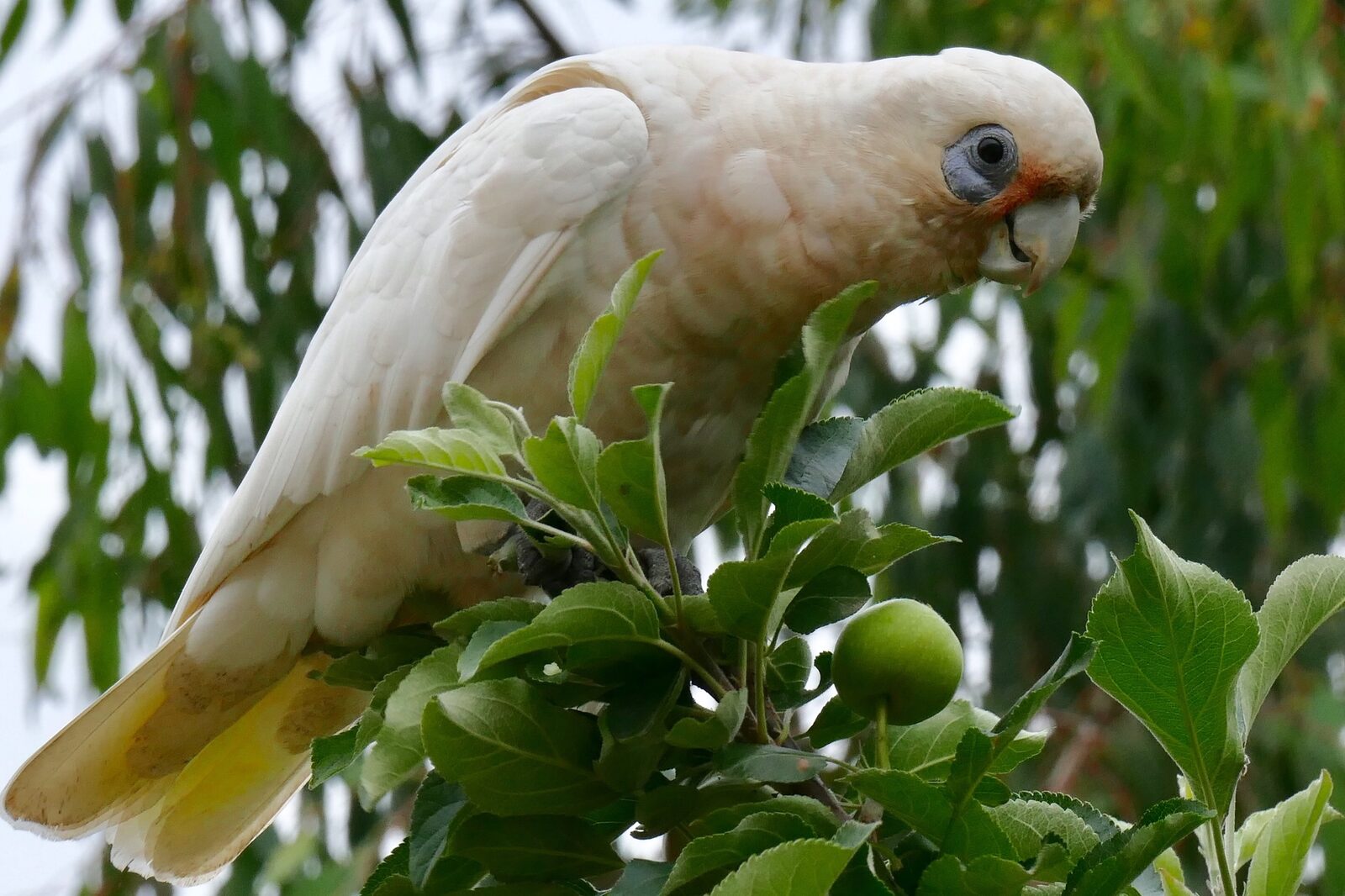
Little Corella
Cacatua sanguinea
- Status
- Least Concern IUCN Red List
- Eats
- coast lettuce, olive, quince and 27 more
- Eaten by
- grey wolf, wedge-tailed eagle, brown falcon
- Where
- 7 countries
On 4Planet Atlas it is among the wildlife people record most around Canberra, Melbourne and Sydney.
People have shared 358,162 records of the Little Corella with GBIF, from 7 countries, most of them from Australia, Indonesia and Papua New Guinea. Records collected by GloBI show it eating 30 different kinds of animals and plants, and being eaten by 5.
What the little Corella eats, and what eats it
Studies have recorded it eating 30 kinds of animals and plants, and 5 kinds of animals eating it. Tap any of them to follow the food chain.
- Plants 30

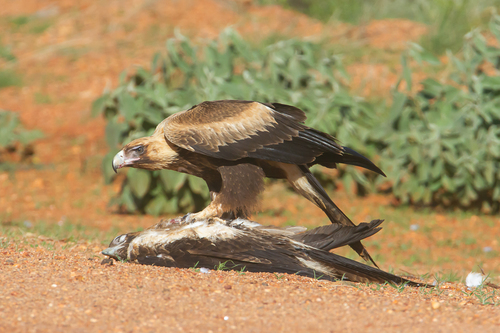
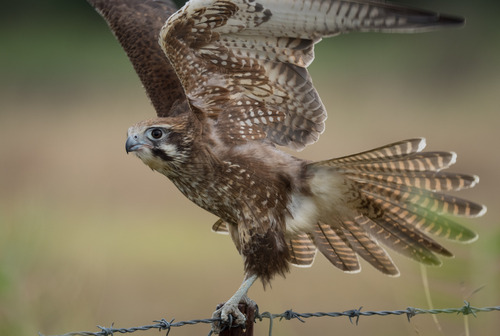
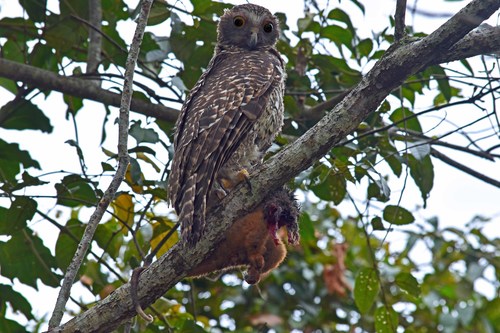 Little Corella
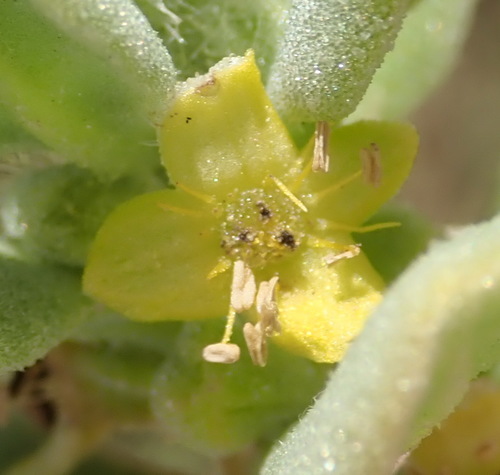
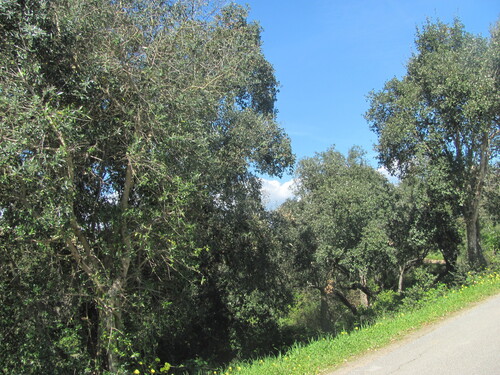
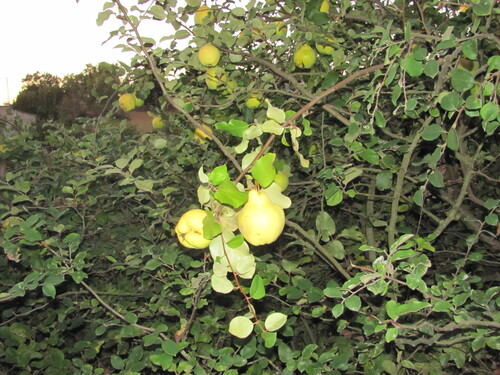
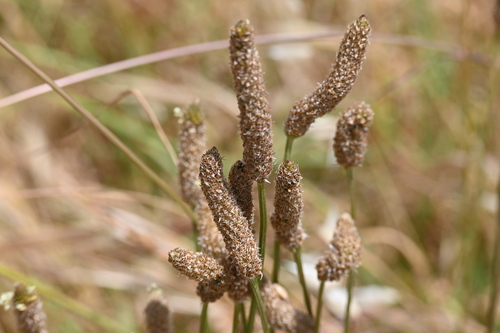
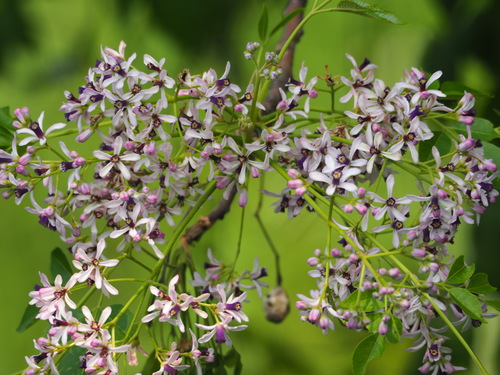


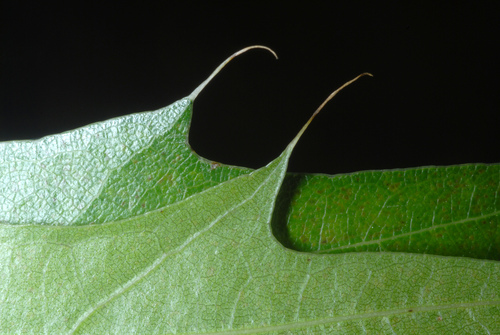
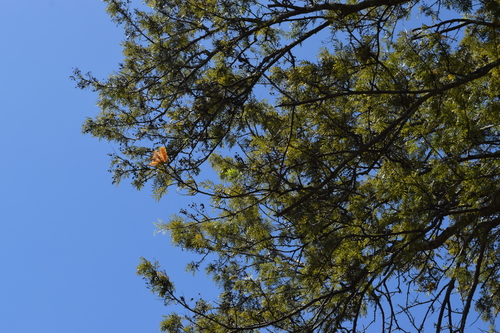
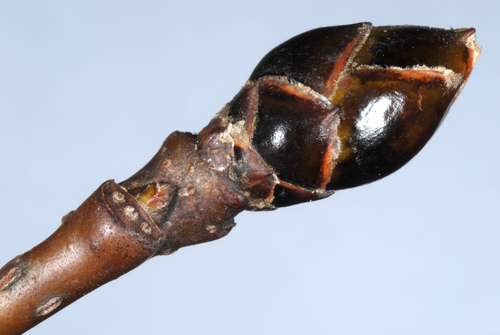
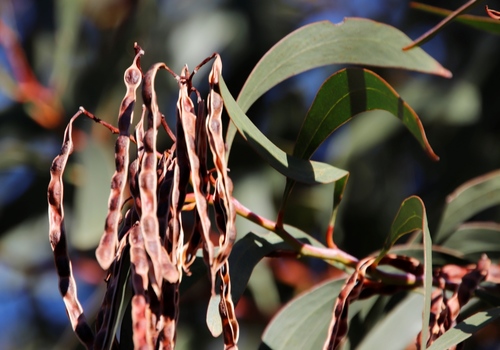
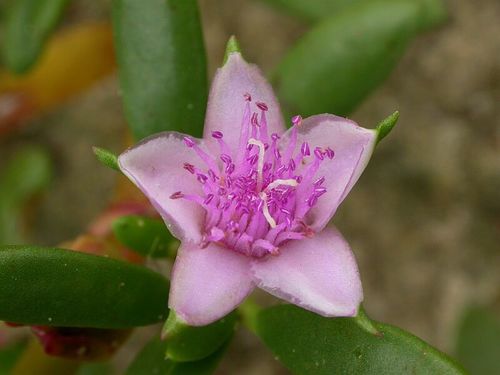
Records from studies worldwide, collected by GloBI. They include animals eaten as carrion, and they are not everything it eats in one place.
Where people see the little Corella
People have shared 358,162 records from 7 countries.
Near a city: Canberra, Melbourne, Sydney.
Records show where people have seen it and shared it, not its full range. Country names open their page in Atlas.
When it is seen
Records per month in the southern hemisphere. More people outdoors also means more records.
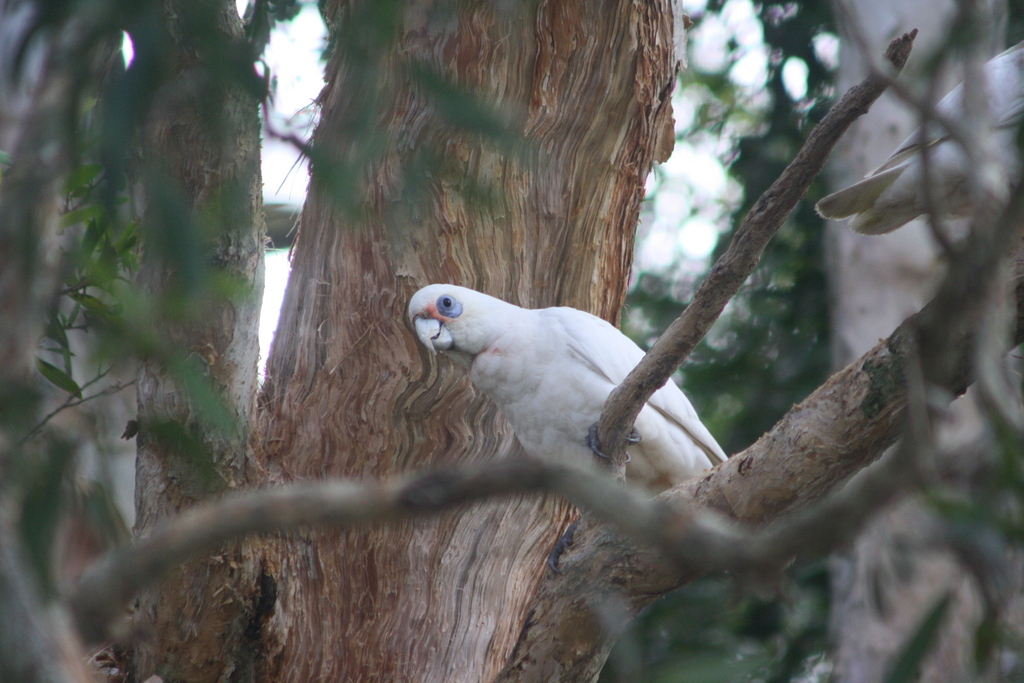
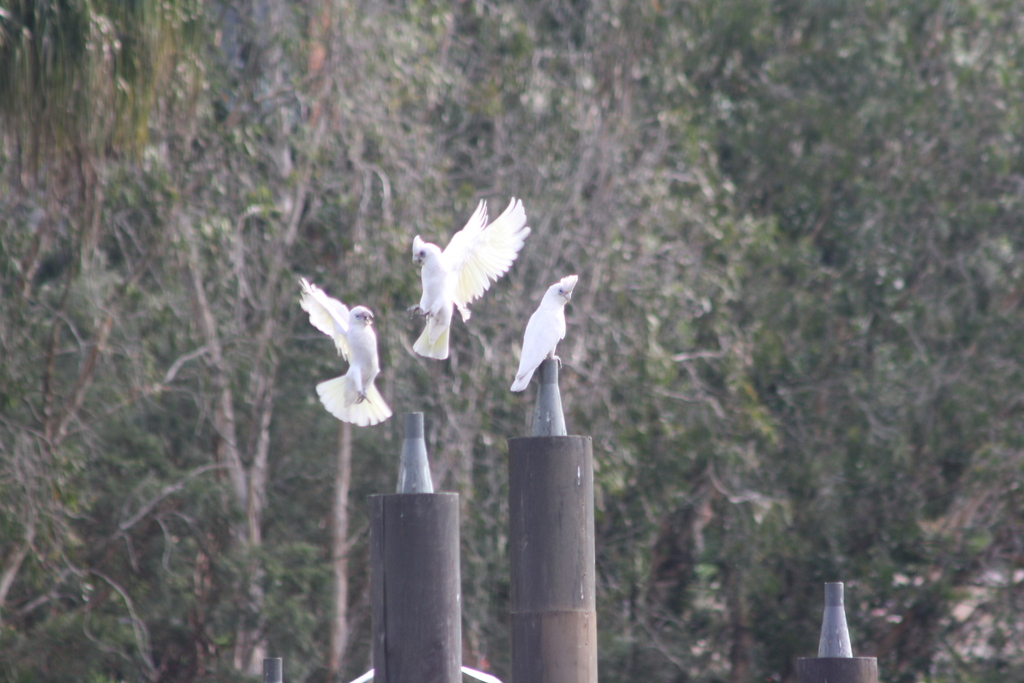
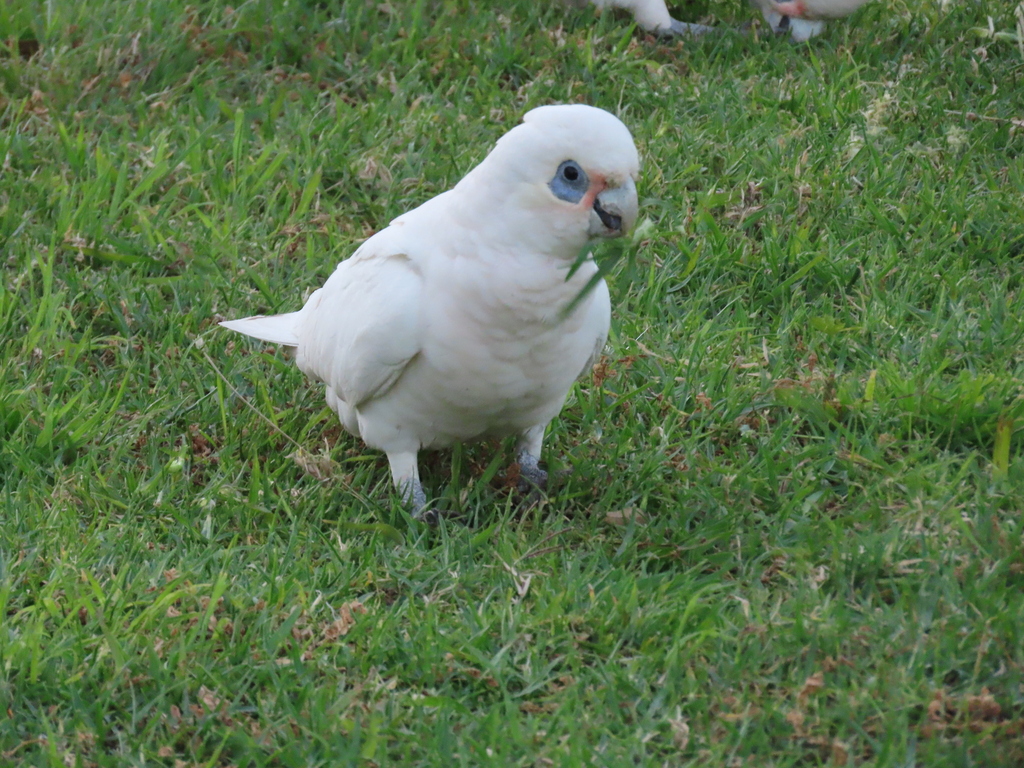
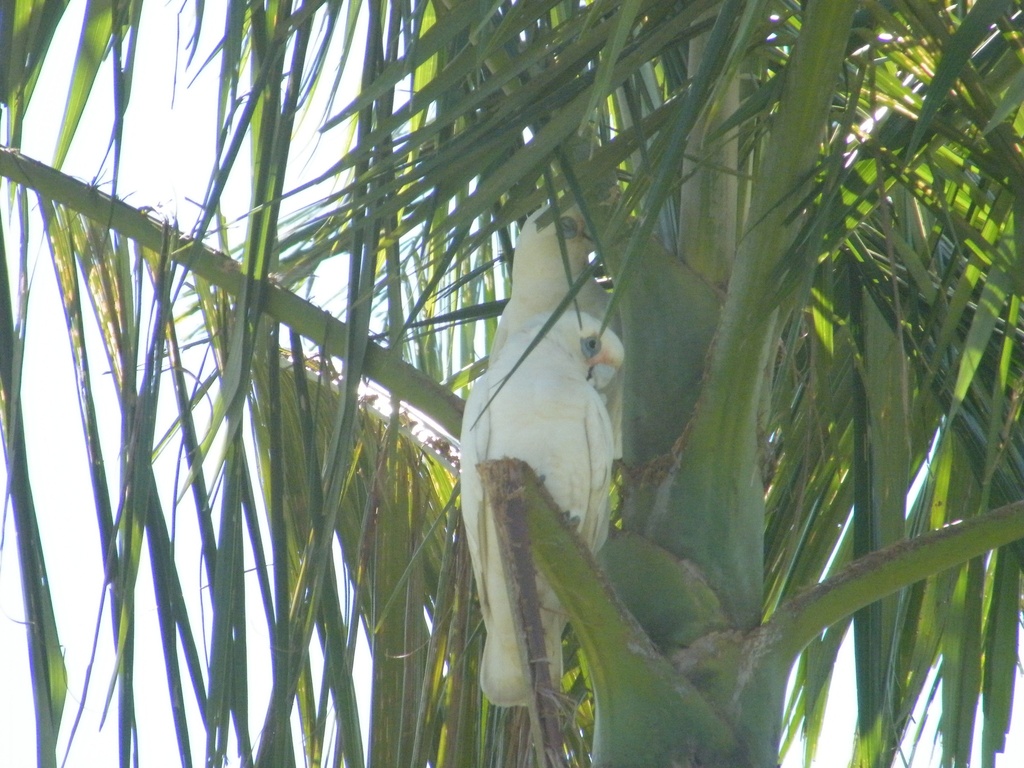
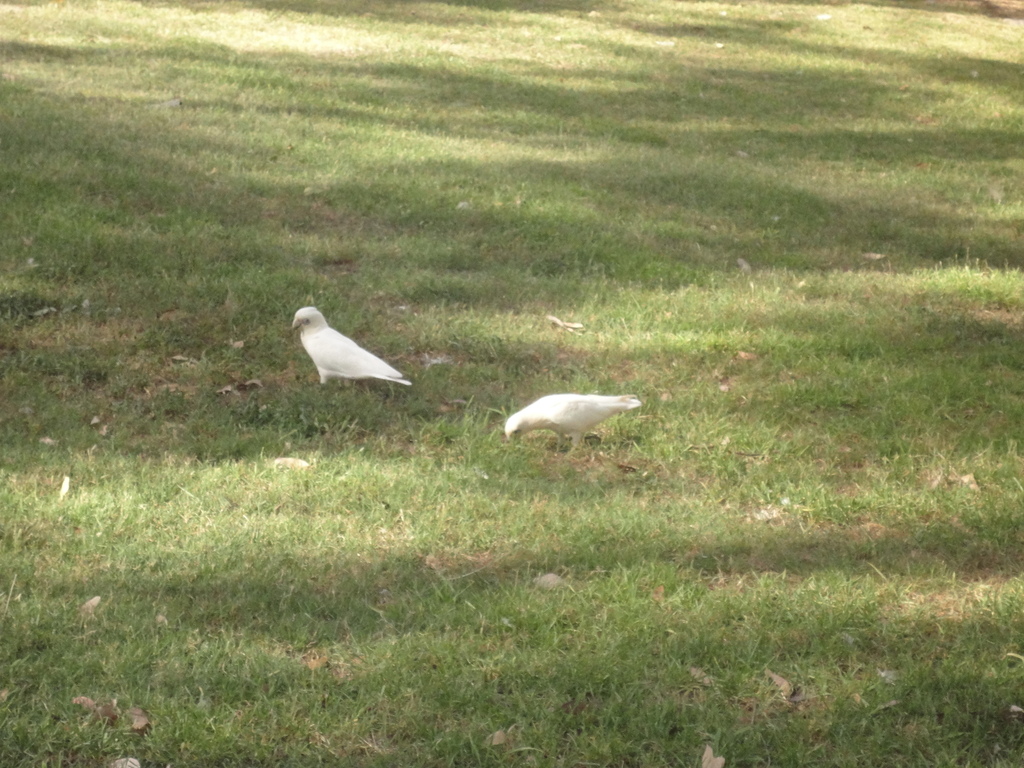
Watch and listen
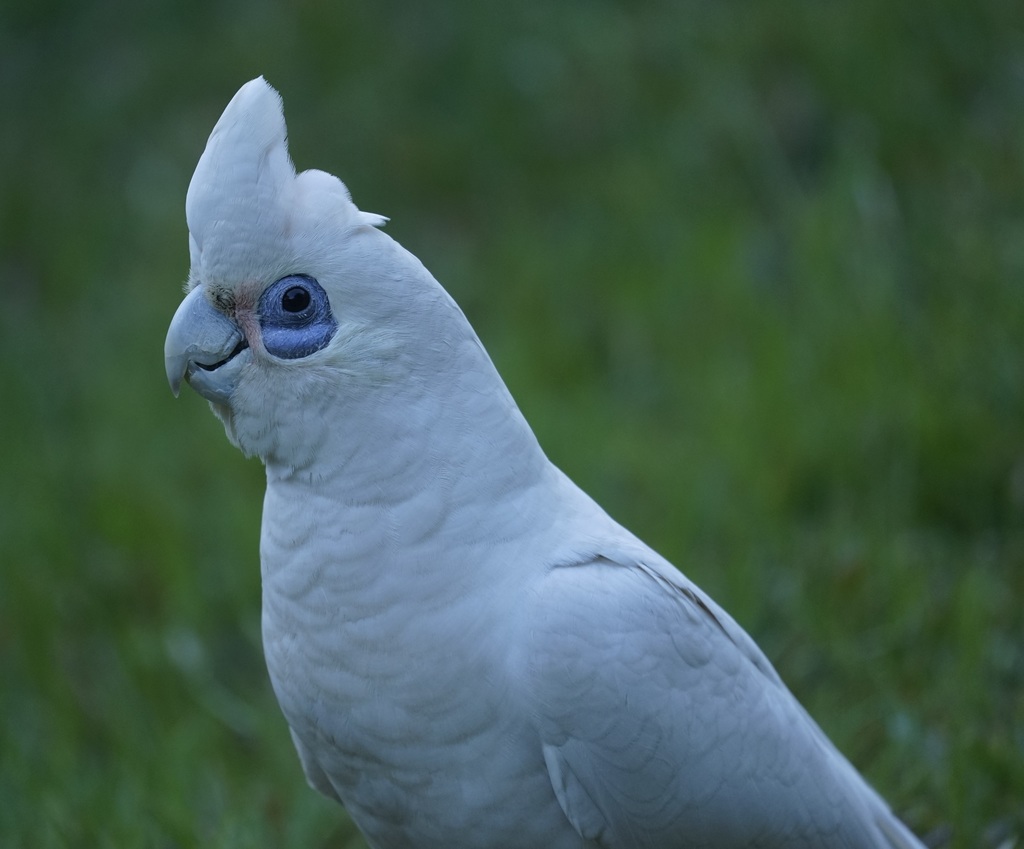
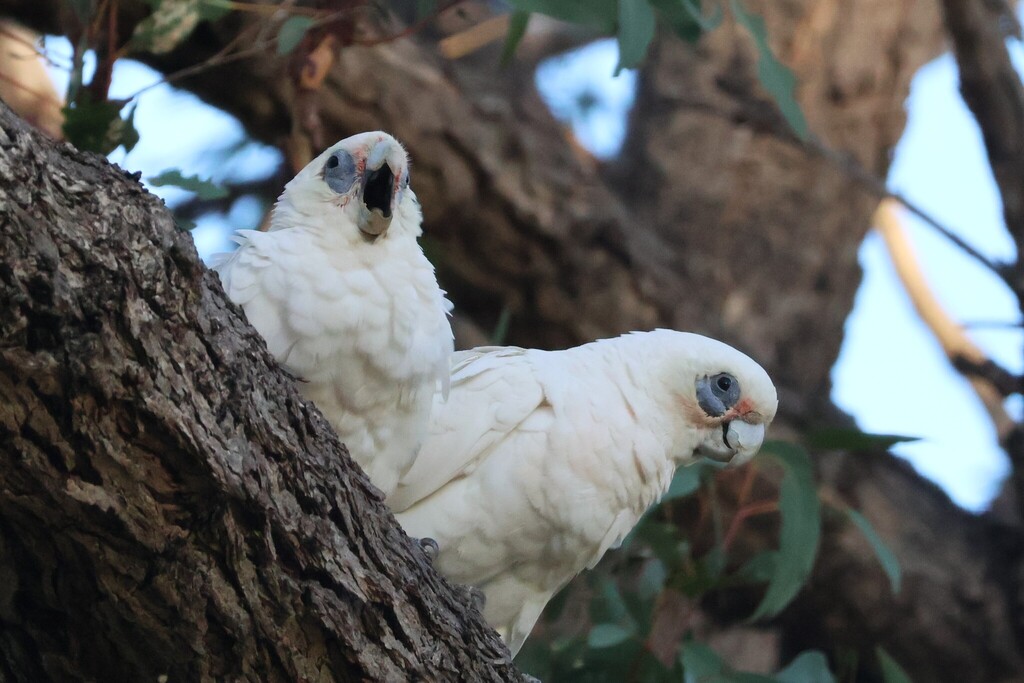
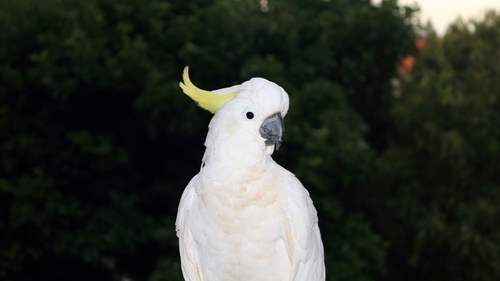
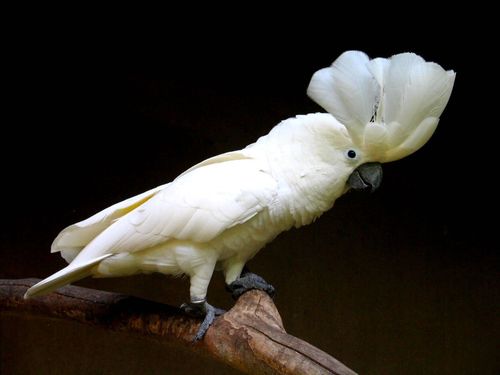
Its closest relatives
The other species of the genus Cacatua.
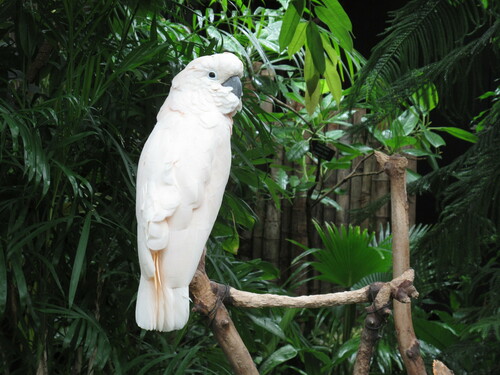

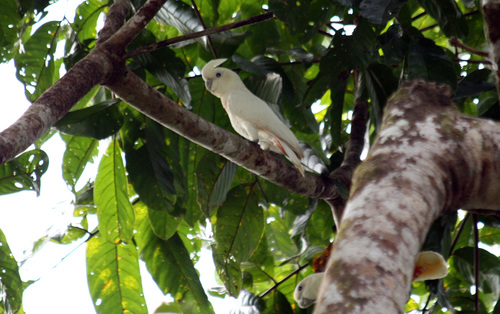
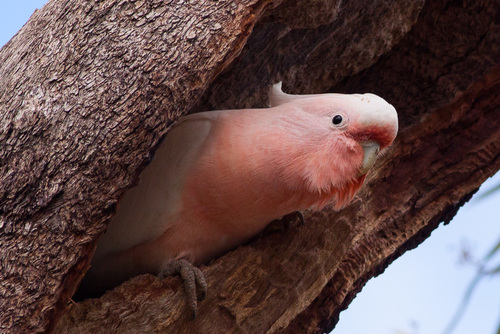
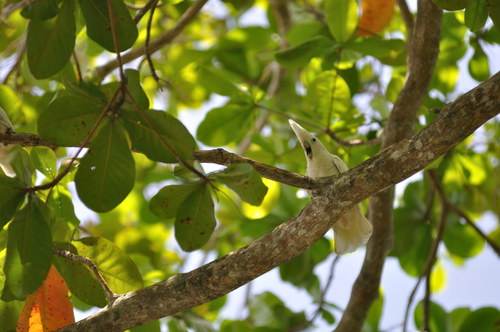
Seen a little Corella?
Share your photo on iNaturalist. Other naturalists help confirm it, and the record goes to GBIF, where scientists use it and where the maps on this page come from.
Put this species on your site
The card names every source and links back here.
<iframe src="https://4planetatlas.com/place/embed/species/little-corella" title="Little Corella (Cacatua sanguinea), 4PLANET Species" width="100%" height="600" style="border:0;max-width:640px" loading="lazy"></iframe>
<p><a href="https://4species.com/little-corella">Little Corella on 4PLANET Species</a></p>Questions people ask
What does the Little Corella eat?
The Little Corella has been recorded eating 30 different kinds of animals and plants, most of them plants. The ones recorded most often are coast lettuce, olive, quince, english plantain and white cedar; records include animals eaten as carrion. Source: GloBI.
What eats the Little Corella?
Recorded predators include grey wolf, wedge-tailed eagle, brown falcon and powerful owl. Source: GloBI.
Where does the Little Corella live?
People have recorded it in 7 countries; the most records come from Australia, Indonesia, Papua New Guinea, United States and Puerto Rico. Records show where people have seen it, not its full range.
When is the Little Corella seen most?
In the southern hemisphere, the most records are made in October and the fewest in June. More people outdoors also means more records.
What are the Little Corella's closest relatives?
It shares the genus Cacatua with sulphur-crested cockatoo, white cockatoo, salmon-crested cockatoo, yellow-crested cockatoo and red-vented cockatoo.
Sources and photo credits
- GBIF · Cacatua sanguinea, 358,162 human observations
- GloBI · recorded interactions of Cacatua sanguinea
- Wikidata · Little Corella (Q748939)
- Little Corella (Cacatua sanguinea): no rights reserved, uploaded by John Cull, CC0
- Little Corella (Cacatua sanguinea): Tim, CC BY 4.0
- Little Corella (Cacatua sanguinea), Perth WA, Australia: Astrid Osborne, CC0
- Little Corella (Cacatua sanguinea), Brisbane QLD, Australia: Patrick Connolly, CC BY 4.0
- Little Corella (Cacatua sanguinea), Sydney NSW, Australia: Julie Overton, CC0
- Little Corella (Cacatua sanguinea), Brisbane QLD, Australia: Patrick Connolly, CC BY 4.0
- Little Corella (Cacatua sanguinea), Sydney NSW, Australia: ian_mcallan, CC BY 4.0
- Little Corella (Cacatua sanguinea), centennary lakes park: Michael Zimmer, CC BY-SA 4.0
- Little Corella (Cacatua sanguinea), Sydney NSW, Australia: Jaydyn Vo, CC BY 4.0
- Coast lettuce: Nicola van Berkel, CC BY-SA 4.0
- Olive: zebedeugalinha, CC BY 4.0
- Quince: zebedeugalinha, CC BY 4.0
- English plantain: jirau, CC BY-SA 4.0
- White cedar: no rights reserved, uploaded by 葉子, CC0
- Aleppo pine: Thor-Rune Hansen, CC BY-SA 4.0
- Australian-pine: no rights reserved, uploaded by 葉子, CC0
- Pin oak: Douglas Goldman, CC BY-SA 4.0
- Silky oak: stinger, CC BY 4.0
- Sweetgum: Douglas Goldman, CC BY-SA 4.0
- Golden wattle: Tony Rebelo, CC BY-SA 4.0
- Shoreline seapurslane: Nick Block, CC BY 4.0
- Grey wolf: Andrew Simon, CC BY 4.0
- Wedge-tailed eagle: dhfischer, CC BY 4.0
- Brown falcon: Kerri-Lee Harris, CC BY 4.0
- Powerful owl: Greg Tasney, CC BY-SA 4.0
- Sulphur-crested cockatoo: Hyme852052, CC BY-SA 4.0
- White cockatoo: www.viajar24h.com, CC BY 4.0
- Salmon-crested cockatoo: Kyle Pearce, CC BY-SA 4.0
- Yellow-crested cockatoo: portioid, CC BY 4.0
- Red-vented cockatoo: jacobusmulder, bazı hakları saklıdır (CC BY-SA), CC BY-SA 4.0
- Pink cockatoo: Ron Knight, CC BY 4.0
- Solomons cockatoo: Kai Squires, CC BY 4.0
- Blue-eyed cockatoo: Heggy, bazı hakları saklıdır (CC BY-SA), CC BY-SA 4.0
Records show where people have seen and shared the Little Corella, not its full range, and some countries and months are recorded far more than others. The food web lists interactions that studies have recorded somewhere in the world (GloBI), not everything it eats in one place.
Checked 2026-11-26.