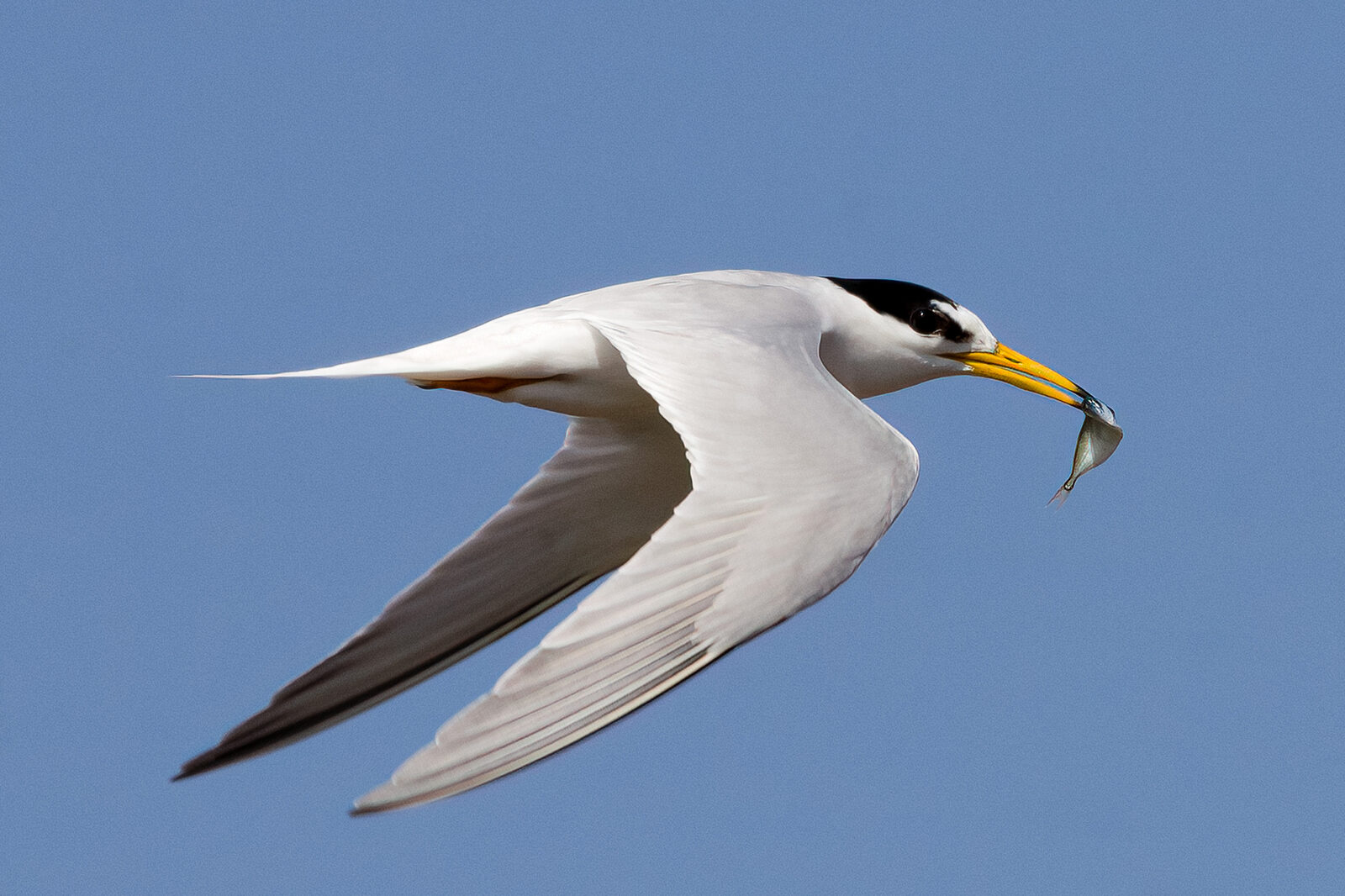
Little tern
Sternula albifrons
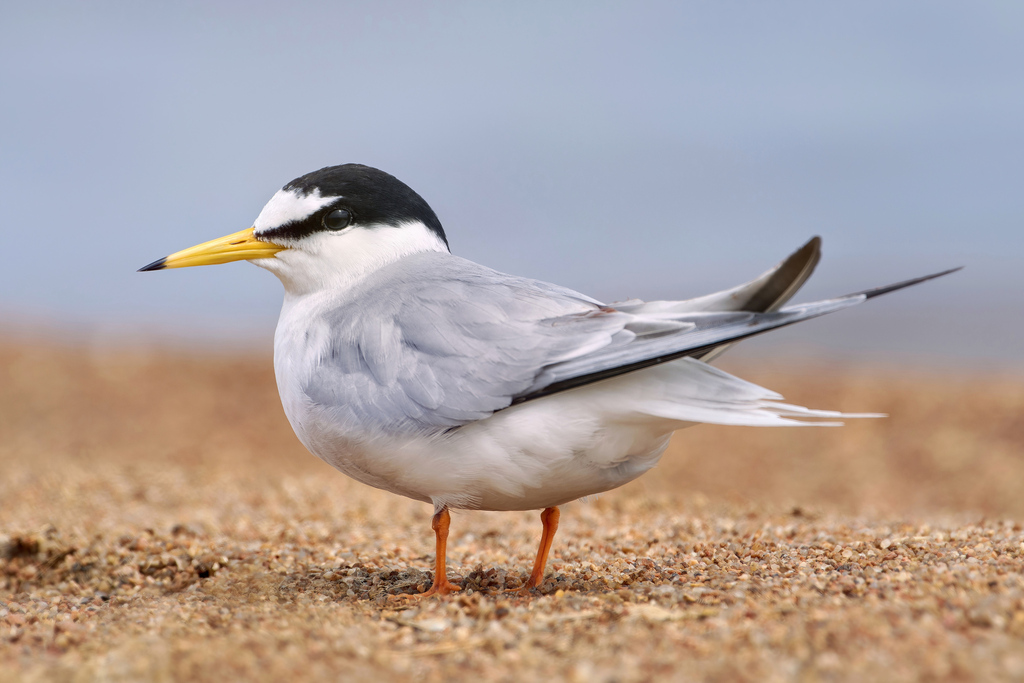
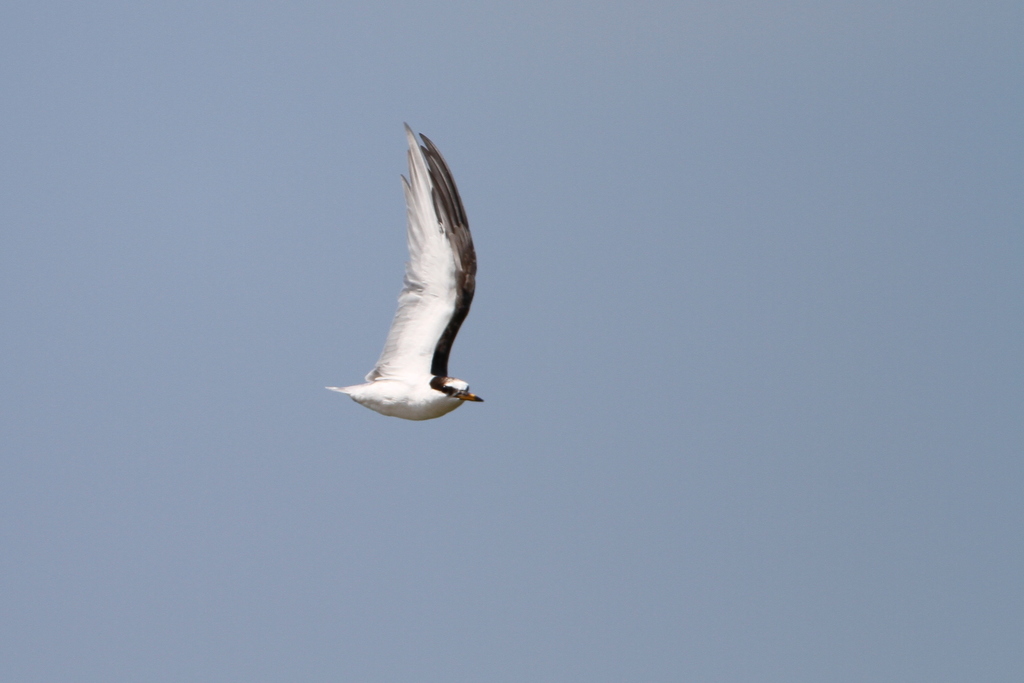
Europe's smallest tern, with a yellow bill and a white forehead.
- Status
- Least Concern IUCN Red List
- Eats
- European pilchard, European anchovy, garfish and 41 more
- Eaten by
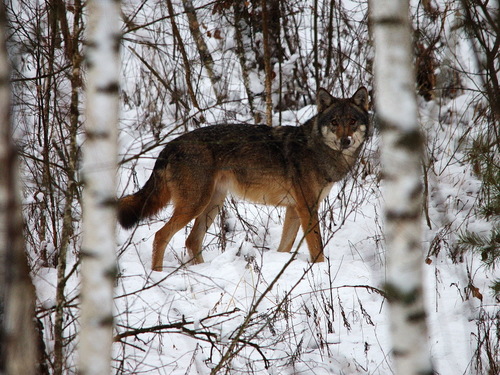
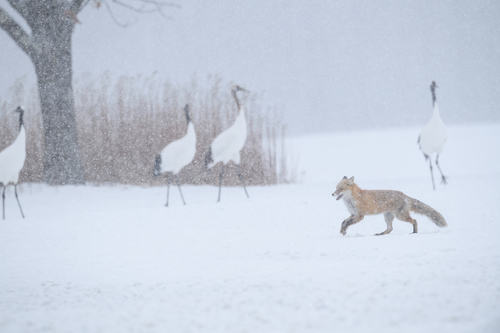
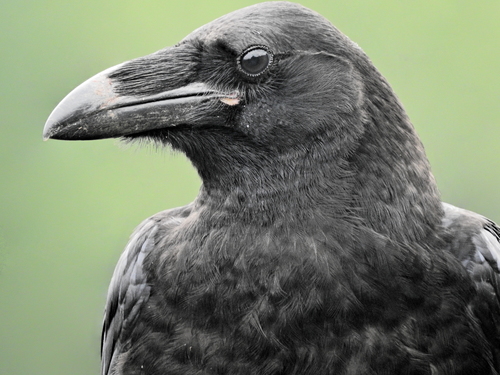
- grey wolf, red fox, northern raven
- Where
- 140 countries
On 4Planet Atlas it is among the wildlife people record most around Baku, Copenhagen and Dili, and 9 more of the cities we cover.
People have shared 248,971 records of the little tern with GBIF, from 140 countries, most of them from Taiwan, Australia and Spain. Records collected by GloBI show it eating 44 different kinds of animals and plants, and being eaten by 22.
What the little tern eats, and what eats it
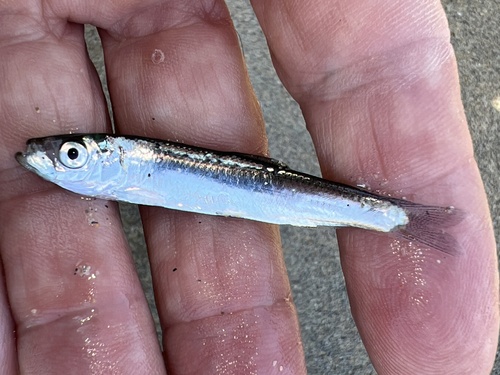
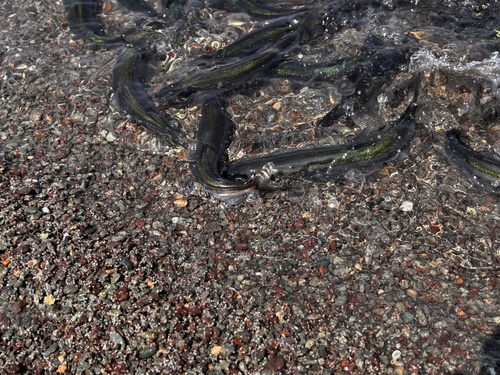
Studies have recorded it eating 44 kinds of animals and plants, and 22 kinds of animals eating it. Tap any of them to follow the food chain.
- Fish 42
- Octopus and squid 1
Eaten by
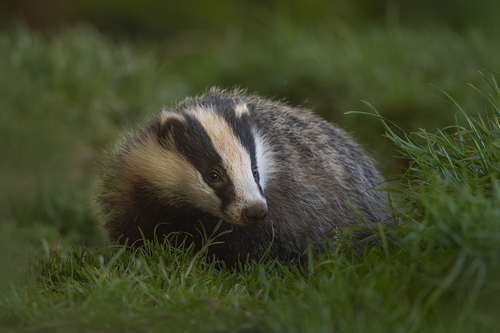

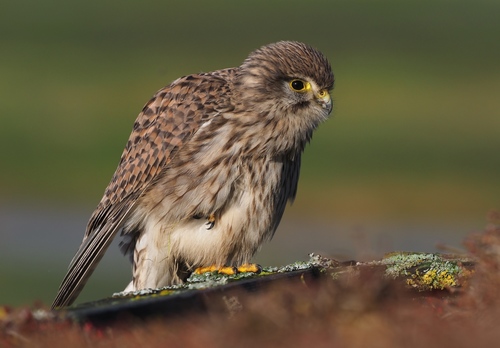
 Little tern



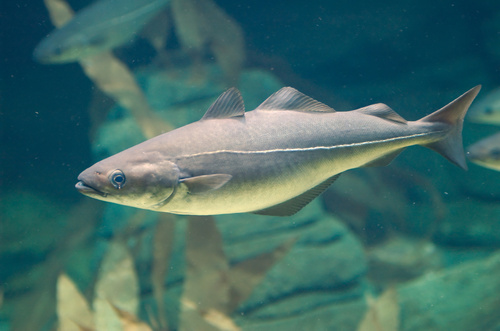


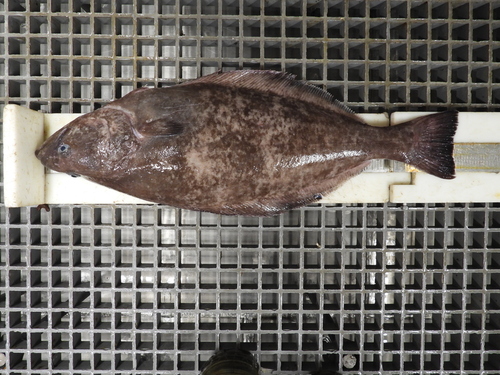
Records from studies worldwide, collected by GloBI. They include animals eaten as carrion, and they are not everything it eats in one place.
Where people see the little tern
People have shared 248,971 records from 140 countries.
Near a city: Baku, Copenhagen, Dili, Dublin, Jakarta, Lisbon, Manama, Nicosia, Tashkent, Tirana, Tokyo, Warsaw.
Records show where people have seen it and shared it, not its full range. Country names open their page in Atlas.
When it is seen
Records per month in the northern hemisphere. More people outdoors also means more records.
Watch and listen
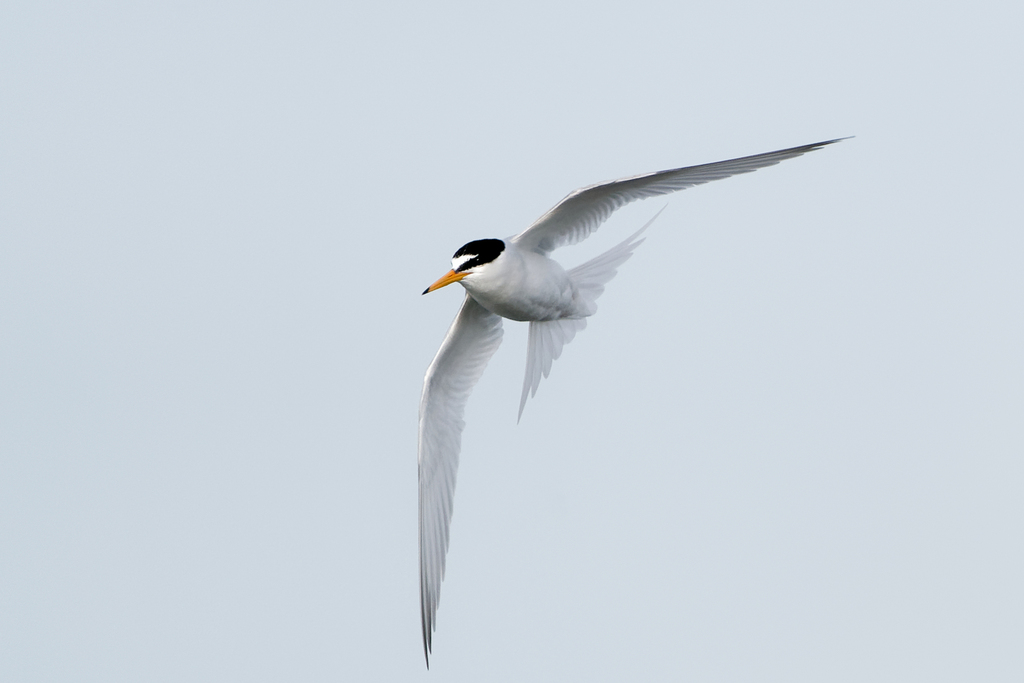
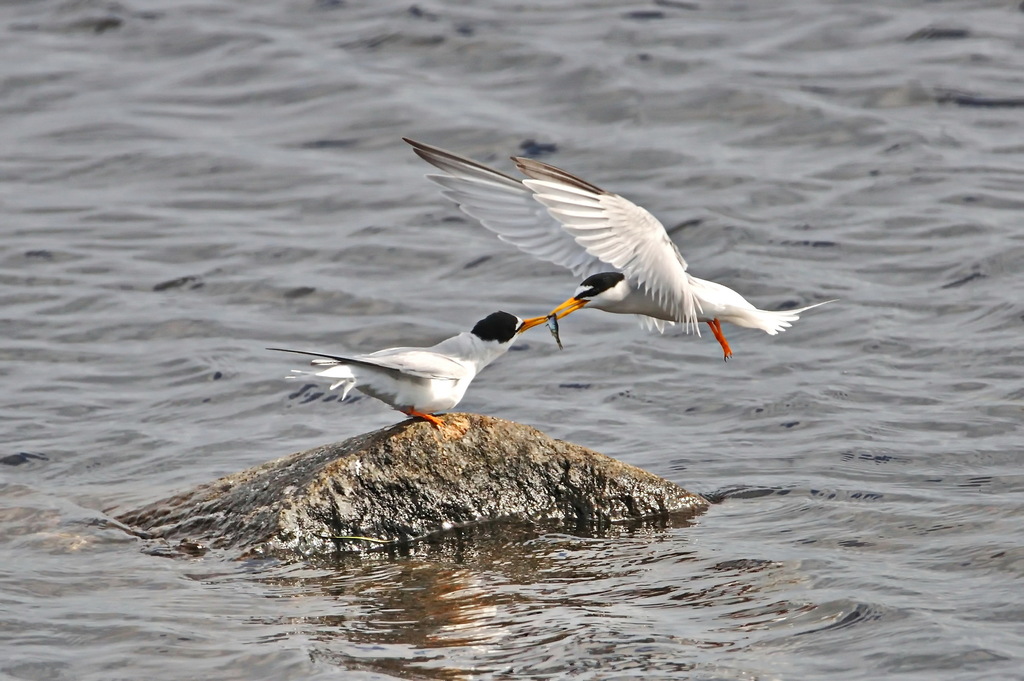
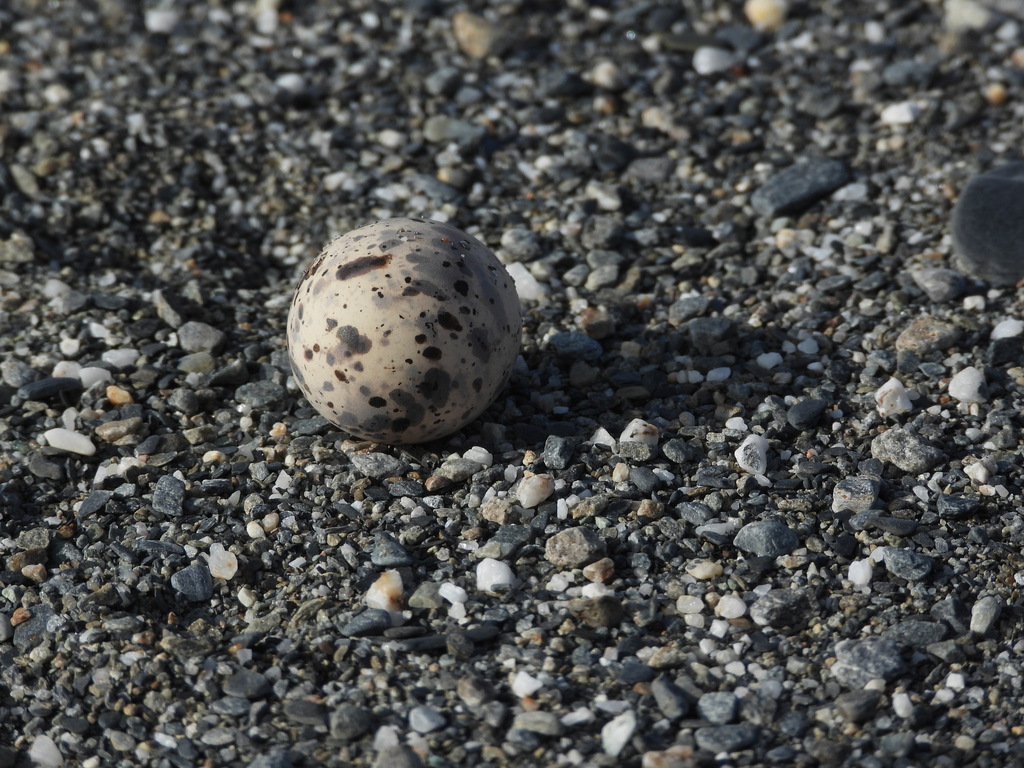

Its closest relatives
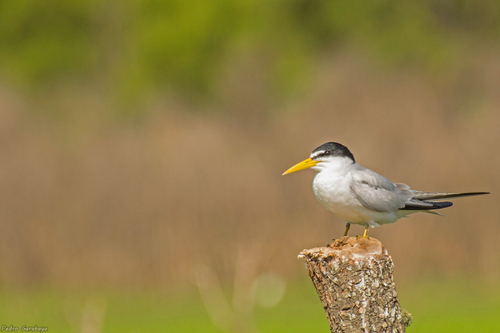
The other species of the genus Sternula.
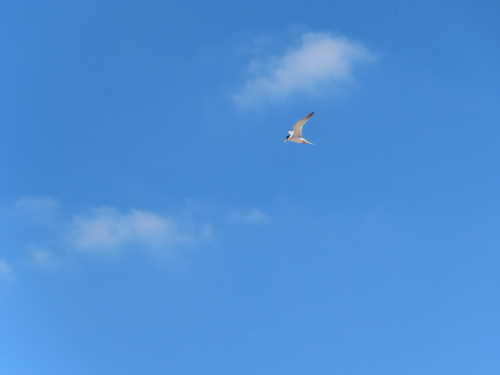



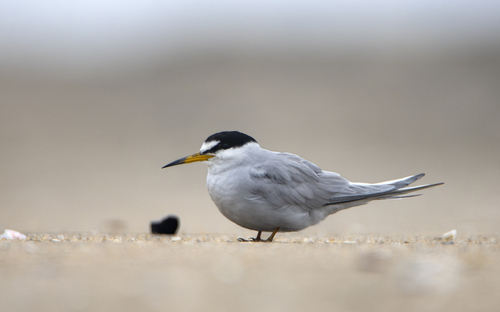
Seen a little tern?
Share your photo on iNaturalist. Other naturalists help confirm it, and the record goes to GBIF, where scientists use it and where the maps on this page come from.
Questions people ask
What does the little tern eat?
The little tern has been recorded eating 44 different kinds of animals and plants, most of them fish and octopus and squid. The ones recorded most often are european pilchard, european anchovy, garfish, bleak and european sprat; records include animals eaten as carrion. Source: GloBI.
What eats the little tern?
Recorded predators include grey wolf, red fox, northern raven, eurasian badger and peregrine falcon. Source: GloBI.
Where does the little tern live?
People have recorded it in 140 countries; the most records come from Taiwan, Australia, Spain, United Kingdom and Portugal. Records show where people have seen it, not its full range.
When is the little tern seen most?
In the northern hemisphere, the most records are made in May and the fewest in November. More people outdoors also means more records.
What are the little tern's closest relatives?
It shares the genus Sternula with least tern, saunders's tern, fairy tern, yellow-billed tern and damara tern.
Sources and photo credits
- GBIF · Sternula albifrons, 248,971 human observations
- GloBI · recorded interactions of Sternula albifrons
- Wikidata · Little tern (Q12267692)
- Little tern (Sternula albifrons): PotMart186, CC BY-SA 4.0
- Little tern (Sternula albifrons): Andrey Gulivanov, CC BY 4.0
- Little tern (Sternula albifrons), Hambantota, Sri Lanka: Christoph Moning, CC BY 4.0
- Little tern (Sternula albifrons), Southwest Finland, FI-LS, FI: Mikael Nyman, CC BY 4.0
- Little tern (Sternula albifrons), Кронштадтский р-н, Санкт-Петербург, Россия: Viktor N. Chekan, CC BY 4.0
- Little tern (Sternula albifrons), Dorset, UK: Will Taylor, CC BY 4.0
- Little tern (Sternula albifrons), Almancil, Portugal: Mario, CC BY 4.0
- Little tern (Sternula albifrons), Taitung, TW-TA, TW: Yi-fan翊凡, CC0
- Little tern (Sternula albifrons), Cooldross Lower, Co. Wicklow, Ireland: bitsnbirds, CC BY 4.0
- European pilchard: Karim Haddad, CC BY 4.0
- European anchovy: Duarte Frade, CC BY 4.0
- Garfish: euparkeria, CC BY-SA 4.0
- Bleak: Andreas Hartl, CC BY 4.0
- European sprat: Andy Jordan, CC BY 4.0
- Capelin: Scott Edmunds, CC0
- Atlantic horse mackerel: Donald Davesne, CC BY 4.0
- Pollock: Tino Strauss, CC BY-SA 4.0
- Blue whiting: Vsevolod Rudyi, CC BY 4.0
- Pacific saury: beemartins from Matsushima, Miyagi, CC BY 4.0
- Peruvian anchoveta: cstobie, CC BY 4.0
- Greenland halibut: Julien Savoie, CC BY 4.0
- Grey wolf: Andrew Simon, CC BY 4.0
- Red fox: Morten Ross, CC BY 4.0
- Northern raven: xulescu_g, CC BY-SA 4.0
- Eurasian badger: caroline legg, CC BY 4.0
- Peregrine falcon: Nicolás Villaseca Merino, CC BY-SA 4.0
- Common kestrel: Frank Vassen, CC BY 4.0
- Common coot: Roger Culos, CC BY-SA 4.0
- Least tern: Eric Schmidt, CC BY 4.0
- Saunders's tern: Jan Ebr & Ivana Ebrová, CC BY 4.0
- Fairy tern: JJ Harrison, CC BY-SA 4.0
- Yellow-billed tern: pedrogarabaya, CC BY 4.0
- Damara tern: Dave Brown, CC0
- Peruvian tern: David F. Belmonte, CC BY 4.0
Records show where people have seen and shared the little tern, not its full range, and some countries and months are recorded far more than others. The food web lists interactions that studies have recorded somewhere in the world (GloBI), not everything it eats in one place.
Checked 2026-11-22.