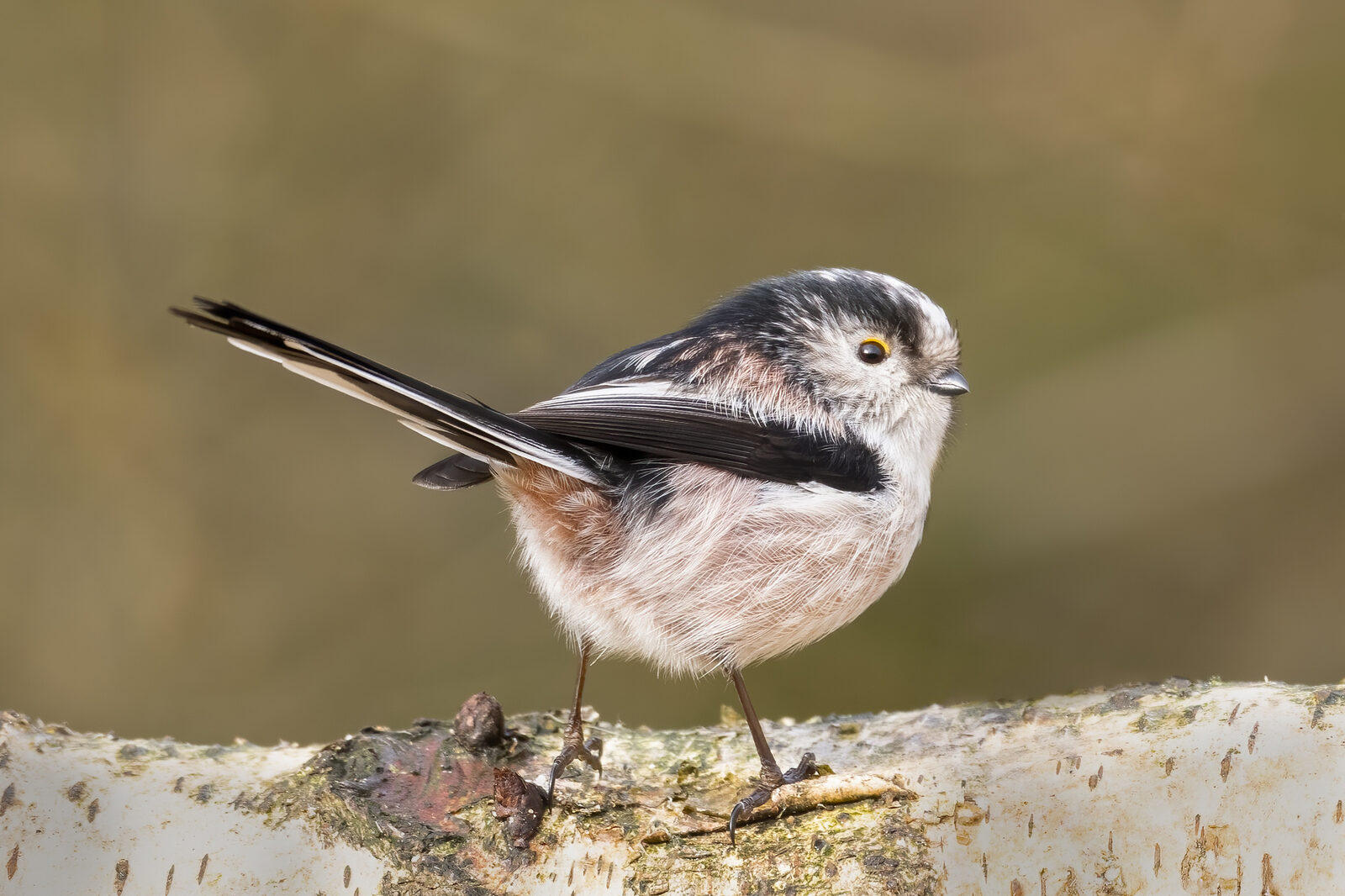
Long-tailed tit
Aegithalos caudatus
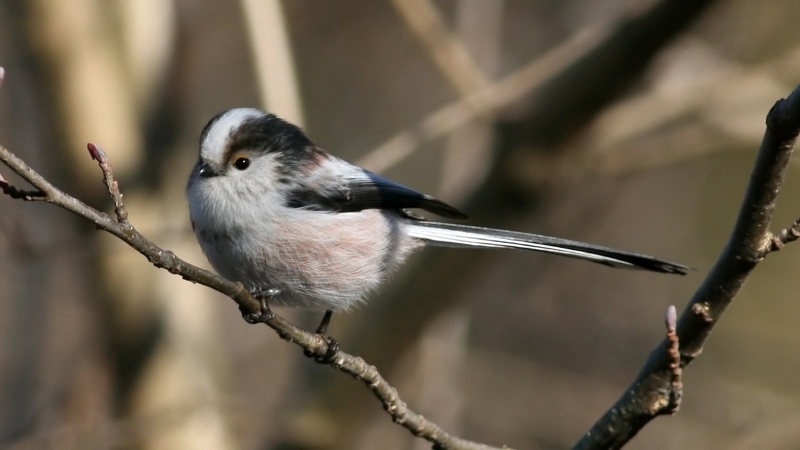
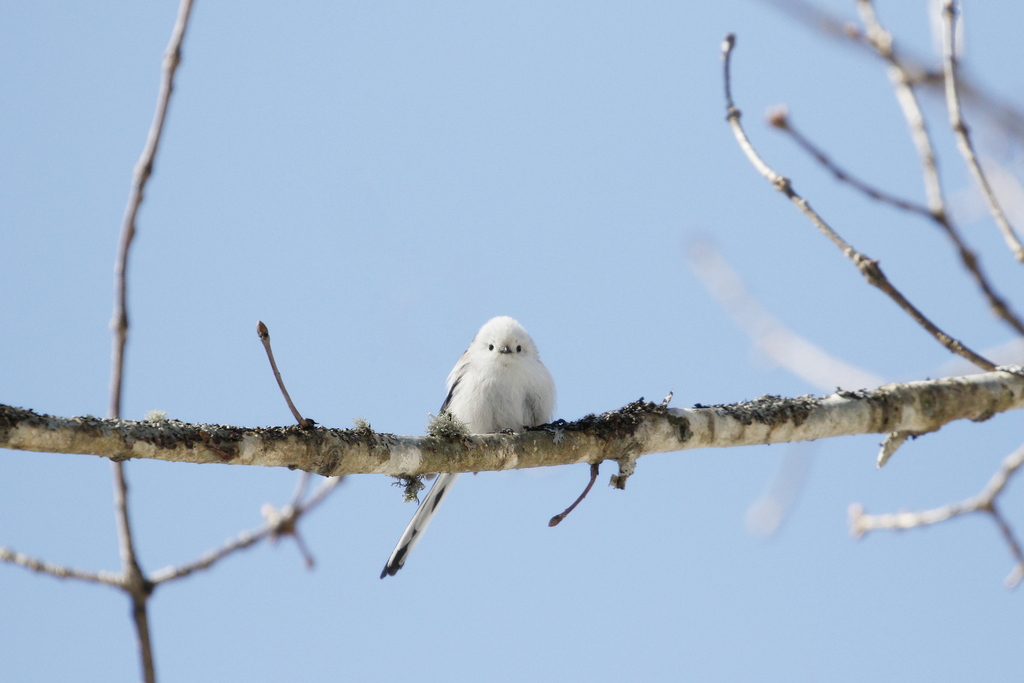
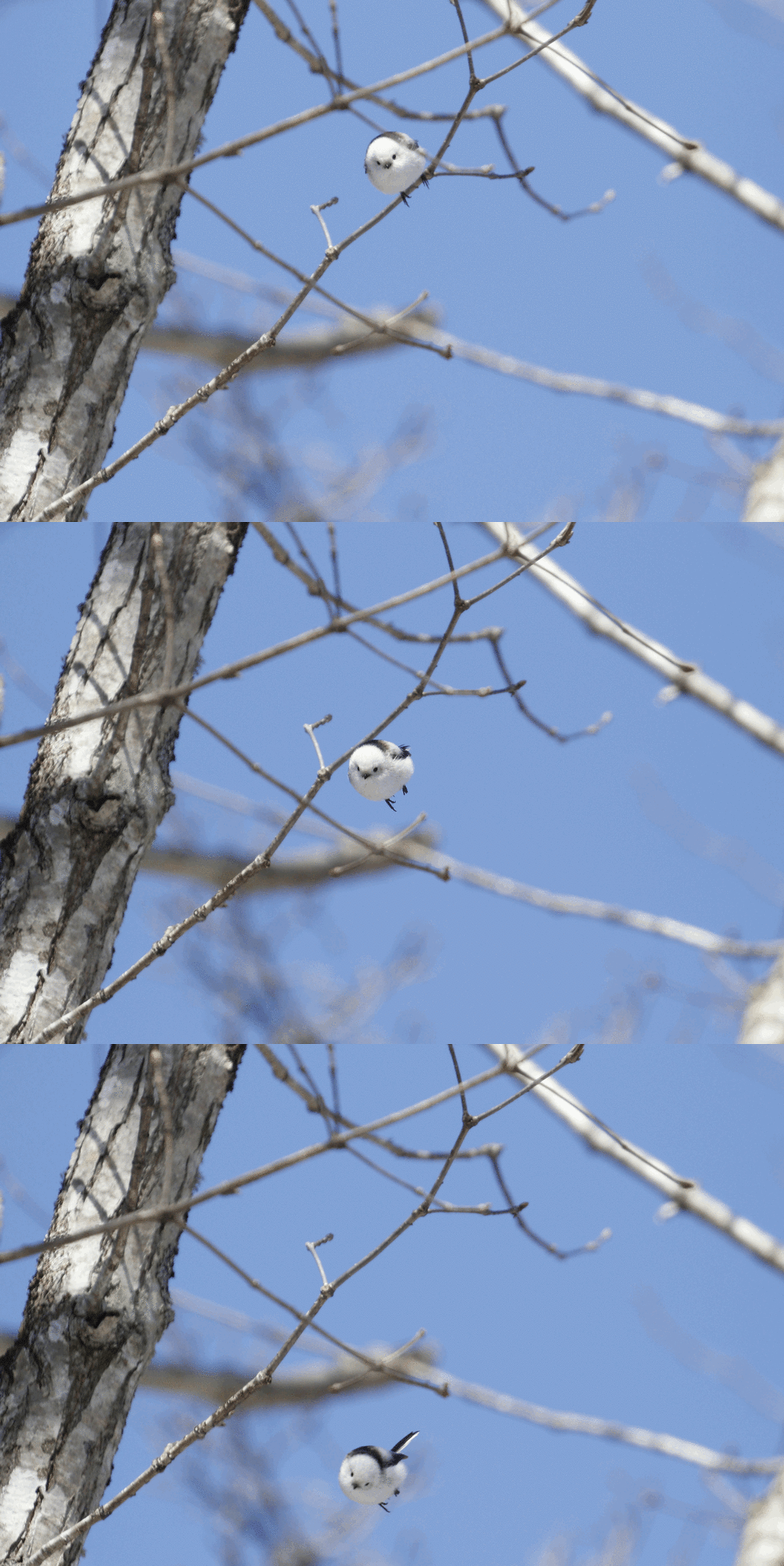
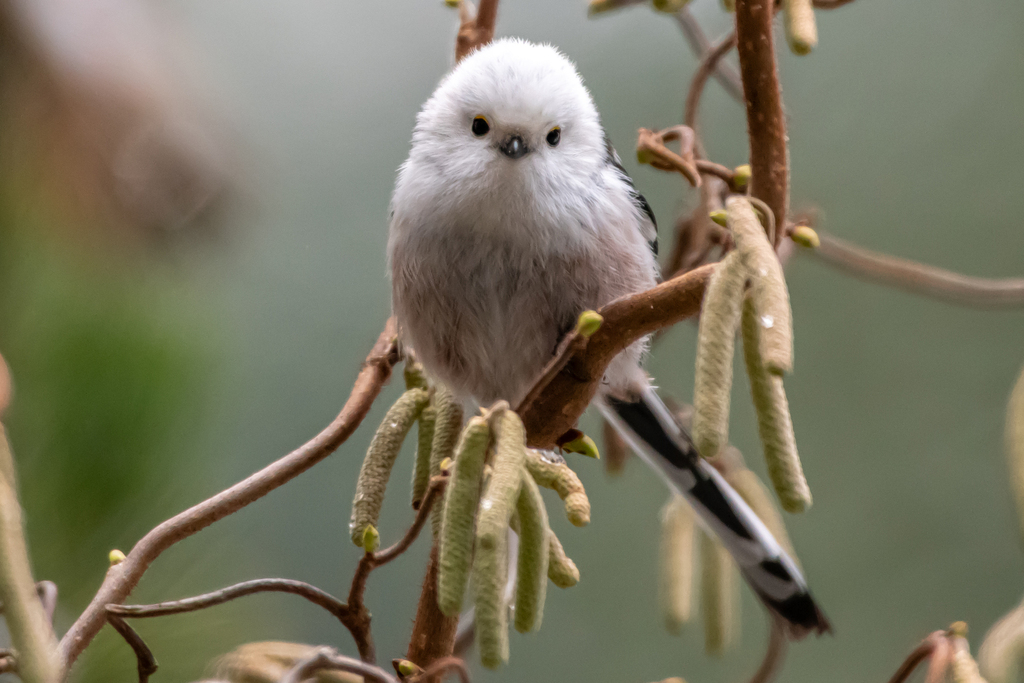
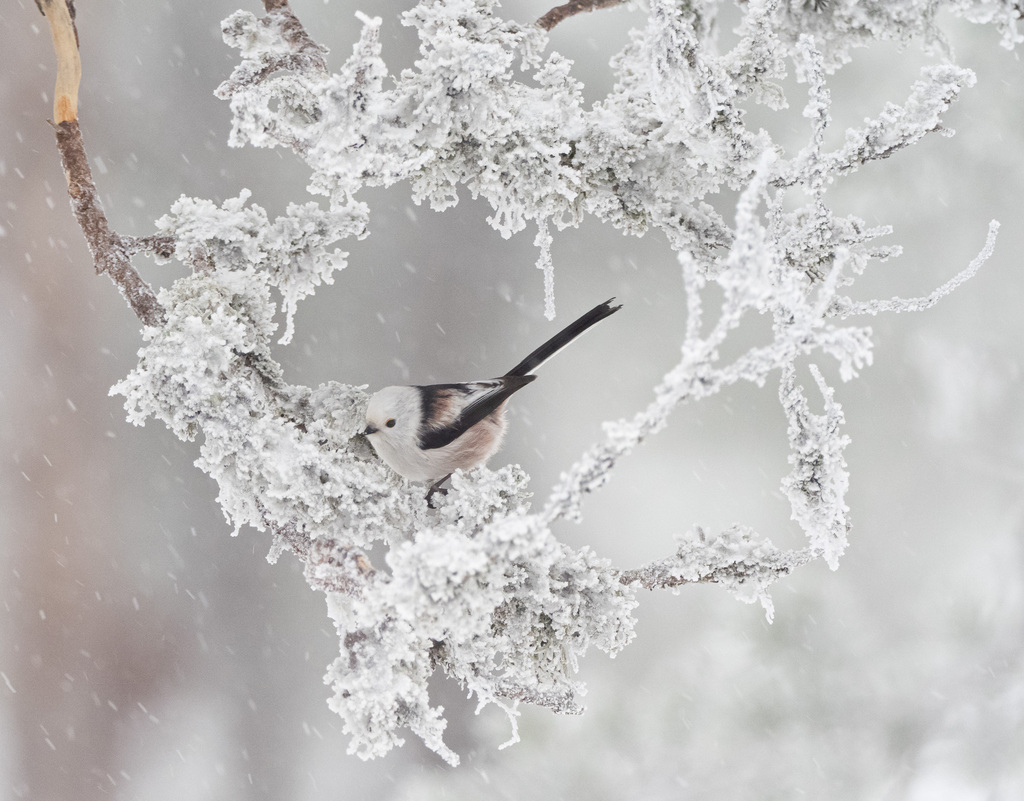
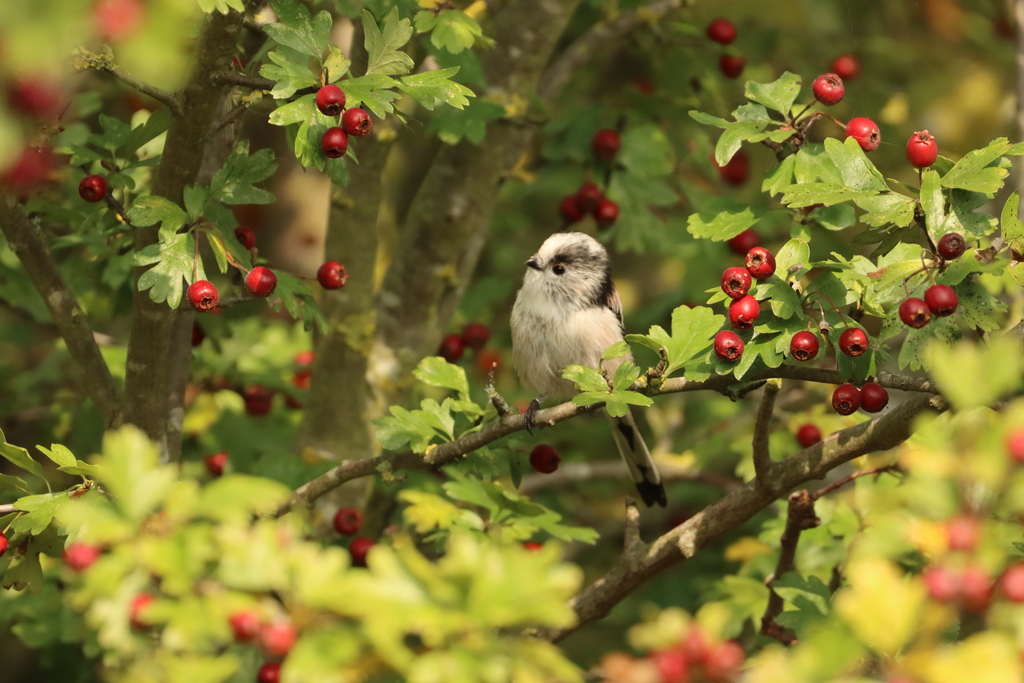
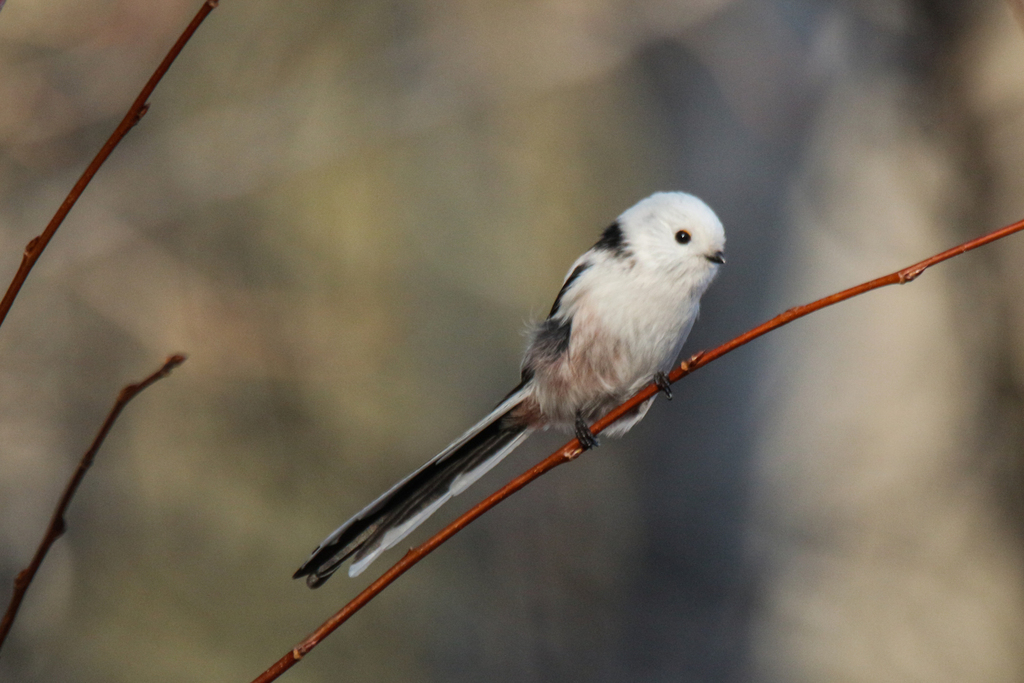
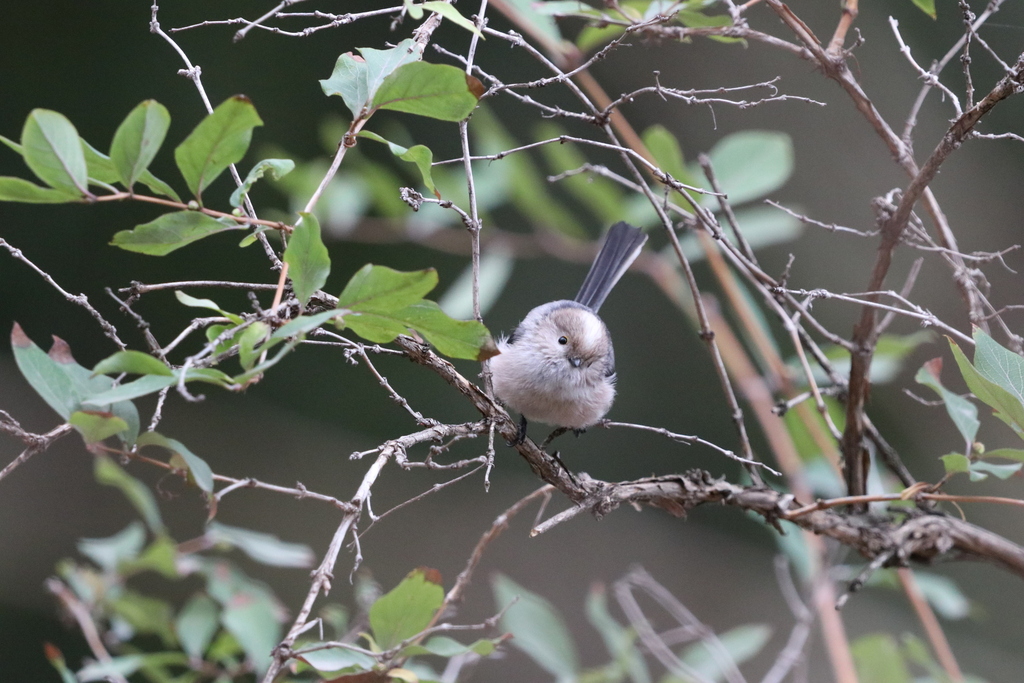
A tiny pink, black and white ball of feathers with a very long tail that travels in chattering family groups.
- Status
- Least Concern IUCN Red List
- Eats
- European spindletree, six-spot burnet, common juniper and 1,789 more
- Where
- 61 countries
On 4Planet Atlas it is among the wildlife people record most around Amsterdam, Andorra la Vella and Ankara, and 42 more of the cities we cover.
People have shared 1,307,009 records of the long-tailed tit with GBIF, from 61 countries, most of them from United Kingdom, Spain and France. Records collected by GloBI show it eating 1,792 different kinds of animals and plants, and being eaten by 29.
What the long-tailed tit eats, and what eats it
Studies have recorded it eating 1,792 kinds of animals and plants, and 29 kinds of animals eating it. Tap any of them to follow the food chain.
- Insects 1,319
- Plants 24
- Snails and slugs 3
Eaten by



 Long-tailed tit
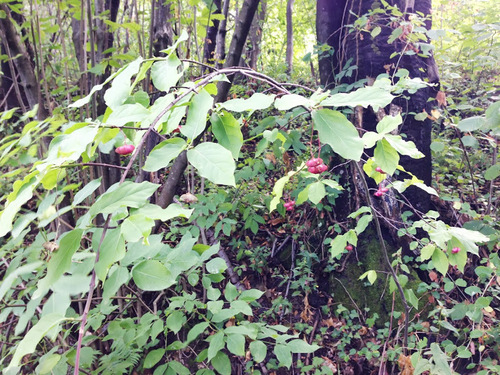
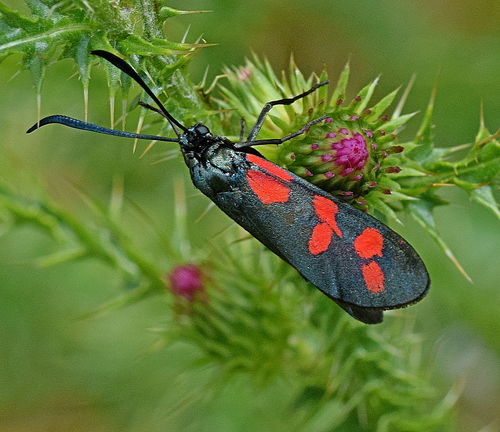
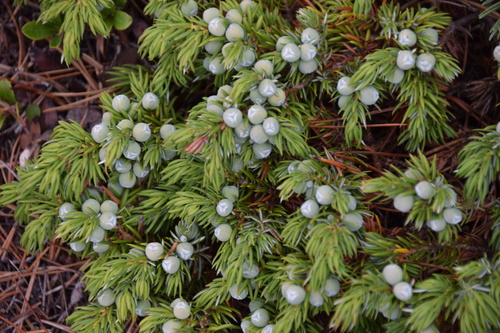
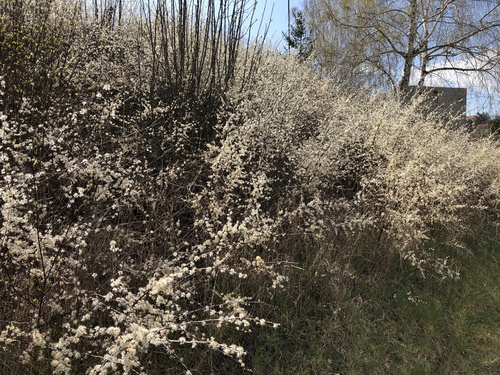
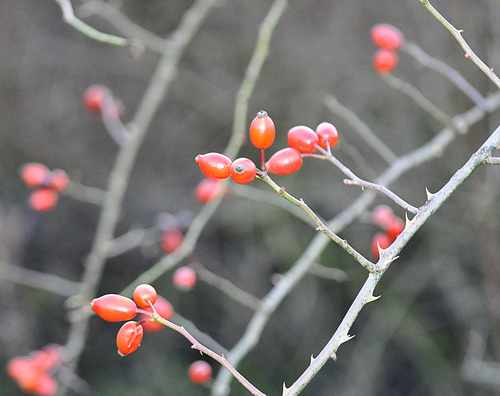
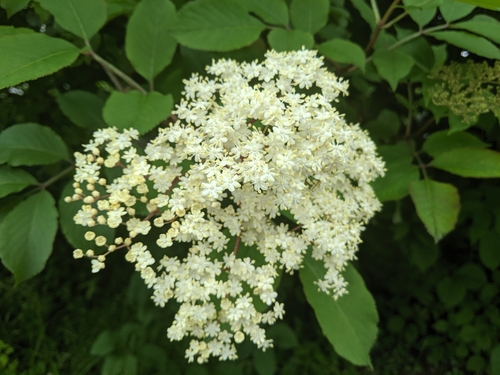

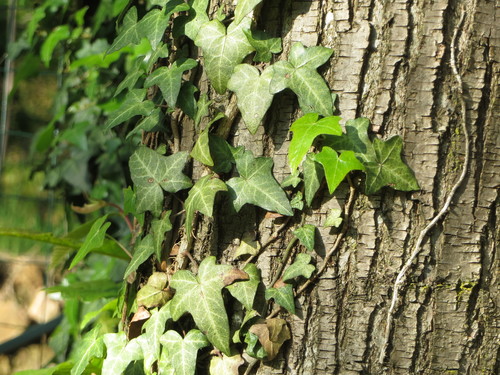

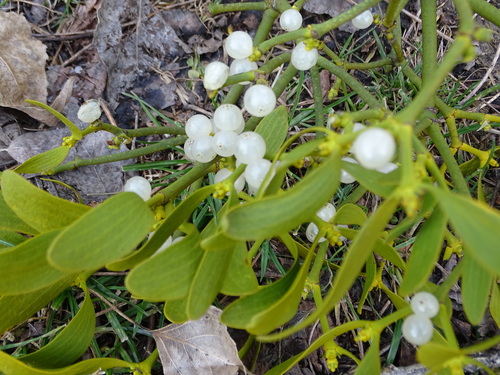

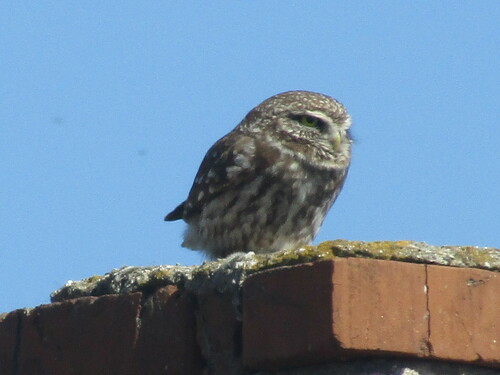
Records from studies worldwide, collected by GloBI. They include animals eaten as carrion, and they are not everything it eats in one place.
Where people see the long-tailed tit
People have shared 1,307,009 records from 61 countries.
Near a city: Amsterdam, Andorra la Vella, Ankara, Astana, Athens, Beijing, Belgrade, Bergen, Berlin, Bern, Bratislava, Brussels, Bucharest, Budapest, Chișinău, Copenhagen, Dublin, Kyiv, Lisbon, Ljubljana, London, Luxembourg City, Madrid, Minsk, Moscow, Oslo, Paris, Podgorica, Prague, Riga, Rome, Sarajevo, Seoul, Skopje, Sofia, Stockholm, Tallinn, Tbilisi, Tirana, Tokyo, Vaduz, Vienna, Vilnius, Warsaw, Zagreb.
Records show where people have seen it and shared it, not its full range. Country names open their page in Atlas.
When it is seen
Records per month in the northern hemisphere. More people outdoors also means more records.
Watch and listen
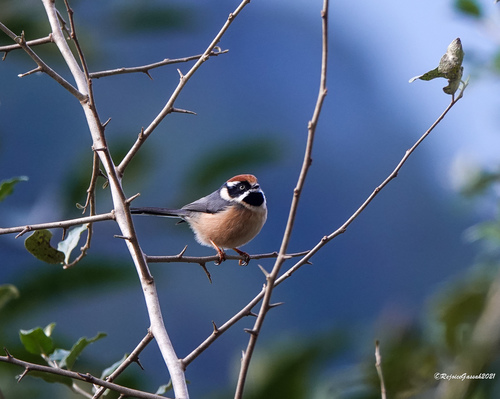
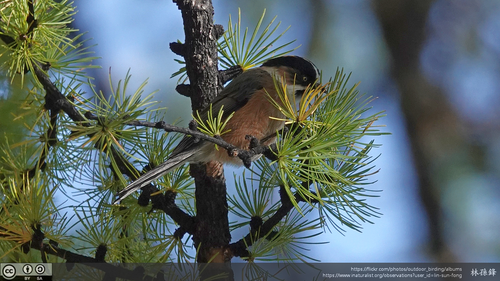
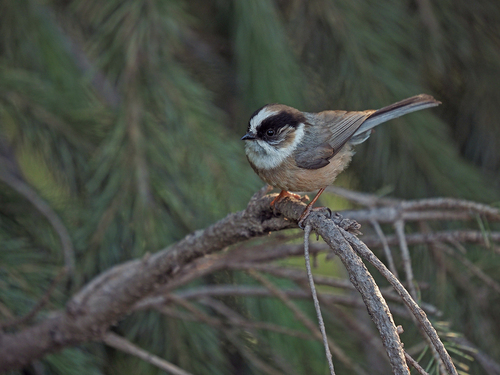
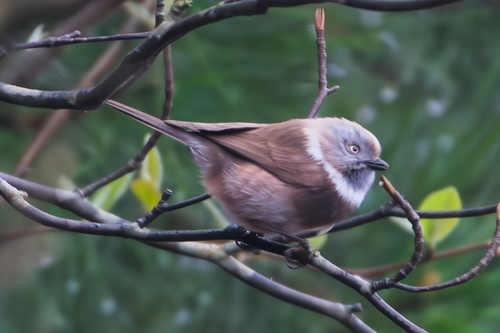
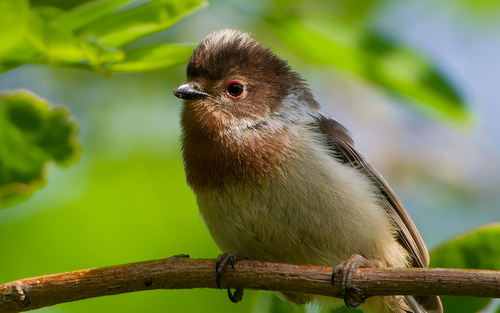
Its closest relatives
The other species of the genus Aegithalos.

Seen a long-tailed tit?
Share your photo on iNaturalist. Other naturalists help confirm it, and the record goes to GBIF, where scientists use it and where the maps on this page come from.
Questions people ask
What does the long-tailed tit eat?
The long-tailed tit has been recorded eating 1,792 different kinds of animals and plants, most of them insects, plants and snails and slugs. The ones recorded most often are european spindletree, six-spot burnet, common juniper, blackthorn and dog rose; records include animals eaten as carrion. Source: GloBI.
What eats the long-tailed tit?
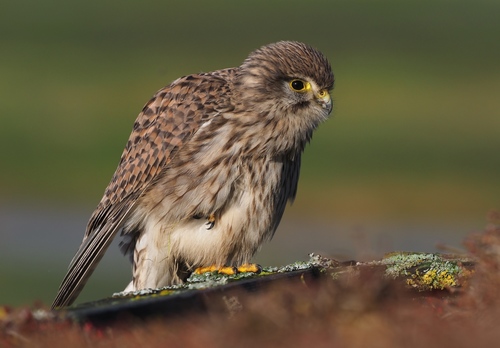
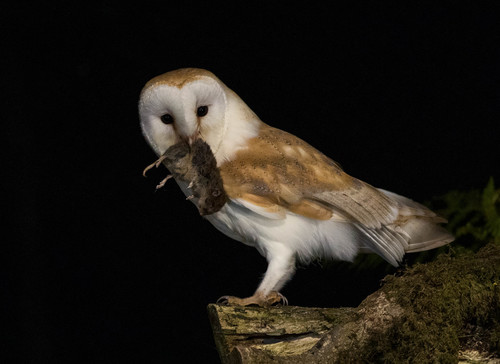
Recorded predators include eurasian red squirrel, eurasian eagle-owl, common kestrel, eurasian sparrowhawk and western barn owl. Source: GloBI.
Where does the long-tailed tit live?
People have recorded it in 61 countries; the most records come from United Kingdom, Spain, France, Germany and Portugal. Records show where people have seen it, not its full range.
When is the long-tailed tit seen most?
In the northern hemisphere, the most records are made in March and the fewest in July. More people outdoors also means more records.
What are the long-tailed tit's closest relatives?
It shares the genus Aegithalos with black-throated bushtit, black-browed bushtit, white-cheeked bushtit, white-throated bushtit and sooty bushtit.
Sources and photo credits
- GBIF · Aegithalos caudatus, 1,307,009 human observations
- GloBI · recorded interactions of Aegithalos caudatus
- Wikidata · Long-tailed tit (Q170831)
- Long-tailed tit (Aegithalos caudatus): caroline legg, CC BY 4.0
- Long-tailed tit (Aegithalos caudatus): Ken Billington, CC BY-SA 4.0
- Long-tailed tit (Aegithalos caudatus), Higashiwada, Nemuro, Hokkaido 087-0034日本: Mickey Wu, CC BY 4.0
- Long-tailed tit (Aegithalos caudatus), Nemuro, Hokkaido, Japan: Mickey Wu, CC BY 4.0
- Long-tailed tit (Aegithalos caudatus), Gellert, 4052 Basel, Switzerland: Codrin Bucur, CC BY 4.0
- Long-tailed tit (Aegithalos caudatus), Paasivuori, Muurame, Suomi: Tero Linjama, CC0
- Long-tailed tit (Aegithalos caudatus), RSPB Old Moor, Wombwell, Bolton upon Dearne, Barnsley S73 0YF, UK: Dave, CC BY 4.0
- Long-tailed tit (Aegithalos caudatus), Томский р-н, Томская обл., Россия: Andrew Bazdyrev, CC BY 4.0
- Long-tailed tit (Aegithalos caudatus), Vake, Tbilisi, Georgia: Donsky, CC BY 4.0
- European spindletree: Vedran Lastovčić, CC BY 4.0
- Six-spot burnet: Kostas Zontanos, CC BY 4.0
- Common juniper: Syd Cannings, CC BY 4.0
- Blackthorn: Pavel Kacl, CC BY 4.0
- Dog rose: no rights reserved, uploaded by gianluigi, CC0
- Elder: Attila Oláh, CC BY 4.0
- English yew: Douglas Goldman, CC BY-SA 4.0
- English ivy: Marianna Boi, CC BY 4.0
- Guelder rose: Tom Norton, CC BY 4.0
- European mistletoe: Patrick Hacker, CC BY 4.0
- Hawthorn: no rights reserved, uploaded by Mirela, CC0
- Eurasian red squirrel: Rhododendrites, CC BY-SA 4.0
- Common kestrel: Frank Vassen, CC BY 4.0
- Eurasian sparrowhawk: Stanislav Murashkin, CC BY 4.0
- Western barn owl: john.purvis, CC BY 4.0
- Rook: hedera.baltica, CC BY-SA 4.0
- European pine marten: Bartosz Sarnowski, CC BY 4.0
- Little owl: SteveM4560, CC BY 4.0
- Black-throated bushtit: Rejoice Gassah, CC BY 4.0
- Black-browed bushtit: 林孫鋒(Lin Sun Fong), CC BY-SA 4.0
- White-cheeked bushtit: Imran Shah, bazı hakları saklıdır (CC BY-SA), CC BY-SA 4.0
- White-throated bushtit: no rights reserved, uploaded by James Eaton, CC0
- Sooty bushtit: Jiao Sun (孙娇), CC BY 4.0
- Silver-throated bushtit: Zinogre, CC BY-SA 4.0
Records show where people have seen and shared the long-tailed tit, not its full range, and some countries and months are recorded far more than others. The food web lists interactions that studies have recorded somewhere in the world (GloBI), not everything it eats in one place.
Checked 2026-11-21.