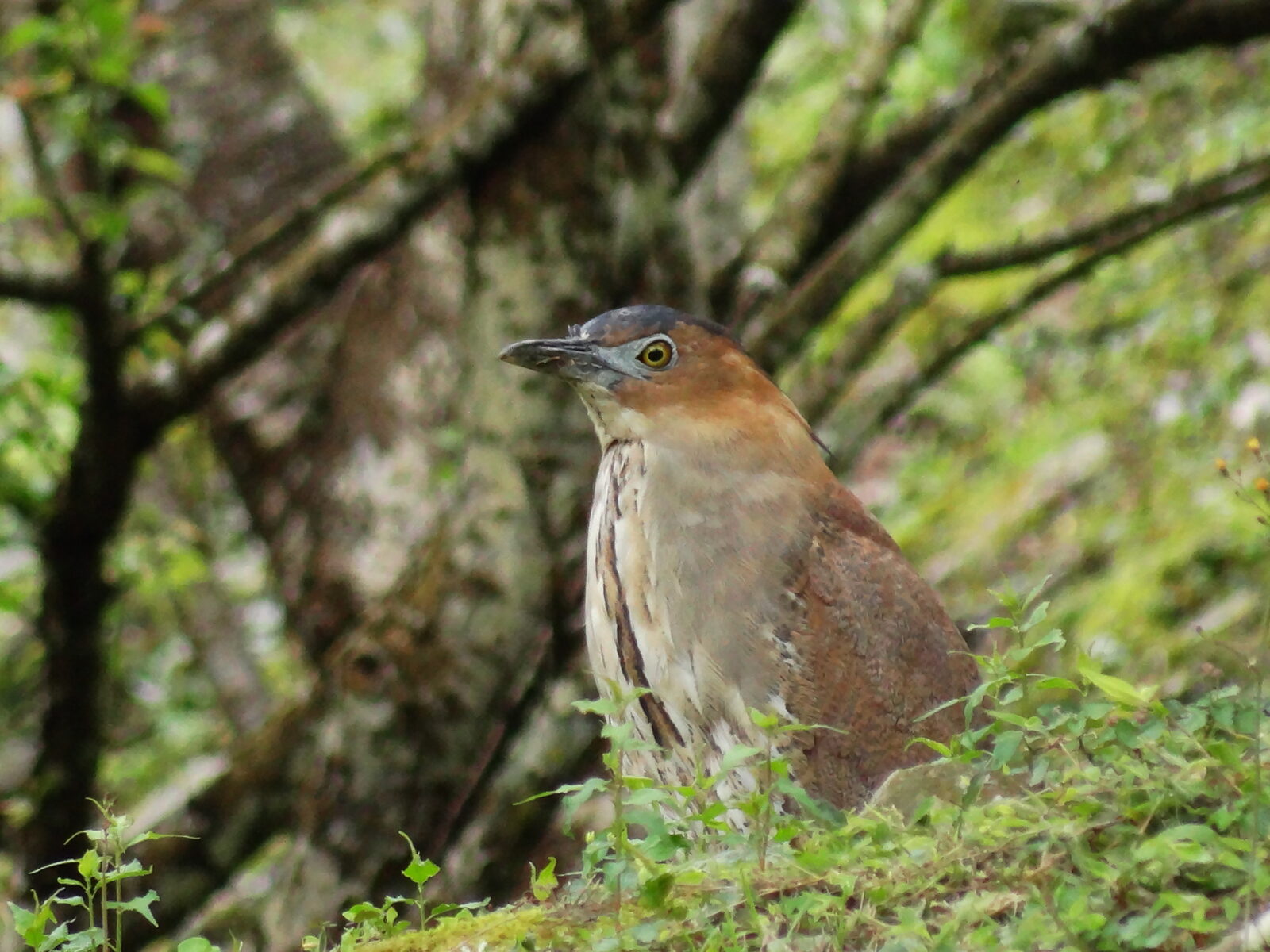
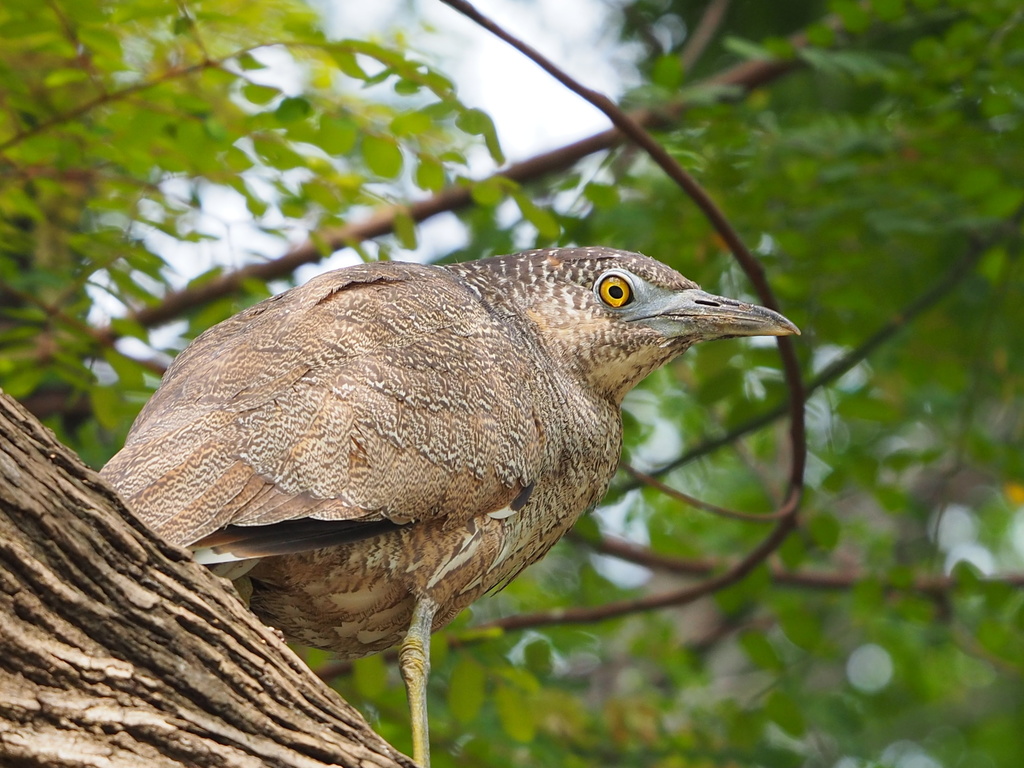
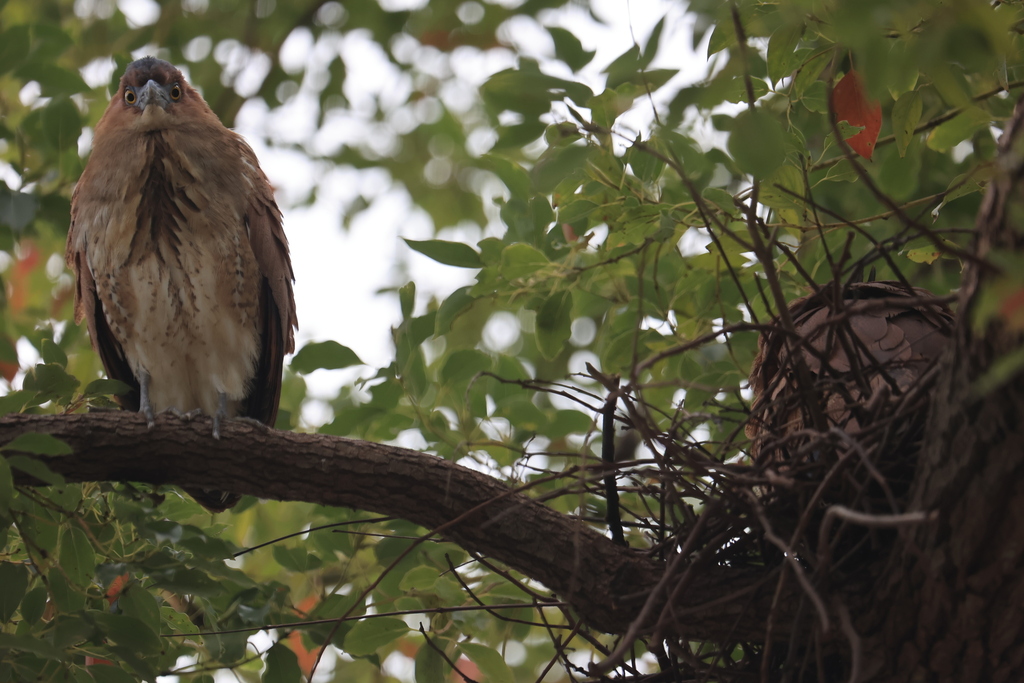
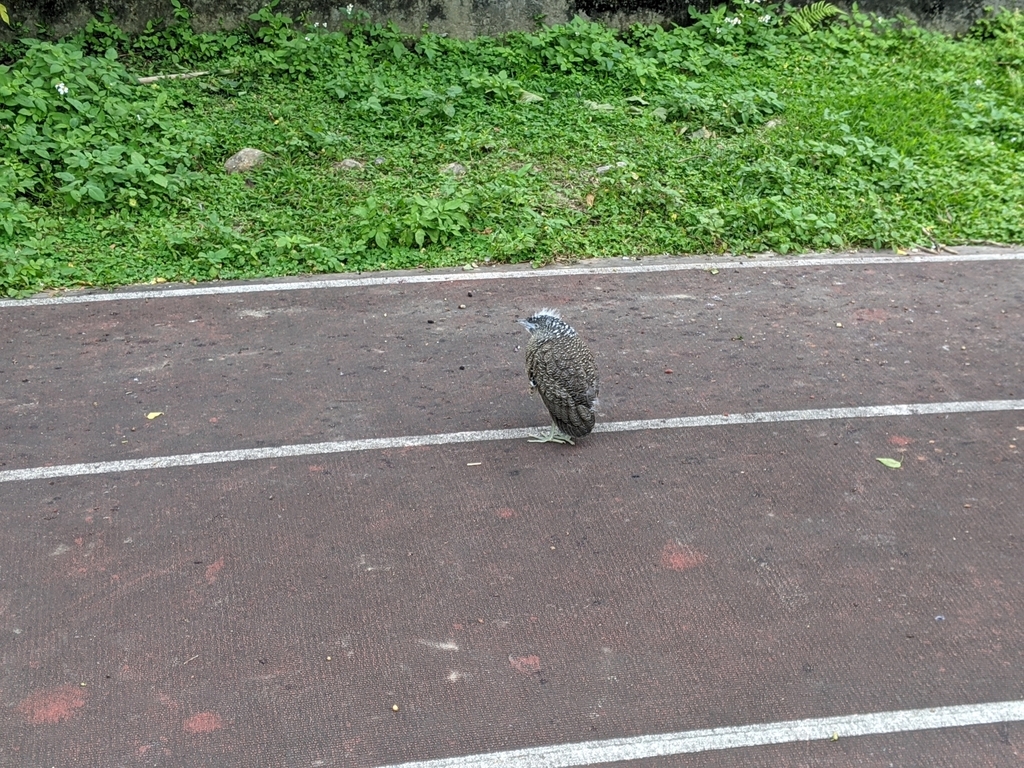
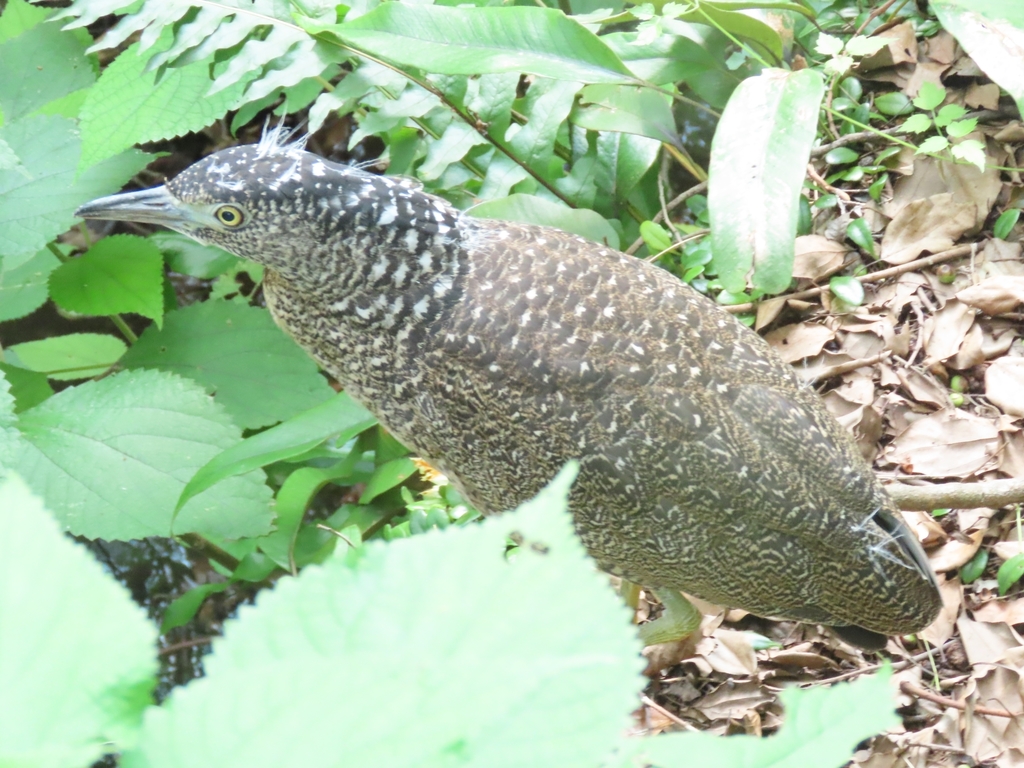
Malayan night heron
Gorsachius melanolophus
- Status
- Least Concern IUCN Red List
- Eats
- Asian common toad, buff striped keelback, insular mole and 3 more
- Where
- 22 countries
On 4Planet Atlas it is among the wildlife people record most around Taipei.
People have shared 81,575 records of the malayan night heron with GBIF, from 22 countries, most of them from Taiwan, Thailand and India. Records collected by GloBI show it eating 6 different kinds of animals and plants.
What the malayan night heron eats, and what eats it
Studies have recorded it eating 6 kinds of animals and plants. Tap any of them to follow the food chain.
- Reptiles 3
- Amphibians 2
- Mammals 1
Malayan night heron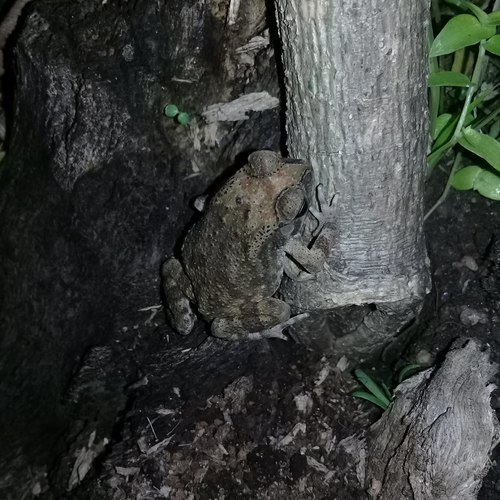
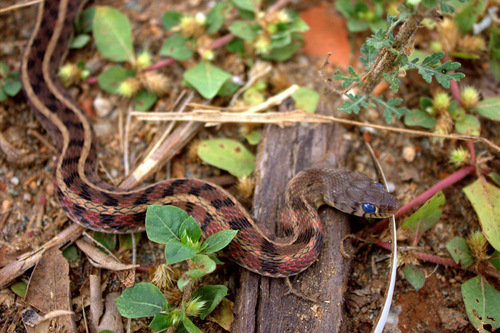
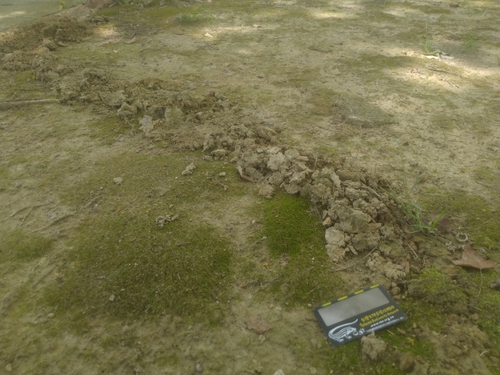
Records from studies worldwide, collected by GloBI. They include animals eaten as carrion, and they are not everything it eats in one place.
Where people see the malayan night heron
People have shared 81,575 records from 22 countries.
Near a city: Taipei.
Records show where people have seen it and shared it, not its full range. Country names open their page in Atlas.
When it is seen
Records per month in the northern hemisphere. More people outdoors also means more records.
Watch and listen
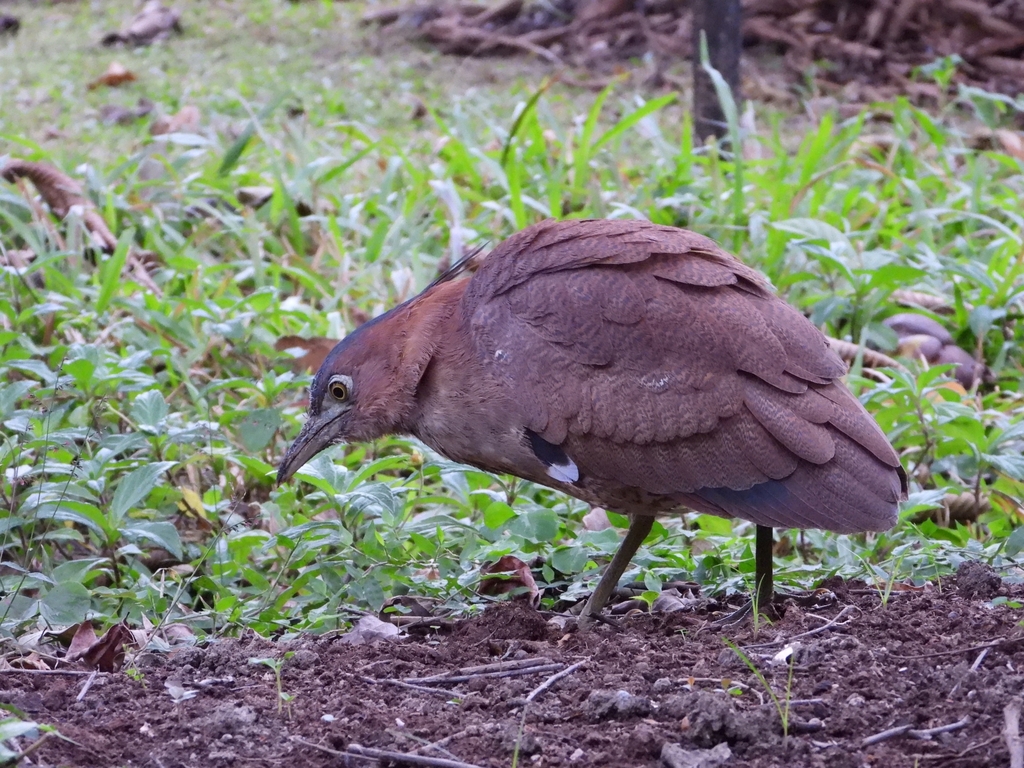
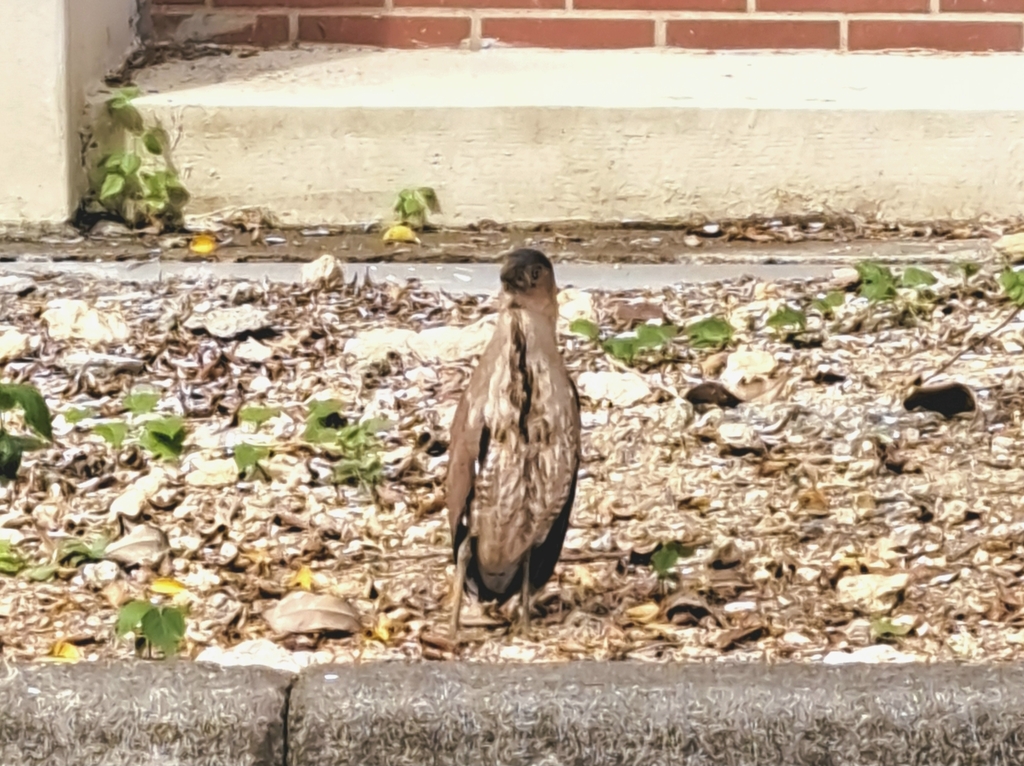
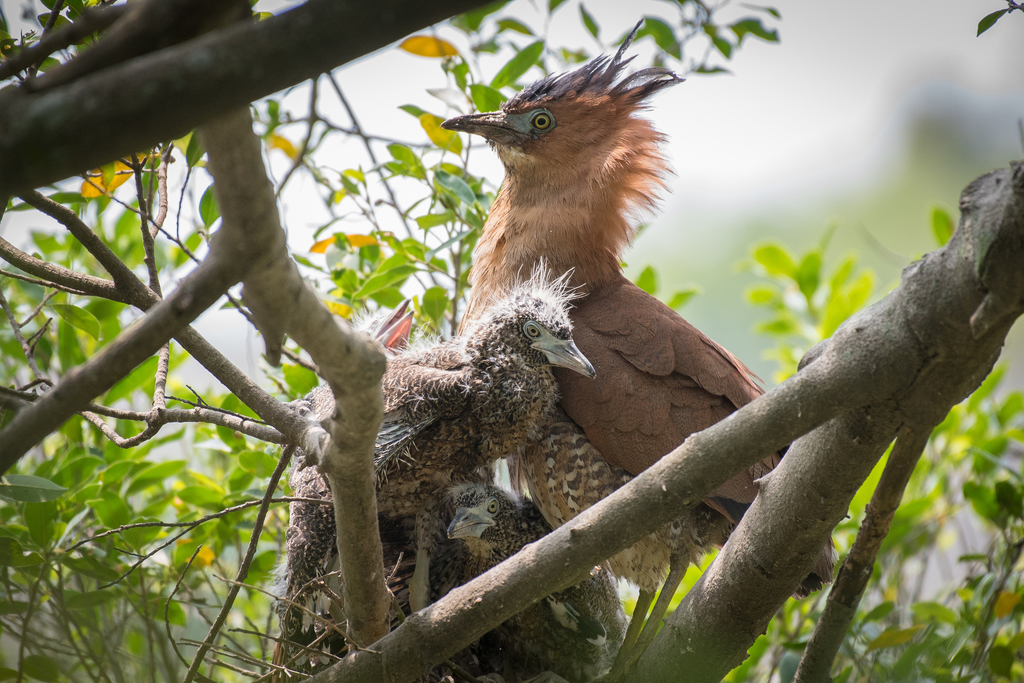
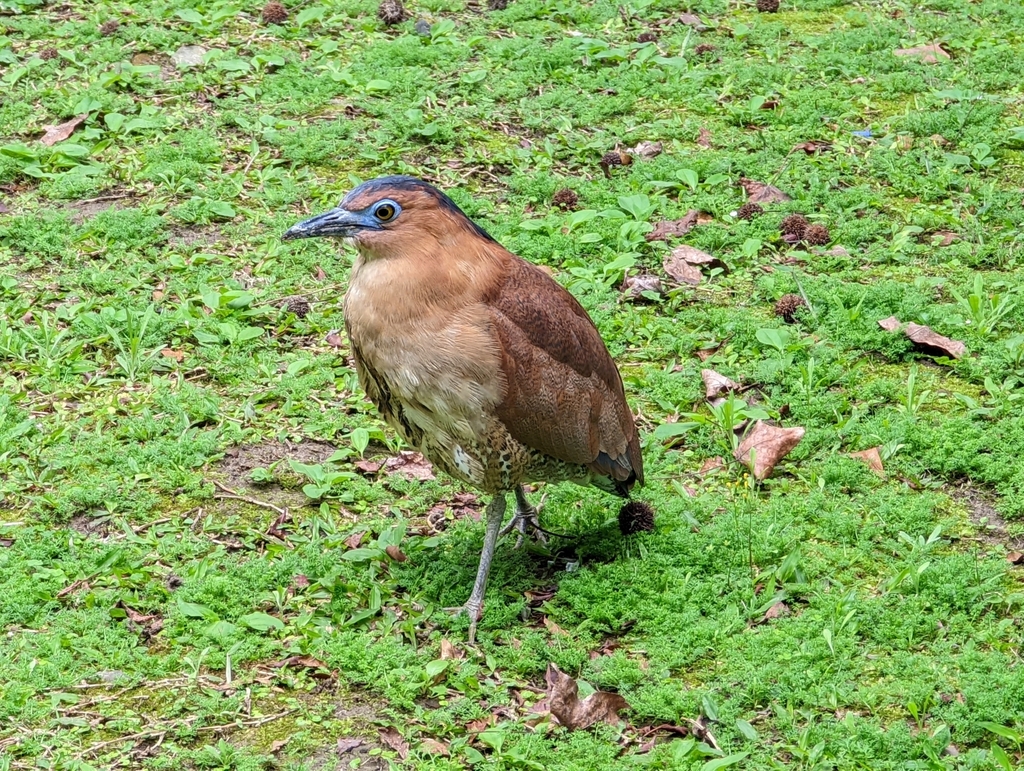
Its closest relatives
The other species of the genus Gorsachius.
Seen a malayan night heron?
Share your photo on iNaturalist. Other naturalists help confirm it, and the record goes to GBIF, where scientists use it and where the maps on this page come from.
Put this species on your site
The card names every source and links back here.
<iframe src="https://4planetatlas.com/place/embed/species/malayan-night-heron" title="Malayan night heron (Gorsachius melanolophus), 4PLANET Species" width="100%" height="600" style="border:0;max-width:640px" loading="lazy"></iframe>
<p><a href="https://4species.com/malayan-night-heron">Malayan night heron on 4PLANET Species</a></p>Questions people ask
What does the malayan night heron eat?
The malayan night heron has been recorded eating 6 different kinds of animals and plants, most of them reptiles, amphibians and mammals. The ones recorded most often are asian common toad, buff striped keelback and insular mole; records include animals eaten as carrion. Source: GloBI.
Where does the malayan night heron live?
People have recorded it in 22 countries; the most records come from Taiwan, Thailand, India, Singapore and Japan. Records show where people have seen it, not its full range.
When is the malayan night heron seen most?
In the northern hemisphere, the most records are made in May and the fewest in August. More people outdoors also means more records.
What are the malayan night heron's closest relatives?
It shares the genus Gorsachius with japanese night heron and white-backed night heron.
Sources and photo credits
- GBIF · Gorsachius melanolophus, 81,575 human observations
- GloBI · recorded interactions of Gorsachius melanolophus
- Wikidata · Malayan night heron (Q764171)
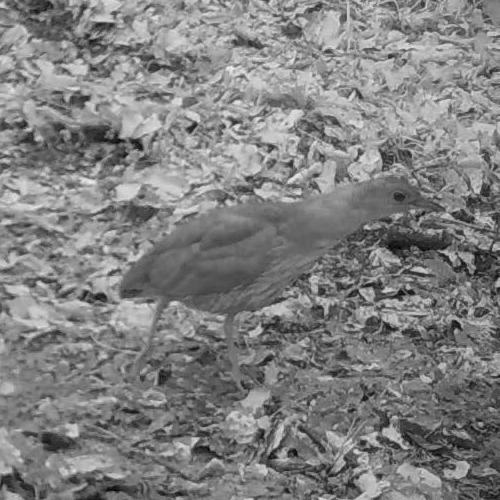
- Malayan night heron (Gorsachius melanolophus): no rights reserved, uploaded by 葉子, CC0
- Malayan night heron (Gorsachius melanolophus): no rights reserved, uploaded by 葉子, CC0
- Malayan night heron (Gorsachius melanolophus), 台灣臺北: 胡正恆(Jackson Hu), CC BY 4.0
- Malayan night heron (Gorsachius melanolophus), 106台灣台北市大安區學府里: Tzu-Neng Yuan, CC BY 4.0
- Malayan night heron (Gorsachius melanolophus), Hsinchu City, TW-KH, TW: chiuluan, CC BY 4.0
- Malayan night heron (Gorsachius melanolophus), 106台灣台北市大安區龍門里: 許慶棠Ray, CC BY 4.0
- Malayan night heron (Gorsachius melanolophus), 804台灣高雄市鼓山區海科院: vrxz, CC BY-SA 4.0
- Malayan night heron (Gorsachius melanolophus), 台灣彰化縣: 尹若宇, CC BY-SA 4.0
- Malayan night heron (Gorsachius melanolophus), 236台灣新北市土城區明德里: 李奕寯, CC0
- Asian common toad: Vihansith Kulatunga, CC BY-SA 4.0
- Buff striped keelback: Chayant Gonsalves, CC BY 4.0
- Insular mole: chiuluan, CC BY 4.0
- Japanese night heron: Timur Kalininsky, CC BY 4.0
Records show where people have seen and shared the malayan night heron, not its full range, and some countries and months are recorded far more than others. The food web lists interactions that studies have recorded somewhere in the world (GloBI), not everything it eats in one place.
Checked 2026-11-26.