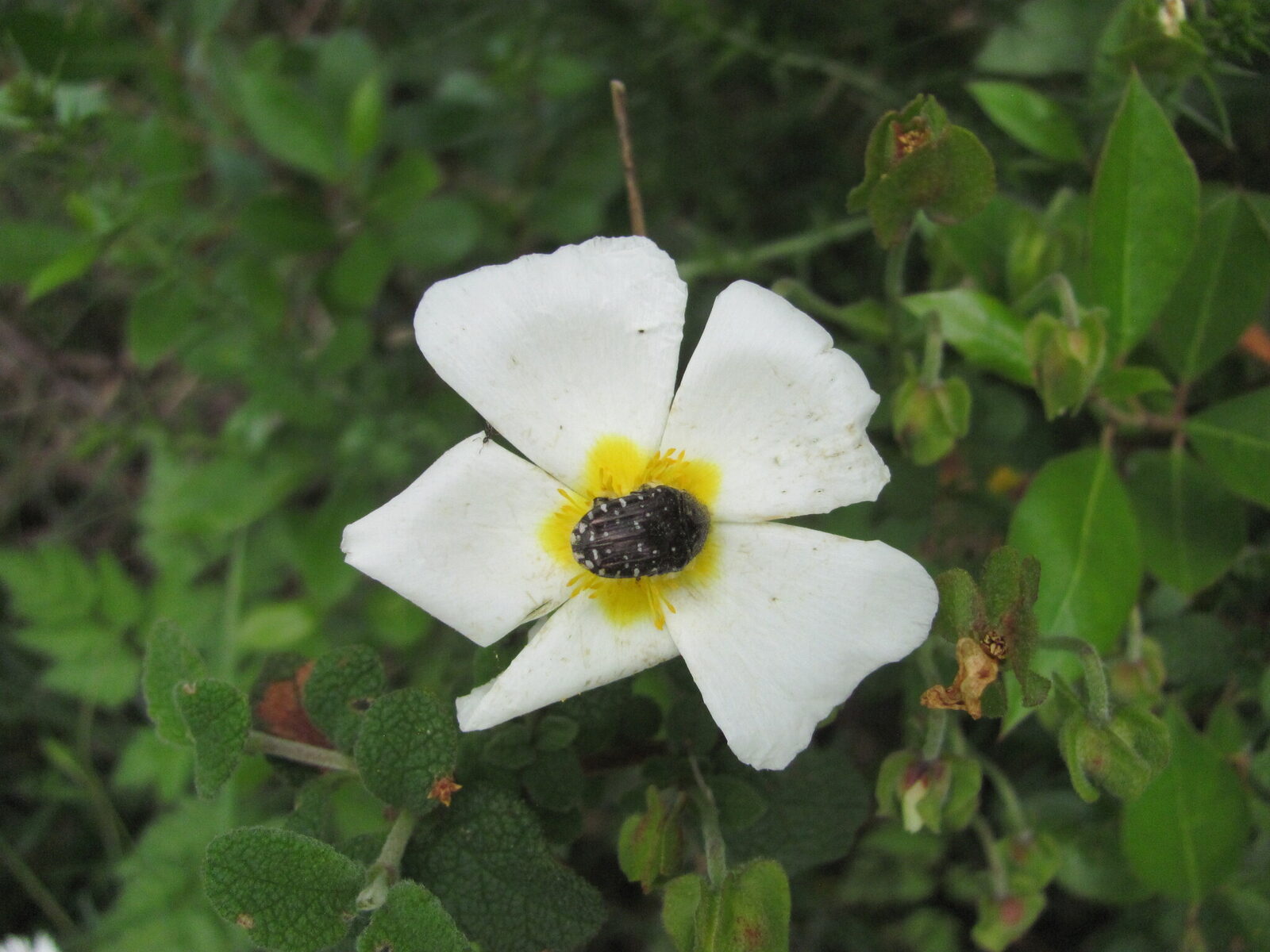
Mediterranean spotted chafer
Oxythyrea funesta
A black beetle with white spots that feeds on flower pollen.
- Status
- IUCN Red List
- Eats
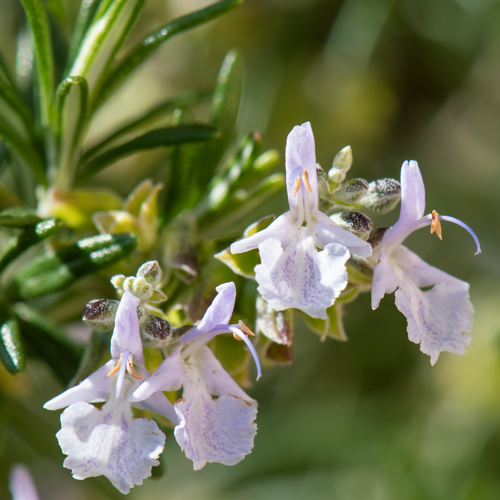
- rosemary, common dandelion, yarrow and 82 more
- Eaten by
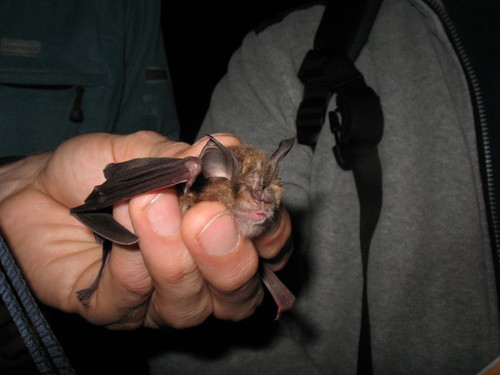
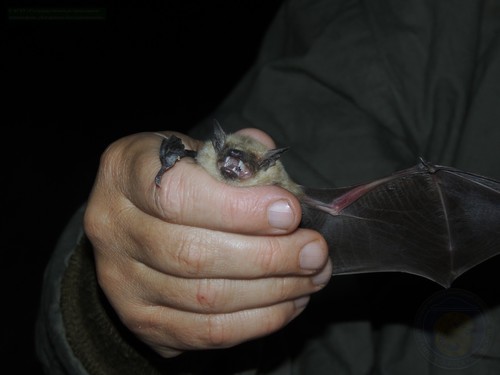
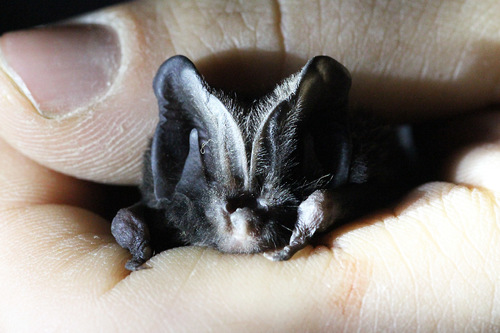
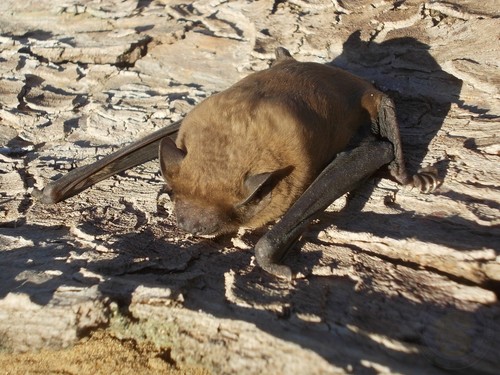
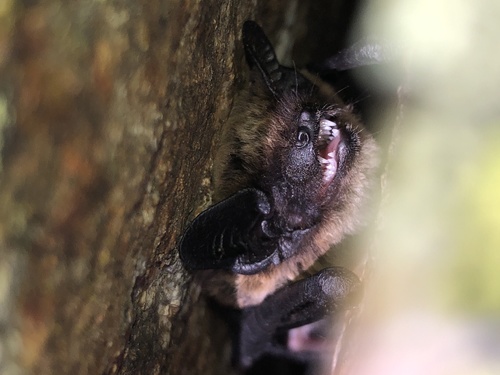
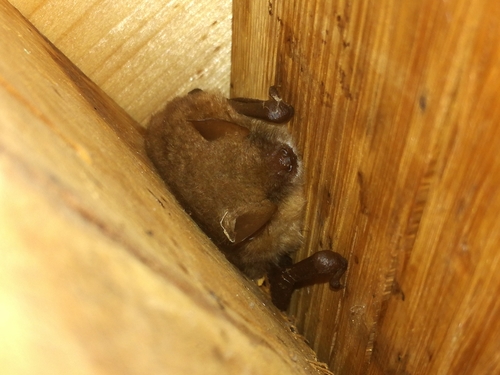
- greater horseshoe bat, serotine bat, barbastelle
- Where
- 45 countries
On 4Planet Atlas it is among the wildlife people record most around Algiers, Kyiv and Rome, and 2 more of the cities we cover.
People have shared 47,310 records of the mediterranean spotted chafer with GBIF, from 45 countries, most of them from France, Germany and Italy. Records collected by GloBI show it eating 85 different kinds of animals and plants, and being eaten by 9.
What the Mediterranean spotted chafer eats, and what eats it
Studies have recorded it eating 85 kinds of animals and plants, and 9 kinds of animals eating it. Tap any of them to follow the food chain.
- Plants 81
- Insects 2
 Mediterranean spotted chafer
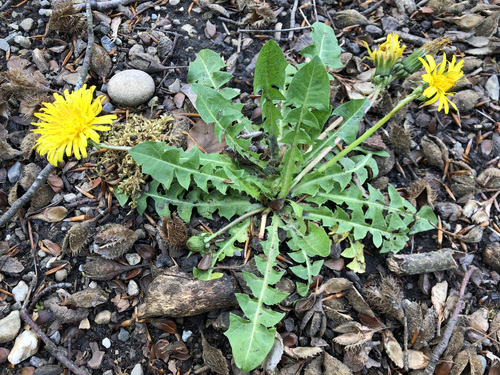
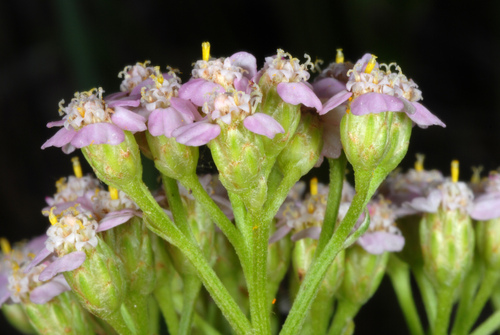
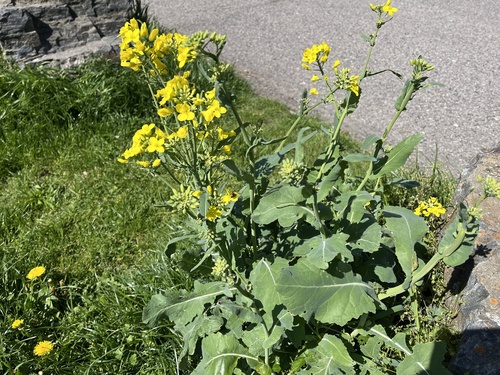
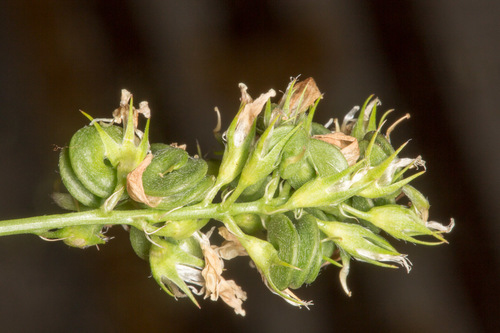
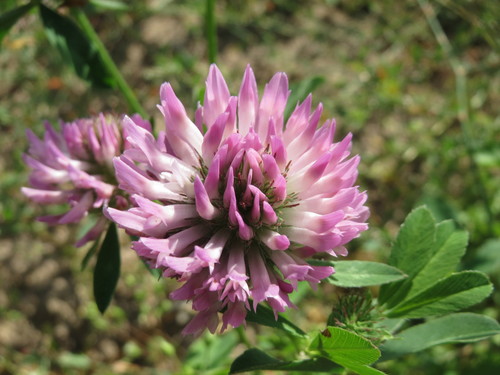
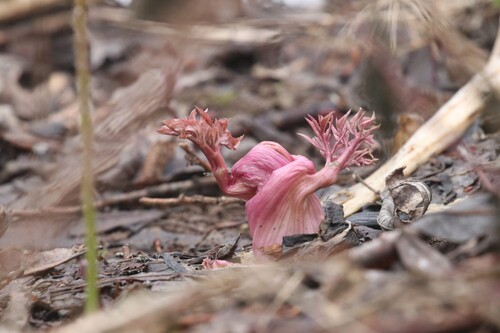
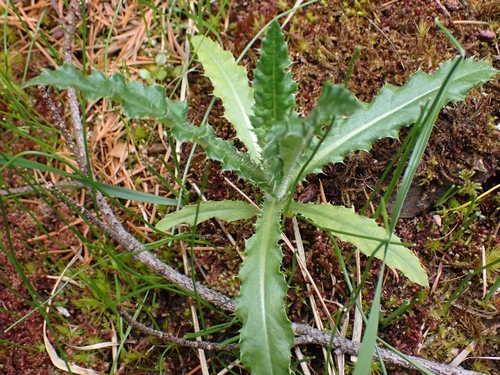
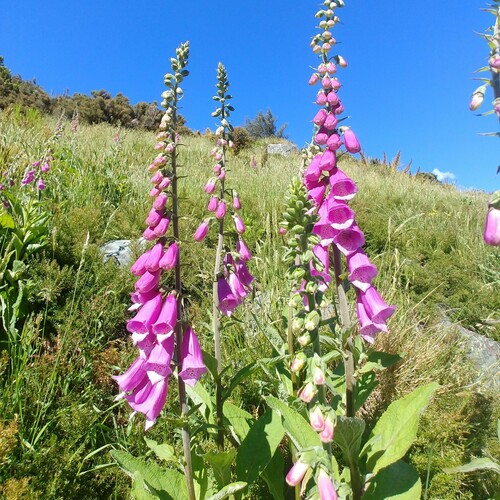
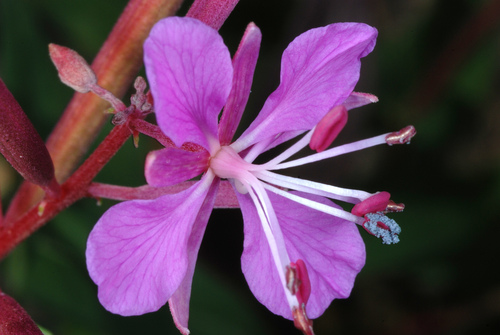
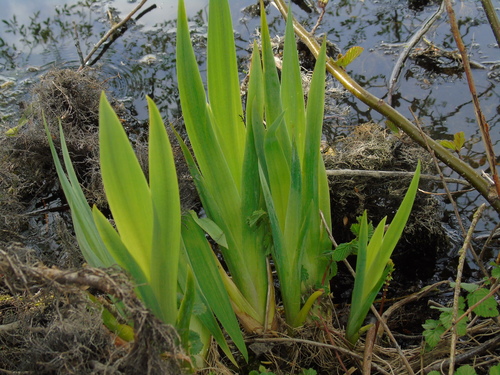
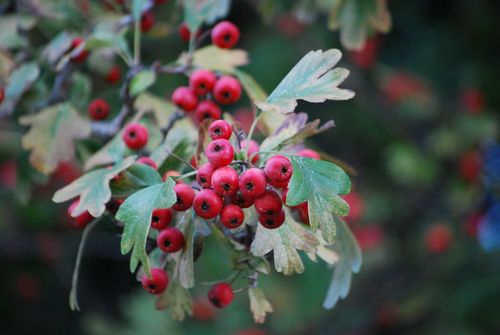
Records from studies worldwide, collected by GloBI. They include animals eaten as carrion, and they are not everything it eats in one place.
Where people see the Mediterranean spotted chafer
People have shared 47,310 records from 45 countries.
Near a city: Algiers, Kyiv, Rome, Valletta, Vienna.
Records show where people have seen it and shared it, not its full range. Country names open their page in Atlas.
When it is seen
Records per month in the northern hemisphere. More people outdoors also means more records.
Watch and listen
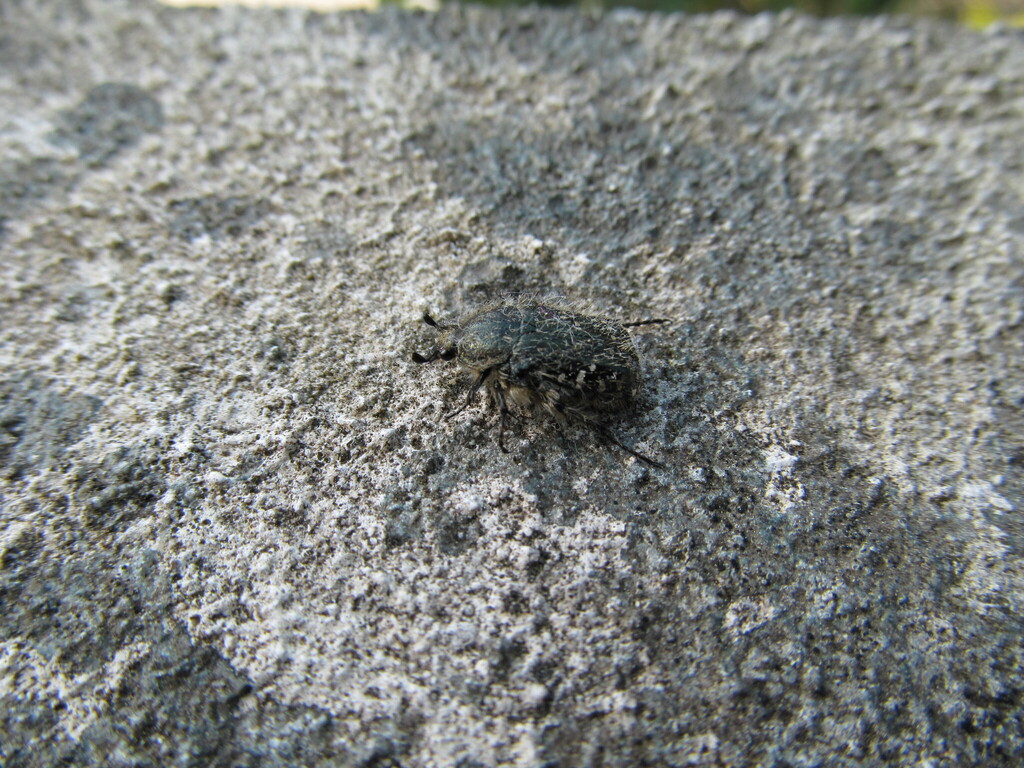
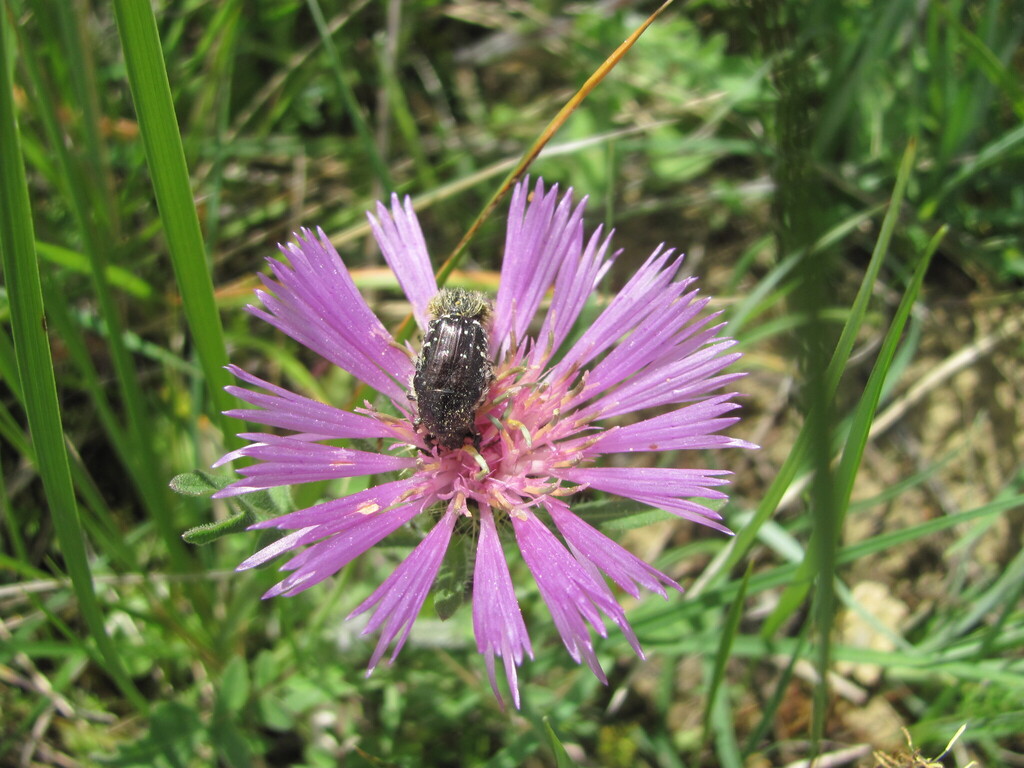
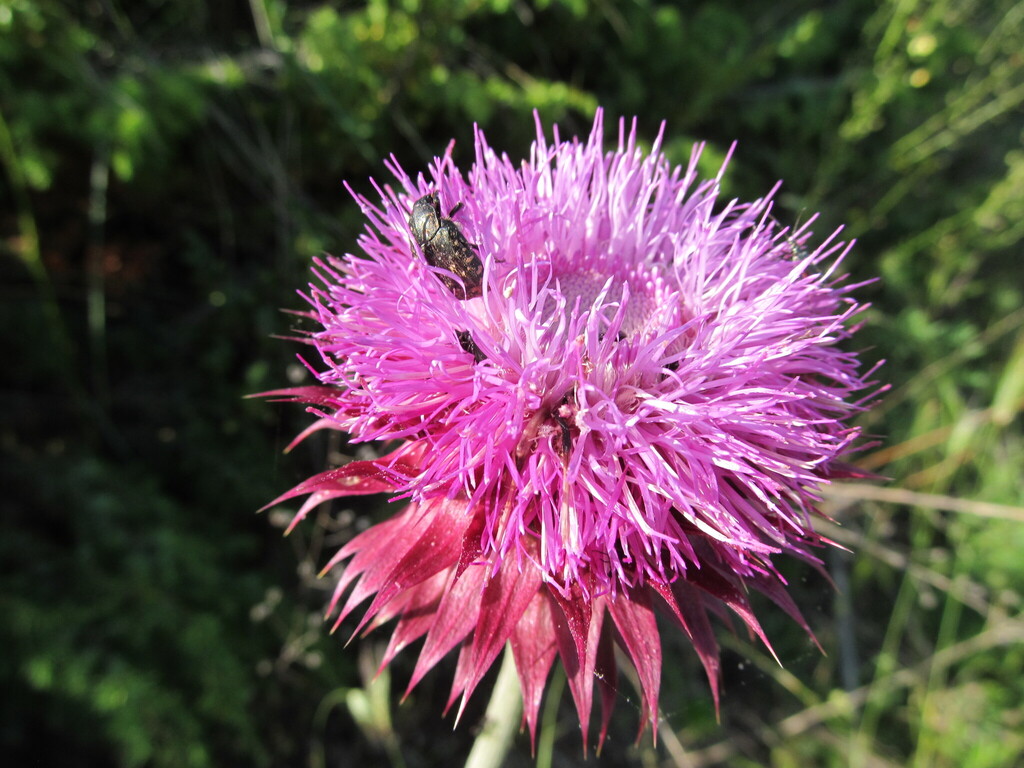
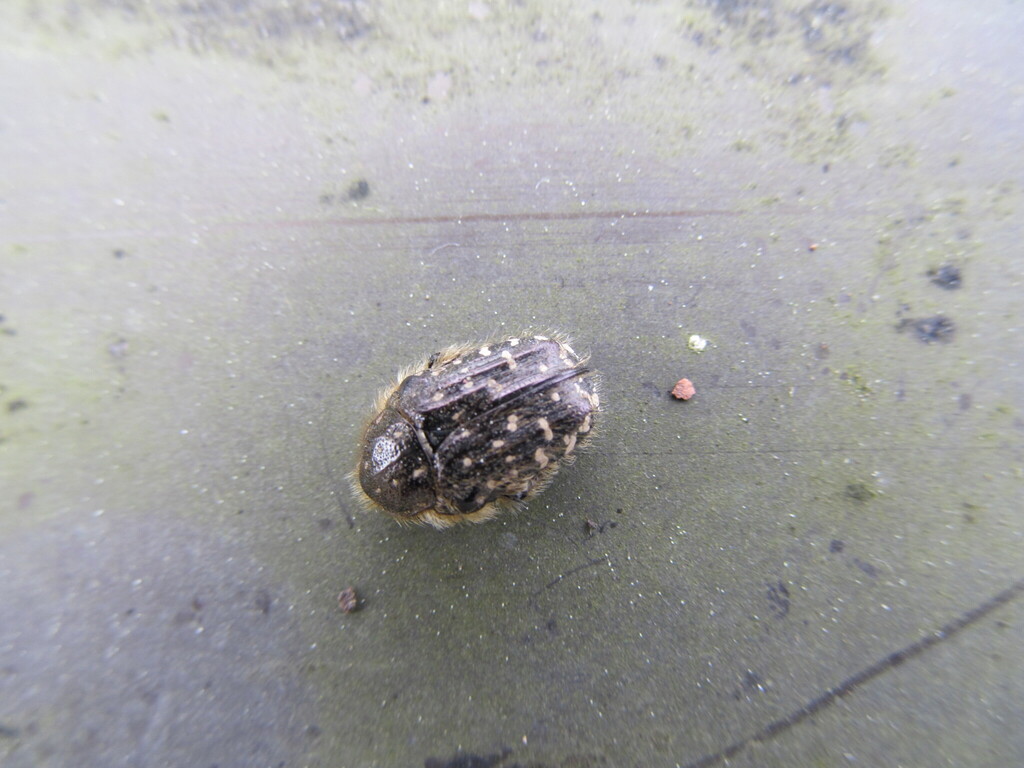
Seen a Mediterranean spotted chafer?
Share your photo on iNaturalist. Other naturalists help confirm it, and the record goes to GBIF, where scientists use it and where the maps on this page come from.
Put this species on your site
The card names every source and links back here.
<iframe src="https://4planetatlas.com/place/embed/species/mediterranean-spotted-chafer" title="Mediterranean spotted chafer (Oxythyrea funesta), 4PLANET Species" width="100%" height="600" style="border:0;max-width:640px" loading="lazy"></iframe>
<p><a href="https://4species.com/mediterranean-spotted-chafer">Mediterranean spotted chafer on 4PLANET Species</a></p>Questions people ask
What does the mediterranean spotted chafer eat?
The mediterranean spotted chafer has been recorded eating 85 different kinds of animals and plants, most of them plants and insects. The ones recorded most often are rosemary, common dandelion, yarrow, rape and alfalfa; records include animals eaten as carrion. Source: GloBI.
What eats the mediterranean spotted chafer?
Recorded predators include greater horseshoe bat, serotine bat, barbastelle, common noctule and savi's pipistrelle. Source: GloBI.
Where does the mediterranean spotted chafer live?
People have recorded it in 45 countries; the most records come from France, Germany, Italy, Russia and Spain. Records show where people have seen it, not its full range.
When is the mediterranean spotted chafer seen most?
In the northern hemisphere, the most records are made in May and the fewest in November. More people outdoors also means more records.
Sources and photo credits
- GBIF · Oxythyrea funesta, 47,310 human observations
- GloBI · recorded interactions of Oxythyrea funesta
- Wikidata · Mediterranean spotted chafer (Q1189216)
- Mediterranean spotted chafer (Oxythyrea funesta): zebedeugalinha, CC BY 4.0
- Mediterranean spotted chafer (Oxythyrea funesta), Coimbra, Portugal: zebedeugalinha, CC BY 4.0
- Mediterranean spotted chafer (Oxythyrea funesta), Eiras, Coimbra, Portugal: zebedeugalinha, CC BY 4.0
- Mediterranean spotted chafer (Oxythyrea funesta), Pindus Mountains, Kalabaka 422 00, Grécia: zebedeugalinha, CC BY 4.0
- Mediterranean spotted chafer (Oxythyrea funesta), Coimbra, Portugal: zebedeugalinha, CC BY 4.0
- Rosemary: Anna C, CC0
- Common dandelion: Jason Grant, CC BY 4.0
- Yarrow: Douglas Goldman, CC BY-SA 4.0
- Rape: Pavel Kacl, CC BY 4.0
- Alfalfa: Drepanostoma, CC BY 4.0
- Red clover: Andreas Rockstein, CC BY-SA 4.0
- Garden angelica: Константин Селивёрстов, CC BY 4.0
- Creeping thistle: no rights reserved, uploaded by Ellyne Geurts, CC0
- Foxglove: nbasargin, CC BY 4.0
- Fireweed: Douglas Goldman, CC BY-SA 4.0
- Yellow flag: E. Borchert, CC BY 4.0
- Hawthorn: no rights reserved, uploaded by Mirela, CC0
- Greater horseshoe bat: Gilles San Martin, CC BY-SA 4.0
- Serotine bat: Konstantin Grebennikov, CC BY 4.0
- Barbastelle: Leonardo Ancillotto, CC BY 4.0
- Common noctule: Konstantin Grebennikov, CC BY 4.0
- Savi's pipistrelle: poblado_verde_en_acción, CC BY 4.0
- Geoffroy's bat: ivan_humljani, CC0
Records show where people have seen and shared the mediterranean spotted chafer, not its full range, and some countries and months are recorded far more than others. The food web lists interactions that studies have recorded somewhere in the world (GloBI), not everything it eats in one place.
Checked 2026-11-25.