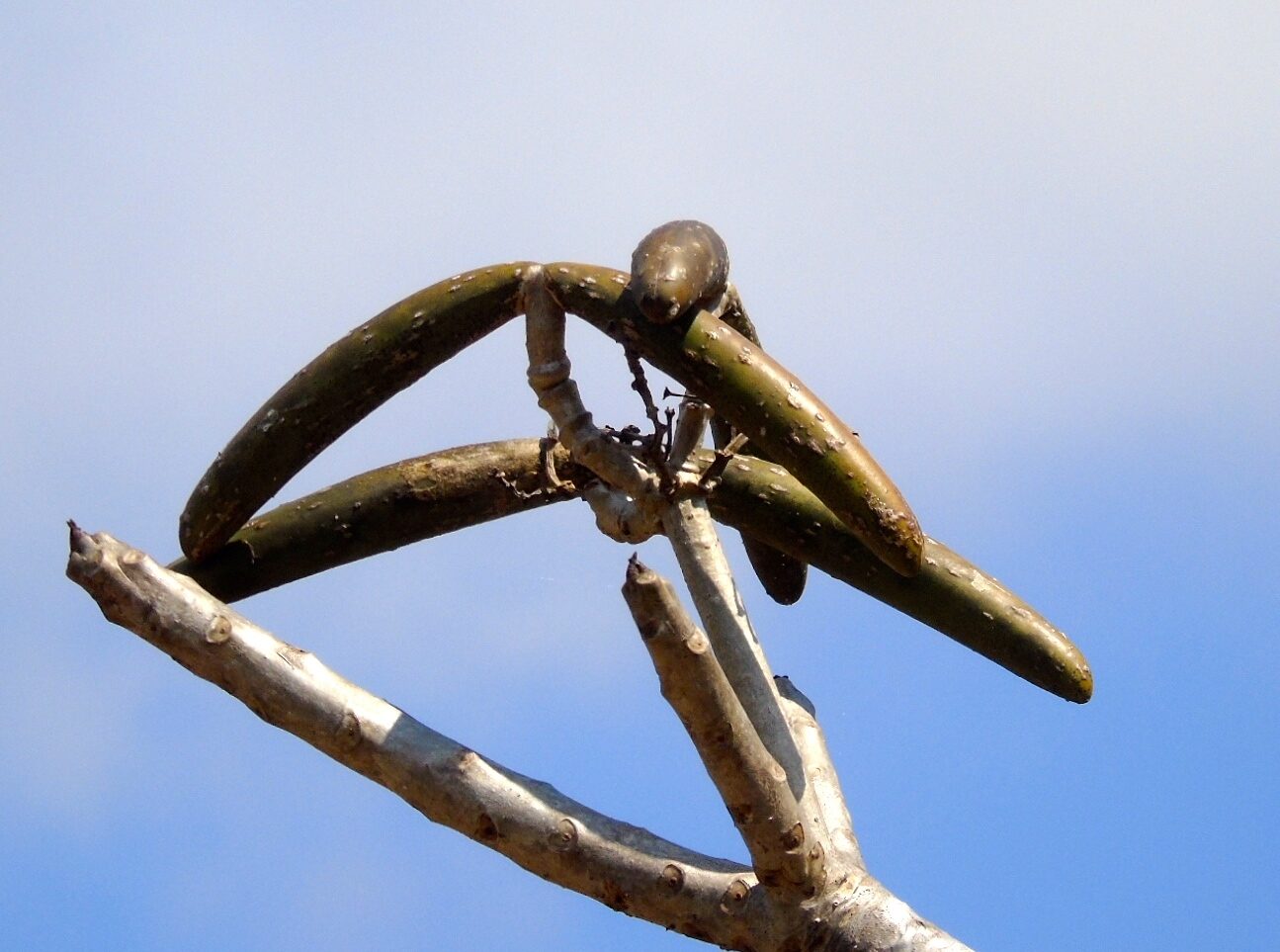
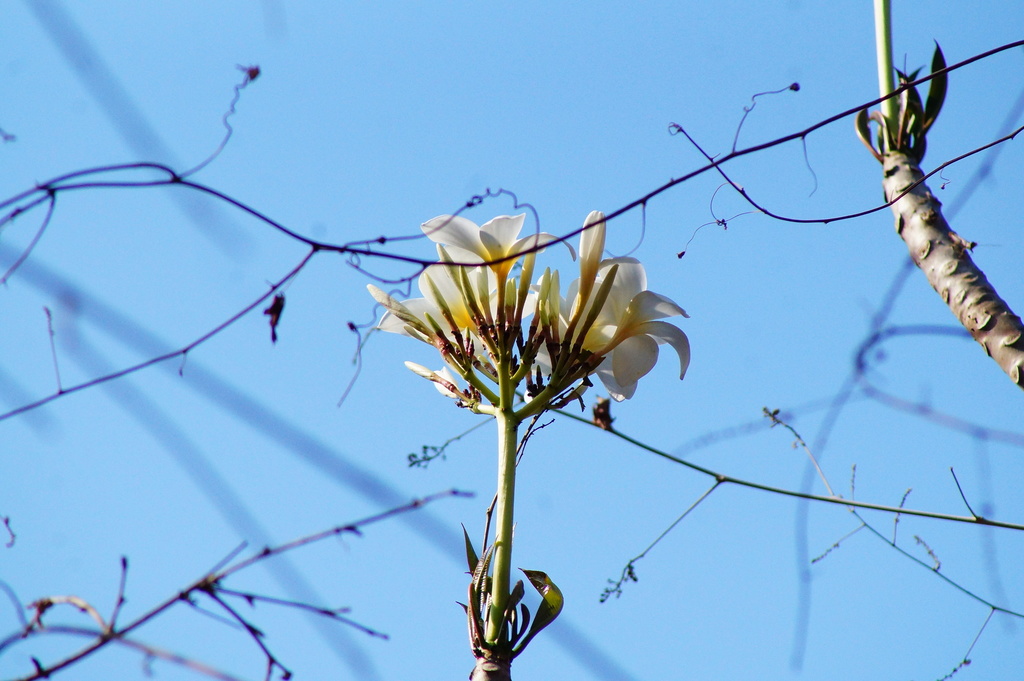
Mexican Plumeria
Plumeria rubra
- Status
- Least Concern IUCN Red List
- Where
- 81 countries
People have shared 4,167 records of the Mexican Plumeria with GBIF, from 81 countries, most of them from Mexico, Costa Rica and India.
In the northern hemisphere, people record it most in April and least in December. It belongs to the genus Plumeria in the family Apocynaceae.
Where people see the mexican Plumeria
People have shared 4,167 records from 81 countries.
Records show where people have seen it and shared it, not its full range. Country names open their page in Atlas.
When it is seen
Records per month in the northern hemisphere. More people outdoors also means more records.
Watch and listen
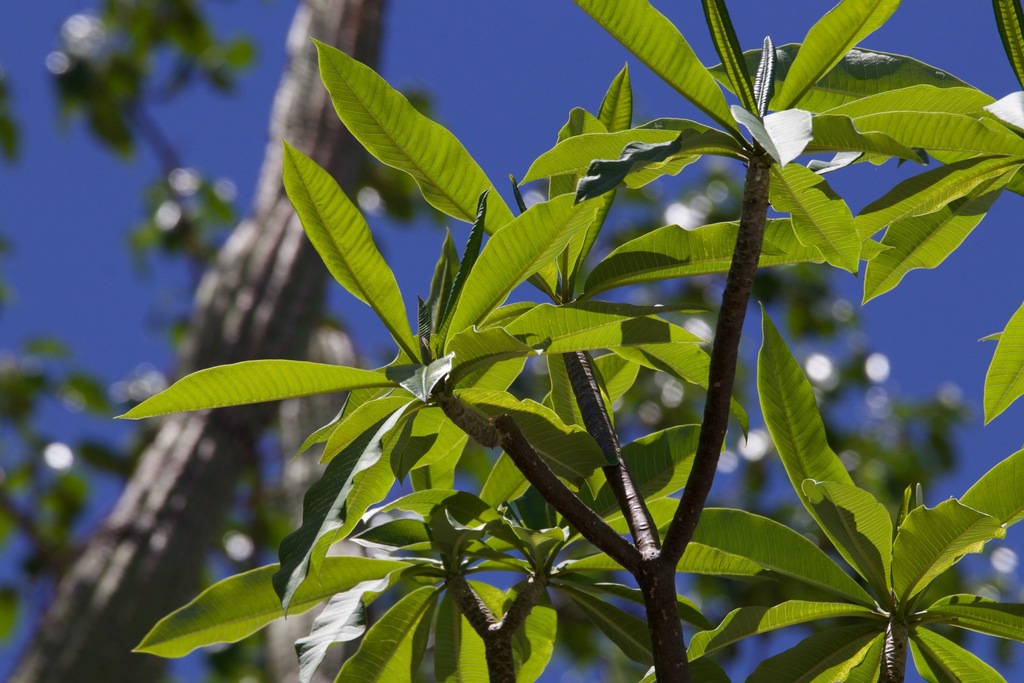
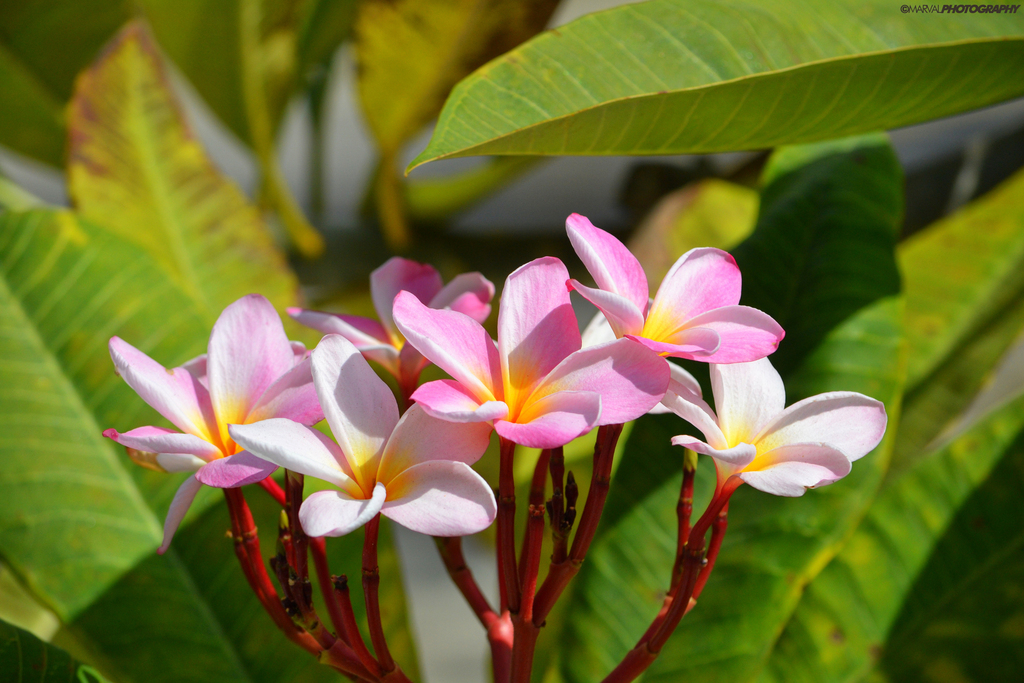
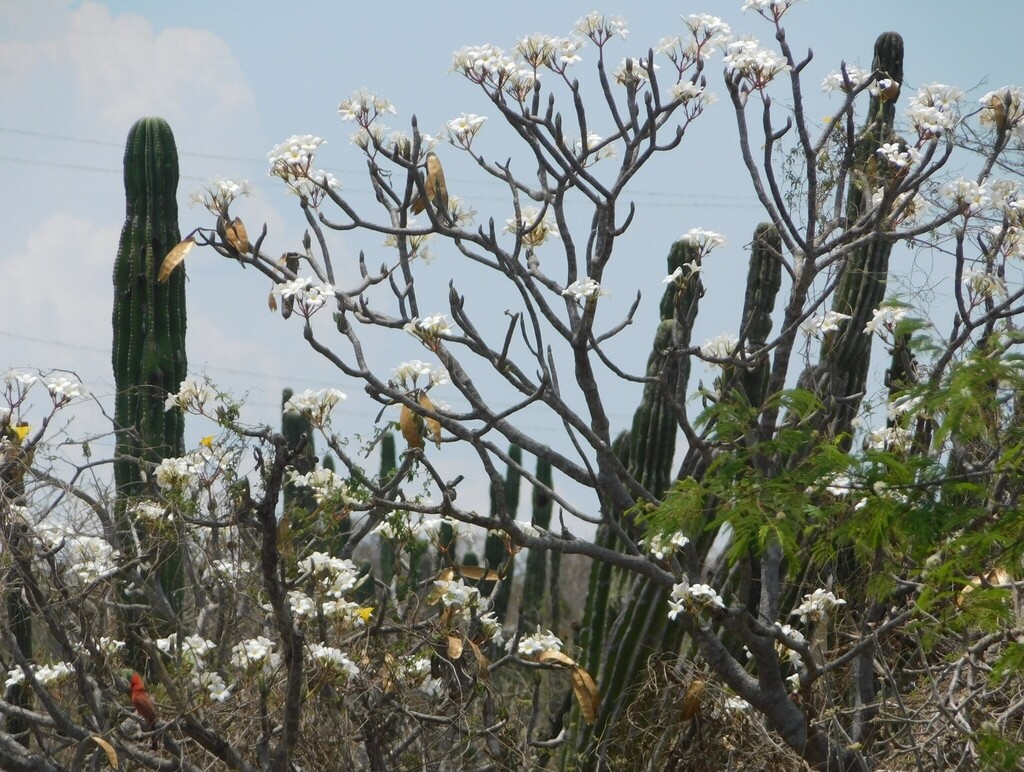
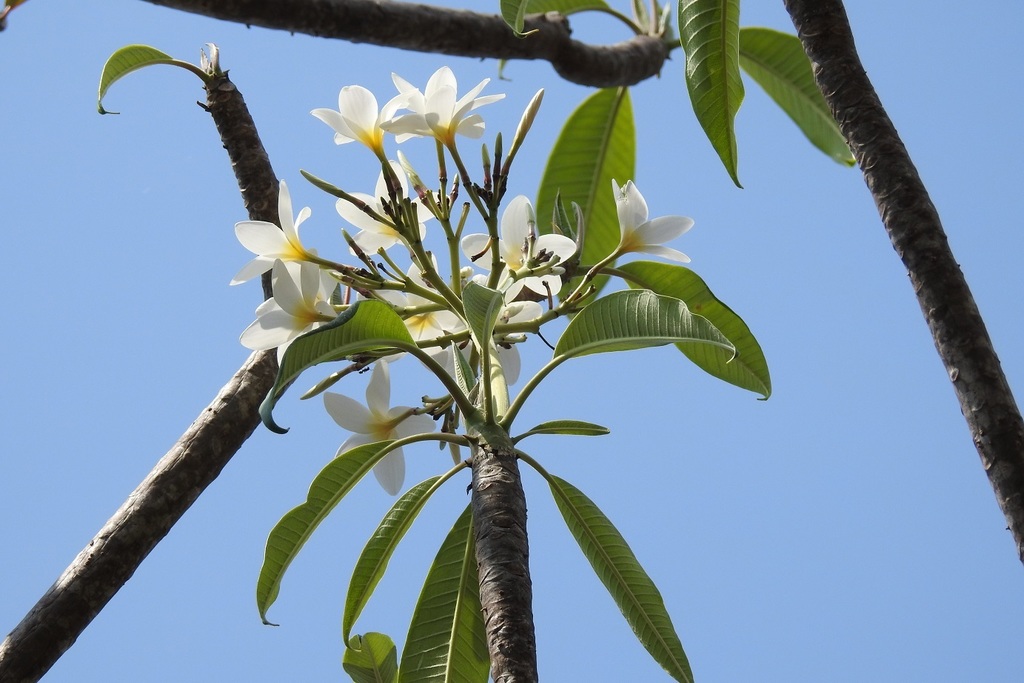
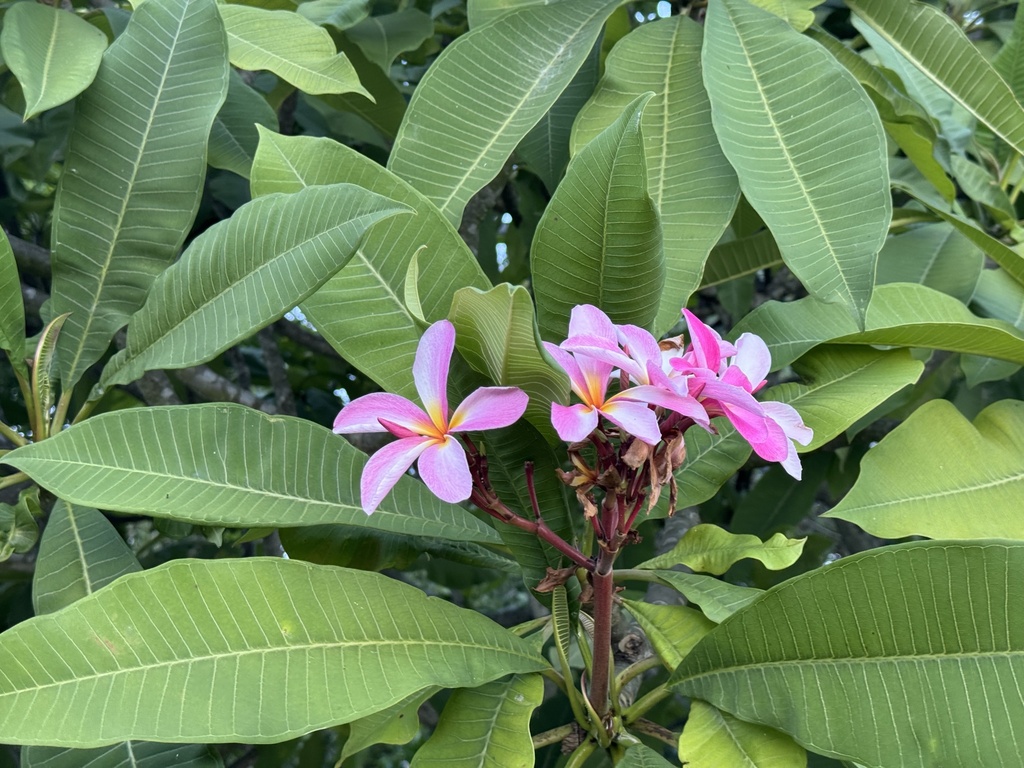
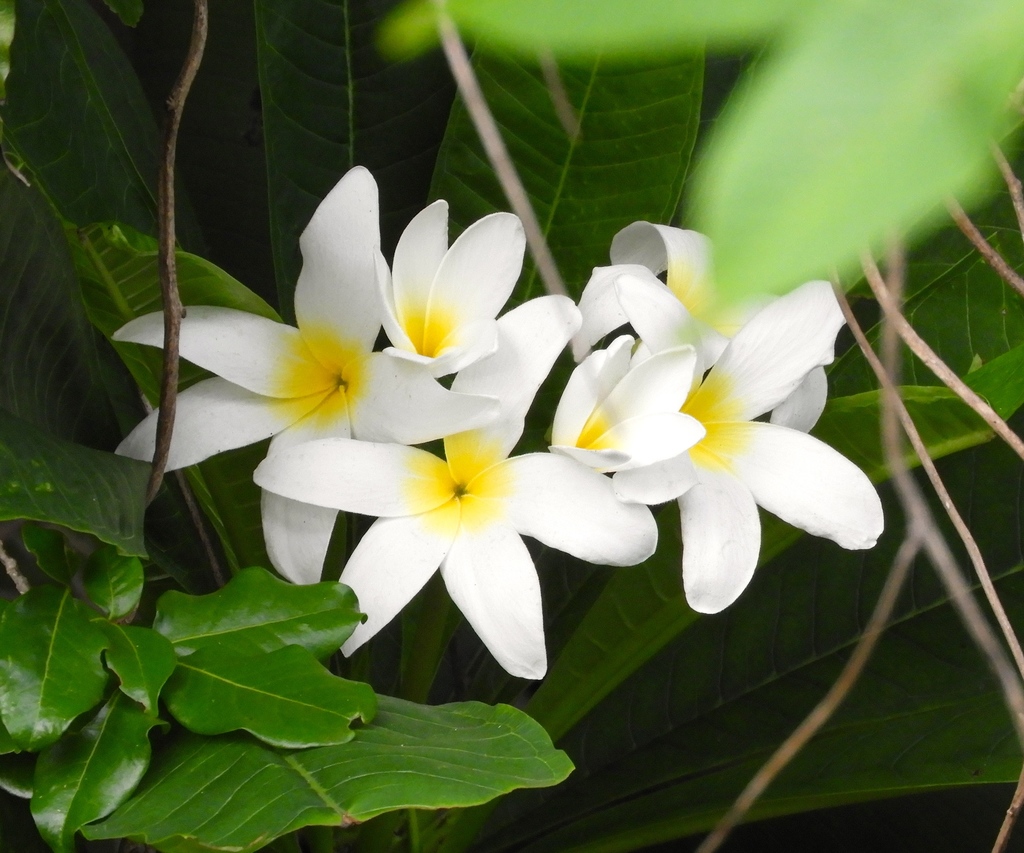
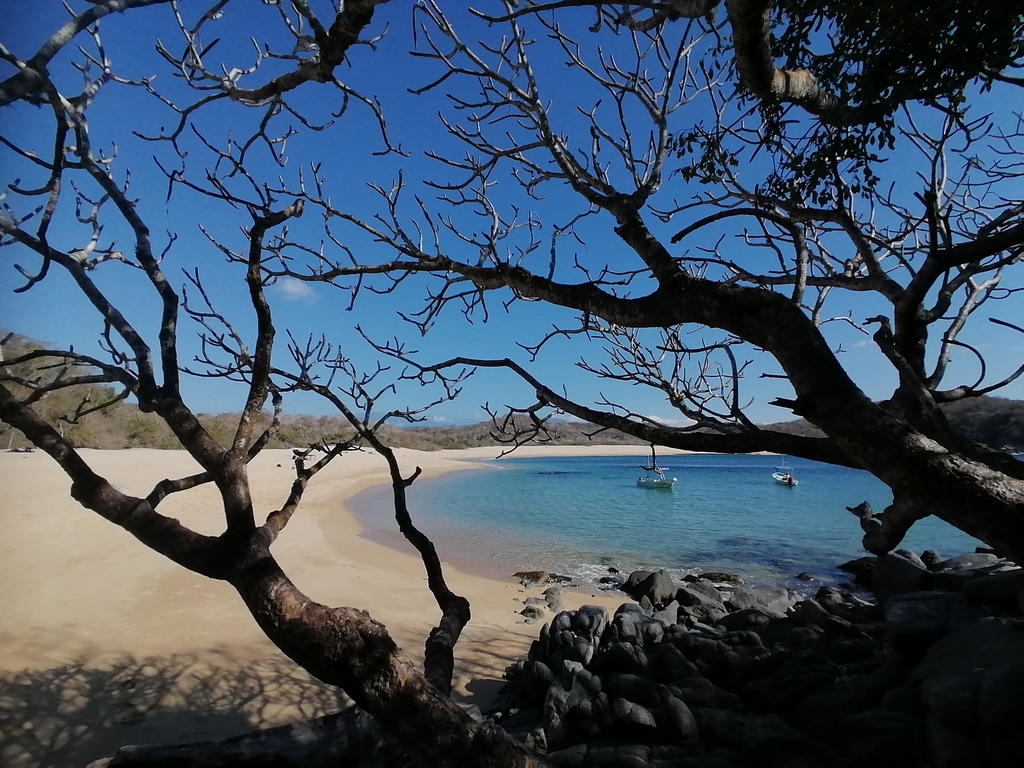
Seen a mexican Plumeria?
Share your photo on iNaturalist. Other naturalists help confirm it, and the record goes to GBIF, where scientists use it and where the maps on this page come from.
Put this species on your site
The card names every source and links back here.
<iframe src="https://4planetatlas.com/place/embed/species/mexican-plumeria" title="Mexican Plumeria (Plumeria rubra), 4PLANET Species" width="100%" height="600" style="border:0;max-width:640px" loading="lazy"></iframe>
<p><a href="https://4species.com/mexican-plumeria">Mexican Plumeria on 4PLANET Species</a></p>Questions people ask
Where does the Mexican Plumeria live?
People have recorded it in 81 countries; the most records come from Mexico, Costa Rica, India, Brazil and Puerto Rico. Records show where people have seen it, not its full range.
When is the Mexican Plumeria seen most?
In the northern hemisphere, the most records are made in April and the fewest in December. More people outdoors also means more records.
Sources and photo credits
- GBIF · Plumeria rubra, 4,167 human observations
- GloBI · recorded interactions of Plumeria rubra
- Wikidata · Mexican Plumeria (Q1097328)
- Mexican Plumeria (Plumeria rubra): Francisco Farriols Sarabia, CC BY 4.0
- Mexican Plumeria (Plumeria rubra): Bill Levine, CC BY 4.0
- Mexican Plumeria (Plumeria rubra), La Paz, B.C.S., México: MarvalPhotography19, CC BY 4.0
- Mexican Plumeria (Plumeria rubra), La Paz, B.C.S., México: Jose Luis Leon de la Luz, CC BY 4.0
- Mexican Plumeria (Plumeria rubra), Cañón del Sumidero, Tuxtla Gutiérrez, Chiapas, Mexico: Neptalí Ramírez Marcial, CC BY 4.0
- Mexican Plumeria (Plumeria rubra), Calle Sor Juana Inés de la Cruz, El Repecho, Tamps., MX: Bruno Frías Morales, CC BY 4.0
- Mexican Plumeria (Plumeria rubra), Mazatlán, Sin., México: Francisco Farriols Sarabia, CC BY 4.0
- Mexican Plumeria (Plumeria rubra), Santa María Huatulco, Oax., México: Carlos Domínguez-Rodríguez, CC BY 4.0
- Mexican Plumeria (Plumeria rubra), Huatulco, MX-OA, MX: Carlos Domínguez-Rodríguez, CC BY 4.0
Records show where people have seen and shared the Mexican Plumeria, not its full range, and some countries and months are recorded far more than others. The food web lists interactions that studies have recorded somewhere in the world (GloBI), not everything it eats in one place.
Checked 2026-11-27.