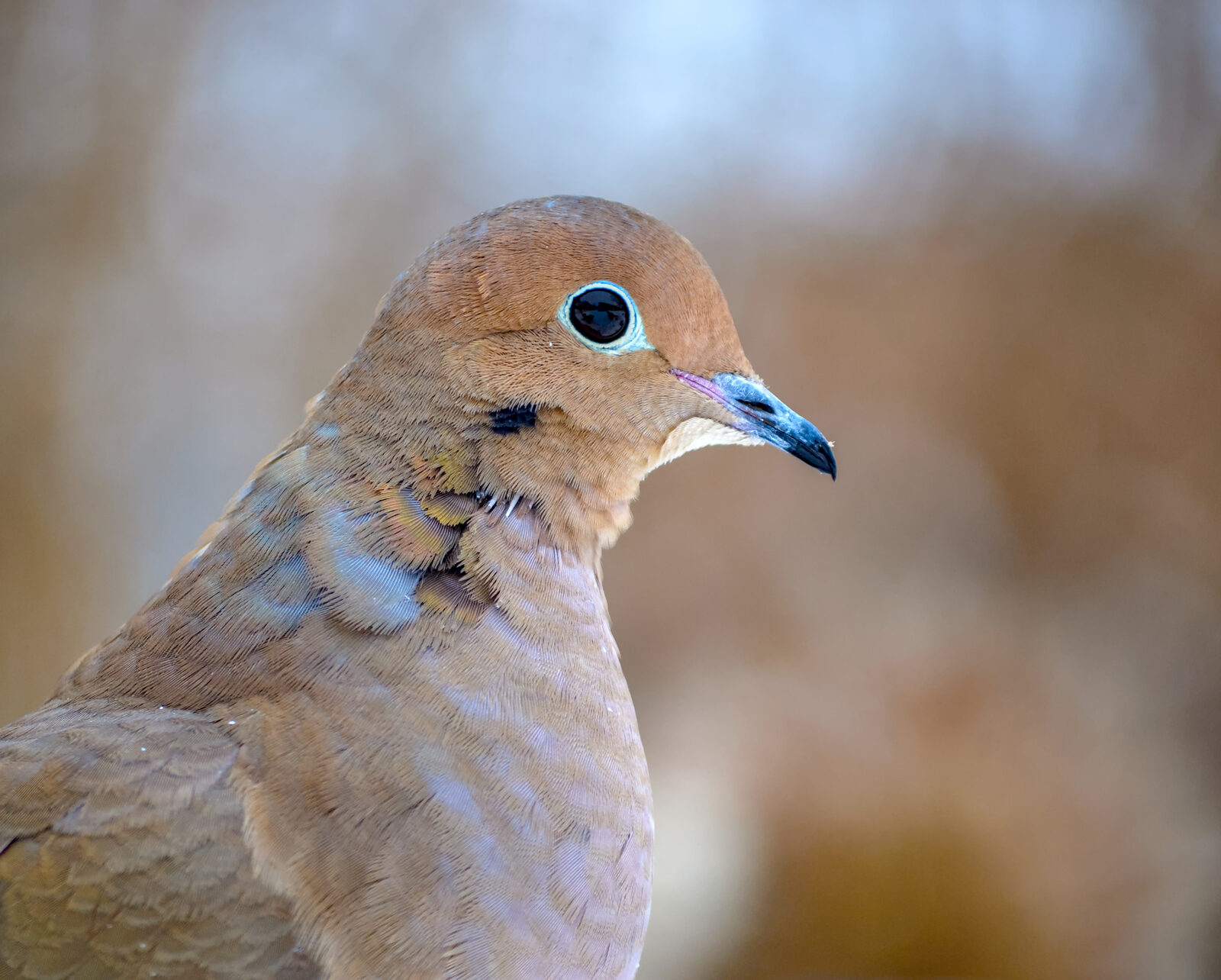
Mourning dove
Zenaida macroura
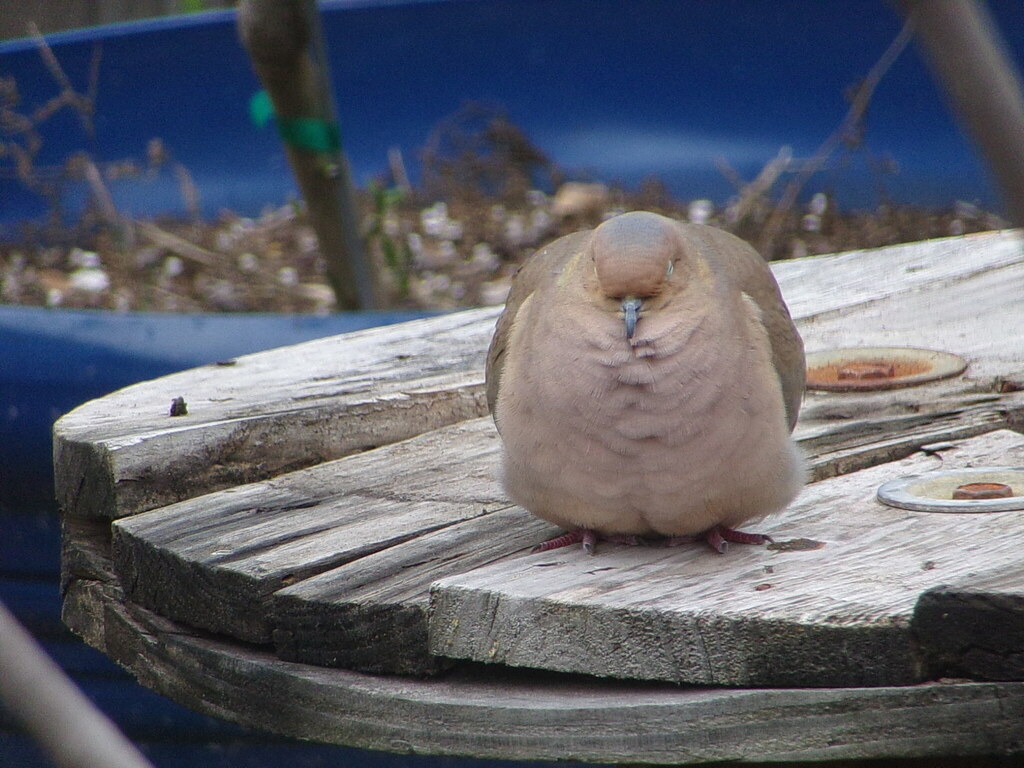
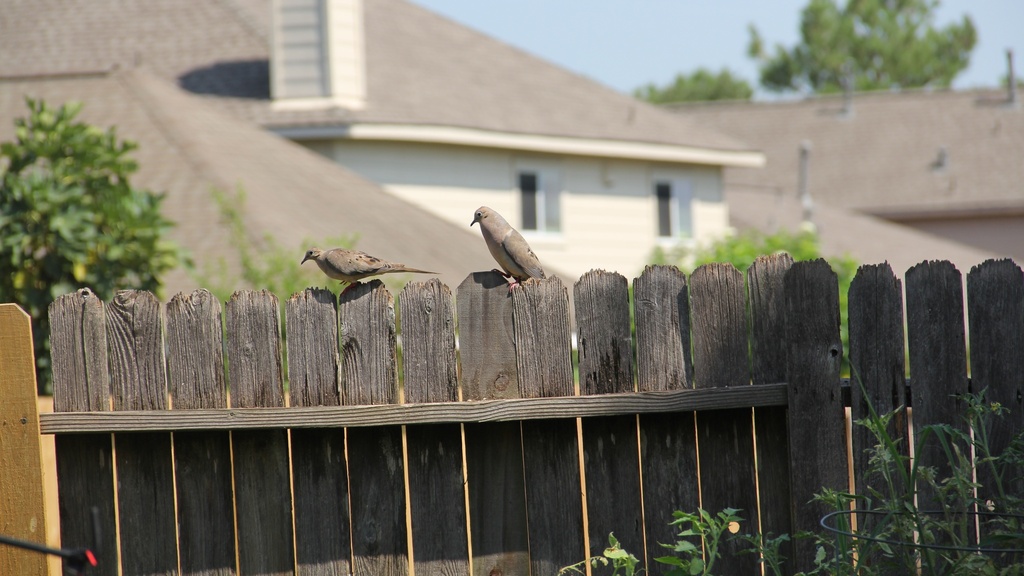
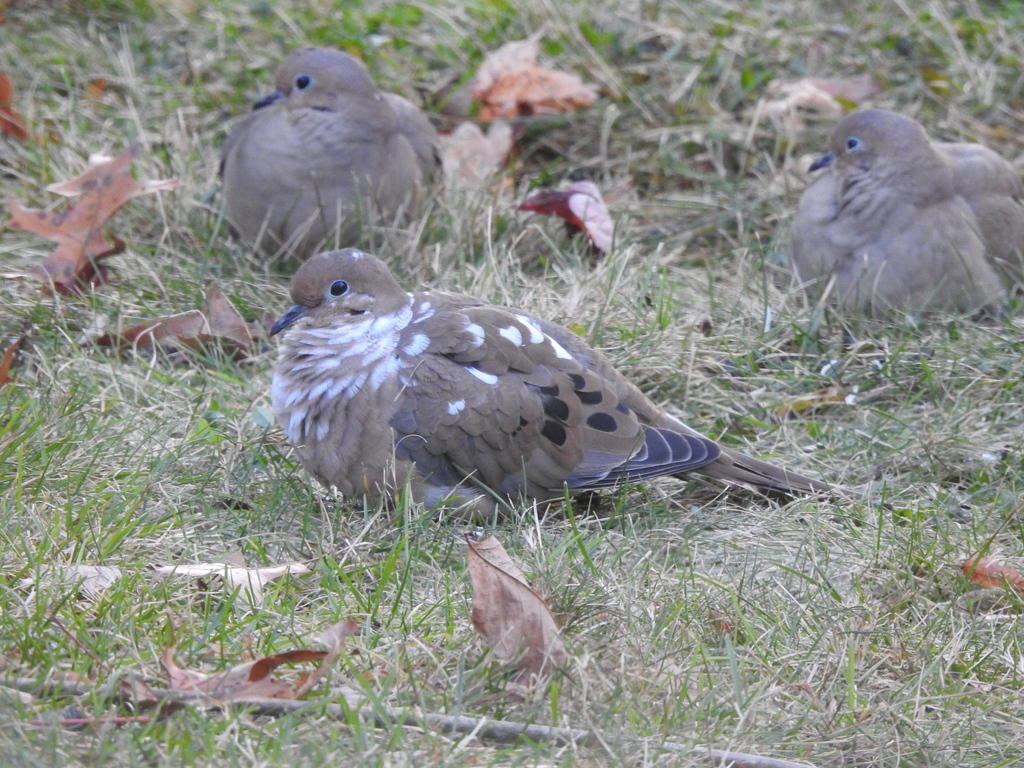
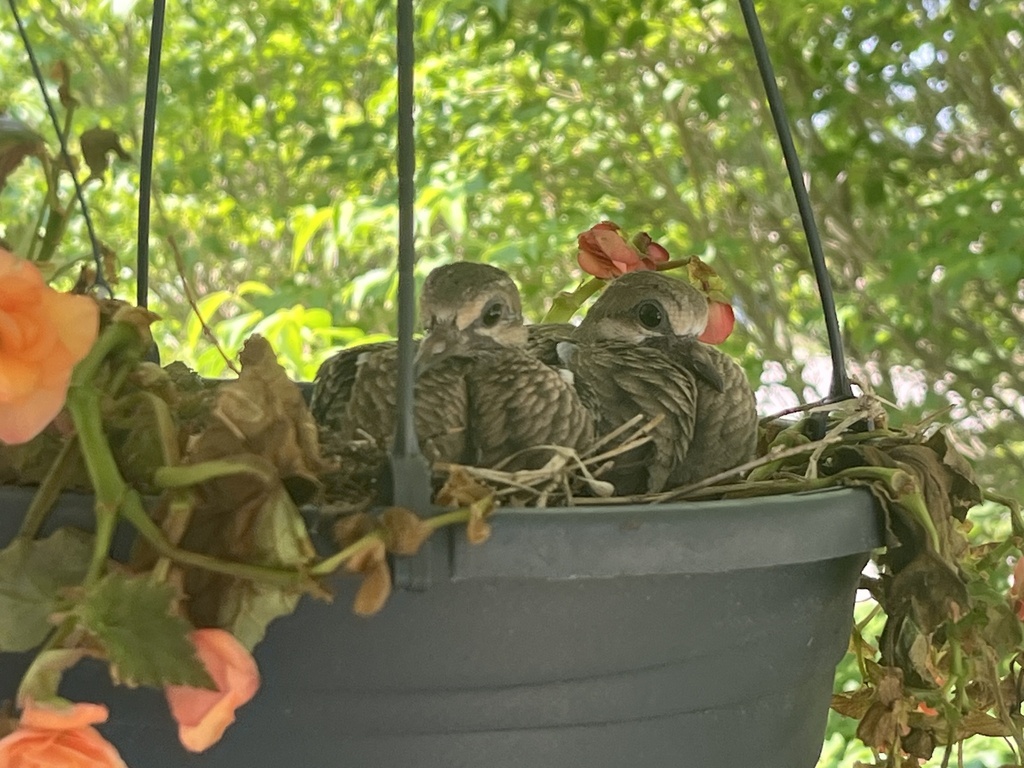
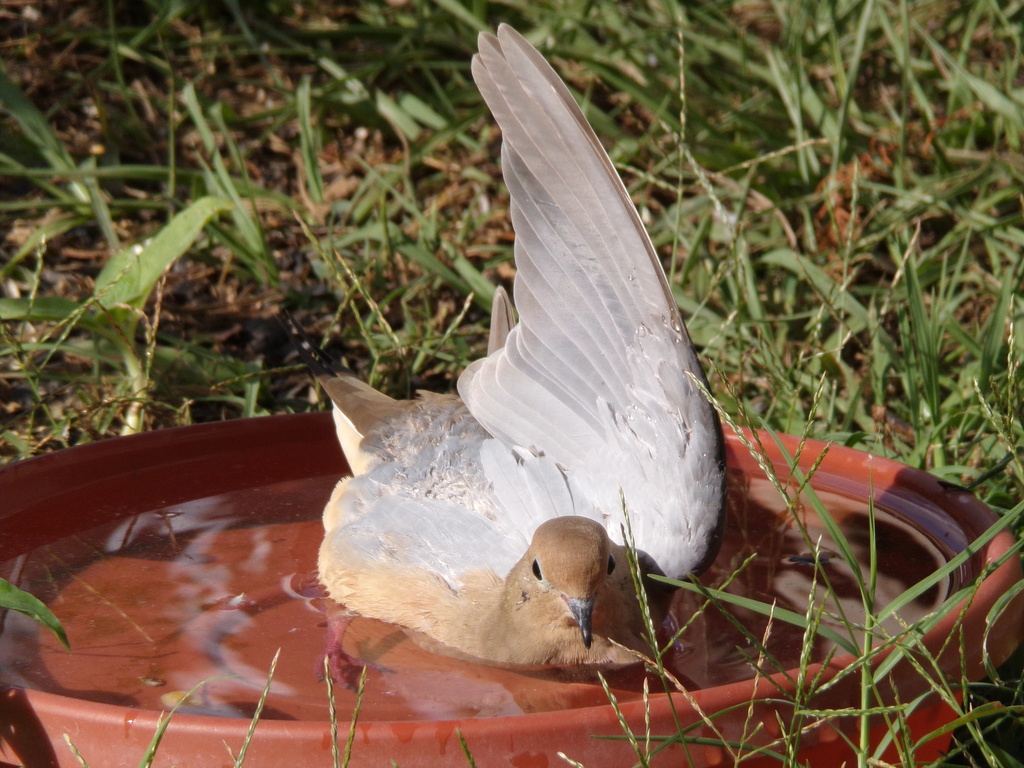
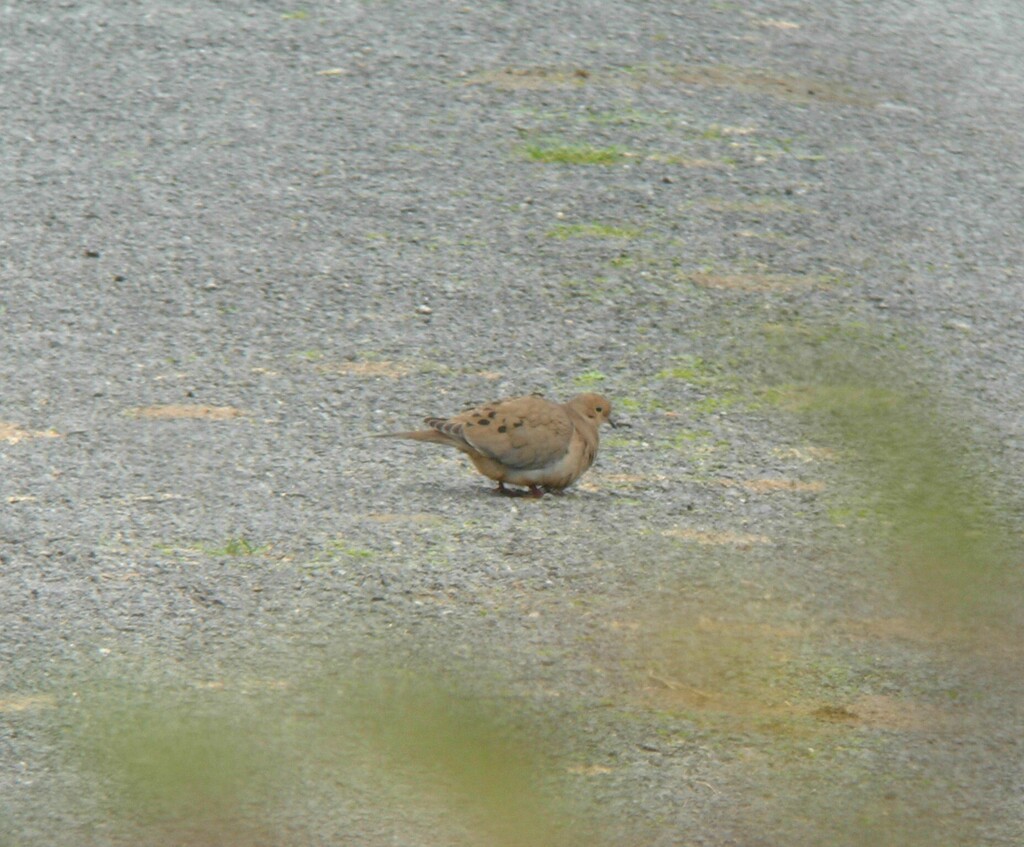
A slender brown dove whose soft, mournful cooing gives it its name.
- Status
- Least Concern IUCN Red List
- Eaten by
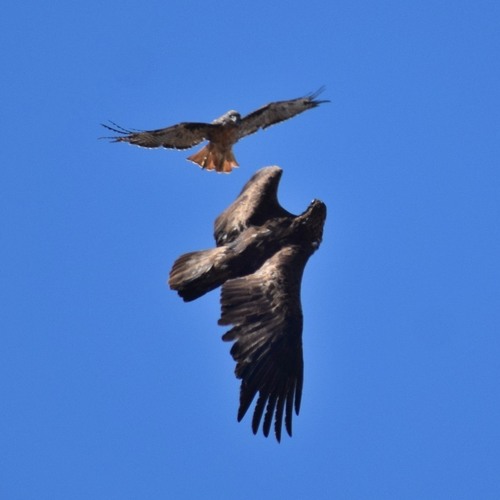
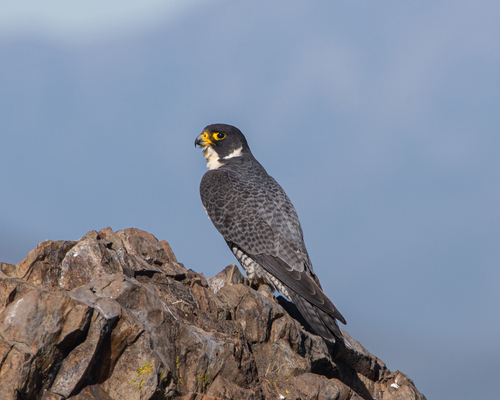
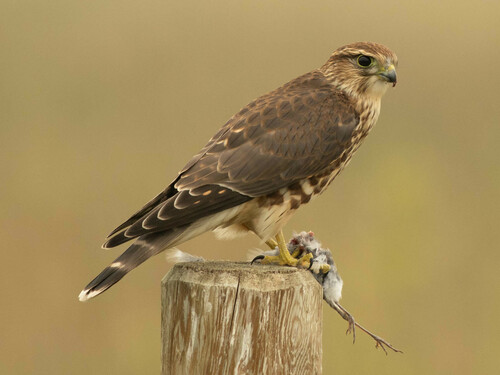
- golden eagle, peregrine falcon, merlin
- Where
- 28 countries · deserts
On 4Planet Atlas it is among the wildlife people record most around Havana, Mexico City and New York, and 4 more of the cities we cover.
People have shared 26,280,169 records of the mourning dove with GBIF, from 28 countries, most of them from United States, Canada and Mexico. Records collected by GloBI show it eating 35 different kinds of animals and plants, and being eaten by 20.
Habitats
What the mourning dove eats, and what eats it
Studies have recorded it eating 35 kinds of animals and plants, and 20 kinds of animals eating it. Tap any of them to follow the food chain.
- Plants 34
- Birds 1
Eaten by
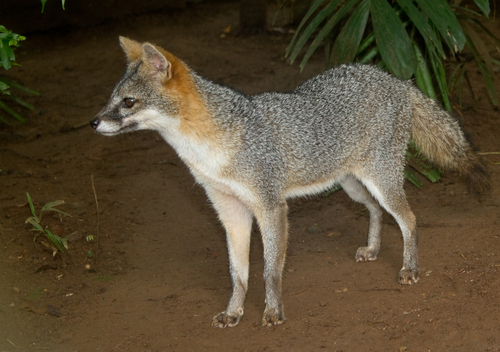
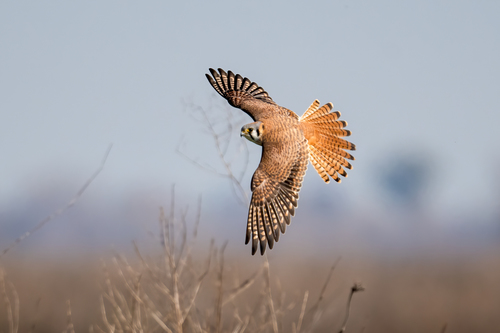
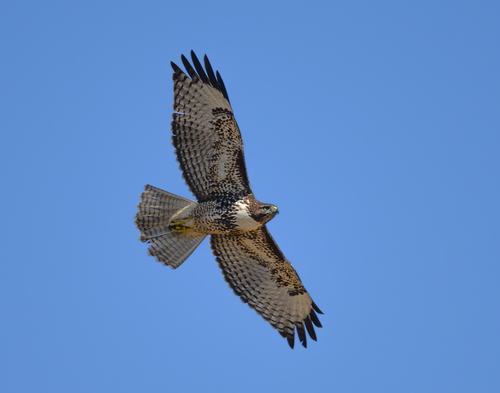
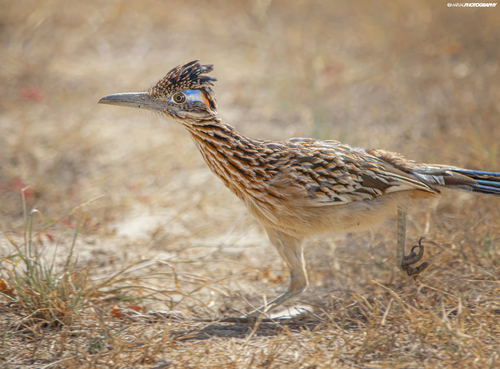
 Mourning dove
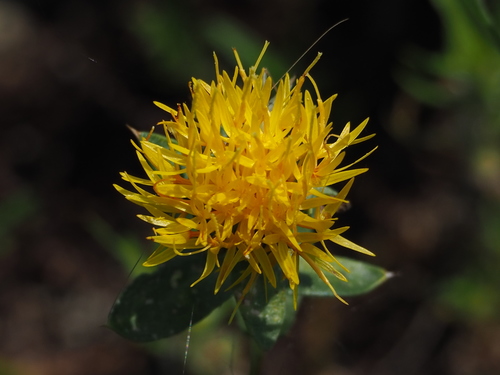

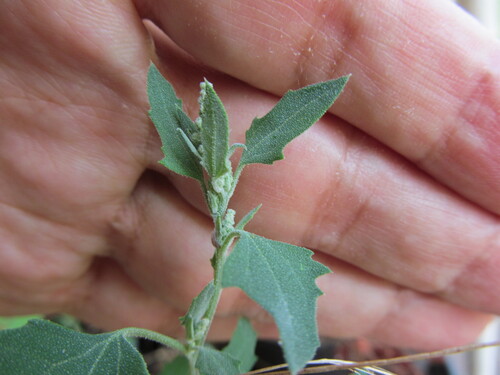
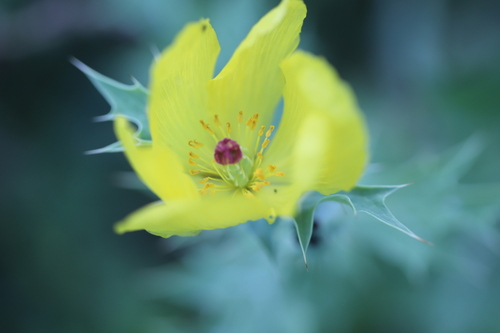

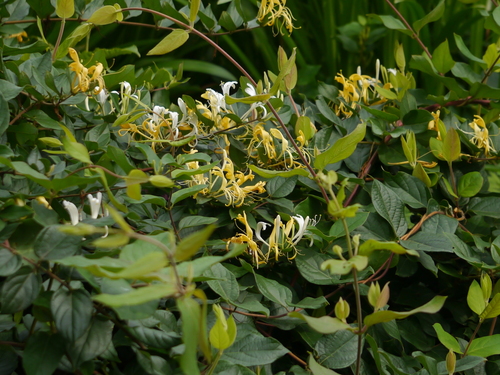


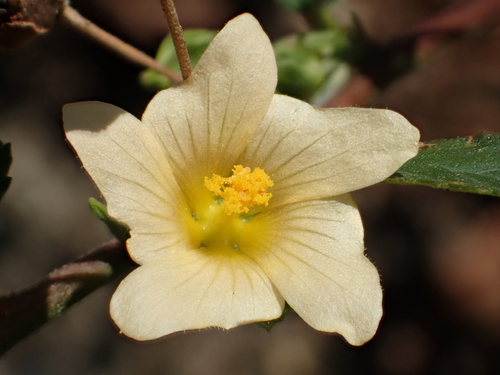
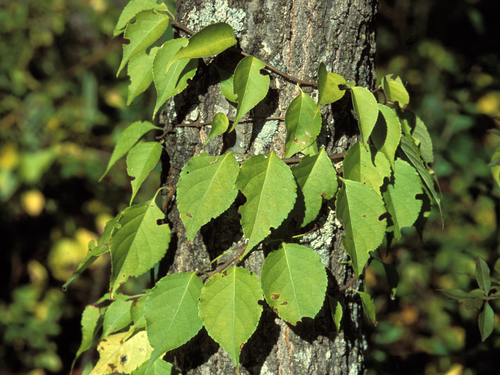

Records from studies worldwide, collected by GloBI. They include animals eaten as carrion, and they are not everything it eats in one place.
Where people see the mourning dove
People have shared 26,280,169 records from 28 countries.
Near a city: Havana, Mexico City, New York, Ottawa, Toronto, Vancouver, Washington, D.C..
Records show where people have seen it and shared it, not its full range. Country names open their page in Atlas.
When it is seen
Records per month in the northern hemisphere. More people outdoors also means more records.
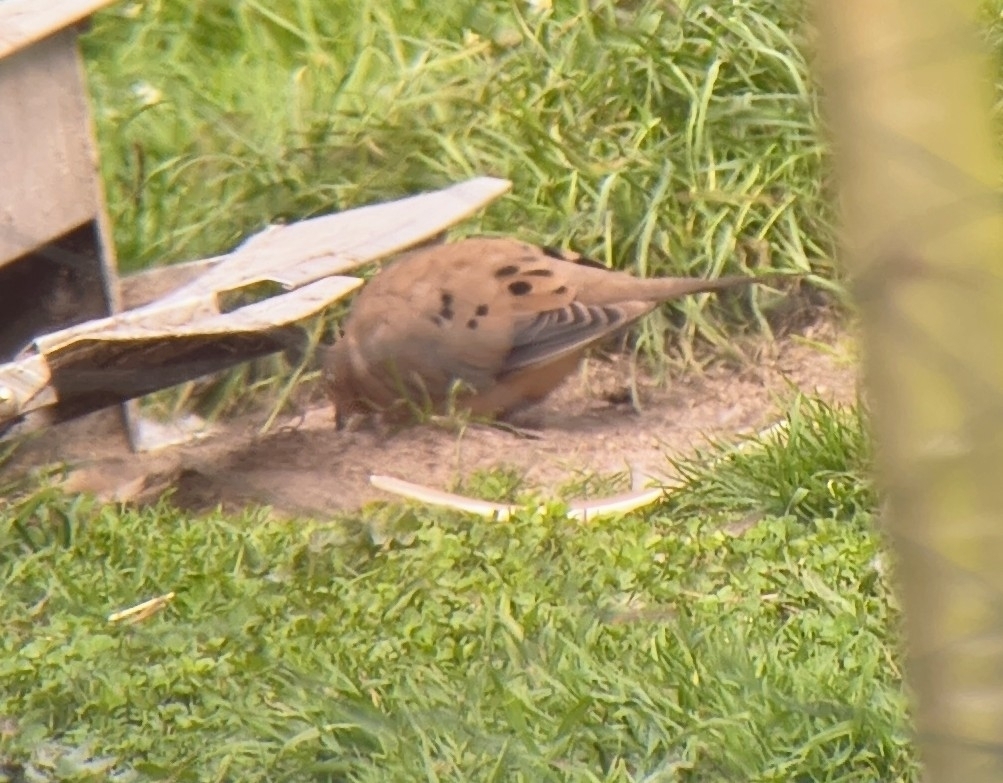
Watch and listen

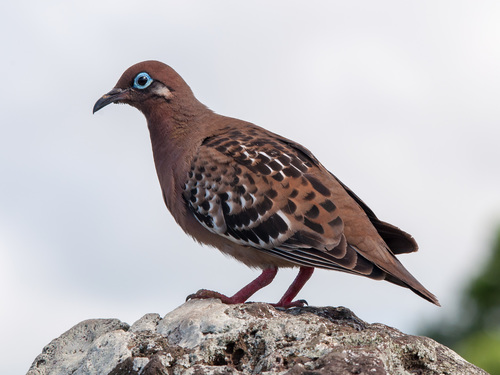
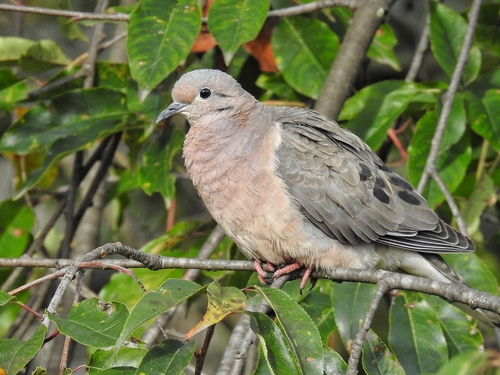
Its closest relatives
The other species of the genus Zenaida.
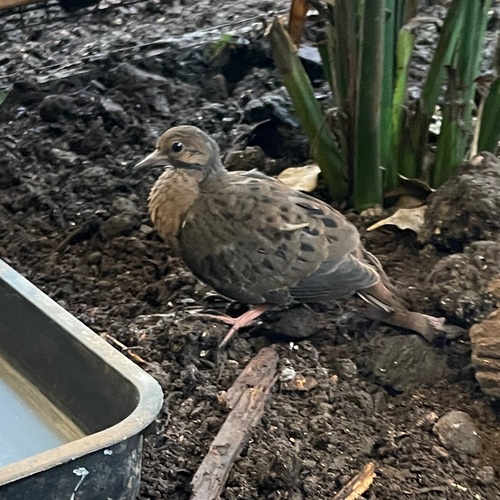
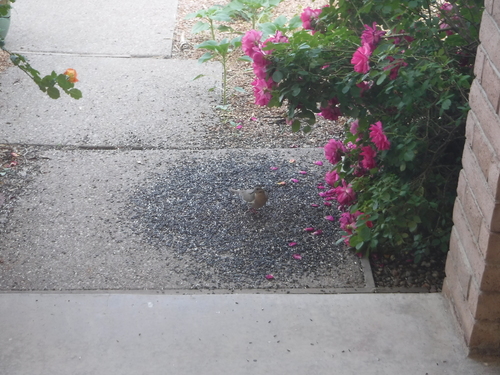
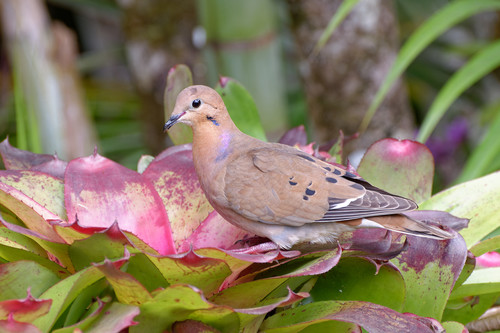

Seen a mourning dove?
Share your photo on iNaturalist. Other naturalists help confirm it, and the record goes to GBIF, where scientists use it and where the maps on this page come from.
Explore next
What puts the mourning dove under pressure, what helps, and who works on it.
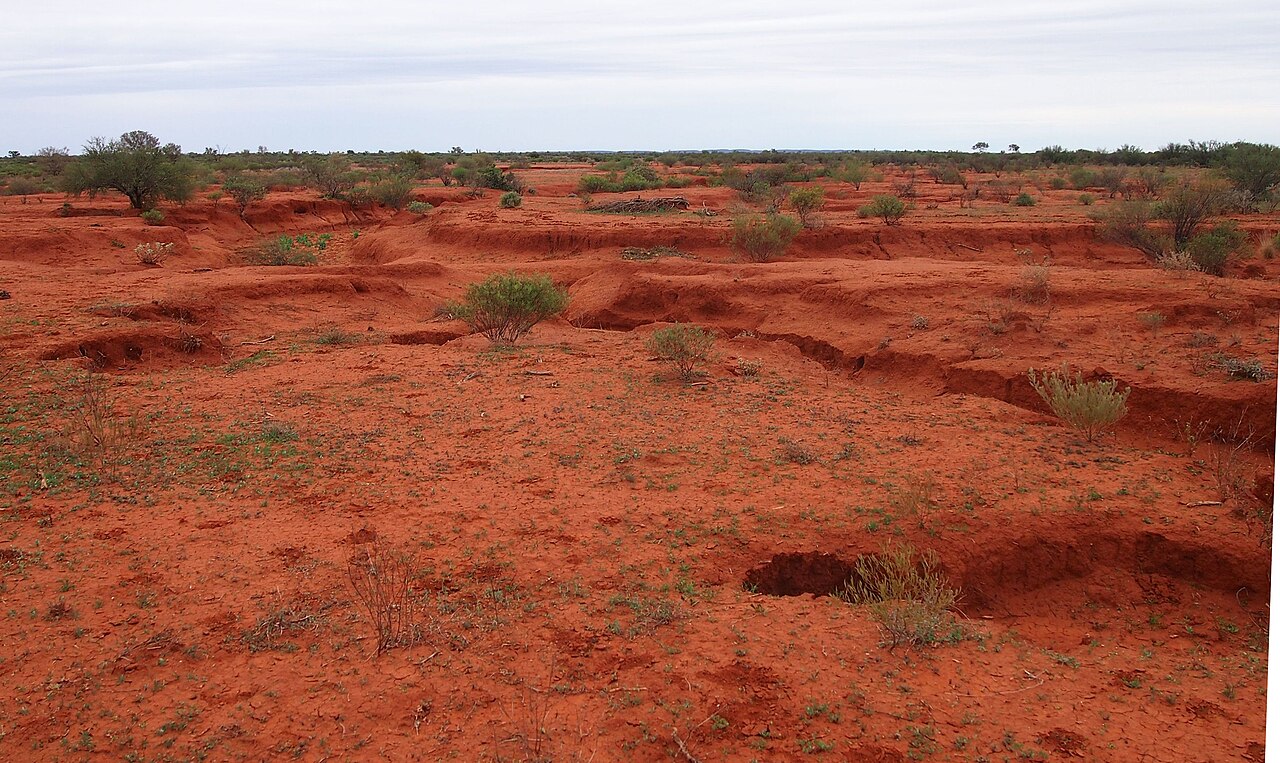
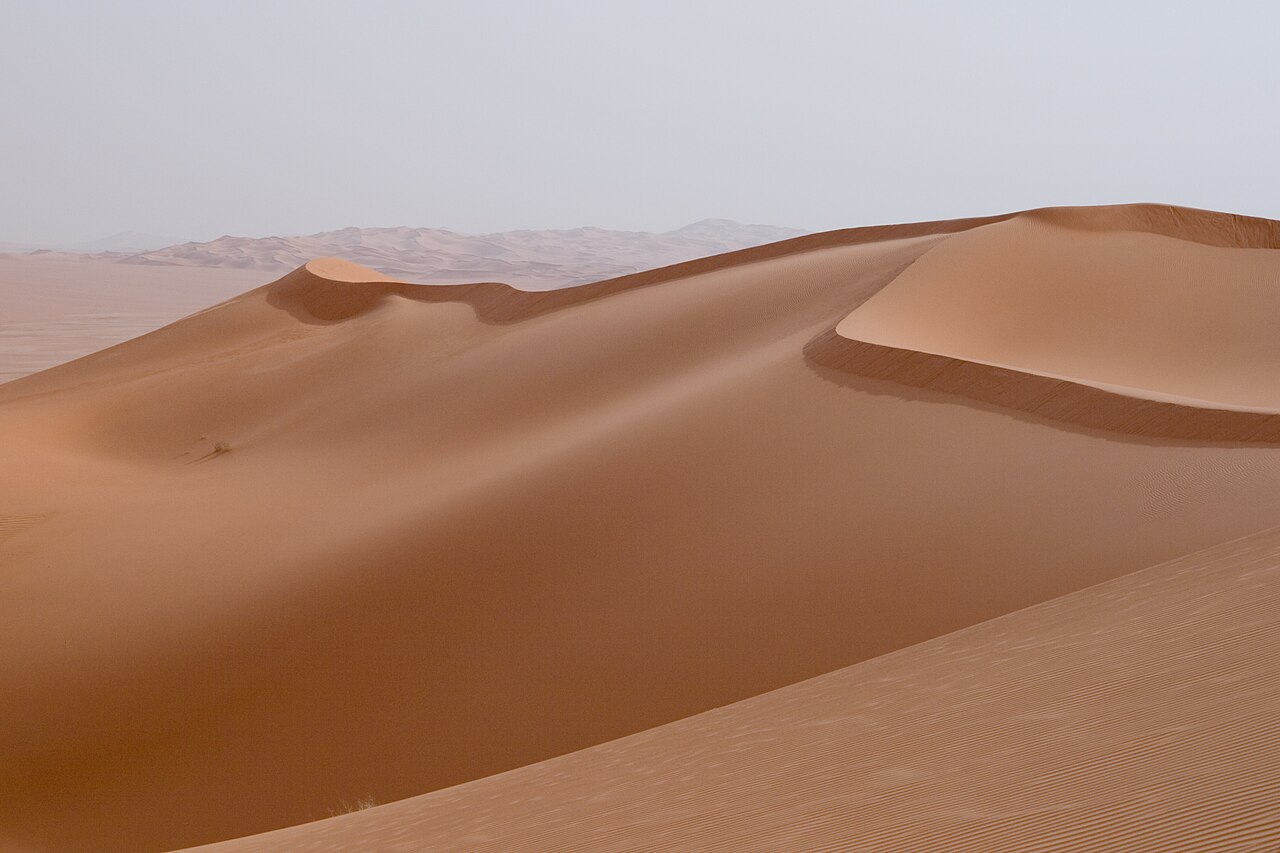
Questions people ask
What does the mourning dove eat?
The mourning dove has been recorded eating 35 different kinds of animals and plants, most of them plants and birds. The ones recorded most often are safflower, buckwheat, fat-hen, proso millet and mexican prickly poppy; records include animals eaten as carrion. Source: GloBI.
What eats the mourning dove?
Recorded predators include golden eagle, peregrine falcon, merlin, gray fox and american kestrel. Source: GloBI.
Where does the mourning dove live?
People have recorded it in 28 countries; the most records come from United States, Canada, Mexico, Cuba and Bermuda. Records show where people have seen it, not its full range.
When is the mourning dove seen most?
In the northern hemisphere, the most records are made in May and the fewest in November. More people outdoors also means more records.
What are the mourning dove's closest relatives?
It shares the genus Zenaida with galapagos dove, eared dove, socorro dove, white-winged dove and zenaida dove.
Sources and photo credits
- GBIF · Zenaida macroura, 26,280,169 human observations
- GloBI · recorded interactions of Zenaida macroura
- Wikidata · Mourning dove (Q750027)
- Mourning dove (Zenaida macroura): Timothy Lindsey, CC BY 4.0
- Mourning dove (Zenaida macroura), Villages Of Bear Creek, TX 77449, USA: Texas Bird Family, CC BY 4.0
- Mourning dove (Zenaida macroura), Villages Of Bear Creek, TX 77449, USA: Texas Bird Family, CC BY 4.0
- Mourning dove (Zenaida macroura), 3640 Shellhart Rd, Norton, OH 44203: sudomir, CC BY 4.0
- Mourning dove (Zenaida macroura), North Carolina, US: Matthew Lumsden, CC BY 4.0
- Mourning dove (Zenaida macroura), Villages Of Bear Creek, TX 77449, USA: Texas Bird Family, CC BY 4.0
- Mourning dove (Zenaida macroura), Ohio, US: Timothy Lindsey, CC BY 4.0
- Mourning dove (Zenaida macroura), Inishbofin: Stephen M., CC BY-SA 4.0
- Mourning dove (Zenaida macroura), Island Hall studios Near Periglis Beach, St Agnes, Isles of Scilly TR22 0PL, UK: Tracy Gould, CC BY 4.0
- Safflower: no rights reserved, uploaded by 葉子, CC0
- Buckwheat: Gilles San Martin, CC BY-SA 4.0
- Fat-hen: zebedeugalinha, CC BY 4.0
- Mexican prickly poppy: Steven Bodzin, CC BY 4.0
- Johnson grass: Harry Rose, CC BY 4.0
- Japanese honeysuckle: Dinesh Valke, CC BY-SA 4.0
- Poison ivy: Randy A Nonenmacher, CC BY 4.0
- Flowering dogwood: Juan Cruzado Cortés, CC BY-SA 4.0
- Arrowleaf sida: no rights reserved, uploaded by 葉子, CC0
- Oriental bittersweet: James H. Miller, USDA Forest Service, Bugwood.org, CC BY 4.0
- Wax mallow: Douglas Goldman, CC BY-SA 4.0
- Golden eagle: Anne Parsons, CC0
- Peregrine falcon: Nicolás Villaseca Merino, CC BY-SA 4.0
- Merlin: no rights reserved, uploaded by Kathlin Simpkins, CC0
- Gray fox: Brian Gratwicke, CC BY 4.0
- American kestrel: Jonathan Eisen, CC BY 4.0
- Red-tailed hawk: no rights reserved, uploaded by Claude Lyneis, CC0
- Greater roadrunner: MarvalPhotography19, CC BY 4.0
- Swallow-tailed kite: Andy Reago & Chrissy McClarren, CC BY 4.0
- Galapagos dove: William Stephens, CC BY 4.0
- Eared dove: Esteban Poveda, CC BY 4.0
- Socorro dove: B. Phalan, CC BY 4.0
- White-winged dove: Elliott Gordon, CC BY 4.0
- Zenaida dove: Donald Davesne, CC BY 4.0
- West peruvian dove: Manuel Vicente Miranda del Solar, CC BY 4.0
Records show where people have seen and shared the mourning dove, not its full range, and some countries and months are recorded far more than others. The food web lists interactions that studies have recorded somewhere in the world (GloBI), not everything it eats in one place.
Checked 2026-11-22.