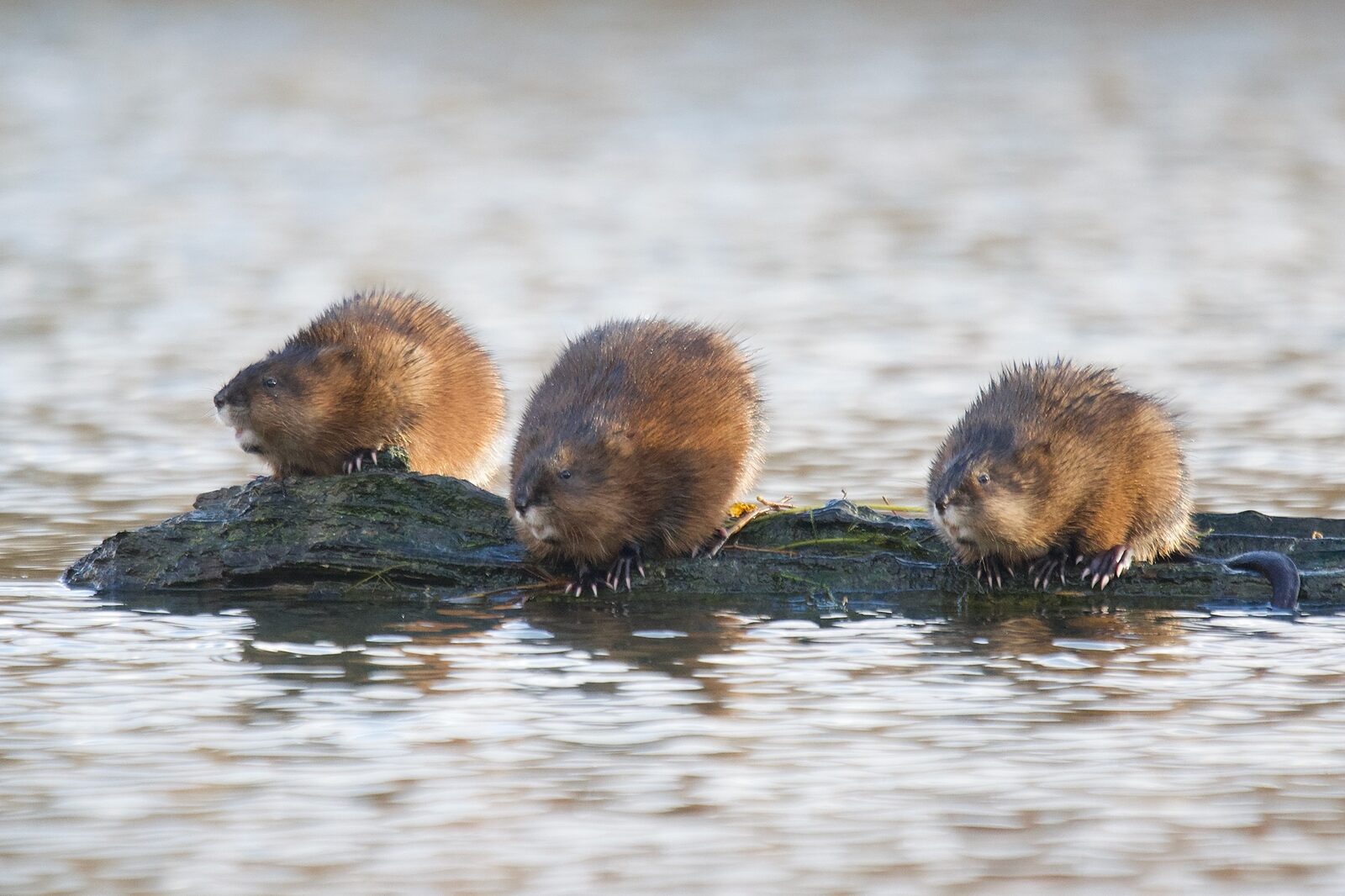
Muskrat
Ondatra zibethicus
A large water rodent with a flattened tail that builds lodges of plants in marshes.
- Status
- Least Concern IUCN Red List
- Eats
- common reed, rainbow trout, red-necked grebe and 38 more
- Eaten by
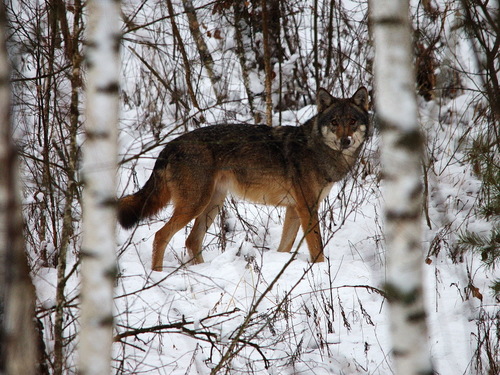
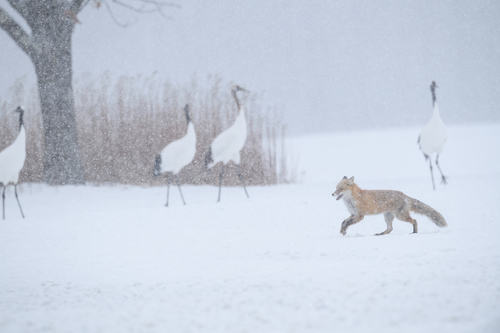
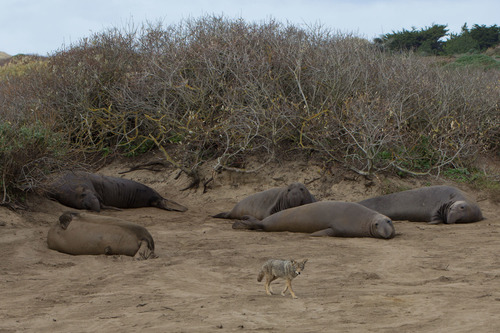
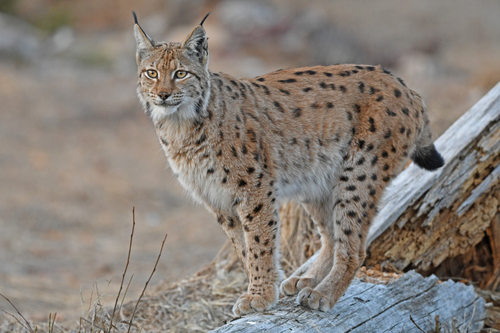
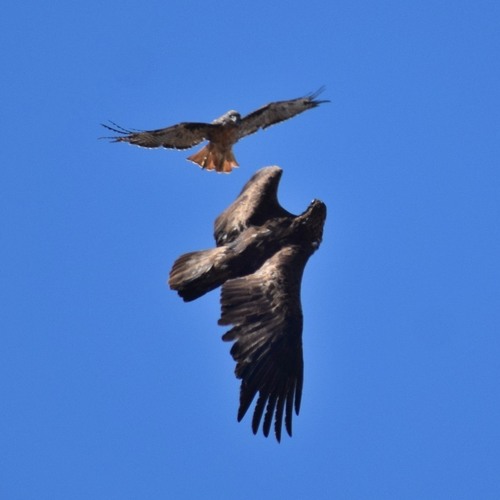
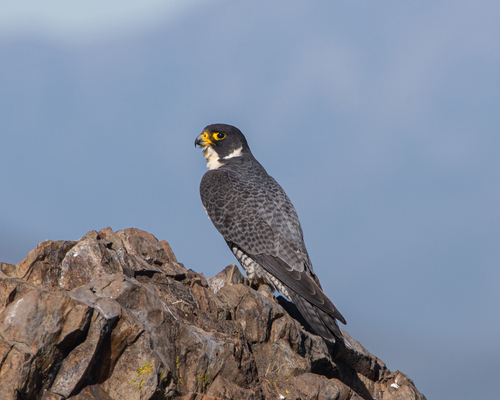
- grey wolf, red fox, brown bear
- Where
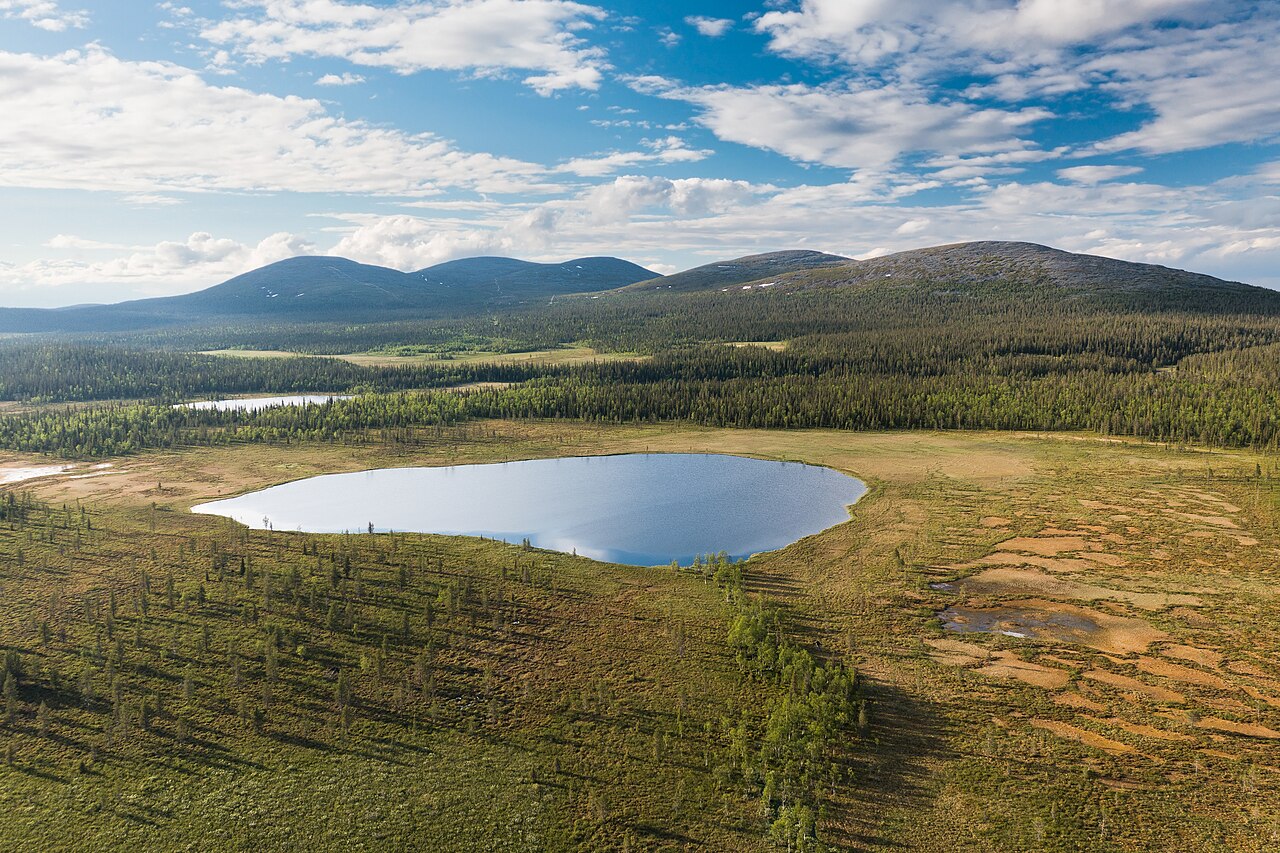
- 38 countries · boreal forest
On 4Planet Atlas it is among the wildlife people record most around Amsterdam, Astana and Brussels.
People have shared 42,805 records of the muskrat with GBIF, from 38 countries, most of them from United States, Canada and Russia. Records collected by GloBI show it eating 41 different kinds of animals and plants, and being eaten by 28.
Habitats
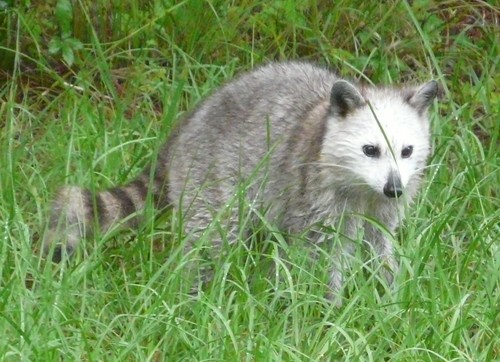
What the muskrat eats, and what eats it
Studies have recorded it eating 41 kinds of animals and plants, and 28 kinds of animals eating it. Tap any of them to follow the food chain.
- Plants 23
- Shellfish 10
- Reptiles 2
- Birds 2
- Fish 2
- Amphibians 1

 Muskrat
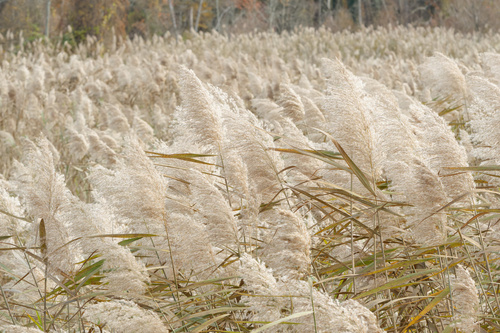

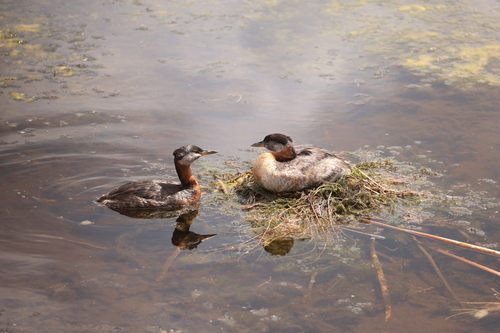



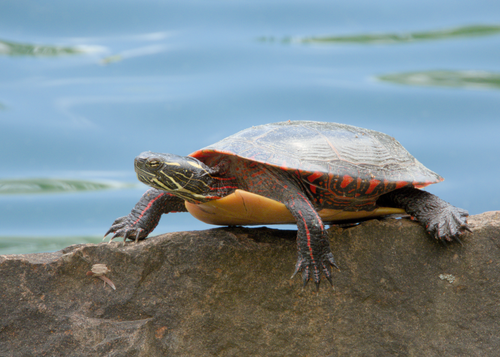
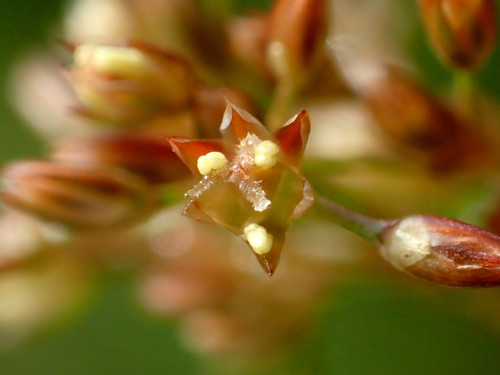
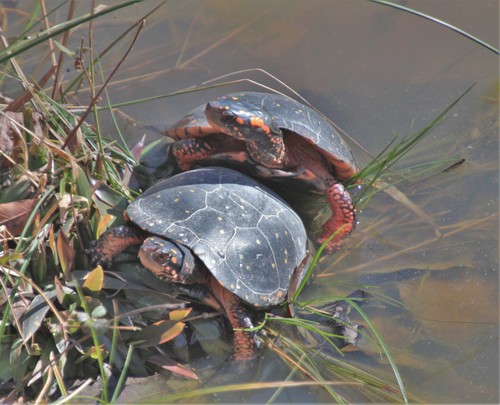
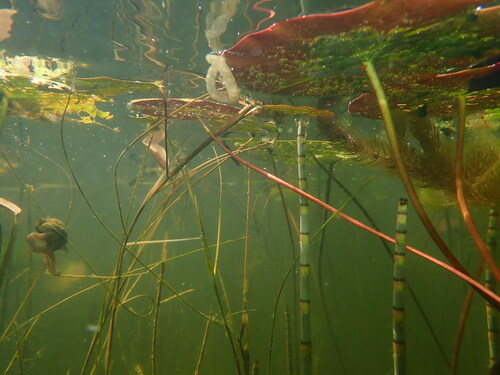
Records from studies worldwide, collected by GloBI. They include animals eaten as carrion, and they are not everything it eats in one place.
Where people see the muskrat
People have shared 42,805 records from 38 countries.
Near a city: Amsterdam, Astana, Brussels.
Records show where people have seen it and shared it, not its full range. Country names open their page in Atlas.
When it is seen
Records per month in the northern hemisphere. More people outdoors also means more records.
Watch and listen
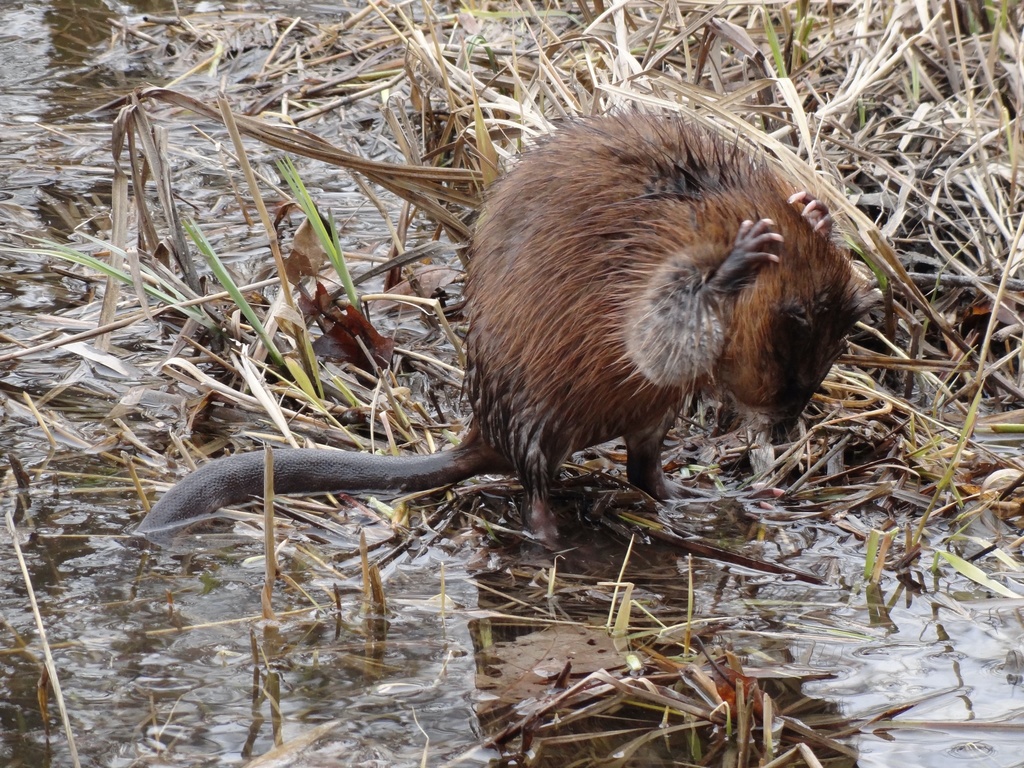
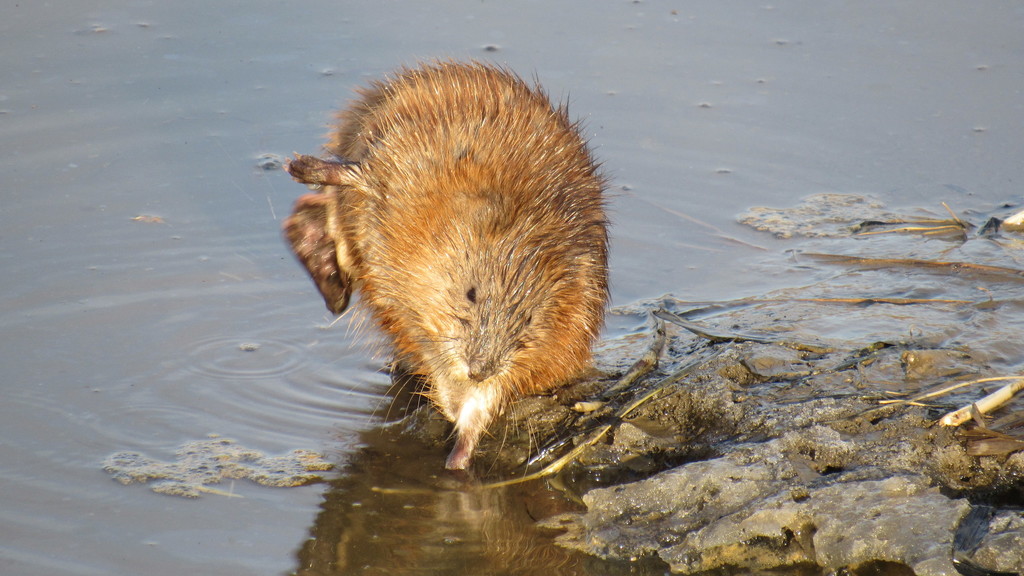

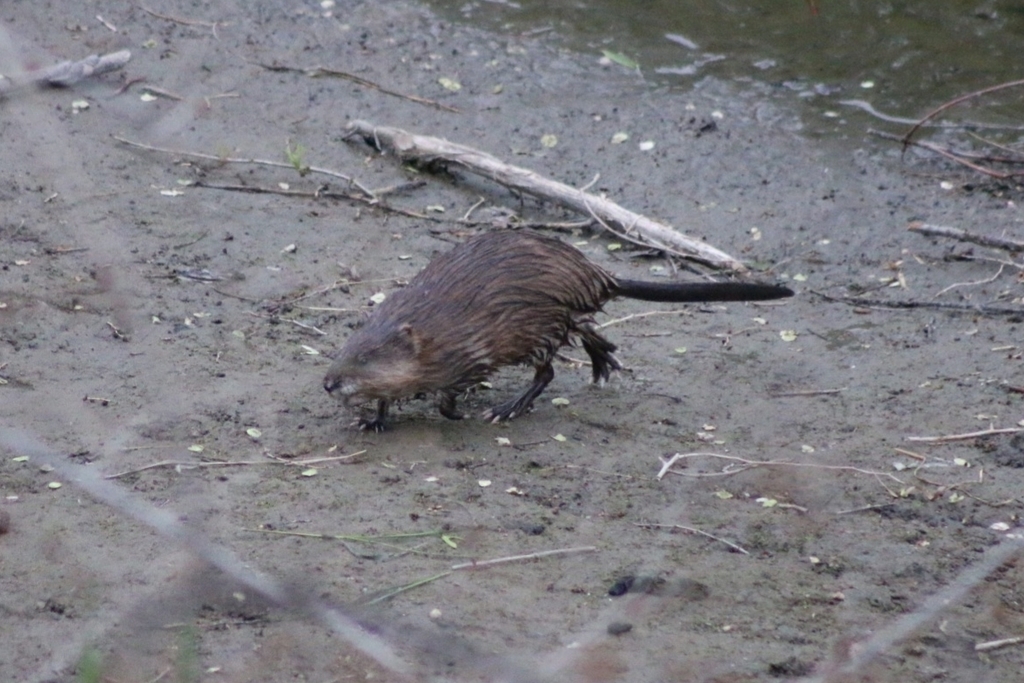
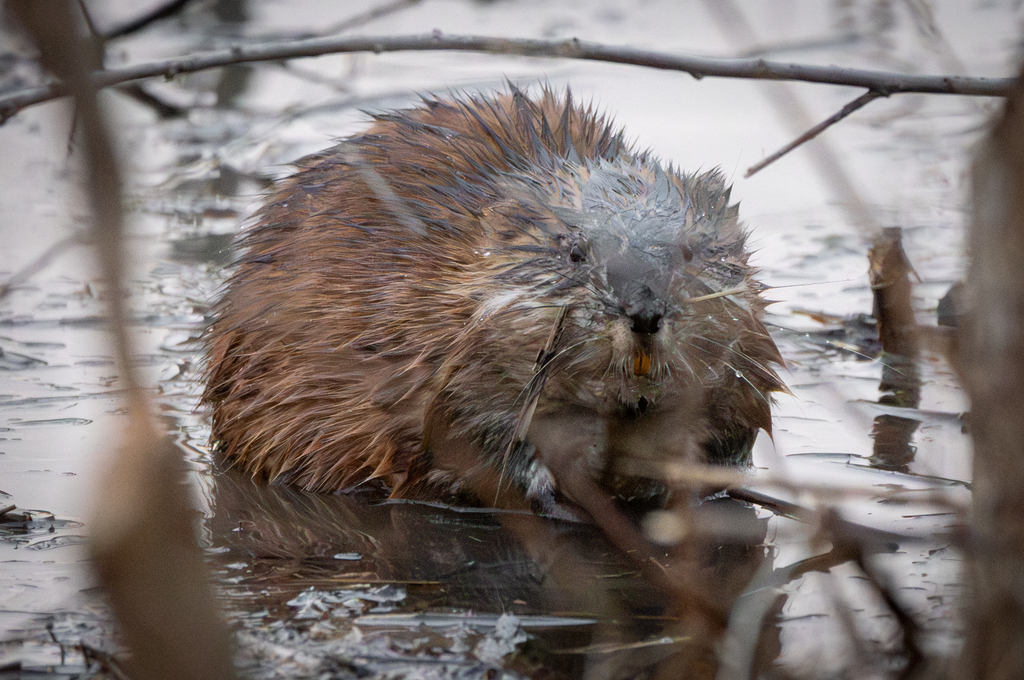
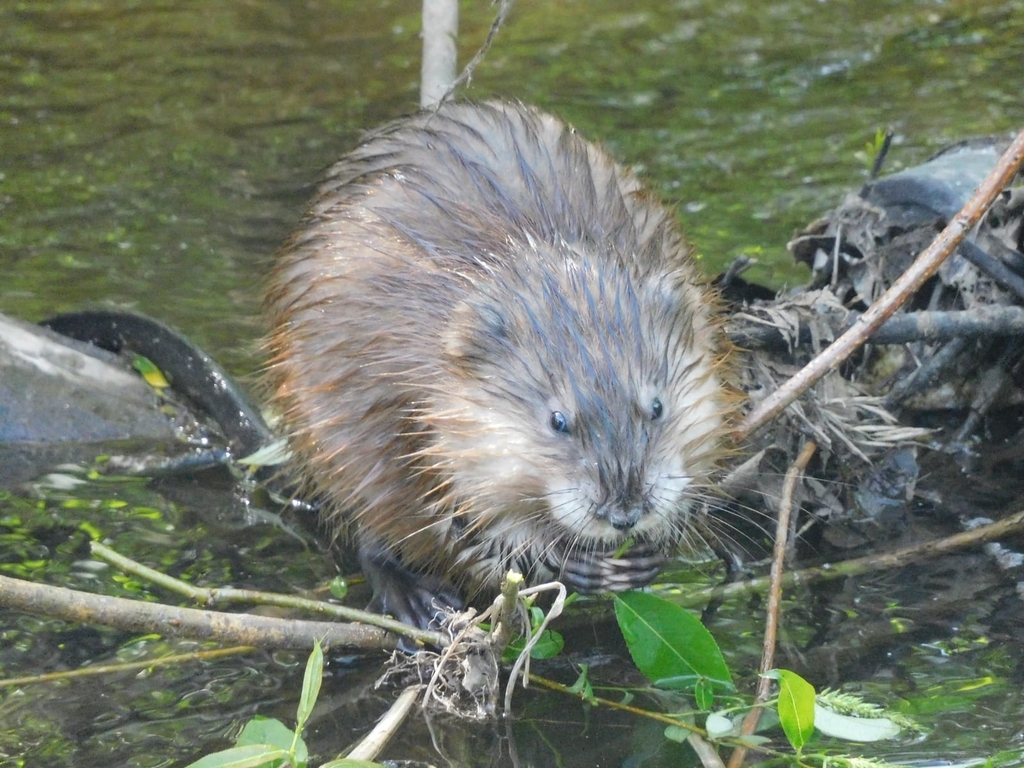
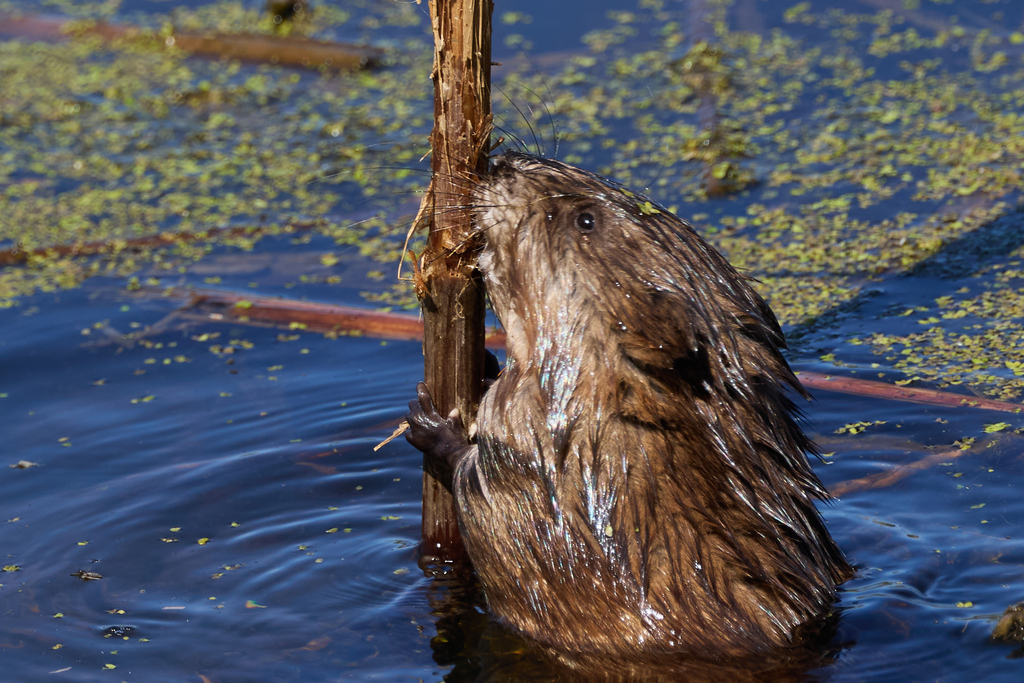
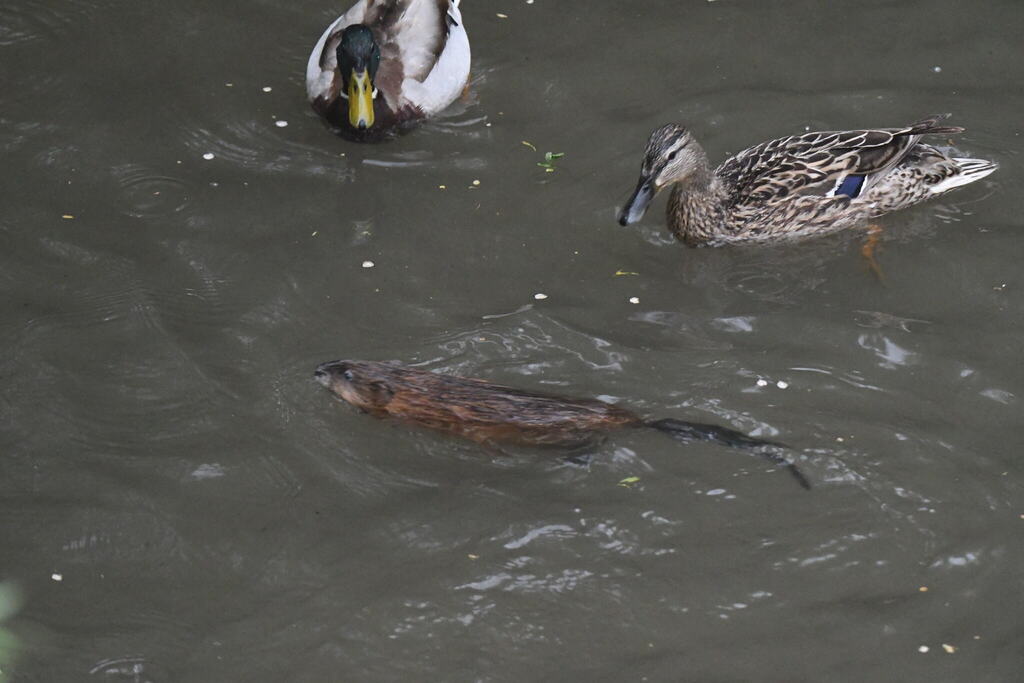
Seen a muskrat?
Share your photo on iNaturalist. Other naturalists help confirm it, and the record goes to GBIF, where scientists use it and where the maps on this page come from.
Explore next
What puts the muskrat under pressure, what helps, and who works on it.
Questions people ask
What does the muskrat eat?
The muskrat has been recorded eating 41 different kinds of animals and plants, most of them plants, shellfish, reptiles and birds. The ones recorded most often are common reed, rainbow trout, red-necked grebe, white water-lily and buckbean; records include animals eaten as carrion. Source: GloBI.
What eats the muskrat?
Recorded predators include grey wolf, red fox, brown bear, raccoon and coyote. Source: GloBI.
Where does the muskrat live?
People have recorded it in 38 countries; the most records come from United States, Canada, Russia, Germany and Ukraine. Records show where people have seen it, not its full range.
When is the muskrat seen most?
In the northern hemisphere, the most records are made in April and the fewest in January. More people outdoors also means more records.
Sources and photo credits
- GBIF · Ondatra zibethicus, 42,805 human observations
- GloBI · recorded interactions of Ondatra zibethicus
- Wikidata · Muskrat (Q26283)
- Muskrat (Ondatra zibethicus): Owen Strickland, CC BY 4.0
- Muskrat (Ondatra zibethicus), Bunns Creek Centennial Park, Winnipeg, MB, CA: Robert McLeod, CC0
- Muskrat (Ondatra zibethicus), Ханты-Мансийск, Ханты-Мансийский автономный округ, Россия: Светлана Царахова, CC0
- Muskrat (Ondatra zibethicus), Maryland City, MD, USA: Ken Clark, CC BY 4.0
- Muskrat (Ondatra zibethicus), North Shore, Kamloops, BC, Canada: Megan Blackmore, CC0
- Muskrat (Ondatra zibethicus), Talbot, London, ON N6P, Canada: Andrew Murray, CC BY 4.0
- Muskrat (Ondatra zibethicus), Куса, Челябинская обл., Россия: Евгений Маринкин, CC BY 4.0
- Muskrat (Ondatra zibethicus), Grimsby, ON, Canada: David Bird, CC0
- Muskrat (Ondatra zibethicus), Микрорайон Маяк, Алматы, Казахстан: kirinzi, CC BY 4.0
- Common reed: Donald Davesne, CC BY 4.0
- Rainbow trout: Bruce Deagle, CC BY 4.0
- Red-necked grebe: allan5519, CC BY 4.0
- White water-lily: Lukas Zangl, CC BY 4.0
- Buckbean: Michael J. Papay, CC BY 4.0
- Broadleaf cattail: Douglas Goldman, CC BY-SA 4.0
- Grey alder: Hladac, CC BY-SA 4.0
- Lesser bulrush: Douglas Goldman, CC BY-SA 4.0
- Painted turtle: Hungry-Sarracenia Photo, CC BY 4.0
- Soft rush: no rights reserved, uploaded by 葉子, CC0
- Spotted turtle: Ashwin Srinivasan, CC BY 4.0
- White water lily: Марина Садыкова, CC BY 4.0
- Grey wolf: Andrew Simon, CC BY 4.0
- Red fox: Morten Ross, CC BY 4.0
- Brown bear: Nathan Ruser, CC BY 4.0
- Raccoon: kent ozment, CC0
- Coyote: avocat, CC BY 4.0
- Eurasian lynx: Julia Moning, CC BY 4.0
- Golden eagle: Anne Parsons, CC0
- Peregrine falcon: Nicolás Villaseca Merino, CC BY-SA 4.0
Records show where people have seen and shared the muskrat, not its full range, and some countries and months are recorded far more than others. The food web lists interactions that studies have recorded somewhere in the world (GloBI), not everything it eats in one place.
Checked 2026-11-22.