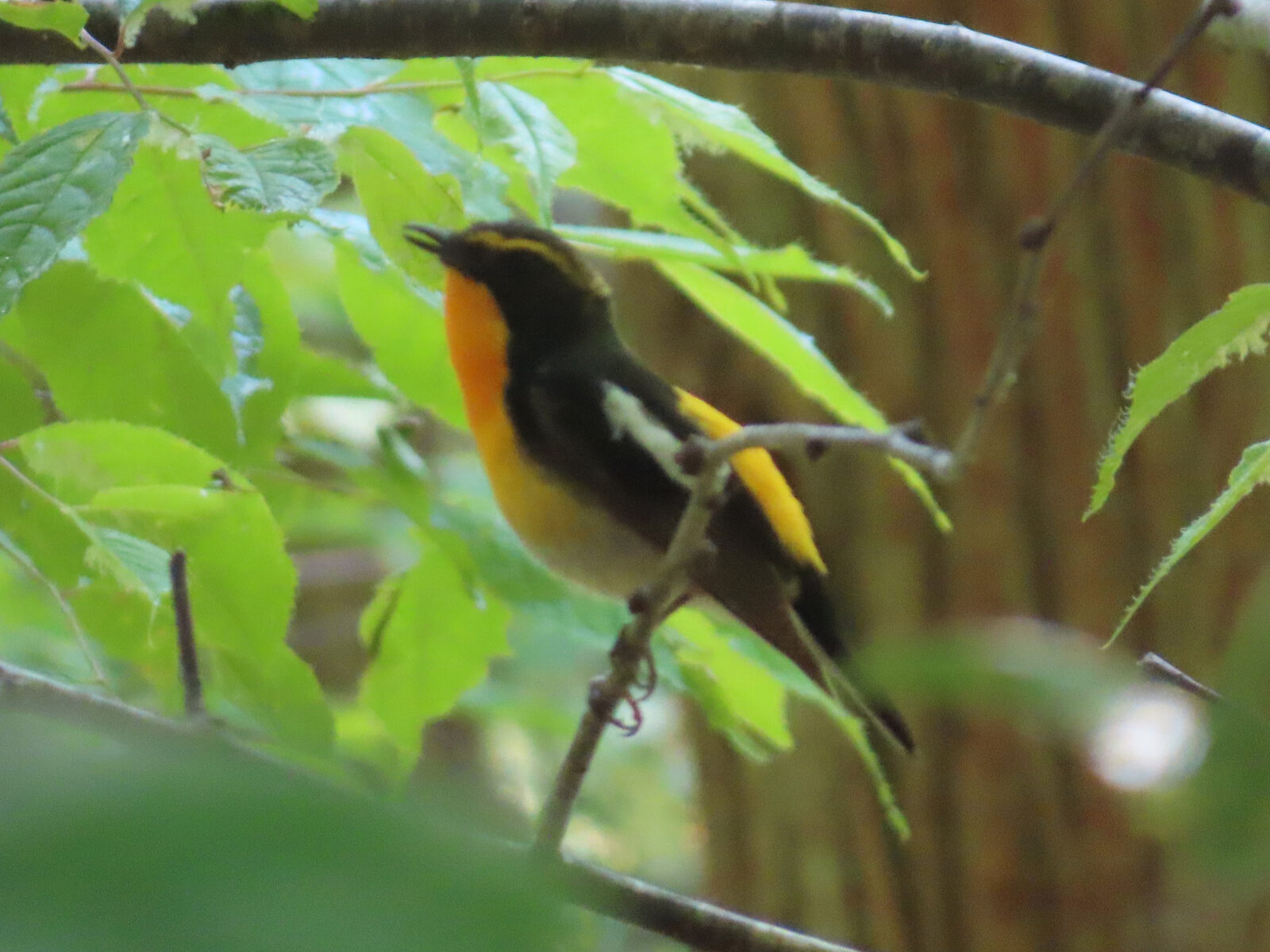
Narcissus flycatcher
Ficedula narcissina
- Status
- Least Concern IUCN Red List
- Eats
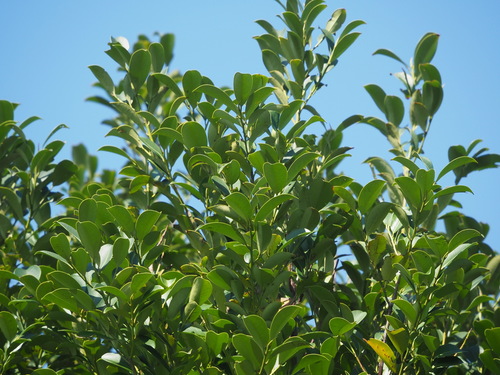
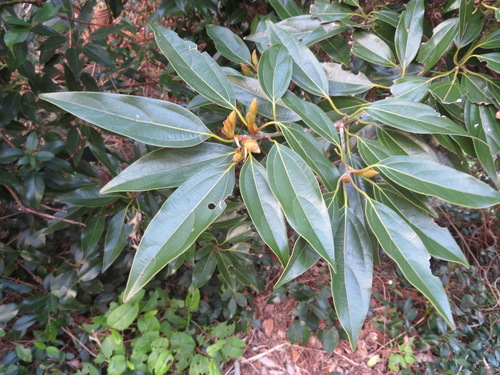
- hardy kiwi, sakaki, sericeous newlitsea and 20 more
- Where
- 18 countries
On 4Planet Atlas it is among the wildlife people record most around Manila and Tokyo.
People have shared 24,074 records of the narcissus flycatcher with GBIF, from 18 countries, most of them from Japan, Taiwan and China. Records collected by GloBI show it eating 23 different kinds of animals and plants.
What the narcissus flycatcher eats, and what eats it
Studies have recorded it eating 23 kinds of animals and plants. Tap any of them to follow the food chain.
- Plants 21
Narcissus flycatcher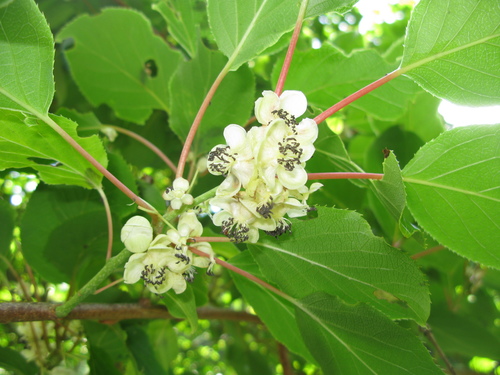
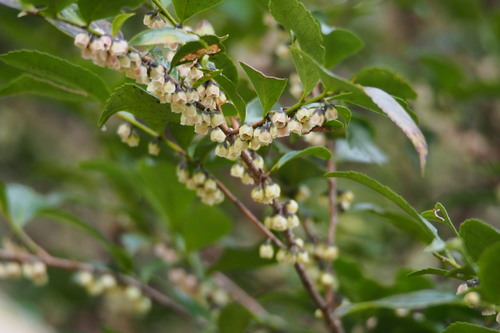
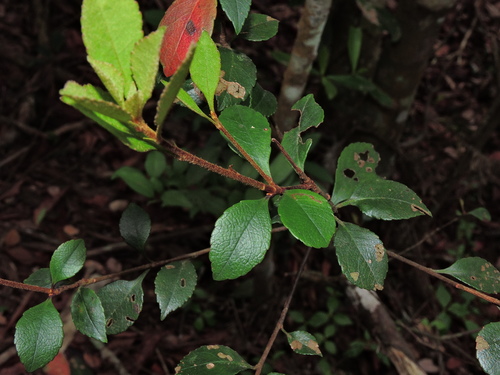
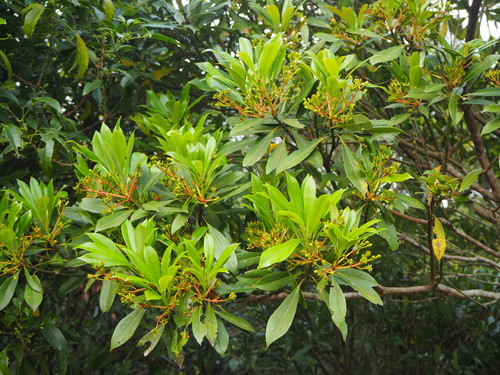
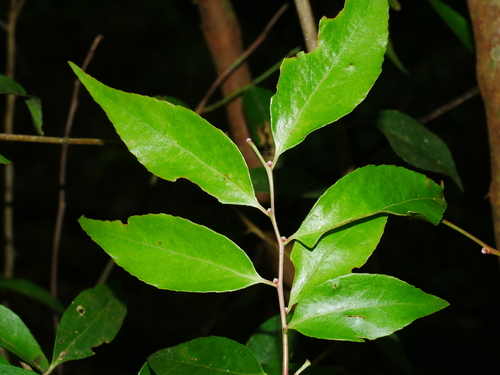
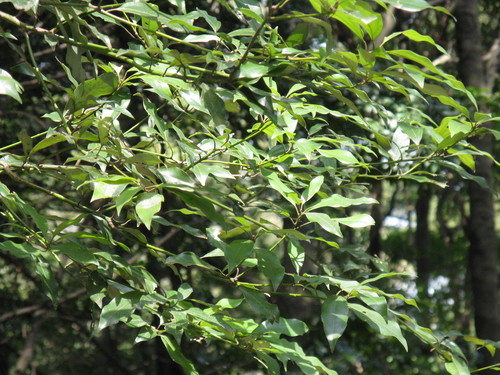
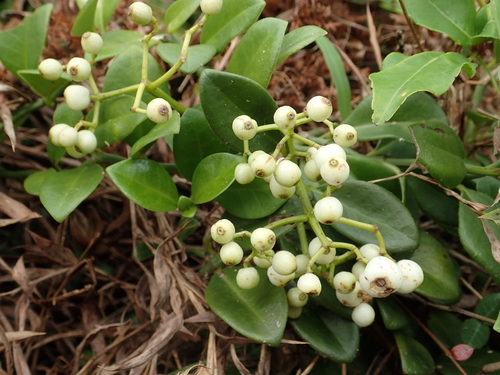
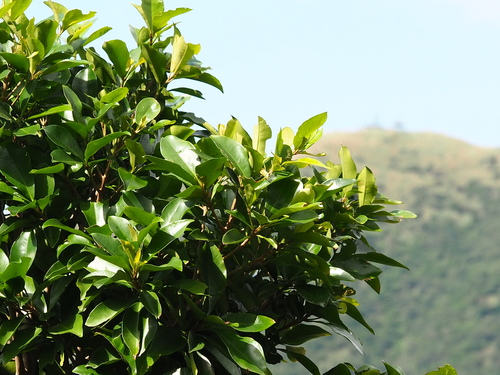
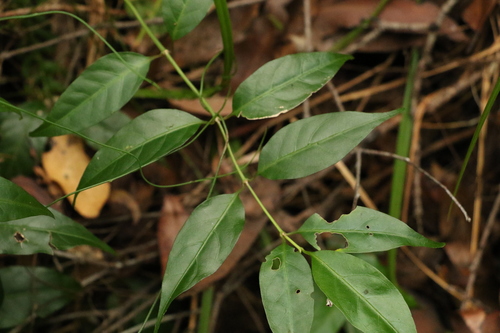
Records from studies worldwide, collected by GloBI. They include animals eaten as carrion, and they are not everything it eats in one place.
Where people see the narcissus flycatcher
People have shared 24,074 records from 18 countries.
Records show where people have seen it and shared it, not its full range. Country names open their page in Atlas.
When it is seen
Records per month in the northern hemisphere. More people outdoors also means more records.
Watch and listen
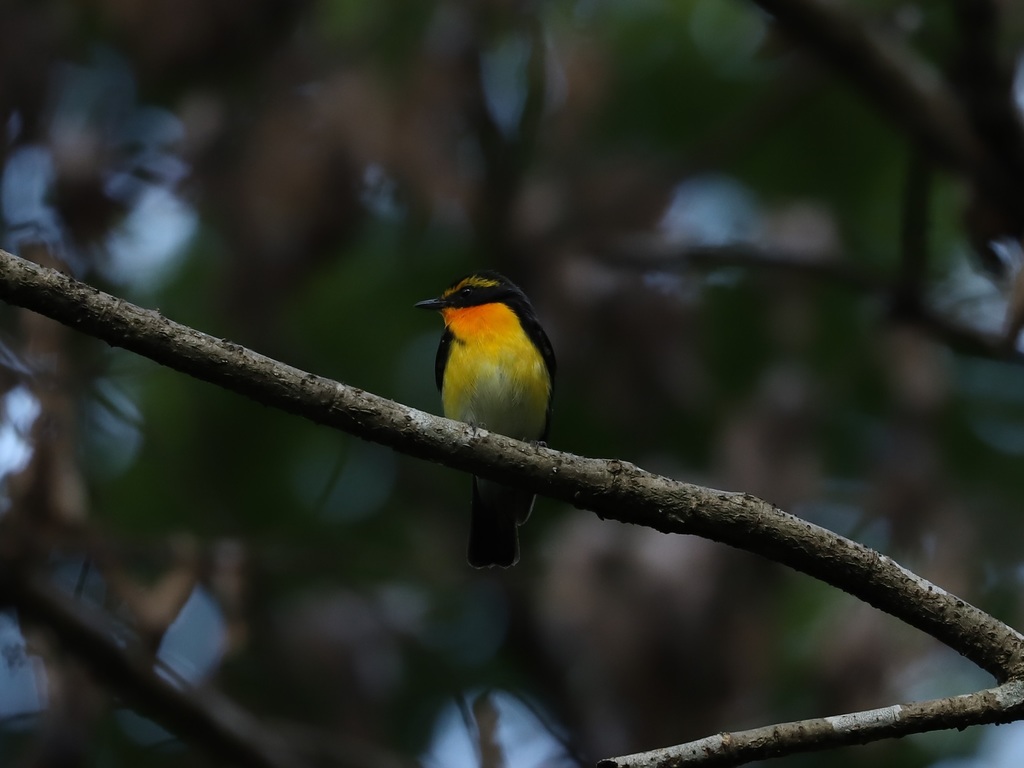
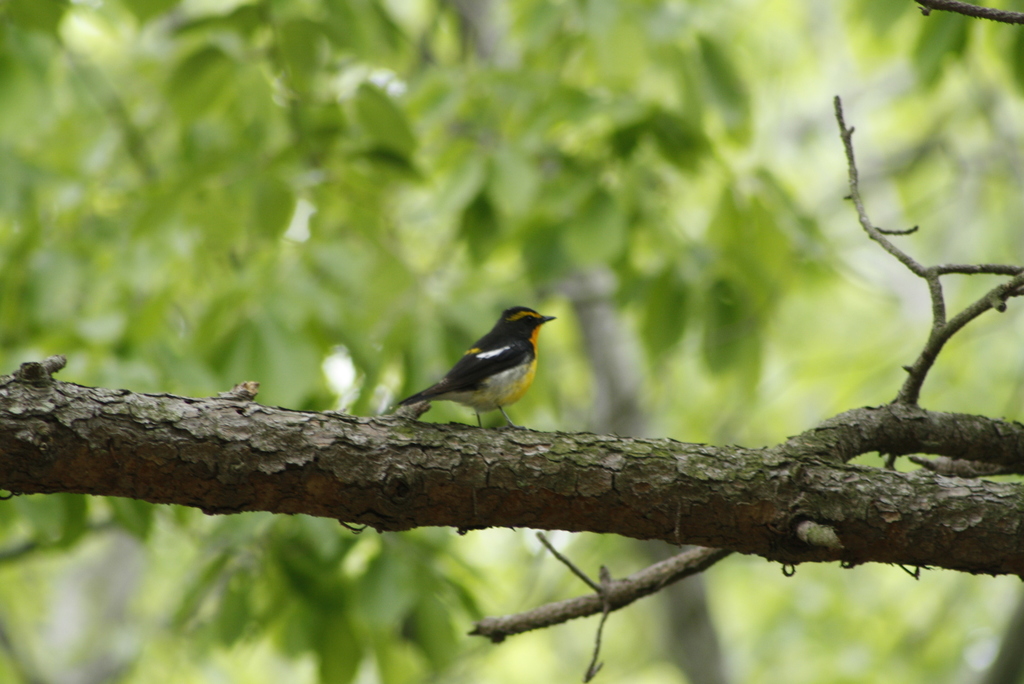
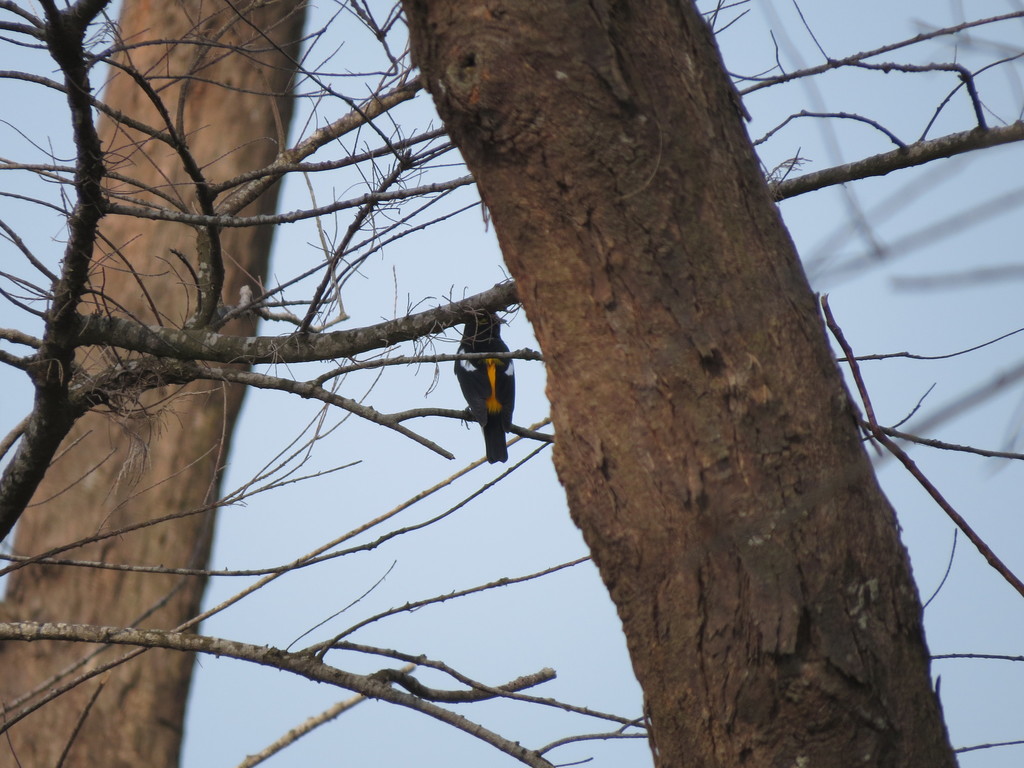
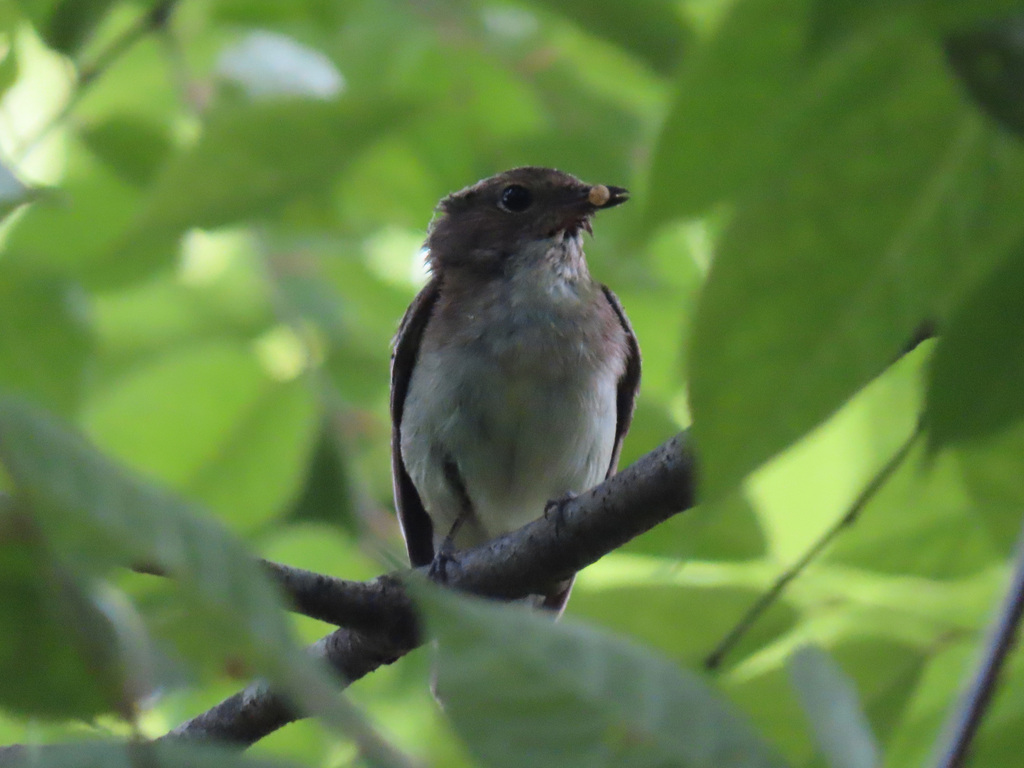
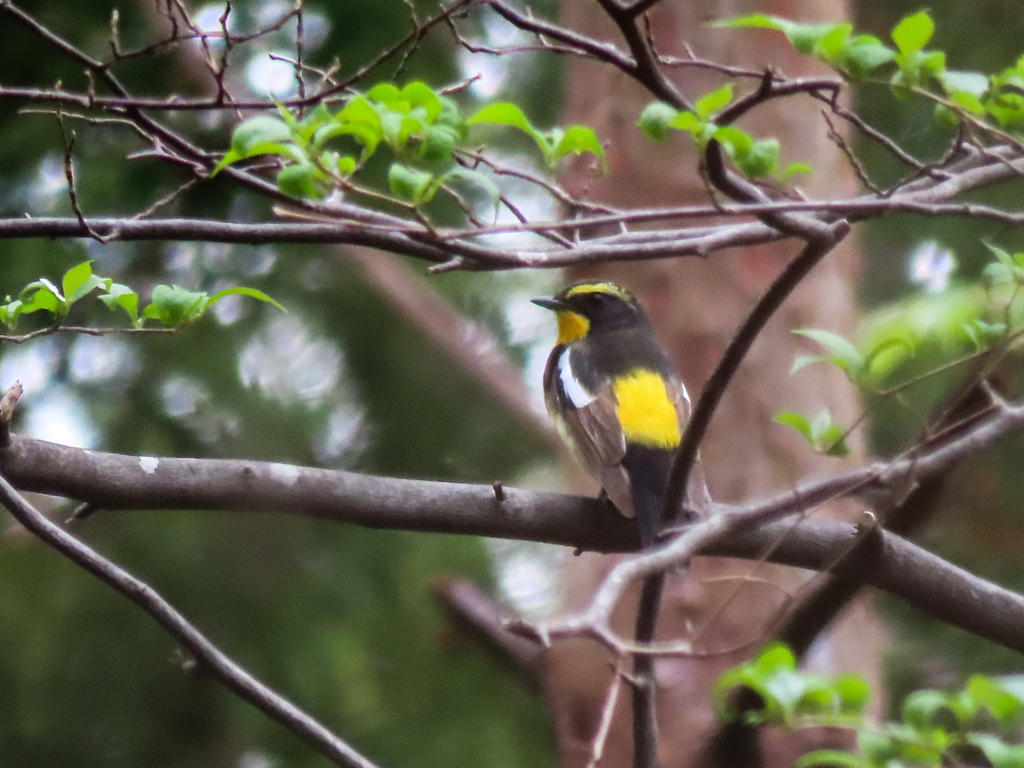
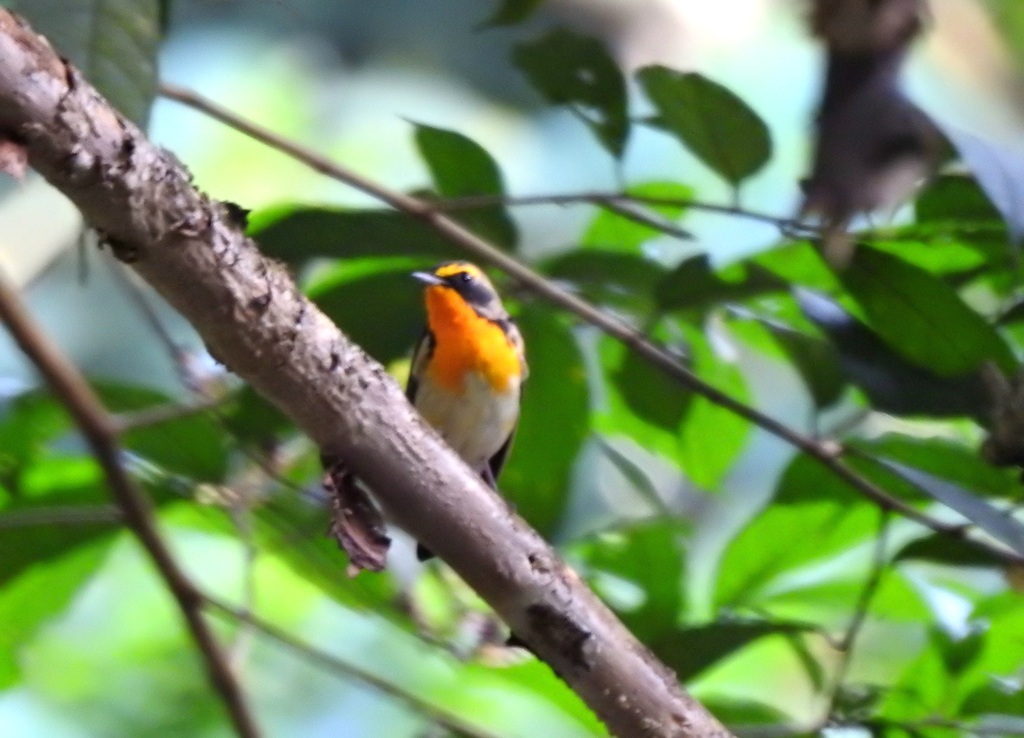
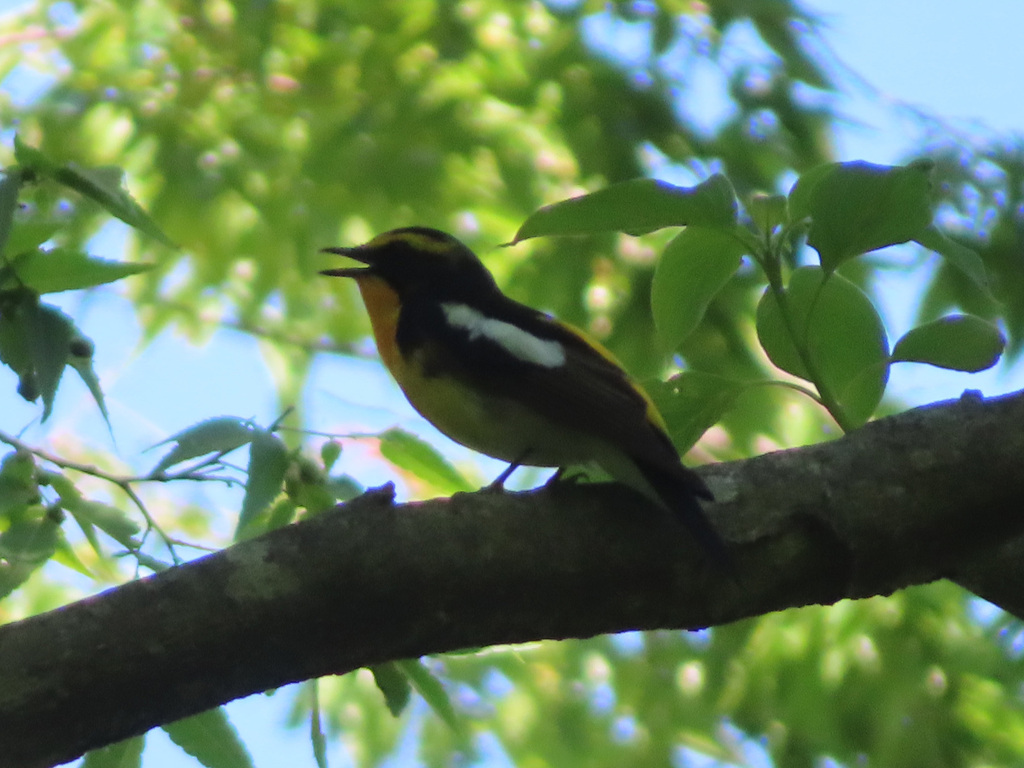
Its closest relatives
The other species of the genus Ficedula.
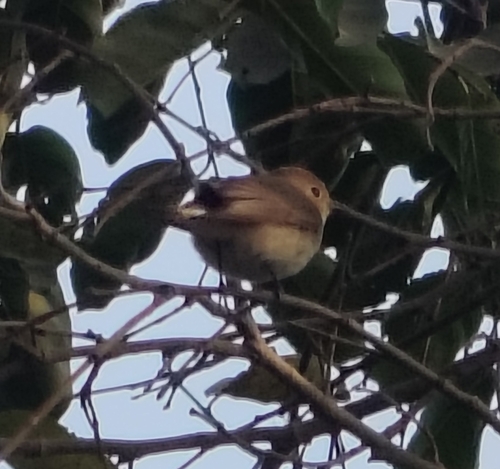
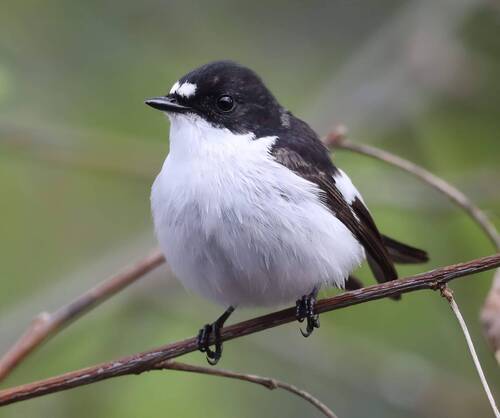
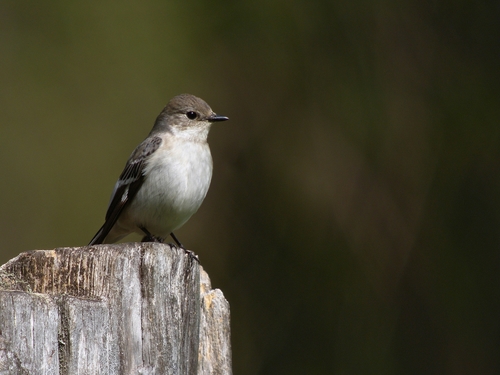
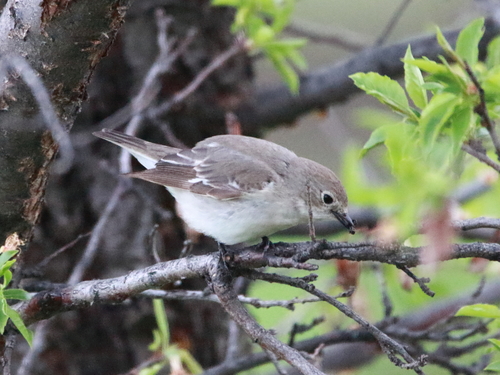
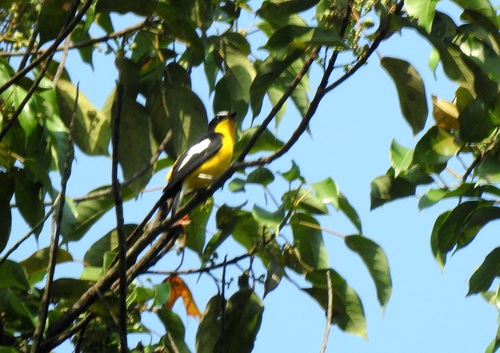
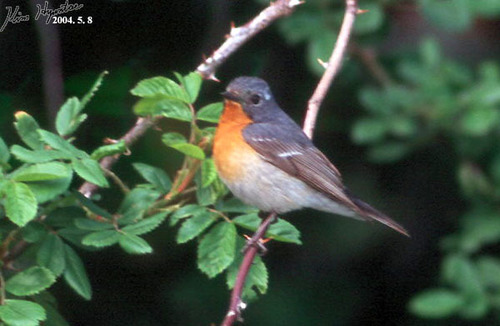

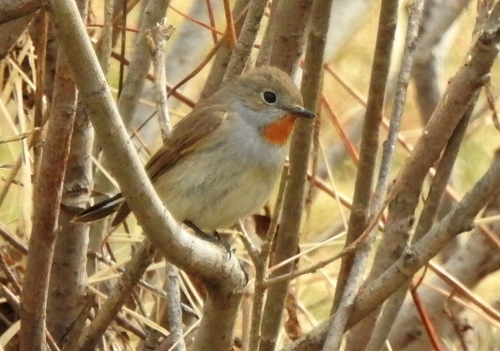
Seen a narcissus flycatcher?
Share your photo on iNaturalist. Other naturalists help confirm it, and the record goes to GBIF, where scientists use it and where the maps on this page come from.
Put this species on your site
The card names every source and links back here.
<iframe src="https://4planetatlas.com/place/embed/species/narcissus-flycatcher" title="Narcissus flycatcher (Ficedula narcissina), 4PLANET Species" width="100%" height="600" style="border:0;max-width:640px" loading="lazy"></iframe>
<p><a href="https://4species.com/narcissus-flycatcher">Narcissus flycatcher on 4PLANET Species</a></p>Questions people ask
What does the narcissus flycatcher eat?
The narcissus flycatcher has been recorded eating 23 different kinds of animals and plants, most of them plants. The ones recorded most often are hardy kiwi, sakaki, sericeous newlitsea, japanese eurya and india-hawthorn; records include animals eaten as carrion. Source: GloBI.
Where does the narcissus flycatcher live?
People have recorded it in 18 countries; the most records come from Japan, Taiwan, China, Hong Kong SAR China and South Korea. Records show where people have seen it, not its full range.
When is the narcissus flycatcher seen most?
In the northern hemisphere, the most records are made in April and the fewest in January. More people outdoors also means more records.
What are the narcissus flycatcher's closest relatives?
It shares the genus Ficedula with red-breasted flycatcher, european pied flycatcher, collared flycatcher, semicollared flycatcher and yellow-rumped flycatcher.
Sources and photo credits
- GBIF · Ficedula narcissina, 24,074 human observations
- GloBI · recorded interactions of Ficedula narcissina
- Wikidata · Narcissus flycatcher (Q1367236)
- Narcissus flycatcher (Ficedula narcissina): Timur Kalininsky, CC BY 4.0
- Narcissus flycatcher (Ficedula narcissina), Район Тоцука, Иокогама, Канагава, Япония: Se Lena, CC BY 4.0
- Narcissus flycatcher (Ficedula narcissina), Yeongdo, KR-PU, KR: Stuart Fisher, CC BY 4.0
- Narcissus flycatcher (Ficedula narcissina), 台灣台南市: Redbird Wu, CC BY 4.0
- Narcissus flycatcher (Ficedula narcissina), Мацусима, Miyagi District, Мияги 981-0213, Япония: Timur Kalininsky, CC BY 4.0
- Narcissus flycatcher (Ficedula narcissina), 仙台市, 宮城県, 日本: raibums, CC BY 4.0
- Narcissus flycatcher (Ficedula narcissina), Мацусима, Miyagi District, Мияги 981-0213, Япония: Timur Kalininsky, CC BY 4.0
- Narcissus flycatcher (Ficedula narcissina), Bukit Kiara, 60000 Kuala Lumpur, Federal Territory of Kuala Lumpur, Malaysia: lunarjade, CC BY 4.0
- Narcissus flycatcher (Ficedula narcissina), Ямадера, Ямагата, 999-3301, Япония: Timur Kalininsky, CC BY 4.0
- Hardy kiwi: Qwert1234, CC BY-SA 4.0
- Sakaki: 葉子, CC0
- Sericeous newlitsea: Marco Mussita, CC BY 4.0
- Japanese eurya: harum.koh, CC BY-SA 4.0
- India-hawthorn: Jacy Chen, CC BY 4.0
- Thunberg’s bay-tree: no rights reserved, uploaded by 葉子, CC0
- Sea bilberry: Jacy Chen, CC BY 4.0
- Irregular-streak newlitsea: Kenpei, CC BY-SA 4.0
- Creeping psychotria: no rights reserved, uploaded by 葉子, CC0
- Siebold ardisia: 葉子, CC0
- Morinda umbellata: Greg Tasney, CC BY-SA 4.0
- Red-breasted flycatcher: Mitul and Vijul Singh, CC BY 4.0
- European pied flycatcher: ViiruPesonen, CC BY-SA 4.0
- Collared flycatcher: Frank Vassen, CC BY 4.0
- Semicollared flycatcher: Ani Sarkisyan, CC BY 4.0
- Yellow-rumped flycatcher: lunarjade, CC BY 4.0
- Mugimaki flycatcher: Kim, Hyun-tae, CC BY 4.0
- Kashmir flycatcher: Bhargav Dwaraki, CC BY-SA 4.0
- Taiga flycatcher: Анна Васильченко, CC BY 4.0
Records show where people have seen and shared the narcissus flycatcher, not its full range, and some countries and months are recorded far more than others. The food web lists interactions that studies have recorded somewhere in the world (GloBI), not everything it eats in one place.
Checked 2026-11-22.