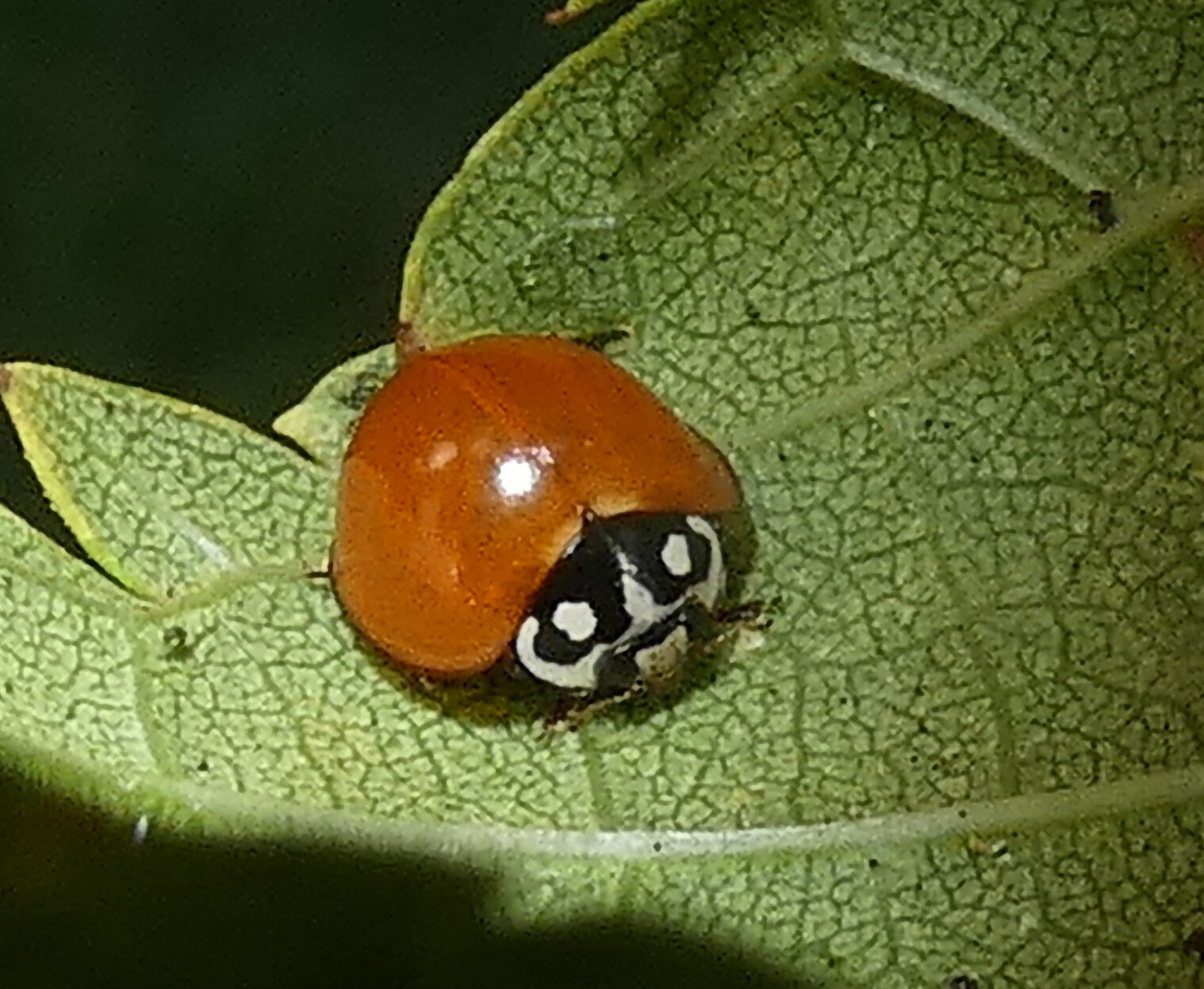
No-spotted ladybug
Cycloneda sanguinea
- Status
- IUCN Red List
- Where
- 44 countries
On 4Planet Atlas it is among the wildlife people record most around Lima.
People have shared 22,827 records of the no-spotted ladybug with GBIF, from 44 countries, most of them from United States, Mexico and Argentina. Records collected by GloBI show it eating 15 different kinds of animals and plants.
What the no-spotted ladybug eats, and what eats it
Studies have recorded it eating 15 kinds of animals and plants. Tap any of them to follow the food chain.
- Plants 9
- Insects 6
No-spotted ladybug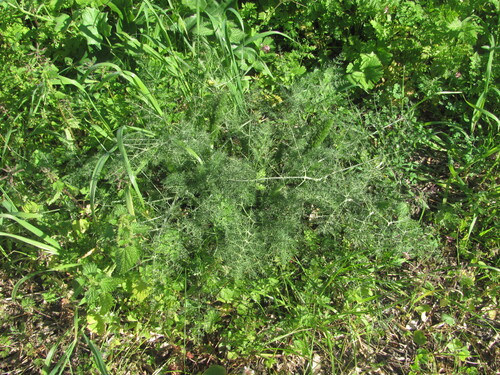


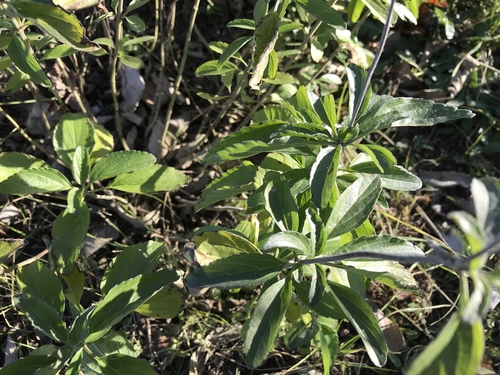

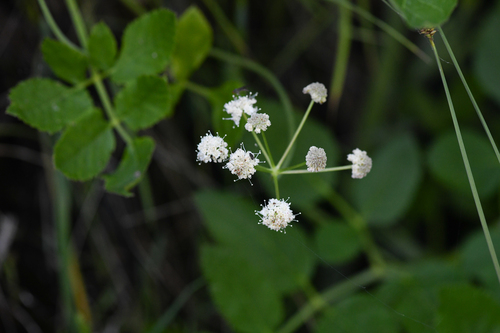
Records from studies worldwide, collected by GloBI. They include animals eaten as carrion, and they are not everything it eats in one place.
Where people see the no-spotted ladybug
People have shared 22,827 records from 44 countries.
Near a city: Lima.
Records show where people have seen it and shared it, not its full range. Country names open their page in Atlas.
When it is seen
Records per month in the northern hemisphere. More people outdoors also means more records.
Watch and listen
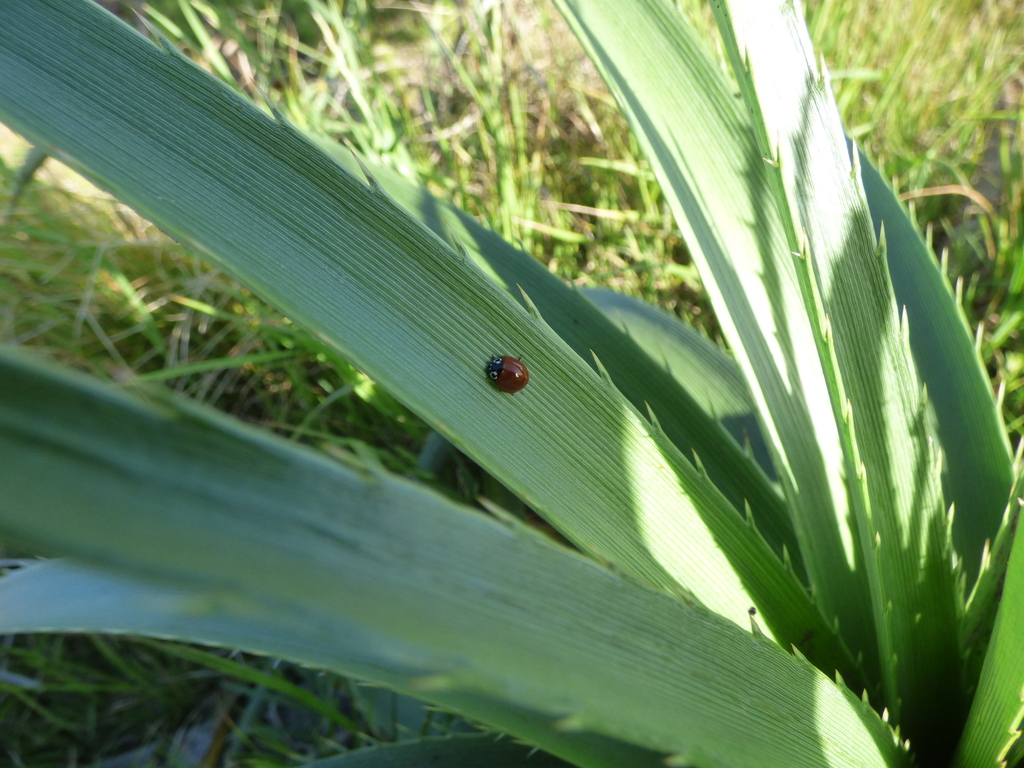
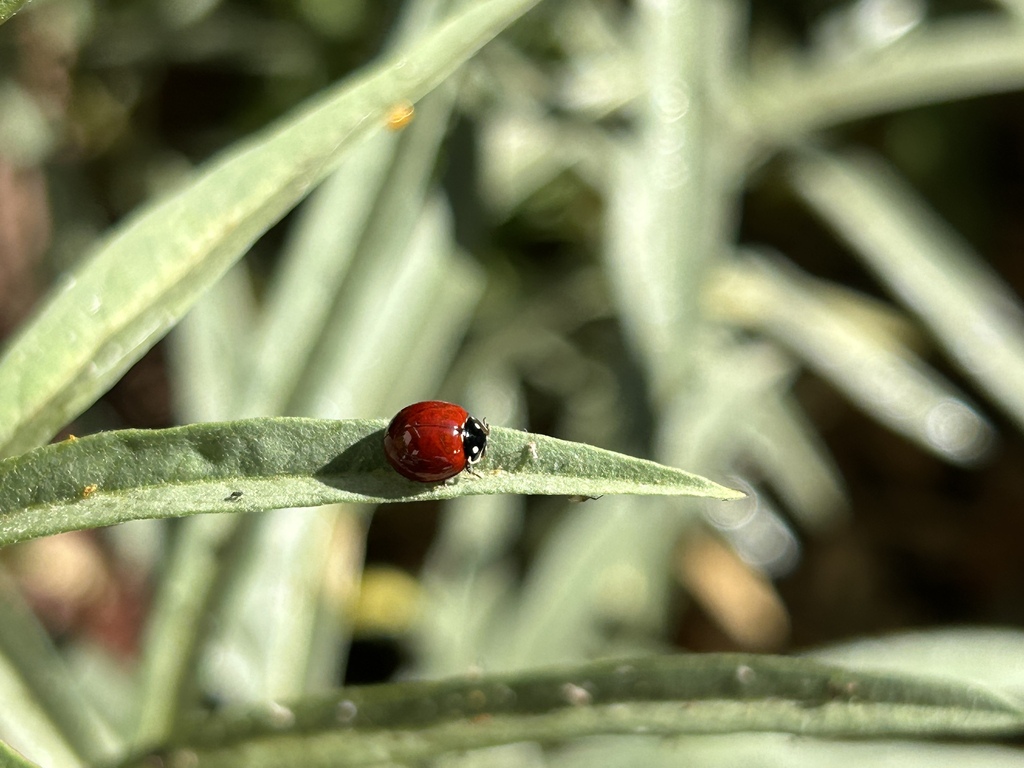
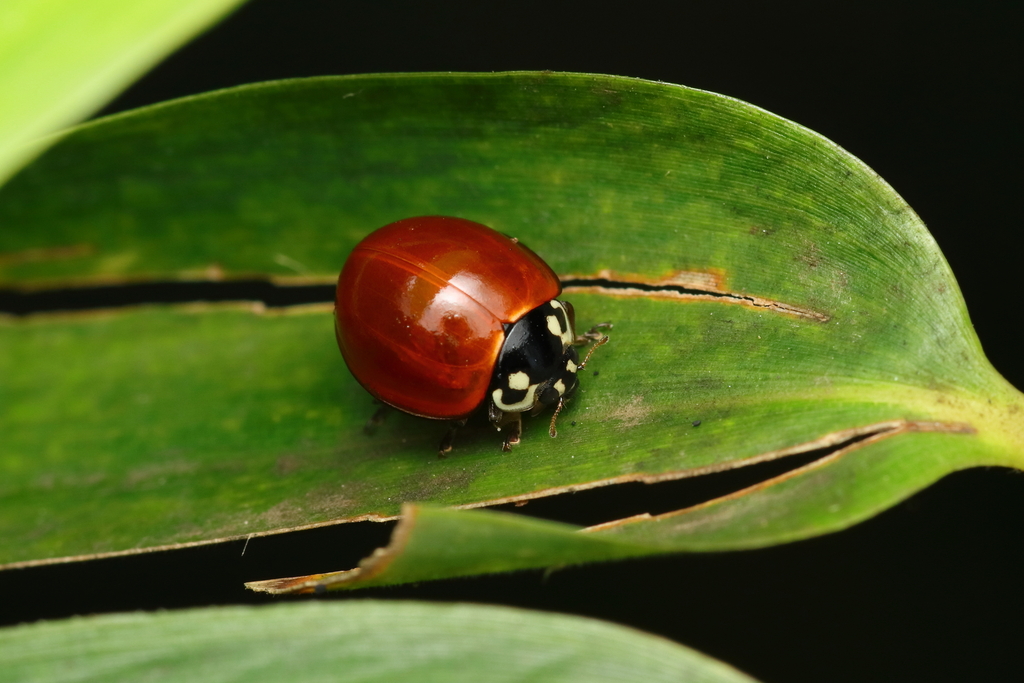
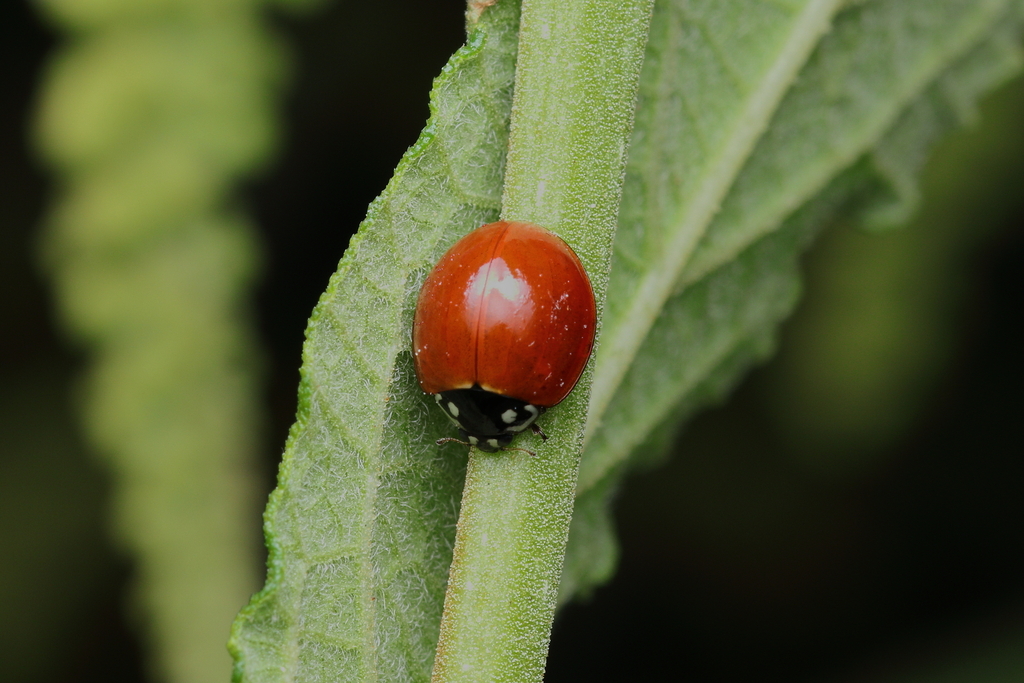
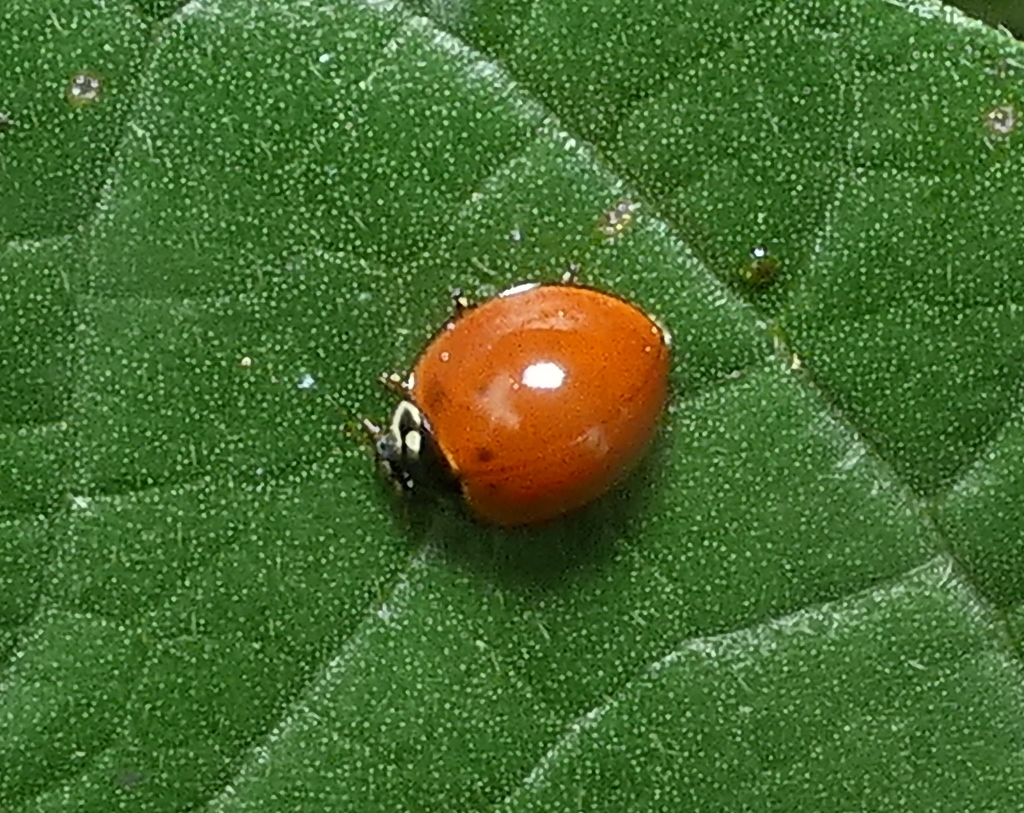
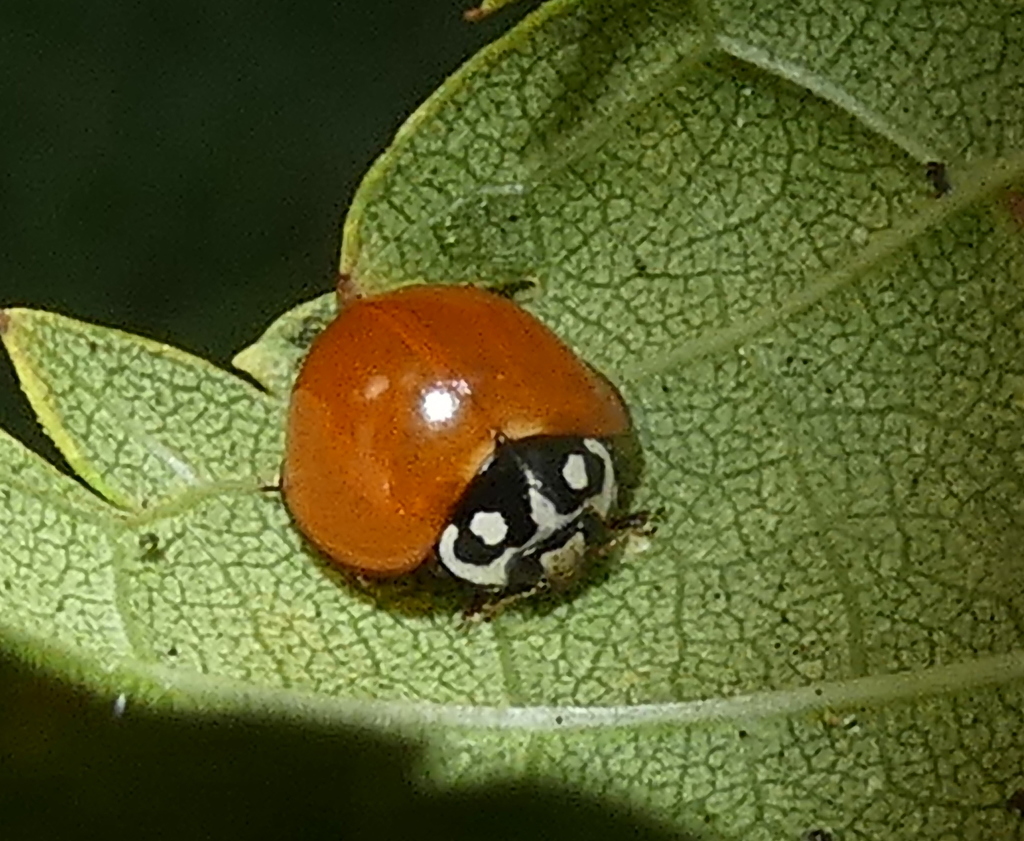
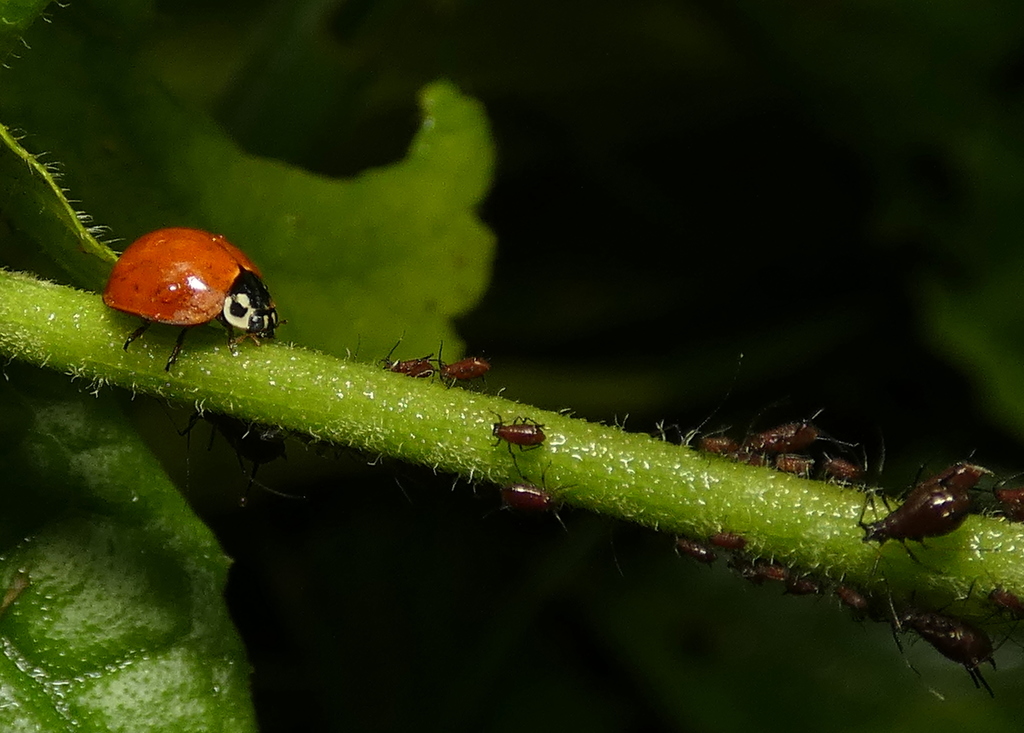
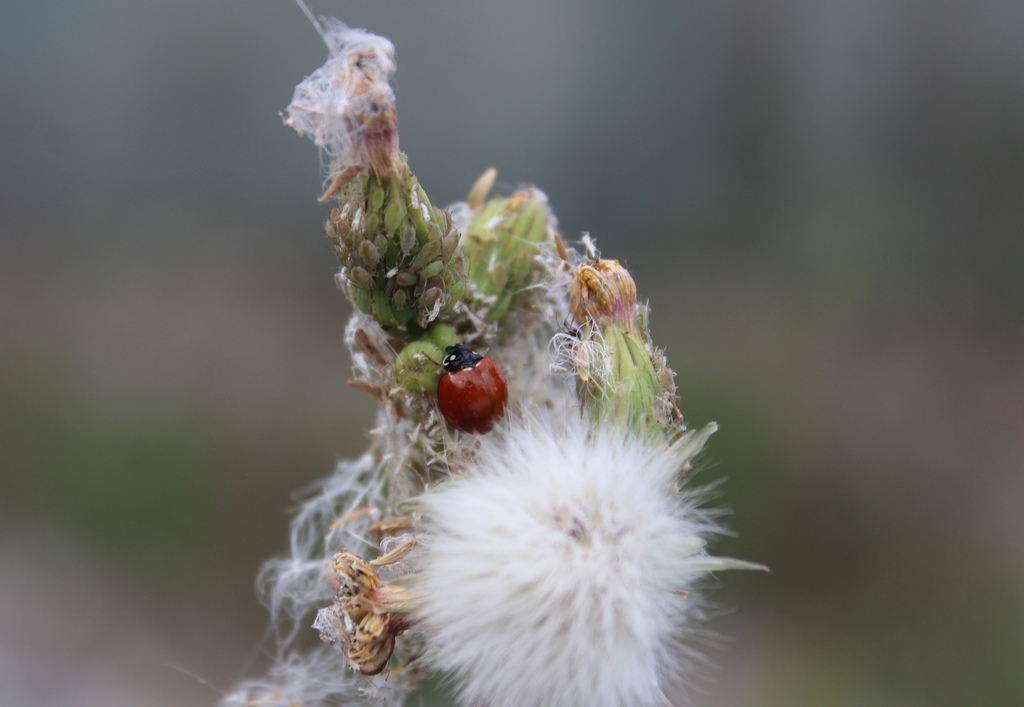
Seen a no-spotted ladybug?
Share your photo on iNaturalist. Other naturalists help confirm it, and the record goes to GBIF, where scientists use it and where the maps on this page come from.
Put this species on your site
The card names every source and links back here.
<iframe src="https://4planetatlas.com/place/embed/species/no-spotted-ladybug" title="No-spotted ladybug (Cycloneda sanguinea), 4PLANET Species" width="100%" height="600" style="border:0;max-width:640px" loading="lazy"></iframe>
<p><a href="https://4species.com/no-spotted-ladybug">No-spotted ladybug on 4PLANET Species</a></p>Questions people ask
What does the no-spotted ladybug eat?
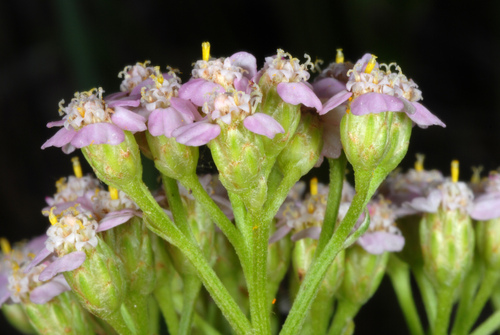
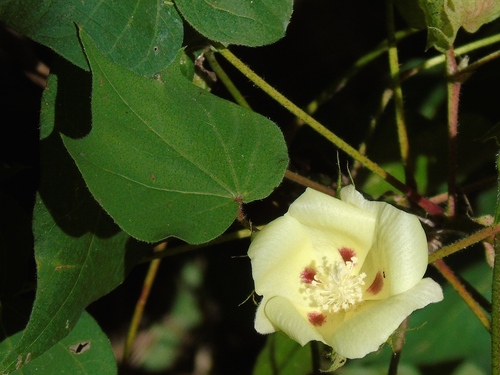
The no-spotted ladybug has been recorded eating 15 different kinds of animals and plants, most of them plants and insects. The ones recorded most often are fennel, yarrow, hemlock, sweet alyssum and cotton; records include animals eaten as carrion. Source: GloBI.
Where does the no-spotted ladybug live?
People have recorded it in 44 countries; the most records come from United States, Mexico, Argentina, Brazil and Peru. Records show where people have seen it, not its full range.
When is the no-spotted ladybug seen most?
In the northern hemisphere, the most records are made in April and the fewest in January. More people outdoors also means more records.
Sources and photo credits
- GBIF · Cycloneda sanguinea, 22,827 human observations
- GloBI · recorded interactions of Cycloneda sanguinea
- Wikidata · No-spotted ladybug (Q2851700)
- No-spotted ladybug (Cycloneda sanguinea): Helio Lourencini, CC BY 4.0
- No-spotted ladybug (Cycloneda sanguinea), Las Colonias, Santa Fe, Argentina: María Zeta, CC BY 4.0
- No-spotted ladybug (Cycloneda sanguinea), N Camino Alto, Vallejo, CA, US: everie, CC0
- No-spotted ladybug (Cycloneda sanguinea), Vila Jerusalem, São Bernardo do Campo - SP, Brasil: Carlos Alexandre Mattos Raposo, CC BY 4.0
- No-spotted ladybug (Cycloneda sanguinea), Centro, São Miguel Arcanjo - SP, 18230-000, Brasil: Carlos Alexandre Mattos Raposo, CC BY 4.0
- No-spotted ladybug (Cycloneda sanguinea), Zona rural de Paudalho - Pernambuco: Helio Lourencini, CC BY 4.0
- No-spotted ladybug (Cycloneda sanguinea), Zona rural de Paudalho - Pernambuco: Helio Lourencini, CC BY 4.0
- No-spotted ladybug (Cycloneda sanguinea), Zona rural de Paudalho - Pernambuco: Helio Lourencini, CC BY 4.0
- No-spotted ladybug (Cycloneda sanguinea), Sector B1, Cdad. de Guatemala, Guatemala: Ricard Busquets Reverte, CC BY 4.0
- Fennel: zebedeugalinha, CC BY 4.0
- Yarrow: Douglas Goldman, CC BY-SA 4.0
- Hemlock: L.J. Lamera, CC BY 4.0
- Sweet alyssum: Юрий Данилевский (Yuriy Danilevsky), CC BY 4.0
- Cotton: Francisco Farriols Sarabia, CC BY 4.0
- Mealycup sage: lanechaffin, CC0
- California buckthorn: Joey Santore, CC BY 4.0
- Woolly angelica: Trevor Van Loon, CC BY 4.0
Records show where people have seen and shared the no-spotted ladybug, not its full range, and some countries and months are recorded far more than others. The food web lists interactions that studies have recorded somewhere in the world (GloBI), not everything it eats in one place.
Checked 2026-11-22.