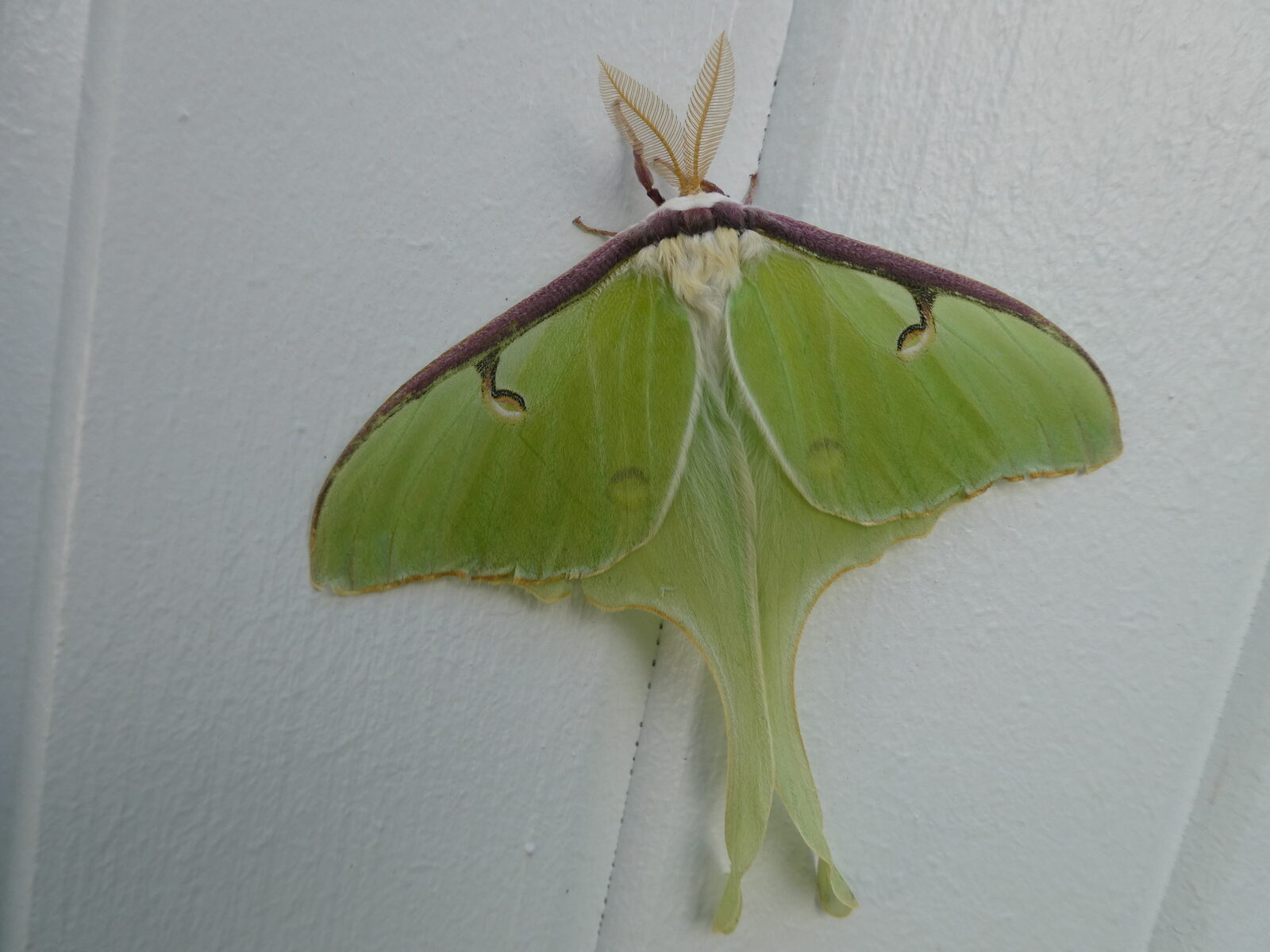
North American Luna Moth
Actias luna
- Status
- IUCN Red List
- Lifespan
- About 1 weeks
- Eats
- pignut hickory, english walnut, hop and 30 more
- Where
- 2 countries
People have shared 47,877 records of the North American Luna Moth with GBIF, from 2 countries, most of them from United States and Canada. Records collected by GloBI show it eating 33 different kinds of animals and plants, and being eaten by 6.
In the northern hemisphere, people record it most in June and least in December. It belongs to the genus Actias in the family Saturniidae.
What the north American Luna Moth eats, and what eats it
Studies have recorded it eating 33 kinds of animals and plants, and 6 kinds of animals eating it. Tap any of them to follow the food chain.
- Plants 31

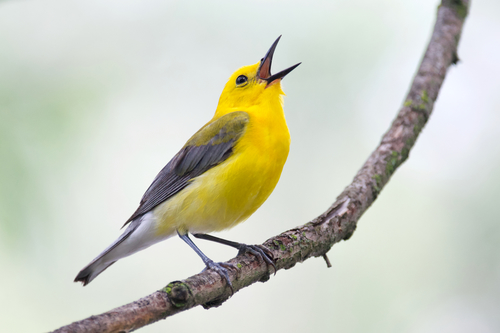
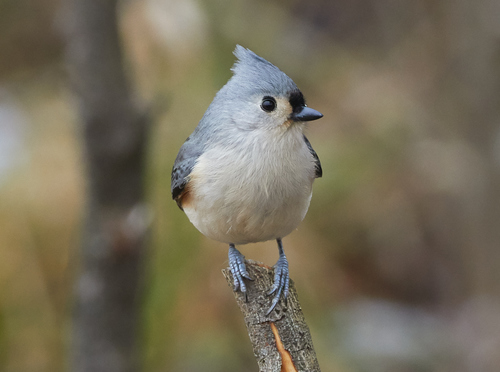
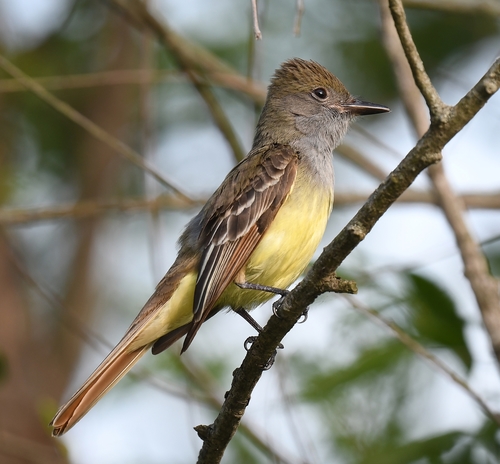 North American Luna Moth
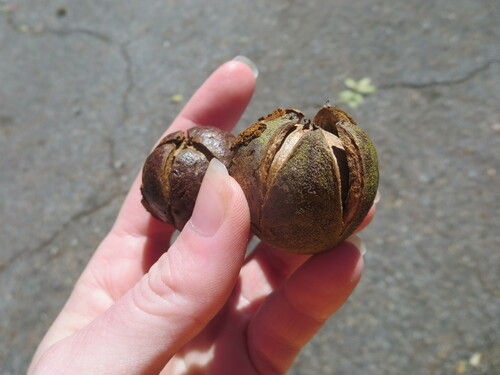
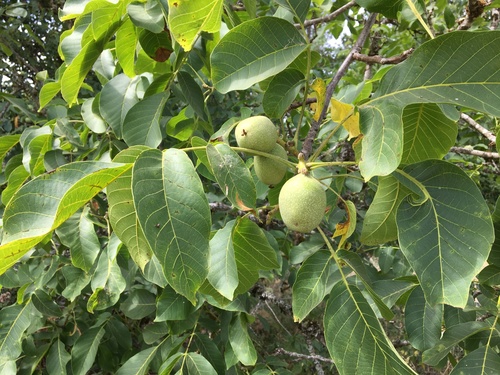
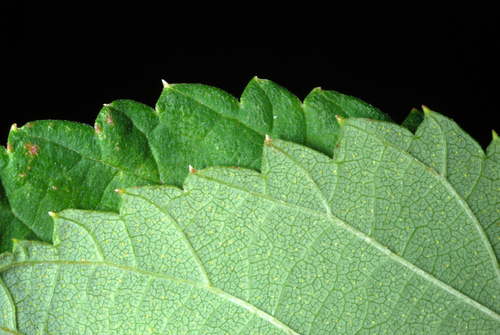

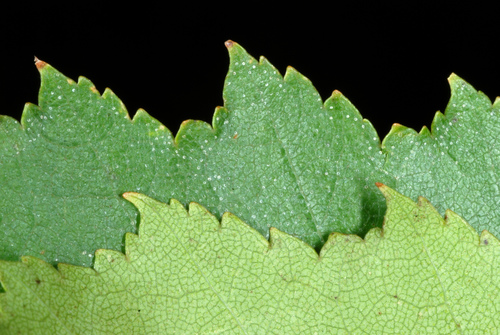
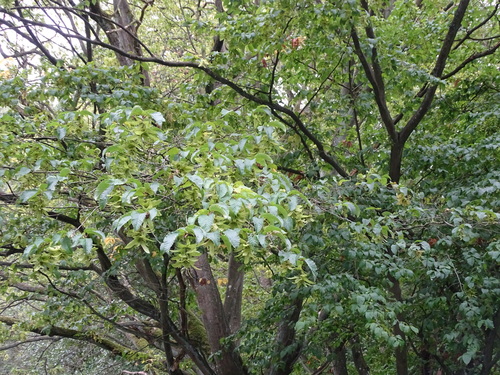
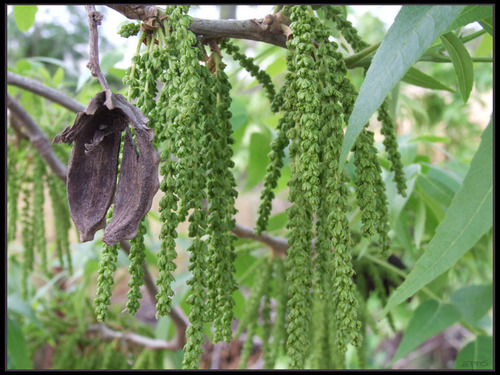
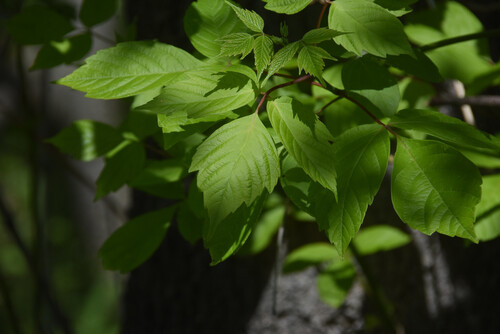
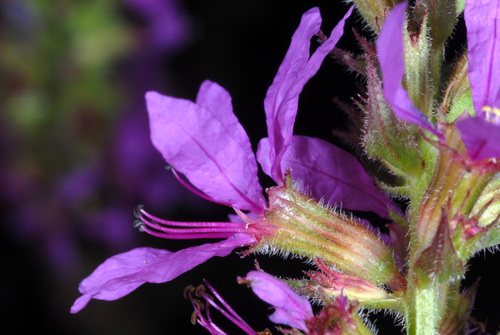
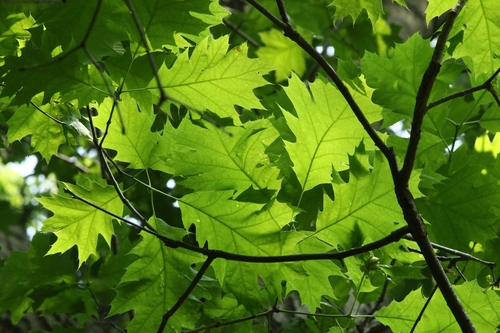
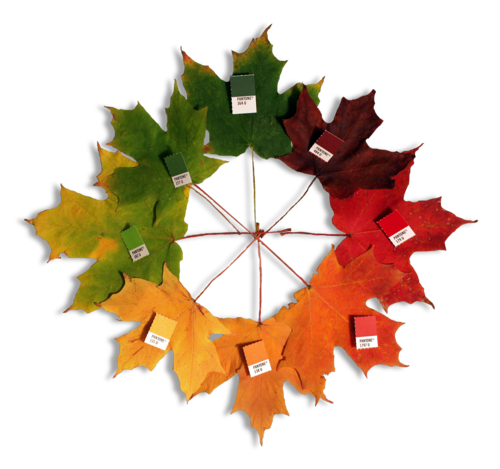
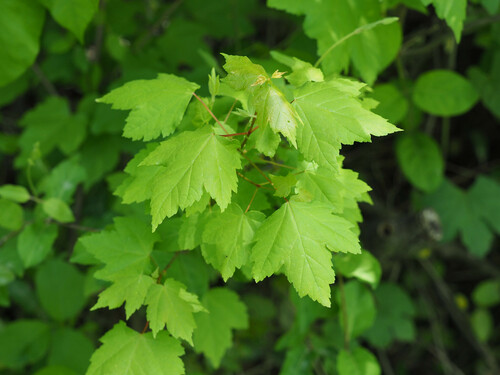
Records from studies worldwide, collected by GloBI. They include animals eaten as carrion, and they are not everything it eats in one place.
Where people see the north American Luna Moth
People have shared 47,877 records from 2 countries.
Records show where people have seen it and shared it, not its full range. Country names open their page in Atlas.
When it is seen
Records per month in the northern hemisphere. More people outdoors also means more records.
Watch and listen
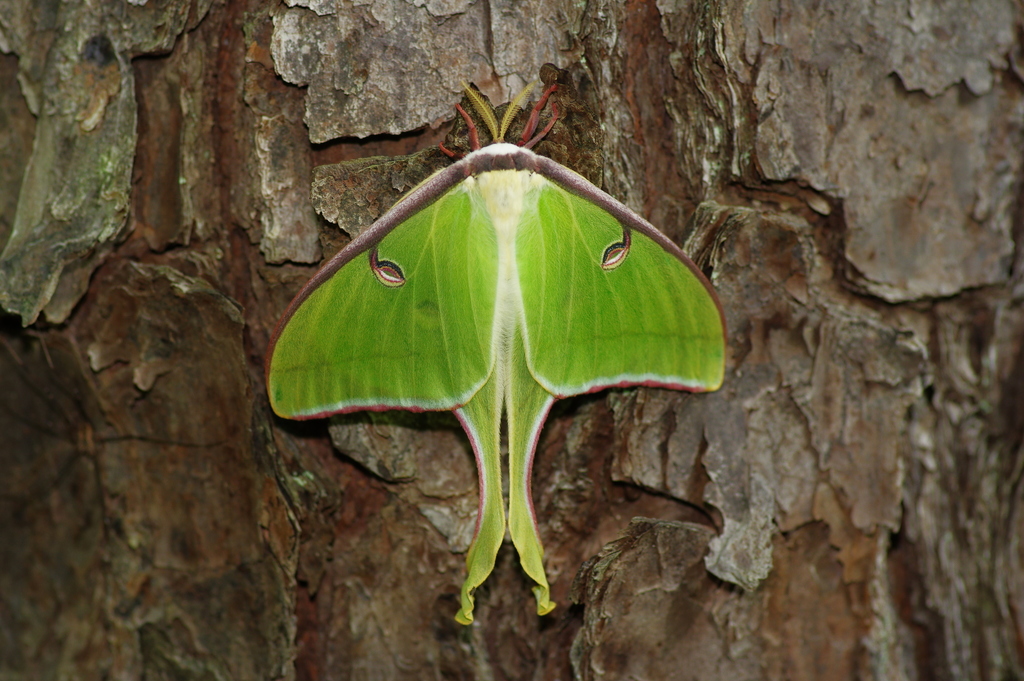
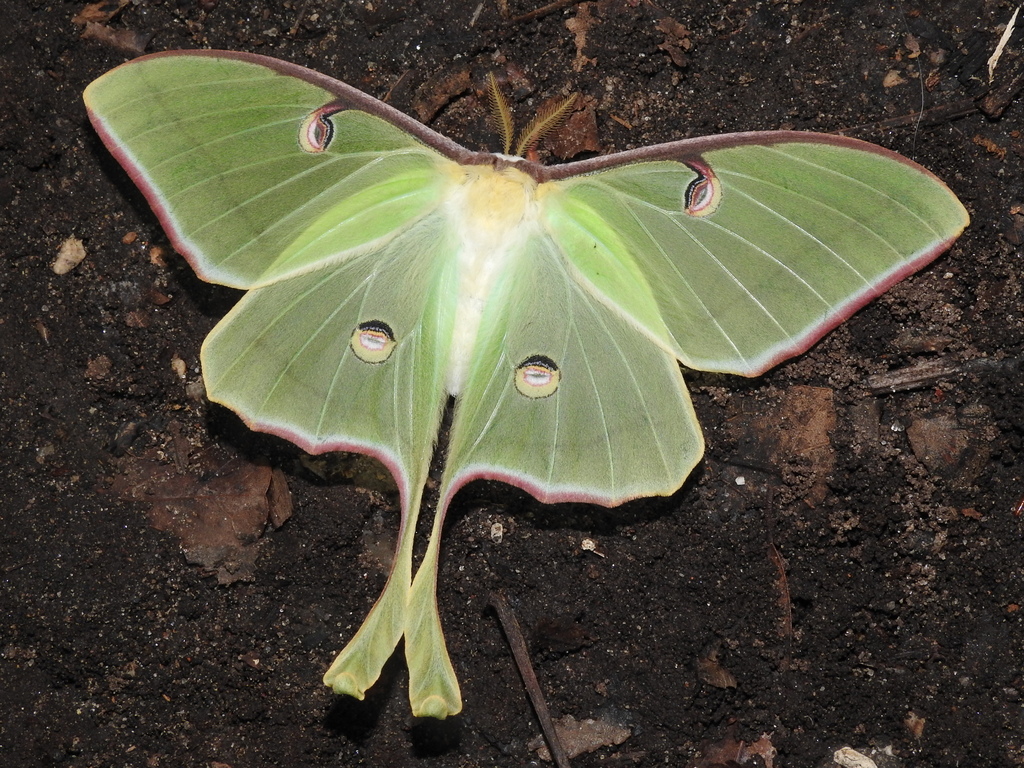
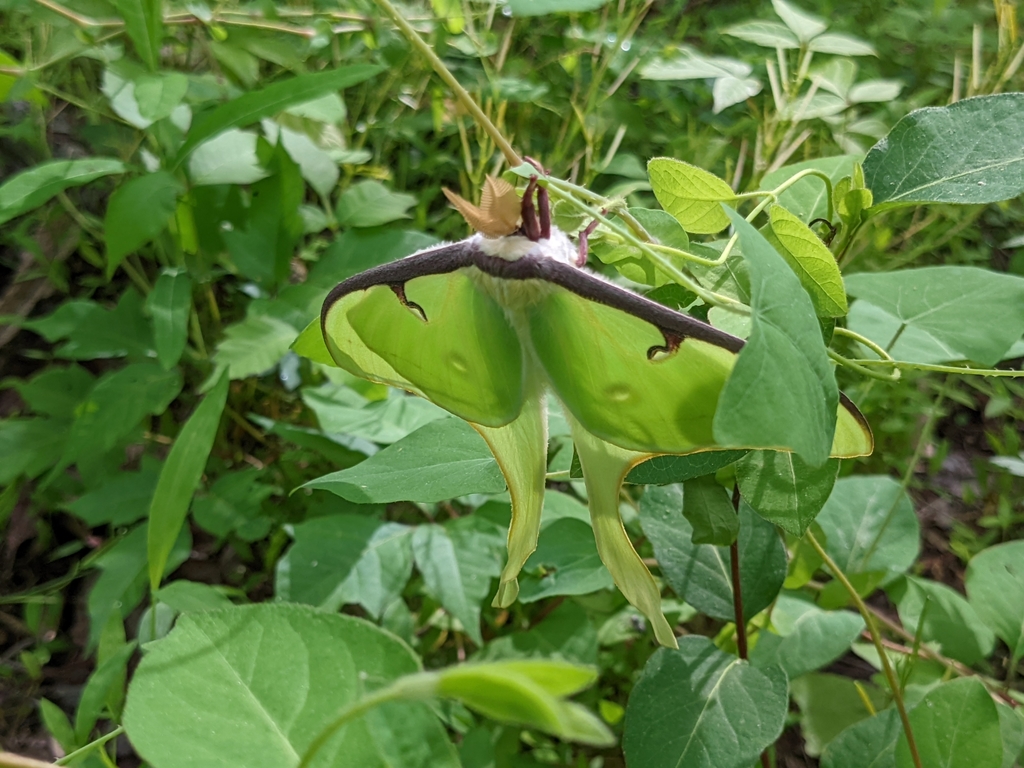
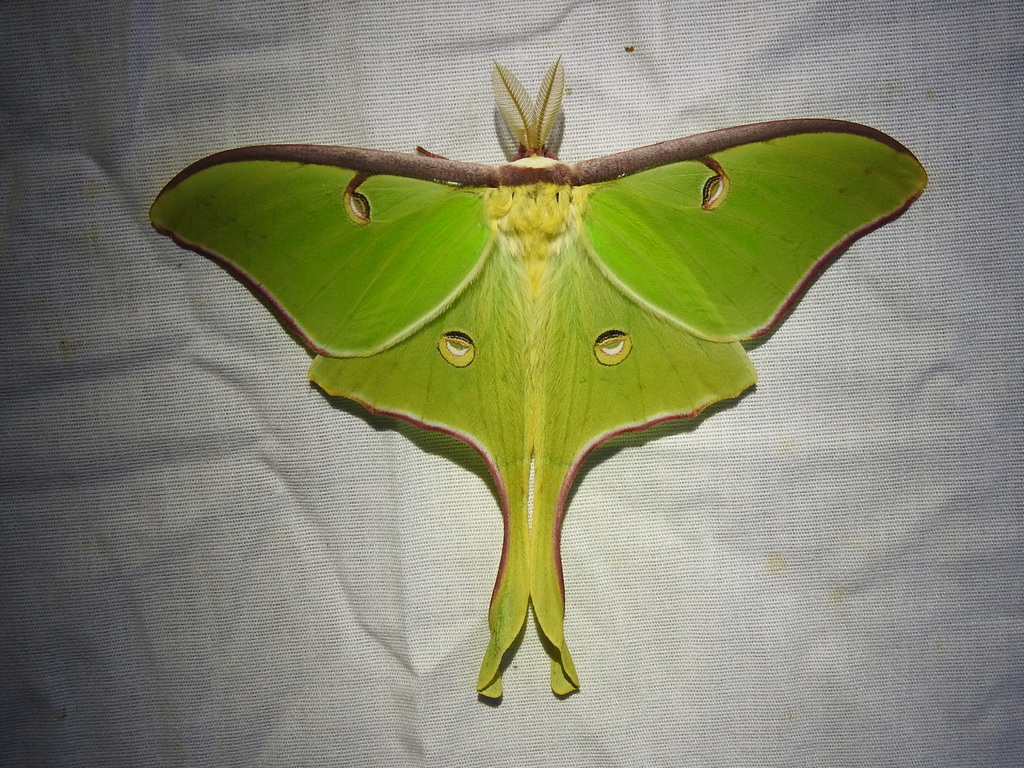
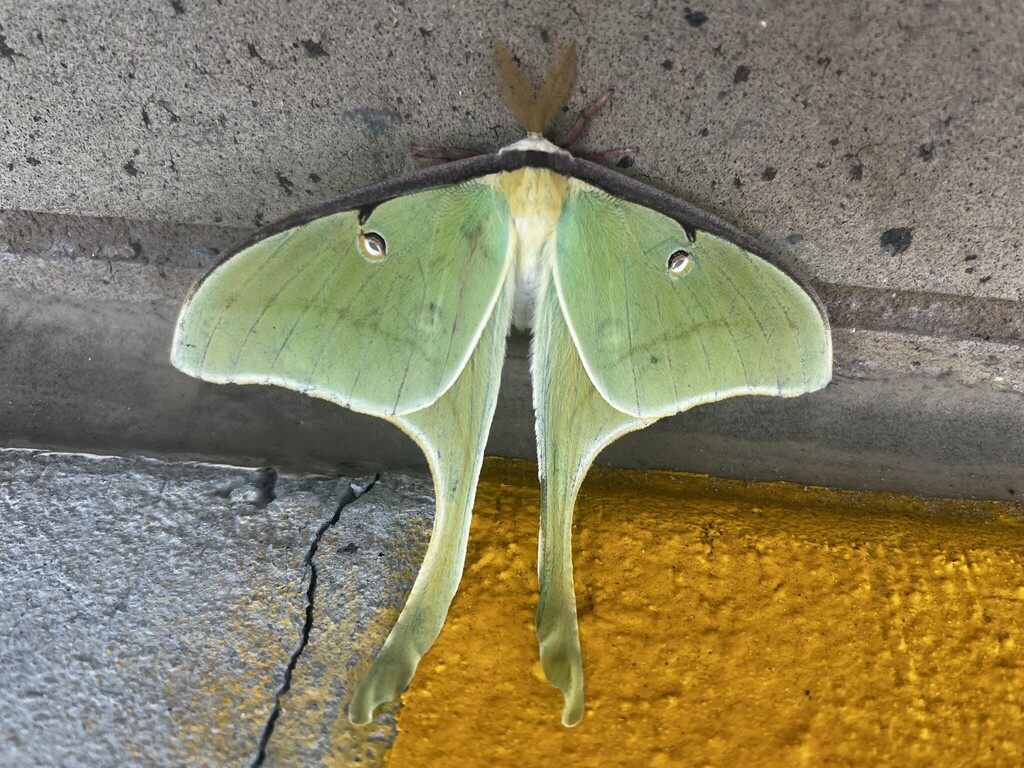
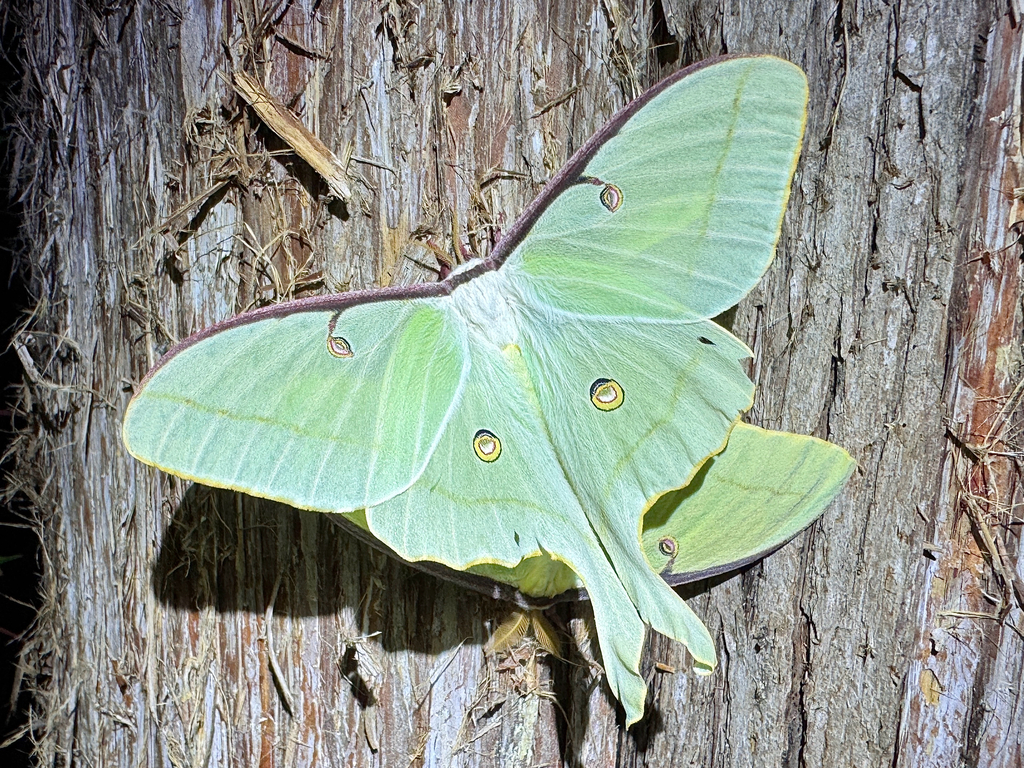
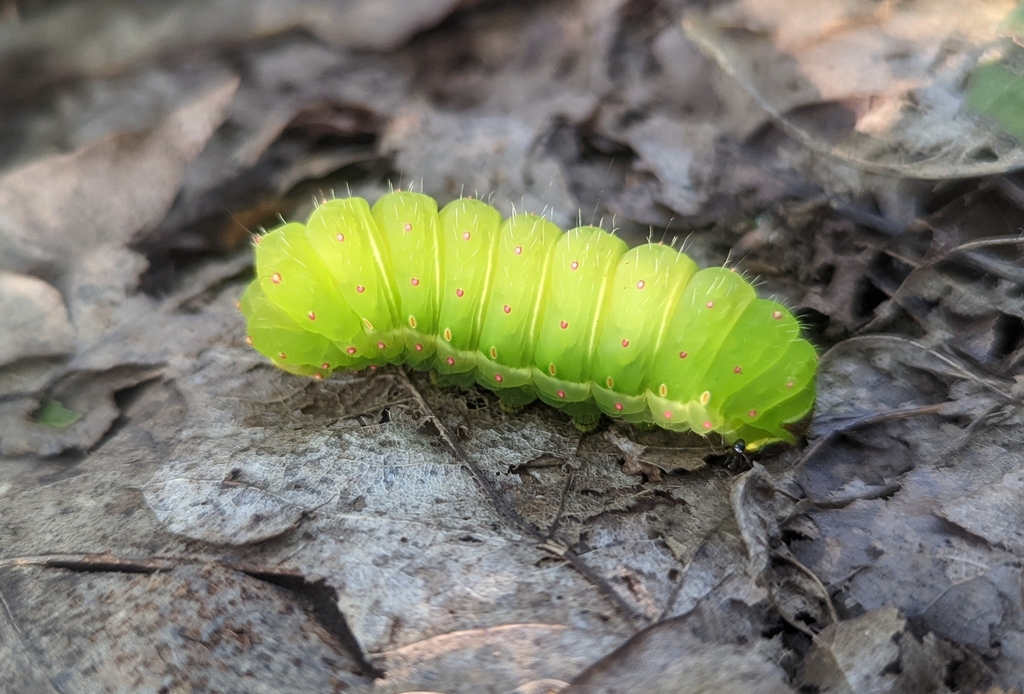
Its closest relatives
The other species of the genus Actias.

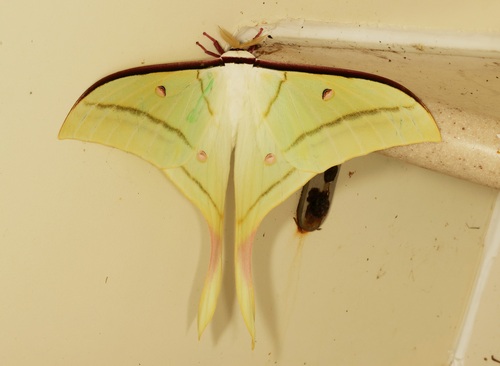
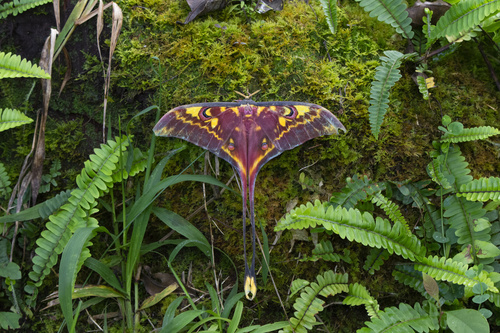
Seen a north American Luna Moth?
Share your photo on iNaturalist. Other naturalists help confirm it, and the record goes to GBIF, where scientists use it and where the maps on this page come from.
Put this species on your site
The card names every source and links back here.
<iframe src="https://4planetatlas.com/place/embed/species/north-american-luna-moth" title="North American Luna Moth (Actias luna), 4PLANET Species" width="100%" height="600" style="border:0;max-width:640px" loading="lazy"></iframe>
<p><a href="https://4species.com/north-american-luna-moth">North American Luna Moth on 4PLANET Species</a></p>Questions people ask
What does the North American Luna Moth eat?
The North American Luna Moth has been recorded eating 33 different kinds of animals and plants, most of them plants. The ones recorded most often are pignut hickory, english walnut, hop, black locust and european white birch; records include animals eaten as carrion. Source: GloBI.
What eats the North American Luna Moth?
Recorded predators include yellow-billed cuckoo, prothonotary warbler, tufted titmouse and great crested flycatcher. Source: GloBI.
Where does the North American Luna Moth live?
People have recorded it in 2 countries; the most records come from United States and Canada. Records show where people have seen it, not its full range.
How long does the North American Luna Moth live?
About 1 weeks on average, according to Wikidata.
When is the North American Luna Moth seen most?
In the northern hemisphere, the most records are made in June and the fewest in December. More people outdoors also means more records.
What are the North American Luna Moth's closest relatives?
It shares the genus Actias with malaysian moon moth, chinese moon moth and sulawesi moon moth.
Sources and photo credits
- GBIF · Actias luna, 47,877 human observations
- GloBI · recorded interactions of Actias luna
- Wikidata · North American Luna Moth (Q135289)
- North American Luna Moth (Actias luna): no rights reserved, uploaded by Bruce Cook, CC0
- North American Luna Moth (Actias luna): Michelle W. (鍾偉瑋), CC BY 4.0
- North American Luna Moth (Actias luna), Walker County, TX, USA: Sam Kieschnick, CC BY 4.0
- North American Luna Moth (Actias luna), Middlesex County, US-NJ, US: Dan Bender, CC BY 4.0
- North American Luna Moth (Actias luna), Hardin County, TX, USA: Sam Kieschnick, CC BY 4.0
- North American Luna Moth (Actias luna), North Decatur, GA, USA: Engers, CC BY 4.0
- North American Luna Moth (Actias luna), Cape May County, US-NJ, US: Samuel Paul Galick, CC0
- North American Luna Moth (Actias luna), Esopus, NY, USA: Cory, CC0
- Pignut hickory: no rights reserved, uploaded by Nonbinary-Naturalist, CC0
- English walnut: Ed Alverson, CC BY 4.0
- Hop: Douglas Goldman, CC BY-SA 4.0
- Black locust: Георгий Виноградов (Georgy Vinogradov), CC BY 4.0
- European white birch: Douglas Goldman, CC BY-SA 4.0
- European hornbeam: Grzegorz Grzejszczak, CC BY-SA 4.0
- Pecan: Eran Finkle, CC BY 4.0
- Ashleaf maple: Jay Pruett, CC BY 4.0
- Purple loosestrife: Douglas Goldman, CC BY-SA 4.0
- Northern red oak: William J. Deml, CC BY 4.0
- Sugar maple: Pbroks13, CC BY 4.0
- Red maple: no rights reserved, uploaded by mefisher, CC0
- Yellow-billed cuckoo: kirk gardner, CC BY 4.0
- Prothonotary warbler: Owen Strickland, CC BY 4.0
- Tufted titmouse: no rights reserved, uploaded by David Bird, CC0
- Great crested flycatcher: no rights reserved, uploaded by Chrissy McClarren and Andy Reago, CC0
- Malaysian moon moth: dhfischer, CC BY 4.0
- Chinese moon moth: sk2, CC BY-SA 4.0
- Sulawesi moon moth: FGK, CC BY-SA 4.0
Records show where people have seen and shared the North American Luna Moth, not its full range, and some countries and months are recorded far more than others. The food web lists interactions that studies have recorded somewhere in the world (GloBI), not everything it eats in one place.
Checked 2026-11-27.