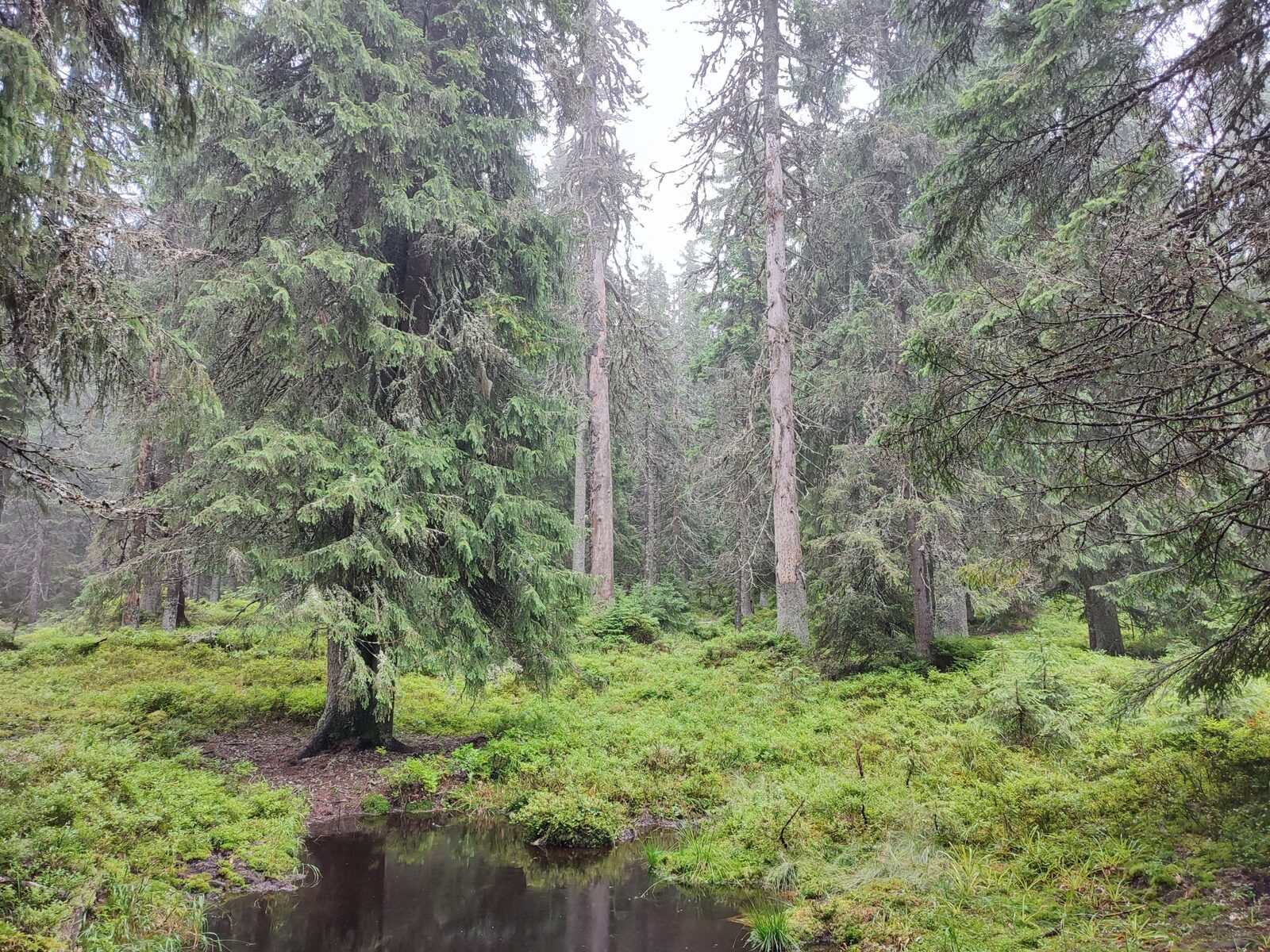
Norway spruce
Picea abies
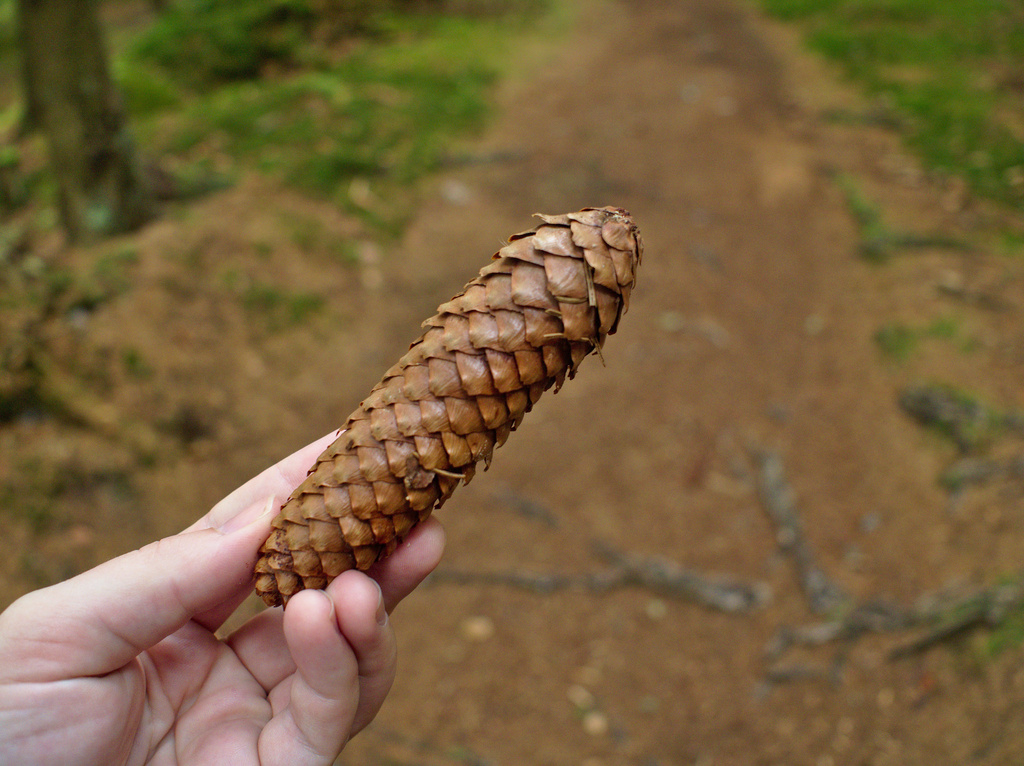
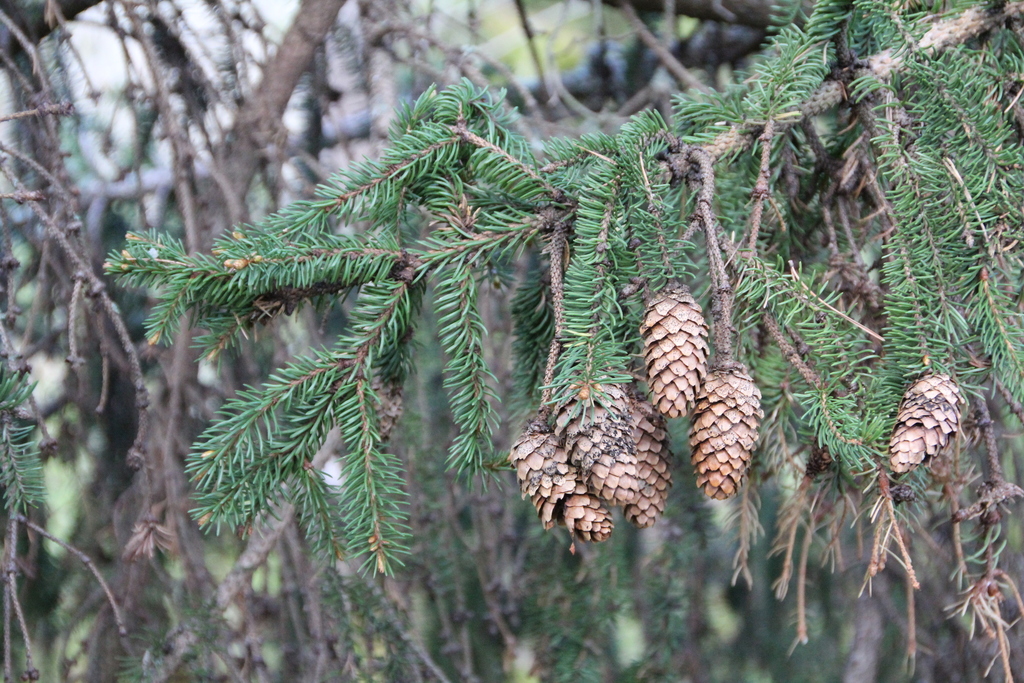
Europe's most common Christmas tree, a tall conifer with hanging cones.
- Status
- Least Concern IUCN Red List
- Eaten by
- great spotted woodpecker
- Where
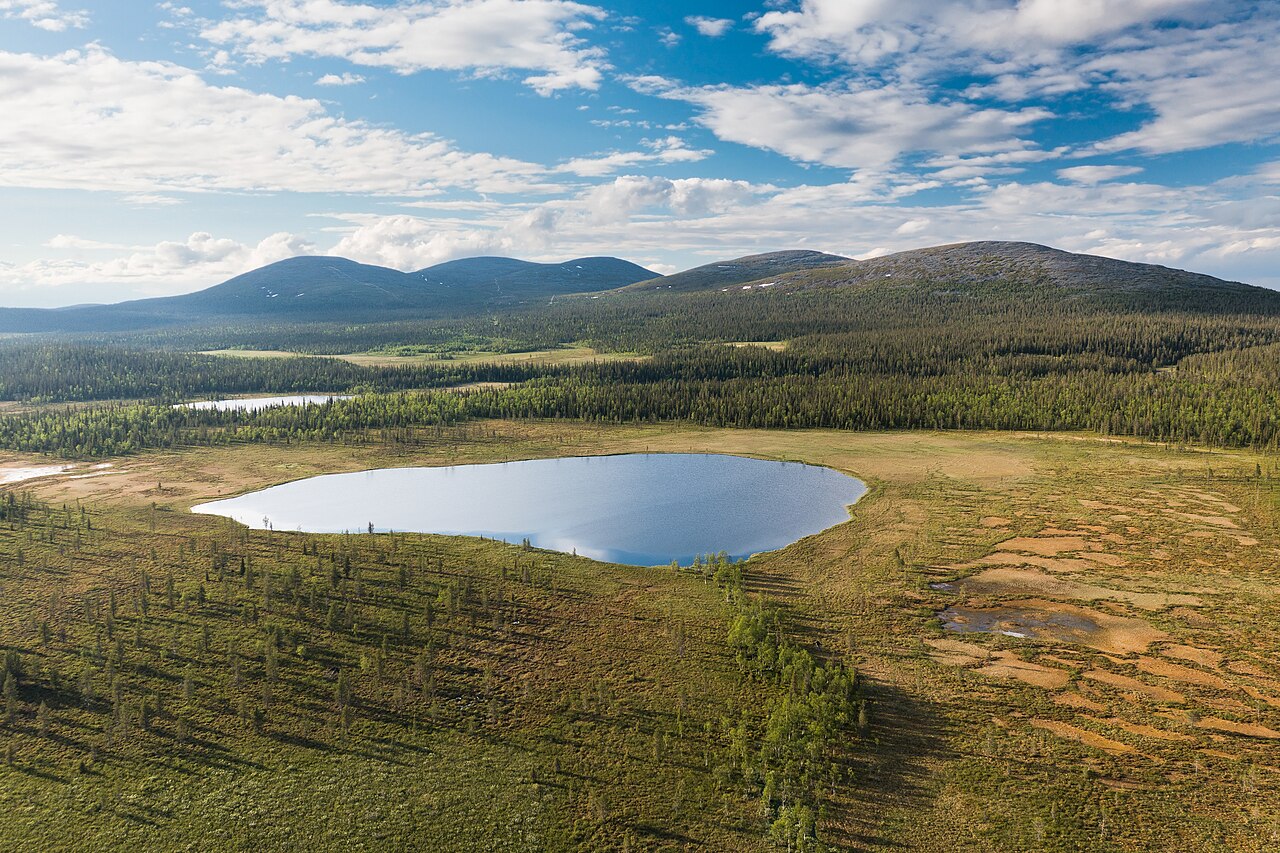
- 44 countries · boreal forest
People have shared 38,372 records of the norway spruce with GBIF, from 44 countries, most of them from Russia, United States and Austria. Records collected by GloBI show it eating 3 different kinds of animals and plants, and being eaten by 1.
Habitats
What the norway spruce eats, and what eats it
Studies have recorded it eating 3 kinds of animals and plants, and 1 kinds of animals eating it. Tap any of them to follow the food chain.
- Fungi 3
Eaten by
 Norway spruce
Records from studies worldwide, collected by GloBI. They include animals eaten as carrion, and they are not everything it eats in one place.
Where people see the norway spruce
People have shared 38,372 records from 44 countries.
Records show where people have seen it and shared it, not its full range. Country names open their page in Atlas.
When it is seen
Records per month in the northern hemisphere. More people outdoors also means more records.
Watch and listen
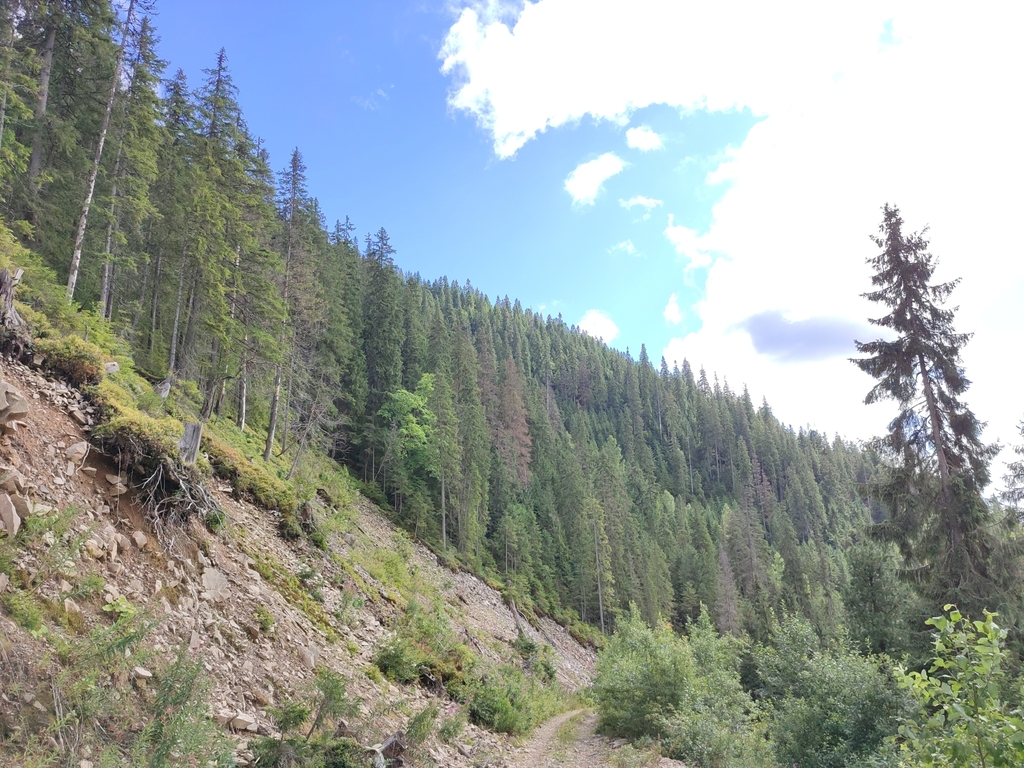
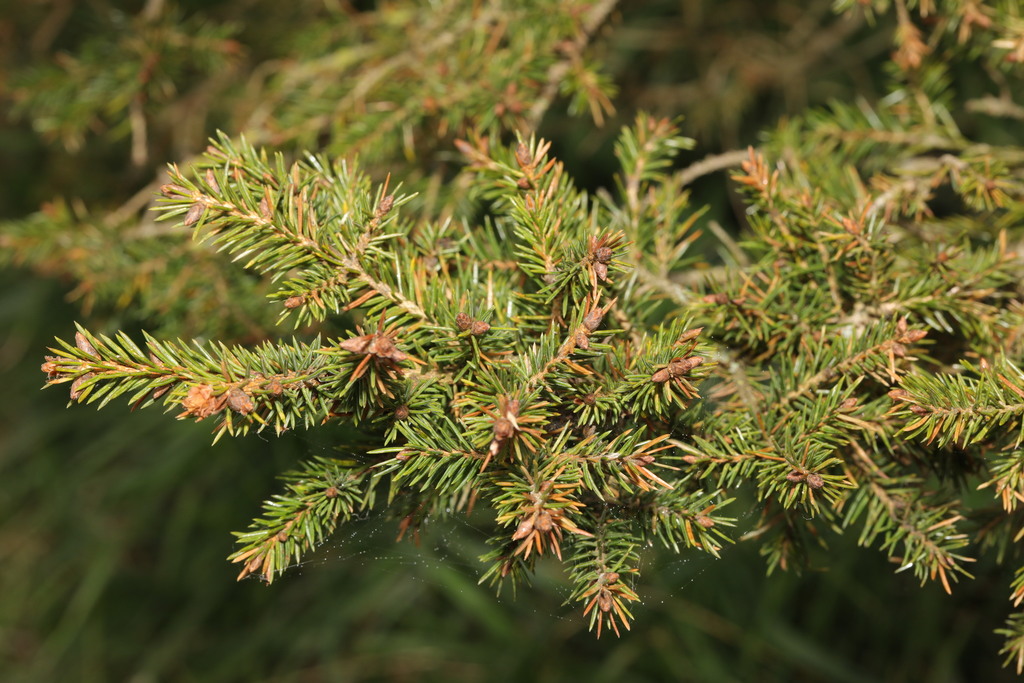
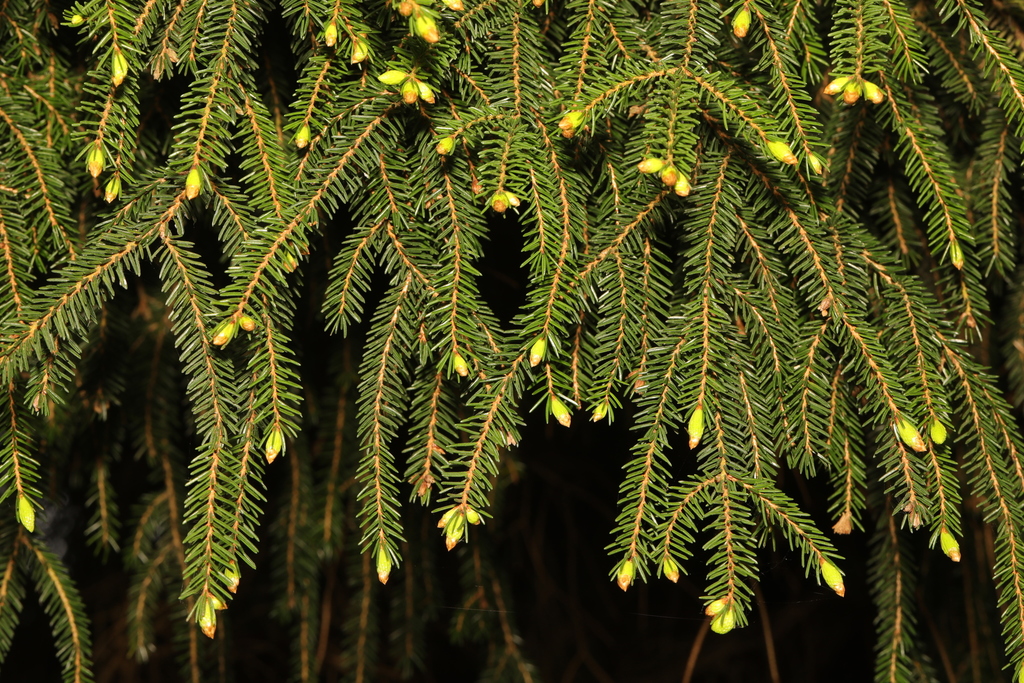
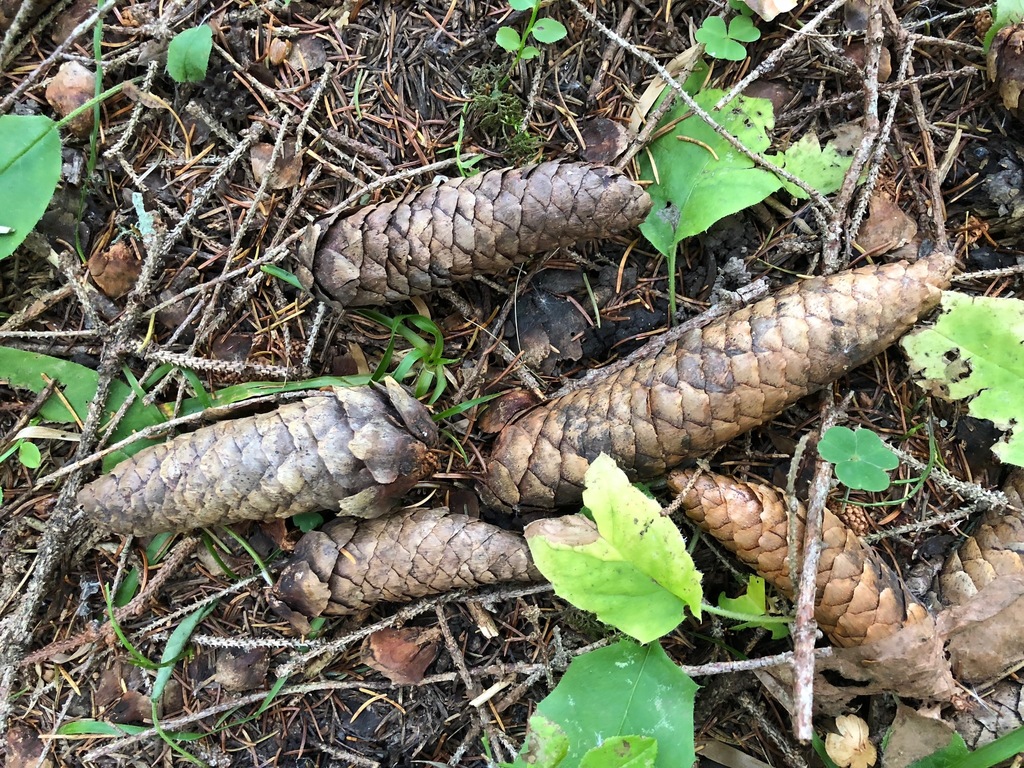
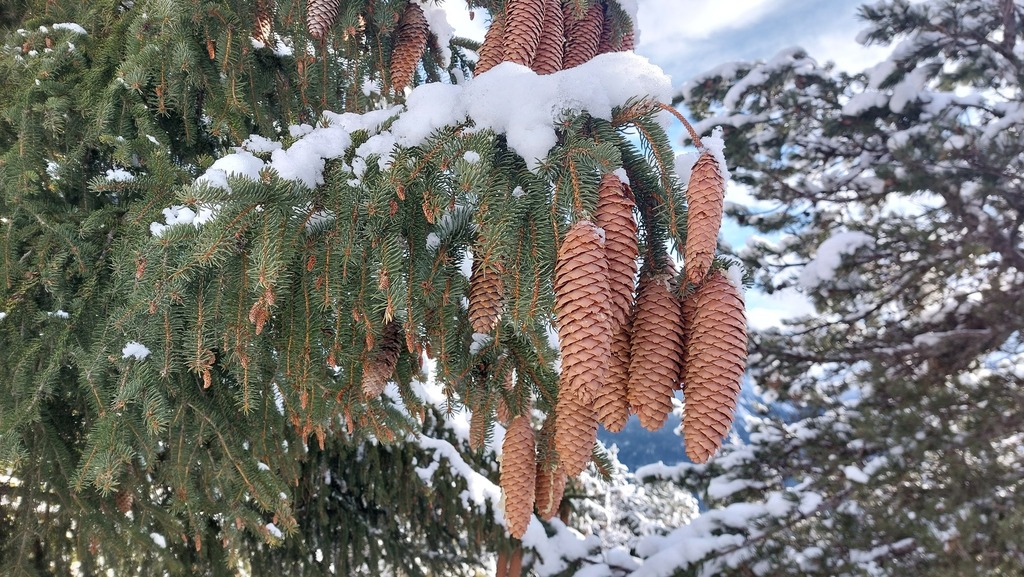
Seen a norway spruce?
Share your photo on iNaturalist. Other naturalists help confirm it, and the record goes to GBIF, where scientists use it and where the maps on this page come from.
Explore next
What puts the norway spruce under pressure, what helps, and who works on it.

Questions people ask
What does the norway spruce eat?
The norway spruce has been recorded eating 3 different kinds of animals and plants, most of them fungi. The ones recorded most often are ; records include animals eaten as carrion. Source: GloBI.
What eats the norway spruce?
Recorded predators include great spotted woodpecker. Source: GloBI.
Where does the norway spruce live?
People have recorded it in 44 countries; the most records come from Russia, United States, Austria, Germany and Finland. Records show where people have seen it, not its full range.
When is the norway spruce seen most?
In the northern hemisphere, the most records are made in May and the fewest in December. More people outdoors also means more records.
Sources and photo credits
- GBIF · Picea abies, 38,372 human observations
- GloBI · recorded interactions of Picea abies
- Wikidata · Norway spruce (Q145992)
- Norway spruce (Picea abies): Igor Balashov, CC BY 4.0
- Norway spruce (Picea abies): Edward Ricemeyer, CC BY-SA 4.0
- Norway spruce (Picea abies), Worcester, Massachusetts, United States: Lynn Harper, CC0
- Norway spruce (Picea abies), Tumba, Botkyrka, Sverige: Jens Ullenius, CC0
- Norway spruce (Picea abies), Tiachivs'kyi, UA-ZK, UA: Igor Balashov, CC BY 4.0
- Norway spruce (Picea abies), Garston Coastal Park, Garston Shore Road, Garston, Liverpool, Merseyside, UK: Stephen James McWilliam, CC0
- Norway spruce (Picea abies), Calderstones Park, Yewtree Road, Liverpool, Merseyside, UK: Stephen James McWilliam, CC0
- Norway spruce (Picea abies), Obersimmental, Bern, Switzerland: Jason Grant, CC BY 4.0
- Norway spruce (Picea abies), 73500 Aussois, France: Sylvain Montagner, CC BY 4.0
- Great spotted woodpecker: Paolo Zucca, CC BY 4.0
Records show where people have seen and shared the norway spruce, not its full range, and some countries and months are recorded far more than others. The food web lists interactions that studies have recorded somewhere in the world (GloBI), not everything it eats in one place.
Checked 2026-11-22.