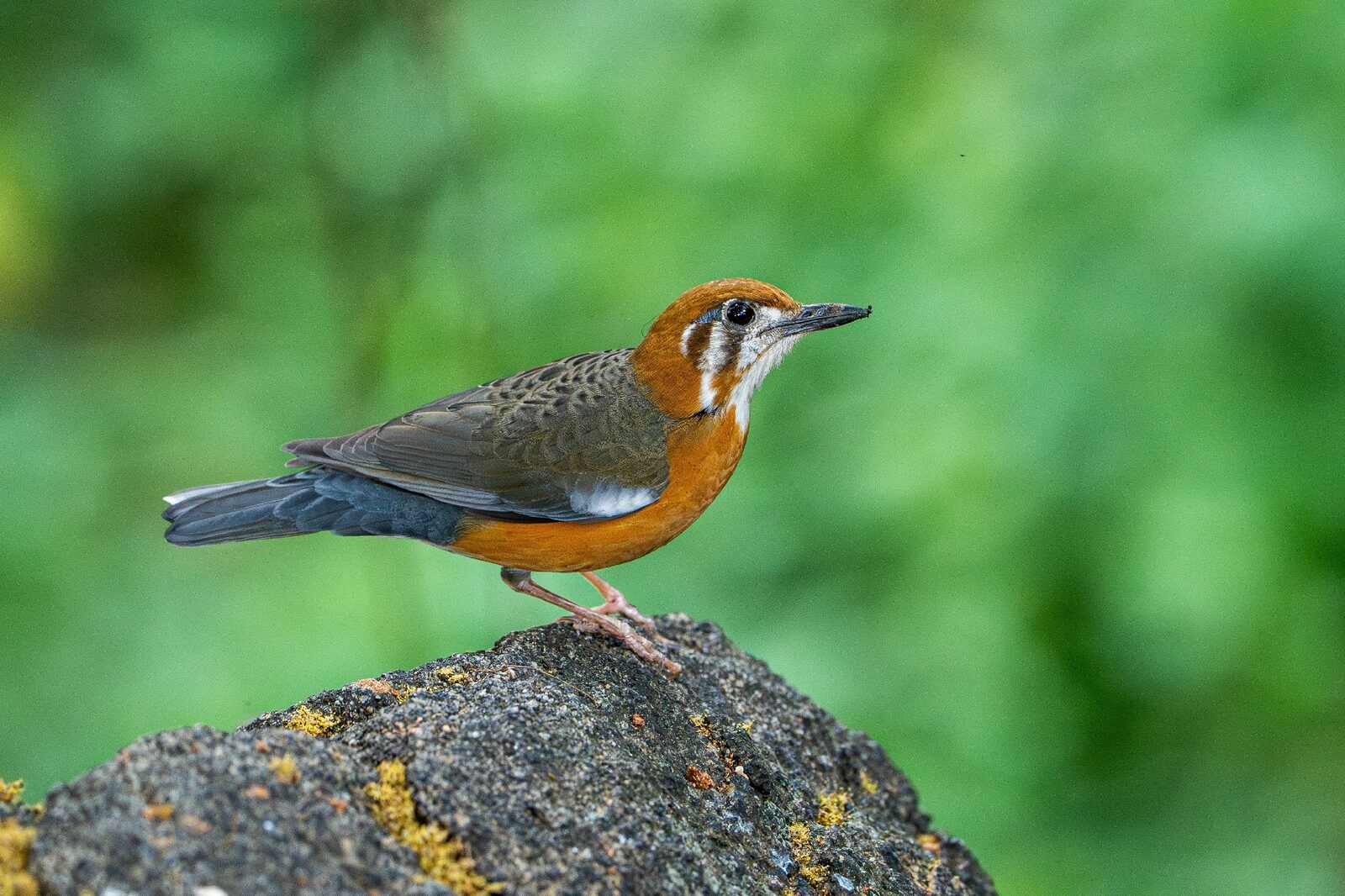
Orange-headed thrush
Geokichla citrina
- Status
- Least Concern IUCN Red List
- Eats
- java plum, marking nut-tree, bridelia retusa and 4 more
- Where
- 19 countries · wetland, forest
On 4Planet Atlas it is among the wildlife people record most around Bangkok, Dhaka and Mumbai, and 1 more of the cities we cover.
People have shared 79,498 records of the orange-headed thrush with GBIF, from 19 countries, most of them from India, Thailand and Bangladesh. Records collected by GloBI show it eating 7 different kinds of animals and plants.
Habitats
- Wetland
- Forest
What the orange-headed thrush eats, and what eats it
Studies have recorded it eating 7 kinds of animals and plants. Tap any of them to follow the food chain.
- Plants 7
Orange-headed thrush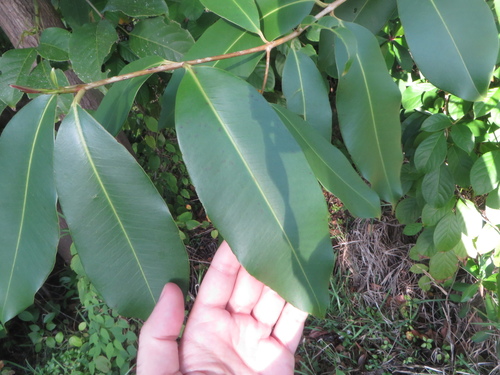
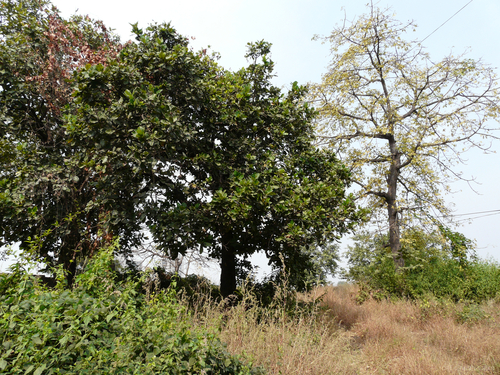
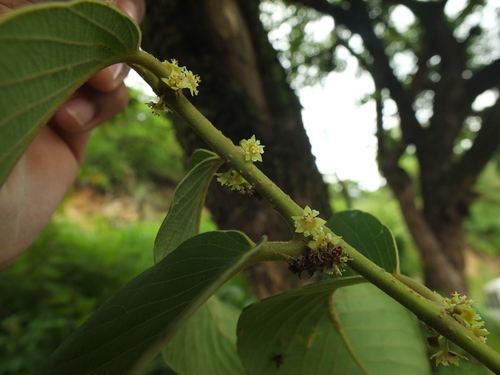
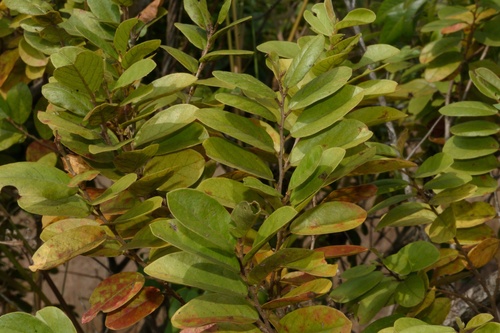
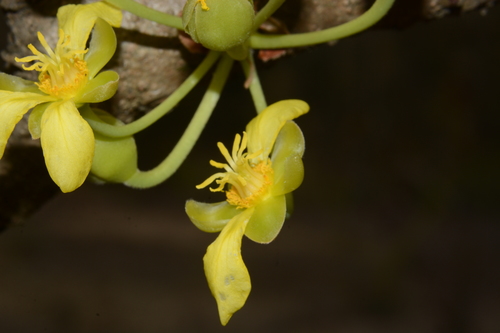
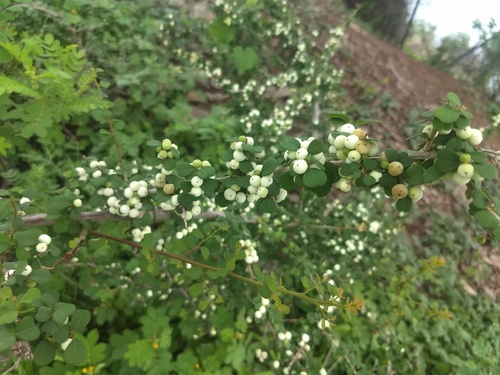
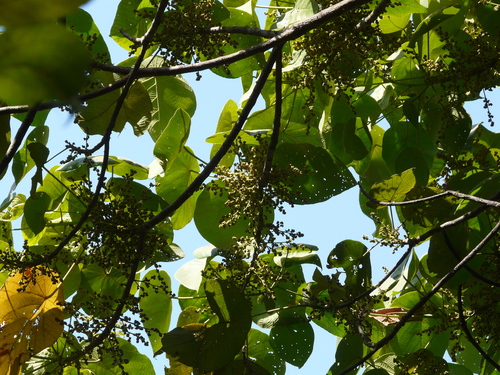
Records from studies worldwide, collected by GloBI. They include animals eaten as carrion, and they are not everything it eats in one place.
Where people see the orange-headed thrush
People have shared 79,498 records from 19 countries.
Near a city: Bangkok, Dhaka, Mumbai, Naypyidaw.
Records show where people have seen it and shared it, not its full range. Country names open their page in Atlas.
When it is seen
Records per month in the northern hemisphere. More people outdoors also means more records.
Watch and listen
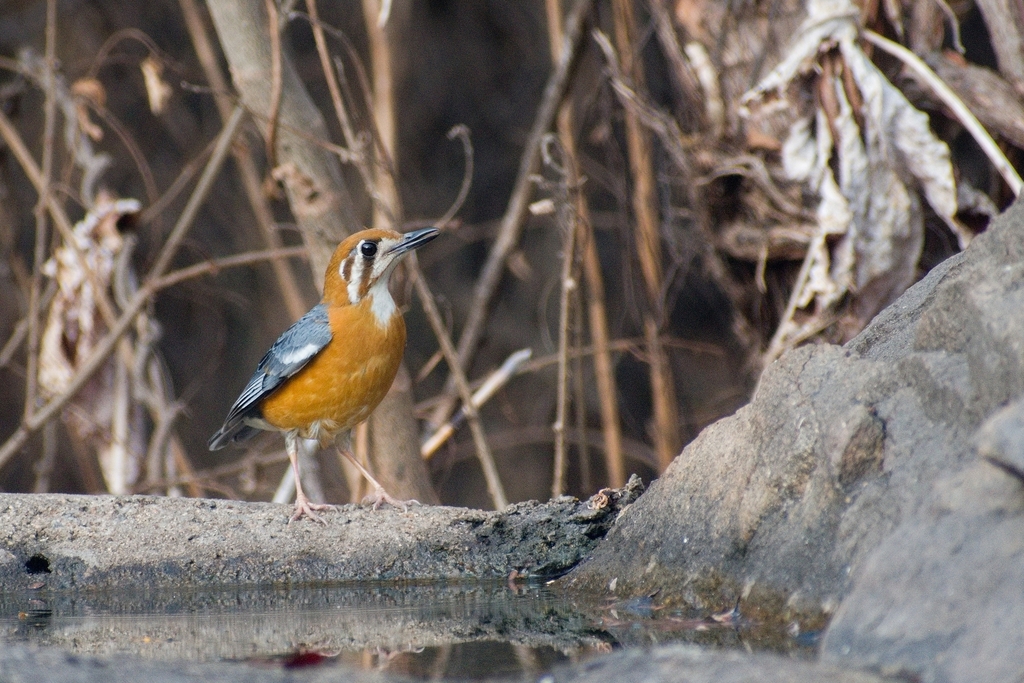
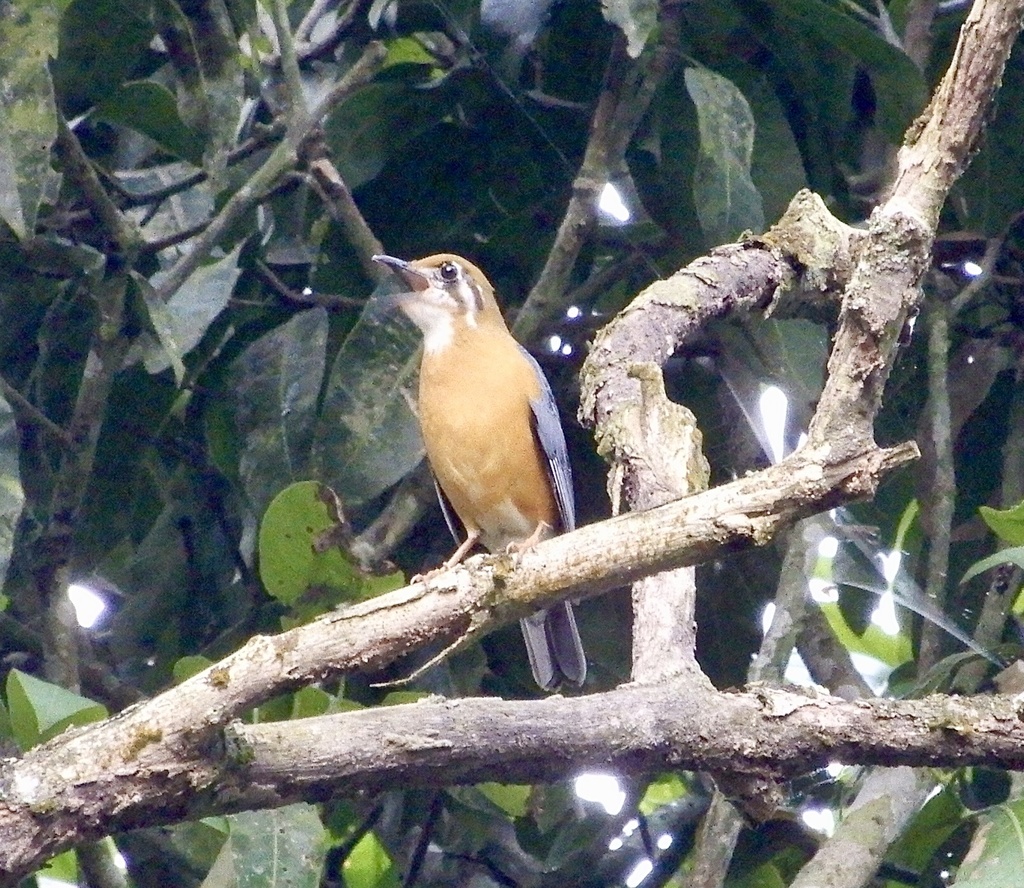
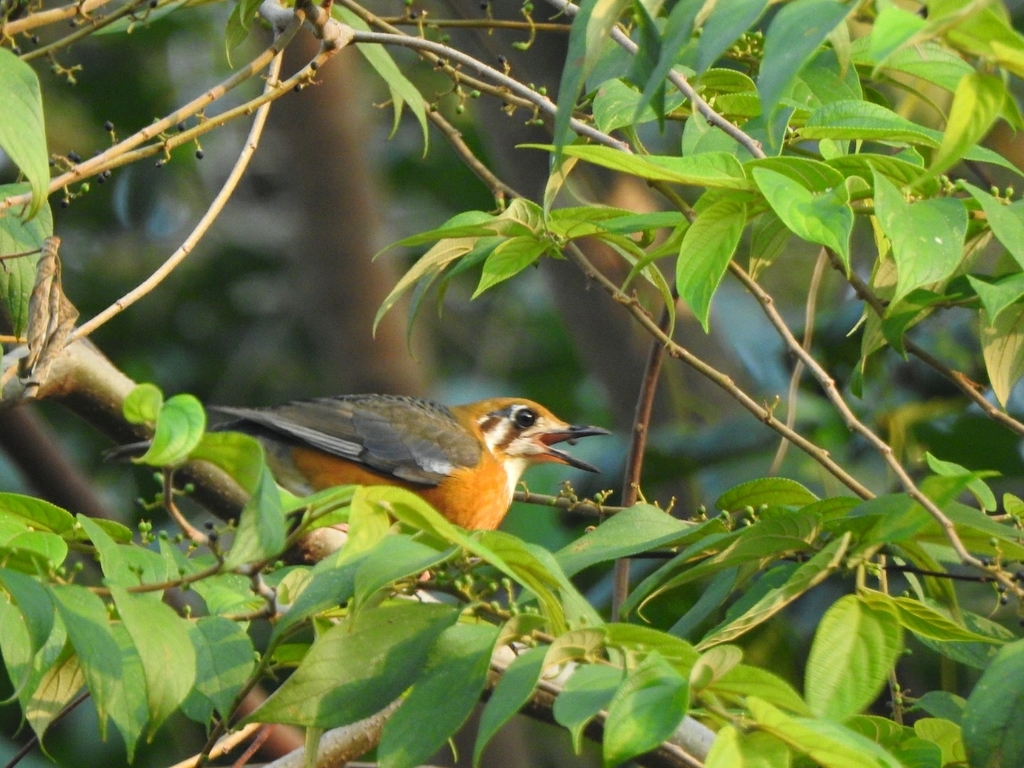
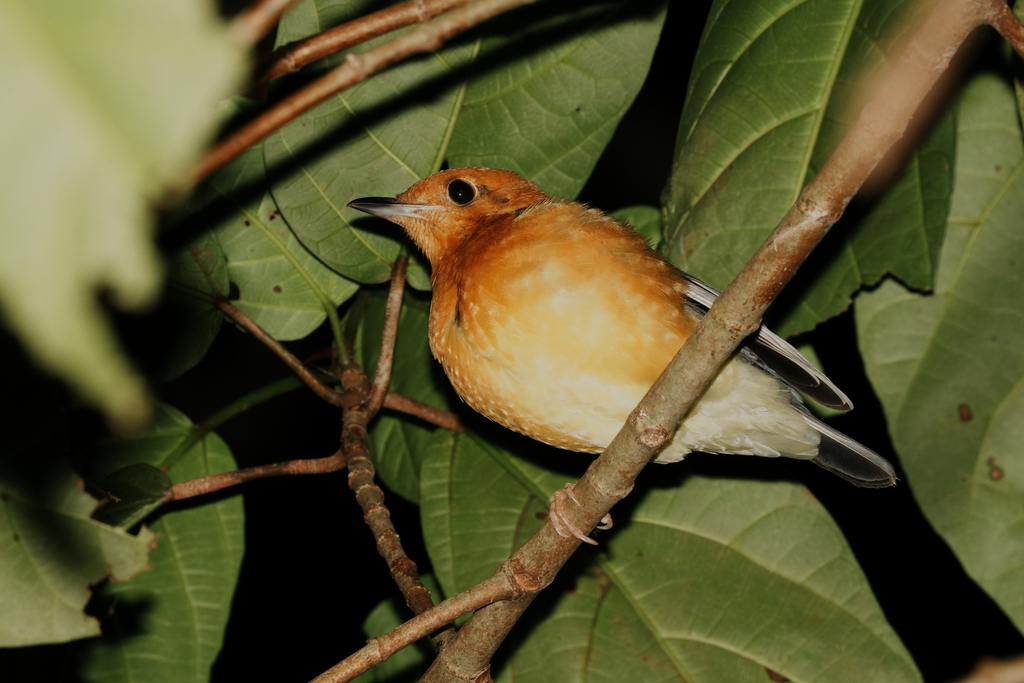
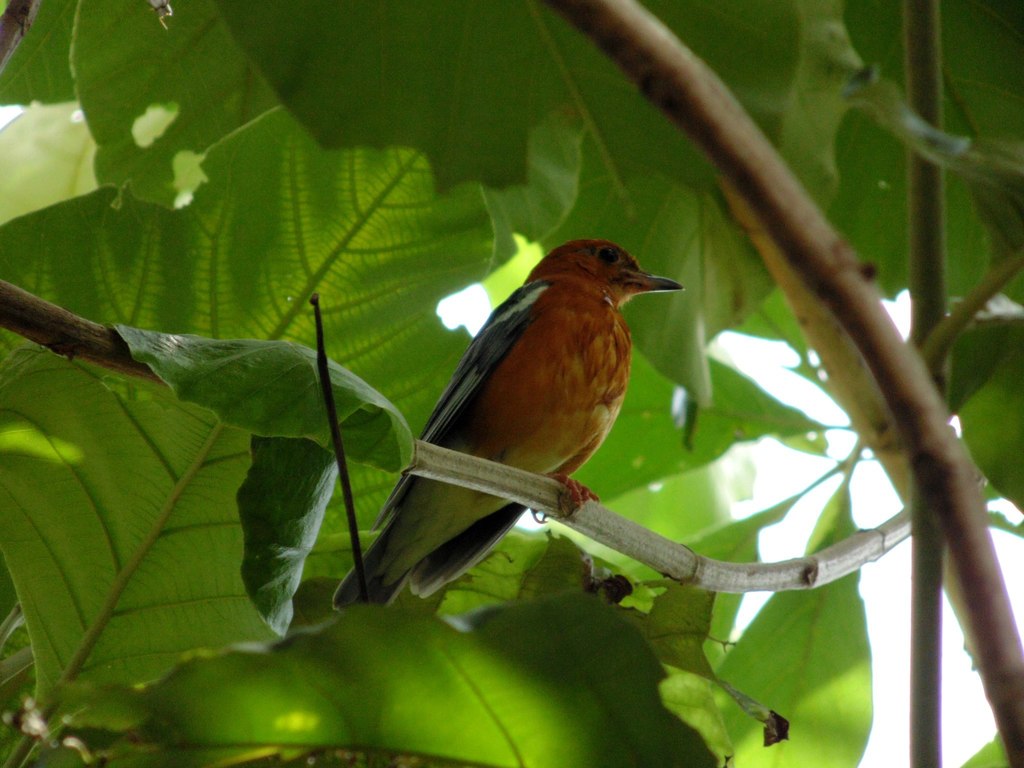
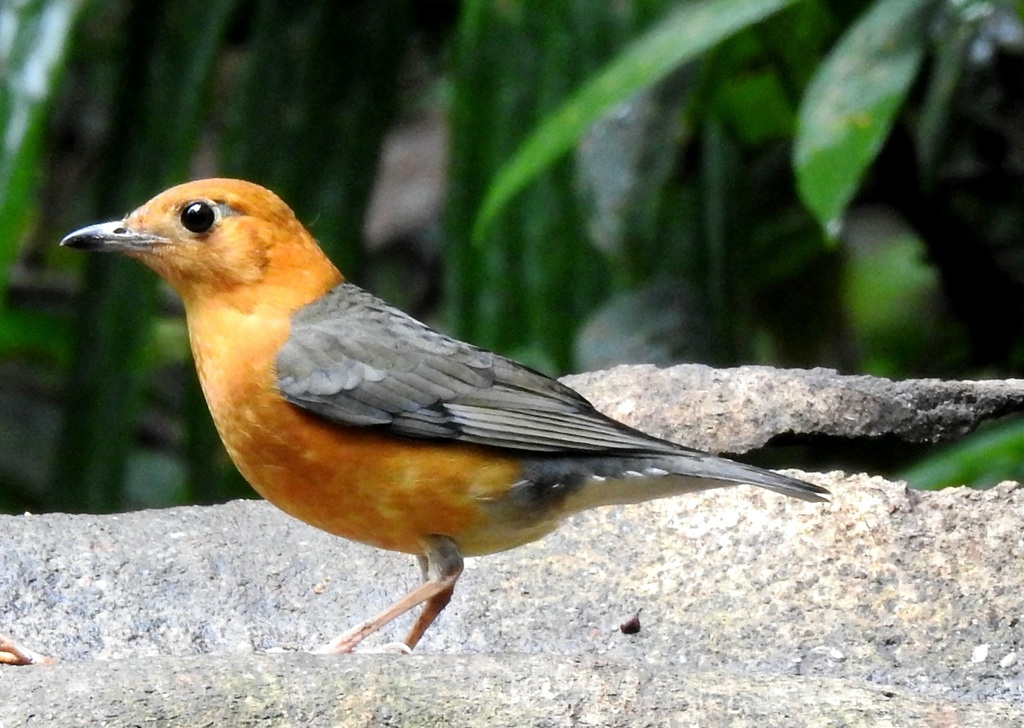
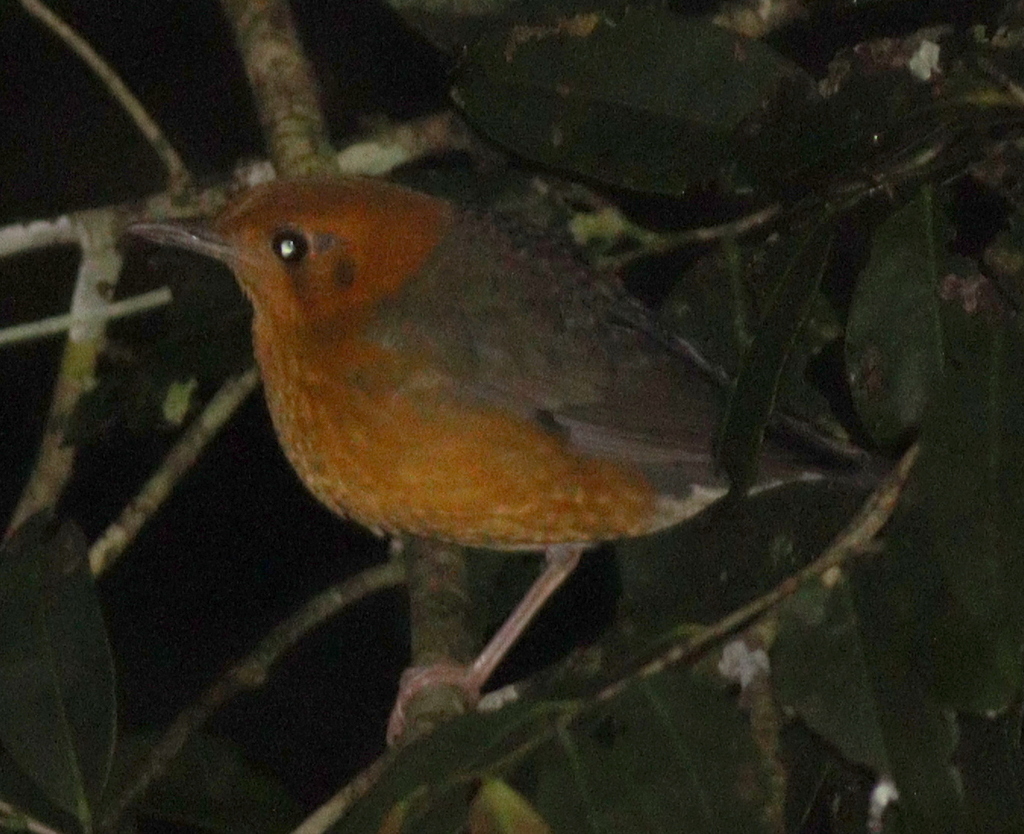
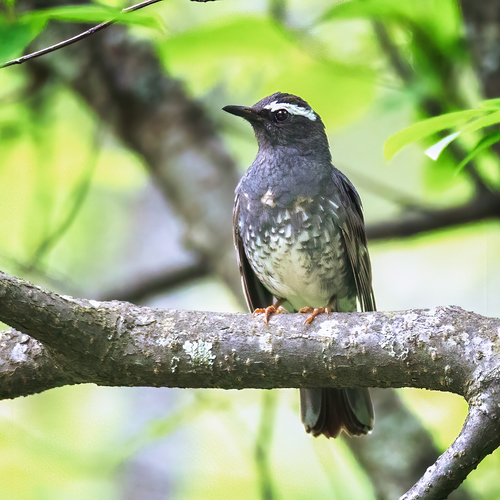
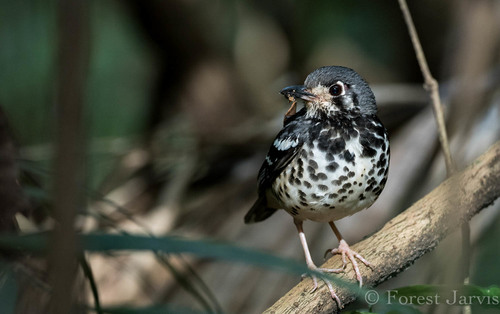
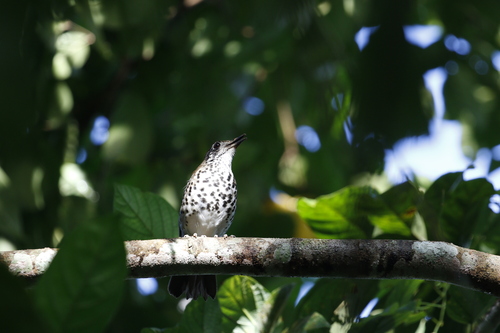
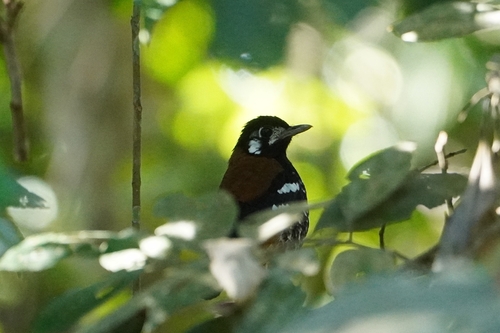
Its closest relatives
The other species of the genus Geokichla.

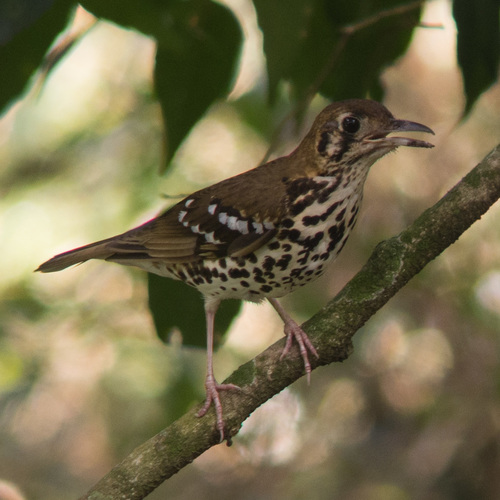
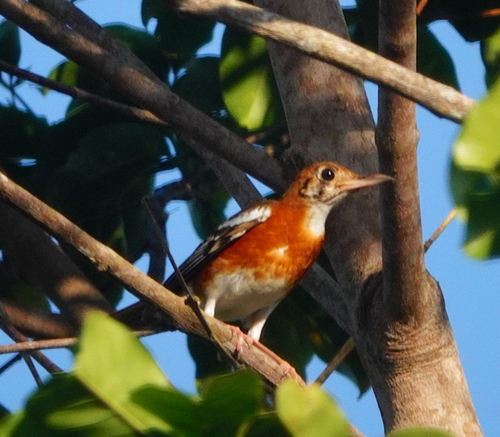
Seen an orange-headed thrush?
Share your photo on iNaturalist. Other naturalists help confirm it, and the record goes to GBIF, where scientists use it and where the maps on this page come from.
Put this species on your site
The card names every source and links back here.
<iframe src="https://4planetatlas.com/place/embed/species/orange-headed-thrush" title="Orange-headed thrush (Geokichla citrina), 4PLANET Species" width="100%" height="600" style="border:0;max-width:640px" loading="lazy"></iframe>
<p><a href="https://4species.com/orange-headed-thrush">Orange-headed thrush on 4PLANET Species</a></p>Explore next
What puts the orange-headed thrush under pressure, what helps, and who works on it.

Questions people ask
What does the orange-headed thrush eat?
The orange-headed thrush has been recorded eating 7 different kinds of animals and plants, most of them plants. The ones recorded most often are java plum, marking nut-tree, bridelia retusa, black currant-tree and hargoza; records include animals eaten as carrion. Source: GloBI.
Where does the orange-headed thrush live?
People have recorded it in 19 countries; the most records come from India, Thailand, Bangladesh, Malaysia and China. Records show where people have seen it, not its full range.
When is the orange-headed thrush seen most?
In the northern hemisphere, the most records are made in February and the fewest in September. More people outdoors also means more records.
What are the orange-headed thrush's closest relatives?
It shares the genus Geokichla with siberian thrush, chestnut-backed thrush, ashy thrush, spot-winged thrush and red-backed thrush.
Sources and photo credits
- GBIF · Geokichla citrina, 79,498 human observations
- GloBI · recorded interactions of Geokichla citrina
- Wikidata · Orange-headed thrush (Q26833749)
- Orange-headed thrush (Geokichla citrina): Srivatsan Ramkumar, CC BY 4.0
- Orange-headed thrush (Geokichla citrina), Devasandra Layout, Bengaluru, Karnataka, India: Utsav Biswas, CC BY-SA 4.0
- Orange-headed thrush (Geokichla citrina), Udumbanchola, Idukki, KL, IN: Seema Merchant, CC BY 4.0
- Orange-headed thrush (Geokichla citrina), Kattampally: Afsar Nayakkan, CC BY 4.0
- Orange-headed thrush (Geokichla citrina), Thma Bang, KH, KK: Gerard Chartier, CC BY 4.0
- Orange-headed thrush (Geokichla citrina), Kokuvil East, Sri Lanka: Aravinth, CC BY 4.0
- Orange-headed thrush (Geokichla citrina), Bukit Tinggi, 28750 Bentong, Pahang, Malaysia: lunarjade, CC BY 4.0
- Orange-headed thrush (Geokichla citrina), Kaeng Krachan, Kaeng Krachan, Phetchaburi, Thailand: Jan Ebr & Ivana Ebrová, CC BY 4.0
- Orange-headed thrush (Geokichla citrina), Lion Rock, Hong Kong: portioid, CC BY 4.0
- Java plum: Ben Machado, CC BY 4.0
- Marking nut-tree: Dinesh Valke, CC BY-SA 4.0
- Bridelia retusa: Siddarth Machado, CC BY 4.0
- Black currant-tree: deepachandran, CC BY-SA 4.0
- Hargoza: no rights reserved, uploaded by Sushant More, CC0
- Bushweed: P Jeganathan, CC BY 4.0
- Macaranga peltata: Dinesh Valke, CC BY-SA 4.0
- Siberian thrush: egorbirder, CC BY 4.0
- Chestnut-backed thrush: Simon J. Tonge, CC BY 4.0
- Ashy thrush: Forest Botial-Jarvis, CC BY 4.0
- Spot-winged thrush: Mickey Wu, CC BY 4.0
- Red-backed thrush: Ben Costamagna, CC BY 4.0
- Spotted ground thrush: Eric Gropp, CC BY 4.0
- Orange-sided thrush: desertnaturalist, CC BY 4.0
Records show where people have seen and shared the orange-headed thrush, not its full range, and some countries and months are recorded far more than others. The food web lists interactions that studies have recorded somewhere in the world (GloBI), not everything it eats in one place.
Checked 2026-11-22.