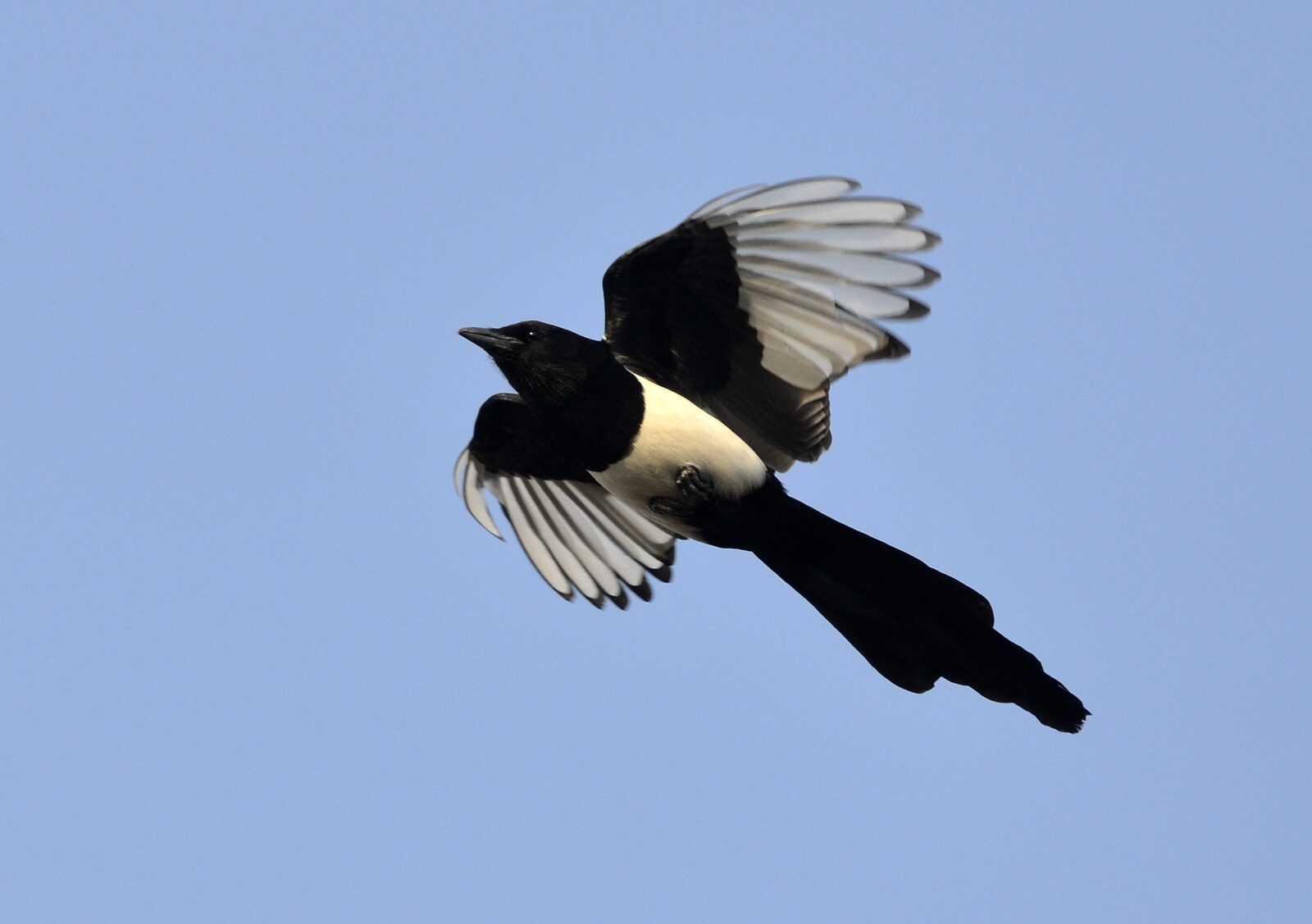
Oriental magpie
Pica serica
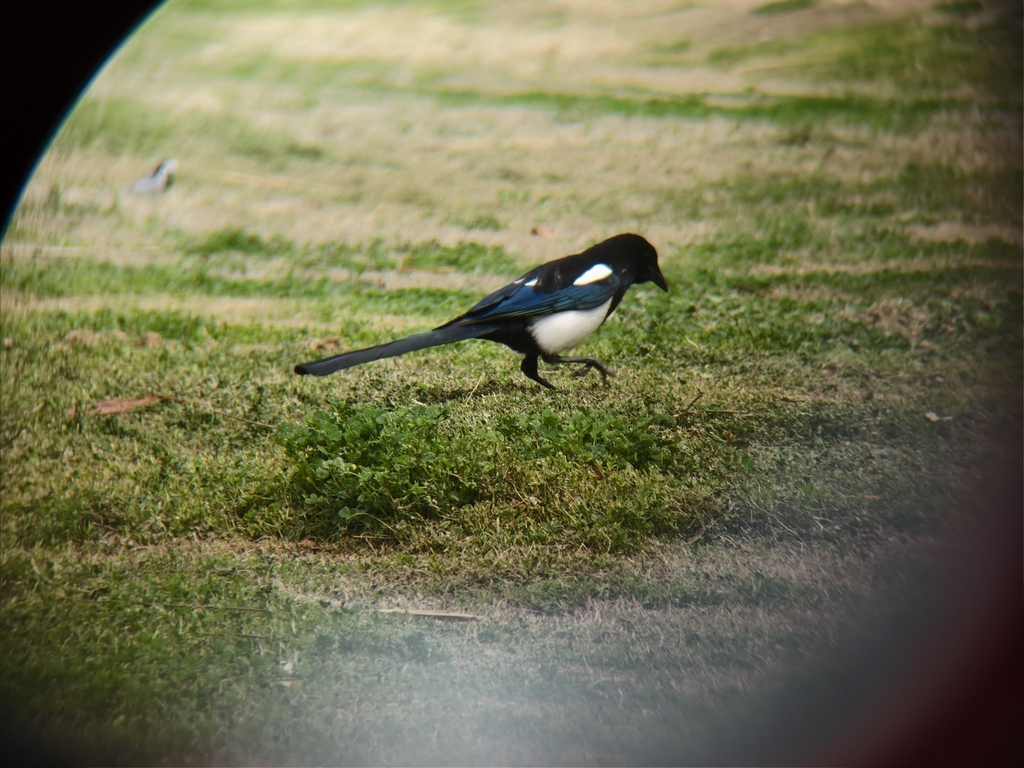
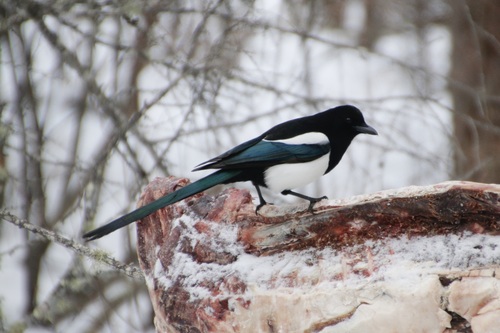
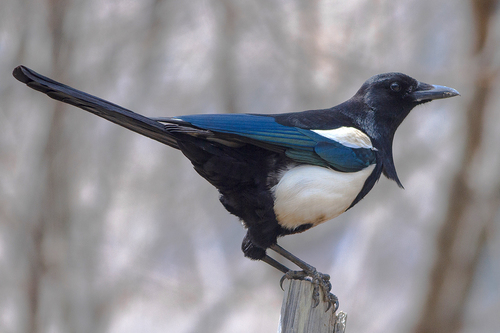
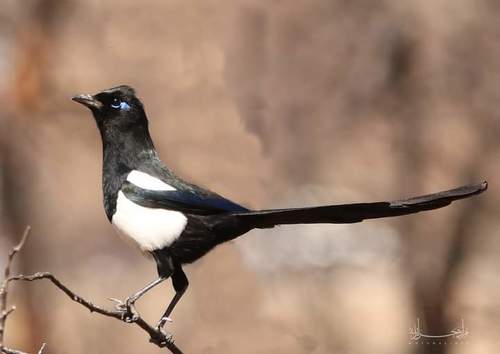
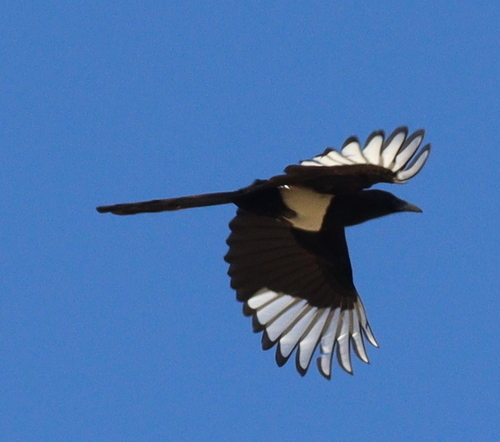
The magpie of East Asia, a long-tailed black-and-white crow.
- Status
- IUCN Red List
- Eats
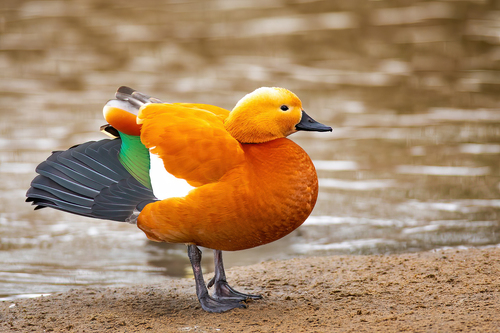
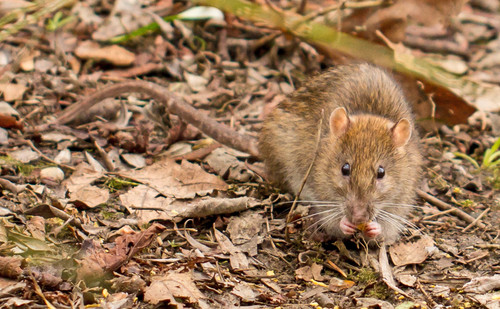
- ruddy shelduck, brown rat, Japanese persimmon and 3 more
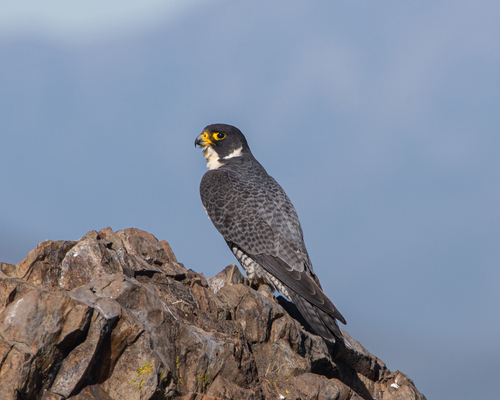
- Eaten by
- peregrine falcon
- Where
- 15 countries
On 4Planet Atlas it is among the wildlife people record most around Beijing, Seoul and Shanghai.
People have shared 330,499 records of the oriental magpie with GBIF, from 15 countries, most of them from Taiwan, China and South Korea. Records collected by GloBI show it eating 6 different kinds of animals and plants, and being eaten by 1.
What the oriental magpie eats, and what eats it
Studies have recorded it eating 6 kinds of animals and plants, and 1 kinds of animals eating it. Tap any of them to follow the food chain.
- Insects 2
- Birds 2
- Mammals 1
- Plants 1
Eaten by
 Oriental magpie
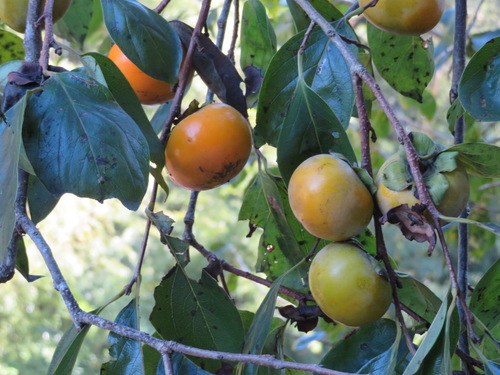

Records from studies worldwide, collected by GloBI. They include animals eaten as carrion, and they are not everything it eats in one place.
Where people see the oriental magpie
People have shared 330,499 records from 15 countries.
Near a city: Beijing, Seoul, Shanghai.
Records show where people have seen it and shared it, not its full range. Country names open their page in Atlas.
When it is seen
Records per month in the northern hemisphere. More people outdoors also means more records.
Watch and listen
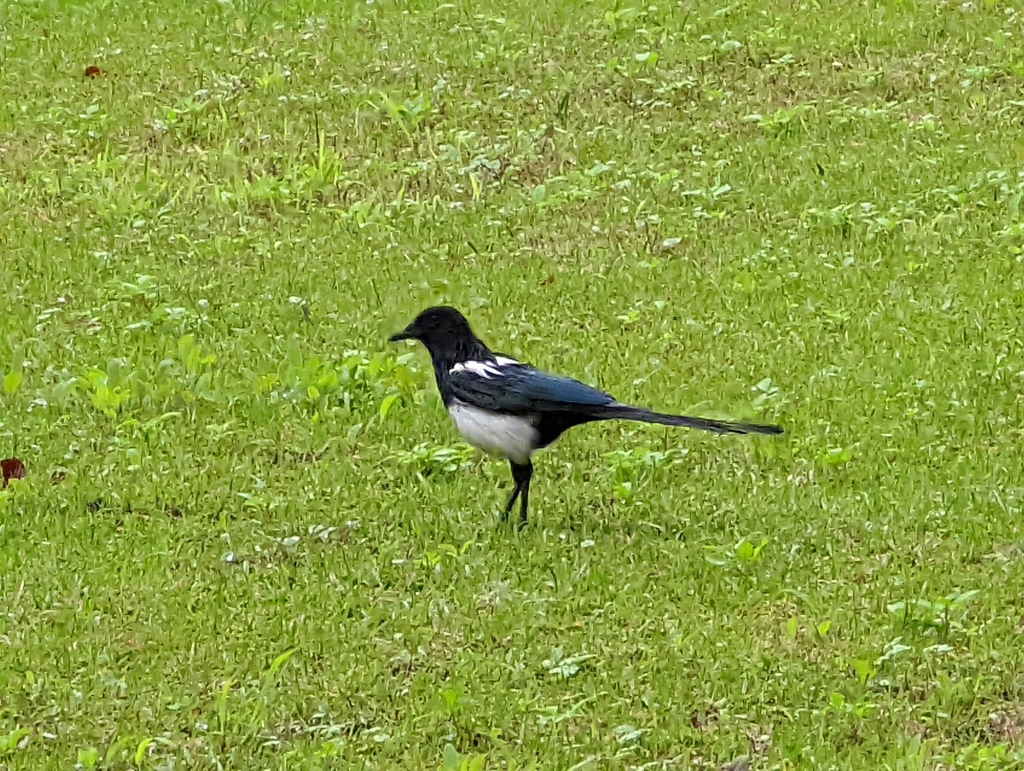
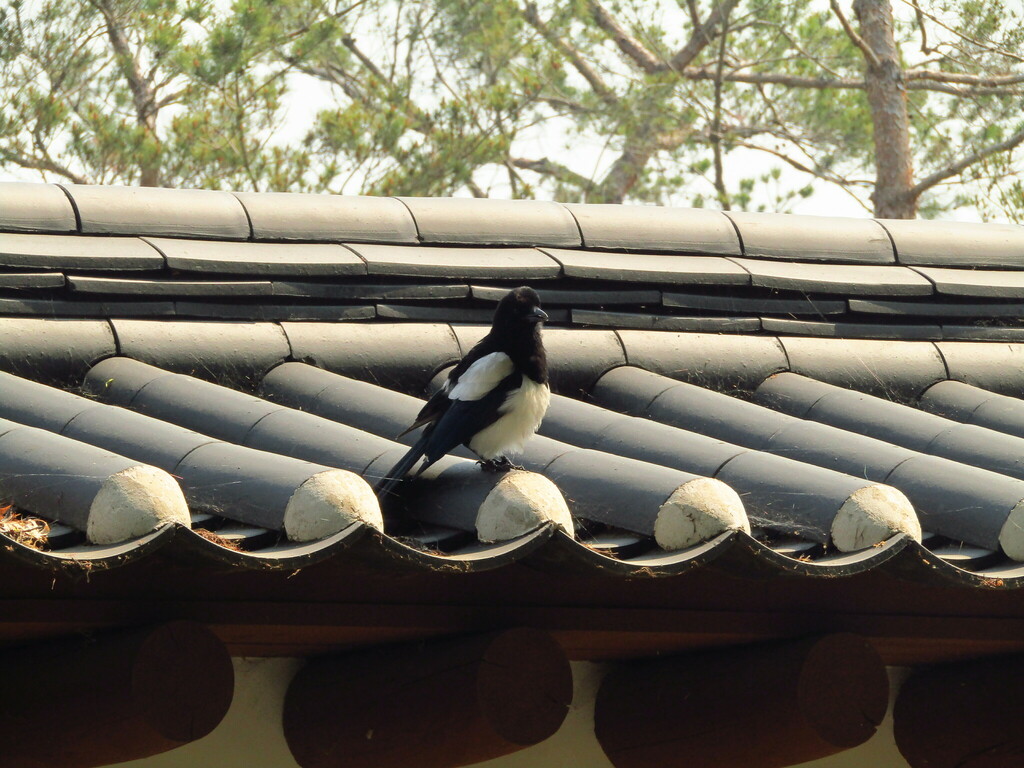
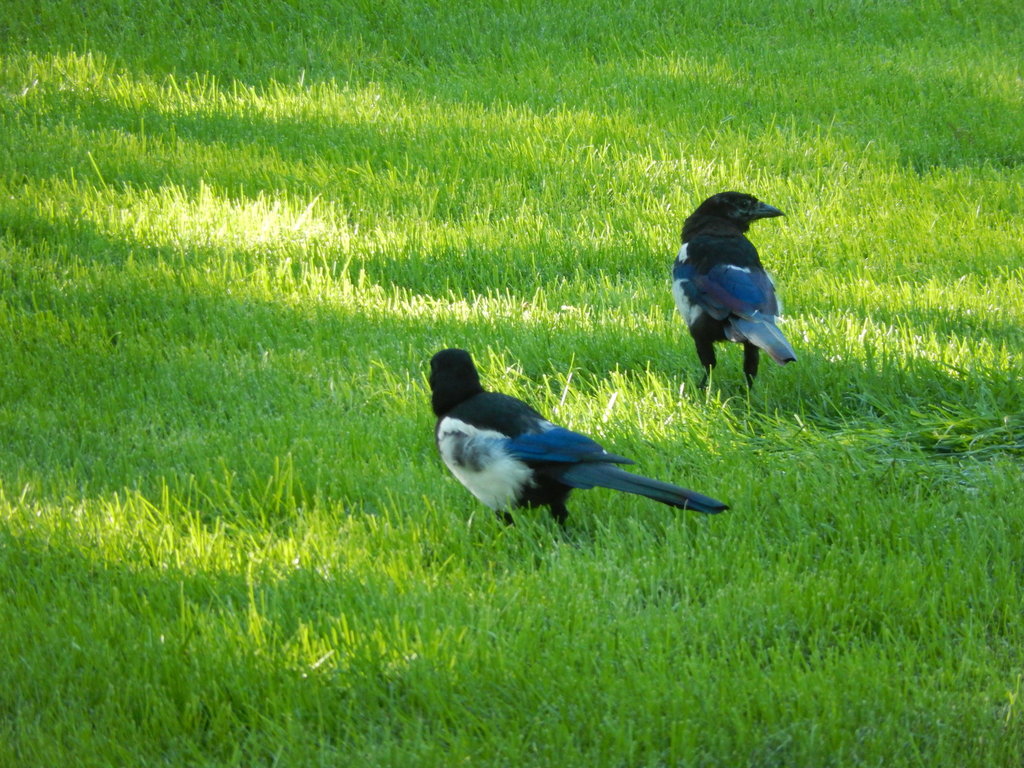
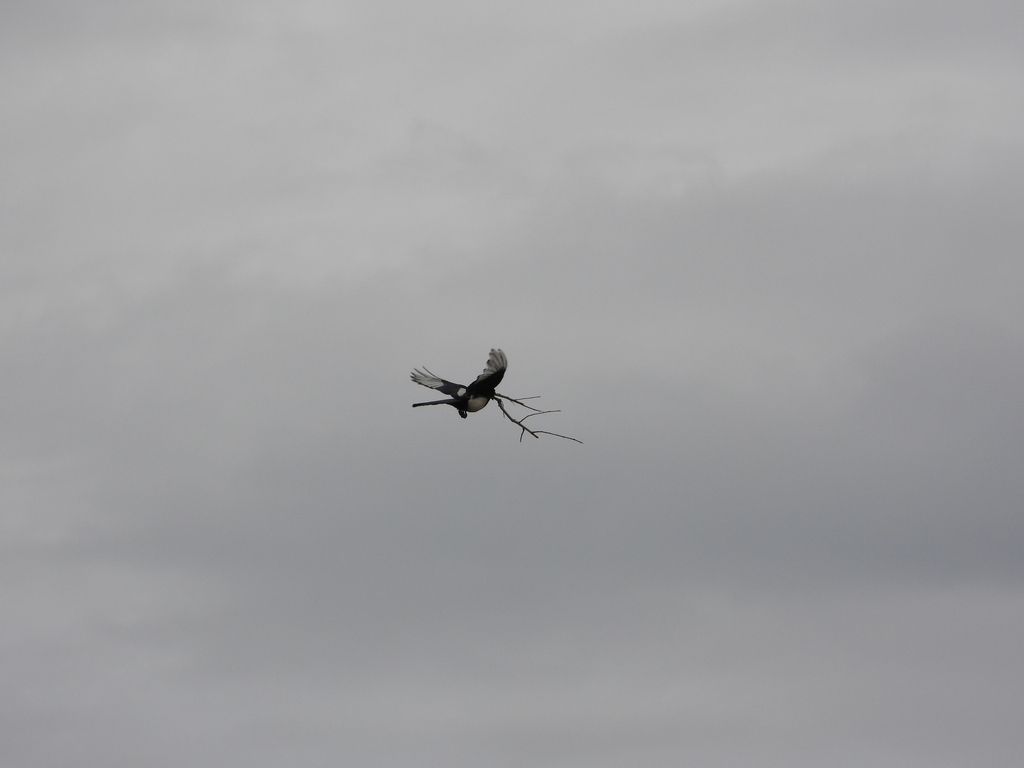
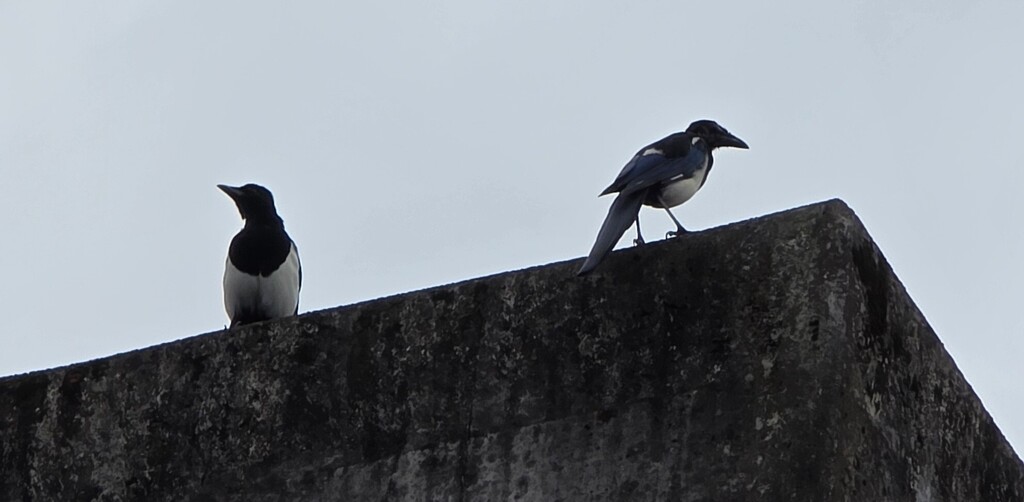
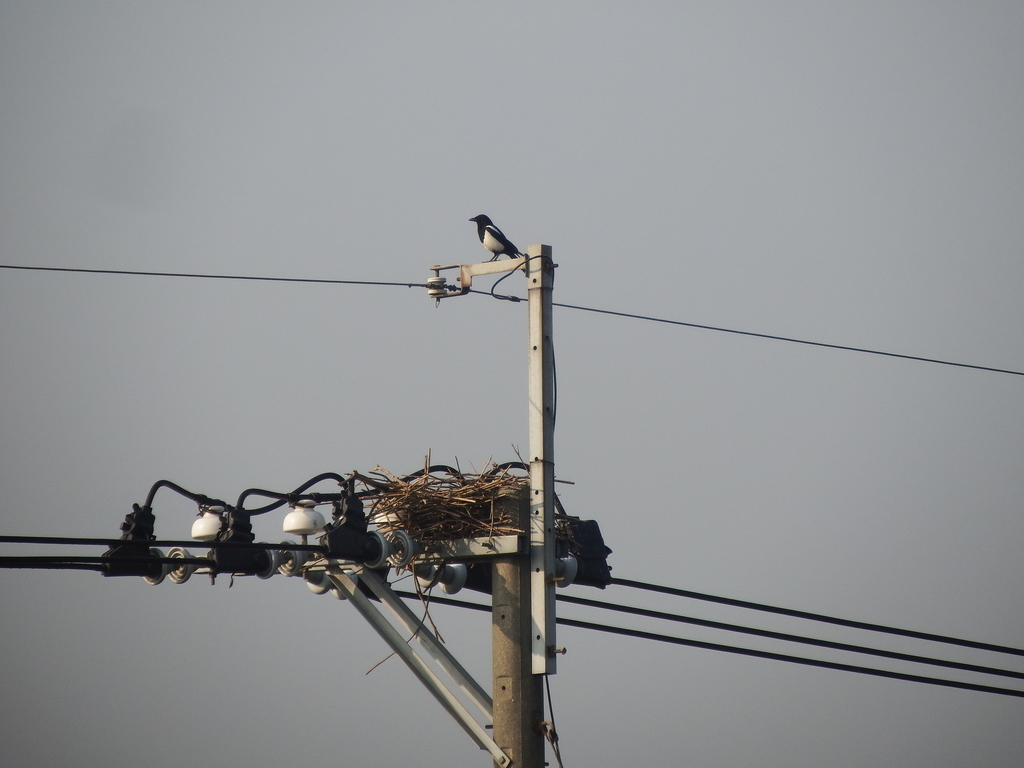
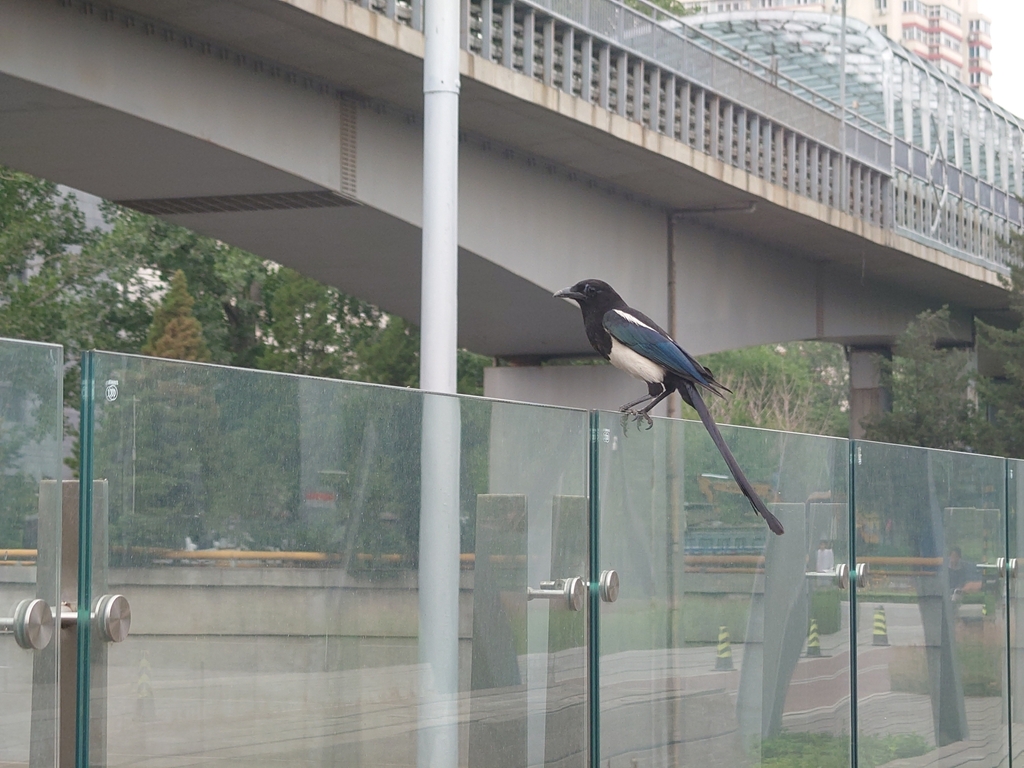
Its closest relatives
The other species of the genus Pica.
Seen a oriental magpie?
Share your photo on iNaturalist. Other naturalists help confirm it, and the record goes to GBIF, where scientists use it and where the maps on this page come from.
Questions people ask
What does the oriental magpie eat?
The oriental magpie has been recorded eating 6 different kinds of animals and plants, most of them insects, birds, mammals and plants. The ones recorded most often are ruddy shelduck, brown rat, japanese persimmon and azure-winged magpie; records include animals eaten as carrion. Source: GloBI.
What eats the oriental magpie?
Recorded predators include peregrine falcon. Source: GloBI.
Where does the oriental magpie live?
People have recorded it in 15 countries; the most records come from Taiwan, China, South Korea, Hong Kong SAR China and Russia. Records show where people have seen it, not its full range.
When is the oriental magpie seen most?
In the northern hemisphere, the most records are made in April and the fewest in July. More people outdoors also means more records.
What are the oriental magpie's closest relatives?
It shares the genus Pica with eurasian magpie, black-billed magpie, black-rumped magpie, maghreb magpie and asir magpie.
Sources and photo credits
- GBIF · Pica serica, 330,499 human observations
- GloBI · recorded interactions of Pica serica
- Wikidata · Oriental magpie (Q1133750)
- Oriental magpie (Pica serica): Zinogre, CC BY-SA 4.0
- Oriental magpie (Pica serica), 220台灣新北市板橋區亞東科技大學: 李奕寯, CC0
- Oriental magpie (Pica serica), Jongno-gu, Seoul, South Korea: Samuele Papeschi, CC BY 4.0
- Oriental magpie (Pica serica), Dongcheng, Beijing, China: Y. Liu, CC BY 4.0
- Oriental magpie (Pica serica), 台灣台北: 高山田鼠, CC BY 4.0
- Oriental magpie (Pica serica), 台灣新北市板橋區新北: 胡正恆(Jackson Hu), CC BY 4.0
- Oriental magpie (Pica serica), 台灣台北: 高山田鼠, CC BY 4.0
- Oriental magpie (Pica serica), Beijing, Beijing, CN: Zheyuan LIU, CC BY 4.0
- Oriental magpie (Pica serica), Ma'anshan, CN-AH, CN: 7695_Reikyu, CC BY 4.0
- Ruddy shelduck: egorbirder, CC BY 4.0
- Brown rat: Martin Cooper, CC BY 4.0
- Japanese persimmon: Marco Mussita, CC BY 4.0
- Azure-winged magpie: zinogre, CC BY-SA 4.0
- Peregrine falcon: Nicolás Villaseca Merino, CC BY-SA 4.0
- Black-billed magpie: Rose Zappa, CC BY 4.0
- Black-rumped magpie: Dibyendu Ash, CC BY-SA 4.0
- Maghreb magpie: Mourad Harzallah, CC BY 4.0
- Asir magpie: Jan Ebr & Ivana Ebrová, CC BY 4.0
Records show where people have seen and shared the oriental magpie, not its full range, and some countries and months are recorded far more than others. The food web lists interactions that studies have recorded somewhere in the world (GloBI), not everything it eats in one place.
Checked 2026-11-22.