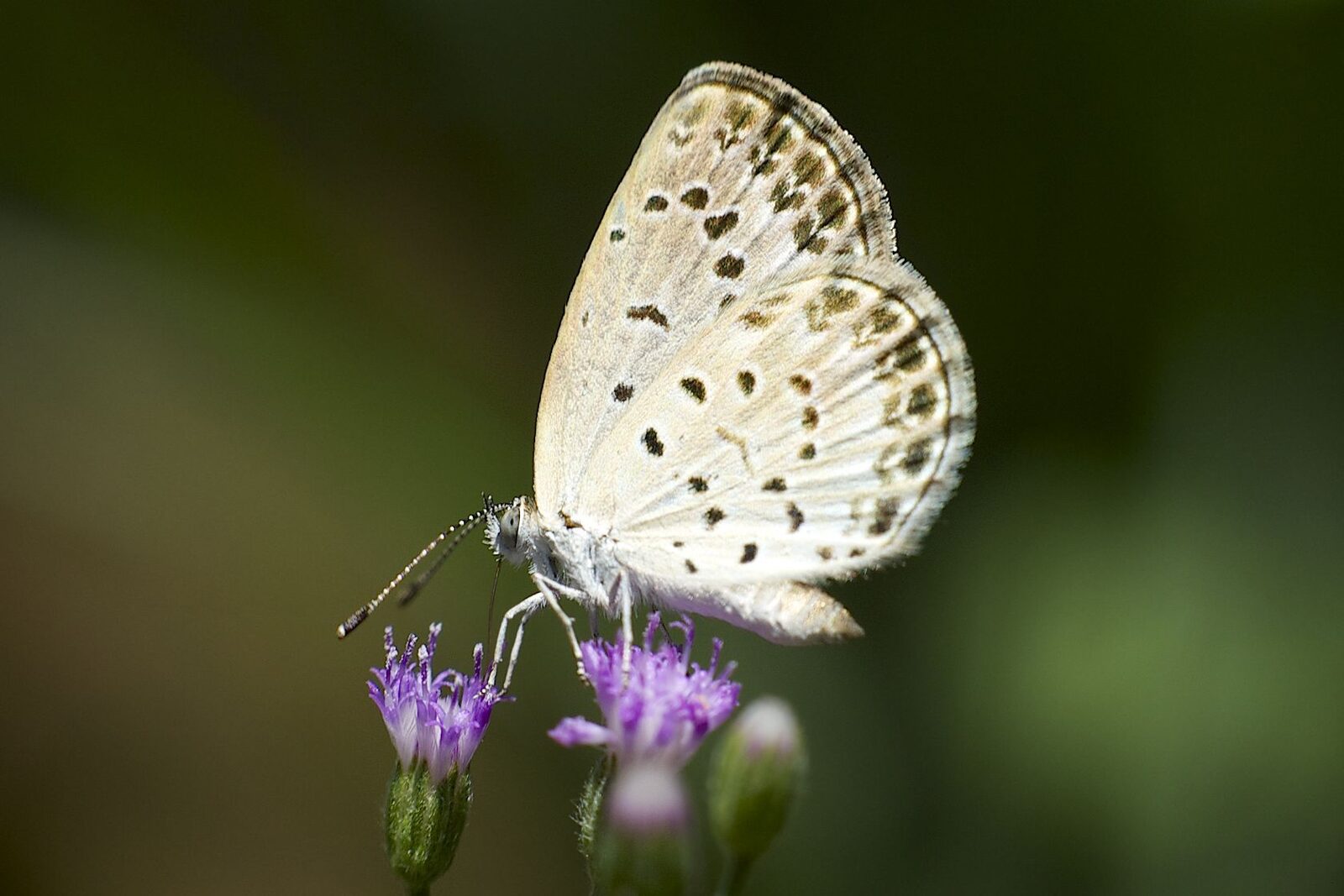
Pale grass blue
Pseudozizeeria maha
- Status
- IUCN Red List
- Eats
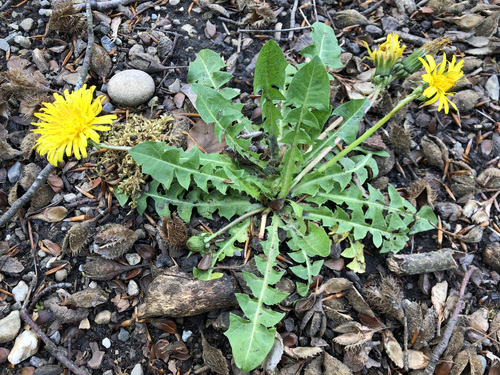
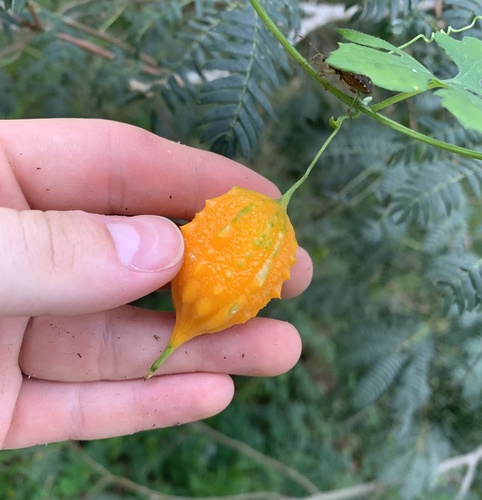
- procumbent yellow-sorrel, common dandelion, balsam pear and 49 more
- Where
- 19 countries
On 4Planet Atlas it is among the wildlife people record most around Shanghai and Tokyo.
People have shared 14,985 records of the pale grass blue with GBIF, from 19 countries, most of them from Japan, Taiwan and Hong Kong SAR China. Records collected by GloBI show it eating 52 different kinds of animals and plants.
What the pale grass blue eats, and what eats it
Studies have recorded it eating 52 kinds of animals and plants. Tap any of them to follow the food chain.
- Plants 51
- Insects 1
Pale grass blue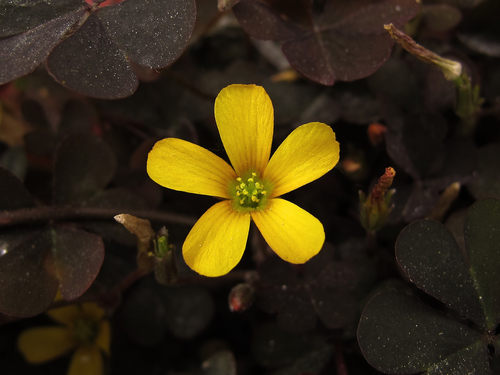
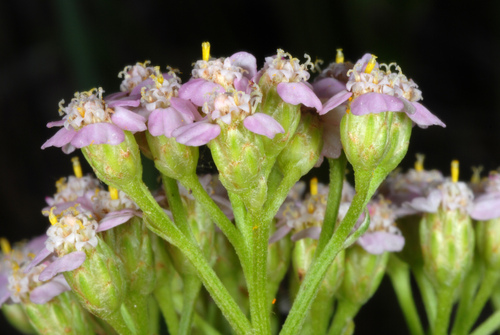

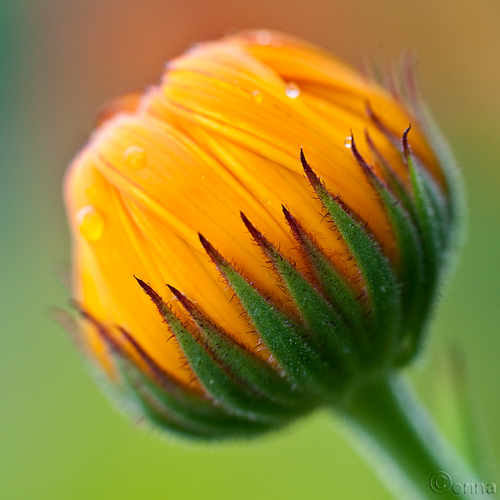

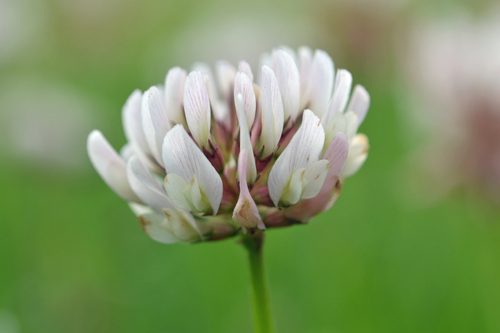
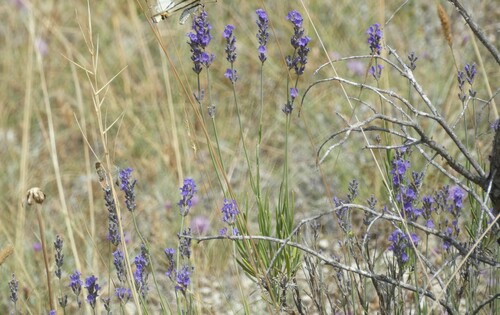
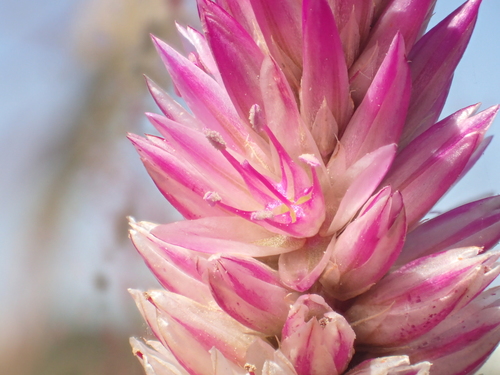
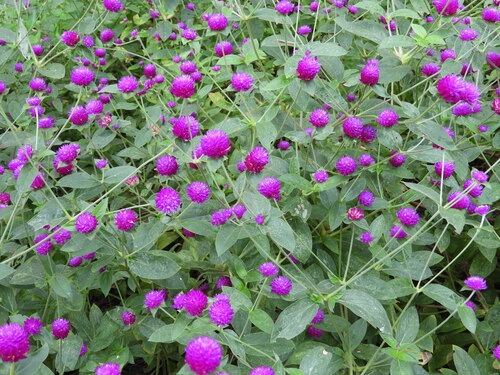
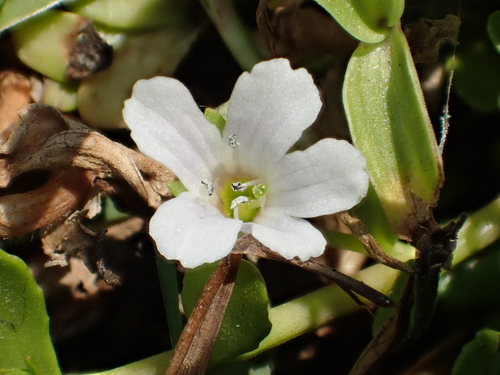
Records from studies worldwide, collected by GloBI. They include animals eaten as carrion, and they are not everything it eats in one place.
Where people see the pale grass blue
People have shared 14,985 records from 19 countries.
Records show where people have seen it and shared it, not its full range. Country names open their page in Atlas.
When it is seen
Records per month in the northern hemisphere. More people outdoors also means more records.
Watch and listen
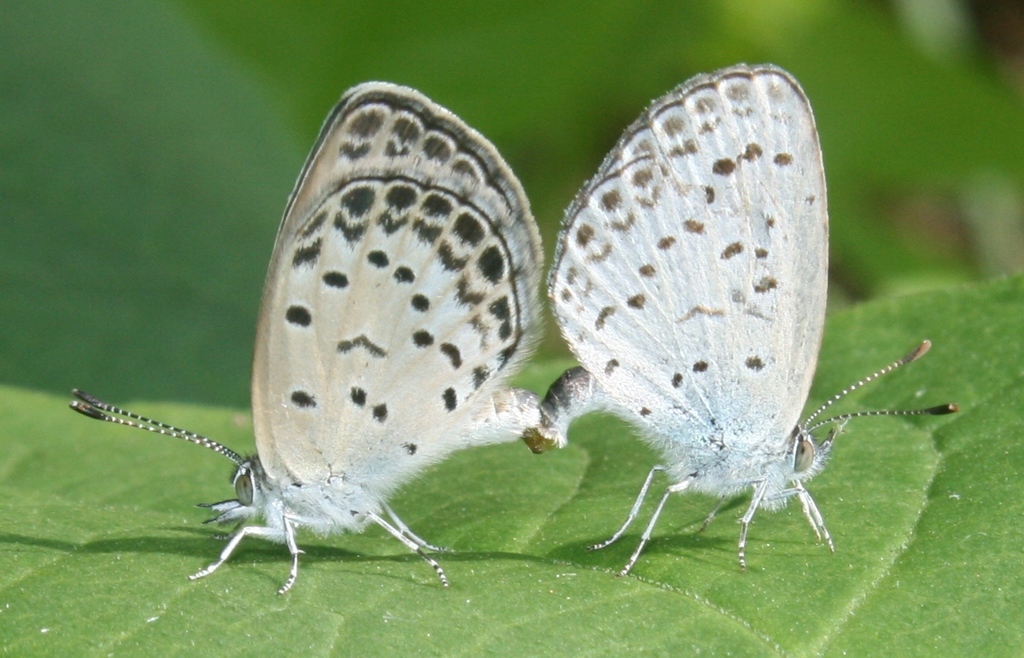
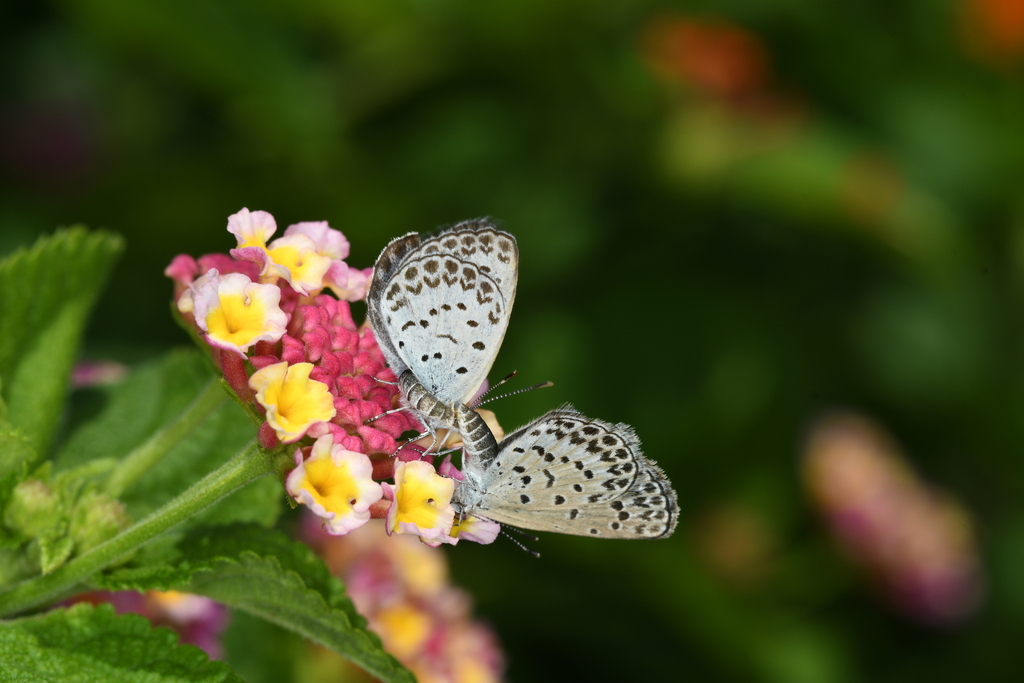
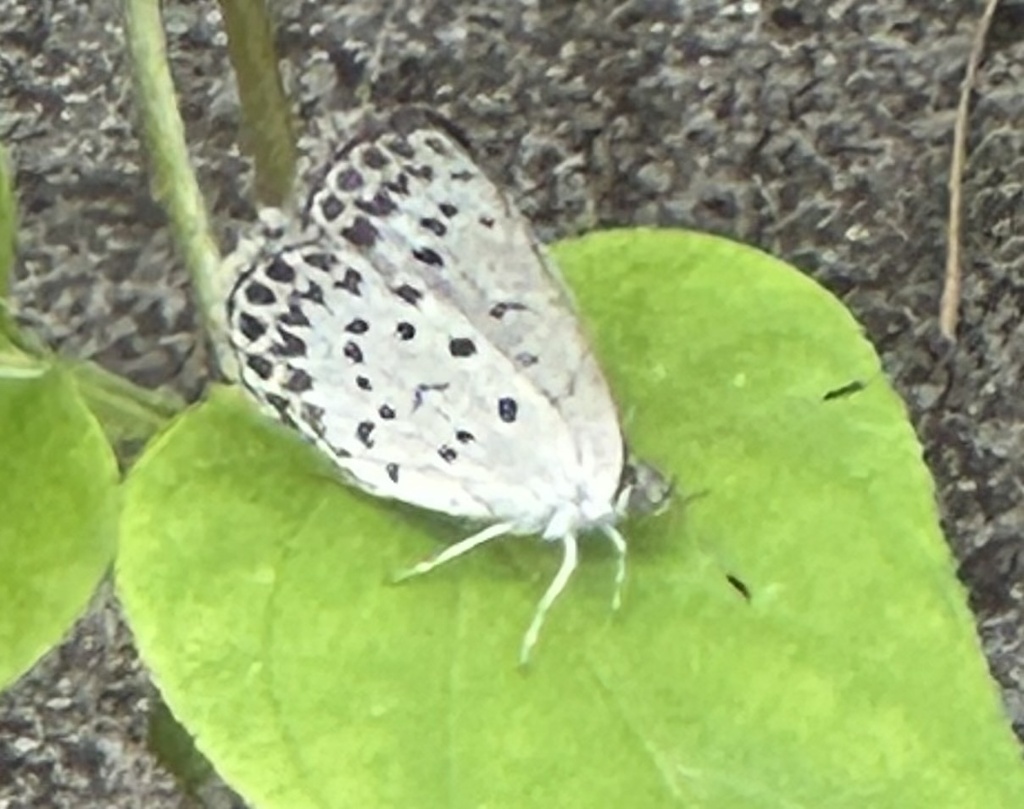
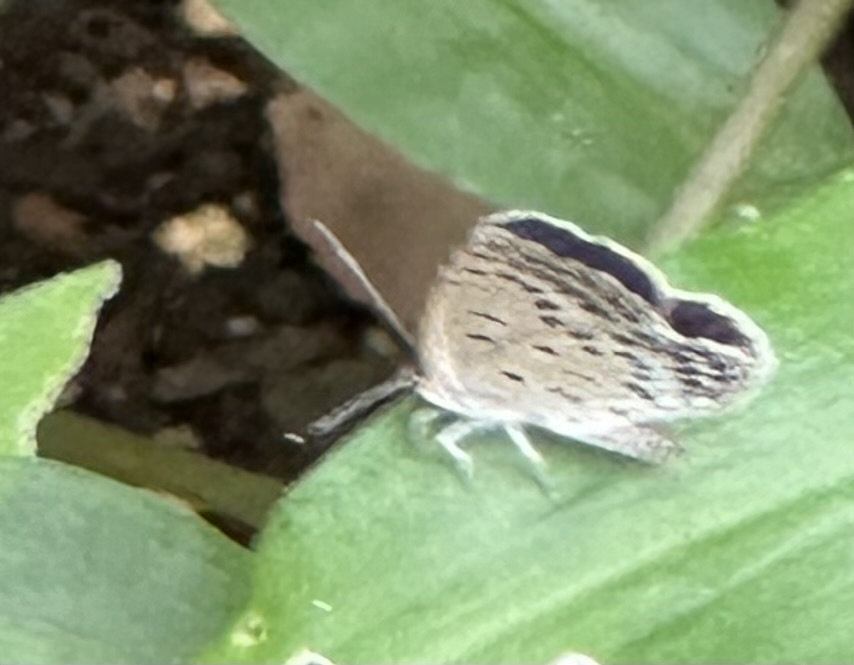
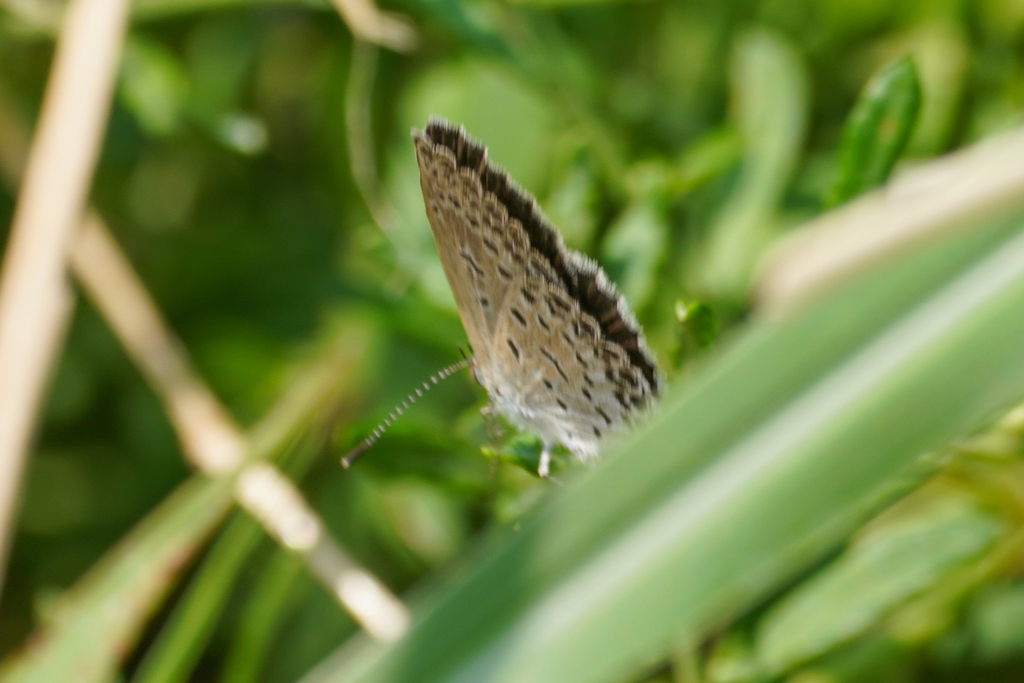
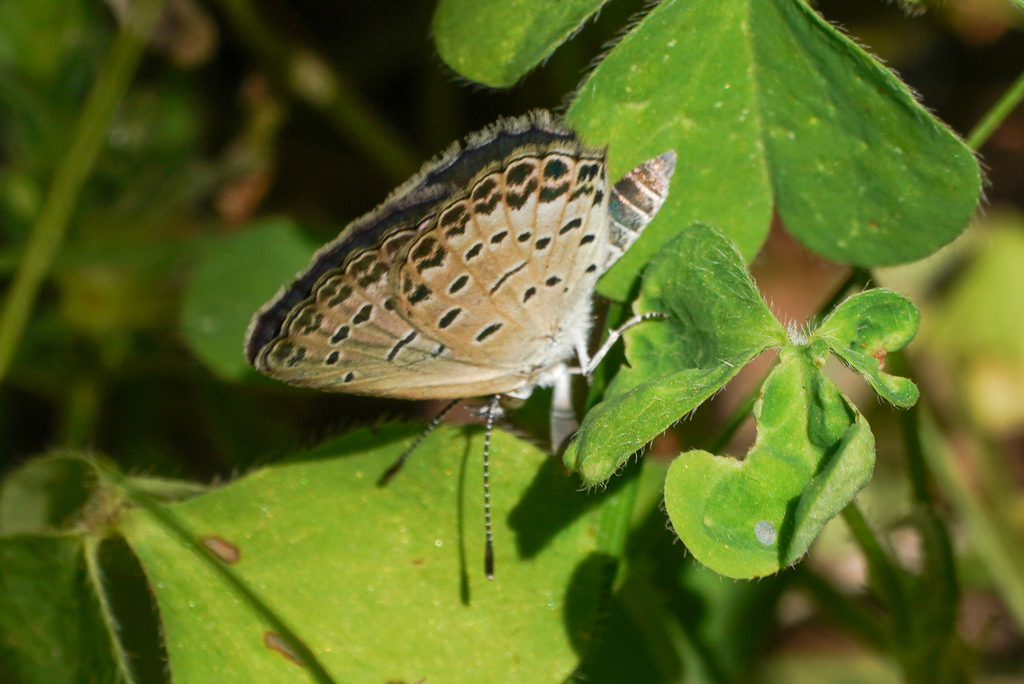
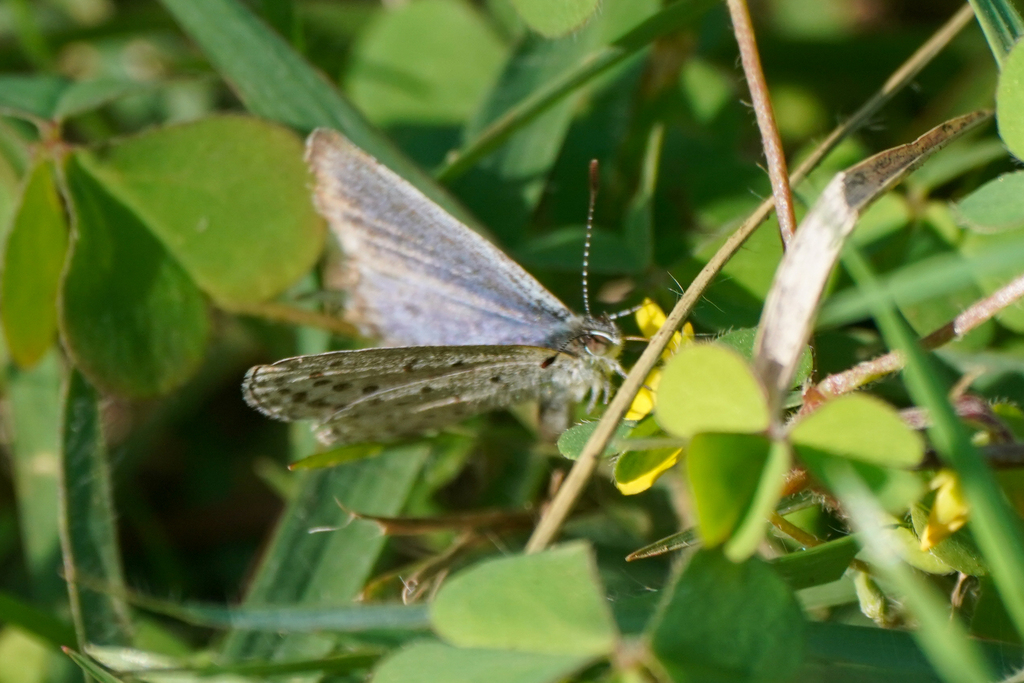
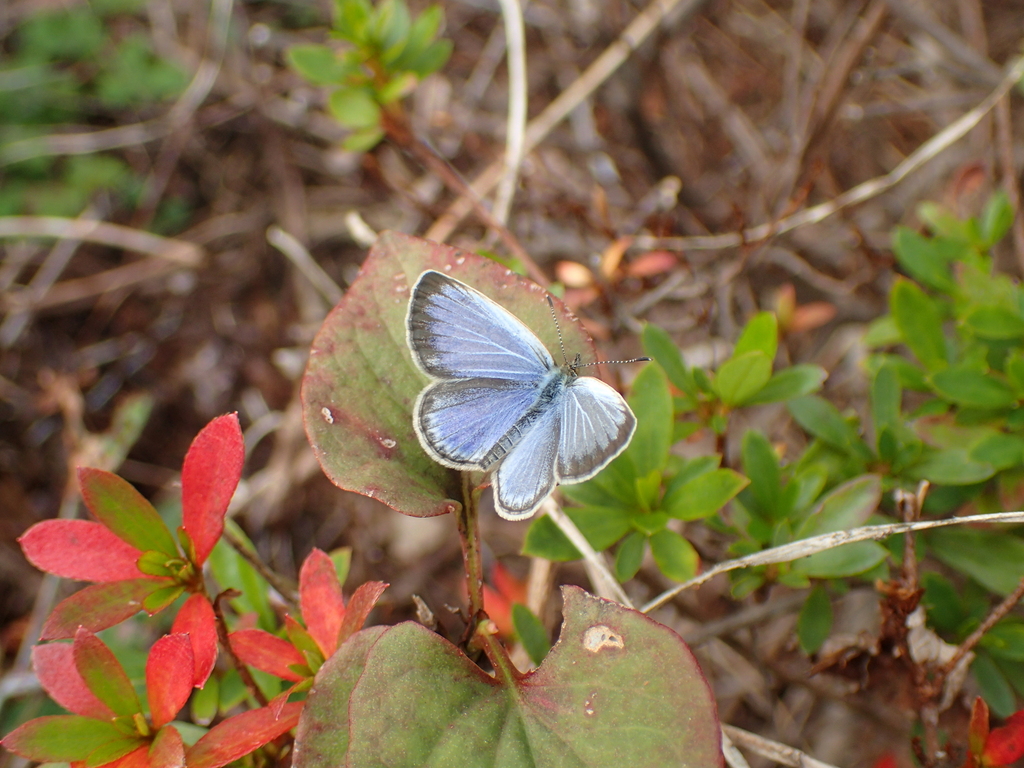
Seen a pale grass blue?
Share your photo on iNaturalist. Other naturalists help confirm it, and the record goes to GBIF, where scientists use it and where the maps on this page come from.
Put this species on your site
The card names every source and links back here.
<iframe src="https://4planetatlas.com/place/embed/species/pale-grass-blue" title="Pale grass blue (Pseudozizeeria maha), 4PLANET Species" width="100%" height="600" style="border:0;max-width:640px" loading="lazy"></iframe>
<p><a href="https://4species.com/pale-grass-blue">Pale grass blue on 4PLANET Species</a></p>Questions people ask
What does the pale grass blue eat?
The pale grass blue has been recorded eating 52 different kinds of animals and plants, most of them plants and insects. The ones recorded most often are procumbent yellow-sorrel, common dandelion, balsam pear, yarrow and common purslane; records include animals eaten as carrion. Source: GloBI.
Where does the pale grass blue live?
People have recorded it in 19 countries; the most records come from Japan, Taiwan, Hong Kong SAR China, India and China. Records show where people have seen it, not its full range.
When is the pale grass blue seen most?
In the northern hemisphere, the most records are made in September and the fewest in February. More people outdoors also means more records.
Sources and photo credits
- GBIF · Pseudozizeeria maha, 14,985 human observations
- GloBI · recorded interactions of Pseudozizeeria maha
- Wikidata · Pale grass blue (Q919575)
- Pale grass blue (Pseudozizeeria maha): Sterling Sheehy, CC BY 4.0
- Pale grass blue (Pseudozizeeria maha): Alpsdake, CC BY-SA 4.0
- Pale grass blue (Pseudozizeeria maha), Gyotoku Wildlife Sanctuary, 3-chōme Niihama, Ichikawa, Chiba 272-0136, Japan: Hawk T., CC BY 4.0
- Pale grass blue (Pseudozizeeria maha), Honshu, Chofu, Tokyo, JP: donwerth-chikamatsu, CC BY 4.0
- Pale grass blue (Pseudozizeeria maha), Honshu, Chofu, Tokyo, JP: donwerth-chikamatsu, CC BY 4.0
- Pale grass blue (Pseudozizeeria maha), 日本、〒182-0000 東京都調布市上布田町: WATANABE Hitoshi 渡辺仁, CC BY 4.0
- Pale grass blue (Pseudozizeeria maha), なな山緑地: WATANABE Hitoshi 渡辺仁, CC BY 4.0
- Pale grass blue (Pseudozizeeria maha), 鶴牧西公園: WATANABE Hitoshi 渡辺仁, CC BY 4.0
- Pale grass blue (Pseudozizeeria maha), Saitama, JP: renshuchu, CC0
- Procumbent yellow-sorrel: jacinta lluch valero, CC BY-SA 4.0
- Common dandelion: Jason Grant, CC BY 4.0
- Balsam pear: natalie, CC0
- Yarrow: Douglas Goldman, CC BY-SA 4.0
- Common purslane: Forest and Kim Starr, CC BY 4.0
- Pot marigold: Corin@ 2008, CC BY 4.0
- Indian sandalwood: Manoj Karingamadathil, CC BY-SA 4.0
- White clover: Conall, CC BY 4.0
- Garden lavender: luluchouette, CC BY 4.0
- Cockscomb: no rights reserved, uploaded by 葉子, CC0
- Common globe amaranth: Sebastián de Jesús Herrera Buenfil, CC BY 4.0
- Herb-of-grace: no rights reserved, uploaded by 葉子, CC0
Records show where people have seen and shared the pale grass blue, not its full range, and some countries and months are recorded far more than others. The food web lists interactions that studies have recorded somewhere in the world (GloBI), not everything it eats in one place.
Checked 2026-11-22.