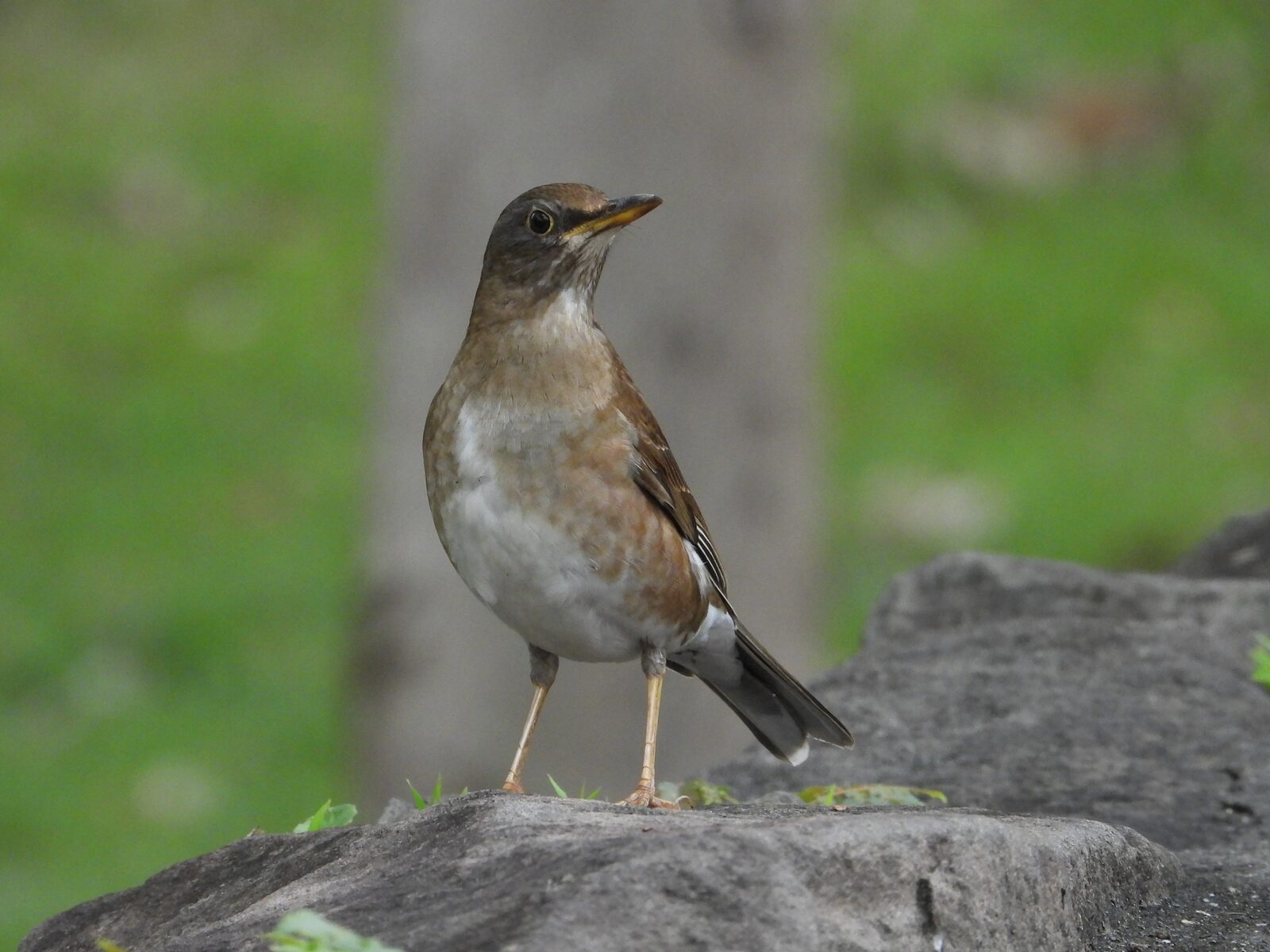
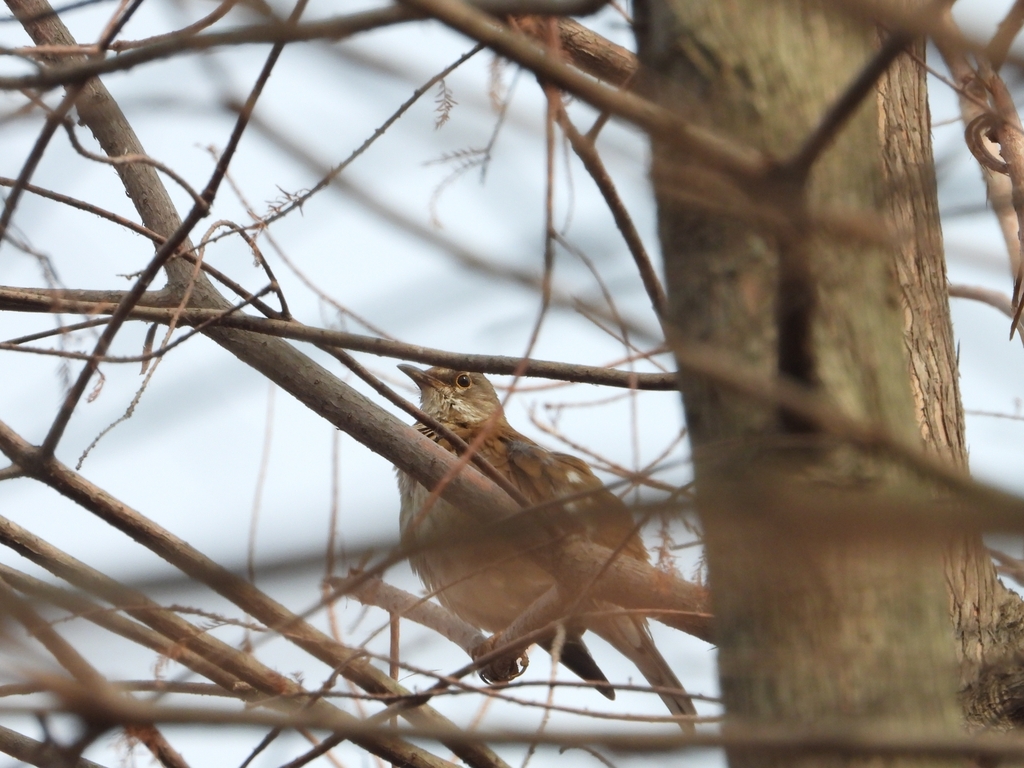
Pale thrush
Turdus pallidus
- Status
- Least Concern IUCN Red List
- Eats
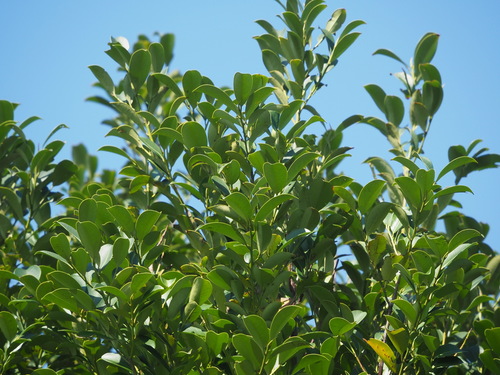
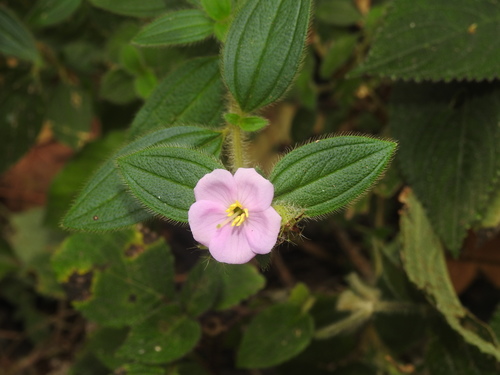
- hardy kiwi, sakaki, malabar melastome and 57 more
- Where
- 11 countries
On 4Planet Atlas it is among the wildlife people record most around Seoul, Shanghai and Taipei, and 1 more of the cities we cover.
People have shared 77,374 records of the pale thrush with GBIF, from 11 countries, most of them from Taiwan, Japan and China. Records collected by GloBI show it eating 60 different kinds of animals and plants, and being eaten by 2.
What the pale thrush eats, and what eats it
Studies have recorded it eating 60 kinds of animals and plants, and 2 kinds of animals eating it. Tap any of them to follow the food chain.
- Plants 55
Pale thrush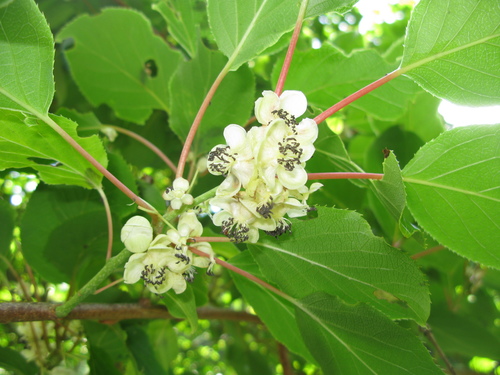
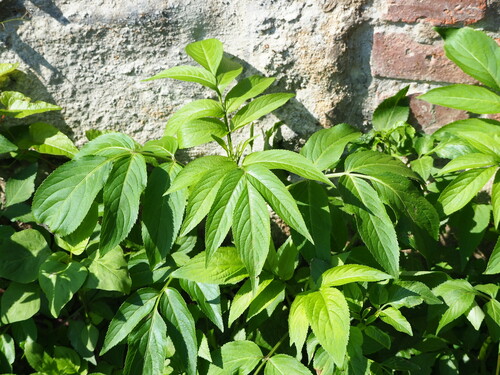
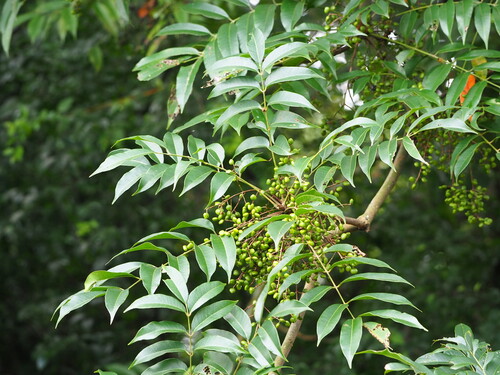
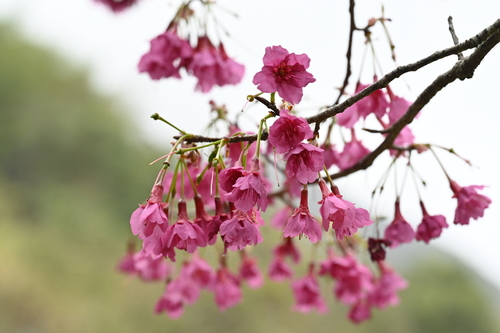
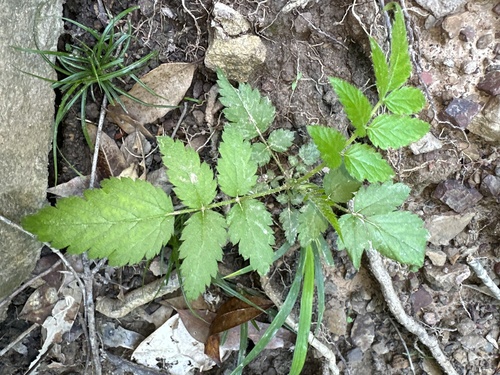
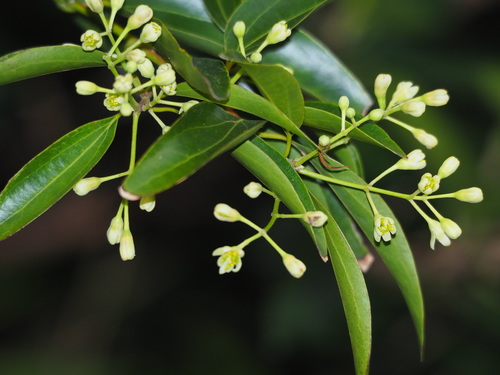
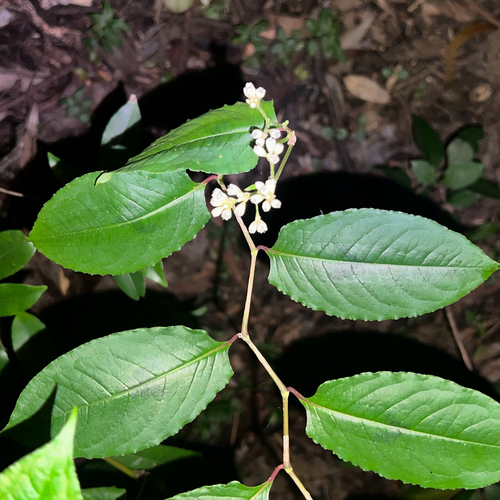
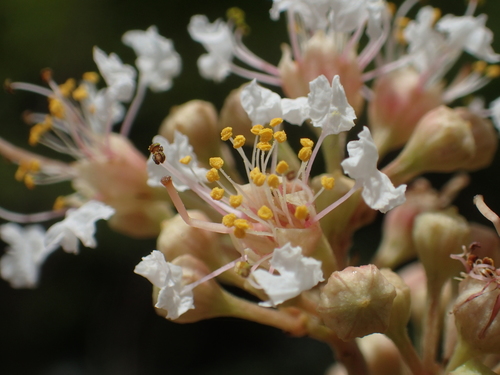
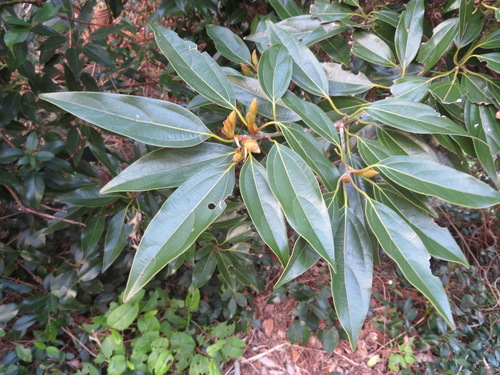
Records from studies worldwide, collected by GloBI. They include animals eaten as carrion, and they are not everything it eats in one place.
Where people see the pale thrush
People have shared 77,374 records from 11 countries.
Near a city: Seoul, Shanghai, Taipei, Tokyo.
Records show where people have seen it and shared it, not its full range. Country names open their page in Atlas.
When it is seen
Records per month in the northern hemisphere. More people outdoors also means more records.
Watch and listen
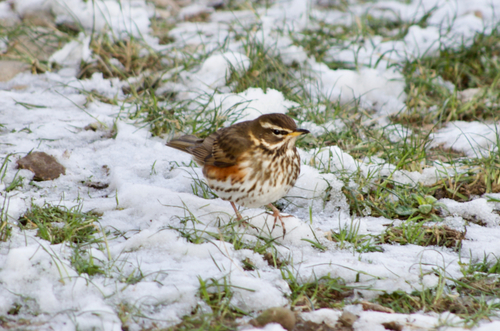
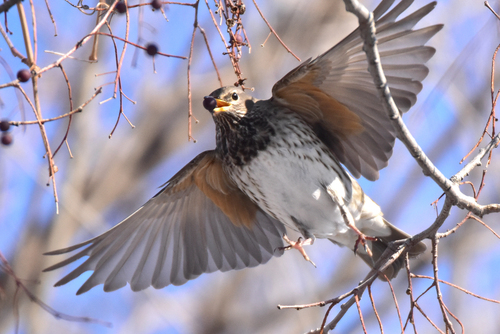
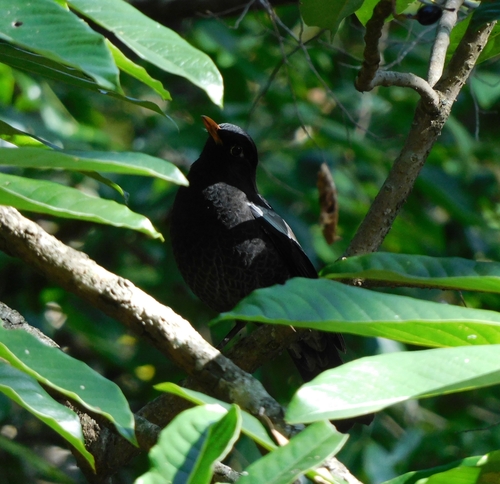
Its closest relatives
The other species of the genus Turdus.



Seen a pale thrush?
Share your photo on iNaturalist. Other naturalists help confirm it, and the record goes to GBIF, where scientists use it and where the maps on this page come from.
Put this species on your site
The card names every source and links back here.
<iframe src="https://4planetatlas.com/place/embed/species/pale-thrush" title="Pale thrush (Turdus pallidus), 4PLANET Species" width="100%" height="600" style="border:0;max-width:640px" loading="lazy"></iframe>
<p><a href="https://4species.com/pale-thrush">Pale thrush on 4PLANET Species</a></p>Questions people ask
What does the pale thrush eat?
The pale thrush has been recorded eating 60 different kinds of animals and plants, most of them plants. The ones recorded most often are hardy kiwi, sakaki, malabar melastome, chinese elder and wax tree; records include animals eaten as carrion. Source: GloBI.
What eats the pale thrush?
Recorded predators include . Source: GloBI.
Where does the pale thrush live?
People have recorded it in 11 countries; the most records come from Taiwan, Japan, China, South Korea and Hong Kong SAR China. Records show where people have seen it, not its full range.
When is the pale thrush seen most?
In the northern hemisphere, the most records are made in January and the fewest in August. More people outdoors also means more records.
What are the pale thrush's closest relatives?
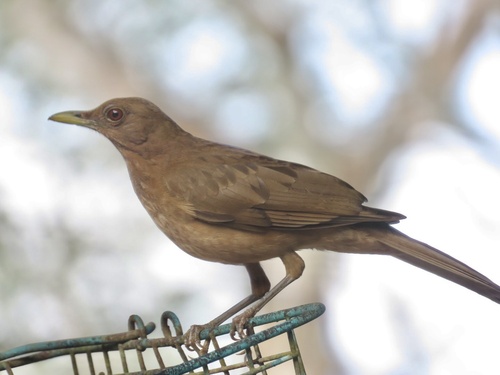
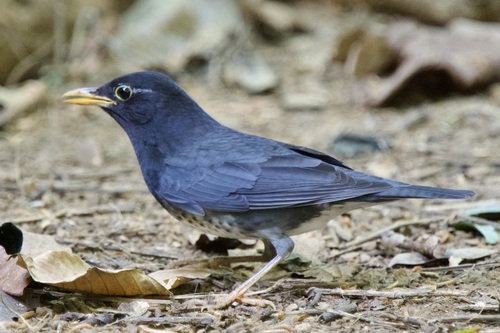
It shares the genus Turdus with redwing, black-throated thrush, dusky thrush, grey-winged blackbird and clay-colored thrush.
Sources and photo credits
- GBIF · Turdus pallidus, 77,374 human observations
- GloBI · recorded interactions of Turdus pallidus
- Wikidata · Pale thrush (Q1589031)
- Pale thrush (Turdus pallidus): 許慶棠Ray, CC BY 4.0
- Pale thrush (Turdus pallidus), 中國上海市浦东新区環湖南一路赤風港 邮政编码: 201308: 許慶棠Ray, CC BY 4.0
- Hardy kiwi: Qwert1234, CC BY-SA 4.0
- Sakaki: 葉子, CC0
- Malabar melastome: Hopeland, CC BY 4.0
- Chinese elder: 葉子, CC0
- Wax tree: no rights reserved, uploaded by 葉子, CC0
- Formosan cherry: 曾昱承 Yu-Cheng Zeng, CC BY 4.0
- Roseleaf raspberry: prossington, CC BY 4.0
- Padang cassia: no rights reserved, uploaded by 葉子, CC0
- Chinese knotweed: James K. Douch, CC BY-SA 4.0
- Subcostate crepe myrtle: no rights reserved, uploaded by 葉子, CC0
- Sericeous newlitsea: Marco Mussita, CC BY 4.0
- Redwing: Codrin Bucur, CC BY 4.0
- Black-throated thrush: Kudaibergen Amirekul, CC BY-SA 4.0
- Dusky thrush: Lip Kee, CC BY-SA 4.0
- Grey-winged blackbird: Jagdish Singh Negi, CC BY 4.0
- Clay-colored thrush: no rights reserved, uploaded by Irene, CC0
- Japanese thrush: Jiro Iguchi, CC BY 4.0
- Brown-headed thrush: Kim, Hyun-tae, CC BY 4.0
- Black-breasted thrush: JJ Harrison, CC BY-SA 4.0
Records show where people have seen and shared the pale thrush, not its full range, and some countries and months are recorded far more than others. The food web lists interactions that studies have recorded somewhere in the world (GloBI), not everything it eats in one place.
Checked 2026-11-22.