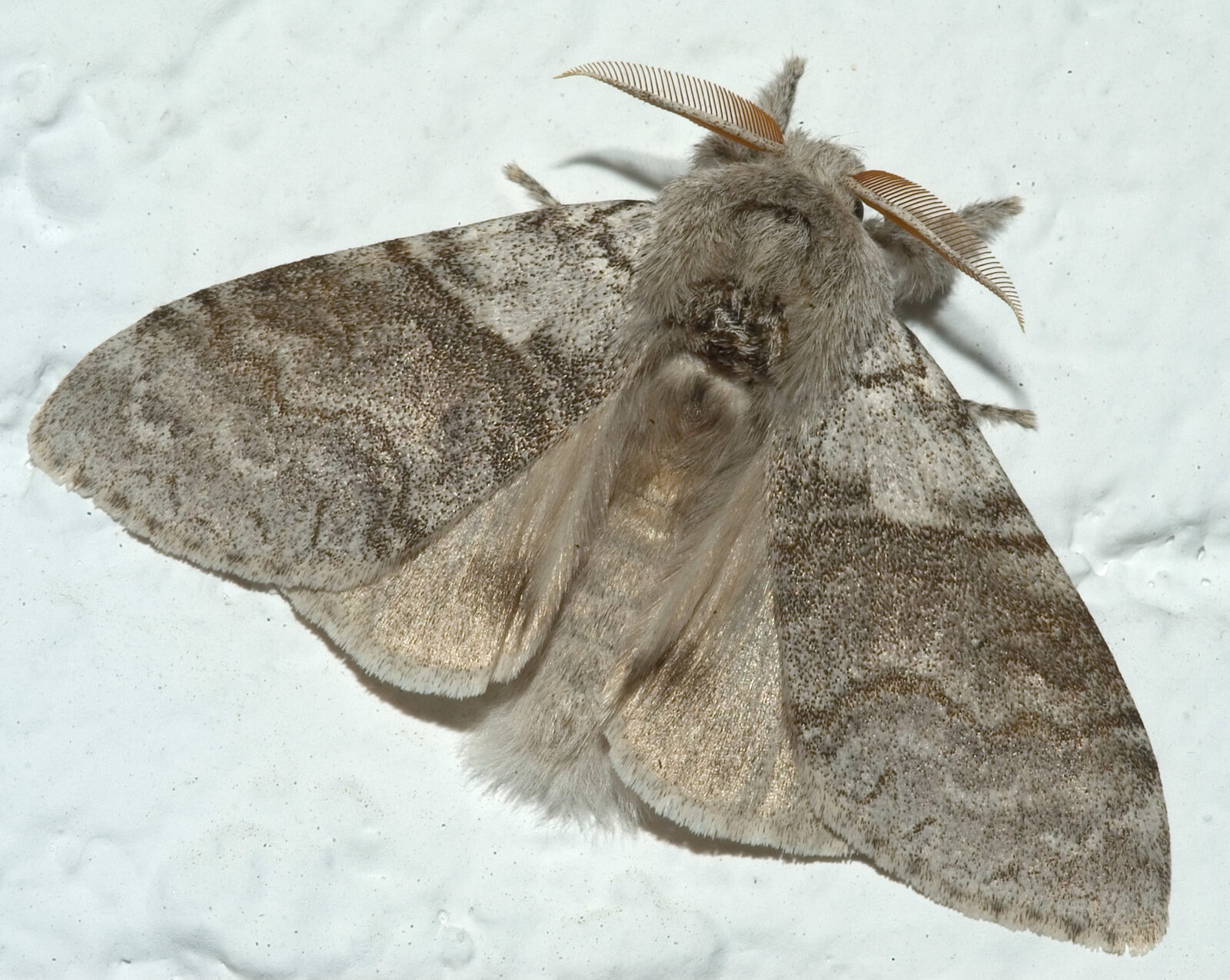
Pale tussock moth
Calliteara pudibunda
- Status
- IUCN Red List
- Eats
- European turkey oak, sweet cherry, bilberry and 88 more
- Where
- 47 countries
People have shared 19,833 records of the pale tussock moth with GBIF, from 47 countries, most of them from United Kingdom, Germany and France. Records collected by GloBI show it eating 91 different kinds of animals and plants, and being eaten by 4.
In the northern hemisphere, people record it most in May and least in January. It belongs to the genus Calliteara in the family Erebidae.
What the pale tussock moth eats, and what eats it
Studies have recorded it eating 91 kinds of animals and plants, and 4 kinds of animals eating it. Tap any of them to follow the food chain.
- Plants 89

 Pale tussock moth
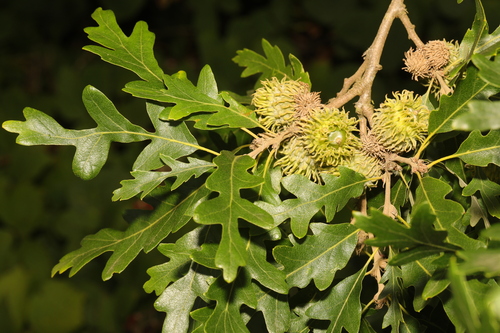

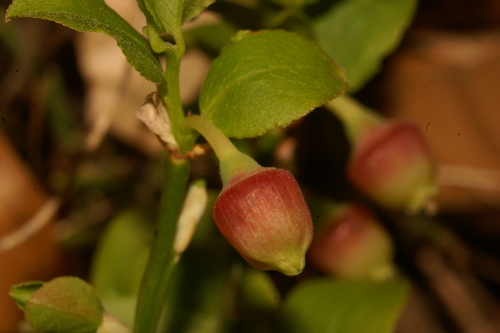
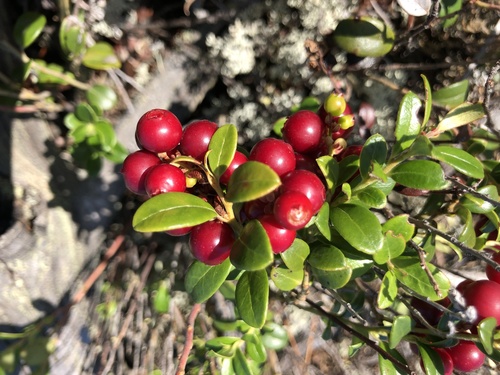
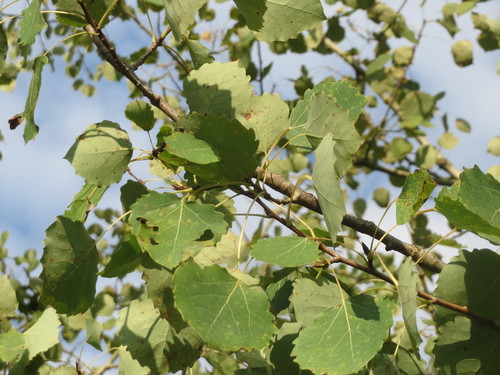
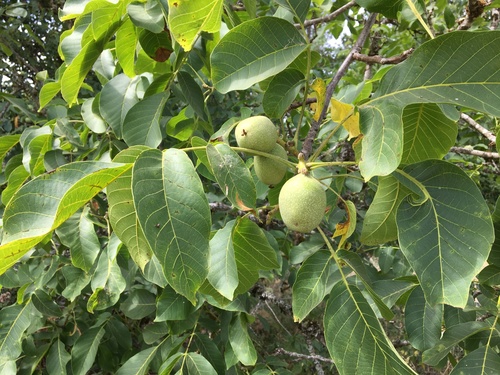
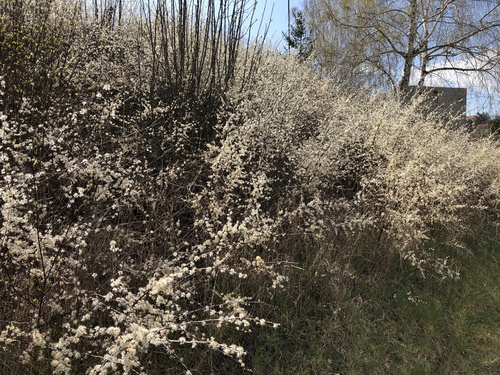

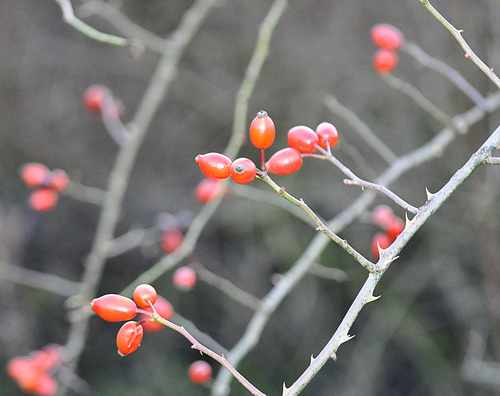
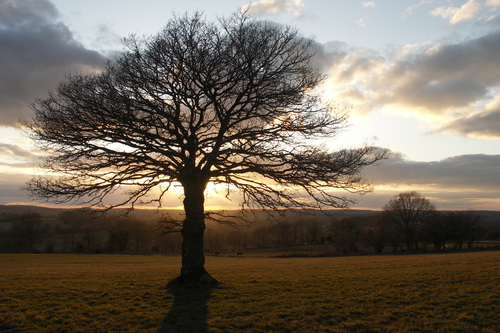
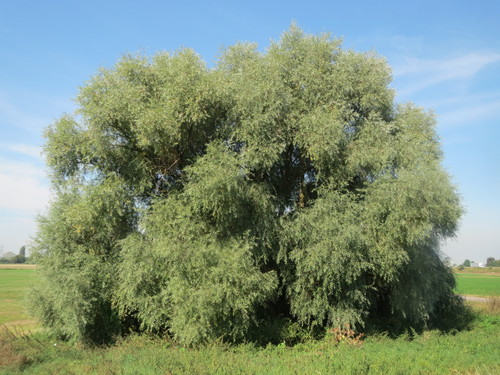
Records from studies worldwide, collected by GloBI. They include animals eaten as carrion, and they are not everything it eats in one place.
Where people see the pale tussock moth
People have shared 19,833 records from 47 countries.
Records show where people have seen it and shared it, not its full range. Country names open their page in Atlas.
When it is seen
Records per month in the northern hemisphere. More people outdoors also means more records.
Watch and listen
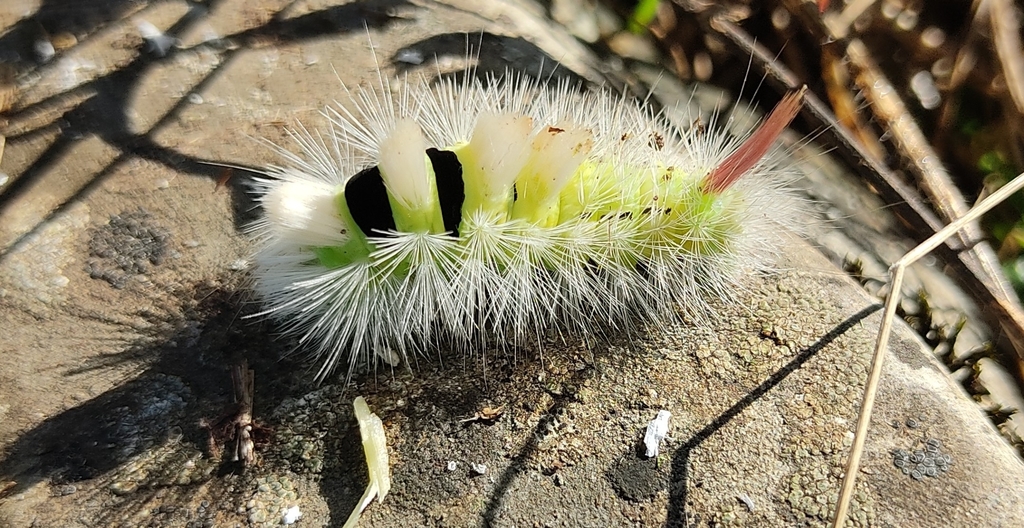
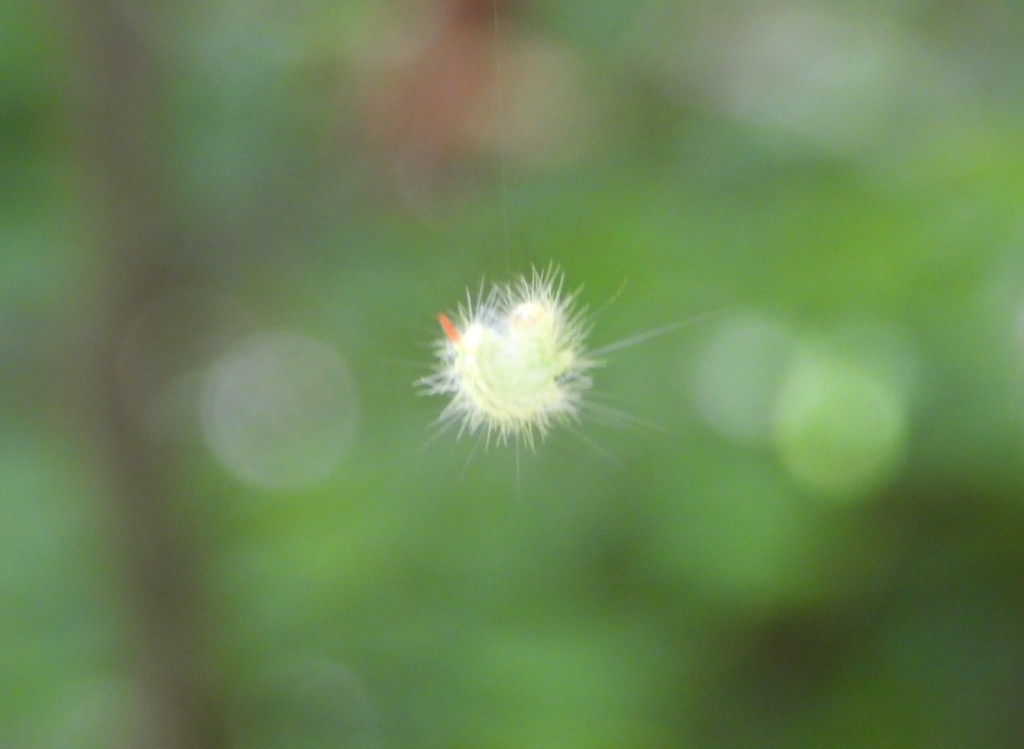
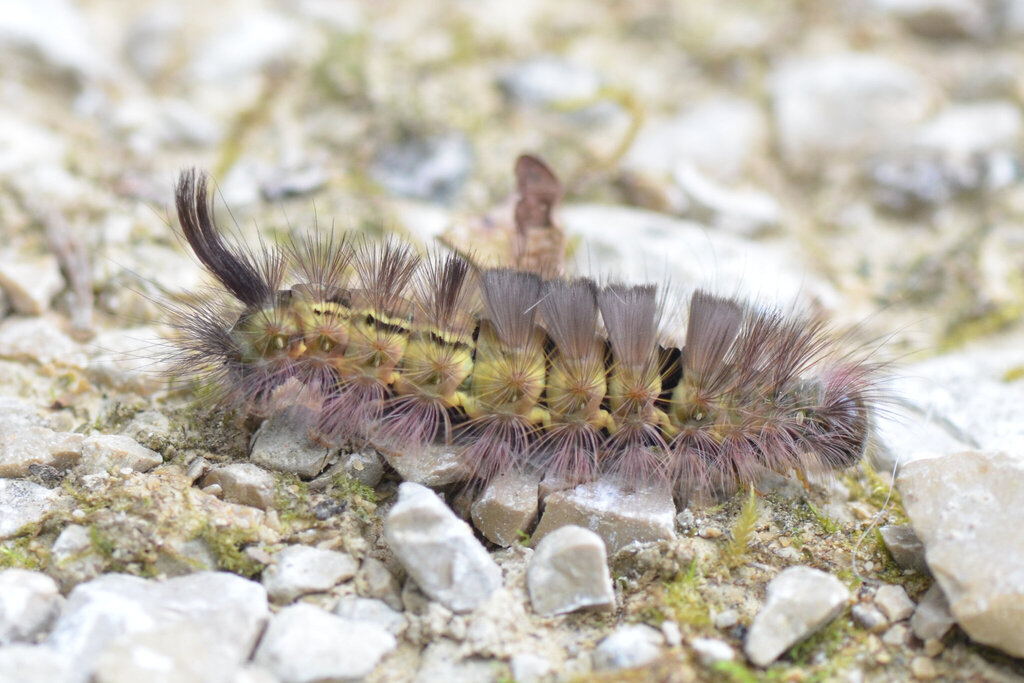
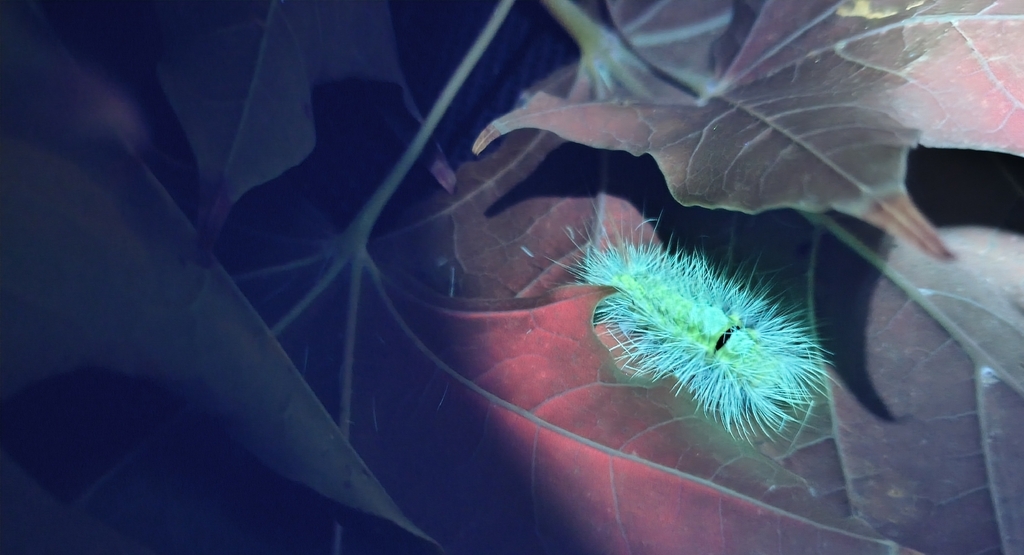
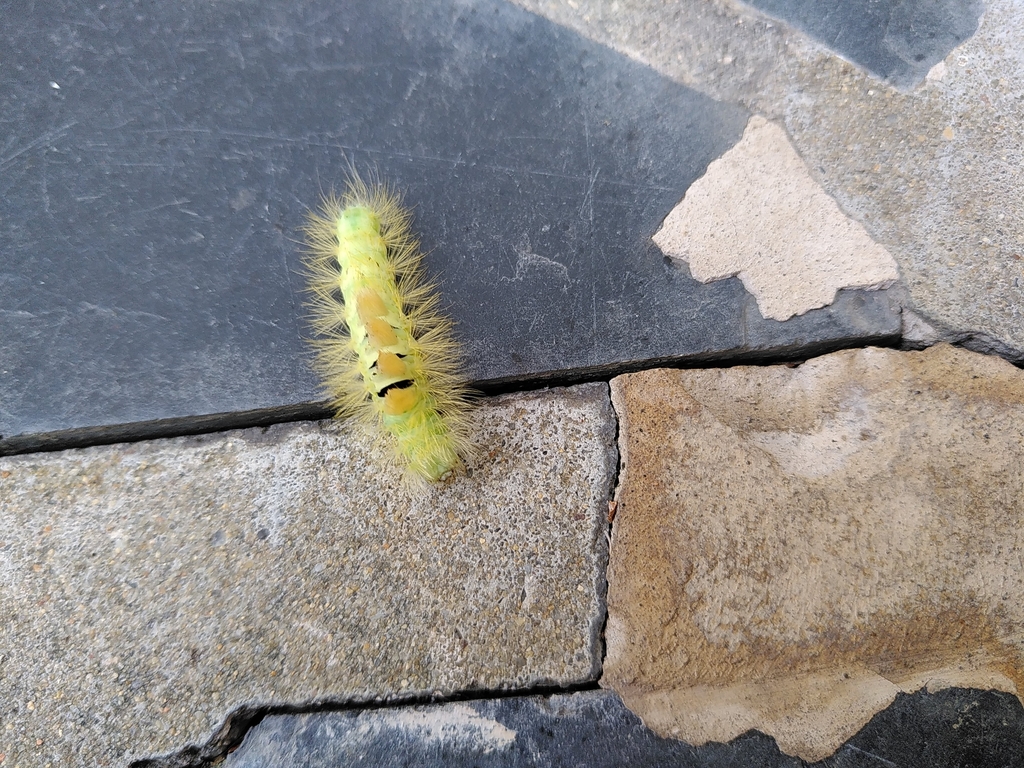
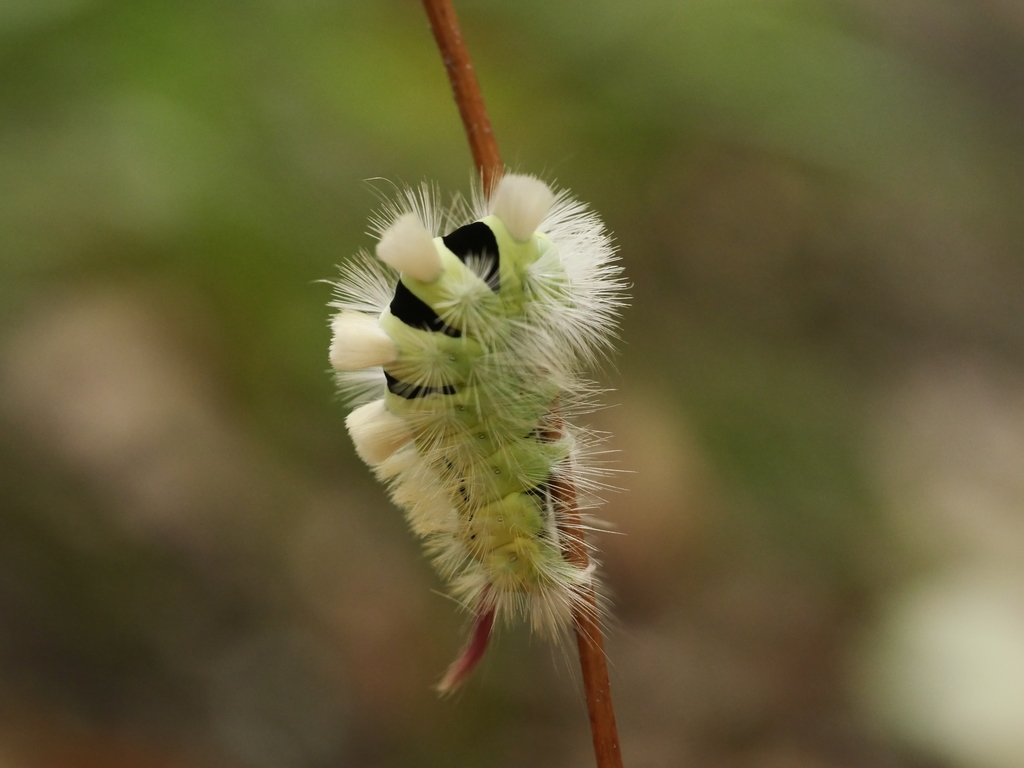
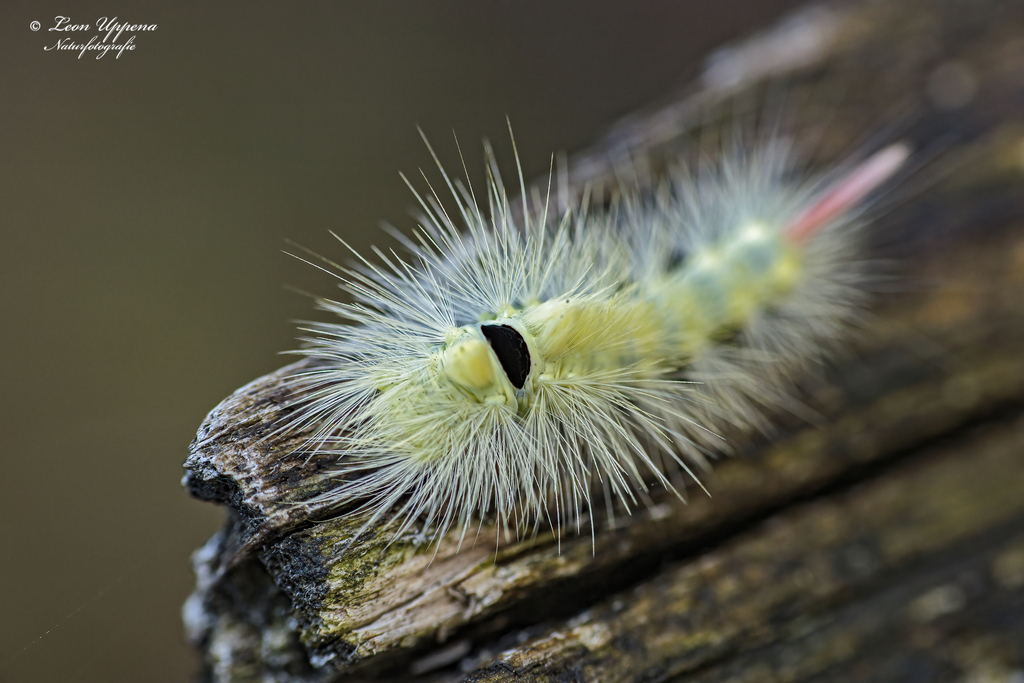
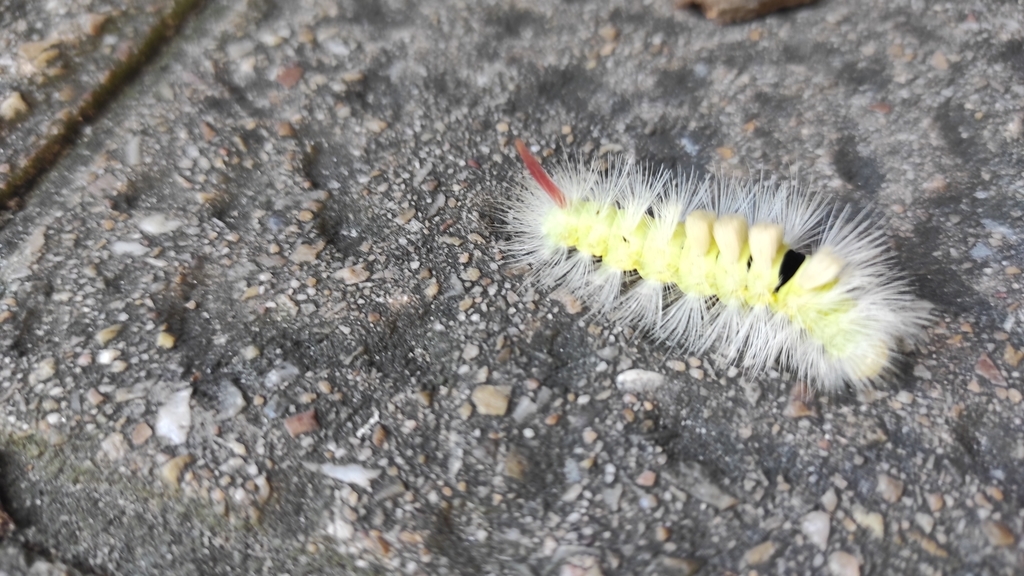
Seen a pale tussock moth?
Share your photo on iNaturalist. Other naturalists help confirm it, and the record goes to GBIF, where scientists use it and where the maps on this page come from.
Put this species on your site
The card names every source and links back here.
<iframe src="https://4planetatlas.com/place/embed/species/pale-tussock-moth" title="Pale tussock moth (Calliteara pudibunda), 4PLANET Species" width="100%" height="600" style="border:0;max-width:640px" loading="lazy"></iframe>
<p><a href="https://4species.com/pale-tussock-moth">Pale tussock moth on 4PLANET Species</a></p>Questions people ask
What does the pale tussock moth eat?
The pale tussock moth has been recorded eating 91 different kinds of animals and plants, most of them plants. The ones recorded most often are european turkey oak, sweet cherry, bilberry, cowberry and european aspen; records include animals eaten as carrion. Source: GloBI.
What eats the pale tussock moth?
Recorded predators include common toad, lesser horseshoe bat and mediterranean horseshoe bat. Source: GloBI.
Where does the pale tussock moth live?
People have recorded it in 47 countries; the most records come from United Kingdom, Germany, France, Austria and Denmark. Records show where people have seen it, not its full range.
When is the pale tussock moth seen most?
In the northern hemisphere, the most records are made in May and the fewest in January. More people outdoors also means more records.
Sources and photo credits
- GBIF · Calliteara pudibunda, 19,833 human observations
- GloBI · recorded interactions of Calliteara pudibunda
- Wikidata · Pale tussock moth (Q45508)
- Pale tussock moth (Calliteara pudibunda): anonymous, CC BY-SA 4.0
- Pale tussock moth (Calliteara pudibunda), Göttingen, DE-NI, DE: Julius P, CC BY 4.0
- Pale tussock moth (Calliteara pudibunda), Provincia di Vercelli, Italia: Simone Bocca, CC BY-SA 4.0
- Pale tussock moth (Calliteara pudibunda), 5072 Oeschgen, Schweiz: Ruebezahl, CC0
- Pale tussock moth (Calliteara pudibunda), Niederösterreich, AT: Felix Früchtl, CC BY 4.0
- Pale tussock moth (Calliteara pudibunda), Eure-et-Loir, Centre, FR: svt4ever, CC0
- Pale tussock moth (Calliteara pudibunda), Sassnitz, Germany: Alexis Tinker-Tsavalas, CC BY 4.0
- Pale tussock moth (Calliteara pudibunda), Emsdetten, Germany: bristolian, CC BY 4.0
- Pale tussock moth (Calliteara pudibunda), Pérez de Ayala, 33209 Gijón, Asturias, España: Cristian Valls, CC BY-SA 4.0
- European turkey oak: no rights reserved, uploaded by Stephen James McWilliam, CC0
- Sweet cherry: hedera.baltica, CC BY-SA 4.0
- Bilberry: Benjamin Zwittnig, CC BY 4.0
- Cowberry: Valerii Glazunov, CC BY 4.0
- European aspen: Andreas Rockstein, CC BY-SA 4.0
- English walnut: Ed Alverson, CC BY 4.0
- Blackthorn: Pavel Kacl, CC BY 4.0
- Hazel: no rights reserved, uploaded by Paul Dubery, CC0
- Hop: Douglas Goldman, CC BY-SA 4.0
- Dog rose: no rights reserved, uploaded by gianluigi, CC0
- Pedunculate oak: Sylvain Montagner, CC BY 4.0
- Salix alba: Andreas Rockstein, CC BY-SA 4.0
- Lesser horseshoe bat: Jessica, CC BY-SA 4.0
- Mediterranean horseshoe bat: Julien Renoult, CC BY 4.0
Records show where people have seen and shared the pale tussock moth, not its full range, and some countries and months are recorded far more than others. The food web lists interactions that studies have recorded somewhere in the world (GloBI), not everything it eats in one place.
Checked 2026-11-27.