SPECIES
Peregrine falcon
Falco peregrinus Pending authority citation
A streamlined raptor turns altitude into an astonishing hunting dive.
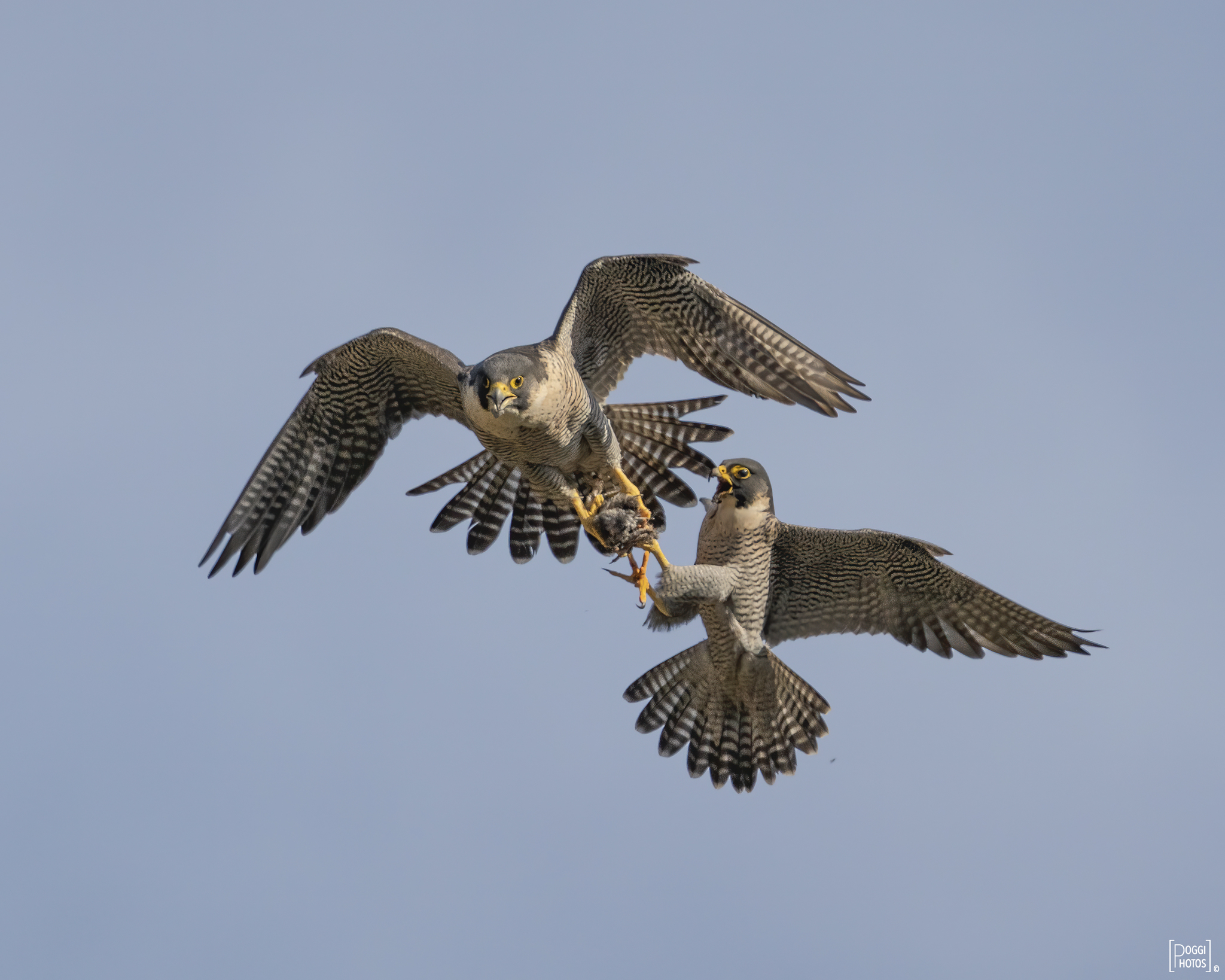
Peregrines seize other birds, often while stooping from above.
Aerial hunting connects them to migrant and resident bird communities.
Cliffs, coastlines, cities and open landscapes worldwide.
Where does a peregrine falcon live?
Cliffs, coastlines, cities and open landscapes worldwide.
Worth knowing
- Adaptation Peregrines seize other birds, often while stooping from above.
- Ecological role Aerial hunting connects them to migrant and resident bird communities.
- Home Cliffs, coastlines, cities and open landscapes worldwide.
How it survives
Peregrines seize other birds, often while stooping from above.
A streamlined raptor turns altitude into an astonishing hunting dive.
Why relationships matter
Aerial hunting connects them to migrant and resident bird communities.
Where it lives
Cliffs, coastlines, cities and open landscapes worldwide.
Pressures and responses
Nest disturbance, collisions and historical pesticide impacts.
Protect nest ledges and reduce avoidable collisions.
Sources
- University of Michigan Museum of Zoology — Animal Diversity Web, Falco peregrinus
- GBIF — Falco peregrinus accepted taxon
- Cornell Lab of Ornithology — Recovery required intervention
- National Audubon Society — Pesticides caused regional collapse
- Cornell Lab of Ornithology — How do peregrine falcons hunt?
- Australian Museum — A simple nesting scrape
Records of where it has been seen come live from GBIF; observed interactions from GloBI. Draft — not yet reviewed by a person.