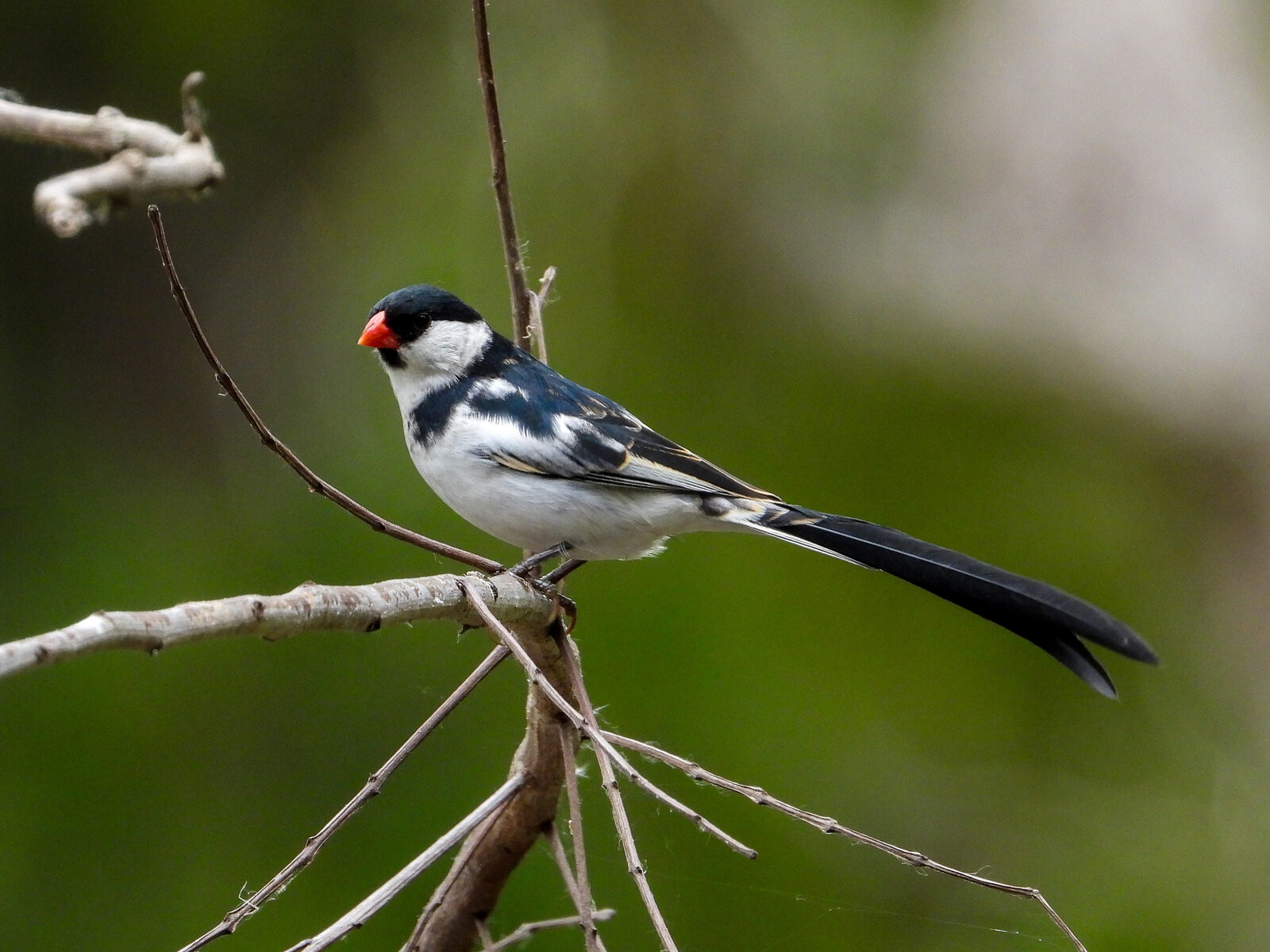
Pin-tailed whydah
Vidua macroura
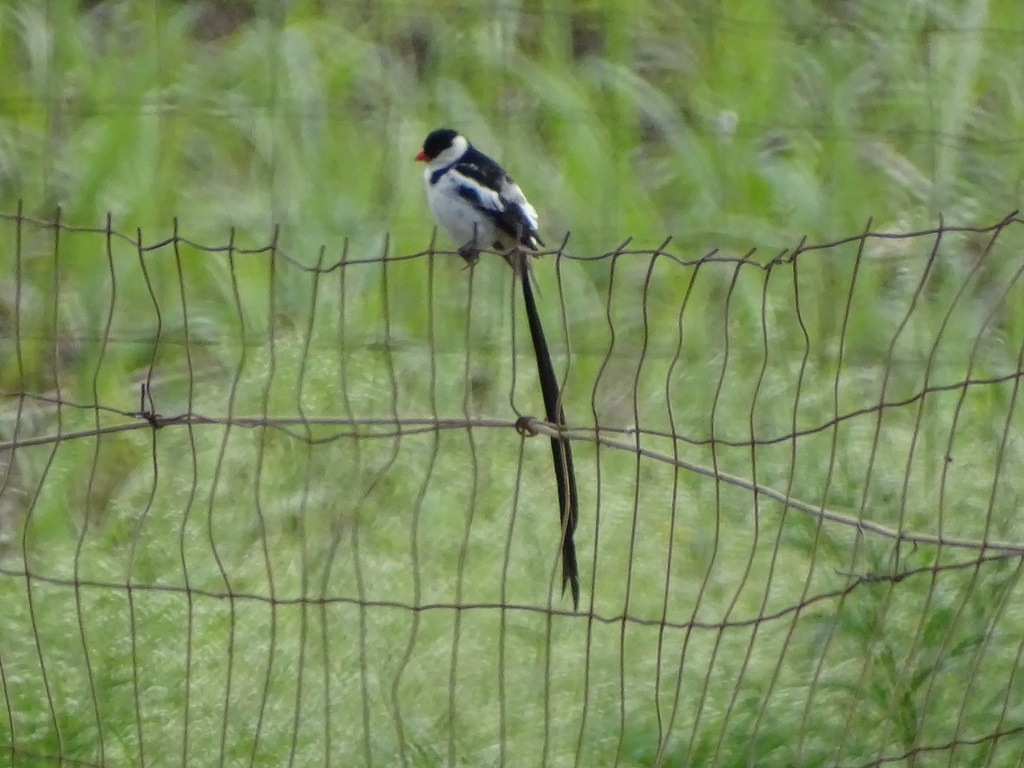
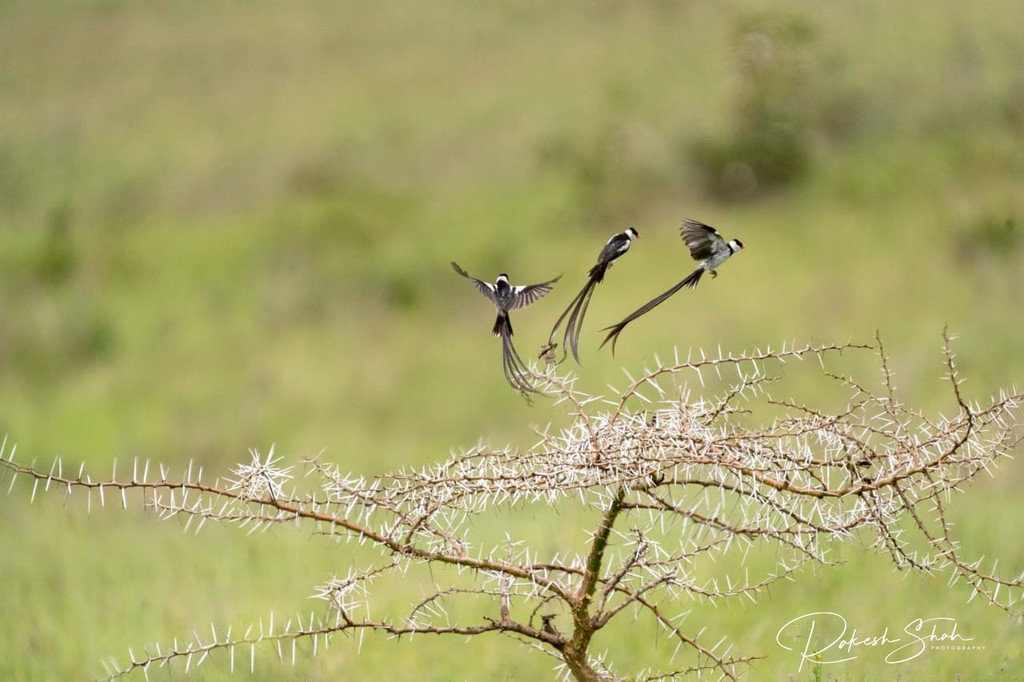
The male has a very long black tail and lays its eggs in waxbills' nests.
- Status
- Least Concern IUCN Red List
- Eats
- common waxbill, sacred garlic pear, sackingtree and 26 more
- Where
- 54 countries
On 4Planet Atlas it is among the wildlife people record most around Accra, Addis Ababa and Cape Town, and 3 more of the cities we cover.
People have shared 114,015 records of the pin-tailed whydah with GBIF, from 54 countries, most of them from United States, South Africa and Kenya. Records collected by GloBI show it eating 29 different kinds of animals and plants.
What the pin-tailed whydah eats, and what eats it
Studies have recorded it eating 29 kinds of animals and plants. Tap any of them to follow the food chain.
- Plants 27
- Birds 1
Pin-tailed whydah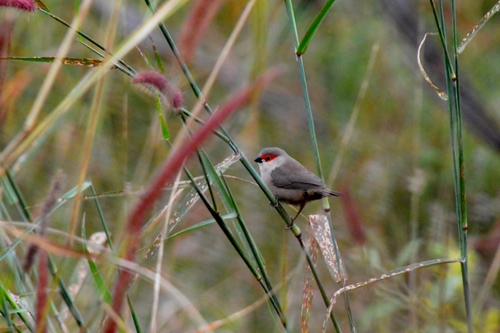

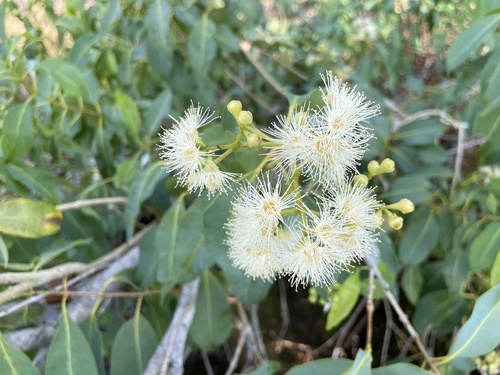

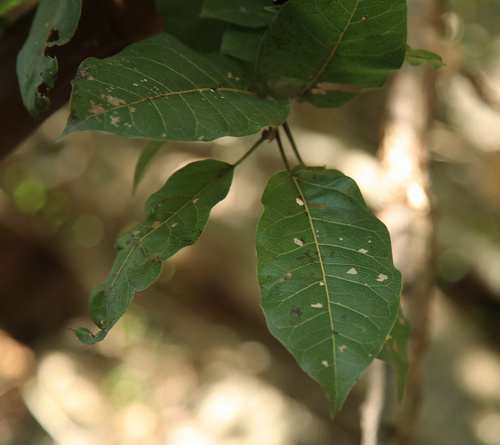

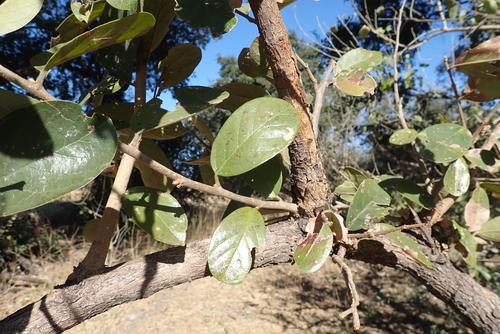

Records from studies worldwide, collected by GloBI. They include animals eaten as carrion, and they are not everything it eats in one place.
Where people see the pin-tailed whydah
People have shared 114,015 records from 54 countries.
Near a city: Accra, Addis Ababa, Cape Town, Lagos, Nairobi, Pretoria.
Records show where people have seen it and shared it, not its full range. Country names open their page in Atlas.
When it is seen
Records per month in the southern hemisphere. More people outdoors also means more records.
Watch and listen
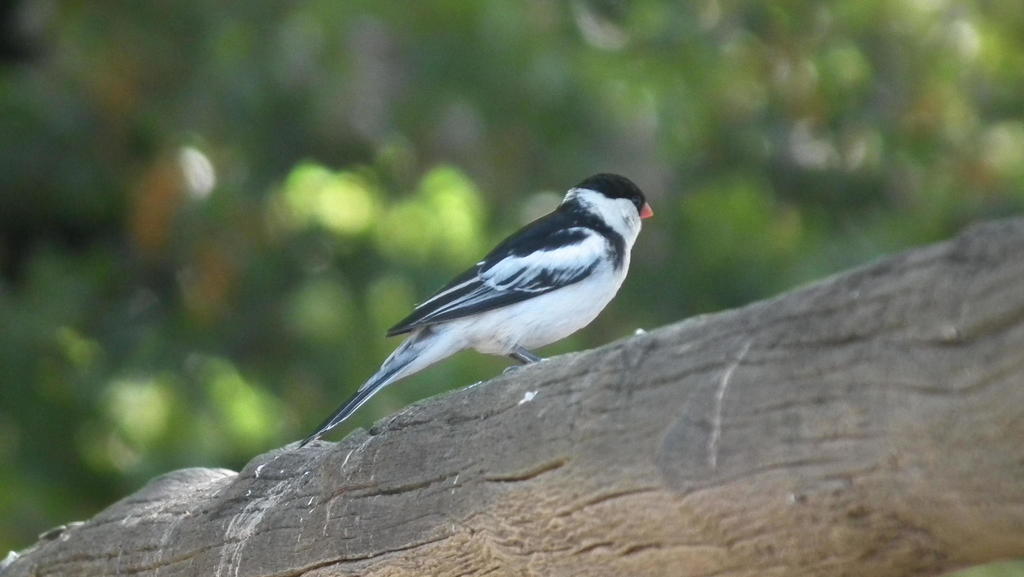
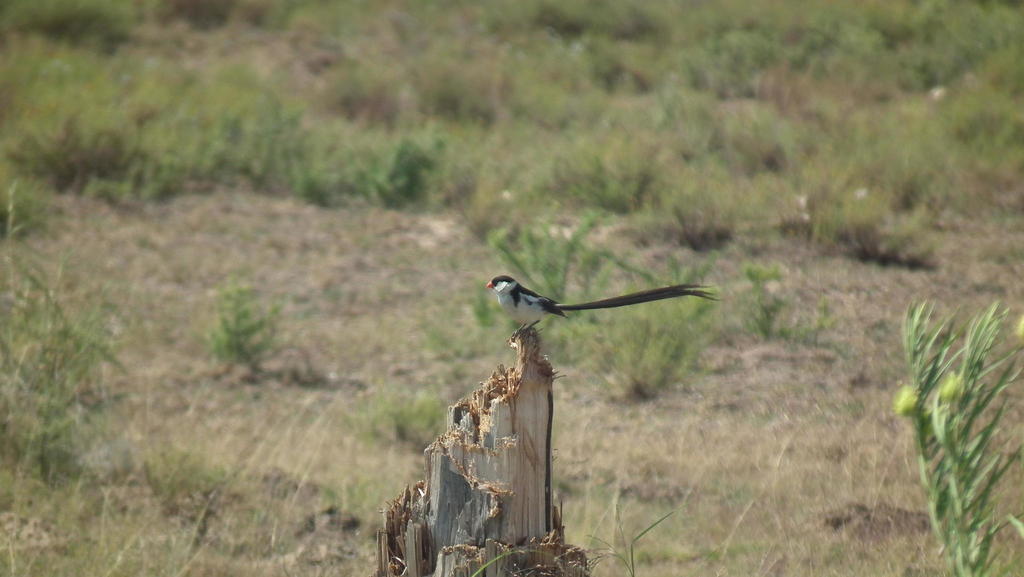
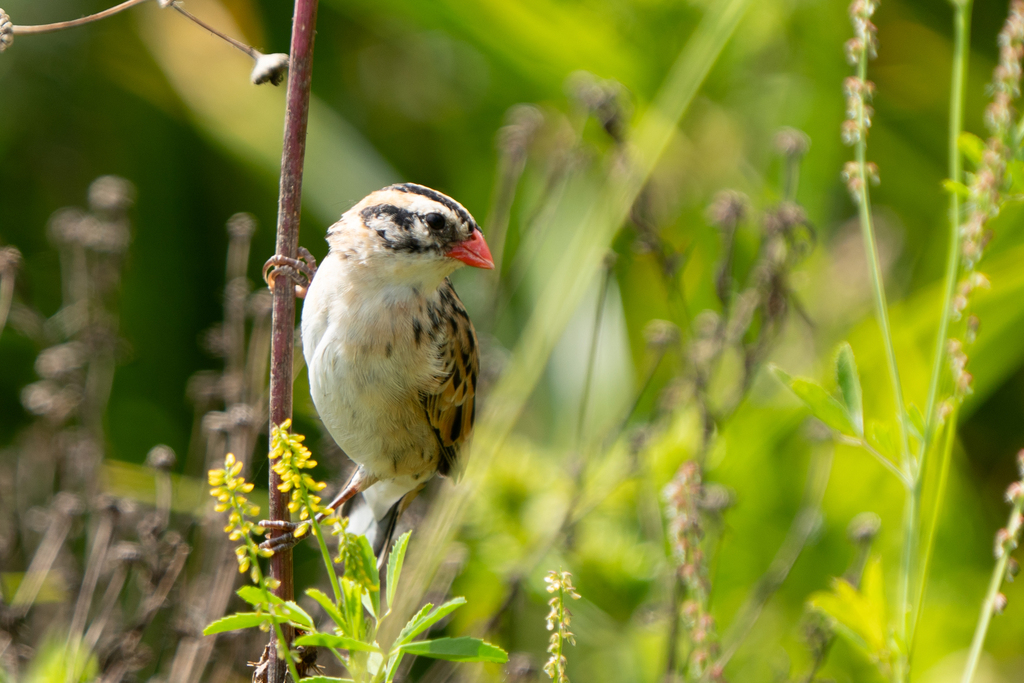
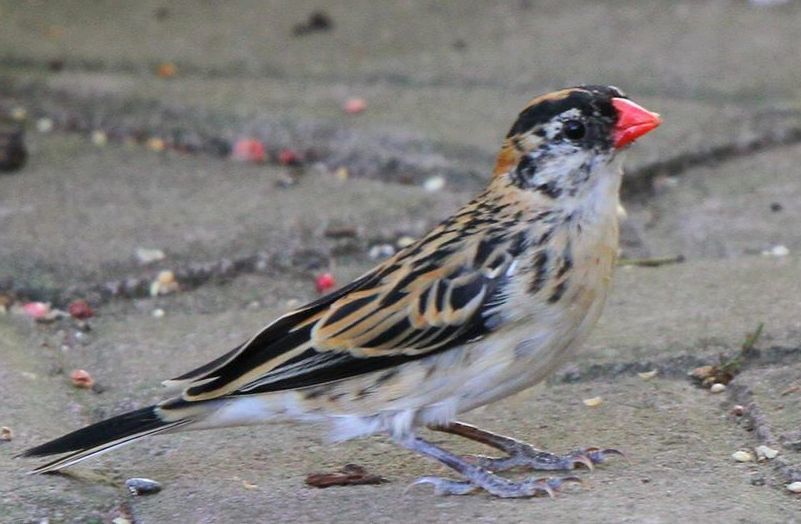
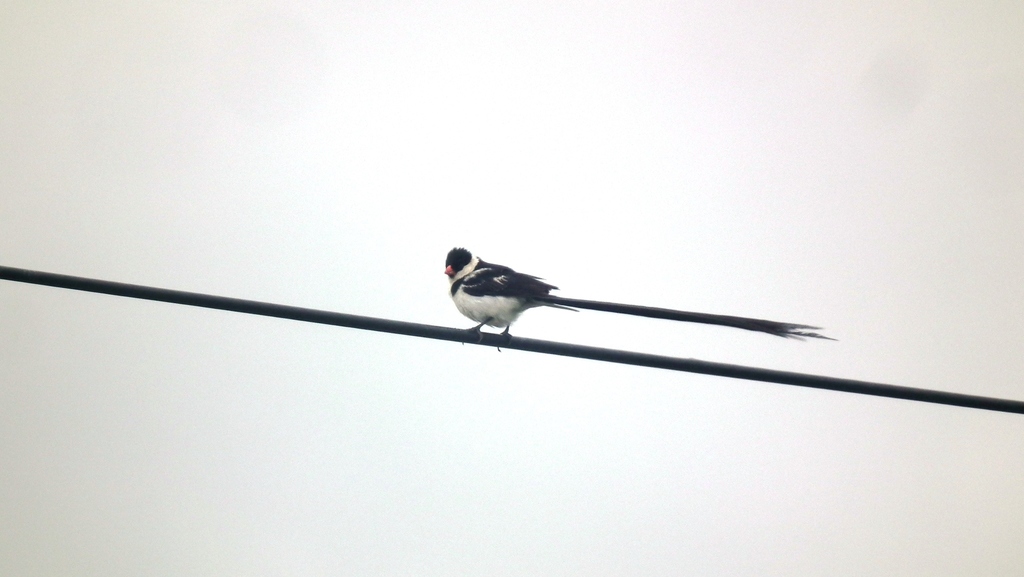
Its closest relatives
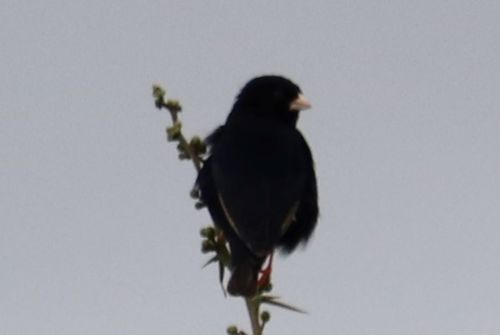
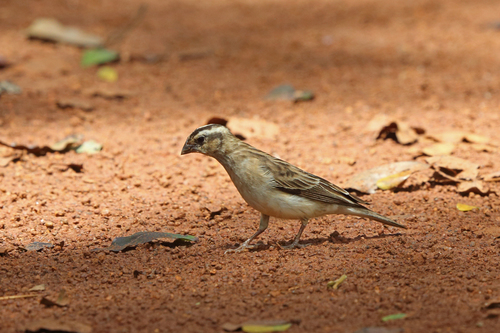
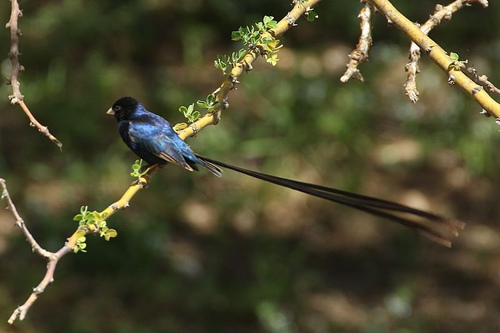
The other species of the genus Vidua.
Seen a pin-tailed whydah?
Share your photo on iNaturalist. Other naturalists help confirm it, and the record goes to GBIF, where scientists use it and where the maps on this page come from.
Questions people ask
What does the pin-tailed whydah eat?
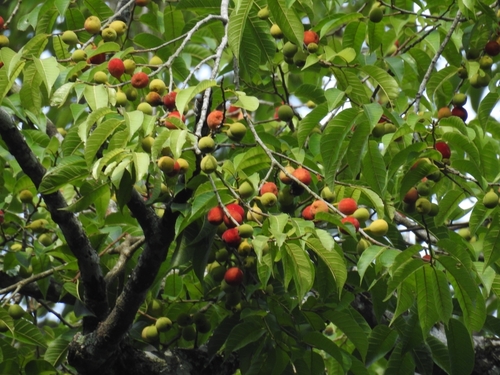
The pin-tailed whydah has been recorded eating 29 different kinds of animals and plants, most of them plants and birds. The ones recorded most often are common waxbill, sacred garlic pear, sackingtree, ebony diospyros and water-pear; records include animals eaten as carrion. Source: GloBI.
Where does the pin-tailed whydah live?
People have recorded it in 54 countries; the most records come from United States, South Africa, Kenya, Uganda and Tanzania. Records show where people have seen it, not its full range.
When is the pin-tailed whydah seen most?
In the southern hemisphere, the most records are made in December and the fewest in June. More people outdoors also means more records.
What are the pin-tailed whydah's closest relatives?
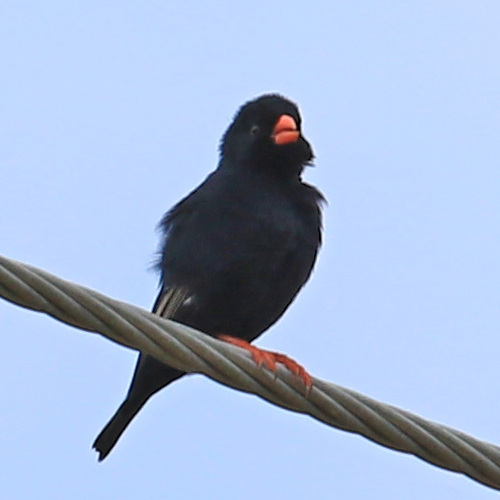
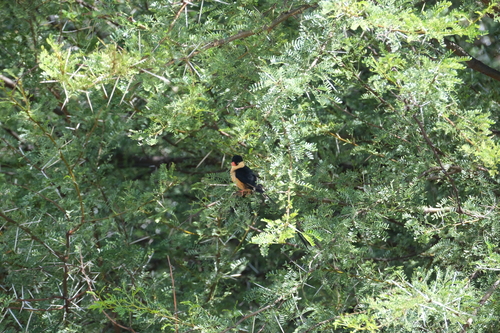
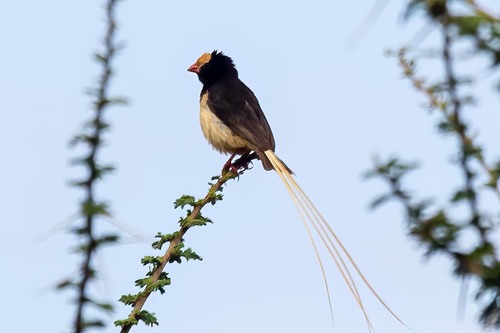
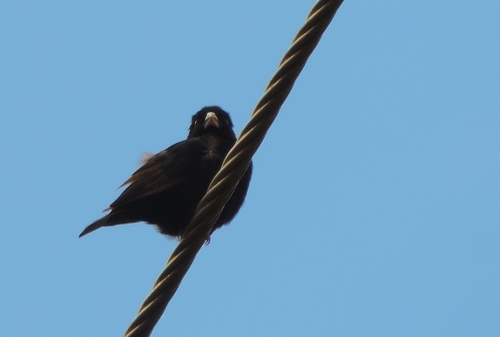
It shares the genus Vidua with long-tailed paradise whydah, village indigobird, shaft-tailed whydah, straw-tailed whydah and purple indigobird.
Sources and photo credits
- GBIF · Vidua macroura, 114,015 human observations
- GloBI · recorded interactions of Vidua macroura
- Wikidata · Pin-tailed whydah (Q908340)
- Pin-tailed whydah (Vidua macroura): James M. Maley, CC BY 4.0
- Pin-tailed whydah (Vidua macroura), Addo - Homestead: Shaun Swanepoel, CC BY 4.0
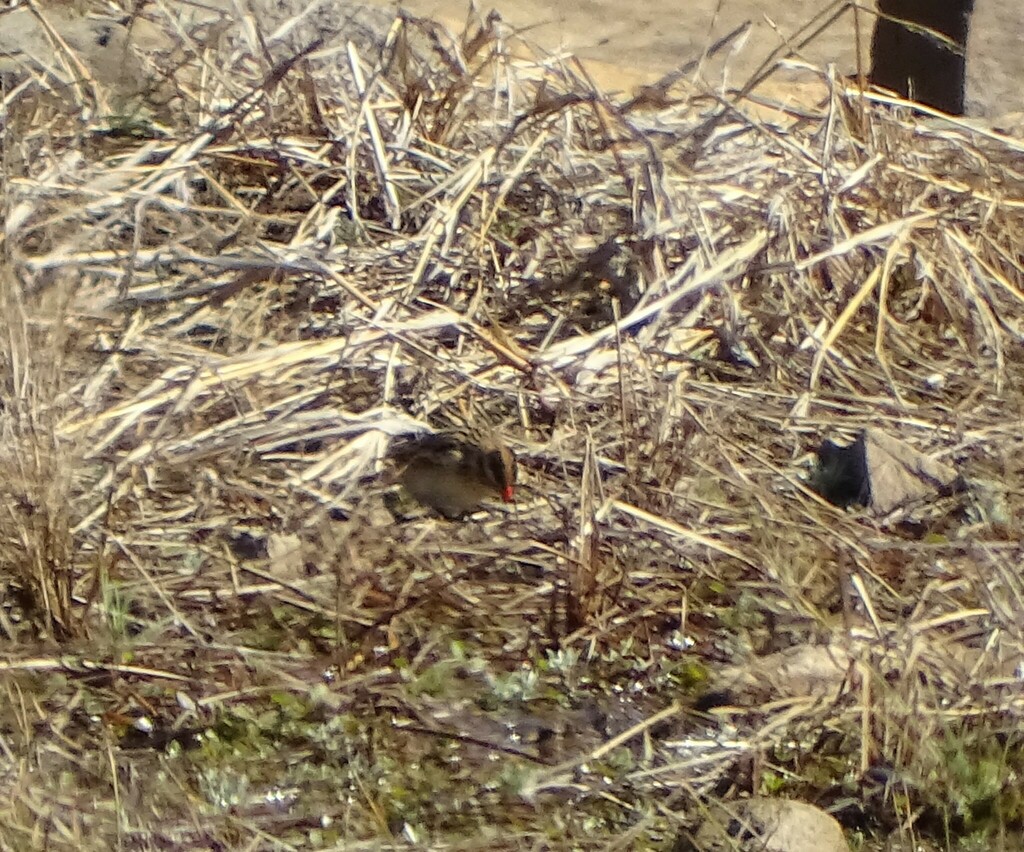
- Pin-tailed whydah (Vidua macroura), Springfontein: Shaun Swanepoel, CC BY 4.0
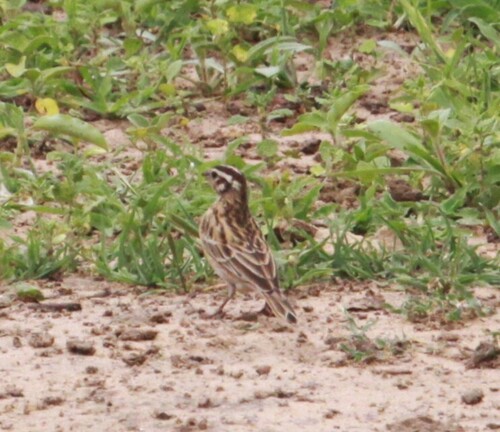
- Pin-tailed whydah (Vidua macroura), Fullerton, CA, USA: jubileej, CC0
- Pin-tailed whydah (Vidua macroura), Uitenhage Farms, Port Elizabeth, South Africa: Dave Brown, CC0
- Pin-tailed whydah (Vidua macroura), Karkloof River, Indlovu DC, South Africa: Shaun Swanepoel, CC BY 4.0
- Pin-tailed whydah (Vidua macroura), Zululand District Municipality, South Africa: Shaun Swanepoel, CC BY 4.0
- Pin-tailed whydah (Vidua macroura), Mugumoini, Nairobi, Kenya: Rakesh Shah, CC BY 4.0
- Pin-tailed whydah (Vidua macroura), Mountain Zebra Nat Park: Shaun Swanepoel, CC BY 4.0
- Common waxbill: Douglas, CC BY 4.0
- Sacred garlic pear: P Jeganathan, CC BY 4.0
- Sackingtree: Srinivasan Kasinathan, CC BY 4.0
- Ebony diospyros: Tony Rebelo, CC BY-SA 4.0
- Water-pear: Robert Taylor, CC BY 4.0
- Hissing tree: Brian Gratwicke, CC BY 4.0
- Red-leaved rock fig: Wynand Uys, CC BY 4.0
- Ficus trichopoda: Mahomed Desai, CC BY 4.0
- Tassel-berry: National Geographic Okavango Wilderness Project, CC BY 4.0
- Senegal prickly-ash: ONG SOS Biodiversity, CC BY 4.0
- Long-tailed paradise whydah: scaup, CC BY 4.0
- Village indigobird: Wynand Uys, CC BY 4.0
- Shaft-tailed whydah: le0p0ld_d, CC BY 4.0
- Straw-tailed whydah: Dan Harville, CC BY-SA 4.0
- Purple indigobird: i_c_riddell, CC BY 4.0
- Dusky indigobird: Dave Brown, CC0
- Broad-tailed paradise whydah: Nigel Voaden, CC BY 4.0
- Steel-blue whydah: Demetrius John Kessy, CC BY 4.0
Records show where people have seen and shared the pin-tailed whydah, not its full range, and some countries and months are recorded far more than others. The food web lists interactions that studies have recorded somewhere in the world (GloBI), not everything it eats in one place.
Checked 2026-11-22.