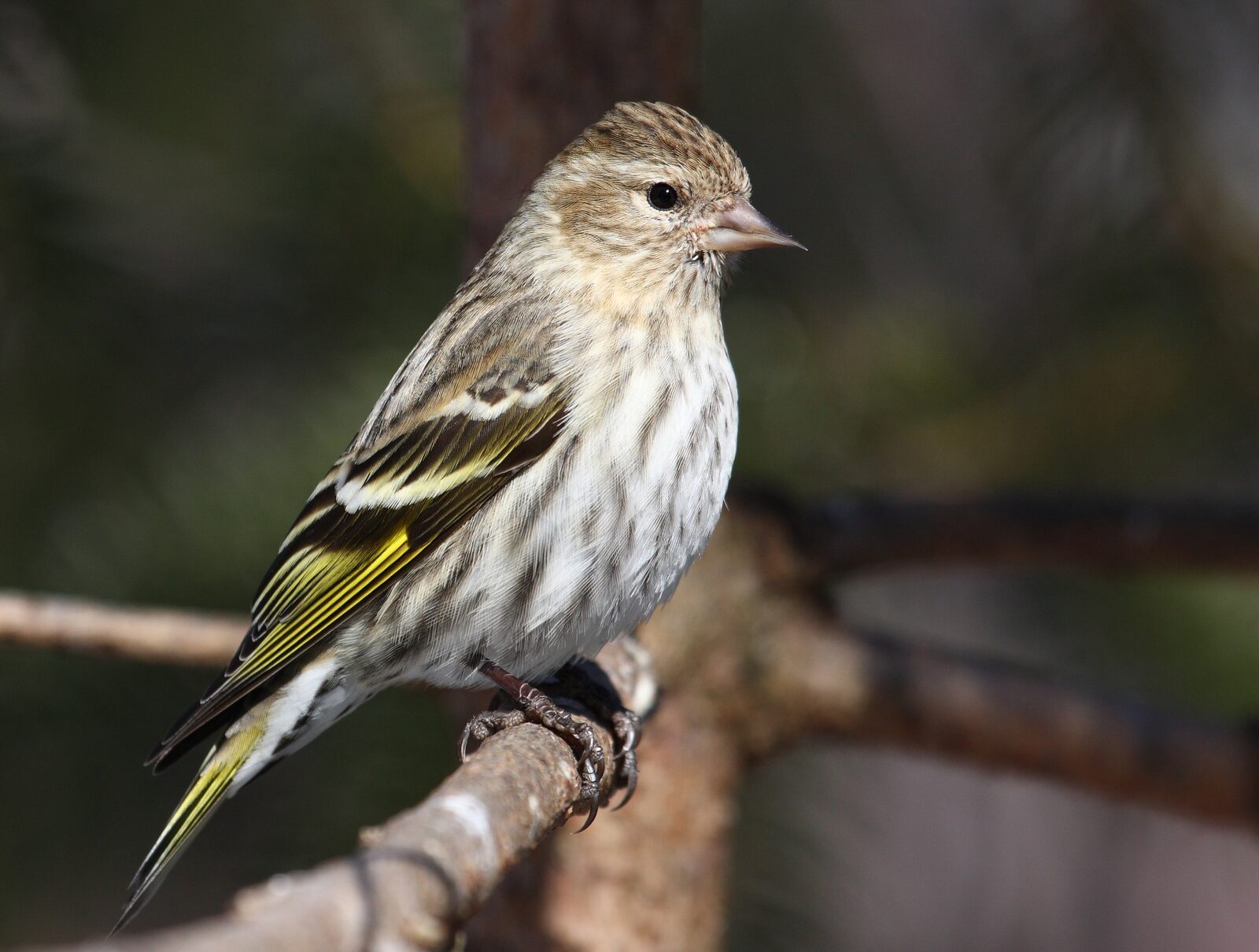
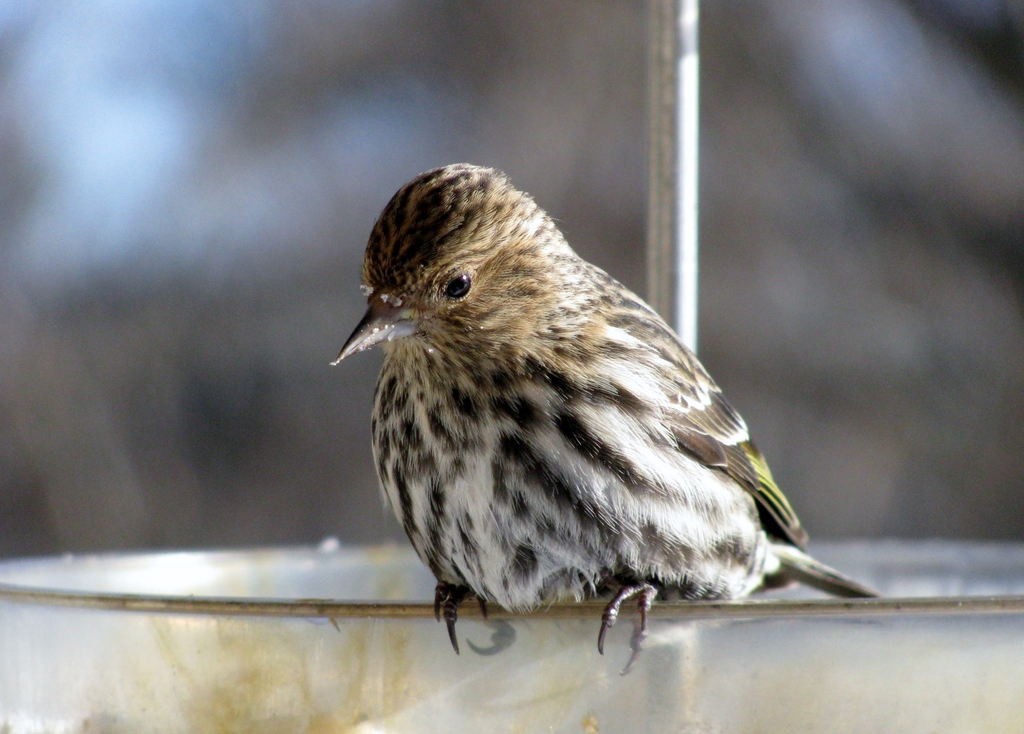
Pine siskin
Spinus pinus
- Status
- Least Concern IUCN Red List
- Eats
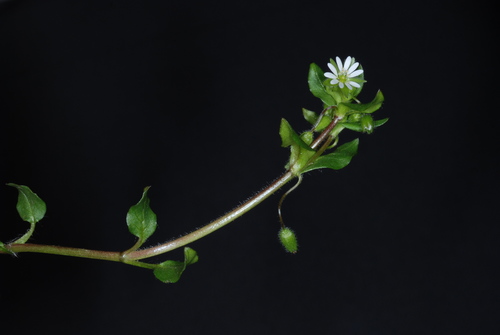
- common chickweed, northern white cedar, bull thistle and 17 more
- Eaten by
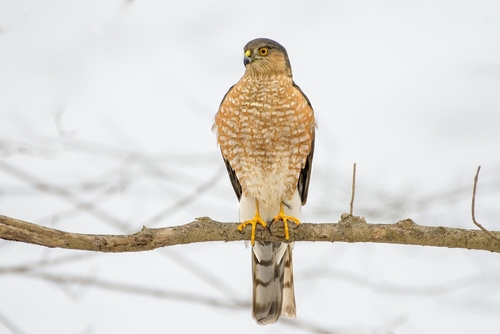
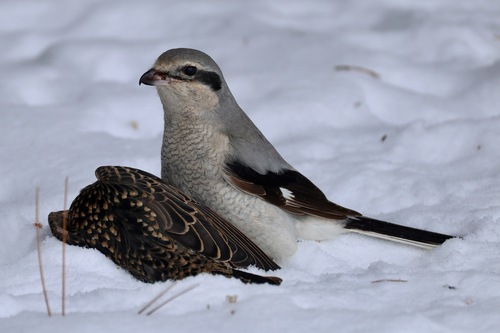
- sharp-shinned hawk, northern shrike
- Where
- 7 countries
On 4Planet Atlas it is among the wildlife people record most around Albuquerque, Atlanta and Austin, and 28 more of the cities we cover.
People have shared 3,363,143 records of the pine siskin with GBIF, from 7 countries, most of them from United States, Canada and Mexico. Records collected by GloBI show it eating 20 different kinds of animals and plants, and being eaten by 3.
What the pine siskin eats, and what eats it
Studies have recorded it eating 20 kinds of animals and plants, and 3 kinds of animals eating it. Tap any of them to follow the food chain.
- Plants 19
- Insects 1
 Pine siskin


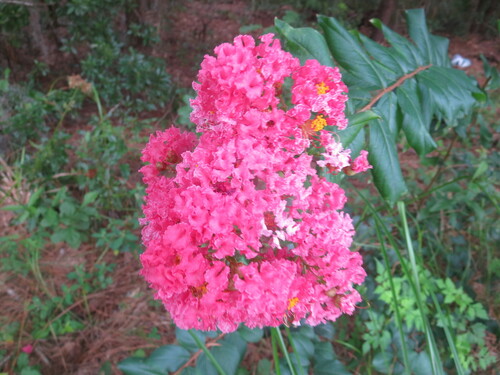
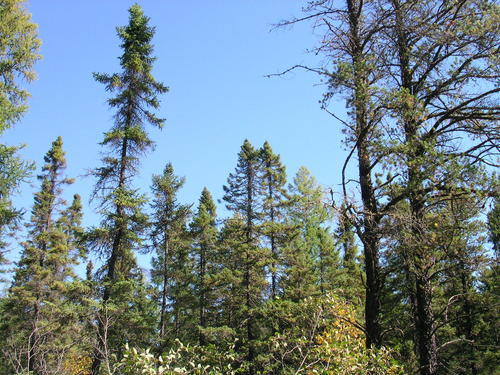
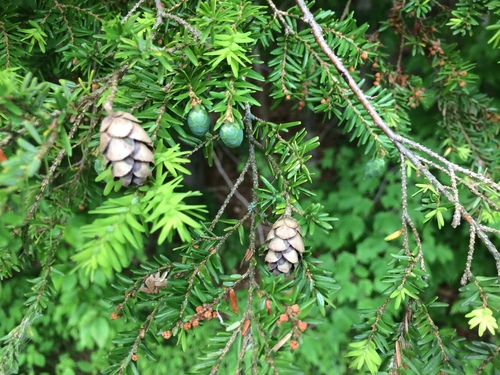
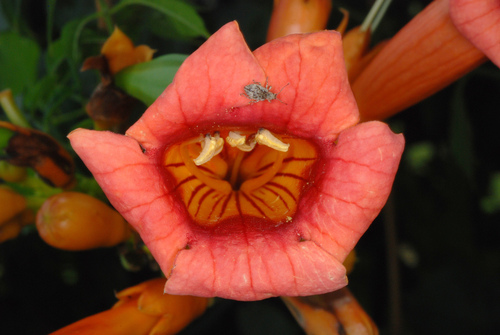
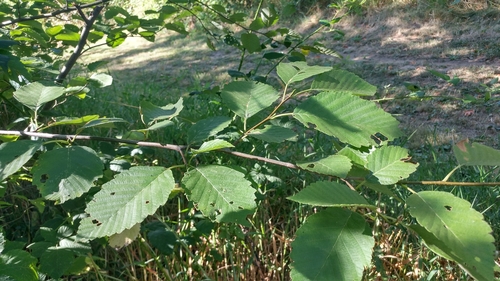
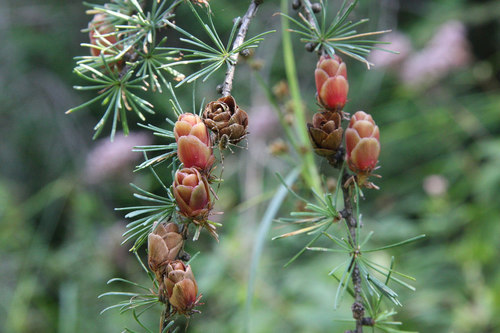
Records from studies worldwide, collected by GloBI. They include animals eaten as carrion, and they are not everything it eats in one place.
Where people see the pine siskin
People have shared 3,363,143 records from 7 countries.
Near a city: Albuquerque, Atlanta, Austin, Calgary, Chicago, Cincinnati, Dallas, Denver, Detroit, Edmonton, Houston, Las Vegas, Memphis, Mexico City, Milwaukee, Minneapolis, Montreal, Nashville, Oklahoma City, Ottawa, Portland, Quebec City, Raleigh, Sacramento, Saint Paul, San Francisco, San Jose, Seattle, Toronto, Vancouver, Washington, D.C..
Records show where people have seen it and shared it, not its full range. Country names open their page in Atlas.
When it is seen
Records per month in the northern hemisphere. More people outdoors also means more records.
Watch and listen
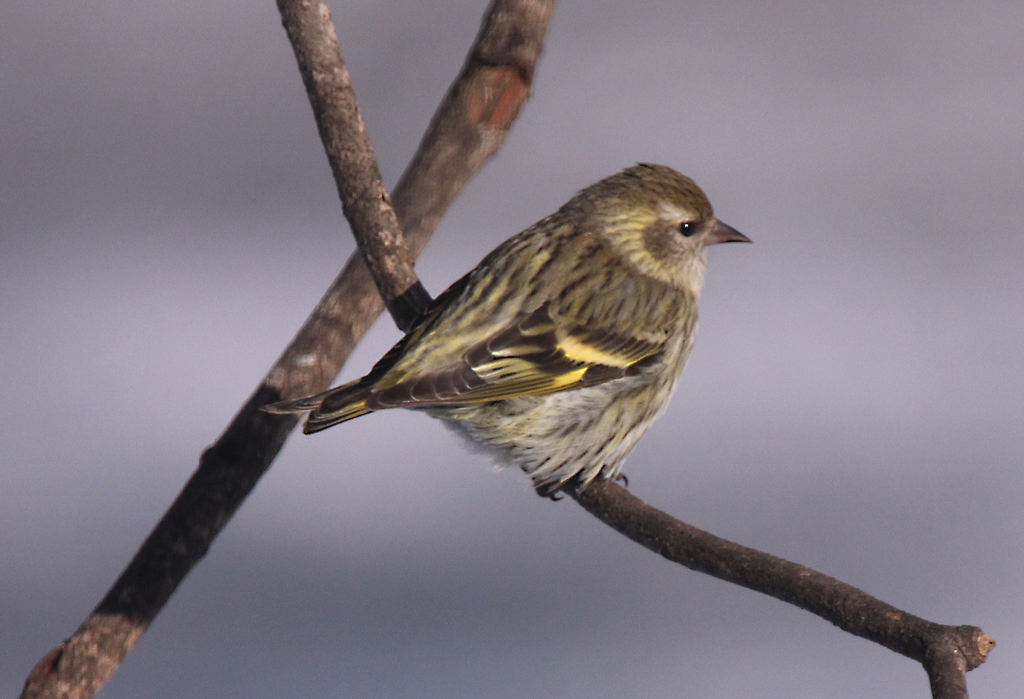
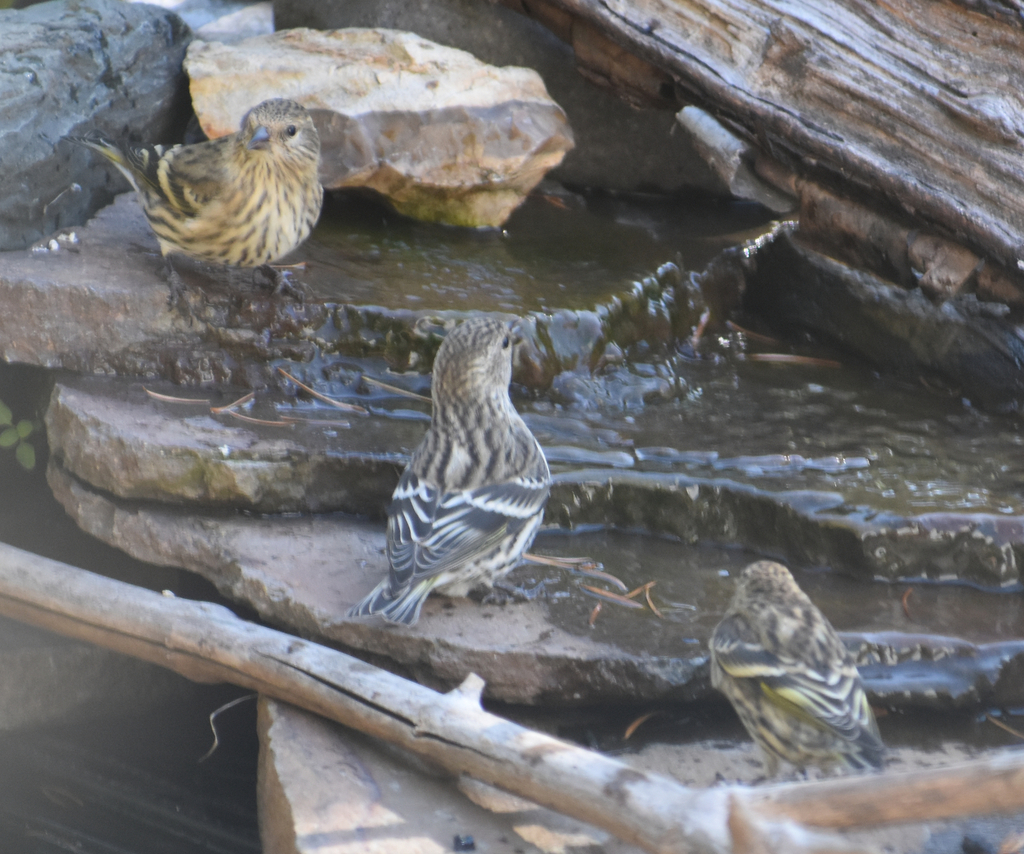
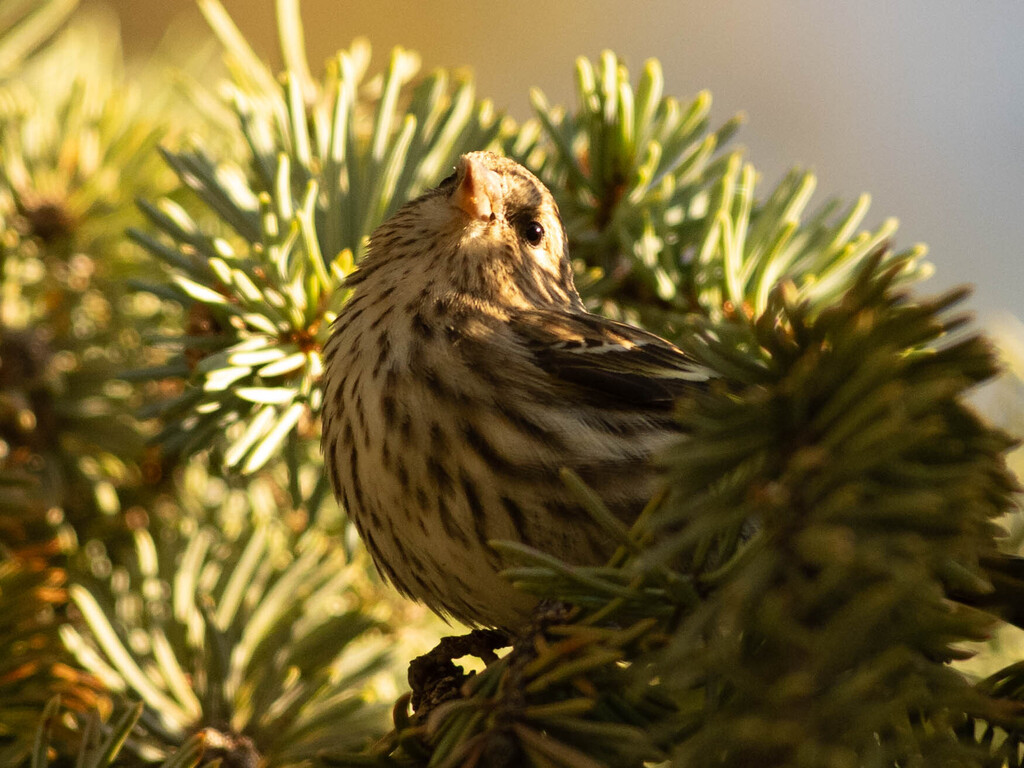
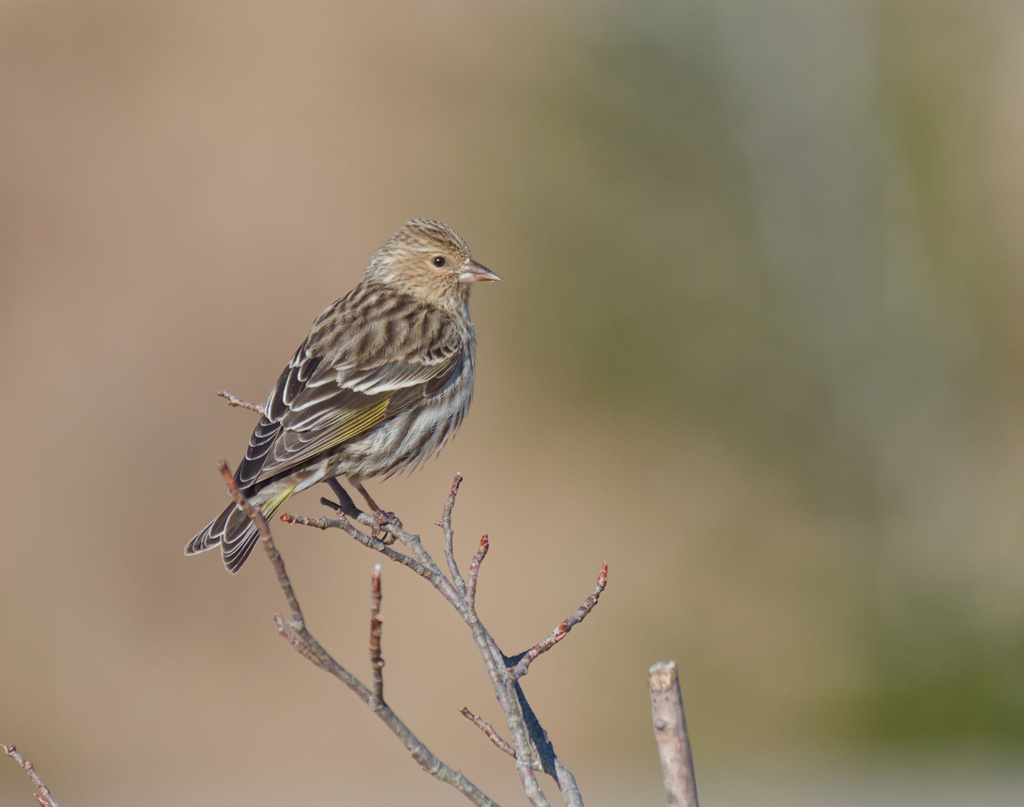
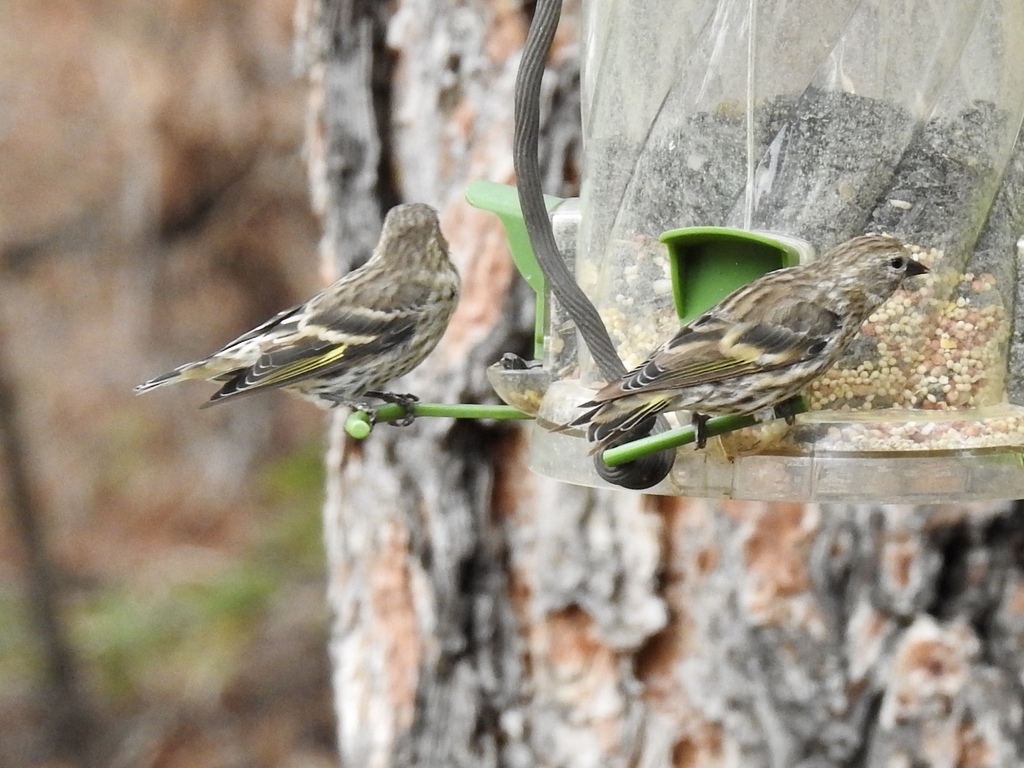
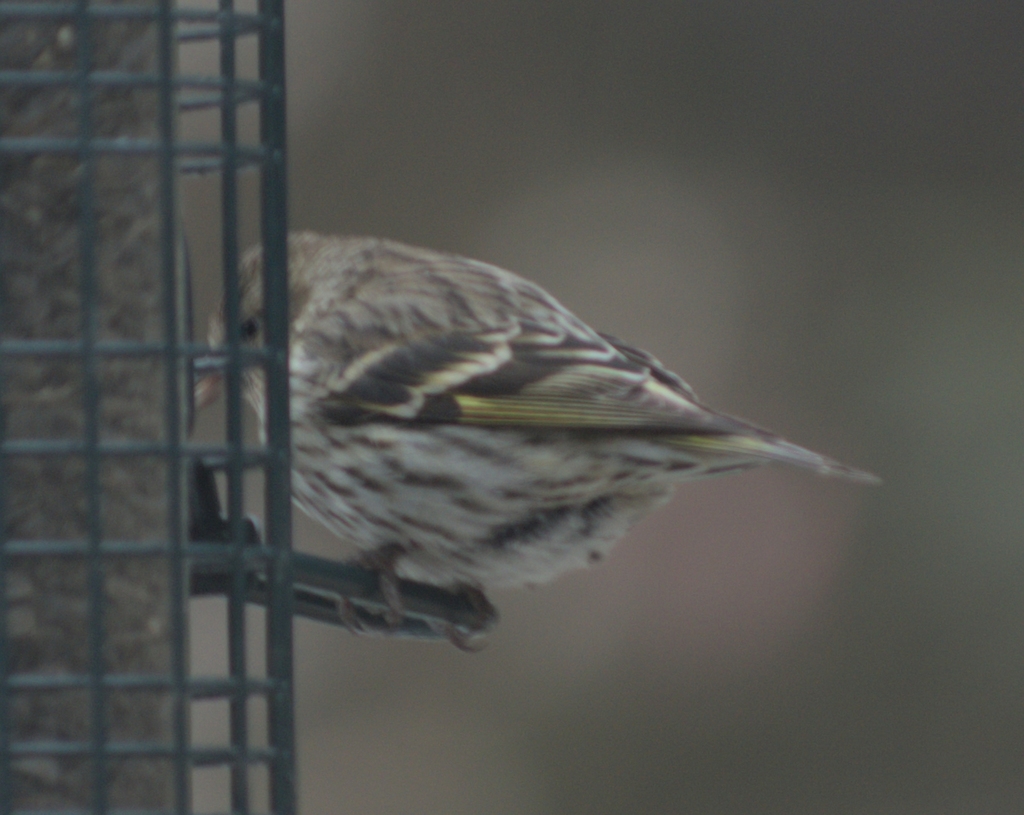
Its closest relatives
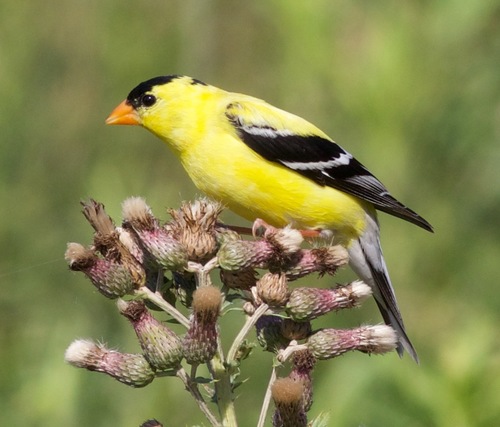
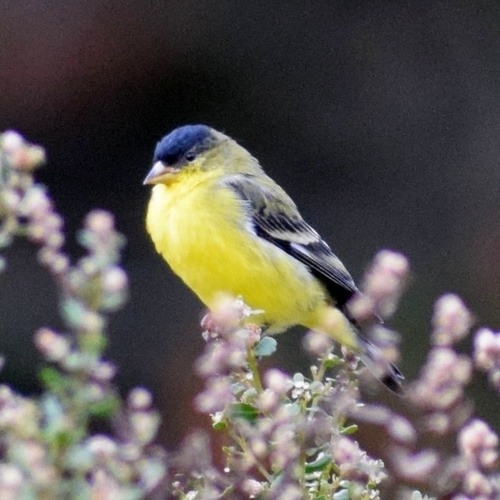
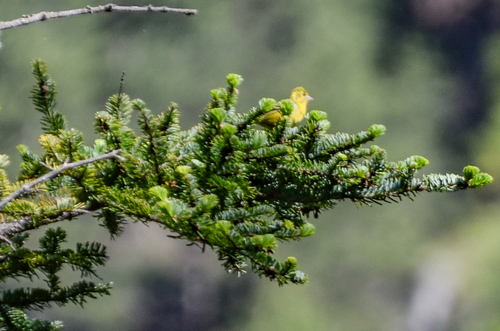
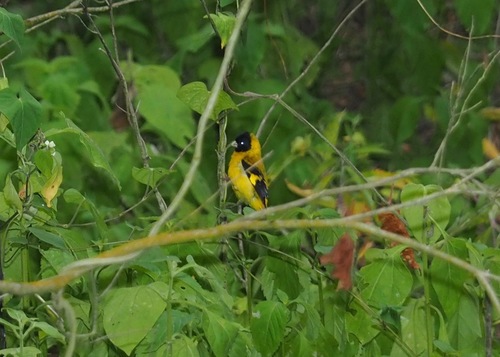
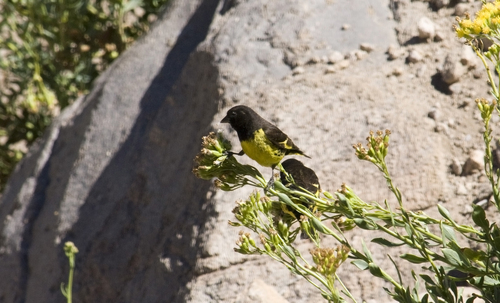
The other species of the genus Spinus.



Seen a pine siskin?
Share your photo on iNaturalist. Other naturalists help confirm it, and the record goes to GBIF, where scientists use it and where the maps on this page come from.
Put this species on your site
The card names every source and links back here.
<iframe src="https://4planetatlas.com/place/embed/species/pine-siskin" title="Pine siskin (Spinus pinus), 4PLANET Species" width="100%" height="600" style="border:0;max-width:640px" loading="lazy"></iframe>
<p><a href="https://4species.com/pine-siskin">Pine siskin on 4PLANET Species</a></p>Questions people ask
What does the pine siskin eat?
The pine siskin has been recorded eating 20 different kinds of animals and plants, most of them plants and insects. The ones recorded most often are common chickweed, northern white cedar, bull thistle, eastern red-cedar and paper birch; records include animals eaten as carrion. Source: GloBI.
What eats the pine siskin?
Recorded predators include sharp-shinned hawk and northern shrike. Source: GloBI.
Where does the pine siskin live?
People have recorded it in 7 countries; the most records come from United States, Canada, Mexico, Guatemala and St. Pierre & Miquelon. Records show where people have seen it, not its full range.
When is the pine siskin seen most?
In the northern hemisphere, the most records are made in May and the fewest in September. More people outdoors also means more records.
What are the pine siskin's closest relatives?
It shares the genus Spinus with american goldfinch, carduelis cucullata, lesser goldfinch, yellow-faced siskin and andean siskin.
Sources and photo credits
- GBIF · Spinus pinus, 3,363,143 human observations
- GloBI · recorded interactions of Spinus pinus
- Wikidata · Pine siskin (Q26847063)
- Pine siskin (Spinus pinus): Cephas, CC BY-SA 4.0
- Pine siskin (Spinus pinus): Laurent Bélanger, CC BY-SA 4.0
- Pine siskin (Spinus pinus): fishhawk, CC BY 4.0
- Pine siskin (Spinus pinus), Canso Causeway, NS, Canada: alicia penney, CC BY 4.0
- Pine siskin (Spinus pinus), Oregon, US: Tser, CC BY 4.0
- Pine siskin (Spinus pinus), Saskatoon, SK S7N 0V2, Canada: Kathlin Simpkins, CC0
- Pine siskin (Spinus pinus), Hampton, NB, Canada: Blake Ross, CC BY 4.0
- Pine siskin (Spinus pinus), Lincoln National Forest, Cloudcroft, NM, US: CK2AZ, CC BY 4.0
- Pine siskin (Spinus pinus), Mapleton: Mary Krieger, CC BY 4.0
- Common chickweed: Douglas Goldman, CC BY-SA 4.0
- Northern white cedar: botanygirl, CC BY 4.0
- Bull thistle: Don Loarie, CC BY 4.0
- Eastern red-cedar: Douglas Goldman, CC BY-SA 4.0
- Paper birch: no rights reserved, uploaded by Dezene Huber, CC0
- Crapemyrtle: Nonbinary-Naturalist, CC0
- Bog spruce: Superior National Forest, CC BY 4.0
- Eastern hemlock: Ian Manning, CC BY 4.0
- Sweetgum: Douglas Goldman, CC BY-SA 4.0
- Trumpet-creeper: Douglas Goldman, CC BY-SA 4.0
- Red alder: Casey H. Richart, CC BY 4.0
- Tamarack: Tim & Selena Middleton, CC BY 4.0
- Sharp-shinned hawk: Troy B, CC BY 4.0
- Northern shrike: Cole Wolf, CC BY 4.0
- American goldfinch: no rights reserved, uploaded by Glenn Berry, CC0
- Carduelis cucullata: GrrlScientist, CC BY-SA 4.0
- Lesser goldfinch: Anne Parsons, CC0
- Yellow-faced siskin: Antonio Arnaiz-Villena, Valentin Ruiz-del-Valle, CC BY-SA 4.0
- Andean siskin: Antonio Arnaiz-Villena, Valentin Ruiz-del-Valle, CC BY-SA 4.0
- Tibetan siskin: Jay Pruett, CC BY 4.0
- Saffron siskin: John G. Phillips, CC BY 4.0
- Yellow-rumped siskin: Nicolas Olejnik, CC BY 4.0
Records show where people have seen and shared the pine siskin, not its full range, and some countries and months are recorded far more than others. The food web lists interactions that studies have recorded somewhere in the world (GloBI), not everything it eats in one place.
Checked 2026-11-28.