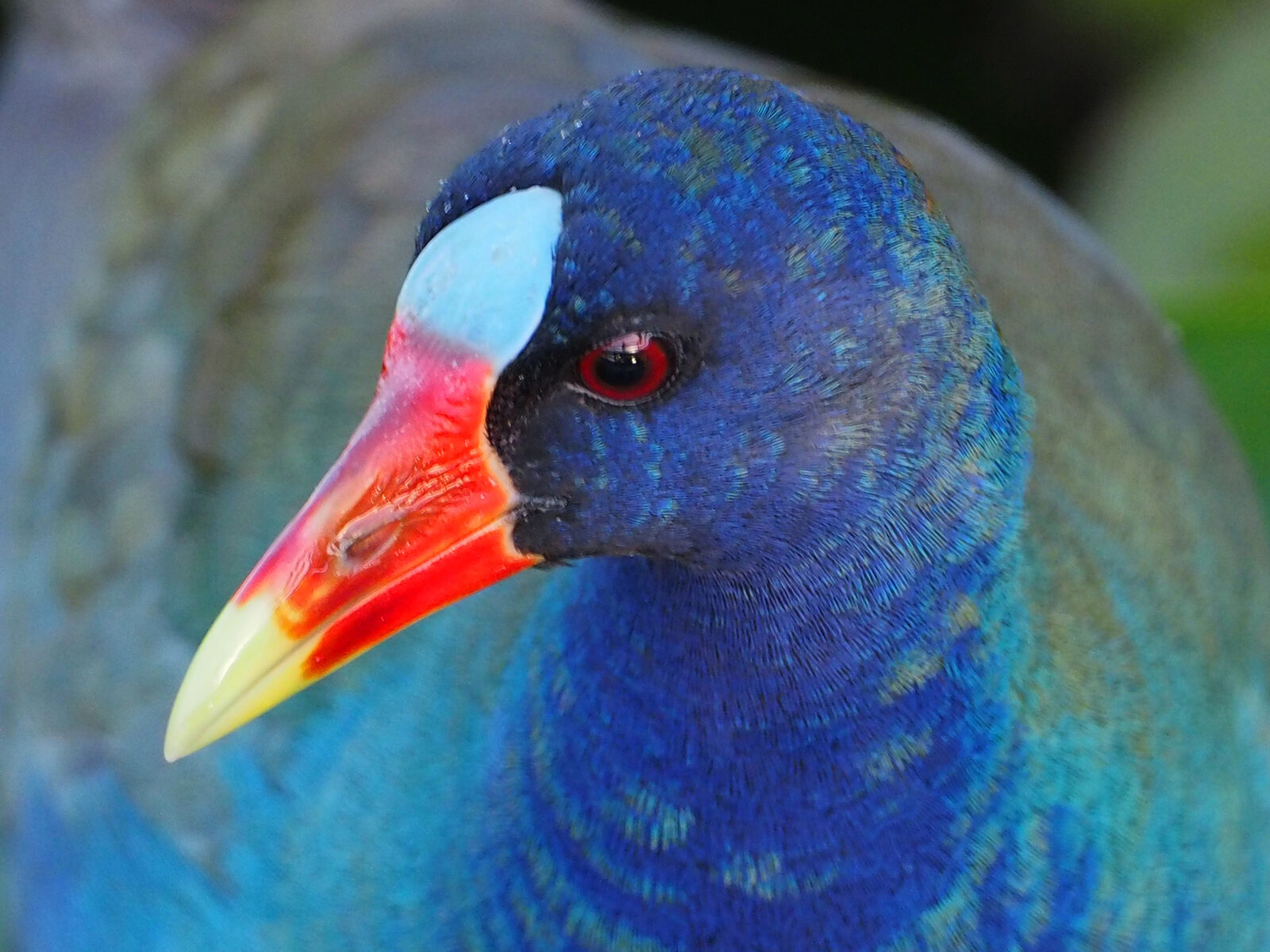
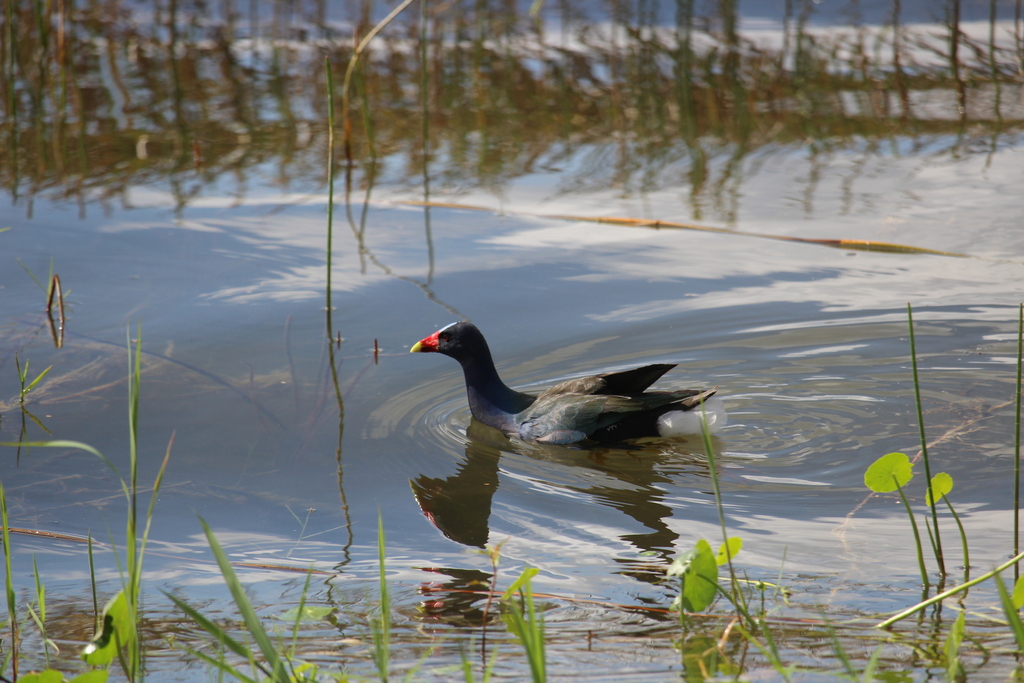
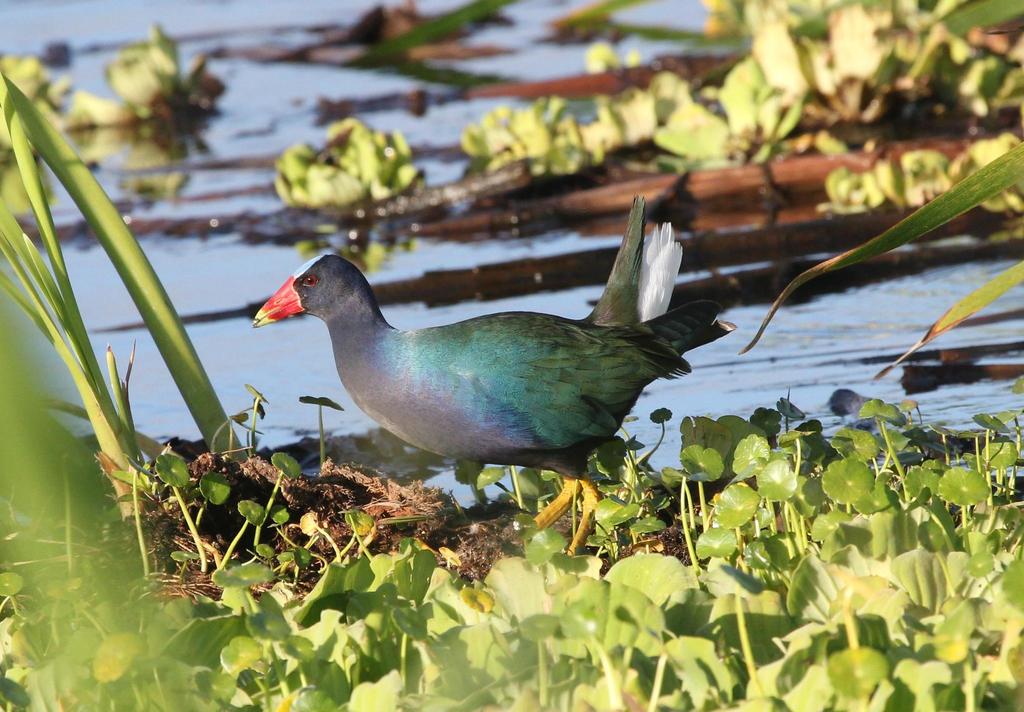
Purple Gallinule
Porphyrio martinica
- Status
- IUCN Red List
- Eats
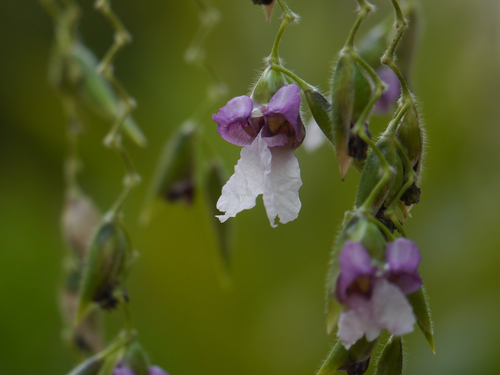
- bent alligator-flag, monkeypod, awnless barnyard grass and 10 more
- Eaten by
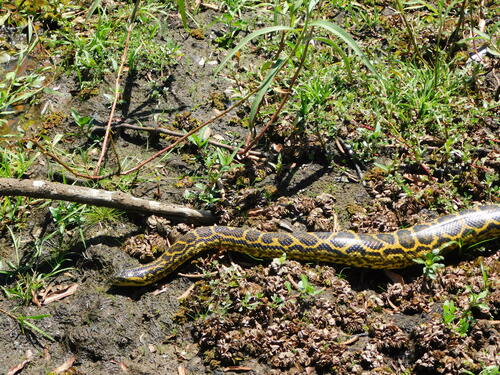
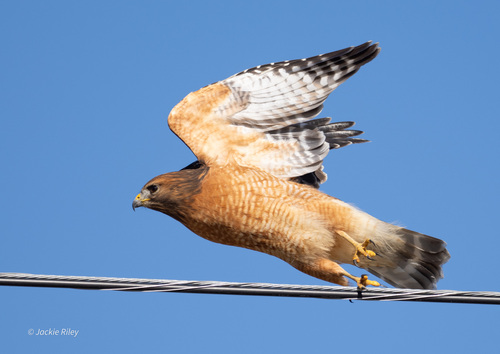
- yellow anaconda, red-shouldered hawk
- Where
- 56 countries
On 4Planet Atlas it is among the wildlife people record most around Asunción, Bogotá and Bridgetown, and 8 more of the cities we cover.
People have shared 321,927 records of the Purple Gallinule with GBIF, from 56 countries, most of them from United States, Costa Rica and Colombia. Records collected by GloBI show it eating 13 different kinds of animals and plants, and being eaten by 3.
What the purple Gallinule eats, and what eats it
Studies have recorded it eating 13 kinds of animals and plants, and 3 kinds of animals eating it. Tap any of them to follow the food chain.
- Plants 11
- Fish 1
- Amphibians 1
 Purple Gallinule
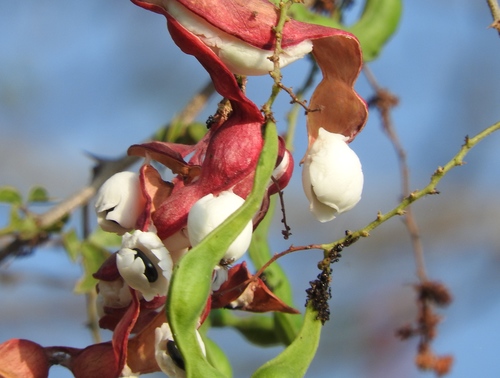

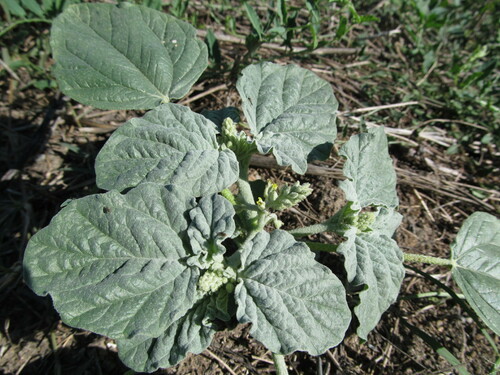


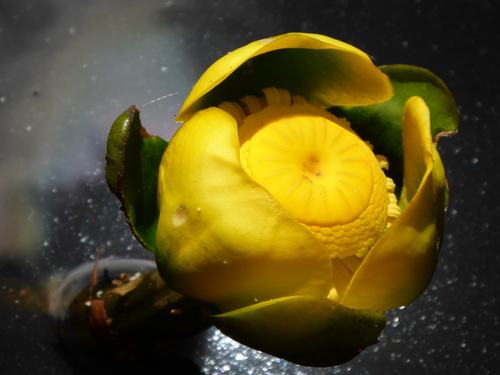
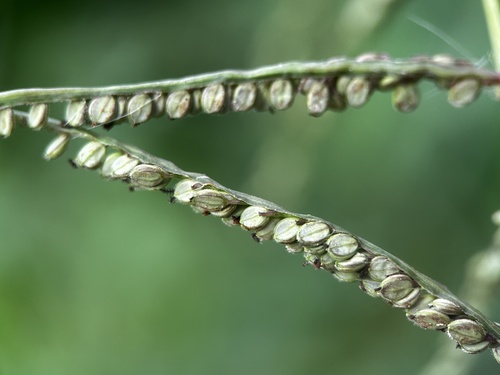
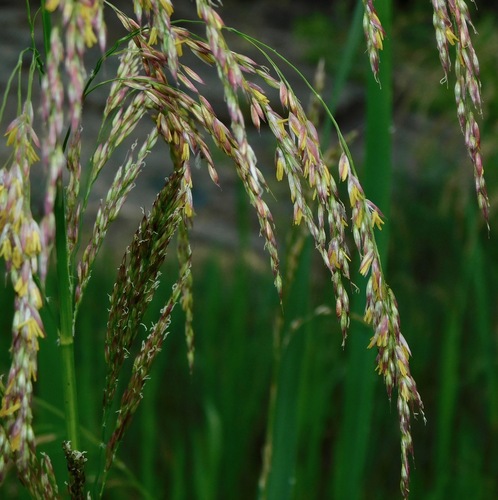
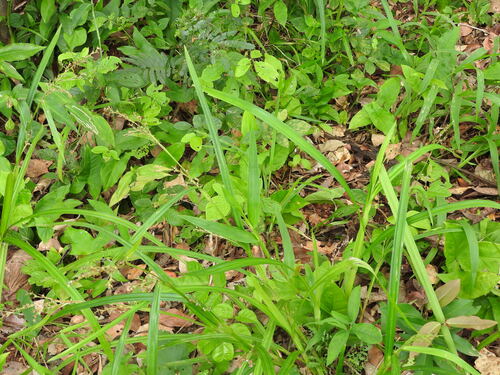
Records from studies worldwide, collected by GloBI. They include animals eaten as carrion, and they are not everything it eats in one place.
Where people see the purple Gallinule
People have shared 321,927 records from 56 countries.
Near a city: Asunción, Bogotá, Bridgetown, Havana, Houston, Kingston, Managua, Panama City, Port of Spain, Santo Domingo, St. George's.
Records show where people have seen it and shared it, not its full range. Country names open their page in Atlas.
When it is seen
Records per month in the northern hemisphere. More people outdoors also means more records.
Watch and listen
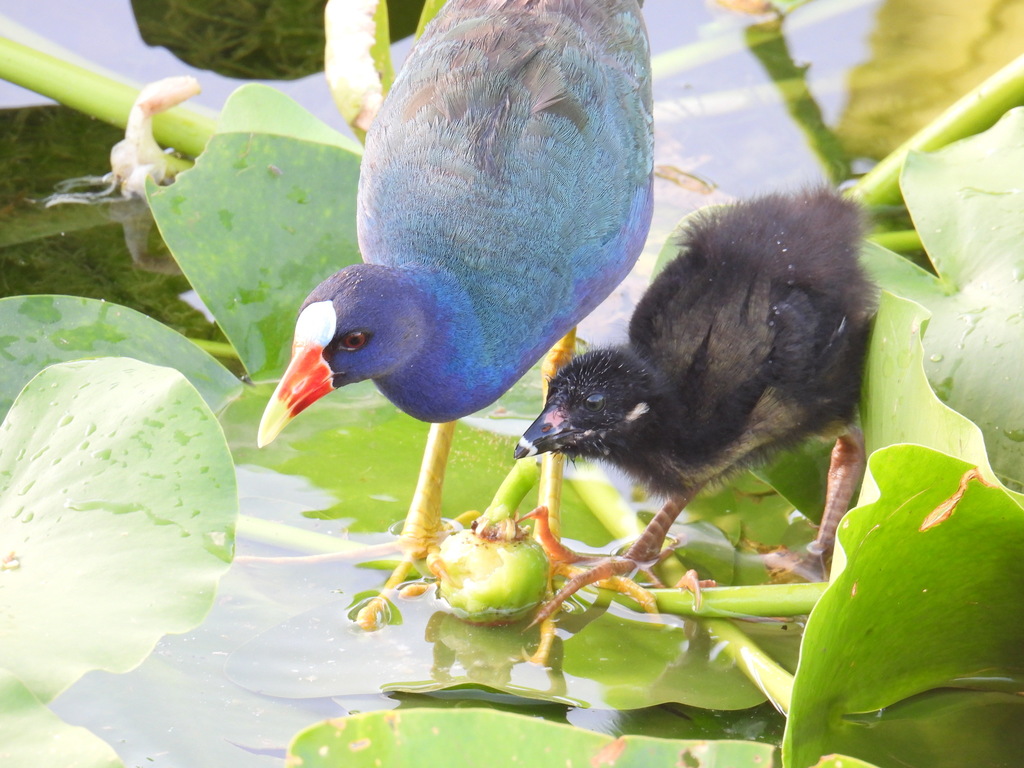
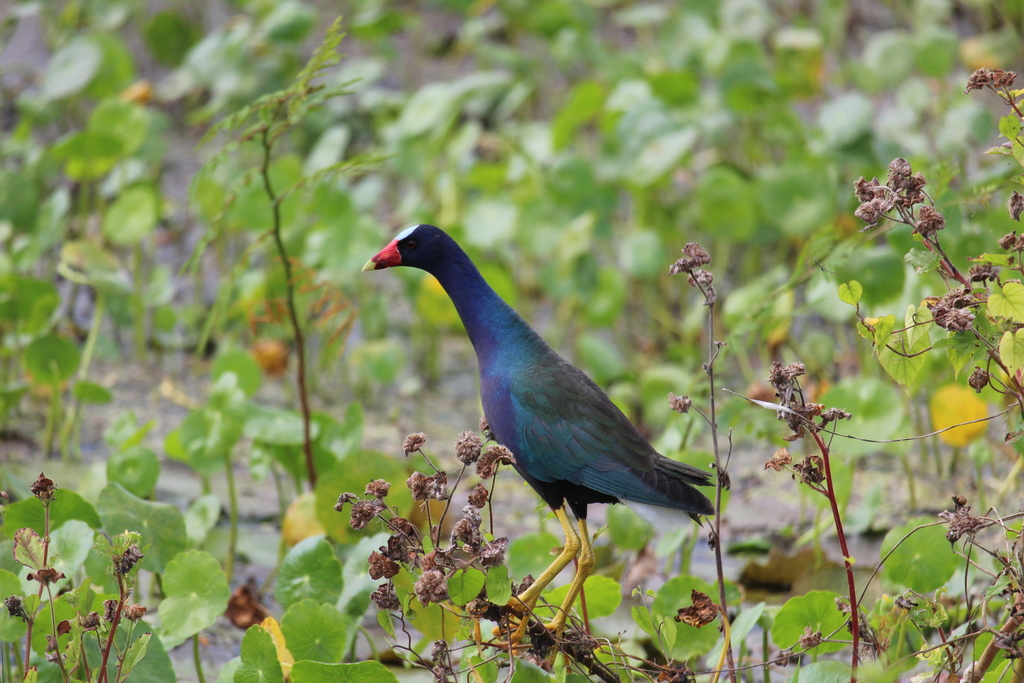
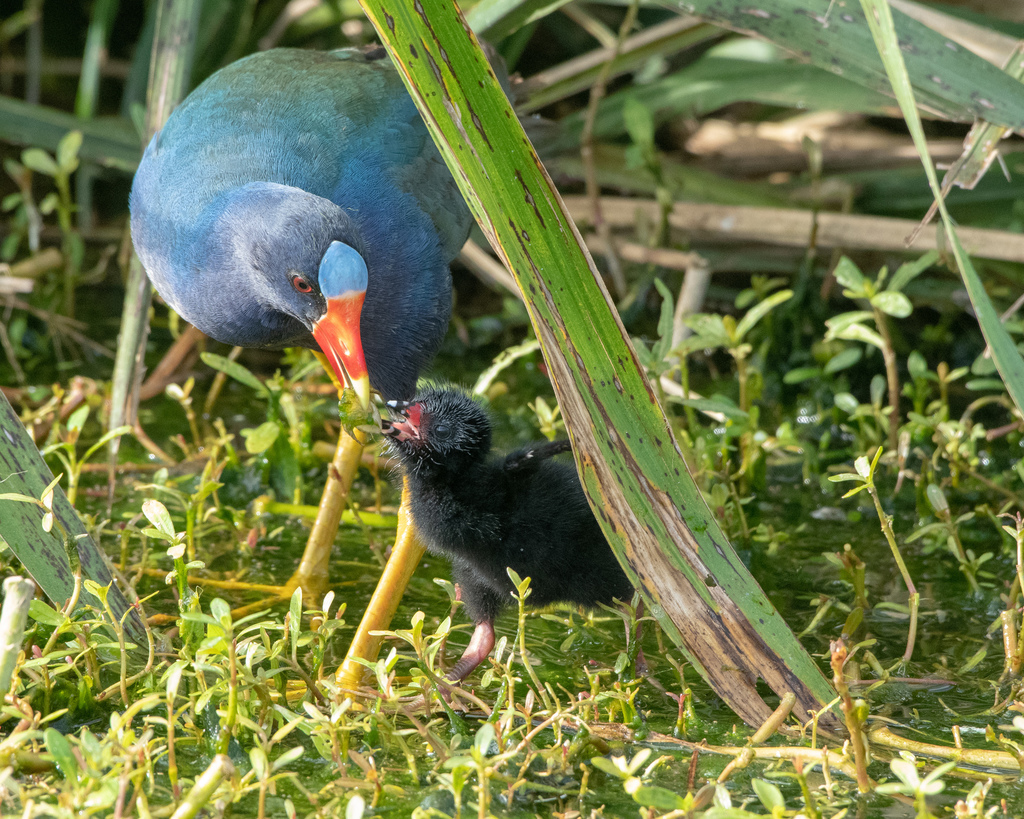
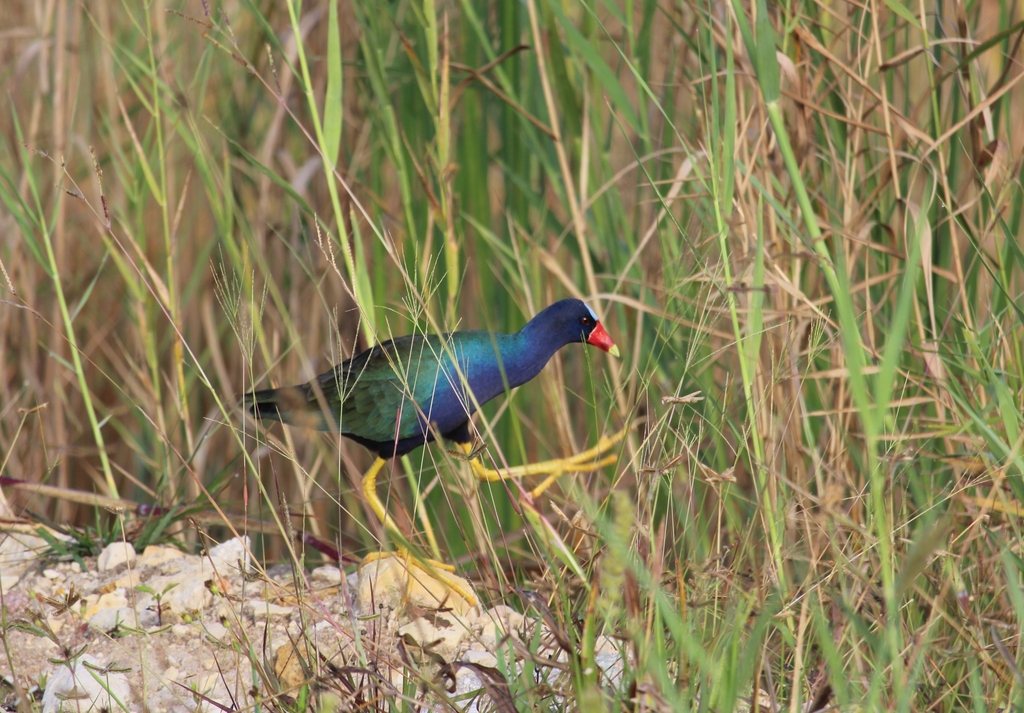
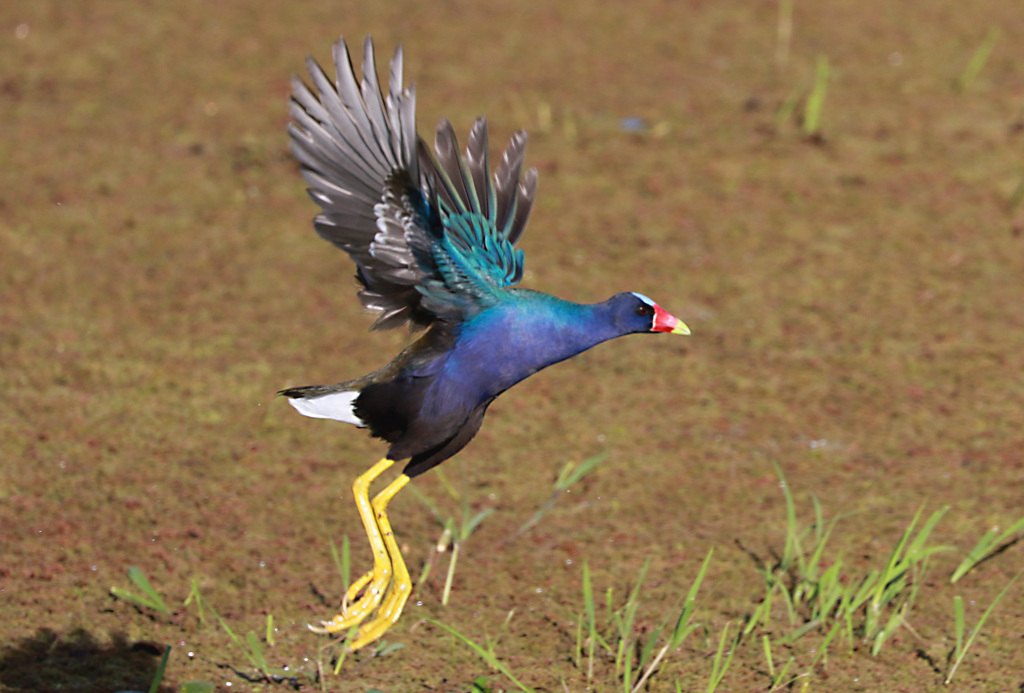
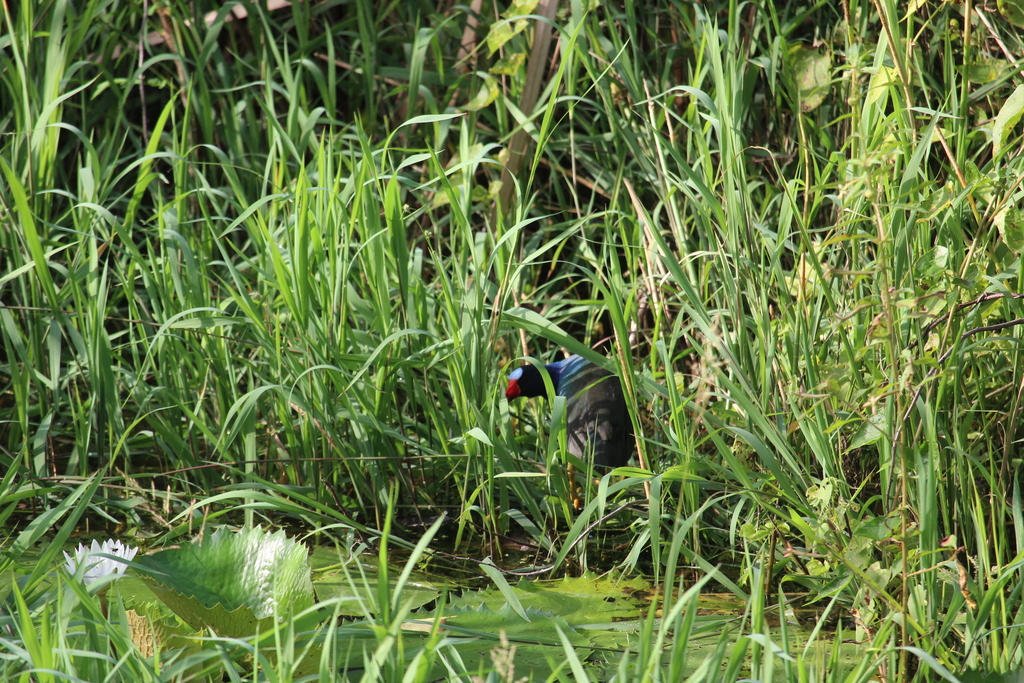
Its closest relatives
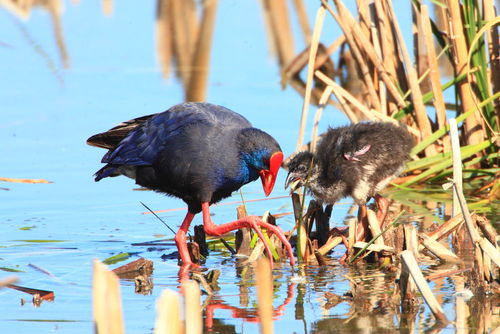
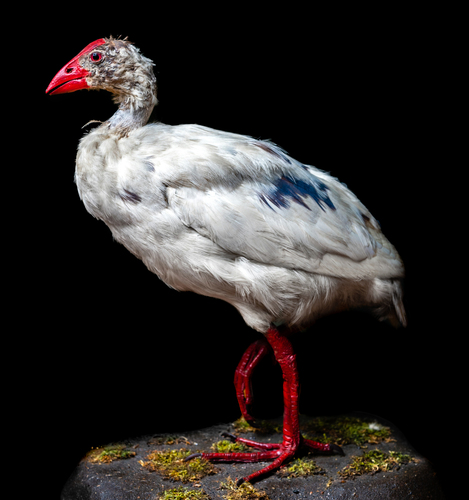
The other species of the genus Porphyrio.


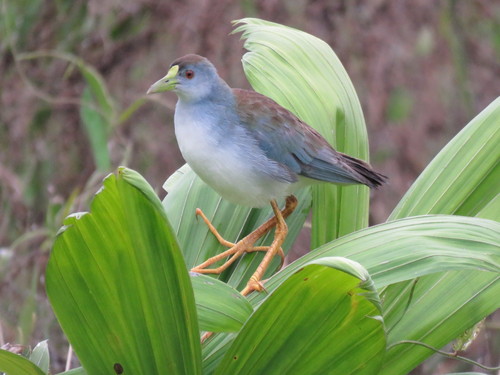
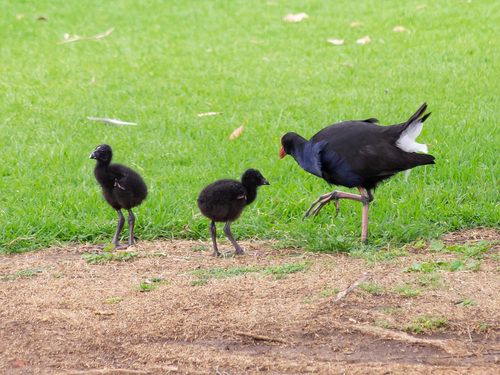
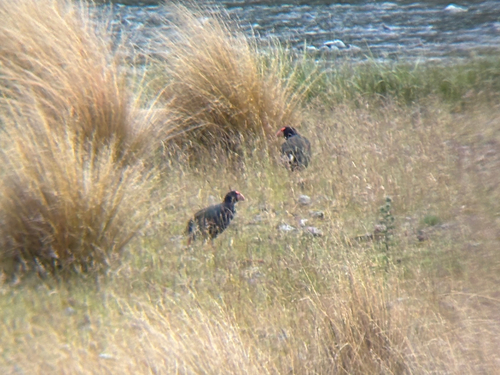
Seen a purple Gallinule?
Share your photo on iNaturalist. Other naturalists help confirm it, and the record goes to GBIF, where scientists use it and where the maps on this page come from.
Put this species on your site
The card names every source and links back here.
<iframe src="https://4planetatlas.com/place/embed/species/purple-gallinule" title="Purple Gallinule (Porphyrio martinica), 4PLANET Species" width="100%" height="600" style="border:0;max-width:640px" loading="lazy"></iframe>
<p><a href="https://4species.com/purple-gallinule">Purple Gallinule on 4PLANET Species</a></p>Questions people ask
What does the Purple Gallinule eat?
The Purple Gallinule has been recorded eating 13 different kinds of animals and plants, most of them plants, fish and amphibians. The ones recorded most often are bent alligator-flag, monkeypod, awnless barnyard grass, turn-sole and american white waterlily; records include animals eaten as carrion. Source: GloBI.
What eats the Purple Gallinule?
Recorded predators include yellow anaconda and red-shouldered hawk. Source: GloBI.
Where does the Purple Gallinule live?
People have recorded it in 56 countries; the most records come from United States, Costa Rica, Colombia, Panama and Brazil. Records show where people have seen it, not its full range.
When is the Purple Gallinule seen most?
In the northern hemisphere, the most records are made in April and the fewest in September. More people outdoors also means more records.
What are the Purple Gallinule's closest relatives?
It shares the genus Porphyrio with western swamphen, takahē, allen's gallinule, lord howe swamphen and azure gallinule.
Sources and photo credits
- GBIF · Porphyrio martinica, 321,927 human observations
- GloBI · recorded interactions of Porphyrio martinica
- Wikidata · Purple Gallinule (Q27074644)
- Purple Gallinule (Porphyrio martinica): Judy Gallagher, CC BY-SA 4.0
- Purple Gallinule (Porphyrio martinica), Parkland, FL, USA: Josiah Londerée, CC BY 4.0
- Purple Gallinule (Porphyrio martinica), El Remate, Guatemala: Ricard Busquets Reverte, CC BY 4.0
- Purple Gallinule (Porphyrio martinica), Alachua County, FL, USA: Court Harding, CC BY 4.0
- Purple Gallinule (Porphyrio martinica), Flores, Guatemala: Ricard Busquets Reverte, CC BY 4.0
- Purple Gallinule (Porphyrio martinica), 55100 Bella Unión, Artigas, Uruguai: Lindolfo Souto, CC BY 4.0
- Purple Gallinule (Porphyrio martinica), El Remate, Guatemala: Ricard Busquets Reverte, CC BY 4.0
- Purple Gallinule (Porphyrio martinica), El Remate, Guatemala: Ricard Busquets Reverte, CC BY 4.0
- Purple Gallinule (Porphyrio martinica), Llanos, Lajas, Puerto Rico: Abby Darrah, CC BY 4.0
- Bent alligator-flag: Dinesh Valke, CC BY-SA 4.0
- Monkeypod: Francisco Farriols Sarabia, CC BY 4.0
- Awnless barnyard grass: Tyler Bishop, CC BY 4.0
- Turn-sole: zebedeugalinha, CC BY 4.0
- American white waterlily: Elvira de Lange, CC BY 4.0
- Bahia grass: no rights reserved, uploaded by Alan Weakley, CC0
- Spatter-dock: mfeaver, CC BY 4.0
- Clyde road grass: scallions, CC BY 4.0
- Giant-cutgrass: Michael J. Papay, CC BY 4.0
- Scleria melaleuca: Alexis López Hernández, CC BY 4.0
- Yellow anaconda: Sebastián Gómez Barboza Silveira, CC0
- Red-shouldered hawk: Jackie Riley, CC BY 4.0
- Western swamphen: Carles Pastor, CC BY-SA 4.0
- Takahē: John Barkla, CC BY 4.0
- Allen's gallinule: Nigel Voaden, CC BY 4.0
- Lord howe swamphen: Vertebrate Zoology Curator, CC BY-SA 4.0
- Azure gallinule: Vincent A. Vos, CC BY 4.0
- Australasian swamphen: Terra Occ, CC BY 4.0
- North island takahe: Damon H, CC BY 4.0
Records show where people have seen and shared the Purple Gallinule, not its full range, and some countries and months are recorded far more than others. The food web lists interactions that studies have recorded somewhere in the world (GloBI), not everything it eats in one place.
Checked 2026-11-27.