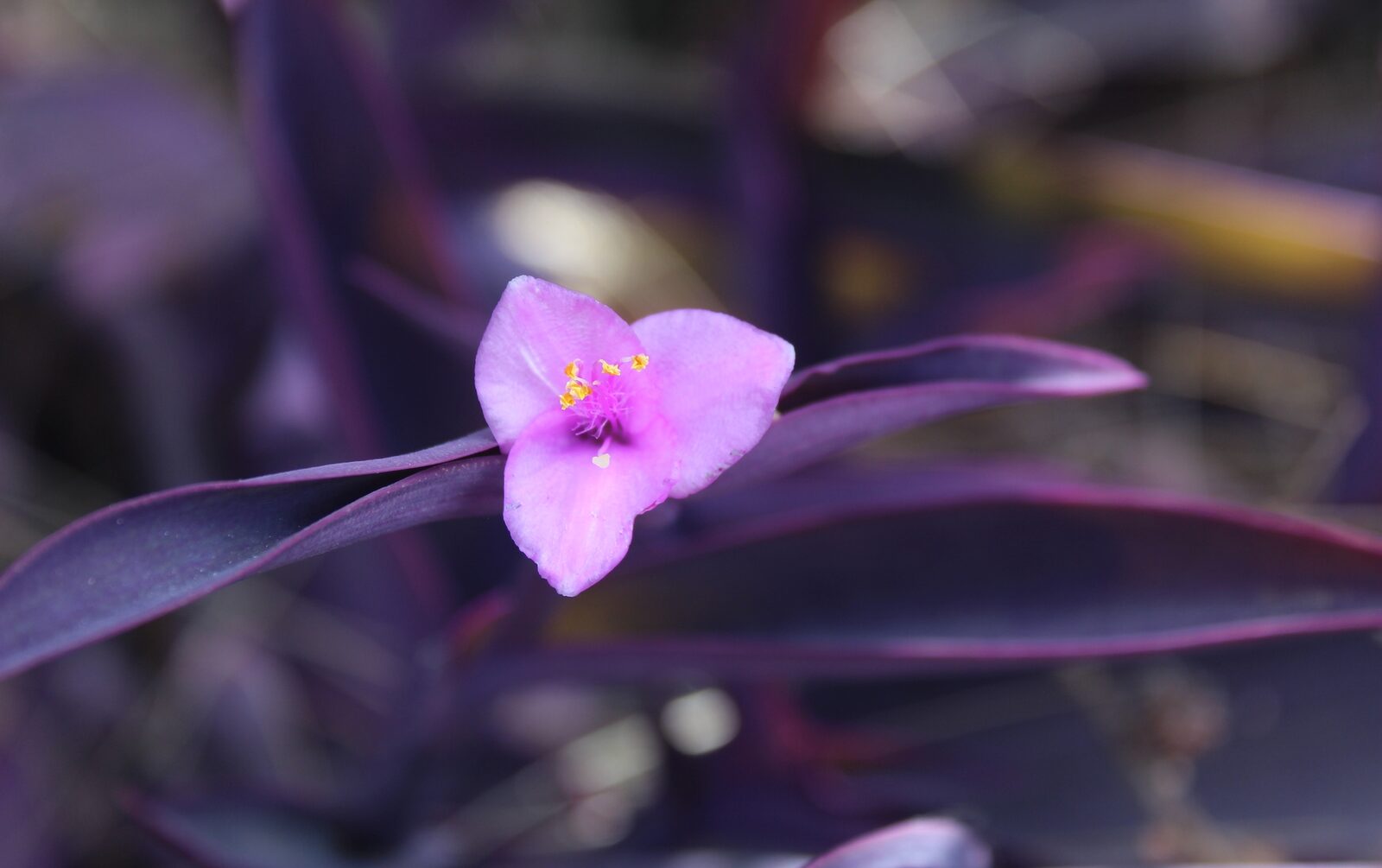
Purple Heart
Tradescantia pallida
- Status
- IUCN Red List
- Where
- 102 countries
People have shared 7,142 records of the Purple Heart with GBIF, from 102 countries, most of them from United States, Mexico and Brazil.
In the northern hemisphere, people record it most in April and least in February. It belongs to the genus Tradescantia in the family Commelinaceae.
Where people see the purple Heart
People have shared 7,142 records from 102 countries.
Records show where people have seen it and shared it, not its full range. Country names open their page in Atlas.
When it is seen
Records per month in the northern hemisphere. More people outdoors also means more records.
Watch and listen
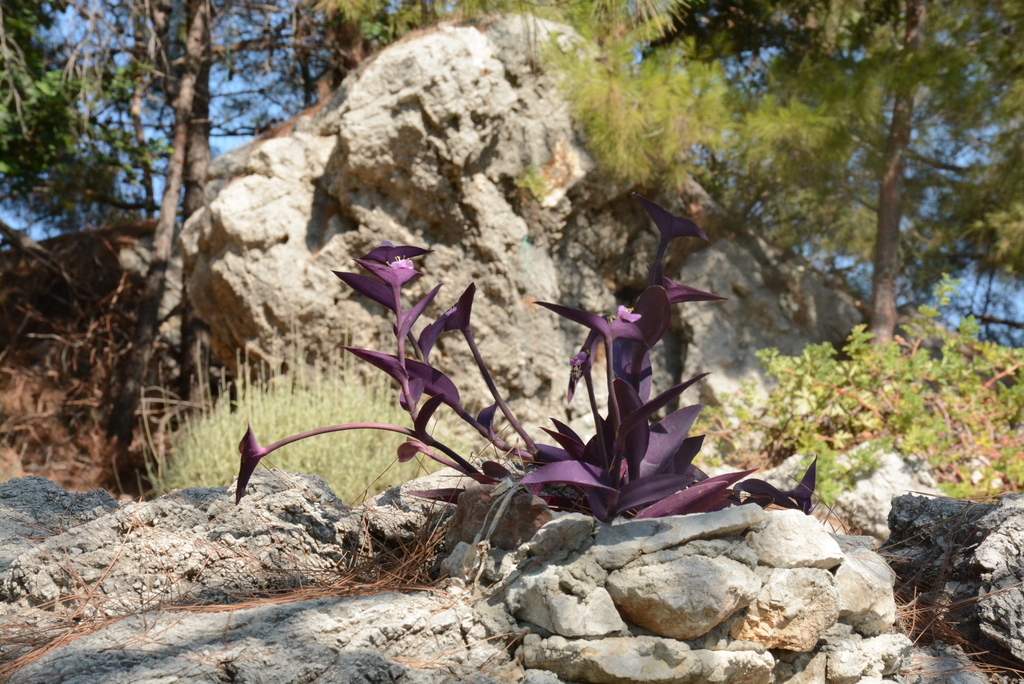
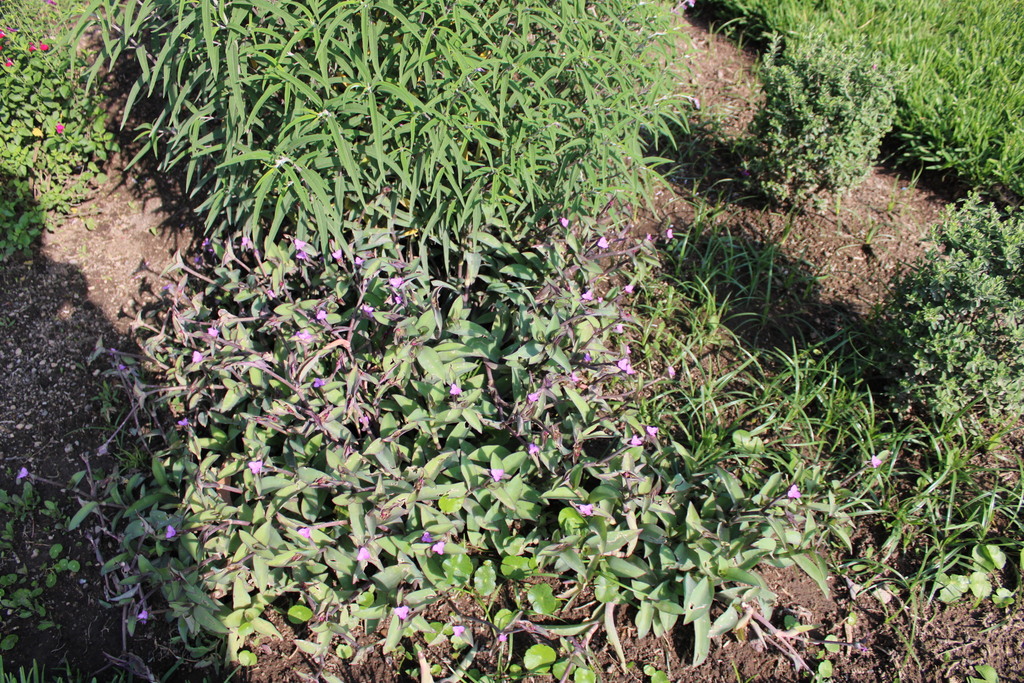
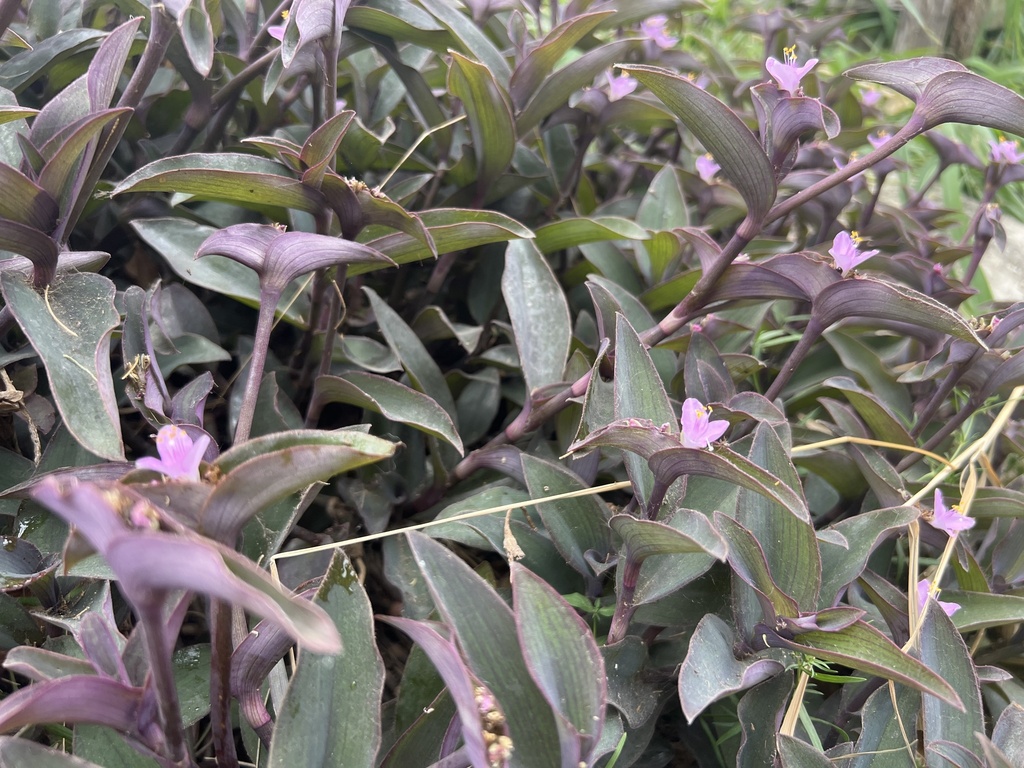
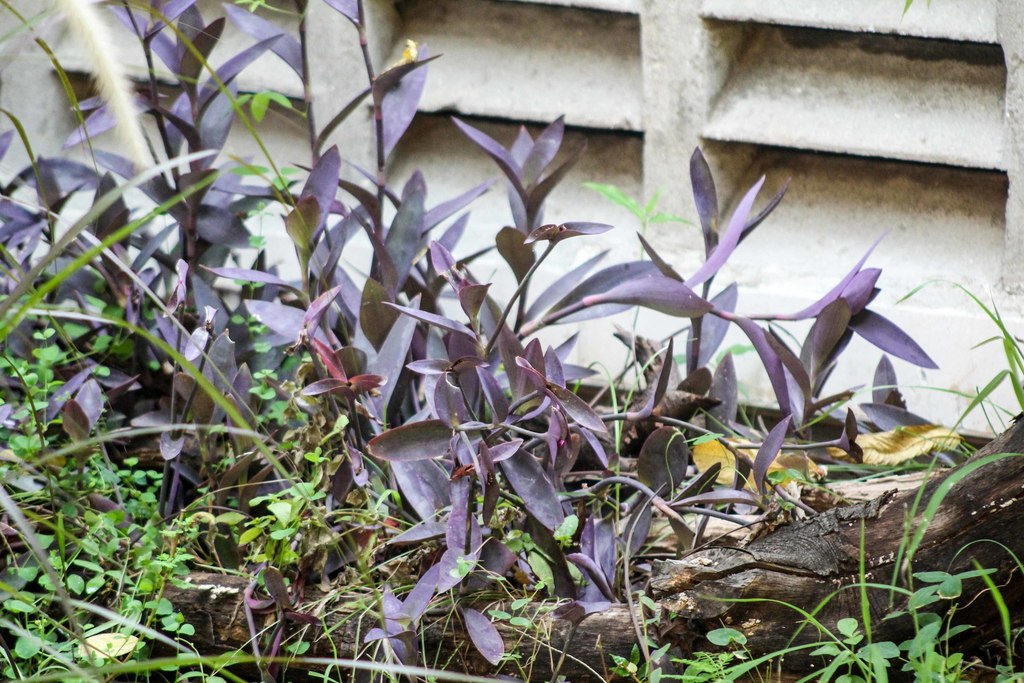
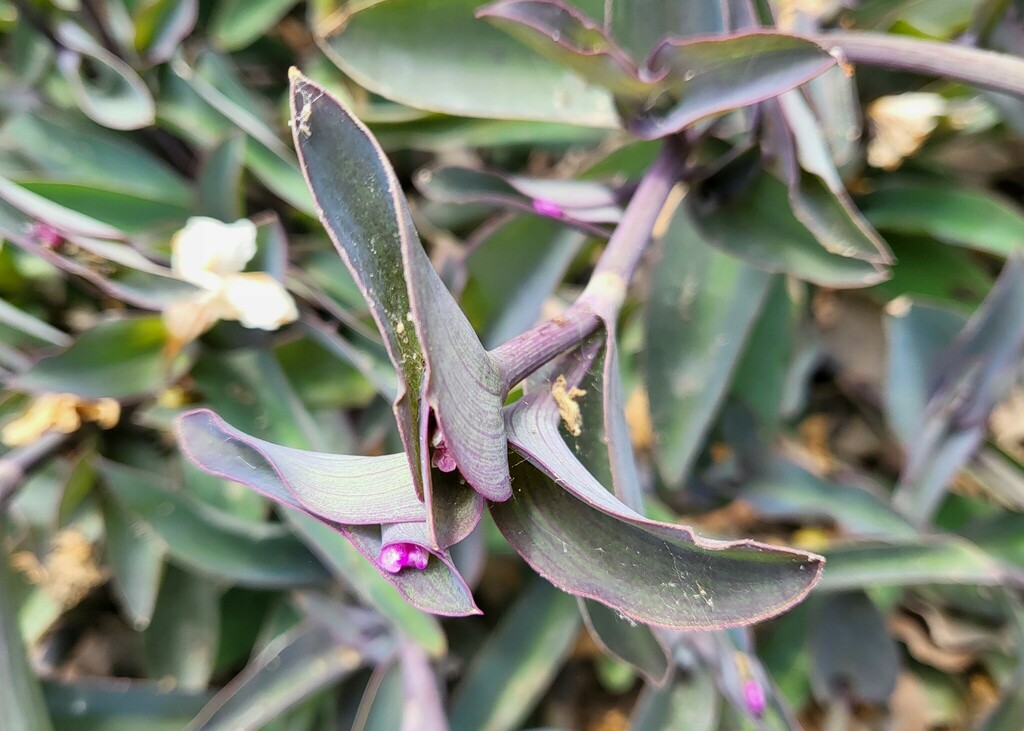
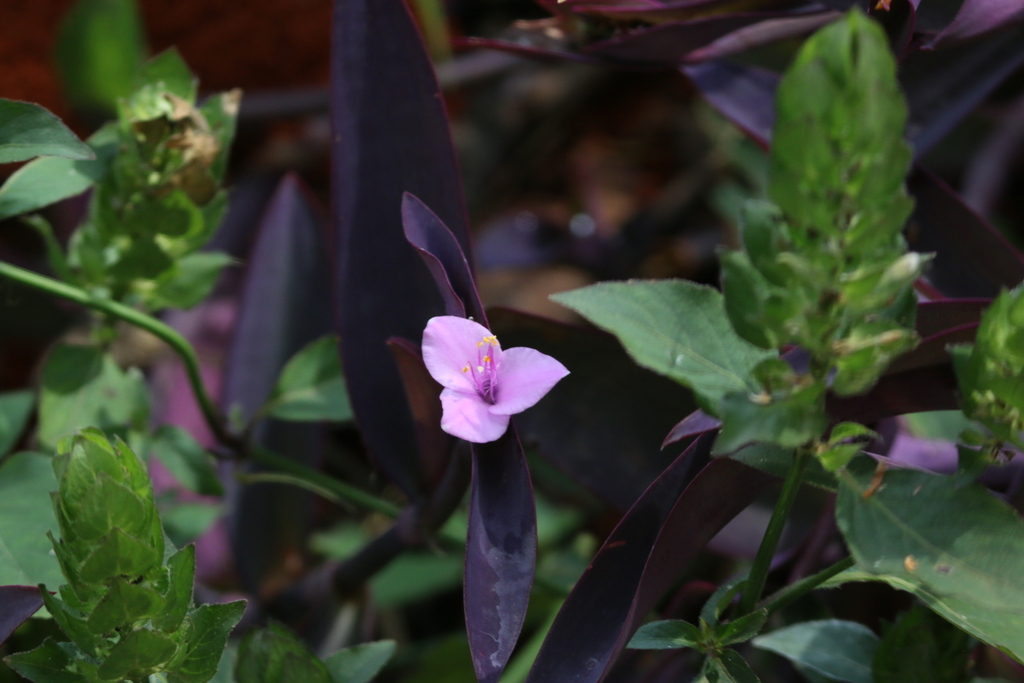
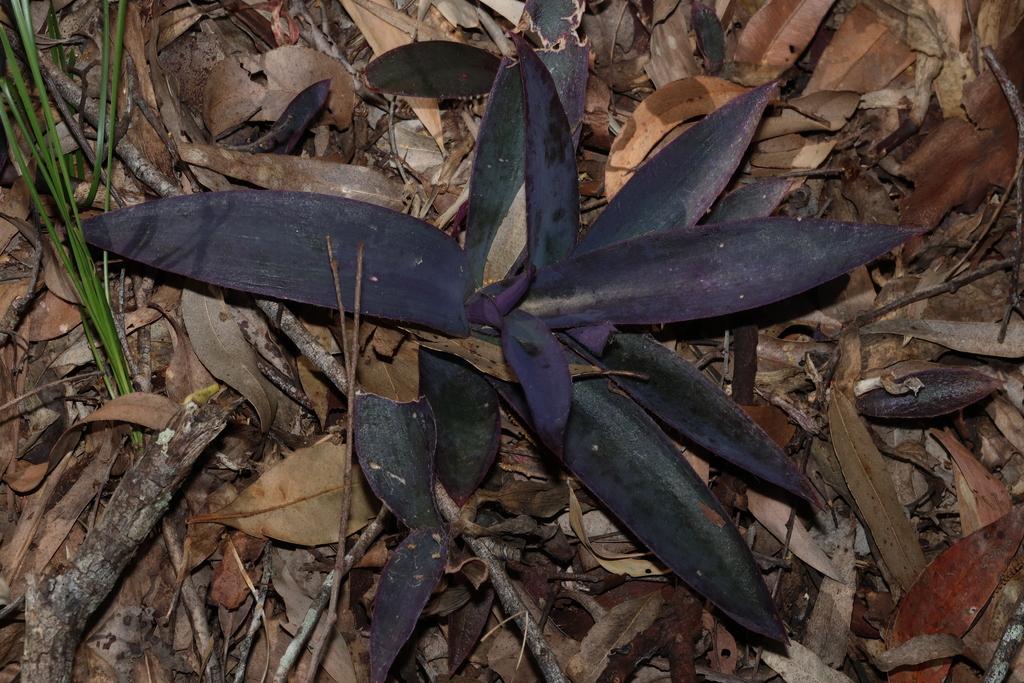
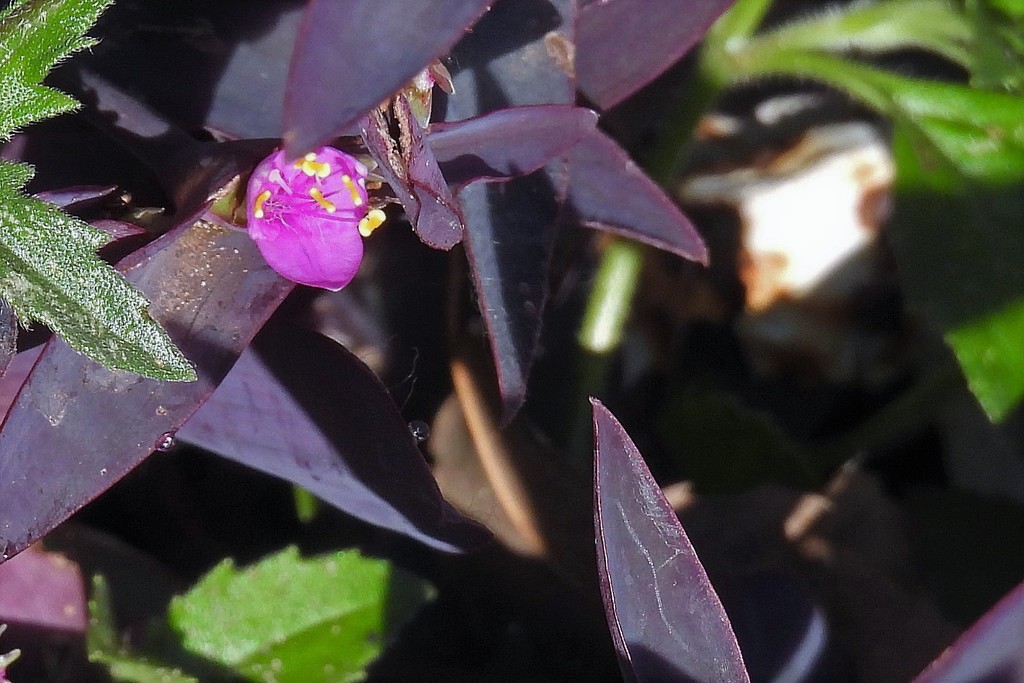
Seen a purple Heart?
Share your photo on iNaturalist. Other naturalists help confirm it, and the record goes to GBIF, where scientists use it and where the maps on this page come from.
Put this species on your site
The card names every source and links back here.
<iframe src="https://4planetatlas.com/place/embed/species/purple-heart" title="Purple Heart (Tradescantia pallida), 4PLANET Species" width="100%" height="600" style="border:0;max-width:640px" loading="lazy"></iframe>
<p><a href="https://4species.com/purple-heart">Purple Heart on 4PLANET Species</a></p>Questions people ask
Where does the Purple Heart live?
People have recorded it in 102 countries; the most records come from United States, Mexico, Brazil, India and Colombia. Records show where people have seen it, not its full range.
When is the Purple Heart seen most?
In the northern hemisphere, the most records are made in April and the fewest in February. More people outdoors also means more records.
Sources and photo credits
- GBIF · Tradescantia pallida, 7,142 human observations
- GloBI · recorded interactions of Tradescantia pallida
- Wikidata · Purple Heart (Q1563504)
- Purple Heart (Tradescantia pallida): Ricard Busquets Reverte, CC BY 4.0
- Purple Heart (Tradescantia pallida), Alanya, Antalya, Türkiye: Fethullah ÖZTÜRK, CC BY 4.0
- Purple Heart (Tradescantia pallida), Prol Gobernador Curiel 5300, Cerro del Cuatro, 44980 San Pedro Tlaquepaque, Jal.: PRAC Guadalajara, CC BY 4.0
- Purple Heart (Tradescantia pallida), Professional Dr, Brownsville, TX, US: Alan Weakley, CC0
- Purple Heart (Tradescantia pallida), Amador, Panama City, Panama: lcchacon21, CC BY 4.0
- Purple Heart (Tradescantia pallida), Weslaco, TX, USA: Nicole, CC BY 4.0
- Purple Heart (Tradescantia pallida), SQS 302/303, Brasília, DF, BR: Wallace Carneiro Almeida, CC BY 4.0
- Purple Heart (Tradescantia pallida), Witheren QLD 4275, Australia: Greg Tasney, CC BY-SA 4.0
- Purple Heart (Tradescantia pallida), Corrientes, Argentina: Hugo Hulsberg, CC0
Records show where people have seen and shared the Purple Heart, not its full range, and some countries and months are recorded far more than others. The food web lists interactions that studies have recorded somewhere in the world (GloBI), not everything it eats in one place.
Checked 2026-11-27.