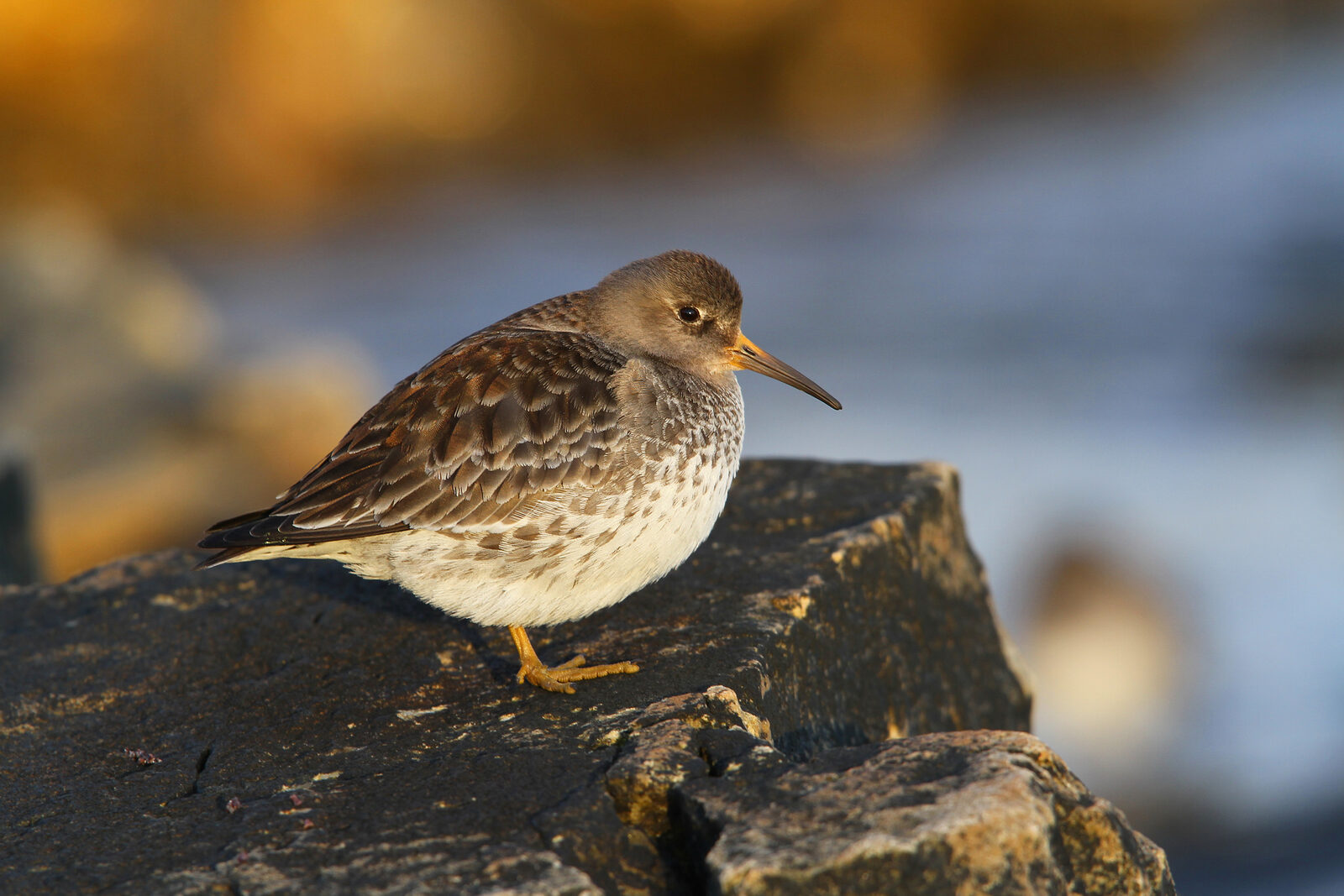
Purple sandpiper
Calidris maritima
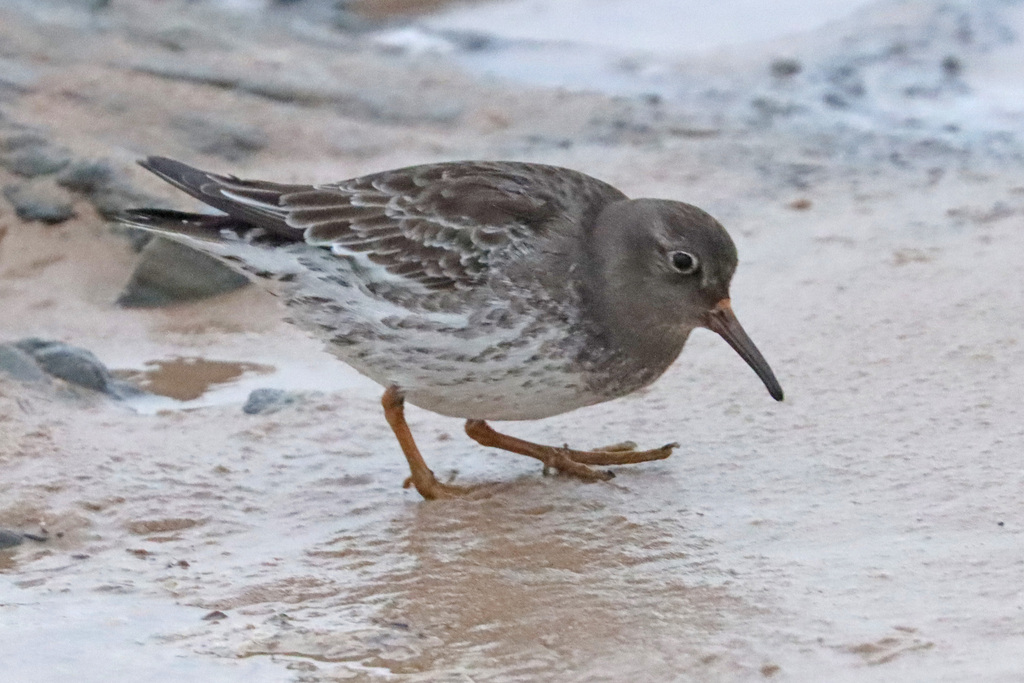
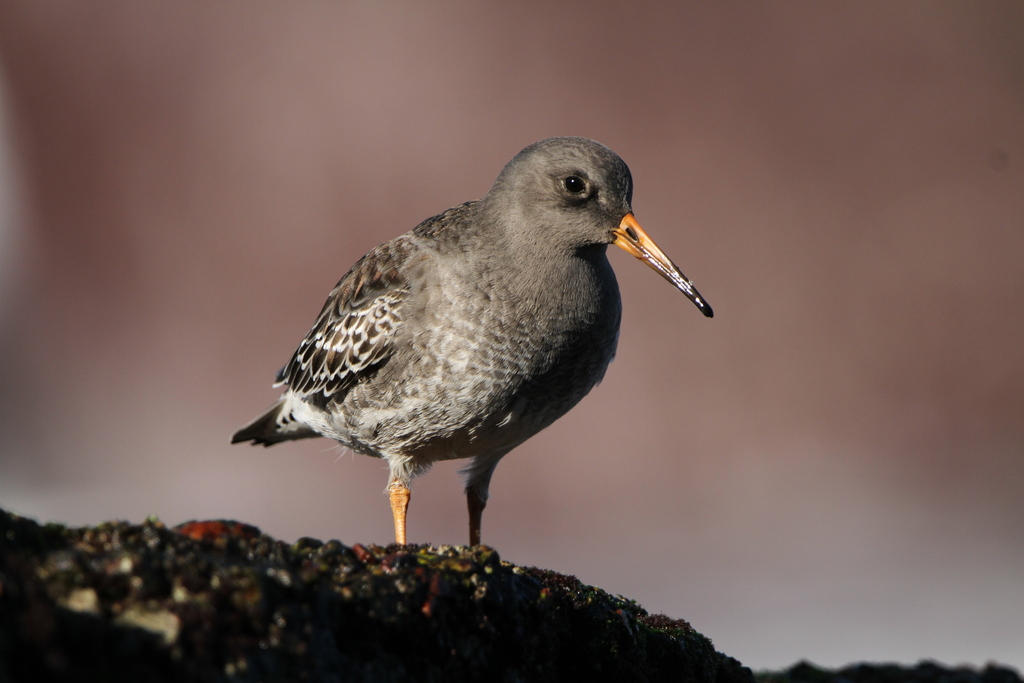
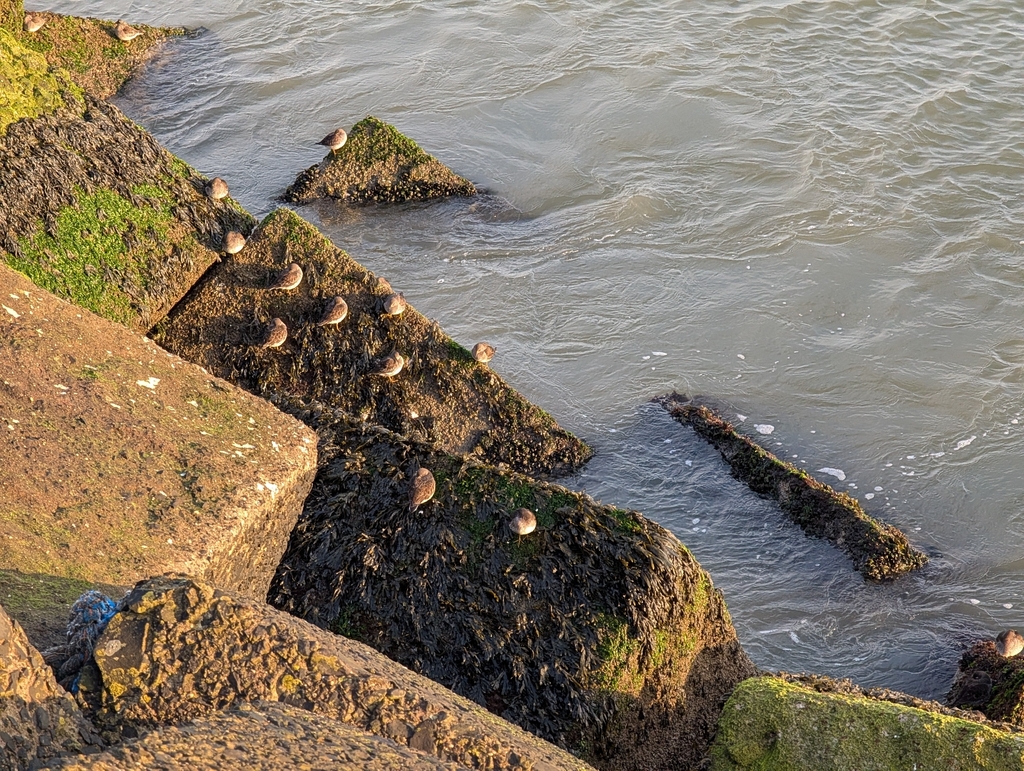
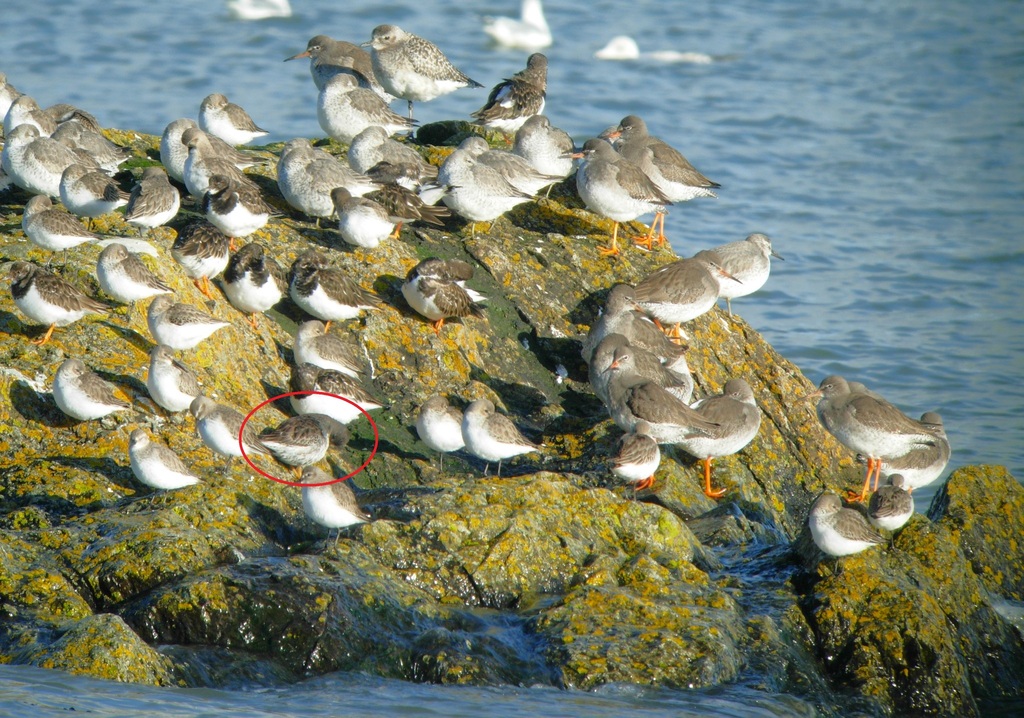
A stocky wader that feeds on wave-washed rocks in winter.
- Status
- Least Concern IUCN Red List
- Eats
- common periwinkle, common slipper shell, clawed forked weed and 185 more
- Eaten by
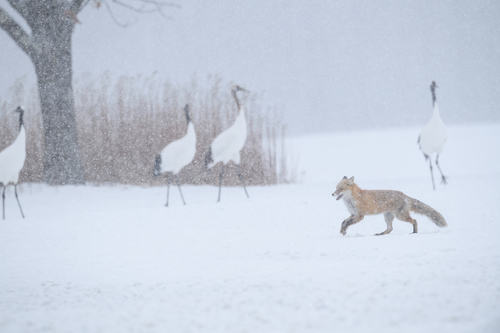
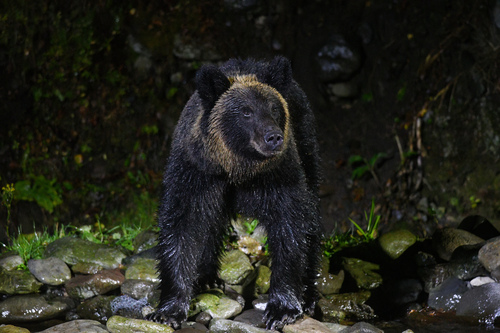
- grey wolf, red fox, brown bear
- Where
- 36 countries · tundra
On 4Planet Atlas it is among the wildlife people record most around Bergen, Dublin and Oslo, and 1 more of the cities we cover.
People have shared 161,905 records of the purple sandpiper with GBIF, from 36 countries, most of them from United States, United Kingdom and Canada. Records collected by GloBI show it eating 188 different kinds of animals and plants, and being eaten by 31.
Habitats
What the purple sandpiper eats, and what eats it
Studies have recorded it eating 188 kinds of animals and plants, and 31 kinds of animals eating it. Tap any of them to follow the food chain.
- Insects 104
- Snails and slugs 12
- Crustaceans 9
- Fish 3
- Plants 2
- Worms 2
- Shellfish 1
Eaten by


 Purple sandpiper
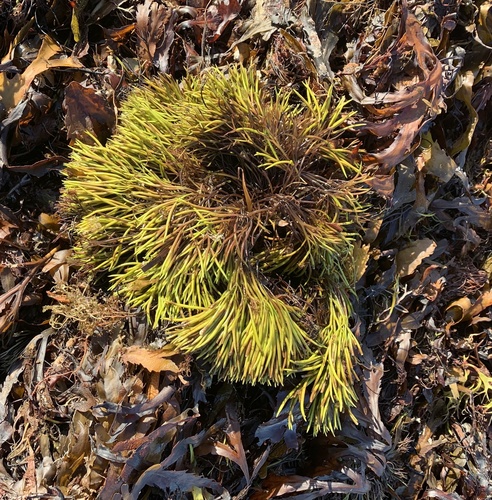
Records from studies worldwide, collected by GloBI. They include animals eaten as carrion, and they are not everything it eats in one place.
Where people see the purple sandpiper
People have shared 161,905 records from 36 countries.
Near a city: Bergen, Dublin, Oslo, Reykjavík.
Records show where people have seen it and shared it, not its full range. Country names open their page in Atlas.
When it is seen
Records per month in the northern hemisphere. More people outdoors also means more records.
Watch and listen
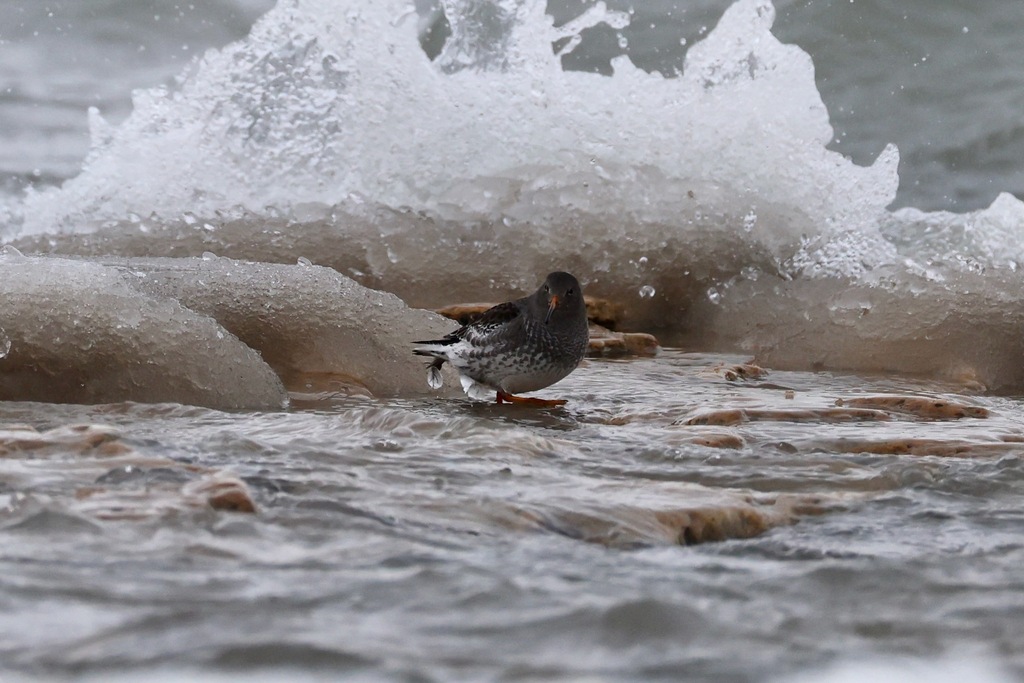
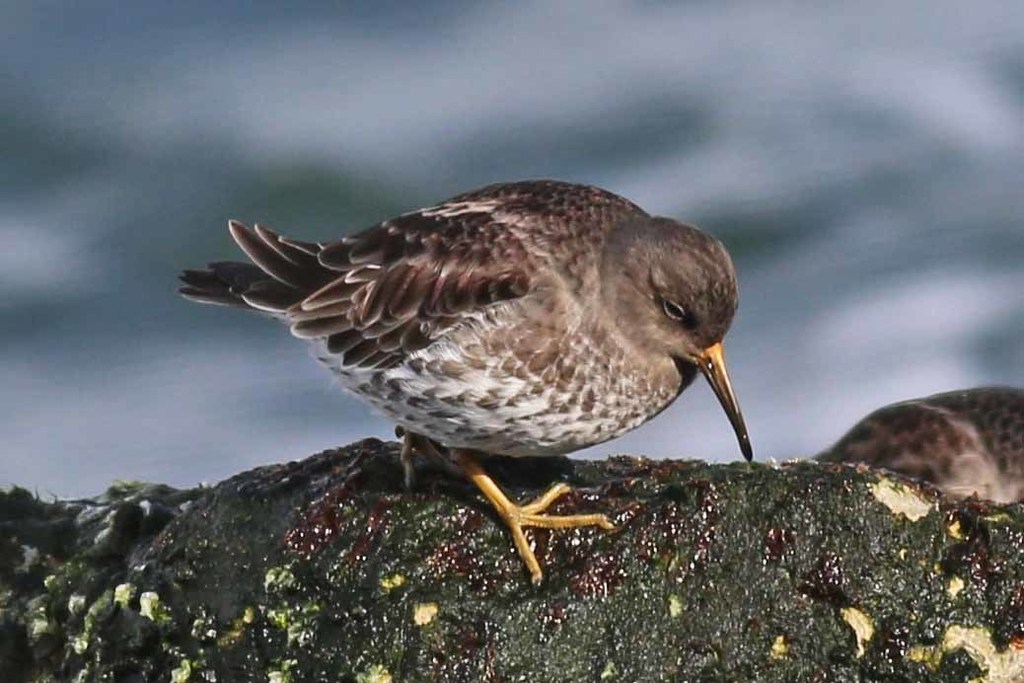
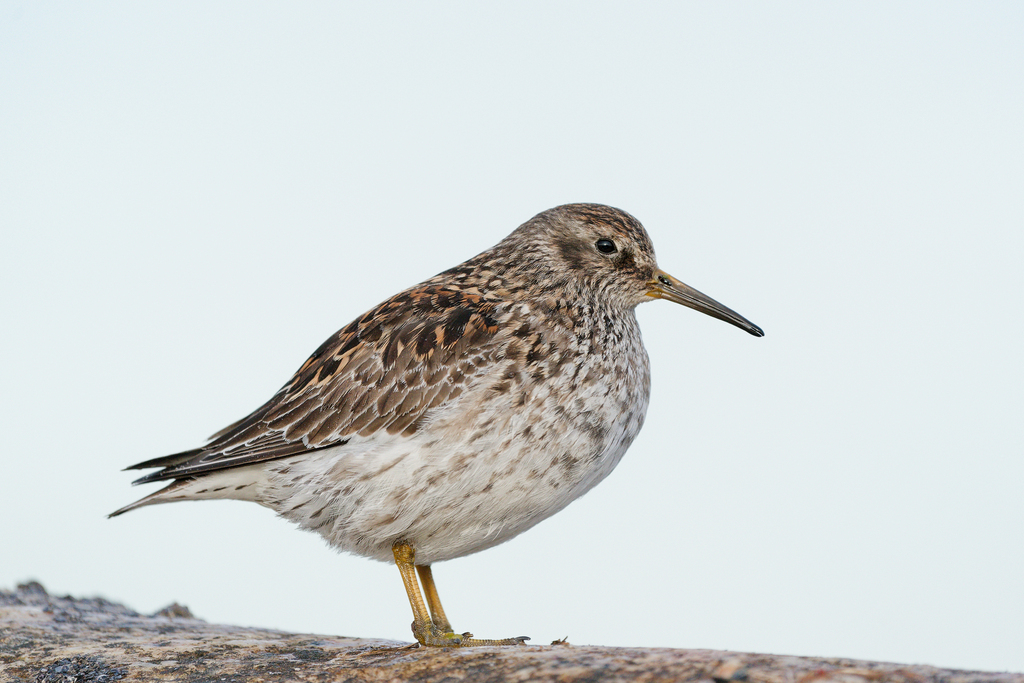
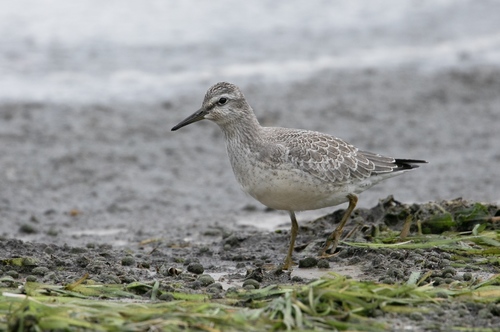
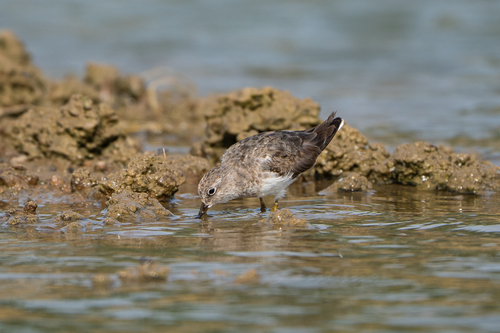
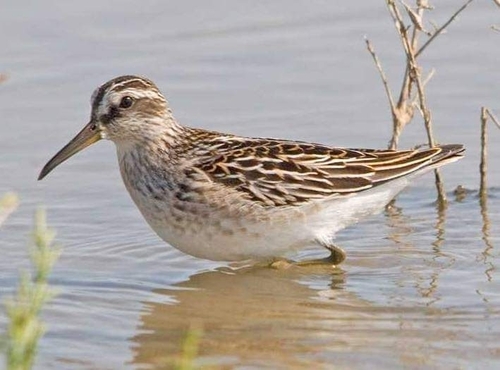
Its closest relatives
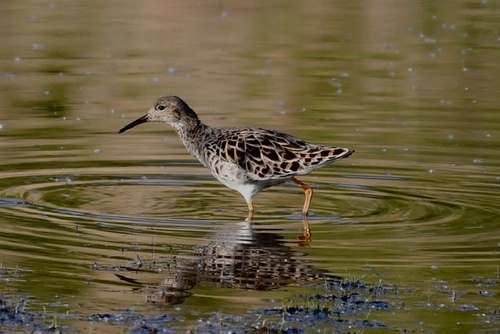
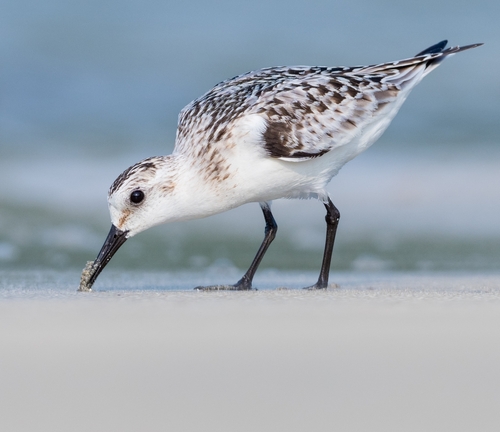
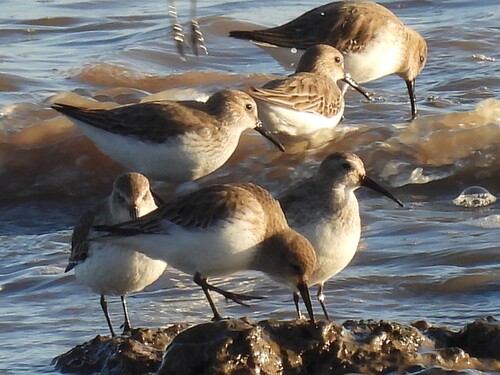
The other species of the genus Calidris.

Seen a purple sandpiper?
Share your photo on iNaturalist. Other naturalists help confirm it, and the record goes to GBIF, where scientists use it and where the maps on this page come from.
Put this species on your site
The card names every source and links back here.
<iframe src="https://4planetatlas.com/place/embed/species/purple-sandpiper" title="Purple sandpiper (Calidris maritima), 4PLANET Species" width="100%" height="600" style="border:0;max-width:640px" loading="lazy"></iframe>
<p><a href="https://4species.com/purple-sandpiper">Purple sandpiper on 4PLANET Species</a></p>Explore next
What puts the purple sandpiper under pressure, what helps, and who works on it.
Questions people ask
What does the purple sandpiper eat?
The purple sandpiper has been recorded eating 188 different kinds of animals and plants, most of them insects, snails and slugs, crustaceans and fish. The ones recorded most often are common periwinkle, common slipper shell, clawed forked weed, ptilota plumosa and apple-grass aphid; records include animals eaten as carrion. Source: GloBI.
What eats the purple sandpiper?
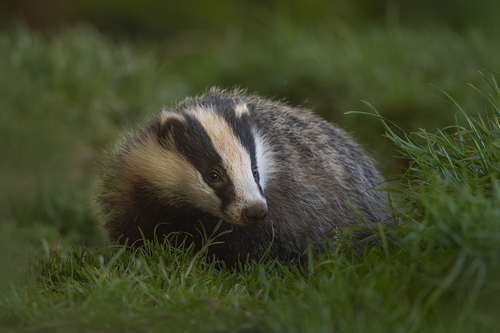
Recorded predators include grey wolf, red fox, brown bear, northern raven and eurasian badger. Source: GloBI.
Where does the purple sandpiper live?
People have recorded it in 36 countries; the most records come from United States, United Kingdom, Canada, Iceland and Norway. Records show where people have seen it, not its full range.
When is the purple sandpiper seen most?
In the northern hemisphere, the most records are made in January and the fewest in July. More people outdoors also means more records.
What are the purple sandpiper's closest relatives?
It shares the genus Calidris with ruff, sanderling, dunlin, red knot and little stint.
Sources and photo credits
- GBIF · Calidris maritima, 161,905 human observations
- GloBI · recorded interactions of Calidris maritima
- Wikidata · Purple sandpiper (Q62359)
- Purple sandpiper (Calidris maritima): Christoph Moning, CC BY 4.0
- Purple sandpiper (Calidris maritima), Wind Point, WI 53402, USA: Cole Wolf, CC BY 4.0
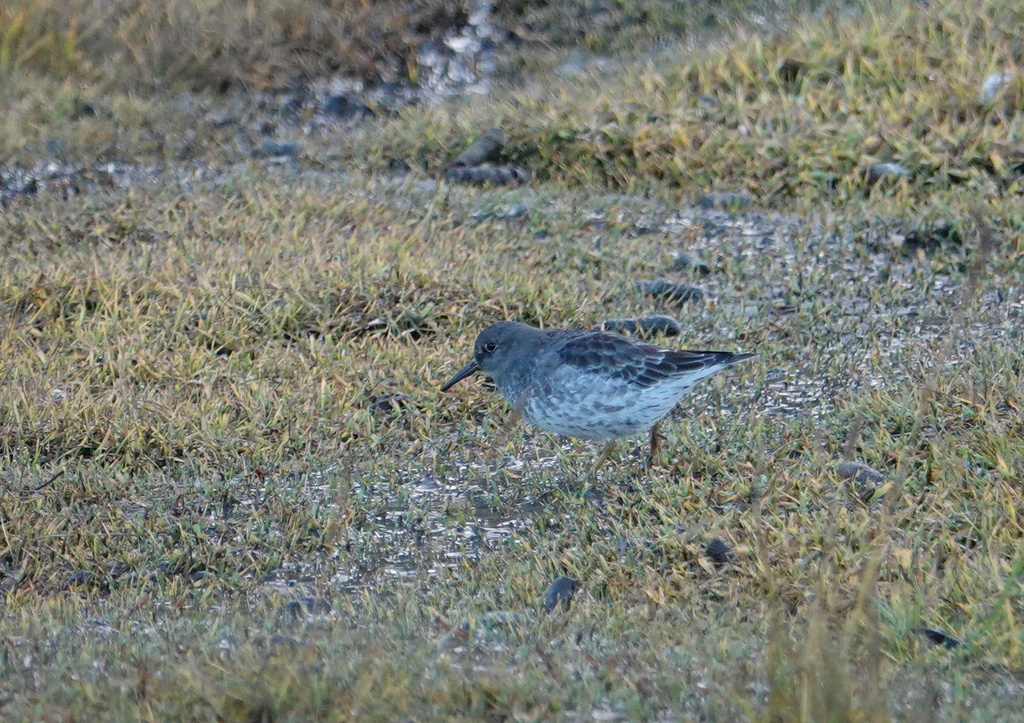
- Purple sandpiper (Calidris maritima), Manasquan, New Jersey, United States: Bill Keim, CC BY 4.0
- Purple sandpiper (Calidris maritima), Southwest Finland, FI-LS, FI: Mikael Nyman, CC BY 4.0
- Purple sandpiper (Calidris maritima), Bamburgh, Northumberland, UK: Dave, CC BY 4.0
- Purple sandpiper (Calidris maritima), Pyrénées-Atlantiques, Aquitaine, FR: Léo Souillard, CC BY 4.0
- Purple sandpiper (Calidris maritima), Svalbard, Svalbard and Jan Mayen: Matthew Blissett, CC BY 4.0
- Purple sandpiper (Calidris maritima), 4724+HJ, The Hague, Netherlands: Jono, CC BY 4.0
- Purple sandpiper (Calidris maritima), Bremore Point: Stephen M., CC BY-SA 4.0
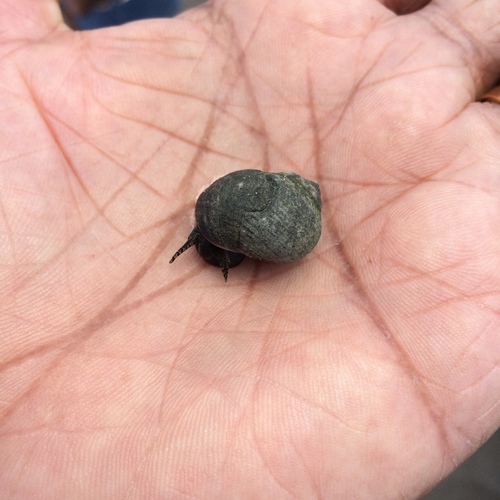
- Common periwinkle: Dilrukshan Priyantha Wijesinghe, CC BY 4.0
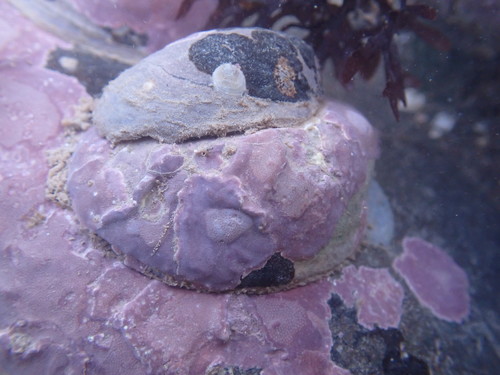
- Common slipper shell: Ian Manning, CC BY 4.0
- Clawed forked weed: scaup, CC BY 4.0
- Grey wolf: Andrew Simon, CC BY 4.0
- Red fox: Morten Ross, CC BY 4.0
- Brown bear: Nathan Ruser, CC BY 4.0
- Northern raven: xulescu_g, CC BY-SA 4.0
- Eurasian badger: caroline legg, CC BY 4.0
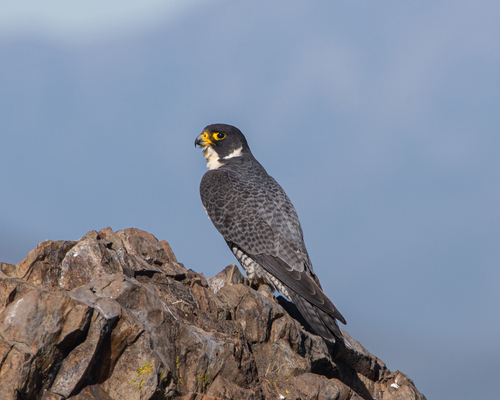
- Peregrine falcon: Nicolás Villaseca Merino, CC BY-SA 4.0
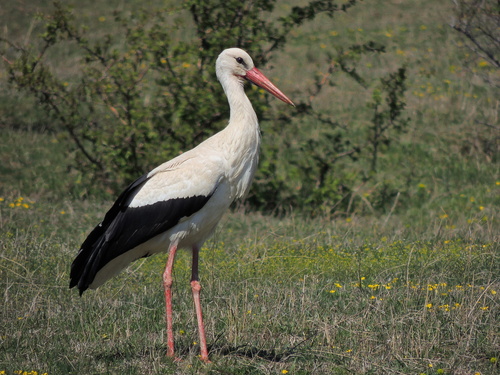
- White stork: xulescu_g, CC BY-SA 4.0
- Ruff: rober025, CC BY 4.0
- Sanderling: Marco Chan, CC BY 4.0
- Dunlin: Phil James, CC BY 4.0
- Red knot: Paolo Zucca, CC BY 4.0
- Little stint: Imran Shah, CC BY-SA 4.0
- Temminck's stint: Srivatsan Ramkumar, CC BY 4.0
- Curlew sandpiper: Георгий Виноградов (Georgy Vinogradov), CC BY 4.0
- Broad-billed sandpiper: Alidz31, CC BY 4.0
Records show where people have seen and shared the purple sandpiper, not its full range, and some countries and months are recorded far more than others. The food web lists interactions that studies have recorded somewhere in the world (GloBI), not everything it eats in one place.
Checked 2026-11-22.