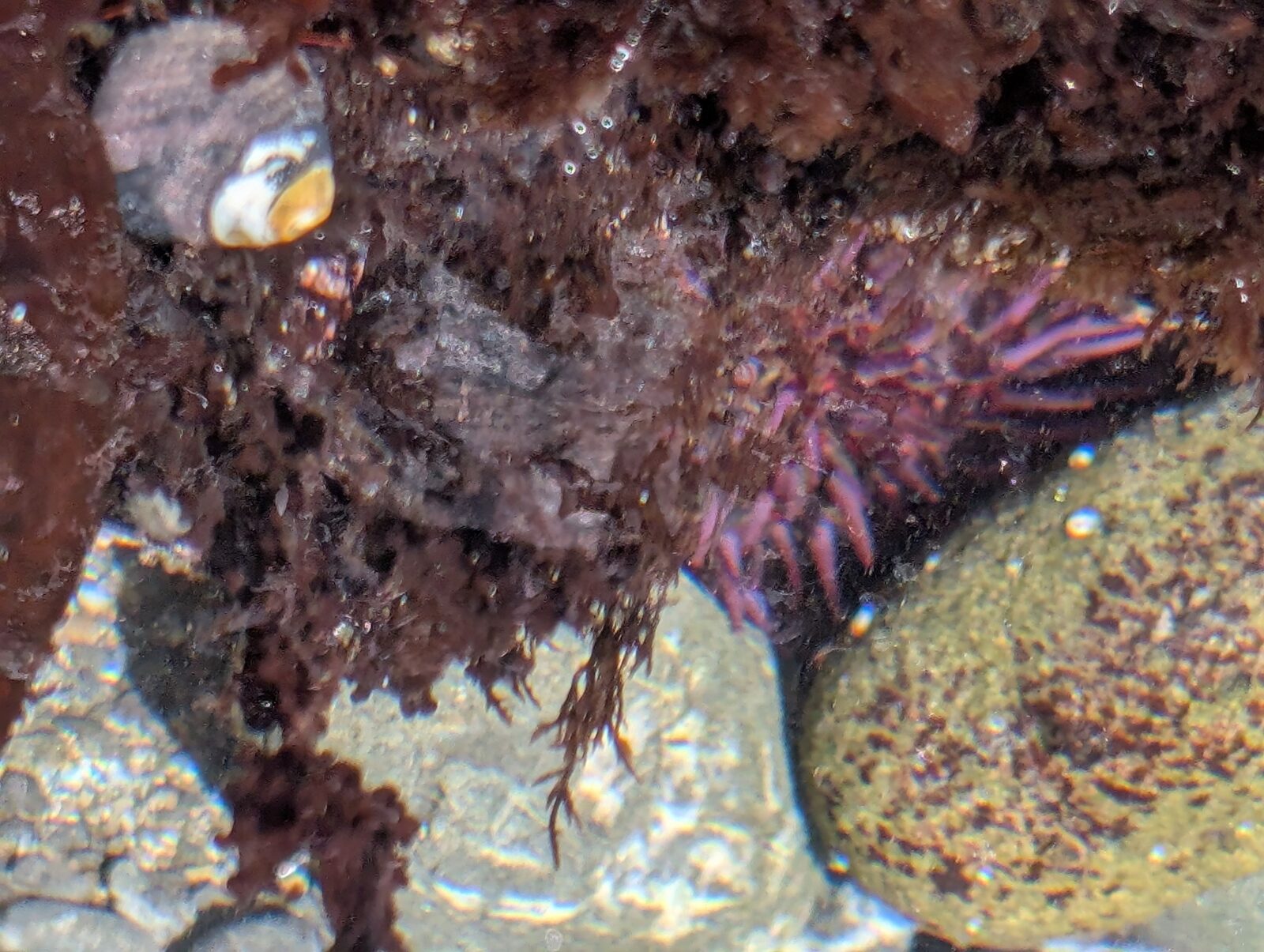
Purple sea urchin
Strongylocentrotus purpuratus
- Status
- IUCN Red List
- Eats
- dead Man's fingers, Torrey's surfgrass, prionitis lanceolata and 50 more
- Eaten by
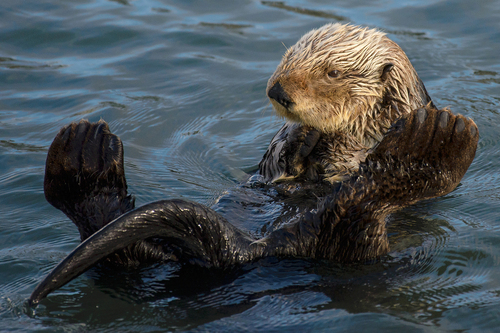
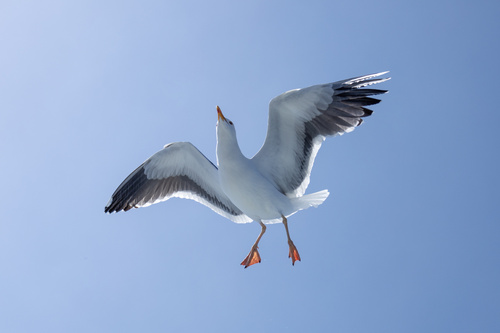
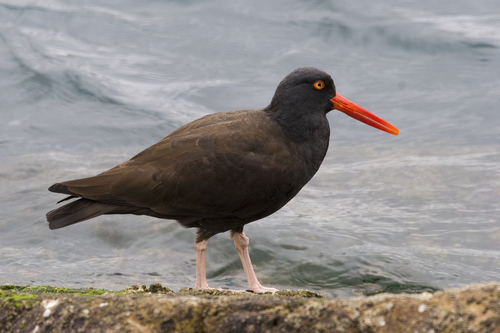
- sea otter, western gull, black oystercatcher
- Where
- 3 countries · kelp forests
People have shared 14,412 records of the purple sea urchin with GBIF, from 3 countries, most of them from United States, Canada and Mexico. Records collected by GloBI show it eating 53 different kinds of animals and plants, and being eaten by 8.
In the northern hemisphere, people record it most in June and least in September. It belongs to the genus Strongylocentrotus in the family Strongylocentrotidae.
Habitats
What the purple sea urchin eats, and what eats it
Studies have recorded it eating 53 kinds of animals and plants, and 8 kinds of animals eating it. Tap any of them to follow the food chain.
- Plants 18
 Purple sea urchin
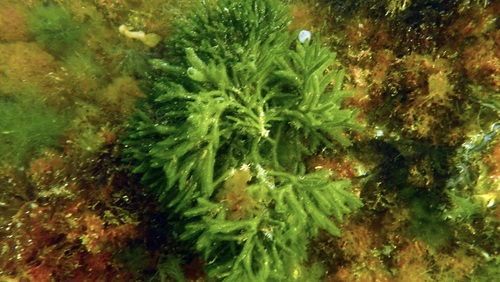
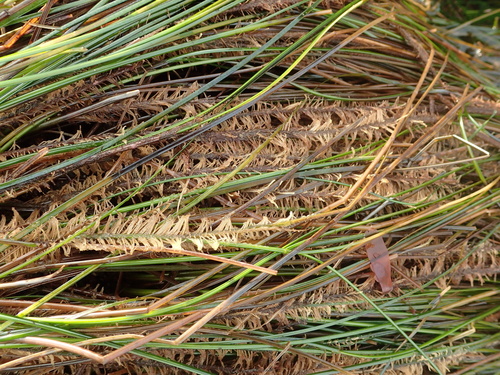
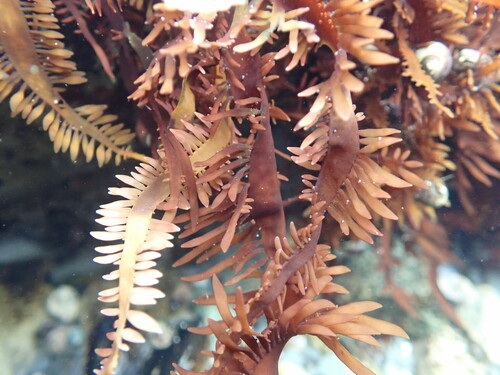
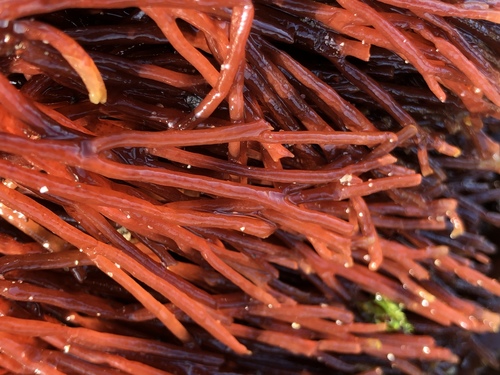
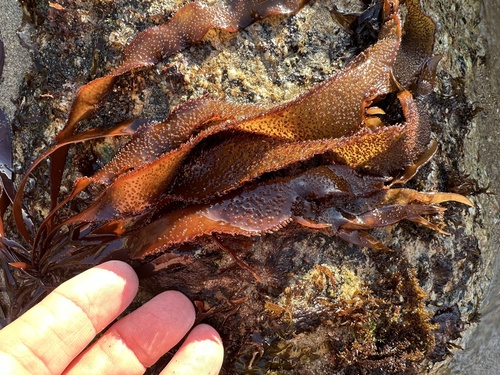
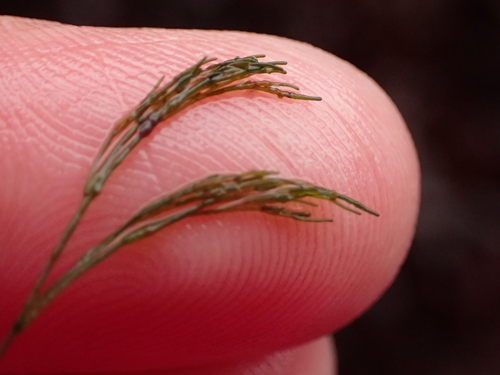
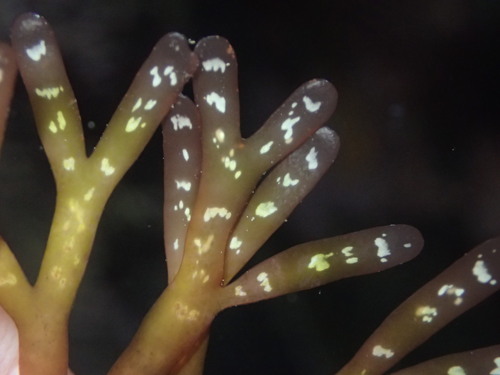
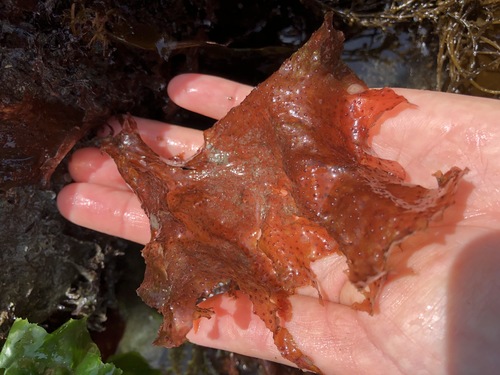
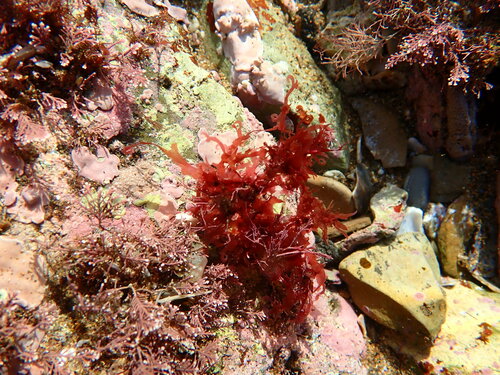
Records from studies worldwide, collected by GloBI. They include animals eaten as carrion, and they are not everything it eats in one place.
Where people see the purple sea urchin
People have shared 14,412 records from 3 countries.
Records show where people have seen it and shared it, not its full range. Country names open their page in Atlas.
When it is seen
Records per month in the northern hemisphere. More people outdoors also means more records.
Watch and listen

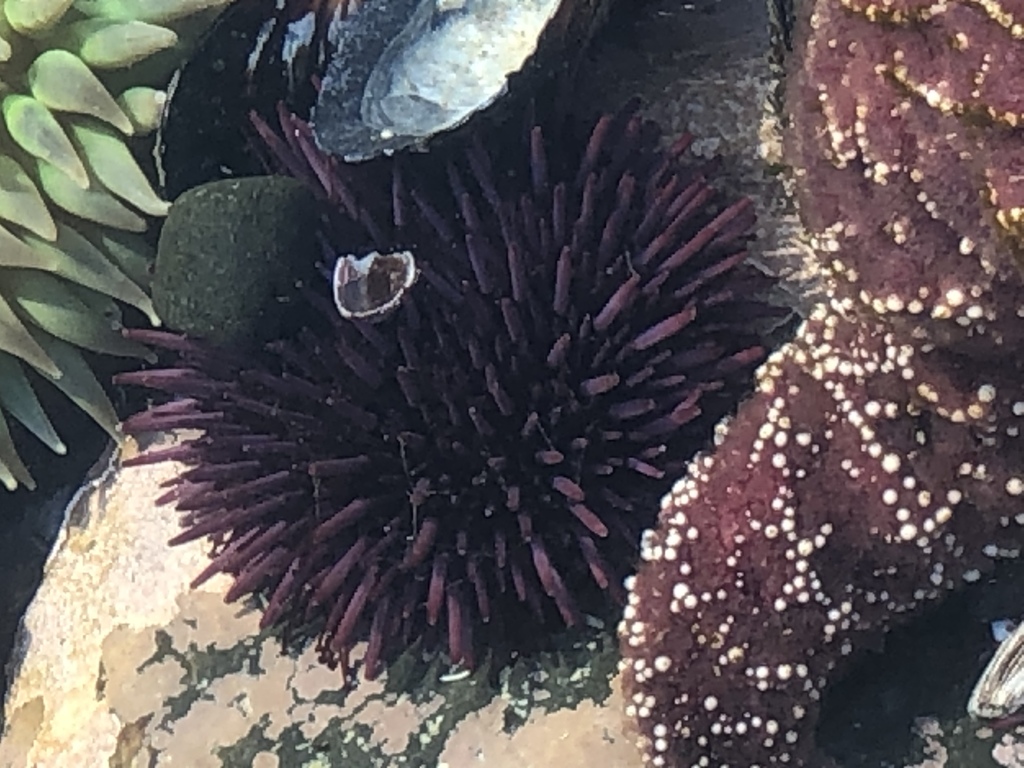
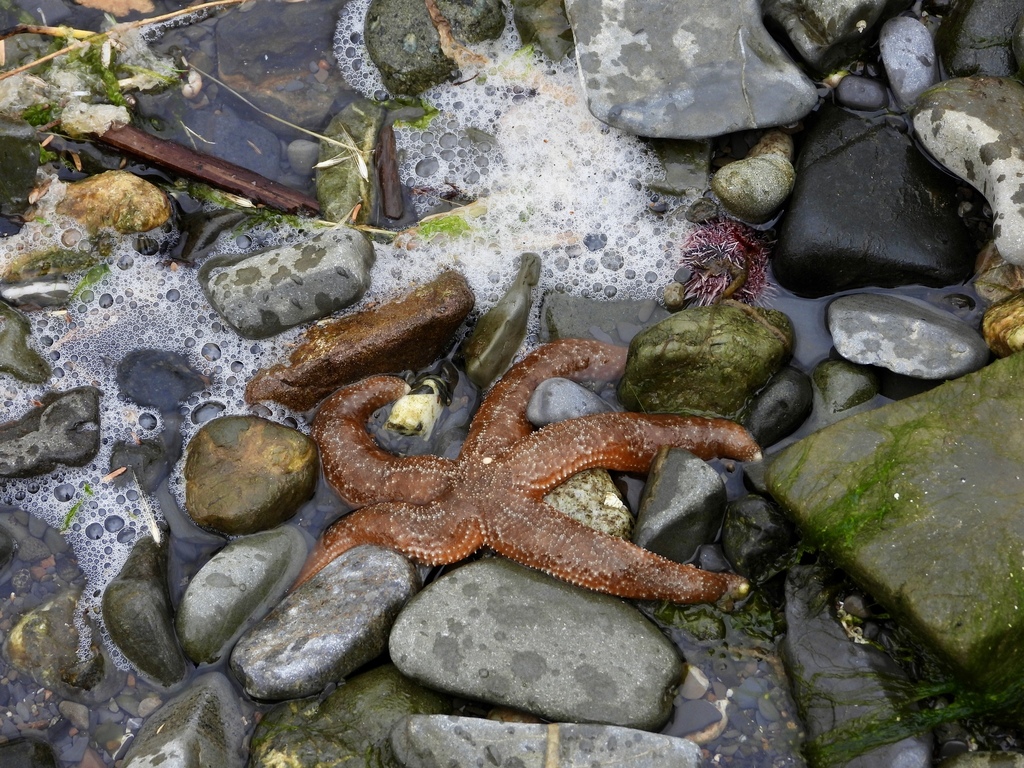
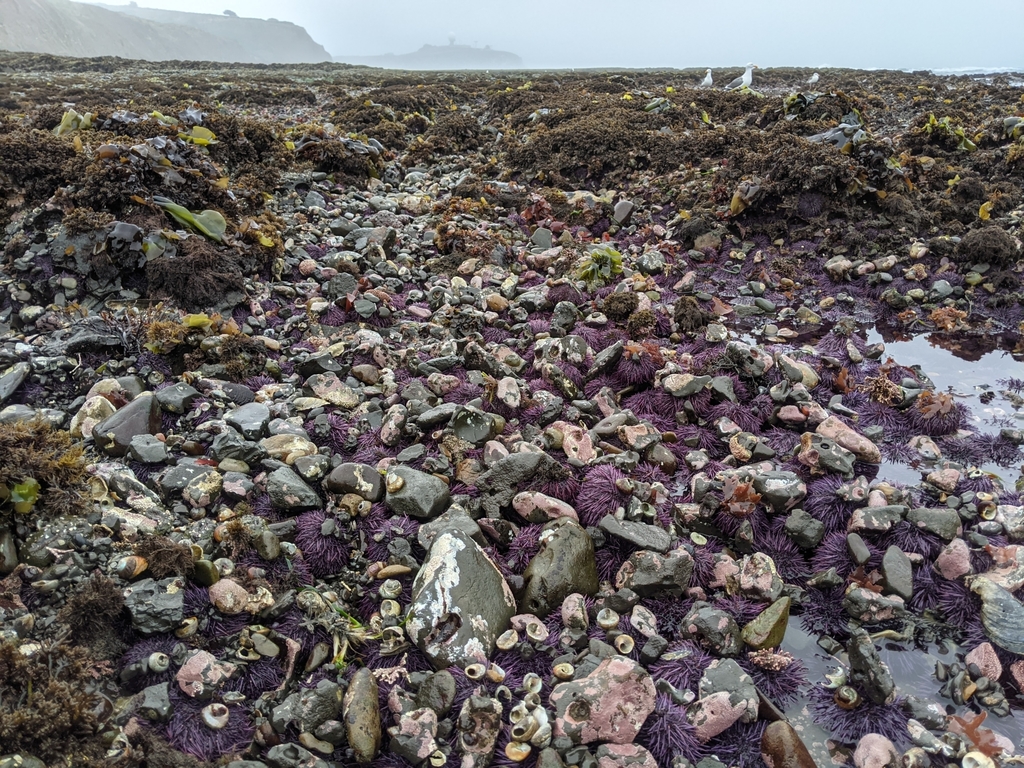
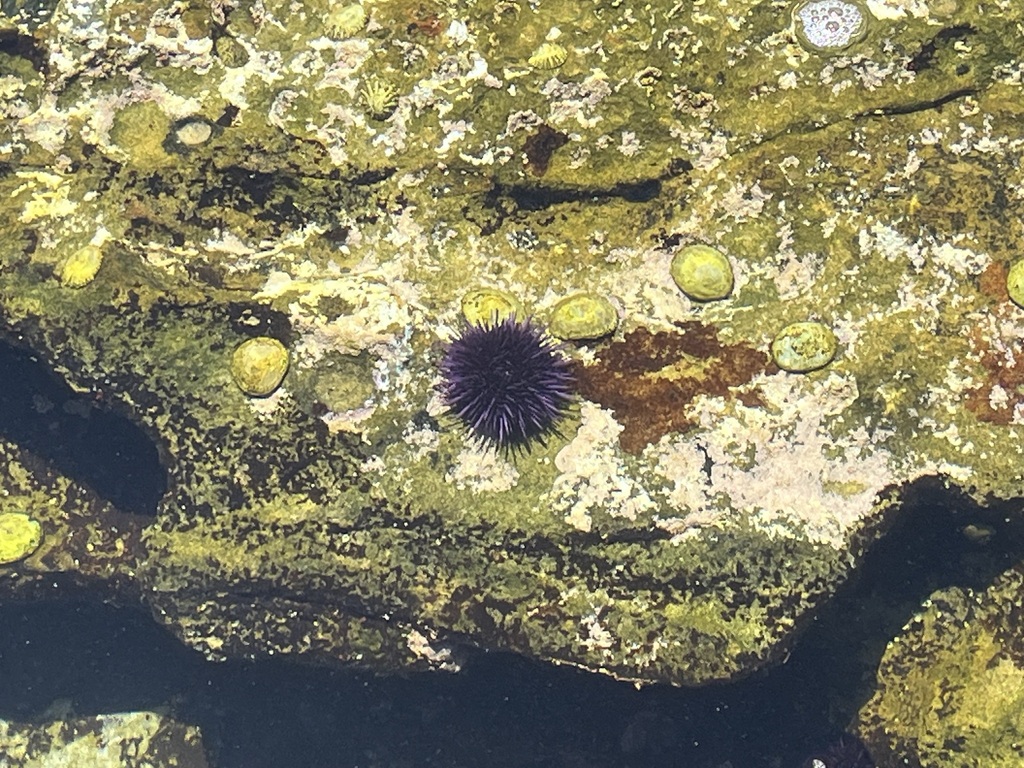
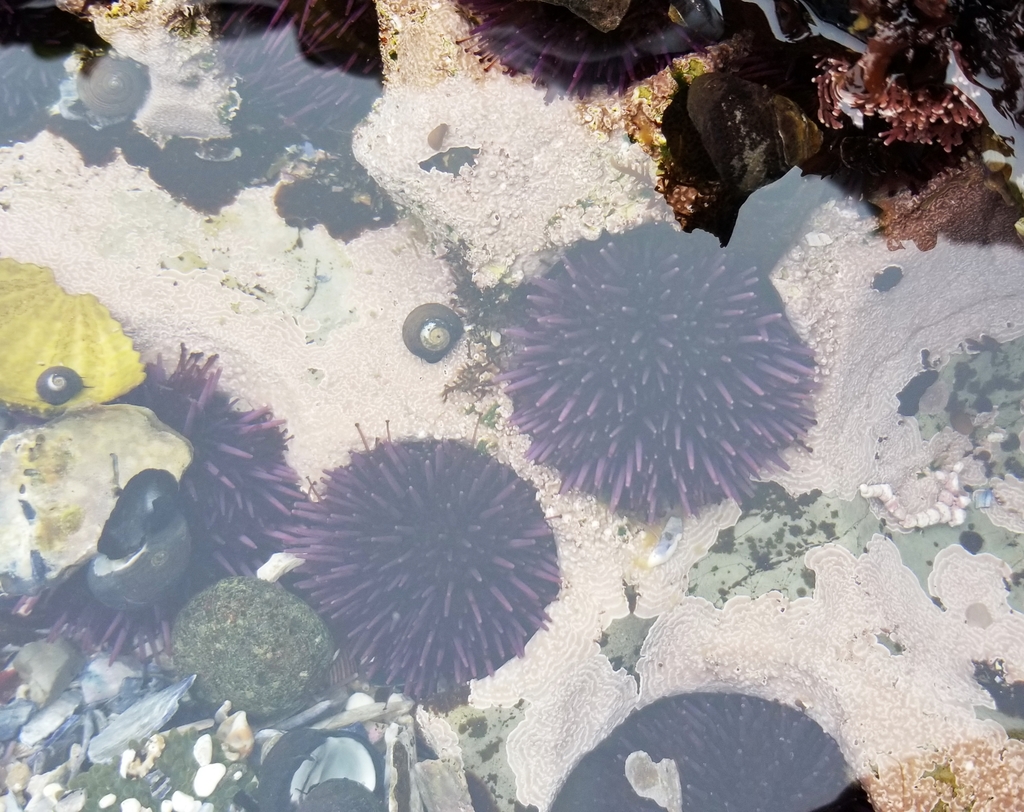
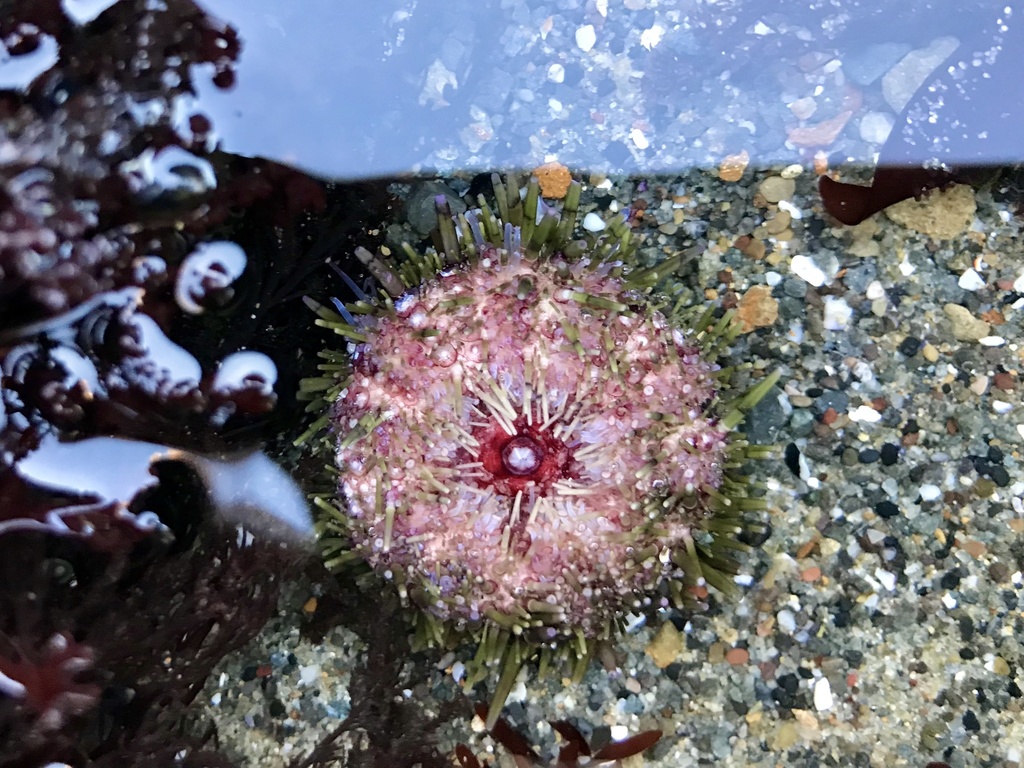
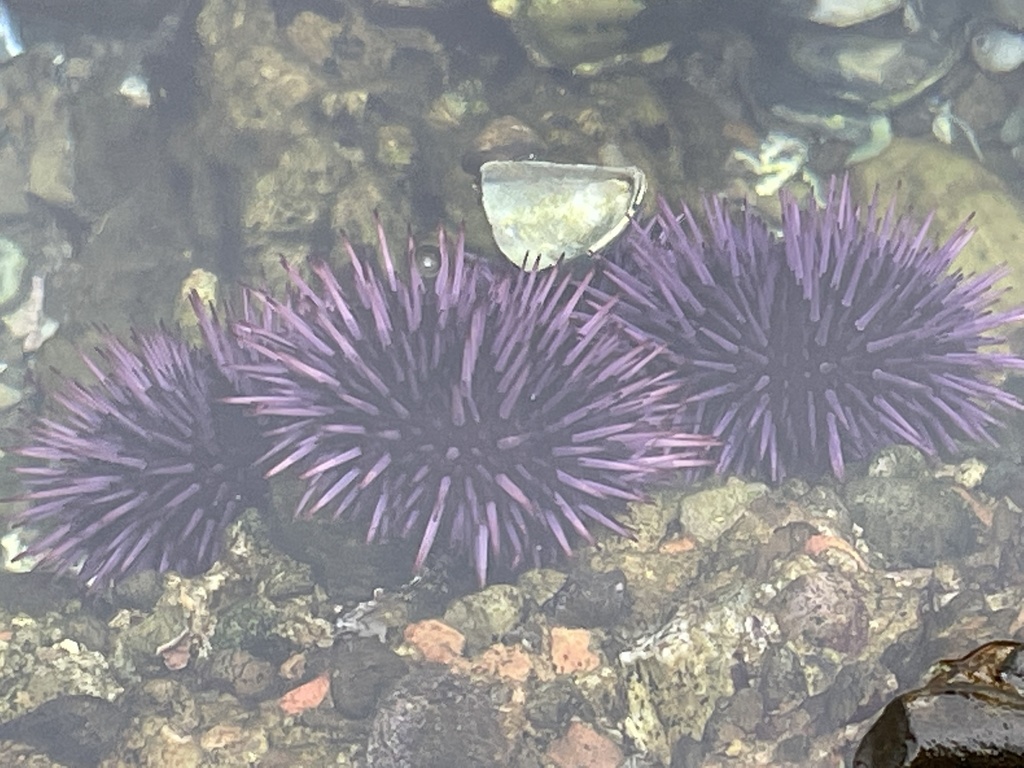
Seen a purple sea urchin?
Share your photo on iNaturalist. Other naturalists help confirm it, and the record goes to GBIF, where scientists use it and where the maps on this page come from.
Put this species on your site
The card names every source and links back here.
<iframe src="https://4planetatlas.com/place/embed/species/purple-sea-urchin" title="Purple sea urchin (Strongylocentrotus purpuratus), 4PLANET Species" width="100%" height="600" style="border:0;max-width:640px" loading="lazy"></iframe>
<p><a href="https://4species.com/purple-sea-urchin">Purple sea urchin on 4PLANET Species</a></p>Explore next
What puts the purple sea urchin under pressure, what helps, and who works on it.
Questions people ask
What does the purple sea urchin eat?
The purple sea urchin has been recorded eating 53 different kinds of animals and plants, most of them plants. The ones recorded most often are dead man's fingers, torrey's surfgrass, prionitis lanceolata, scinaia confusa and chondracanthus spinosus; records include animals eaten as carrion. Source: GloBI.
What eats the purple sea urchin?
Recorded predators include sea otter, western gull and black oystercatcher. Source: GloBI.
Where does the purple sea urchin live?
People have recorded it in 3 countries; the most records come from United States, Canada and Mexico. Records show where people have seen it, not its full range.
When is the purple sea urchin seen most?
In the northern hemisphere, the most records are made in June and the fewest in September. More people outdoors also means more records.
Sources and photo credits
- GBIF · Strongylocentrotus purpuratus, 14,412 human observations
- GloBI · recorded interactions of Strongylocentrotus purpuratus
- Wikidata · Purple sea urchin (Q1936405)
- Purple sea urchin (Strongylocentrotus purpuratus): Shaun Case, CC BY 4.0
- Purple sea urchin (Strongylocentrotus purpuratus): Jerry Kirkhart, CC BY 4.0
- Purple sea urchin (Strongylocentrotus purpuratus), Pacific Ocean, Mendocino, CA, US: Al Kordesch, CC0
- Purple sea urchin (Strongylocentrotus purpuratus), Hoonah-Angoon Census Area, AK, USA: Timothy A. Parsons, CC BY 4.0
- Purple sea urchin (Strongylocentrotus purpuratus), Golden Gate National Recreation Area, Mill Valley, CA 94941, USA: Ken-ichi Ueda, CC BY 4.0
- Purple sea urchin (Strongylocentrotus purpuratus), Monterey County, CA, USA: Devin Kellar, CC BY 4.0
- Purple sea urchin (Strongylocentrotus purpuratus), San Luis Obispo County, CA, USA: Nicole, CC BY 4.0
- Purple sea urchin (Strongylocentrotus purpuratus), Pacific Ocean, CA, US: Dario Taraborelli, CC0
- Purple sea urchin (Strongylocentrotus purpuratus), Point Lobos State Natural Reserve, Carmel, CA, US: Irene, CC0
- Dead Man's fingers: no rights reserved, uploaded by Andra Waagmeester, CC0
- Torrey's surfgrass: Allison Gong, CC BY 4.0
- Prionitis lanceolata: Guerric Haché, CC0
- Scinaia confusa: no rights reserved, uploaded by Al Kordesch, CC0
- Chondracanthus spinosus: Al Kordesch, CC0
- Cladophora graminea: Allison Gong, CC BY 4.0
- Rhodymenia californica: Cricket Raspet, CC BY 4.0
- Crisscross network: Bridgette Clarkston, CC BY-SA 4.0
- Acrosorium uncinatum: Héctor Ibáñez Cantero, CC0
- Sea otter: Marshal Hedin, CC BY-SA 4.0
- Western gull: Roberto Daniel Avila, CC BY 4.0
- Black oystercatcher: Mike Baird, CC BY 4.0
Records show where people have seen and shared the purple sea urchin, not its full range, and some countries and months are recorded far more than others. The food web lists interactions that studies have recorded somewhere in the world (GloBI), not everything it eats in one place.
Checked 2026-11-22.