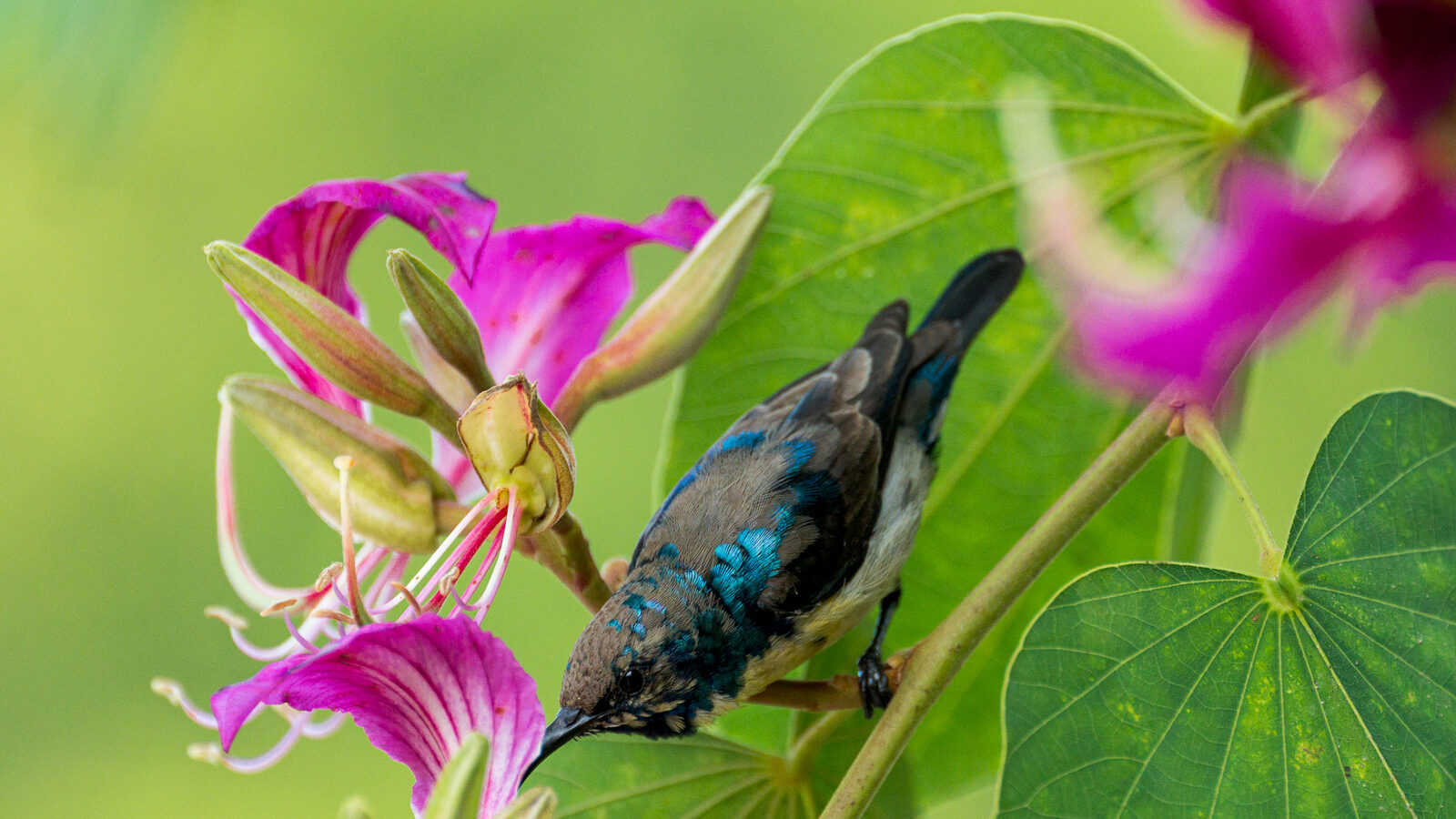
Purple sunbird
Cinnyris asiaticus
- Status
- Least Concern IUCN Red List
- Eats
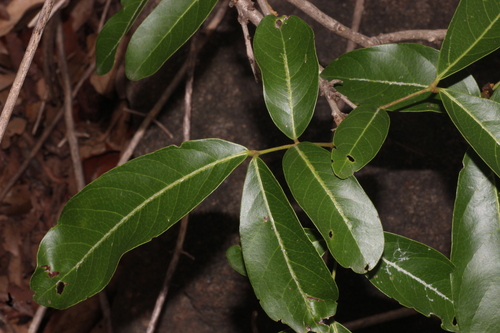
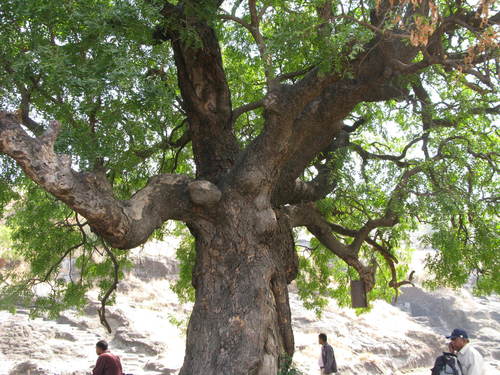
- java plum, lepisanthes tetraphylla, neem and 85 more
- Where
- 19 countries
On 4Planet Atlas it is among the wildlife people record most around Abu Dhabi, Colombo and Delhi, and 11 more of the cities we cover.
People have shared 698,630 records of the purple sunbird with GBIF, from 19 countries, most of them from India, United Arab Emirates and Thailand. Records collected by GloBI show it eating 88 different kinds of animals and plants.
What the purple sunbird eats, and what eats it
Studies have recorded it eating 88 kinds of animals and plants. Tap any of them to follow the food chain.
- Plants 84
Purple sunbird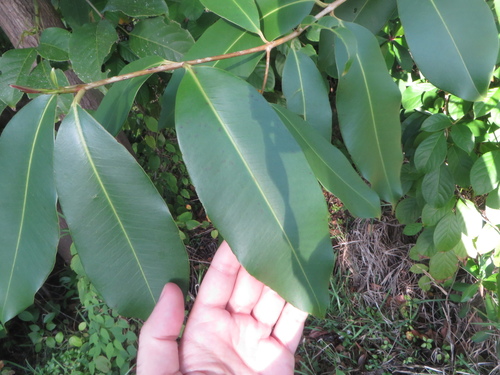
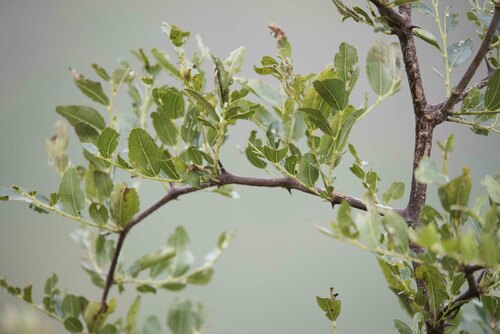
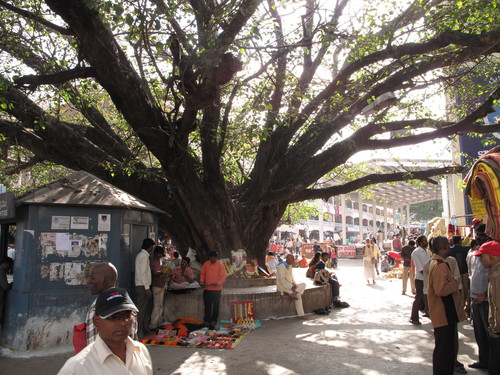
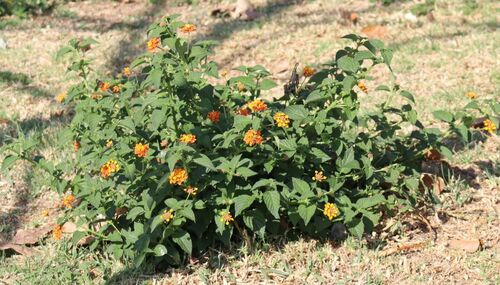

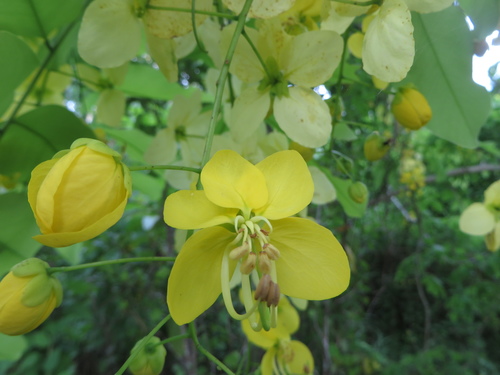

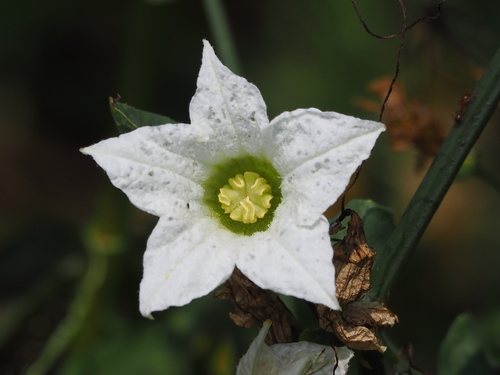
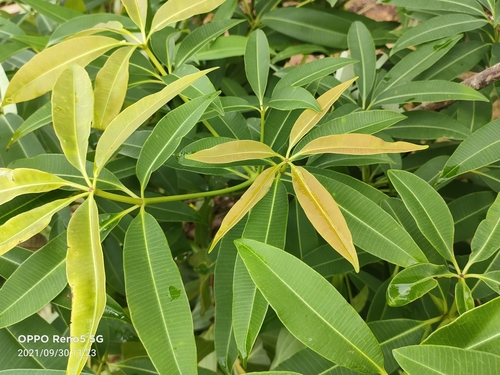
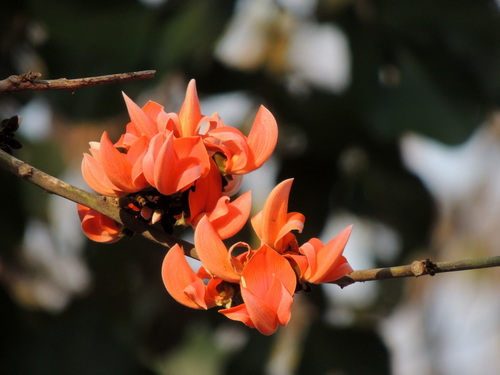
Records from studies worldwide, collected by GloBI. They include animals eaten as carrion, and they are not everything it eats in one place.
Where people see the purple sunbird
People have shared 698,630 records from 19 countries.
Near a city: Abu Dhabi, Colombo, Delhi, Dhaka, Doha, Dubai, Islamabad, Karachi, Kolkata, Mumbai, Muscat, Naypyidaw, New Delhi, Sri Jayawardenepura Kotte.
Records show where people have seen it and shared it, not its full range. Country names open their page in Atlas.
When it is seen
Records per month in the northern hemisphere. More people outdoors also means more records.
Watch and listen
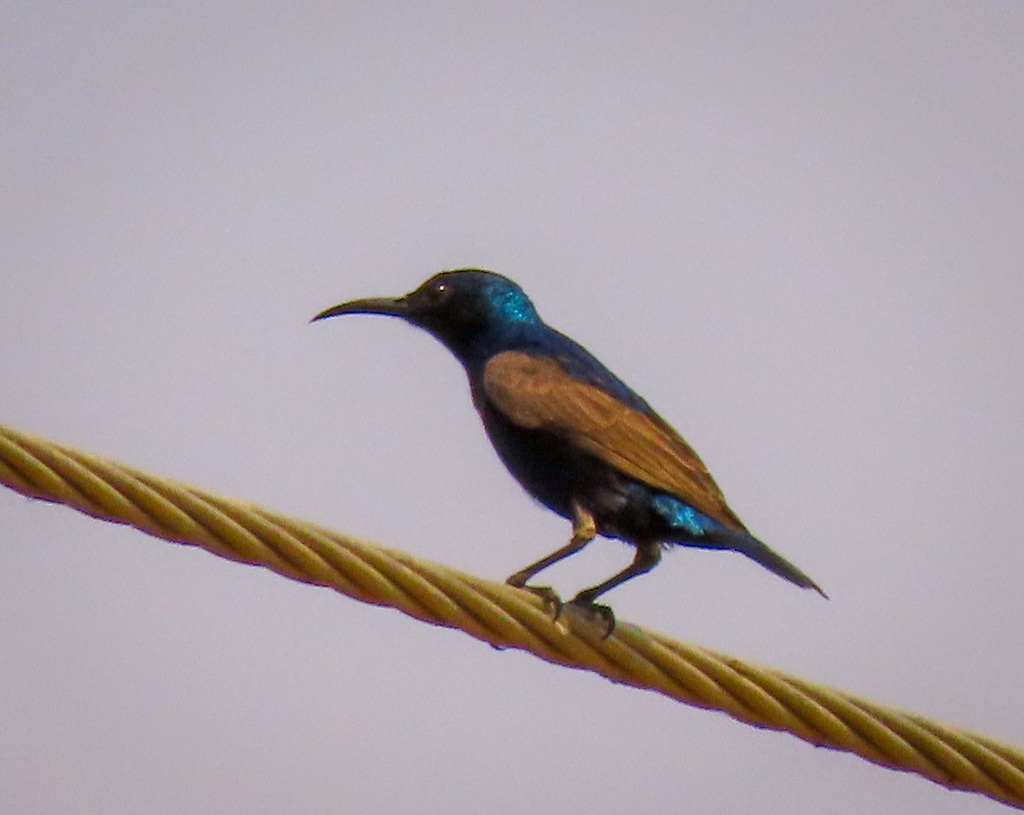
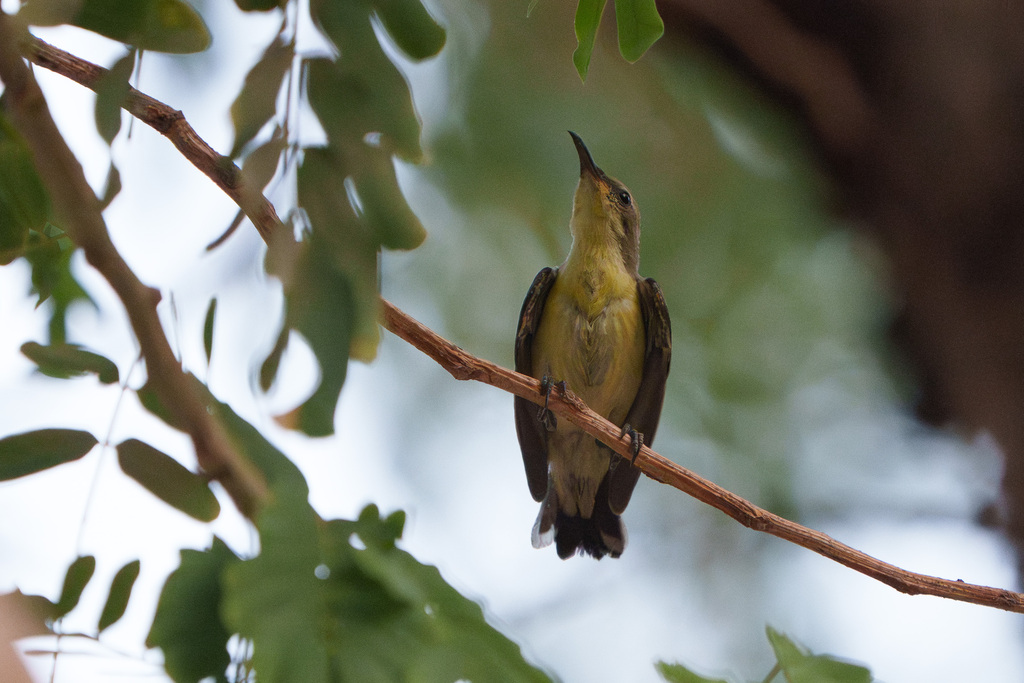
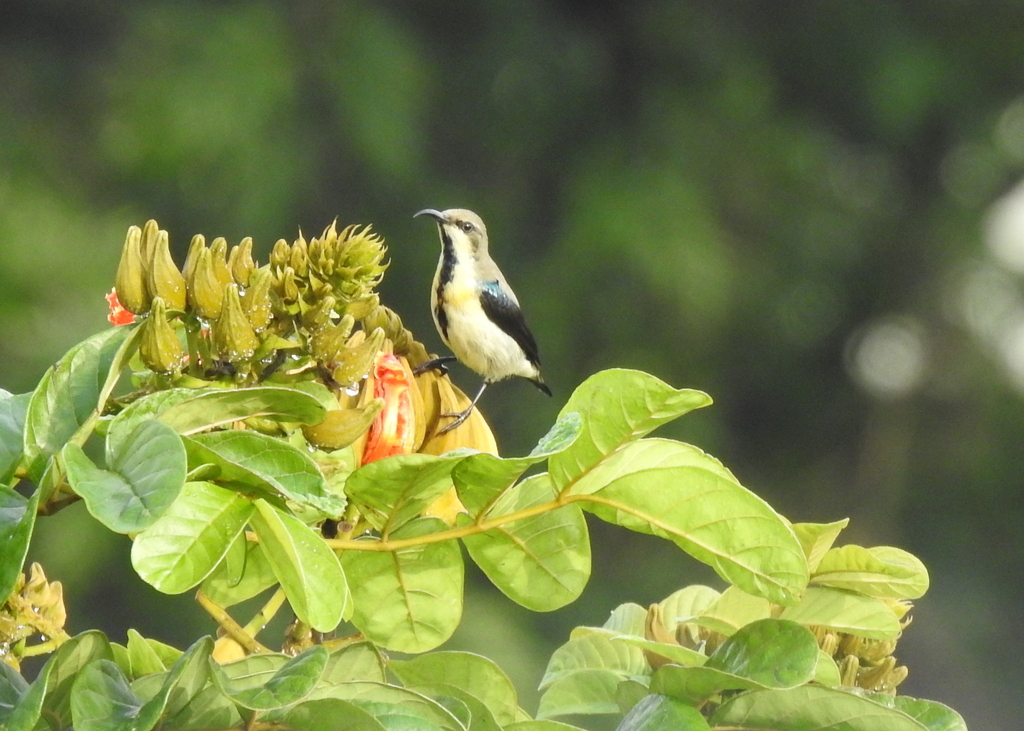
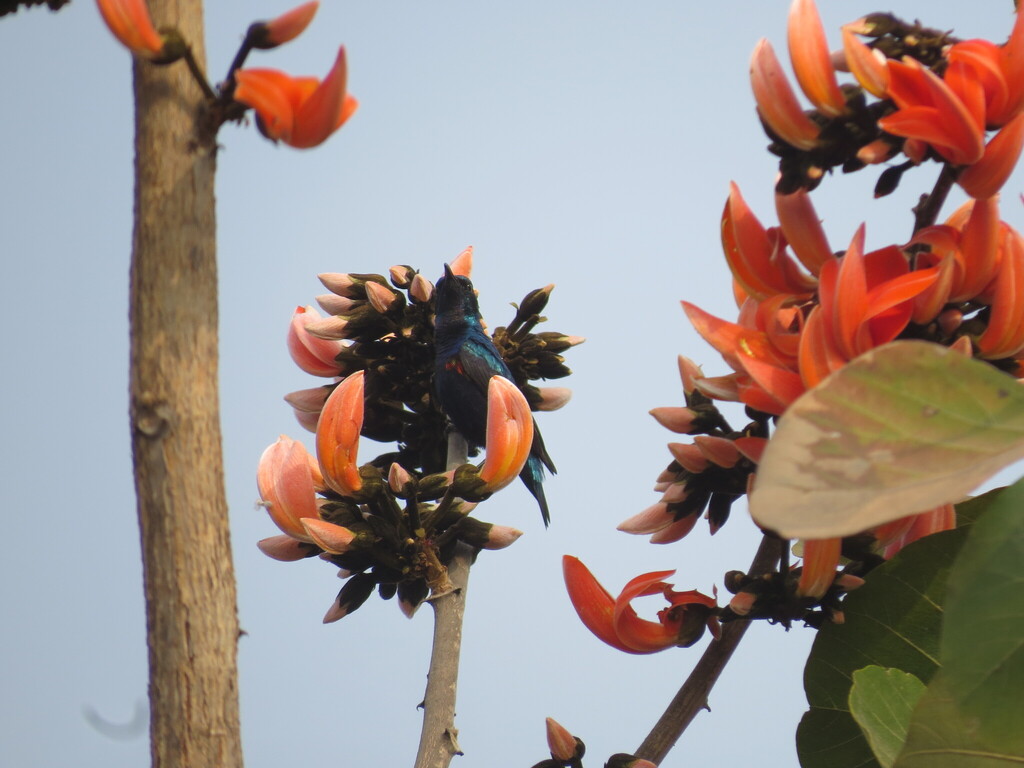
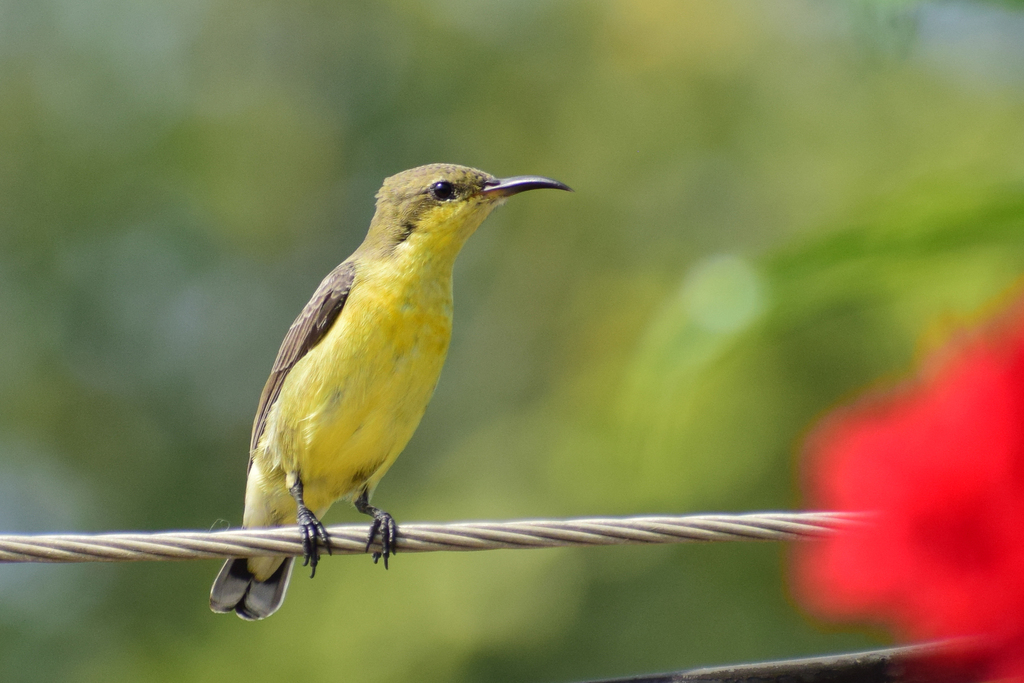
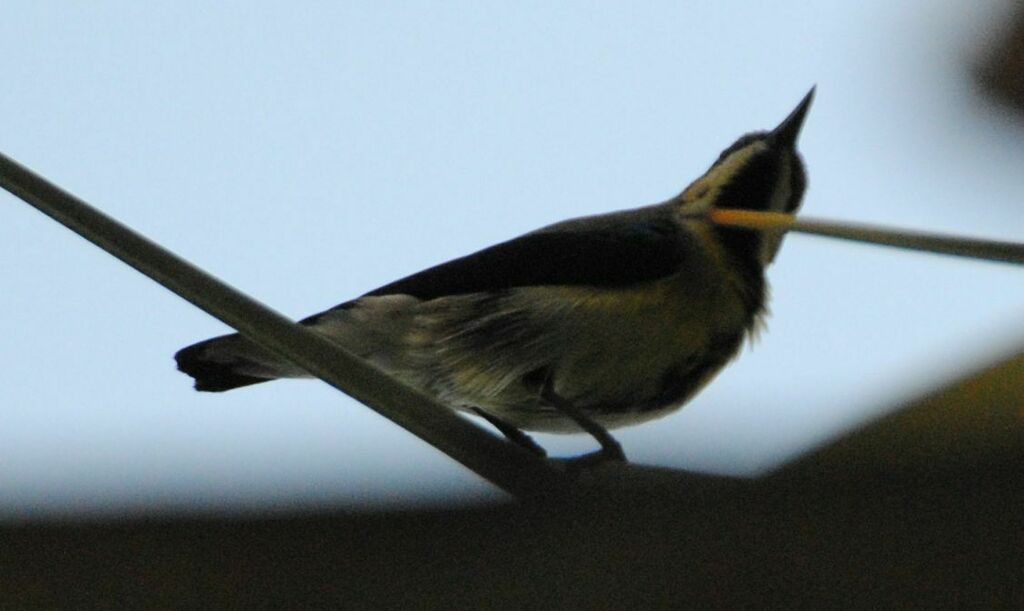
Its closest relatives
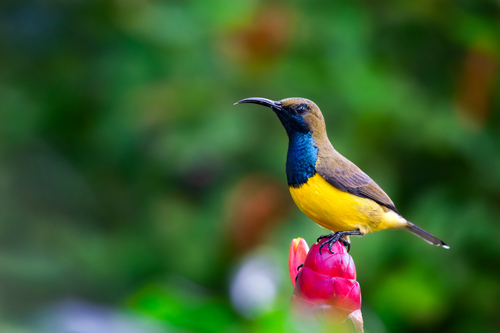
The other species of the genus Cinnyris.
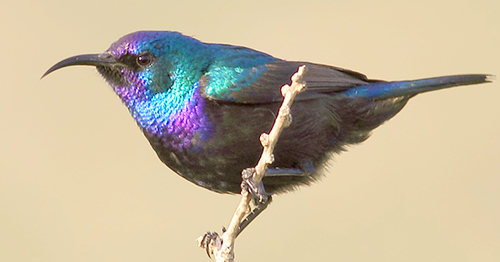
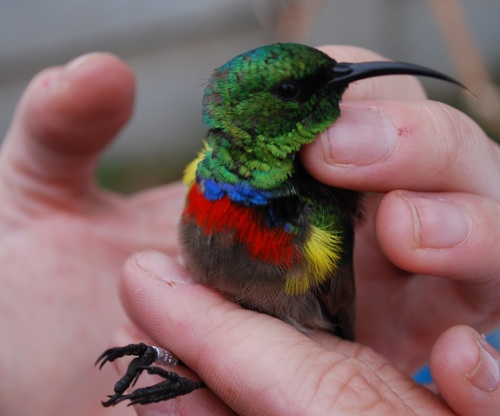
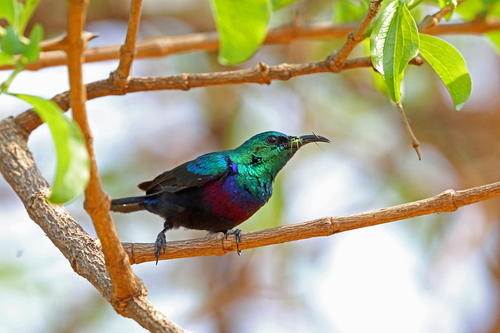
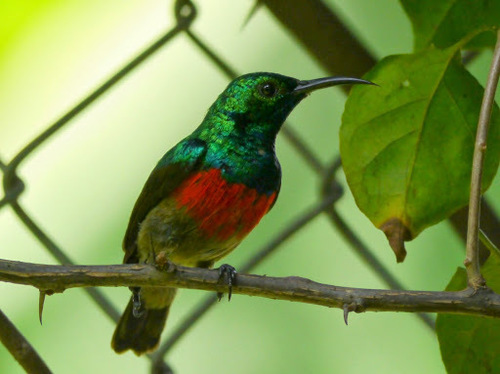
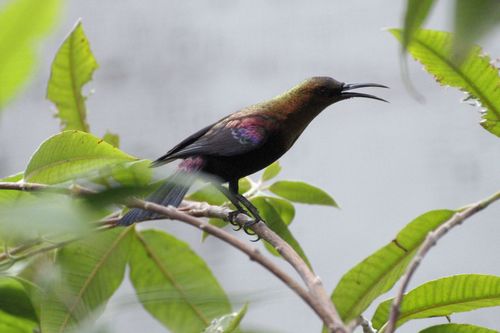
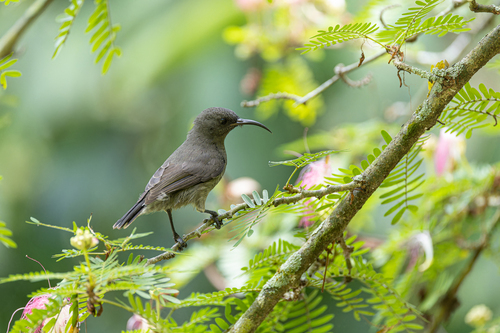
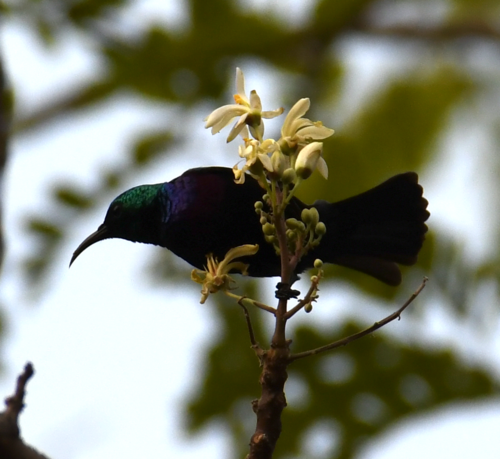
Seen a purple sunbird?
Share your photo on iNaturalist. Other naturalists help confirm it, and the record goes to GBIF, where scientists use it and where the maps on this page come from.
Put this species on your site
The card names every source and links back here.
<iframe src="https://4planetatlas.com/place/embed/species/purple-sunbird" title="Purple sunbird (Cinnyris asiaticus), 4PLANET Species" width="100%" height="600" style="border:0;max-width:640px" loading="lazy"></iframe>
<p><a href="https://4species.com/purple-sunbird">Purple sunbird on 4PLANET Species</a></p>Questions people ask
What does the purple sunbird eat?
The purple sunbird has been recorded eating 88 different kinds of animals and plants, most of them plants. The ones recorded most often are java plum, lepisanthes tetraphylla, neem, common jujube and peepul tree; records include animals eaten as carrion. Source: GloBI.
Where does the purple sunbird live?
People have recorded it in 19 countries; the most records come from India, United Arab Emirates, Thailand, Sri Lanka and Bangladesh. Records show where people have seen it, not its full range.
When is the purple sunbird seen most?
In the northern hemisphere, the most records are made in February and the fewest in August. More people outdoors also means more records.
What are the purple sunbird's closest relatives?
It shares the genus Cinnyris with garden sunbird, palestine sunbird, southern double-collared sunbird, purple-banded sunbird and olive-bellied sunbird.
Sources and photo credits
- GBIF · Cinnyris asiaticus, 698,630 human observations
- GloBI · recorded interactions of Cinnyris asiaticus
- Wikidata · Purple sunbird (Q1797393)
- Purple sunbird (Cinnyris asiaticus): Shiva Shenoy, CC BY 4.0
- Purple sunbird (Cinnyris asiaticus): Sevin Dee, CC BY 4.0
- Purple sunbird (Cinnyris asiaticus), Mushrif - Dubai - Объединенные Арабские Эмираты: MATVEI K, CC BY 4.0
- Purple sunbird (Cinnyris asiaticus), Behind Water Tank, Mahatma Nagar, Parijat Nagar, Nashik, Maharashtra 422005, India: Vijay Barve, CC0
- Purple sunbird (Cinnyris asiaticus), Rajapushpa provincia, Narsingi, Hyderabad, Narsingi, Telangana 500089, India: Mitul and Vijul Singh, CC BY 4.0
- Purple sunbird (Cinnyris asiaticus), 99W3+CQQ Rajapushpa Provincia, Astra(A), Narsingi, Hyderabad, Telangana 500089, India: Mitul and Vijul Singh, CC BY 4.0
- Purple sunbird (Cinnyris asiaticus), FRV4+9F5 Smrutivan, Gandhi Bhavan Rd, Chaitanya Nagar, Kothrud, Pune, Maharashtra 411038, India: Jahnavee Palsodkar (she/her), CC BY 4.0
- Purple sunbird (Cinnyris asiaticus), Nanded, IN-MH, IN: Alen Alex Pathisseril, CC BY 4.0
- Purple sunbird (Cinnyris asiaticus), Muscat, Oman: Andy Mabbett, CC BY-SA 4.0
- Java plum: Ben Machado, CC BY 4.0
- Lepisanthes tetraphylla: Aruna Gamuz, CC0
- Neem: Yoav Daniel Bar-Ness, CC BY 4.0
- Common jujube: Zinogre, CC BY-SA 4.0
- Peepul tree: Yoav Daniel Bar-Ness, CC BY 4.0
- Common lantana: no rights reserved, uploaded by Dave Brown, CC0
- Indian banyan: jess n, CC BY-SA 4.0
- Golden shower: Ben Machado, CC BY 4.0
- Asian pigeonwings: no rights reserved, uploaded by 葉子, CC0
- Ivy gourd: no rights reserved, uploaded by 葉子, CC0
- White cheesewood: Ong Jyh Seng, CC BY-SA 4.0
- Flame of the forest: no rights reserved, uploaded by Vijay Barve, CC0
- Garden sunbird: Domzjuniorwildlife, CC BY-SA 4.0
- Palestine sunbird: Dave Brown, CC0
- Southern double-collared sunbird: Martyn Drabik-Hamshare, CC0
- Purple-banded sunbird: Nigel Voaden, CC BY 4.0
- Olive-bellied sunbird: 116916927065934112165, CC BY 4.0
- Copper sunbird: HMallison, CC BY-SA 4.0
- Seychelles sunbird: Rafael Würtemberger, CC BY 4.0
- Marico sunbird: Ben Keen, CC0
Records show where people have seen and shared the purple sunbird, not its full range, and some countries and months are recorded far more than others. The food web lists interactions that studies have recorded somewhere in the world (GloBI), not everything it eats in one place.
Checked 2026-11-26.