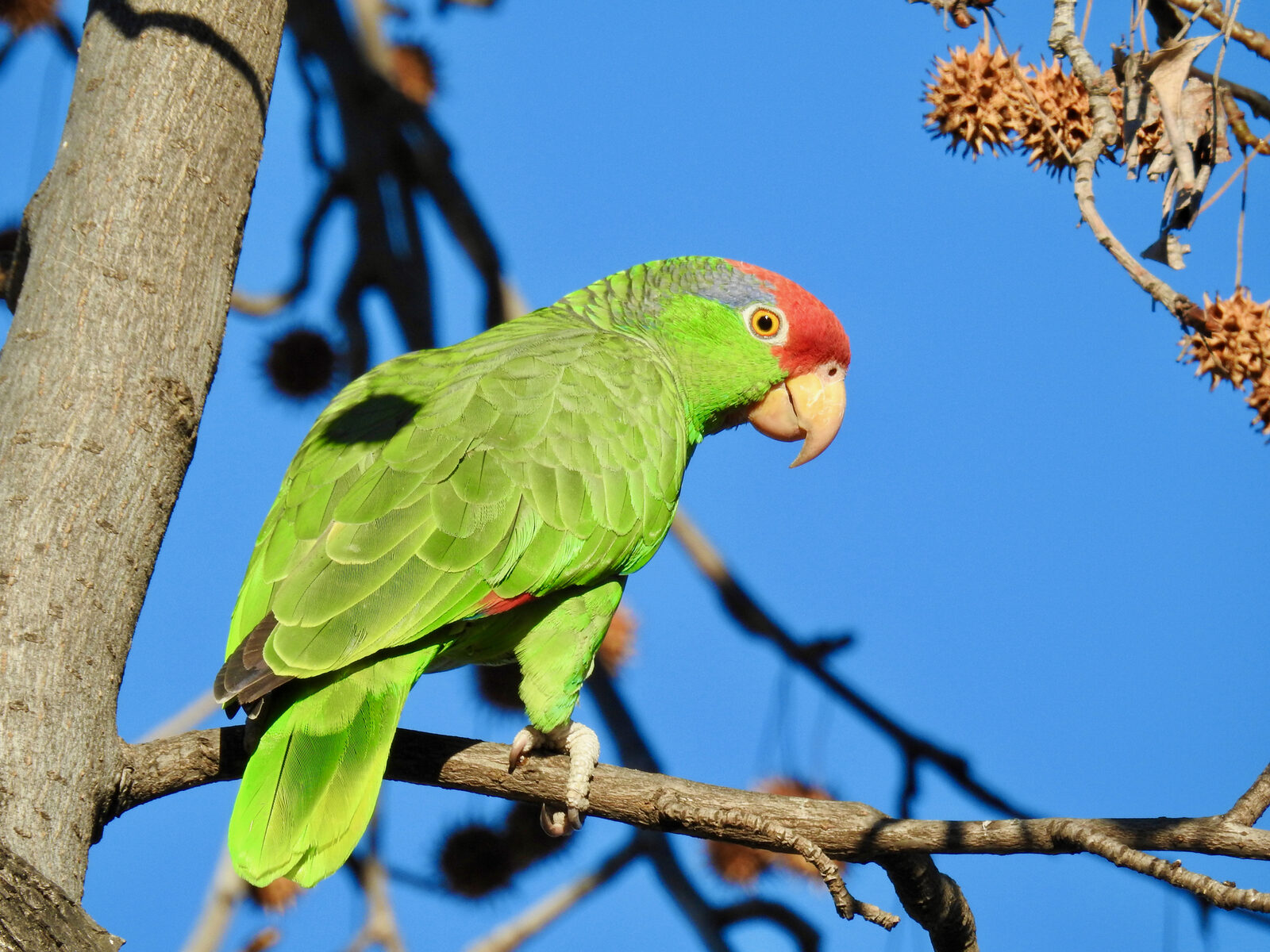
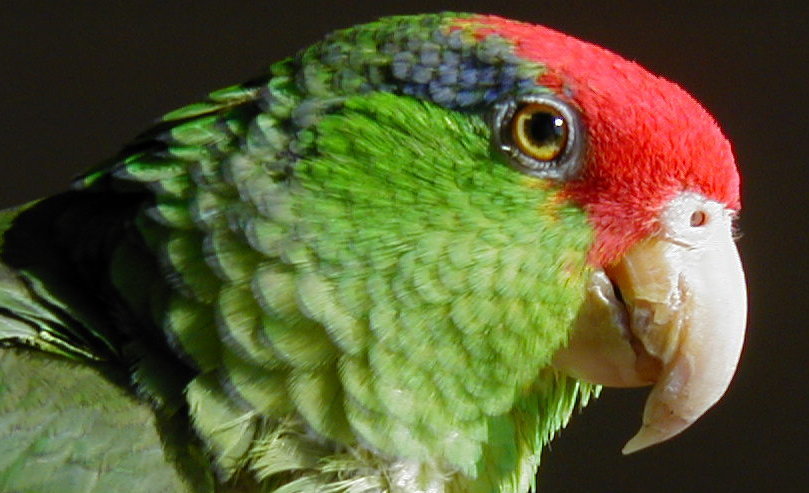
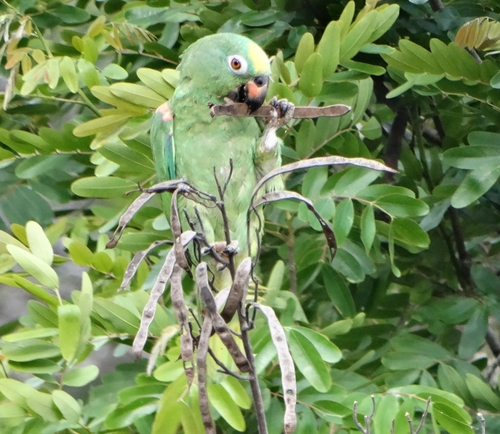
Red-crowned amazon
Amazona viridigenalis
- Status
- Endangered IUCN Red List
- Eats
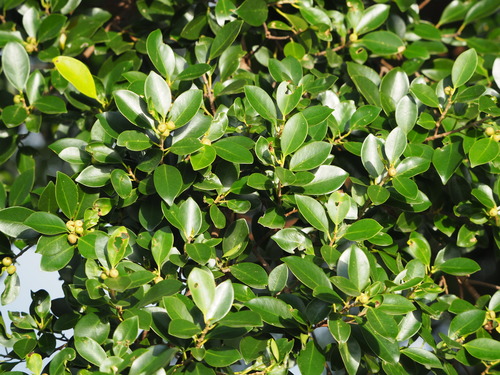
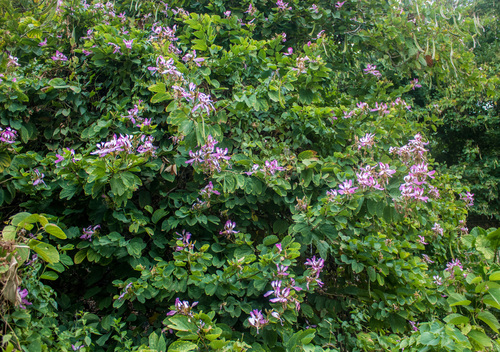
- carambola, Chinese banyan, butterfly tree and 10 more
- Where
- 3 countries
On 4Planet Atlas it is among the wildlife people record most around Honolulu.
People have shared 87,848 records of the red-crowned amazon with GBIF, from 3 countries, most of them from United States, Mexico and Puerto Rico. Records collected by GloBI show it eating 13 different kinds of animals and plants.
What the red-crowned amazon eats, and what eats it
Studies have recorded it eating 13 kinds of animals and plants. Tap any of them to follow the food chain.
- Plants 13
Red-crowned amazon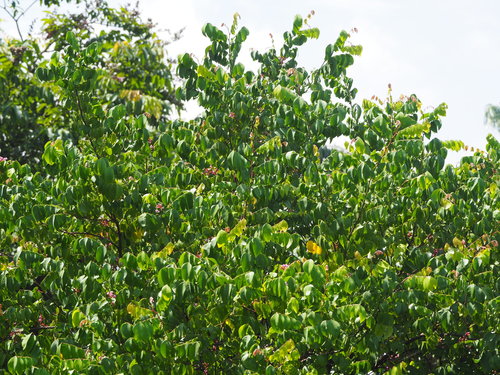
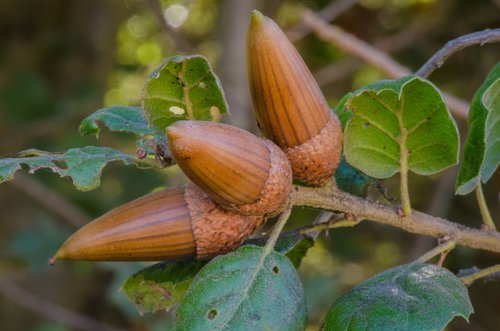
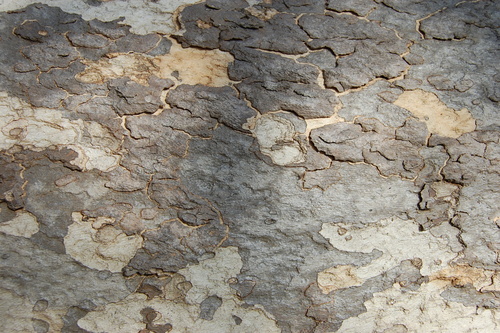
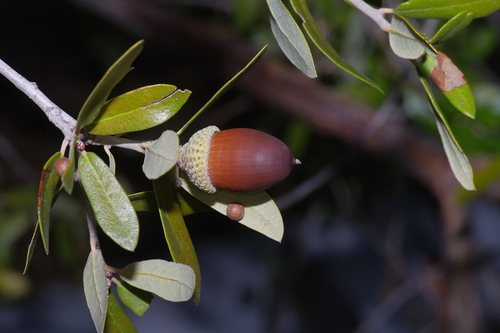
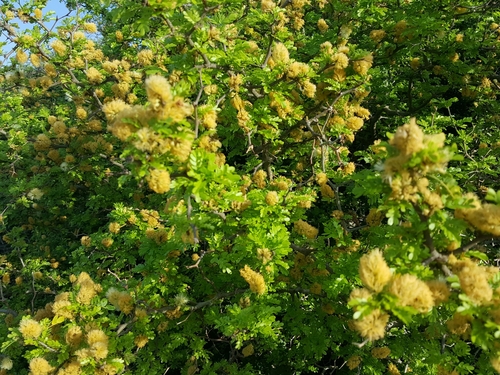
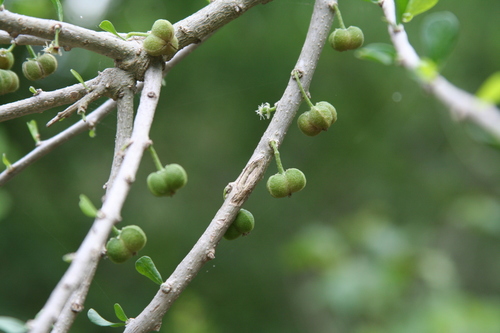
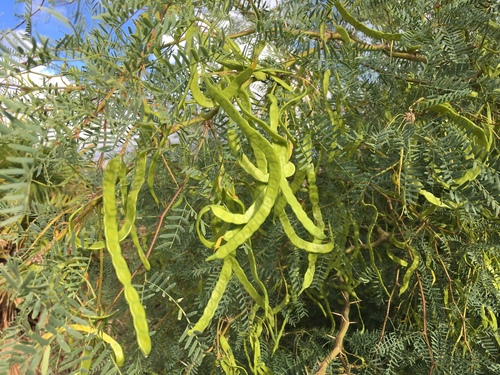
Records from studies worldwide, collected by GloBI. They include animals eaten as carrion, and they are not everything it eats in one place.
Where people see the red-crowned amazon
People have shared 87,848 records from 3 countries.
Near a city: Honolulu.
Records show where people have seen it and shared it, not its full range. Country names open their page in Atlas.
When it is seen
Records per month in the northern hemisphere. More people outdoors also means more records.
Watch and listen


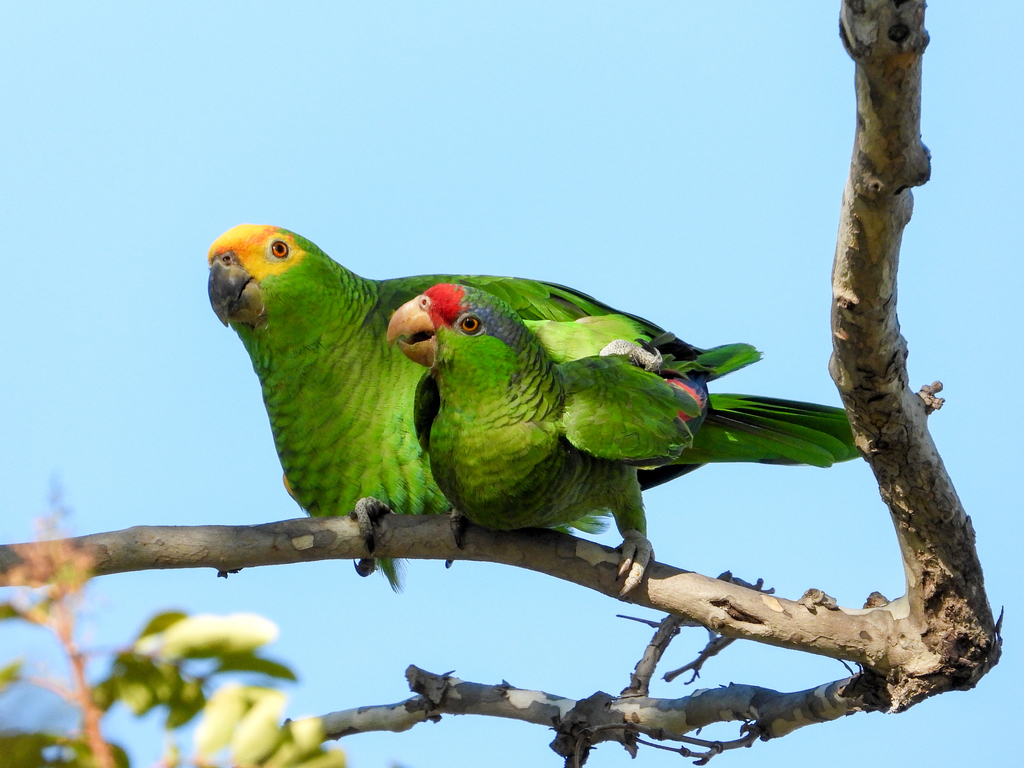
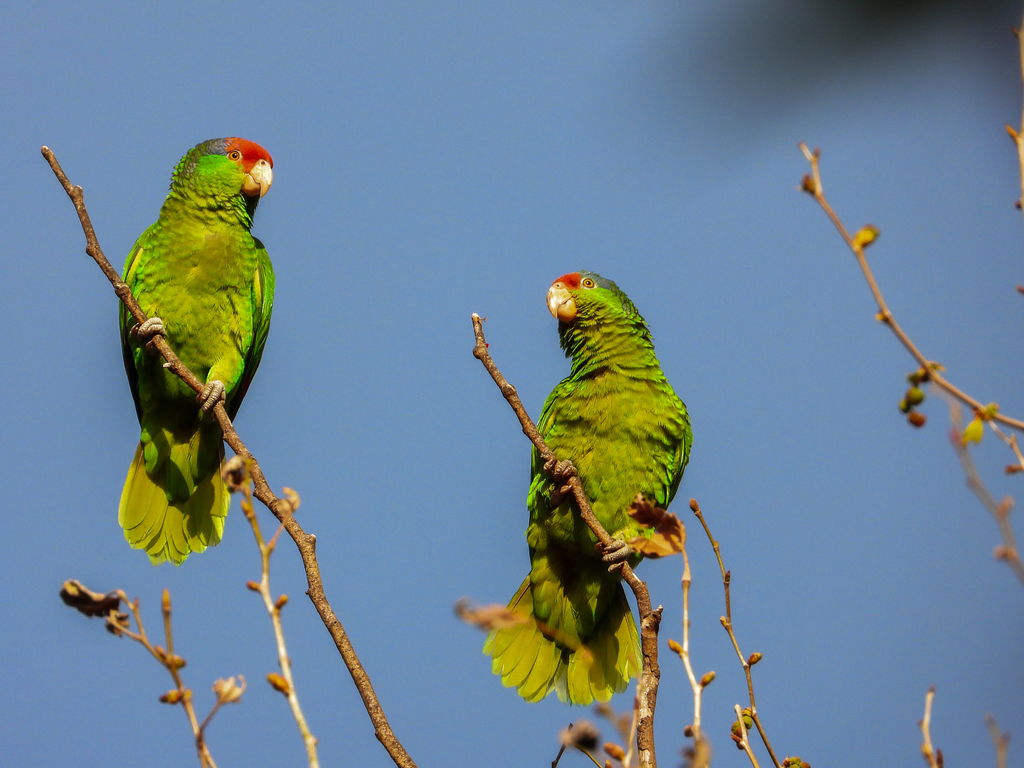
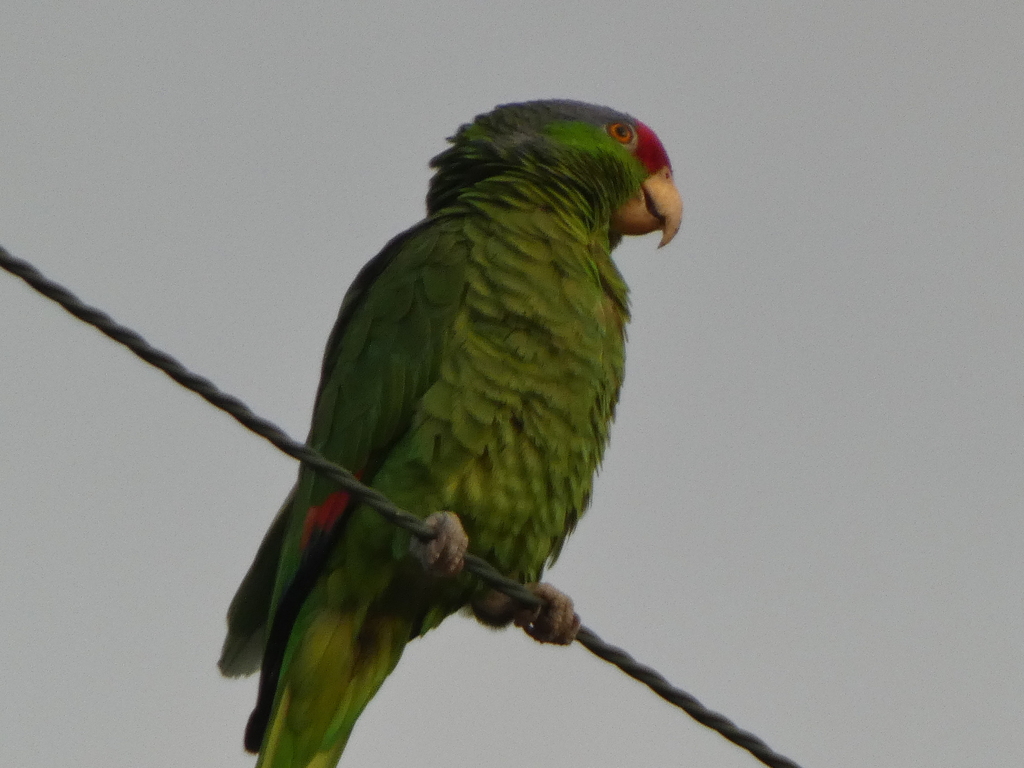
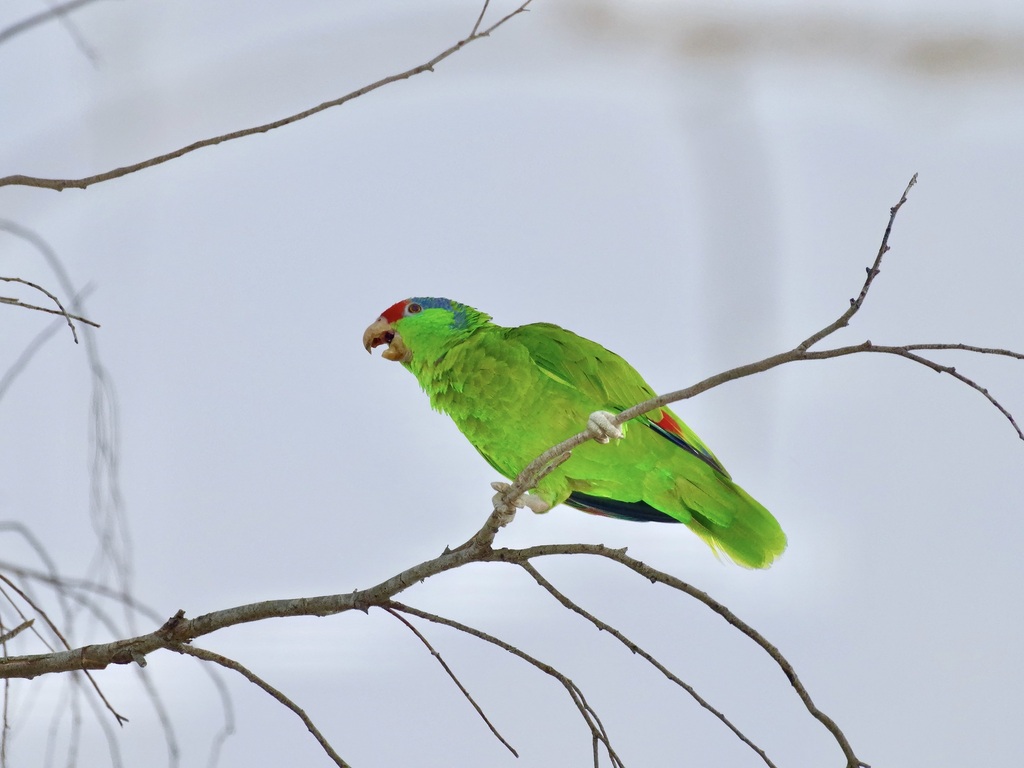
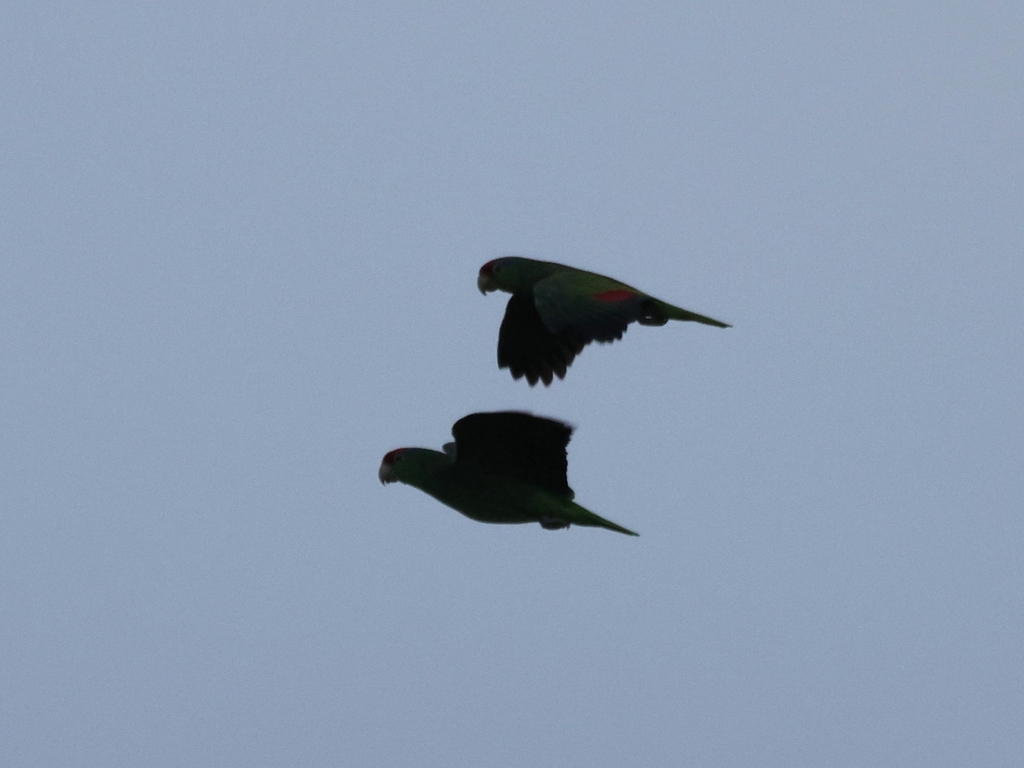
Its closest relatives
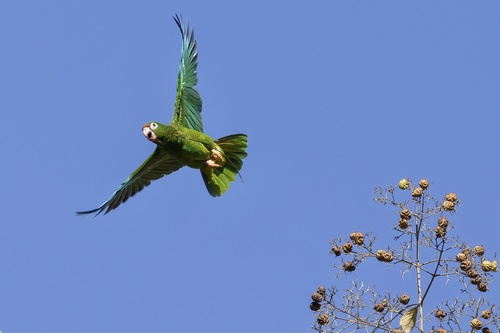
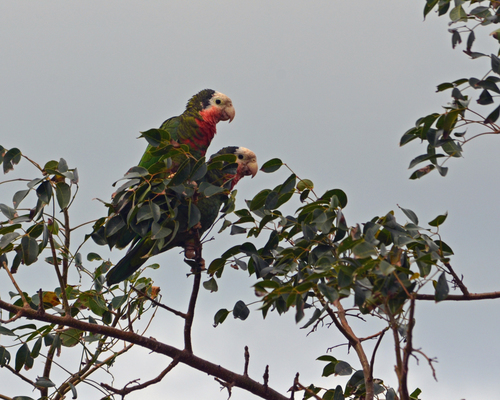
The other species of the genus Amazona.
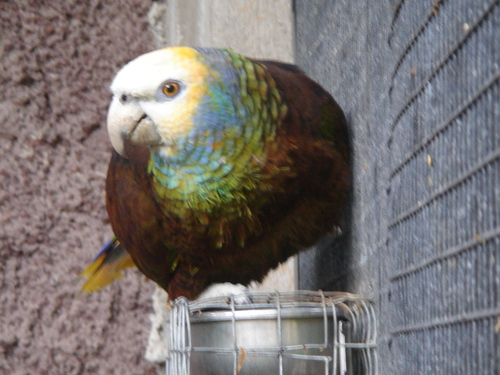
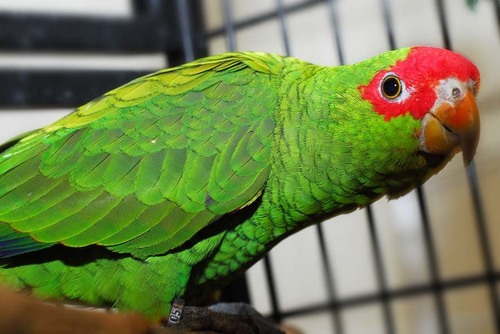
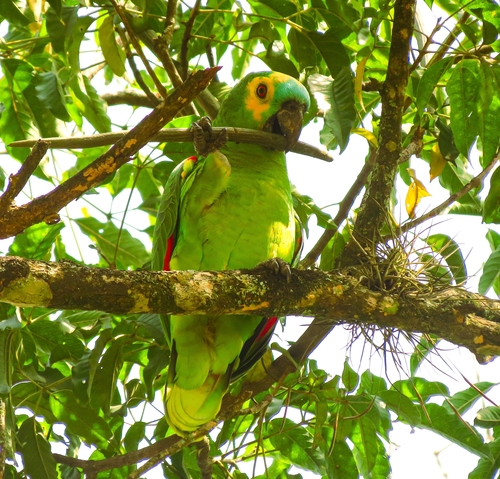
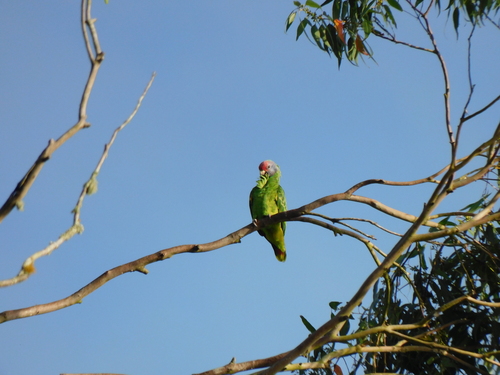
Seen a red-crowned amazon?
Share your photo on iNaturalist. Other naturalists help confirm it, and the record goes to GBIF, where scientists use it and where the maps on this page come from.
Put this species on your site
The card names every source and links back here.
<iframe src="https://4planetatlas.com/place/embed/species/red-crowned-amazon" title="Red-crowned amazon (Amazona viridigenalis), 4PLANET Species" width="100%" height="600" style="border:0;max-width:640px" loading="lazy"></iframe>
<p><a href="https://4species.com/red-crowned-amazon">Red-crowned amazon on 4PLANET Species</a></p>Questions people ask
What does the red-crowned amazon eat?
The red-crowned amazon has been recorded eating 13 different kinds of animals and plants, most of them plants. The ones recorded most often are carambola, chinese banyan, butterfly tree, coast live oak and california plane; records include animals eaten as carrion. Source: GloBI.
Where does the red-crowned amazon live?
People have recorded it in 3 countries; the most records come from United States, Mexico and Puerto Rico. Records show where people have seen it, not its full range.
When is the red-crowned amazon seen most?
In the northern hemisphere, the most records are made in April and the fewest in August. More people outdoors also means more records.
What are the red-crowned amazon's closest relatives?
It shares the genus Amazona with puerto rican amazon, imperial amazon, cuban amazon, saint vincent amazon and red-spectacled parrot.
Sources and photo credits
- GBIF · Amazona viridigenalis, 87,848 human observations
- GloBI · recorded interactions of Amazona viridigenalis
- Wikidata · Red-crowned amazon (Q921332)
- Red-crowned amazon (Amazona viridigenalis): James M. Maley, CC BY 4.0
- Red-crowned amazon (Amazona viridigenalis): 3268zauber, CC BY-SA 4.0
- Red-crowned amazon (Amazona viridigenalis): James M. Maley, CC BY 4.0
- Red-crowned amazon (Amazona viridigenalis): Leonhard F, CC BY-SA 4.0
- Red-crowned amazon (Amazona viridigenalis), Orange County, CA, USA: James M. Maley, CC BY 4.0
- Red-crowned amazon (Amazona viridigenalis), Orange County, CA, USA: James M. Maley, CC BY 4.0
- Red-crowned amazon (Amazona viridigenalis), Imperial Beach, CA, USA: datadan, CC BY 4.0
- Red-crowned amazon (Amazona viridigenalis), United States: Michelle W. (鍾偉瑋), CC BY 4.0
- Red-crowned amazon (Amazona viridigenalis), Pearl City, HI 96782, USA: Damien Wallace, CC0
- Carambola: no rights reserved, uploaded by 葉子, CC0
- Chinese banyan: no rights reserved, uploaded by 葉子, CC0
- Butterfly tree: portioid, CC BY 4.0
- Coast live oak: Franco Folini, CC BY-SA 4.0
- California plane: Eugene Zelenko, CC BY-SA 4.0
- Escarpment live oak: Michelle W. (鍾偉瑋), CC BY 4.0
- Sugar hackberry: Joseph Aubert, CC BY 4.0
- Texas ebony: Justin Quintanilla, CC BY 4.0
- Vasey's adelia: johnyochum, CC BY 4.0
- Honey prosopis: W. Terry Hunefeld, CC BY 4.0
- Puerto rican Amazon: Matt Felperin, CC BY 4.0
- Imperial Amazon: novvictan, CC BY 4.0
- Cuban Amazon: Ron Burkert, CC BY 4.0
- Saint vincent Amazon: Juan Caparrós, CC BY-SA 4.0
- Red-spectacled parrot: Andrea O Guimarães, CC BY-SA 4.0
- Blue-fronted parrot: Rodrigo Paiva Lázaro, CC BY 4.0
- Red-tailed Amazon: Ana Cristina Almeida, CC BY-SA 4.0
- Yellow-crowned Amazon: Laurimar Sepulveda, CC BY 4.0
Records show where people have seen and shared the red-crowned amazon, not its full range, and some countries and months are recorded far more than others. The food web lists interactions that studies have recorded somewhere in the world (GloBI), not everything it eats in one place.
Checked 2026-11-27.