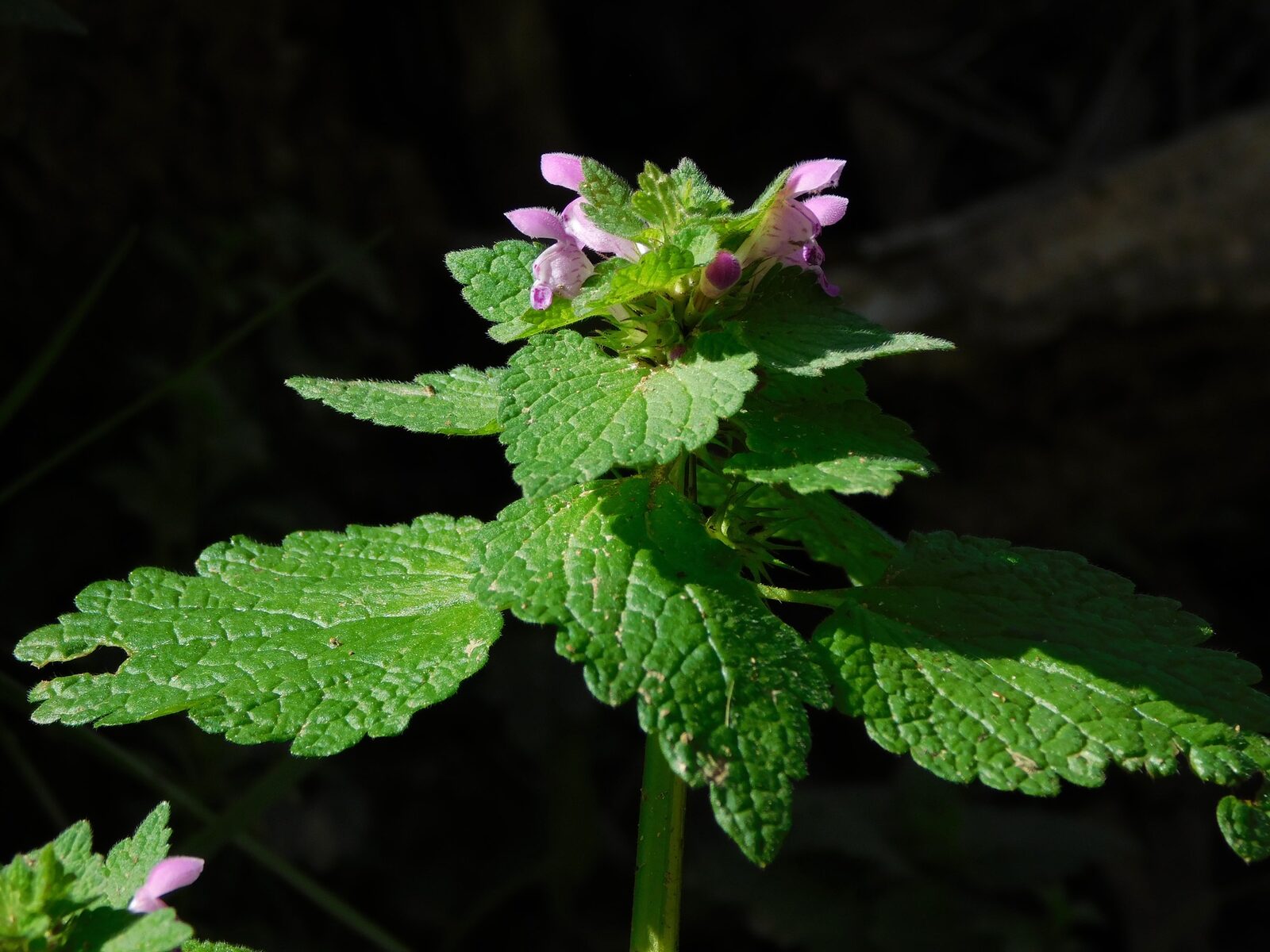
Red dead-nettle
Lamium purpureum
A low plant with purple-tinged upper leaves and pink flowers that bloom from early spring.
- Status
- IUCN Red List
- Eats
- henbit dead-nettle and 0 more
- Where
- 62 countries
Red dead-nettle looks like a nettle but does not sting, which is where the dead in its name comes from. Its purple-pink flowers appear for much of the year in gardens and on farmland, and are an important early food for bumblebees.
People have shared 123,645 records of the red dead-nettle with GBIF, from 62 countries, most of them from United States, United Kingdom and Germany. Records collected by GloBI show it eating 1 different kinds of animals and plants.
What the red dead-nettle eats, and what eats it
Studies have recorded it eating 1 kinds of animals and plants. Tap any of them to follow the food chain.
- Plants 1
Red dead-nettle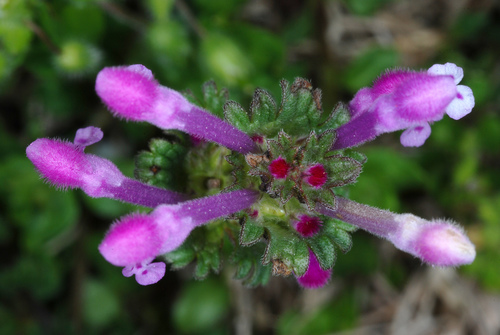
Records from studies worldwide, collected by GloBI. They include animals eaten as carrion, and they are not everything it eats in one place.
Where people see the red dead-nettle
People have shared 123,645 records from 62 countries.
Records show where people have seen it and shared it, not its full range. Country names open their page in Atlas.
When it is seen
Records per month in the northern hemisphere. More people outdoors also means more records.
Seen a red dead-nettle?
Share your photo on iNaturalist. Other naturalists help confirm it, and the record goes to GBIF, where scientists use it and where the maps on this page come from.
Questions people ask
What does the red dead-nettle eat?
The red dead-nettle has been recorded eating 1 different kinds of animals and plants, most of them plants. The ones recorded most often are henbit dead-nettle; records include animals eaten as carrion. Source: GloBI.
Where does the red dead-nettle live?
People have recorded it in 62 countries; the most records come from United States, United Kingdom, Germany, Canada and Czech Republic. Records show where people have seen it, not its full range.
When is the red dead-nettle seen most?
In the northern hemisphere, the most records are made in April and the fewest in July. More people outdoors also means more records.
Sources and photo credits
- Wikipedia · Lamium purpureum
- GBIF · Lamium purpureum, 123,645 human observations
- GloBI · recorded interactions of Lamium purpureum
- Wikidata · Red dead-nettle (Q157619)
- Red dead-nettle (Lamium purpureum): Michael J. Papay, CC BY 4.0
- Henbit dead-nettle: Douglas Goldman, CC BY-SA 4.0
Records show where people have seen and shared the red dead-nettle, not its full range, and some countries and months are recorded far more than others. The food web lists interactions that studies have recorded somewhere in the world (GloBI), not everything it eats in one place.
Checked 2026-11-21.